Izanami Restaurant

Michelin Plate
Our verdict
Set within the Ten Thousand Waves Japanese spa compound above Santa Fe, Izanami Restaurant operates where Japanese-inflected design meets New Mexico's Southwestern pantry. Under chef Mattie McGhee, the kitchen draws on local chile, grain, and high-desert produce within a format that reads more contemplative than celebratory.

Pearl is the En Primeur Club membership app — saves, bookings, and concierge access live there. Same editors, same standards.
The menu
What to order
- Grilled Miso Chilean Sea Bass
- Smoked Pork Ribs
- Black Sesame Noodles
- A5 Wagyu hot-stone
Where the High Desert Meets a Japanese-Inflected Kitchen
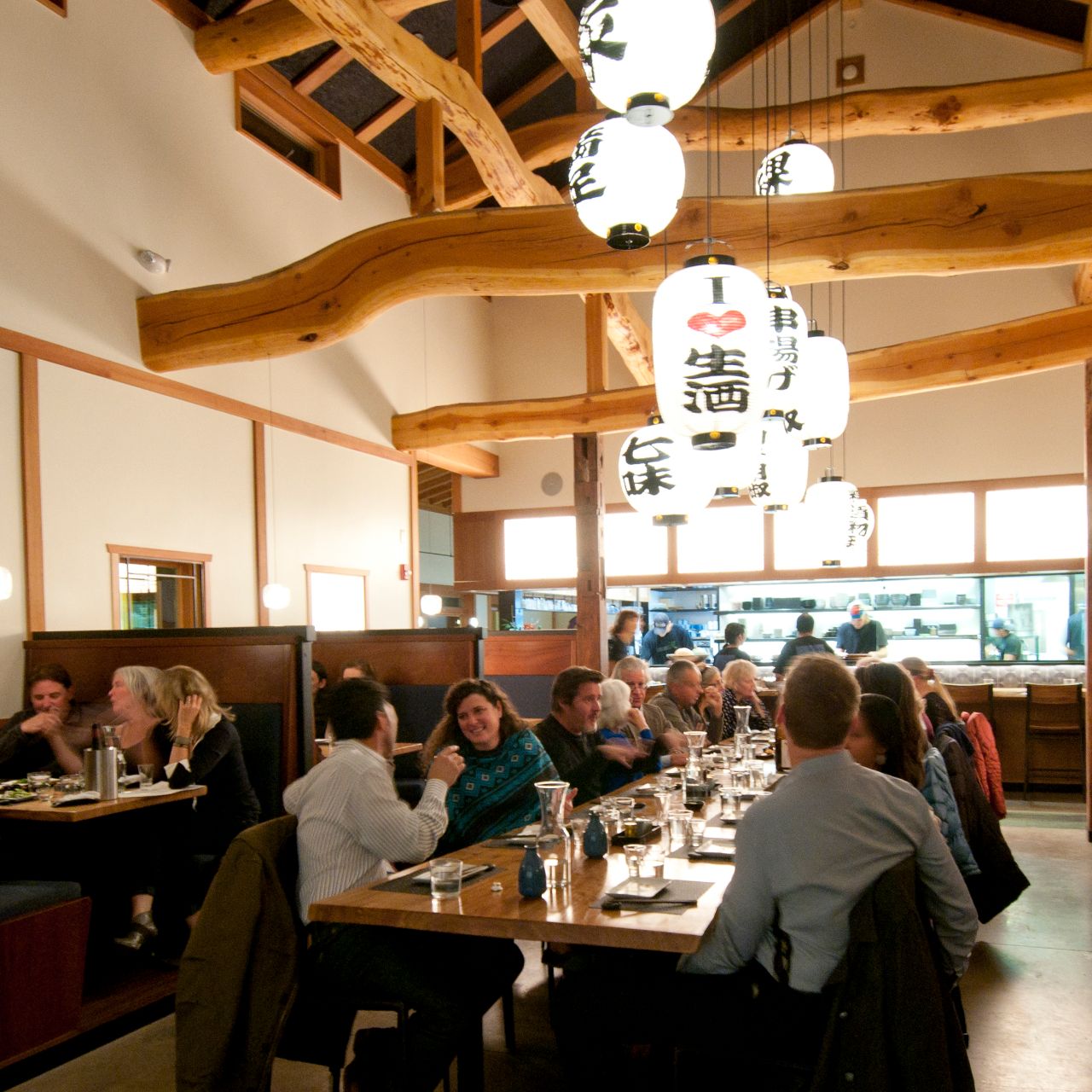
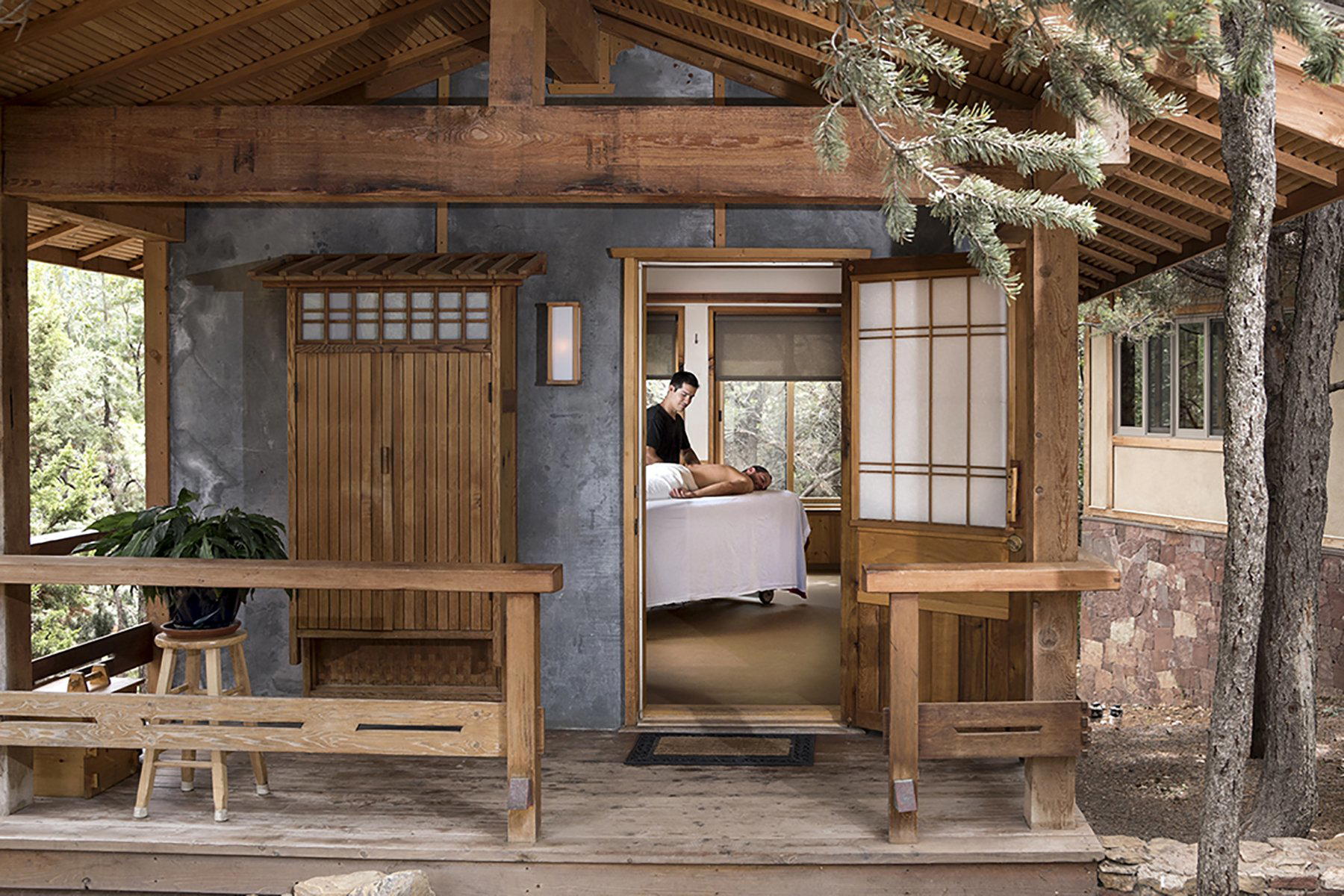
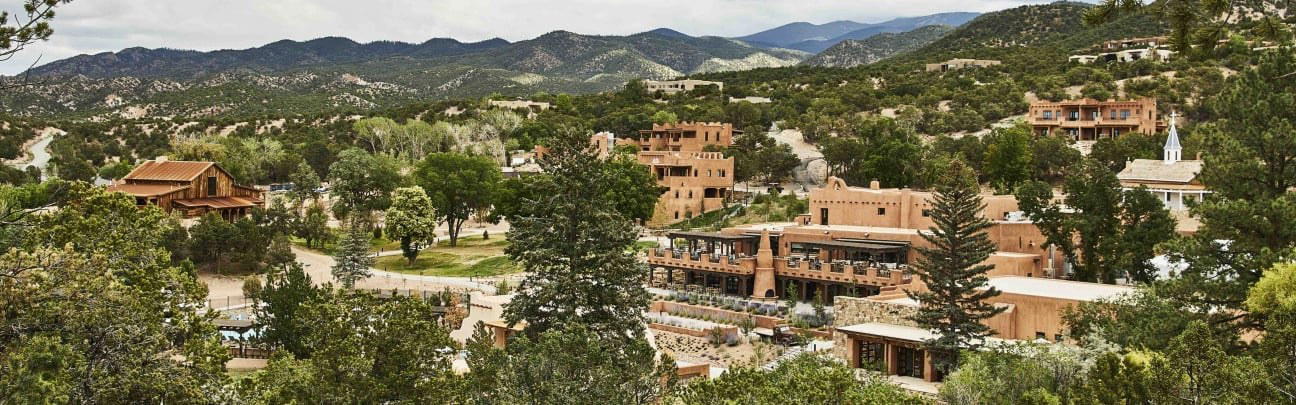
The approach to Izanami sets expectations before you reach the door. Ten Thousand Waves sits above Santa Fe on the road toward the Sangre de Cristo foothills, and the drive itself signals a deliberate separation from the downtown restaurant corridor. Lantern light, timber architecture, and the ambient sound of the spa's water features frame a dining room that operates by a different logic than the red-chile-and-adobe rooms that define the Plaza district. This is Santa Fe's Southwestern cuisine tradition filtered through a Japanese spatial sensibility: low light, unhurried pace, and a menu architecture that rewards attention rather than speed.
Menu Architecture: Where New Mexico and Japan Find Common Ground
The structure of Izanami's menu reflects a broader trend in American regional dining, where chefs are increasingly using the framework of another culinary tradition to reassemble local ingredients into something less familiar. The Japanese influence here operates primarily at the level of format and philosophy: small plates, restrained presentation, and an emphasis on fermented, pickled, and preserved elements that parallel the umami logic of Japanese cuisine while drawing on New Mexico's own deep tradition of preservation. Chile, corn, and high-desert herbs arrive through preparation methods that slow the meal down rather than accelerate it.
This structural approach places Izanami in a different competitive tier than the city's more direct Southwestern rooms. Sazón channels upscale New Mexican through formal European technique; Cafe Pasqual's delivers a brighter, more folk-art-inflected version of the same regional pantry. Izanami's menu, by contrast, treats Southwestern ingredients as raw material for a quieter, more meditative format. The comparison is instructive: where many Santa Fe restaurants build around the assertive heat and colour of local chile culture, this kitchen tends to fold those same flavours into smaller, more precise compositions.
Chef Mattie McGhee operates within this framework as a translator rather than a showman.
The Southwestern Dining Scene and Where Izanami Sits Within It
Santa Fe's restaurant scene has long been anchored by its indigenous and Spanish colonial food heritage, with New Mexican cuisine functioning as a distinct regional category rather than a subset of broader Mexican or American Southwest traditions. The debate between red and green chile (or Christmas, both at once) is not a novelty for visitors; it is the foundational flavour argument of local cooking. Most restaurants in the city take a clear position within that tradition. The more interesting question, in recent years, has been how the city's kitchens choose to extend or reframe that heritage for a dining public that now travels with a wider set of references.
Izanami's answer is to route the Southwestern pantry through a Japanese spatial and culinary logic without abandoning the local ingredients that give the food its sense of place. This is a less common approach in Santa Fe than the more direct hybrids found at places like El Parasol, which keeps the Mexican-Southwestern lineage intact, or Five & Dime General Store, which works the American Southwestern vernacular at a more casual register. At the upper end of the market, Geronimo occupies a similar price tier but with a more European-inflected fine dining format. Izanami is doing something different from all of them: it is using another culture's aesthetic logic to make familiar local ingredients less familiar again.
Among American restaurants working at the intersection of Japanese technique and local regionalism, Izanami belongs to a cohort that includes, at the higher end of ambition, places like Atomix in New York (Korean-American) and Single Thread Farm in Healdsburg (Japanese kaiseki principles applied to Northern California produce). The scale and formality differ considerably, but the structural logic of using one culture's culinary framework to excavate another's ingredients is shared. Restaurants like Le Bernardin, Alinea, and The French Laundry operate in a different register entirely, but the broader American fine dining conversation they anchor shapes the expectations that trickle down to regional rooms like Izanami.
Timing, Atmosphere, and the Case for the Off-Season Visit
Santa Fe operates on a pronounced seasonal cycle. Summer months bring the gallery circuit, the Santa Fe Opera season (July and August), and peak visitor numbers that compress reservations across the upper-tier dining room. The city's altitude (roughly 7,000 feet) keeps summer temperatures mild enough that outdoor dining extends well into evening, but the overall demand on the restaurant system during July and August means that spontaneous bookings at the more sought-after rooms become difficult. Izanami, sitting off-site at Ten Thousand Waves rather than in the Plaza district, is somewhat insulated from the worst of that pressure, but the spa's own peak season tracks closely with the city's.
The more atmospheric window is late autumn through early spring. Snow on the Sangre de Cristos and the lantern-lit walk through the Ten Thousand Waves compound create a physical context for the restaurant that the summer season, however pleasant, cannot replicate. The food's quiet, warming logic also reads more naturally against a cold night than a July evening. For visitors combining the restaurant with a spa visit, the winter months represent the more complete version of what Ten Thousand Waves is selling as an experience.
Practical logistics are direct. Izanami sits at 21 Ten Thousand Waves Way, above Santa Fe on the road toward the ski area. Given the mountain road and the expectation of an unhurried evening, driving or a rideshare is the practical approach rather than walking from the Plaza district. For the full picture of where Izanami fits within Santa Fe's dining options, see our full Santa Fe restaurants guide. Those planning a wider stay should also consult our full Santa Fe hotels guide, our full Santa Fe bars guide, our full Santa Fe wineries guide, and our full Santa Fe experiences guide.
For reference points further afield, the Japanese-regional fusion format appears in notably different registers at Lazy Bear in San Francisco, Emeril's in New Orleans (regional American with a different cultural overlay), and internationally at 8½ Otto e Mezzo Bombana in Hong Kong. The comparison clarifies what Izanami is attempting: a regional dining experience with a clear sense of place, using borrowed aesthetic tools to deepen rather than erase local identity.
Frequently asked questions
Do I need a reservation for Izanami Restaurant?
A reservation is strongly advisable. Izanami sits within the Ten Thousand Waves compound at 21 Ten Thousand Waves Way above Santa Fe, meaning it draws both spa guests and destination diners, which compresses available covers. Contact the Ten Thousand Waves property directly to secure a table.
Peers in This Market
Comparable options at a glance, pulled from our tracked venues.
| Venue | Cuisine | Price | Awards | Notes |
|---|---|---|---|---|
| Izanami RestaurantThis venue (the venue you are viewing) | Creative Japanese Izakaya | $30–50 | Michelin Plate | Not listed |
| Harry’s Roadhouse | New Mexican Roadhouse | $20–30 | Diners, Drive-Ins and Dives Featured Restaurant | Chile Burgers |
| Santa Fe Bite | New Mexico Green Chile Cheeseburgers | $20–30 | Not listed | Café |
| Sazón | Modern Mexican Fine Dining | $50–100 | James Beard Award Best Chef: Southwest · Wine Spectator Award of Excellence | New Mexican |
| Cafe Pasqual's | New Mexican | $30–50 | James Beard Award America's Classics | Southwestern American |
| El Parasol | Authentic New Mexican Taqueria | $10–20 | Not listed | Mexican Southwestern |
Recognition history
Dated appearances from independent guides and award organizations, with the underlying list record or original source where available.
Michelin Plate
Michelin
Continue exploring
More in Santa Fe
Restaurants in Santa Fe
All restaurants in Santa Fe →
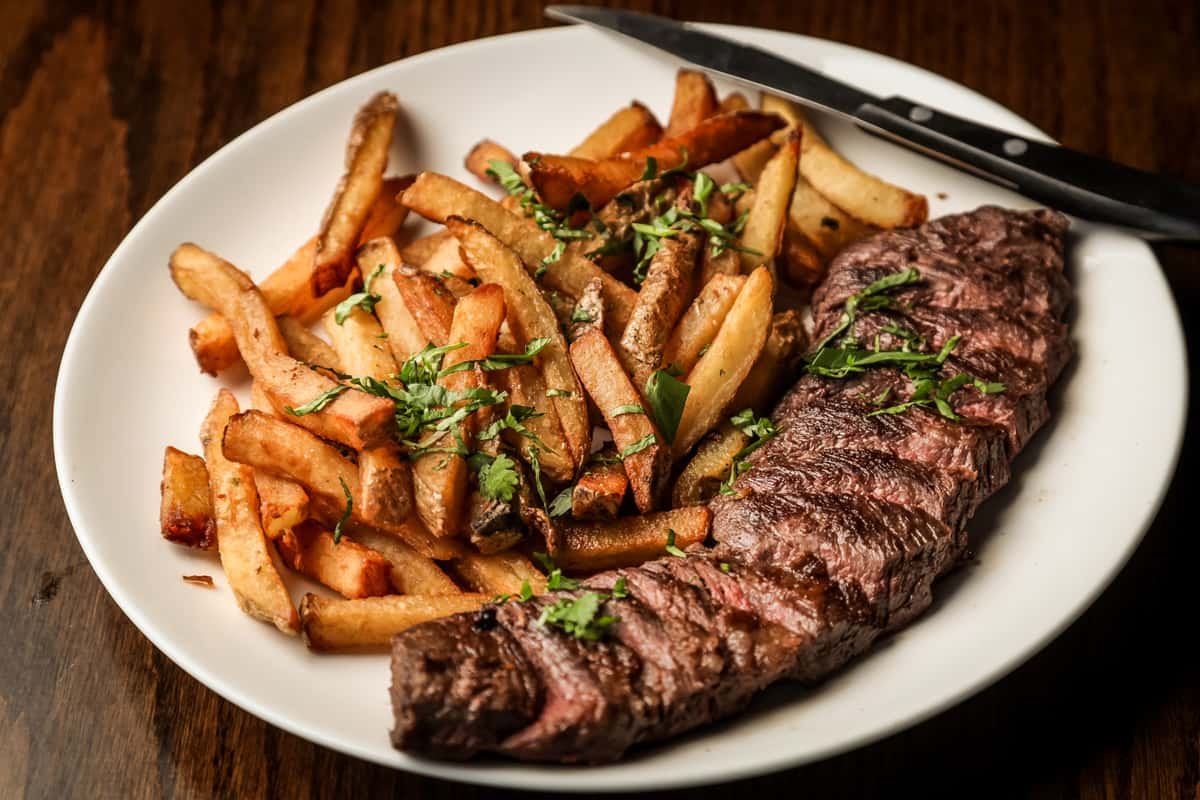
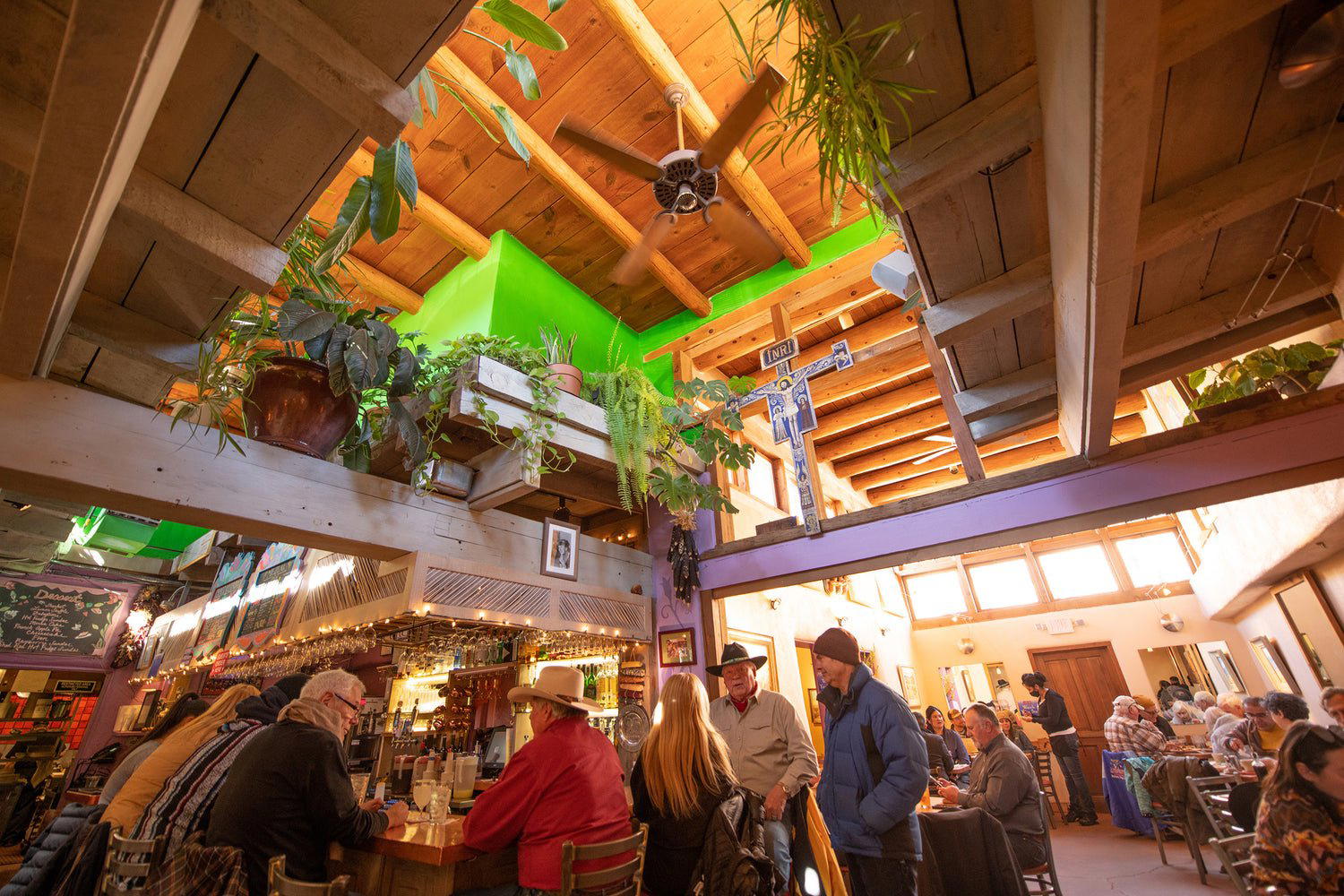
Bars in Santa Fe
All bars in Santa Fe →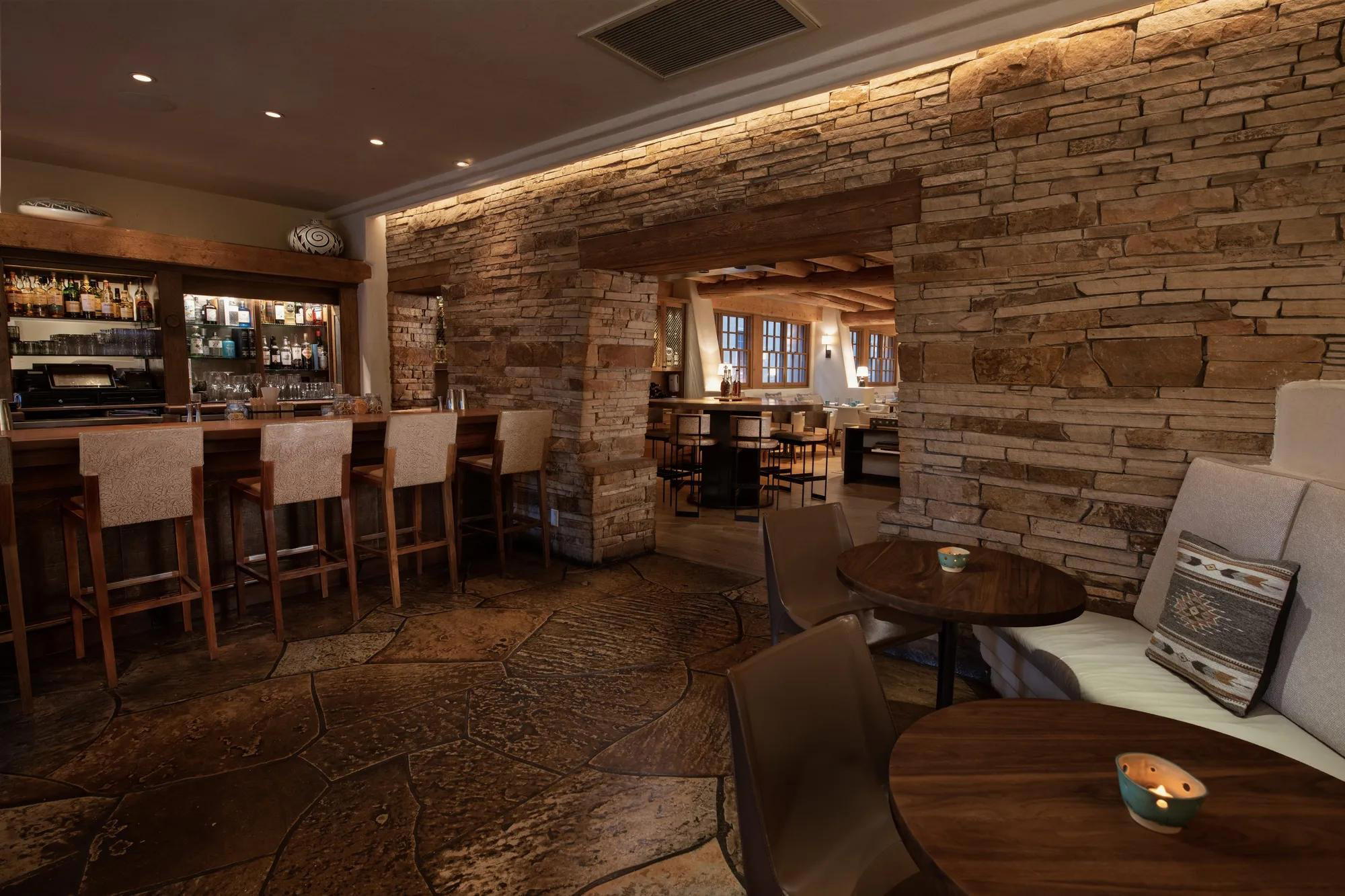
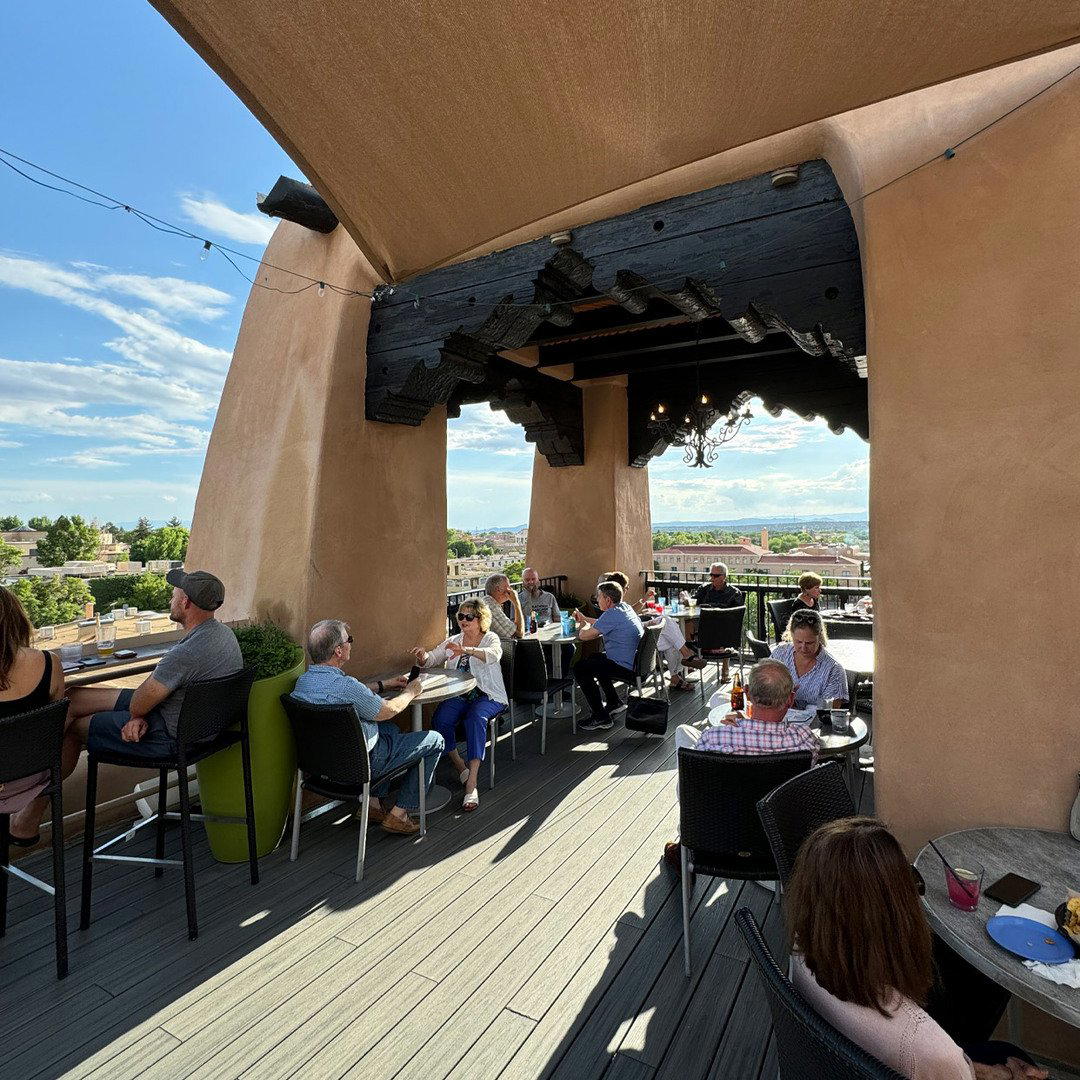
Izanami Restaurant
The wine
- Wine program
- Curated wine list
- Sake program
- Craft cocktails
Details
- Scenic
- Cozy
- Intimate
- Rustic
- Elegant
- Date Night
- Special Occasion
- Garden
- Terrace
- Open Kitchen
- Sake Program
- Craft Cocktails
- Farm To Table
- Local Sourcing
- Mountain
- Garden
- Small Plates
- A La Carte
- Sake
- Japanese Whisky
- Vegetarian Friendly
- Vegan Options
- Gluten Free Options
Current opening hours
- Monday
- 12–3 PM, 5–9 PM
- Tuesday
- 5–9 PM
- Wednesday
- 12–3 PM, 5–9 PM
- Thursday
- 12–3 PM, 5–9 PM
- Friday
- 12–3 PM, 5–9 PM
- Saturday
- 12–3 PM, 5–9 PM
- Sunday
- 12–3 PM, 5–9 PM
Hours can change for holidays and private events. Last verified .
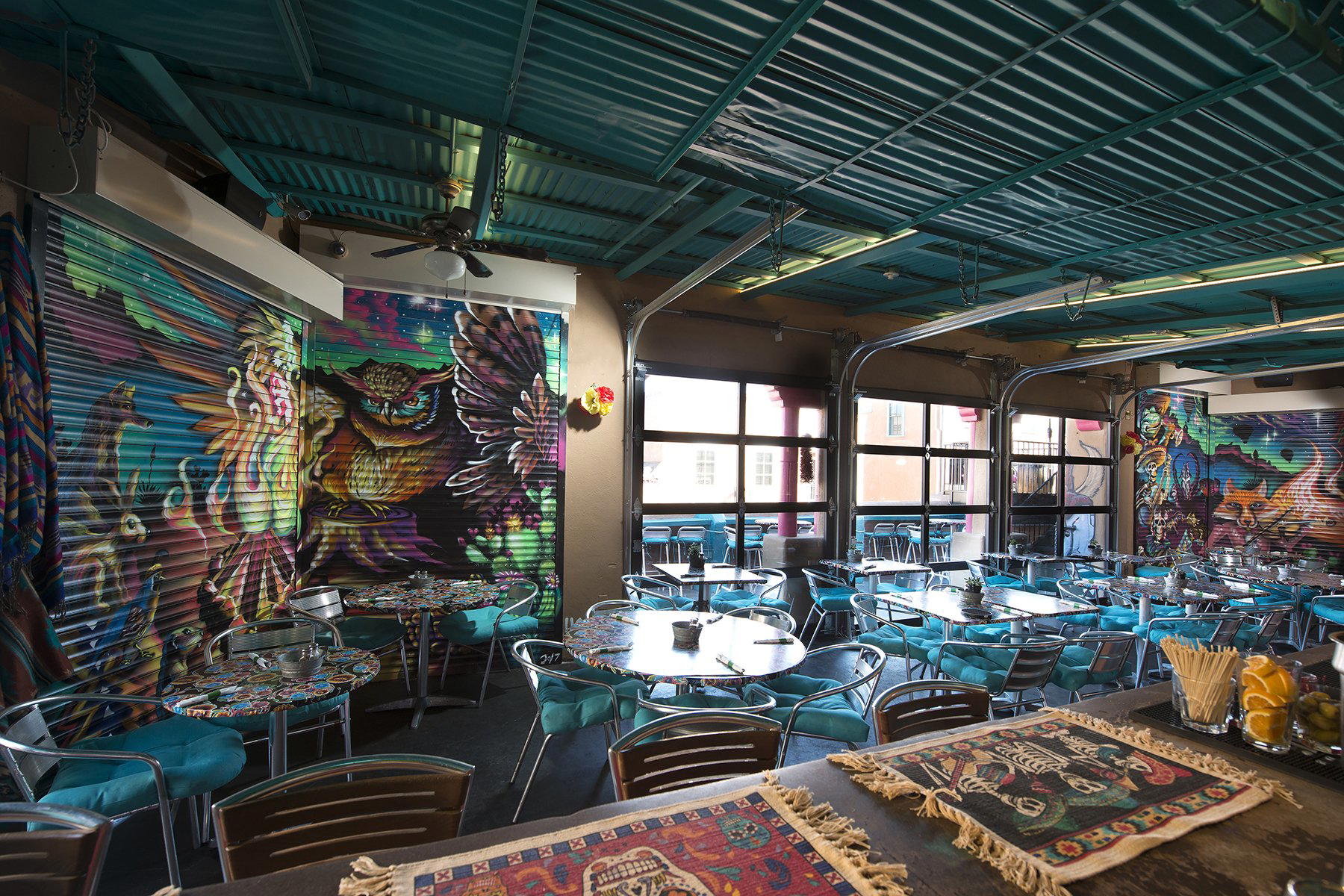
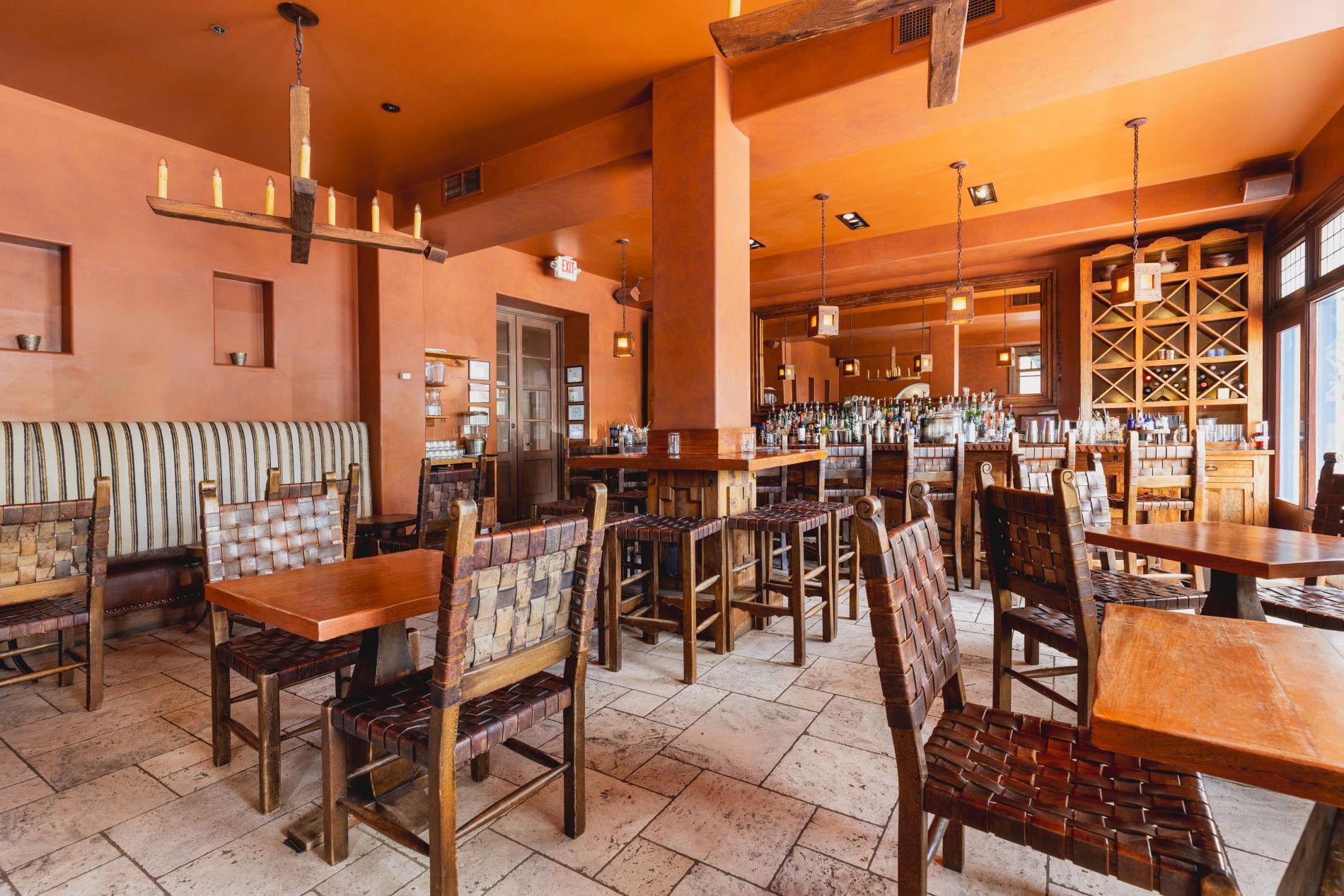
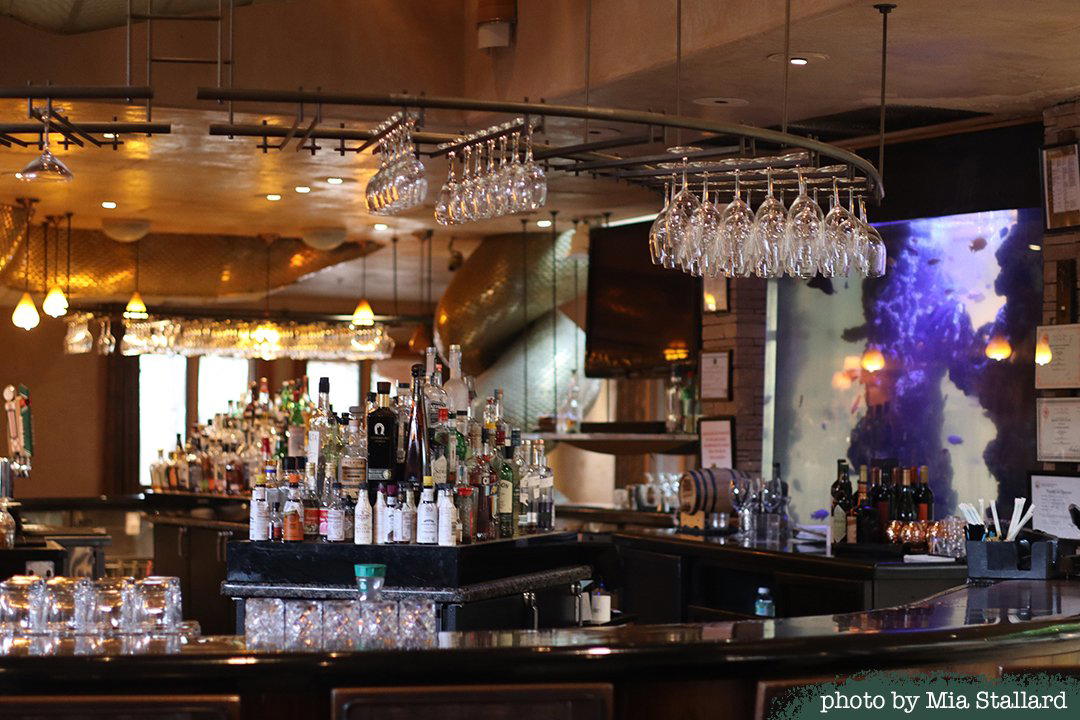
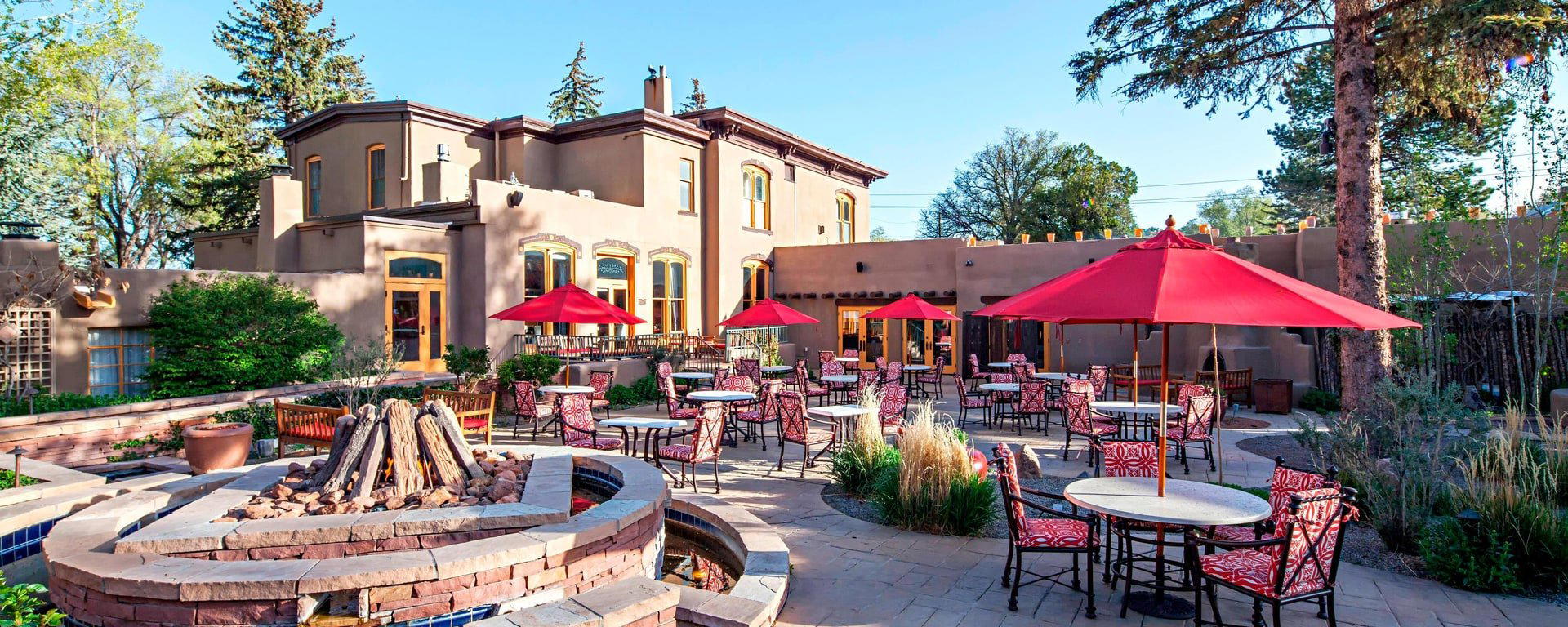
Warm, scenic, serene Japanese-inspired decor with calming mountain and garden views.