
Ramen Kobo RISE belongs to Osaka’s serious ramen conversation without taking the usual central-city route. Its place in the Tabelog 100 - Ramen - OSAKA selections for 2023, 2024, and 2025 points to a suburban counter with sustained local credibility, especially for travelers willing to look beyond the Namba-Umeda axis.
Pearl is the En Primeur Club membership app — saves, bookings, and concierge access live there. Same editors, same standards.
- Address
- 大阪府八尾市本町3-11-22
- Phone
- +81729979003
- Website
- tabelog.com
 Saves & bookings on Pearl
Approaching a house-style ramen shop in Yao changes the rhythm of an Osaka meal. The city’s ramen reputation is often filtered through station-front queues and late-night central counters, but the outer wards tell a different story: smaller rooms, fewer theatrics, and a customer base that judges repeatability over spectacle. Ramen Kobo RISE fits that quieter register, a counter-led operation whose recognition comes not from scale but from consistency inside a demanding local ramen culture.
Osaka’s noodle scene has never been as neatly branded as Tokyo’s, and that is part of its appeal. Udon has older civic weight, takoyaki and okonomiyaki dominate visitor shorthand, and ramen competes in a field where suburban specialists can gather loyal followings without becoming tourist fixtures. The Tabelog 100 - Ramen - OSAKA selections for 2023, 2024, and 2025 place this shop inside a tight group of ramen rooms that local diners repeatedly validate. That matters in a city where a low-ticket bowl can be judged with the same seriousness as a tasting menu.
Osaka ramen, measured by repeat visits rather than ceremony
The meaningful comparison here is not with luxury dining. It is with other compact Osaka noodle specialists operating at everyday prices, where the gap between ordinary and destination-worthy is usually built from broth discipline, noodle handling, turnover, and restraint. Menya Issou and Menya Seiryu sit in the same low-price ramen conversation, while Sanukiya Masajiro and Teramae show how Osaka’s casual noodle and set-meal tiers can overlap with award-listed recognition. Ramen Kobo RISE belongs to that practical bracket: accessible on spend, serious in selection history, and shaped for diners who care more about the bowl than the room’s narrative.
The category mix also says something about how contemporary ramen shops function in Osaka. Ramen remains the anchor, but tsukemen and donburi broaden the meal without turning the format into a general restaurant. That matters because the better casual counters in Japan often succeed by tightening the number of things they do, not by expanding into a crowd-pleasing menu. In this case, the format points toward a noodle-first kitchen with enough range for repeat local use.
Shop opened in 2010, which gives its current recognition a useful timeline. A newly fashionable ramen address can surge on novelty; a counter operating across more than a decade has to survive changing broth fashions, review-site scrutiny, and the churn of local regulars. The 2023-to-2025 run of Tabelog 100 selections suggests that its present relevance is not a one-season spike. In Osaka ramen terms, that is the more persuasive signal.
A small counter culture outside the central Osaka circuit
Counter seating changes the social contract of ramen. Service is direct, meal length is compressed, and the kitchen’s timing is exposed. A 12-seat room leaves little margin for drift: bowls move quickly, solo diners are easily absorbed, and families need to read the rhythm of the room rather than treat it like a sprawling casual restaurant. The listing of children and strollers as welcome is useful, but the physical format still asks for compact, efficient dining.
That small scale also explains why suburban ramen can reward planning without feeling formal. This is not the polished reservation economy of high-end Osaka dining, nor the cocktail circuitry covered in Our full Osaka bars guide. It is closer to the city’s everyday craft layer, where a train ride and a short walk can lead to a counter with a deeper local following than many central addresses. For travelers building a wider itinerary, Our full Osaka restaurants guide gives the broader dining map, while Our full Osaka hotels guide, Our full Osaka experiences guide, and Our full Osaka wineries guide frame the city beyond the bowl.
The location matters editorially because Osaka’s serious casual eating is not confined to the visitor corridors. Yao’s position outside the central dining spine makes the meal feel less like checklist dining and more like a study in local demand. That is also why the recognition carries weight: a 12-seat ramen counter beyond the obvious tourist routes needs a strong reason for people to keep showing up.
How to place it in an Osaka eating day
The better way to use this address is as a focused ramen stop, not as the centerpiece of an overbuilt evening. Its low-spend category makes it easy to pair with Osaka’s wider casual food culture, from bakeries and cafes to takeaway classics. For nearby editorial context across the city, EP Club also covers.cafe, 52CHO-ME BAKERY, 551 Horai (551蓬莱), 99 Pizza Napoletana Gourmet, and a canto (Italian), each pointing to a different version of Osaka appetite.
Editorial case for Ramen Kobo RISE is strongest for diners who already understand that Japanese food travel is often won in modest rooms. The price tier keeps expectations grounded, the award history raises the stakes, and the counter format keeps the experience compressed. It is a smart inclusion for a traveler who wants Osaka ramen with local validation rather than central-city convenience alone.
For broader Japan planning, compare how casual formats shift by region: -Grilled beef Sukiyaki- KAMAKURA TANUKIAN 鎌倉 たぬき庵 in Kamakura. 鮪と炭火焼き うお炭 秋葉原店 in Tokyo.know in Kumamoto, (Shoku) Vietnam in Kawasaki, [Curry Senmon Ten] Maruyama Kyoju. in Sapporo, [ki:] in Kyoto, Jōdo Saké Bar in Los Angeles, and Onigiri Time in Pasadena show how Japanese and Japan-adjacent dining can range from counter meals to diaspora formats without needing luxury signals to be taken seriously.
Snapshot
Comparable venues to anchor price and recognition.
| Venue | Cuisine | Price | Notes |
|---|---|---|---|
| Ramen Kobo RISEThis venue — the venue you are viewing | Ramen | $ | Not listed |
| Jikoryu Ramen Watamen | Ramen & Tsukemen Shop | $ | Matsubara (Minami-Kawachi) |
| Udon Yukino | Osaka Udon & Curry Udon Shop | $ | Higashisumiyoshi |
| Kamaage Udon Ikki | Udon noodle shop | $ | Nishinari |
| Menya Shiki | Japanese Ramen | $ | Moriguchi |
| Takeuchi Udon Ten | Sanuki-style udon and tempura shop | $ | Kita |
Recognition history
Dated appearances from independent guides and award organizations, with the underlying list record or original source where available.
Tabelog 100 #47 · No. 47
Tabelog · Tabelog 100 - Ramen - OSAKA - 2025
Continue exploring
More in Osaka
Restaurants in Osaka
Browse all →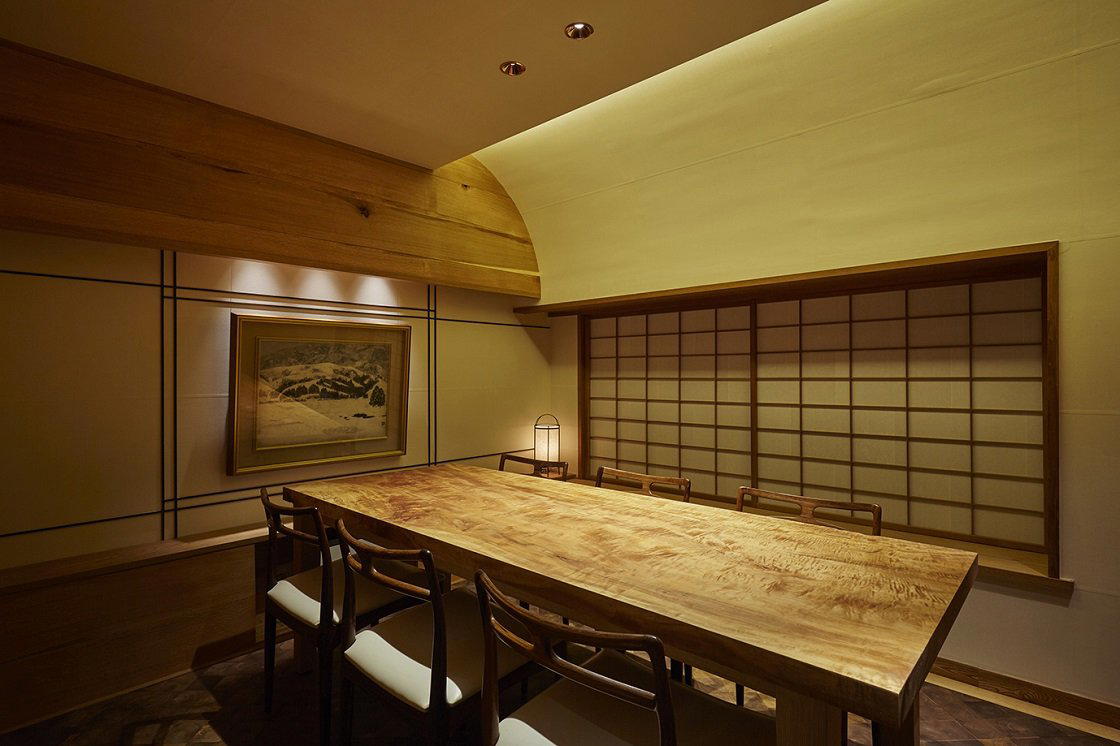


Bars in Osaka
Browse all →
Hotels in Osaka
Browse all →


Wineries in Osaka
Browse all →
At a Glance
- Cozy
- Classic
- Solo
- Family
- Casual Hangout
- Standalone
A compact, house-style ramen restaurant with counter seating and a low-key neighborhood feel.