Ramen House
Our verdict
Ramen House on Unterer Graben sits inside a St Gallen dining scene that has grown increasingly interested in Asian noodle traditions over the past decade. The address places it close to the old town, making it a practical stop for visitors exploring the UNESCO-listed abbey district. For a city of its size, St Gallen has quietly developed a range of Asian dining options worth tracking.

Pearl is the En Primeur Club membership app, where members save venues, book tables and use the concierge.
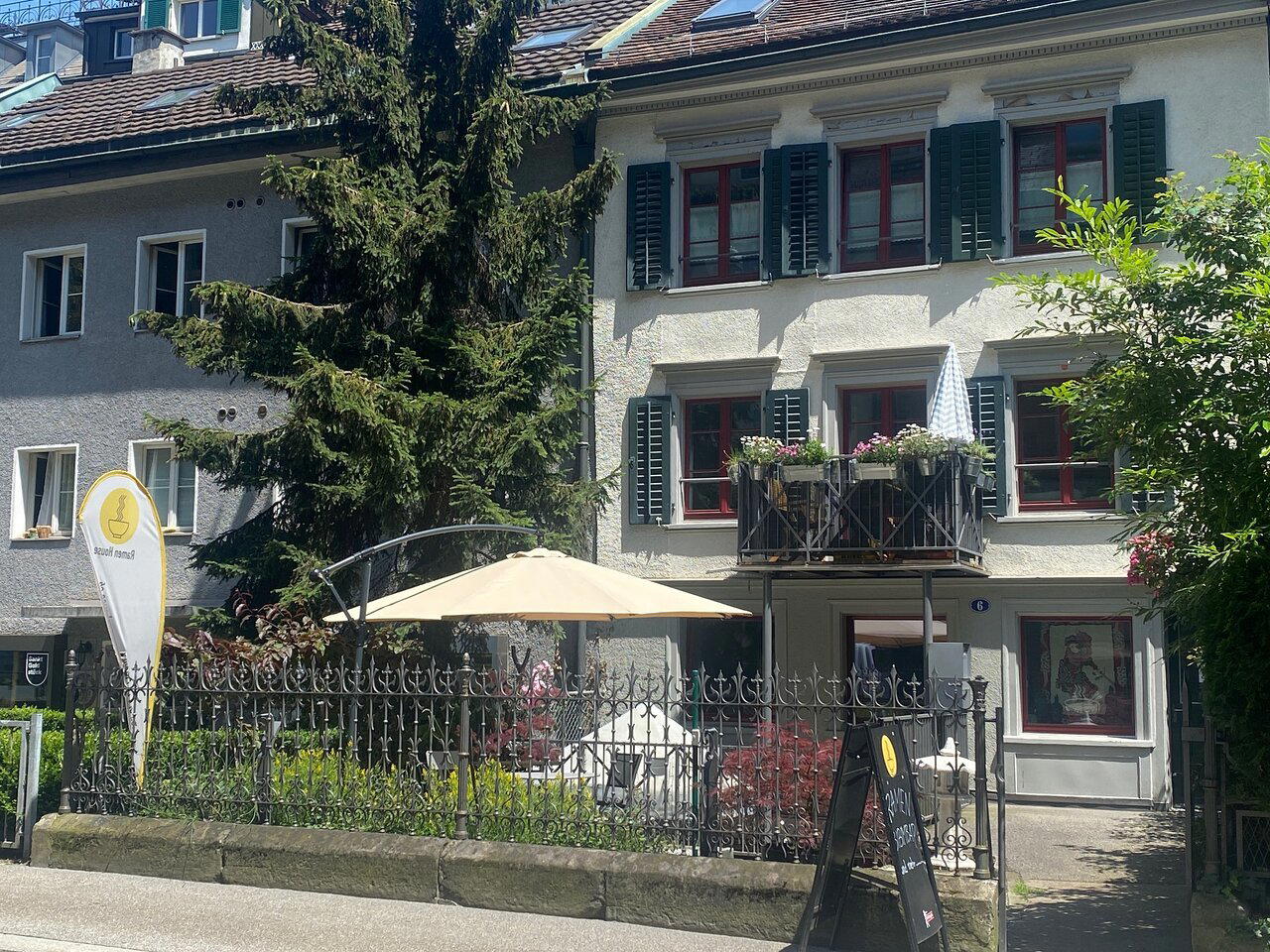
Where St Gallen's Appetite for Japanese Noodle Culture Lands
Unterer Graben is one of those St Gallen streets that operates slightly below the tourist circuit. It runs parallel to the more-photographed lanes of the old town, close enough to the UNESCO-listed cathedral quarter to catch foot traffic from visitors, but occupied mainly by locals moving between the university buildings and the lower residential neighbourhoods. It is the kind of address where a ramen counter makes sense: affordable, atmospheric, and positioned to serve both a lunchtime crowd and an early evening one.
Ramen House sits at number 6. The format follows a pattern visible across mid-sized European cities over the past decade: as Japanese food culture spread beyond sushi bars and into noodle traditions, cities from Vienna to Zurich to Lyon developed dedicated ramen spaces that positioned themselves against fast-casual chains by leaning into craft sourcing and longer broth timelines. In Switzerland, that movement arrived later than in Germany or France, which makes St Gallen's current Asian dining scene feel like it is still finding its shape.
The Sourcing Logic Behind a Bowl of Ramen
Ramen is one of the more sourcing-intensive dishes in Japanese cooking, which is part of what makes it an interesting editorial lens on any city's food culture. A serious tonkotsu broth requires a minimum of twelve hours on the bone; a shio or shoyu version depends on the quality of its kombu, its dried fish, and its soy. In Japan, ramen shops are often defined not by their region or their chef's biography but by the single ingredient or technique they have chosen to obsess over. Some shops run a single broth. Others offer two or three, each dialled to a different intensity.
In European contexts, the sourcing challenge is compounded by geography. The specific grades of noodle wheat used in Japanese ramen flour, the particular fermented soy pastes central to miso ramen, and the cured pork belly for chashu all require either reliable import channels or credible local substitutes. Restaurants that solve this well tend to be small operations where the ownership has a direct stake in what arrives in the kitchen. The proliferation of ramen across European cities has separated into two clear tiers: chain-operated formats that standardise across multiple sites, and independent shops that are defined by their supply chain specificity.
Within St Gallen's current dining picture, that distinction matters. The city's independent restaurant culture, visible across spots like Blumenmarkt, Baratella, and Am Gallusplatz, has historically centred on European traditions: Swiss, Italian, French bistro. The emergence of spaces like Ramen House and Banh Mi Bros signals a second wave of Asian influence that is broadening what the city's mid-market dining looks like.
St Gallen in Context: A City Not Known for Japanese Fine Dining
To understand where Ramen House fits, it helps to map the broader Swiss dining hierarchy. Switzerland's formal restaurant recognition clusters in a small number of cities and destinations. Properties like Hotel de Ville Crissier in Crissier and Schloss Schauenstein in Fürstenau sit at the top of the national prestige stack. Basel has Cheval Blanc by Peter Knogl; the canton of Graubünden has Memories in Bad Ragaz and 7132 Silver in Vals; central Switzerland has Colonnade in Lucerne. The Engadin has Da Vittorio in St. Moritz. Zurich holds IGNIV by Andreas Caminada and the technically precise focus ATELIER in Vitznau nearby.
St Gallen's own high-end anchor is Einstein Gourmet, which represents the city's formal dining ceiling. Everything else operates in a different register: neighbourhood bistros, casual European, and increasingly, Asian-influenced spots. Ramen House occupies that casual-to-mid tier, which in a city of St Gallen's size (roughly 80,000 residents) is also where most of the daily dining traffic moves.
For international reference points, the gap between a focused Japanese noodle house in a Swiss regional city and the tasting-menu ambition of something like Atomix in New York City or the seafood precision of Le Bernardin in New York City is significant. But the comparison is not really the point. Ramen is a democratic format by design, and the cities doing it well are those where the sourcing discipline matches the price point, not those trying to fine-dine their way through a bowl of noodles.
The Neighbourhood and Practical Reality
The Unterer Graben address means Ramen House is reachable on foot from St Gallen's main railway station in under ten minutes. The station connects to Zurich in roughly an hour by direct train, which makes St Gallen accessible as a day-trip destination or an overnight stop for visitors moving through eastern Switzerland. The old town is compact, and most dining in the central area is within a short walk of the cathedral.
For context on what else the area offers, Bistro St. Gallen represents the French-leaning European bistro format common in Swiss cities of this scale. The full range of St Gallen restaurant options, from formal to casual, is covered in our full St Gallen restaurants guide.
Visitors are advised to check current operating information directly before making a trip, particularly if arriving outside standard lunch or dinner windows. Walk-in is the likely format for a space of this type, but that should be verified on-site or via the address directly.
Frequently asked questions
Is Ramen House a family-friendly restaurant?
Ramen is a format that travels well across age groups: bowls arrive self-contained, portions are typically adjustable, and there is no formal dining protocol to navigate. The Unterer Graben address in central St Gallen is also easily reachable on foot, which removes the logistical friction of dining out with children in tow.
What is the atmosphere like at Ramen House?
Unterer Graben sits just off St Gallen's main tourist circuit, which gives the street a more local, lower-key register than the heavily photographed lanes nearby. A ramen house in this setting typically runs at a casual, counter-oriented pace rather than the sit-and-linger rhythm of a full-service restaurant.
How does Ramen House compare to other Japanese restaurants in the St Gallen area?
Switzerland's formal restaurant recognition, including Michelin coverage, concentrates heavily in Geneva, Zurich, and Basel, leaving St Gallen with a smaller but engaged independent dining scene. Ramen House on Unterer Graben represents one of the relatively few dedicated Japanese noodle formats in the eastern Swiss region, which has historically had less exposure to this style of cooking than the country's larger urban centres.
What should I order at Ramen House?
As a general reference point, ramen menus in this format usually centre on two or three broth styles, typically tonkotsu, shoyu, or miso, with a small selection of toppings and sides.
What's the address for Ramen House?
Ramen House is located at Unterer Graben 6, 9000 St. Gallen, Switzerland, St Gallen.
Is Ramen House reservation-only?
Ramen counters of this type in continental Europe often operate on a walk-in basis during lunch and dinner service, but St Gallen's compact dining scene means popular spots can fill quickly on weekends. Contacting the venue at Unterer Graben 6 directly is the safest approach.
What is Ramen House known for?
Ramen House occupies a position on Unterer Graben that gives it an address closer to working St Gallen than to the city's tourist centre, which tends to attract a local rather than passing crowd. Within Switzerland's dining map, Japanese noodle specialists of this type remain less common outside Zurich and Geneva, making the St Gallen presence notable for eastern Switzerland.
How It Stacks Up
Comparable venues nearby, for context on price, style, and recognition.
| Venue | Cuisine | Price | Notes |
|---|---|---|---|
| Ramen HouseThis venue (the venue you are viewing) | Authentic Japanese Ramen | $10–20 | Not listed |
| Kafi Franz | European Fusion Cafe | $20–30 | near historic center |
| Fratelli - Pasta Takeaway | Italian Pasta Takeaway | $10–20 | downtown |
| Baratella | Traditional Italian Trattoria | $20–30 | Old Town |
| tibits St. Gallen | Vegetarian Buffet | $20–30 | Bahnhofplatz |
| Banh Mi Bros | Vietnamese Bánh Mì Street Food | $10–20 | old town |
Continue exploring
More in St Gallen
Restaurants in St Gallen
All restaurants in St Gallen →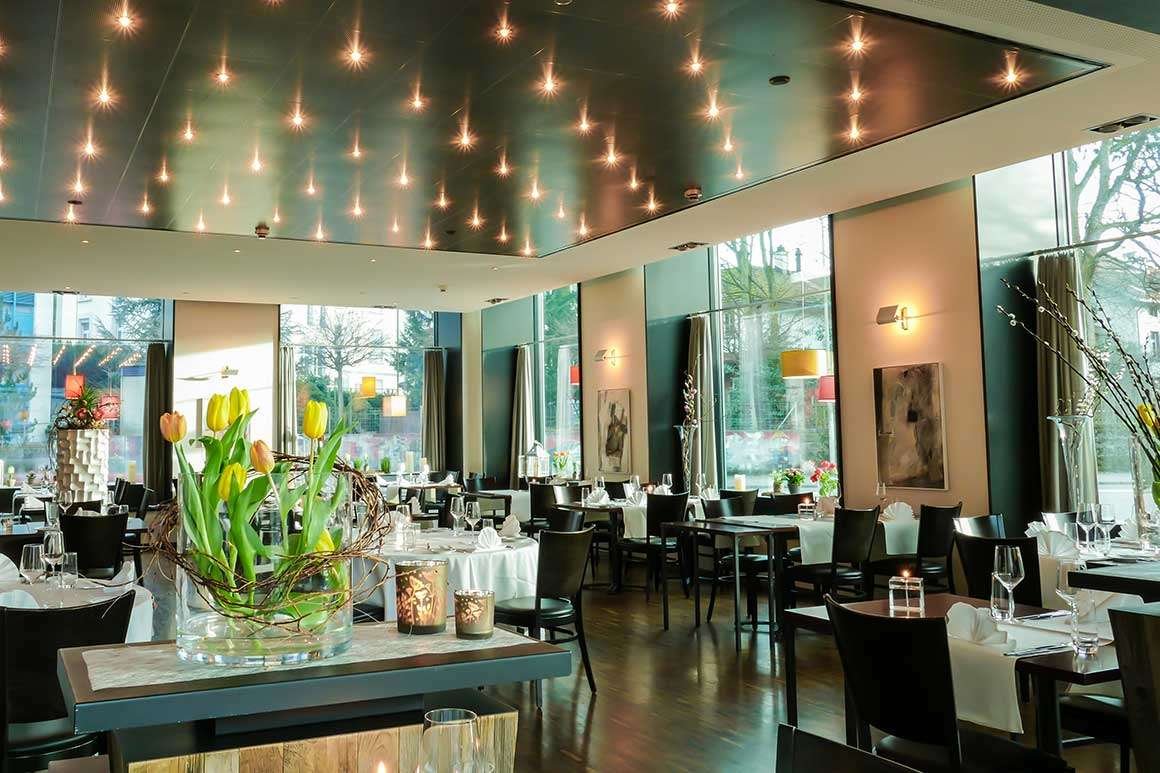
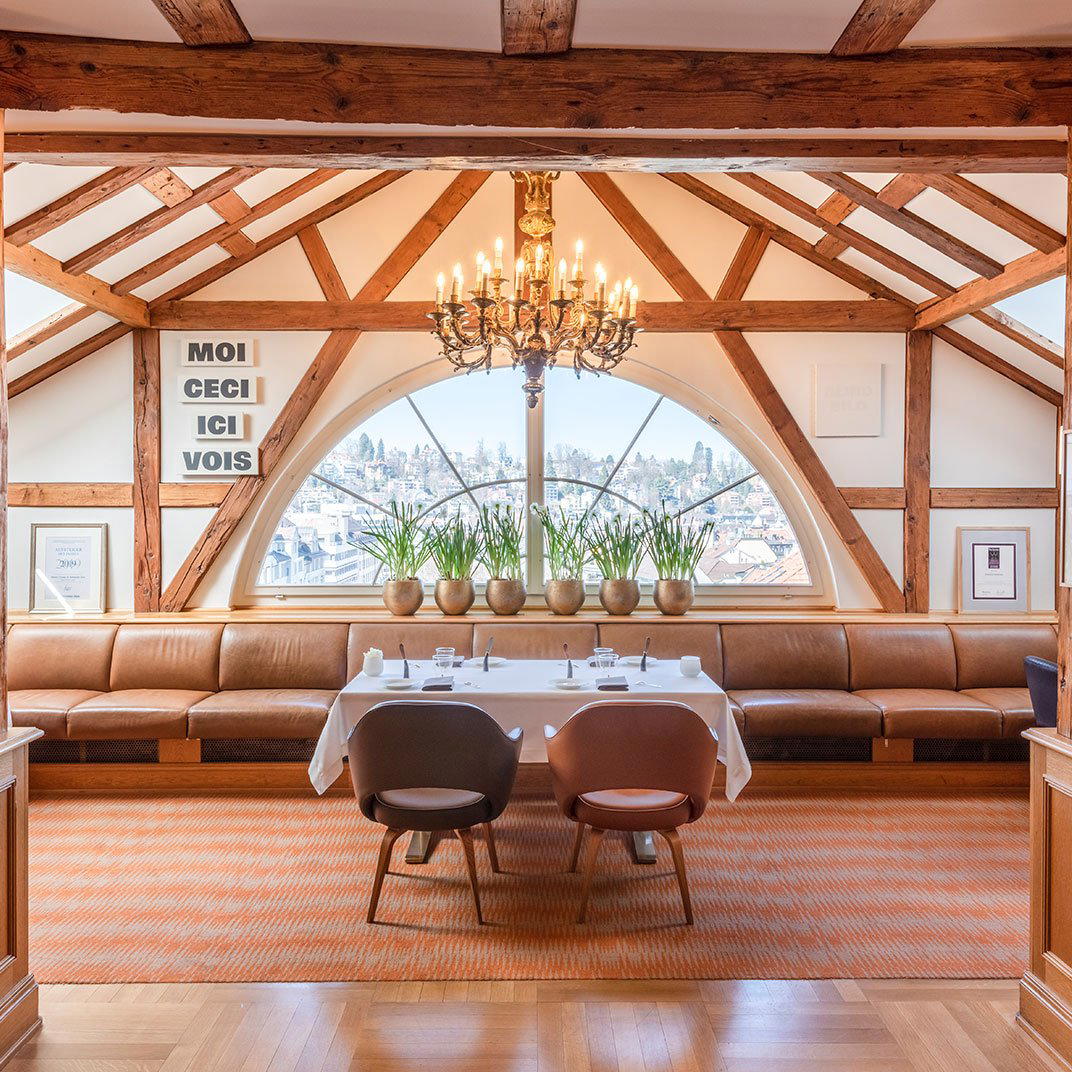
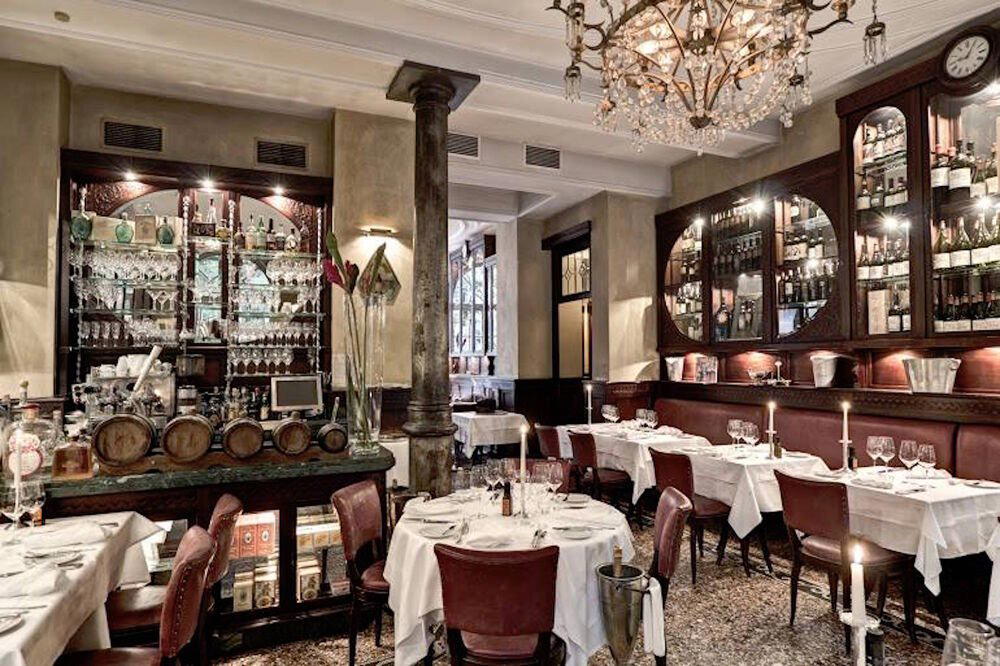
Bars in St Gallen
Browse all →

Details
- Cozy
- Casual Hangout
- Standalone
- A La Carte
Current opening hours
- Monday
- Closed
- Tuesday
- Closed
- Wednesday
- 10:30 AM–2 PM, 5–8 PM
- Thursday
- 10:30 AM–2 PM, 5–8 PM
- Friday
- 10:30 AM–2 PM, 5–8 PM
- Saturday
- Closed
- Sunday
- Closed
Hours can change for holidays and private events. Hours as of .
Casual and welcoming small eatery ideal for quick, comforting meals.