Raaz
Our verdict
Raaz brings a neighbourhood lens to London dining, where ingredient quality matters more than theatre and the room’s appeal depends on restraint rather than spectacle. Its Lower Richmond Road setting places it in a part of the city where local regulars, not destination hype, often decide whether a restaurant earns repeat attention.

Pearl is the En Primeur Club membership app, where members save venues, book tables and use the concierge.

The menu
What to order
- Malabar fish curry
- Rajasthani lamb shank
- Beef ribs Bihari
- Chicken 65
- Prawn koliwada
London has a particular rhythm away from its most obvious dining corridors: residential doors, small shopfronts, traffic sliding through the city, and restaurants that have to work harder than central rooms because the audience is local enough to return or move on. Raaz belongs to that quieter category of city dining, where the promise is not a grand set piece but a meal shaped by judgement, pacing, and the confidence to let the experience carry weight.
That matters in London because the capital’s restaurant culture has split into two visible tracks. One chases spectacle, imported formats, and design-led openings. The other depends on local trust: kitchens that read their audience, cook with discipline, and earn their place through consistency rather than volume. For diners using our full London restaurants guide, Raaz sits closer to the second track, where the question is less about status and more about whether the meal makes a persuasive case for crossing town.
Ingredient-led cooking suits a neighbourhood dining room
Ingredient-led cooking is often discussed as a luxury signal, but in smaller London restaurants it can have a more practical role. A clear approach shortens the distance between kitchen and guest: fewer flourishes are needed, seasoning becomes more visible, and dishes succeed or fail on timing rather than decoration. Raaz is useful through that lens because it invites a direct reading of the plate. The editorial interest lies in whether the cooking treats the meal itself as the centre of the experience rather than as supporting material for a concept.
London diners have become fluent in provenance language, sometimes to the point of fatigue. Menus across the city often talk about farms, fisheries, ferments, and regional cues, but the stronger rooms make those choices legible without turning dinner into a lecture. In London, that balance matters. A restaurant cannot rely on theatre alone when many guests live close enough to judge it against their regular rotation.
For broader context, the city’s casual and mid-range food culture is unusually varied: a night might mean a relaxed dining room, compact contemporary cooking, or a polished room elsewhere in London. Raaz should be read inside that larger London habit of choosing by mood, setting, and appetite rather than by a single hierarchy.
The London test is repeatability, not spectacle
Restaurants away from the central hotel corridors face a harder kind of scrutiny. They need enough identity to be memorable, but not so much self-importance that the room feels built for visitors only. That is where Raaz’s appeal is likely to be judged: not by chef mythology, but by how reliably the kitchen turns a point of view into flavour and whether service matches the pace of the evening.
This is also why London dining beyond the most heavily trailed openings can feel more revealing than rooms built primarily for attention. In areas shaped by residents, daily routines, and evening habits, restaurants survive through frequency. A room can be smart, but it also has to be useful. Clear, disciplined cooking has an advantage here because it gives regulars something to measure from visit to visit: freshness, balance, temperature, restraint, and the absence of unnecessary noise.
London’s range makes those judgments sharper. A diner comparing formats might look from a focused modern room to a hotel dining address, then decide that a smaller local table is the better fit for the evening. That is not a downgrade; it is how the city is used by people who know it well.
How to place Raaz in a London itinerary
Raaz makes the strongest sense as part of a London plan rather than as a trophy booking. The city rewards a slower evening, and the restaurant’s value lies in how it fits that tempo: dinner after work, a local meet-up, or a meal built around conversation rather than ceremony. Travellers planning a wider stay can pair restaurant research with our full London hotels guide, then build the rest of the night through our full London bars guide or broader cultural planning in our full London experiences guide.
For readers mapping dining beyond the capital, the same editorial question applies elsewhere in the UK: does the room express its place, or simply repeat a format? That question links London to destination restaurants and regional dining rooms without needing a single national hierarchy.
Raaz is not a page for trophy language. Its interest is quieter and more London-specific: a restaurant in London whose success depends on discipline, repeat custom, and the ability to make a local meal feel considered. Readers tracking adjacent categories can also use our full London wineries guide, while broader comparisons of casual precision might focus on how format and focus shape the experience more than décor or ceremony.
Frequently asked questions
What's Raaz's location?
Raaz is located in London.
Do I need a reservation for Raaz?
Raaz is listed in London. The safest assumption is to check ahead before going, especially for an evening visit in London. Check the venue's official channels for the latest details.
What do critics highlight about Raaz?
The editorial angle around Raaz focuses on dining in London, rather than spectacle. In London, the restaurant is framed as a place where repeatability and local context matter more than polish alone.
How does Raaz handle allergies?
For diners with allergies, the practical move is to confirm ingredients and handling directly before ordering. Check the venue's official channels for the latest details.
Reputation & Price
Comparable venues nearby, for context on price, style, and recognition.
| Venue | Cuisine | Price | Notes |
|---|---|---|---|
| RaazThis venue (the venue you are viewing) | Modern Indian Fine Dining | $50–100 | Not listed |
| Madhus of Mayfair | Authentic Punjabi Indian | $50–100 | Piccadilly Circus, Authentic Punjabi Indian |
| Bombay Palace | Traditional Indian | $50–100 | Paddington, Traditional Indian |
| Tandoor | Tandoori Grill | $50–100 | Kingsbury Green, Tandoori Grill |
| Chakra | Modern Indian | $50–100 | Kensington Palace Gardens, Modern Indian |
| Sagar | South Indian Vegetarian | $20–30 | Hammersmith Broadway, South Indian Vegetarian |
Continue exploring
More in London
Restaurants in London
All restaurants in London →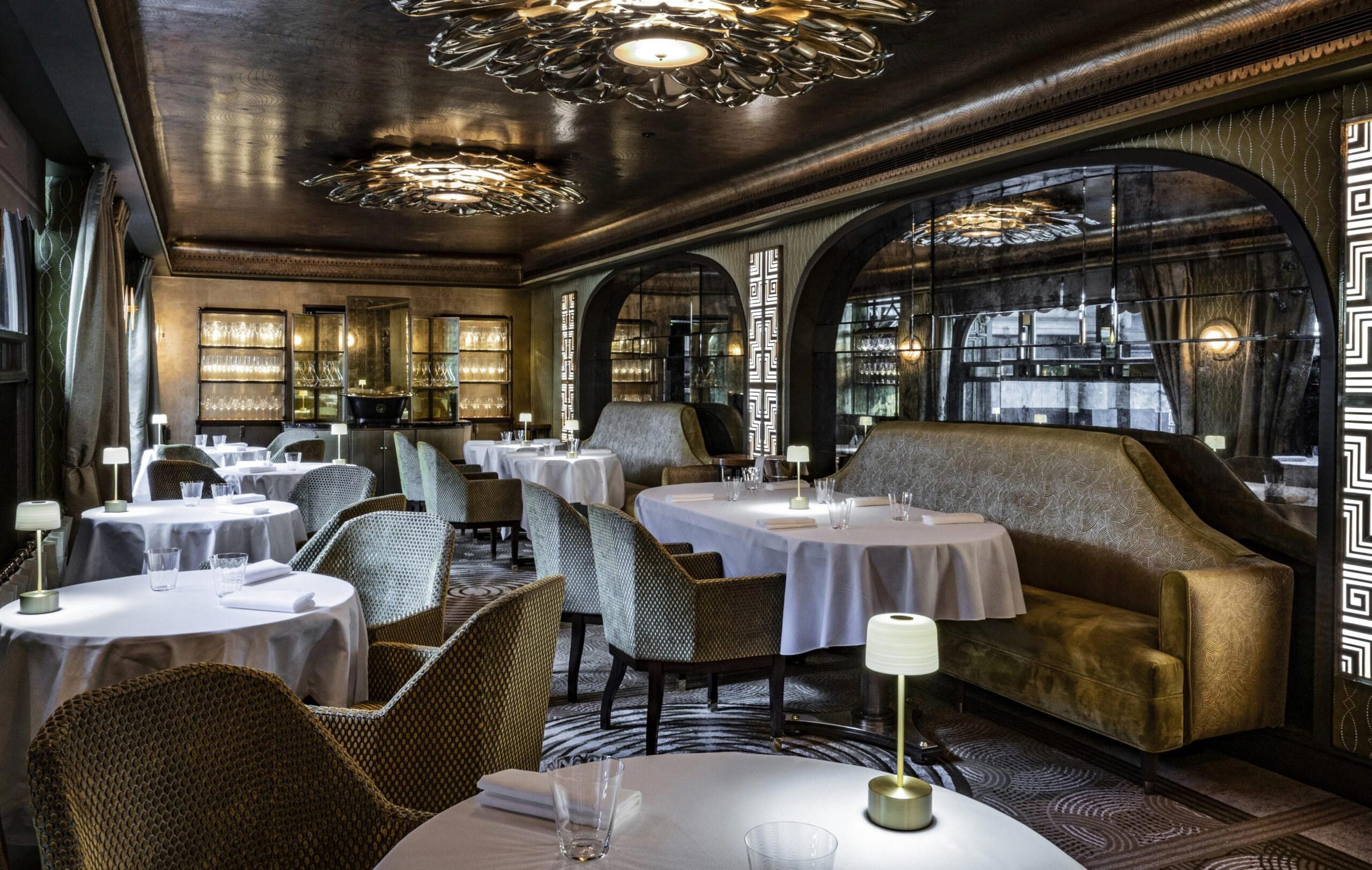
Bars in London
All bars in London →



Details
- Modern
- Elegant
- Sophisticated
- Intimate
- Date Night
- Business Dinner
- Group Dining
- Celebration
- Special Occasion
- Standalone
- Design Destination
- Craft Cocktails
- A La Carte
- Tasting Menu
- Set Menu
- Cocktails
- Wine
- Beer
- Halal
- Vegetarian Friendly
- Gluten Free Options
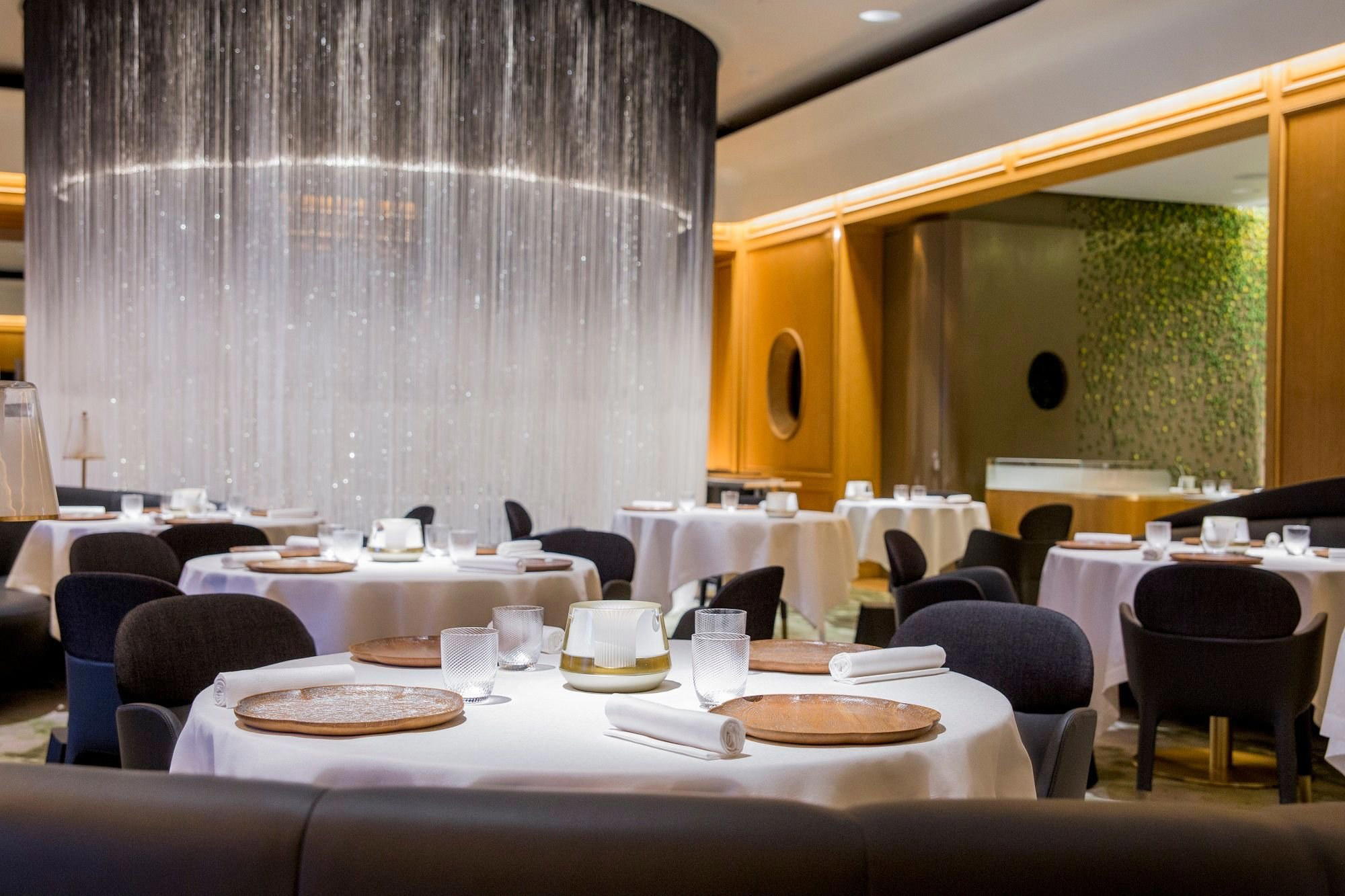
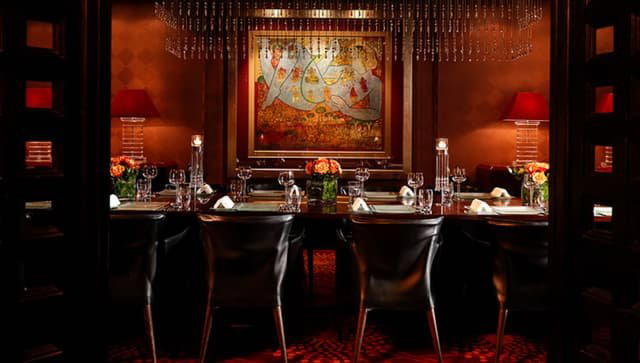
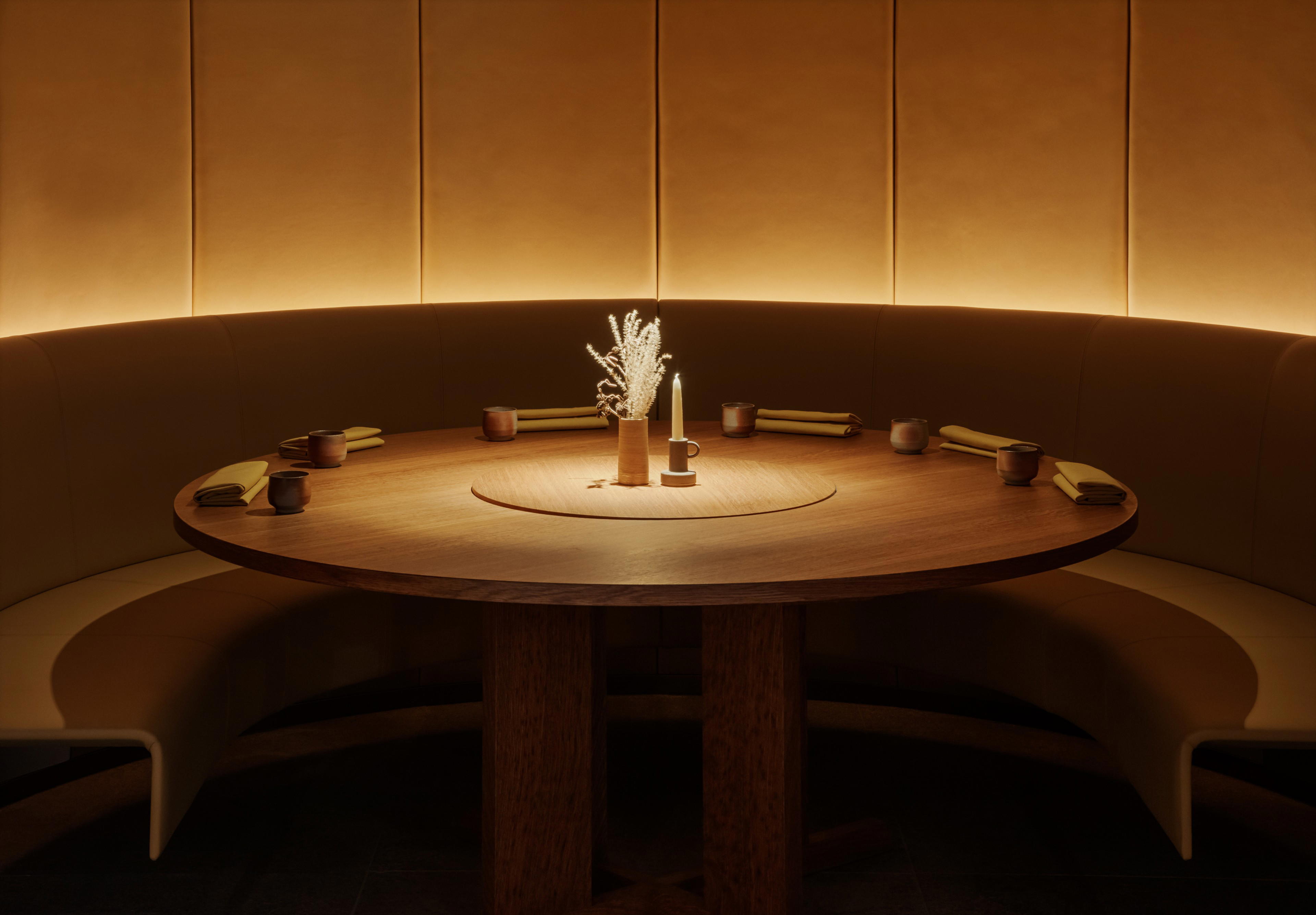
Contemporary, softly lit dining room with a refined but relaxed feel, aiming to bring Mayfair-style modern Indian fine dining to a neighborhood setting.