Qureshi

Michelin Plate
Our verdict
A Michelin Plate-recognised Indian restaurant operating within a private country club in Kuala Lumpur, Qureshi represents the more formal, tradition-rooted end of the city's Indian dining spectrum. The Qureshi family's cooking draws on classical subcontinental technique, served in a room that mixes modern design with traditional motifs. Official KLGCC dining information lists daily service; confirm current hours before visiting.

Pearl is the En Primeur Club membership app — saves, bookings, and concierge access live there. Same editors, same standards.
- Address
- Qureshi, Kuala Lumpur, Malaysia
- Phone
- +60 3-2011 1007
- Website
- qureshi-intl.com
- Directions
- Get directions
The menu
What to order
- Lamb biryani
- Butter chicken
- Paneer tikka
A Formal Indian Table Inside KL's Club Circuit
Kuala Lumpur's Indian restaurant scene splits along a fairly clear axis. At one end sit the hawker-adjacent operations serving rice plates, banana-leaf meals, and mamak staples that have defined the city's everyday relationship with the subcontinent. At the other end, a smaller tier of formal Indian dining rooms operates at a different register entirely — sit-down service, longer menus, and cooking that references the older north Indian culinary canon rather than adapting to local street-food expectations. Qureshi occupies that second tier, and does so inside a private country club, which places it in an even more specific niche: formal Indian dining that arrives pre-filtered by access.
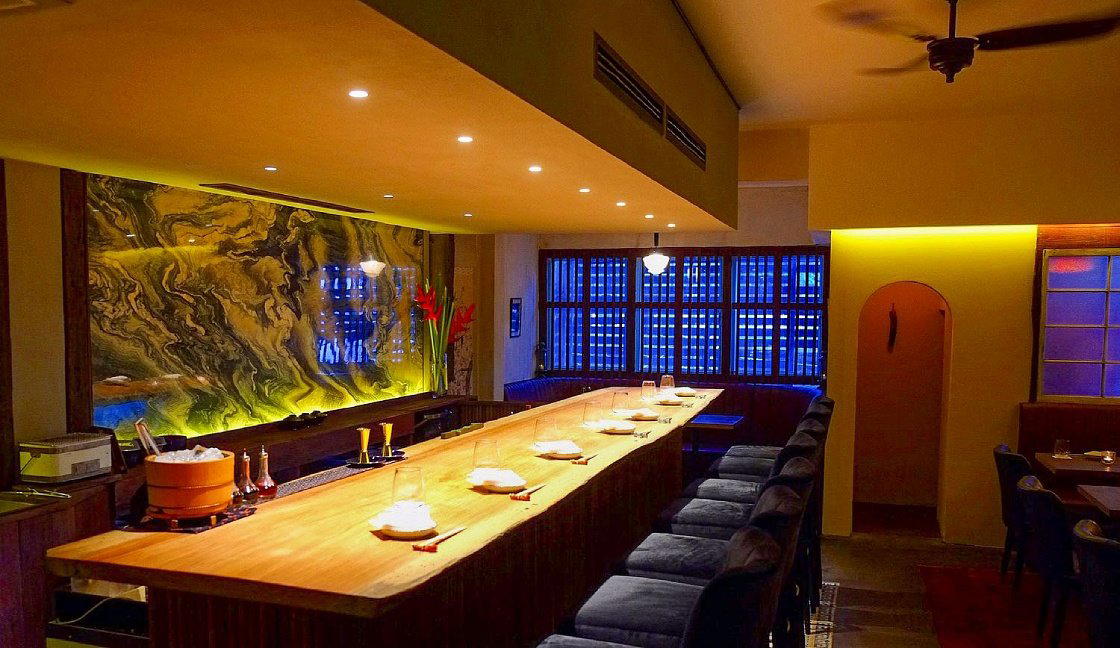
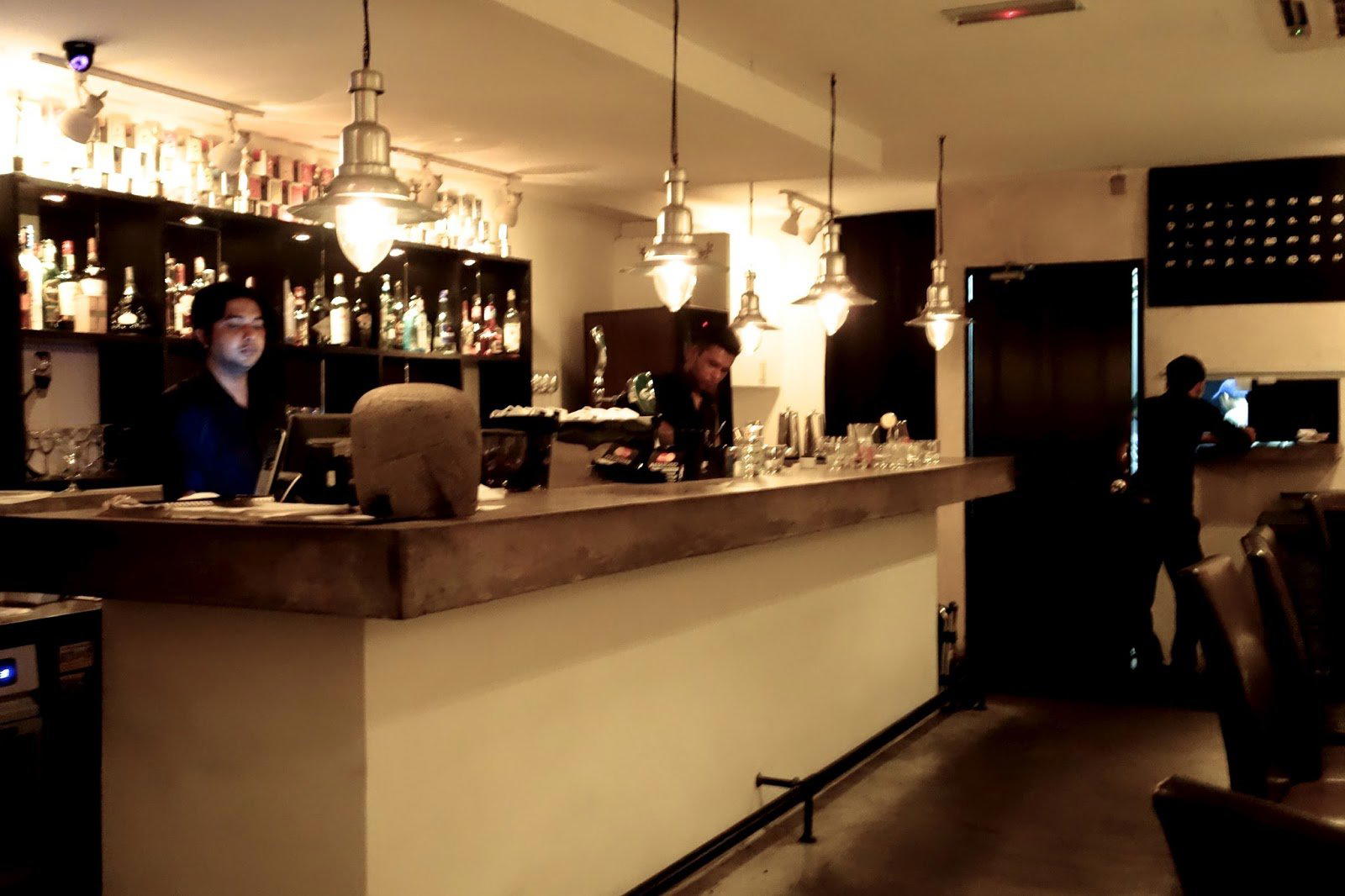
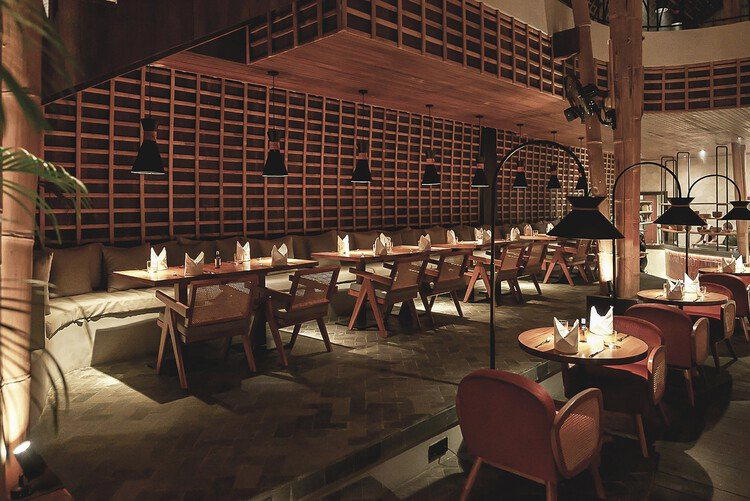
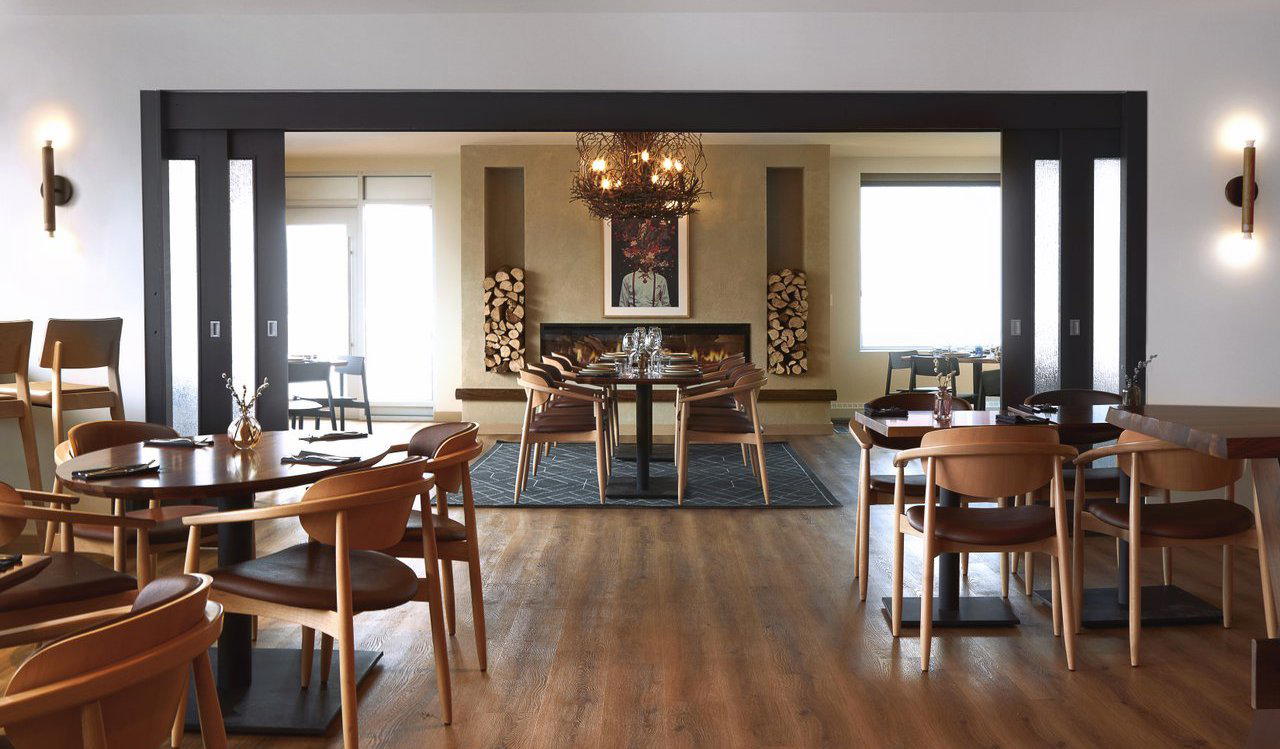
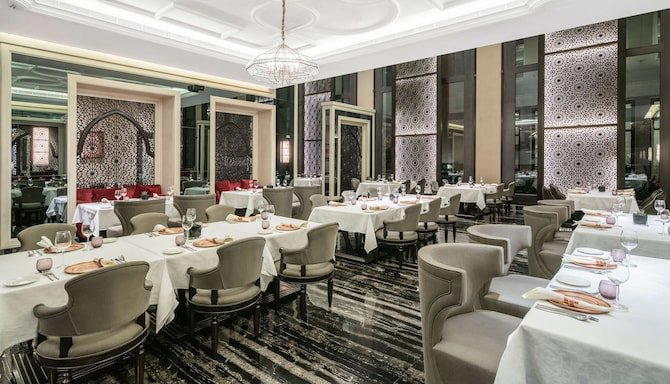
The country club setting shapes the entire experience before a dish arrives. Access requires a vehicle — the location is not reachable by public transport, so guests arrive by car or taxi rather than by MRT or on foot. That physical remove from the city's pedestrian dining corridors is not incidental. Country clubs in Malaysia carry a particular social register, and a restaurant operating inside one inherits both the seclusion and the formality of that context. The dining room itself answers that setting with a modern Indian interior: colourful palette, classical motifs worked into the decor, and decorative details that gesture toward a certain gilded sensibility without tipping into kitsch.
The Arc of a Meal: Tradition as the Through-Line
The editorial angle worth applying to Qureshi is one of tasting progression, how the meal moves, and what tradition is doing as the organising principle. Indian cooking at the formal end of the spectrum tends to follow a logic of accumulation: dishes arrive in sequences that build from lighter preparations through richer, more intensely spiced courses, with bread service as a structural element rather than an afterthought. At Qureshi, that framework is the baseline. The menu is described as offering a wide variety of Indian cooking deeply rooted in tradition, which in practice means the Qureshi family's culinary lineage is the lens through which the progression is constructed.
What distinguishes the more serious Indian restaurants from the serviceable middle tier is not spice volume but discipline across a tasting arc. A well-sequenced Indian meal builds its flavour compounds gradually, opening courses that establish aromatics, a mid-section where the tandoor's char and smoke do structural work, a closing stage where dairy-based gravies and slow-cooked preparations resolve the meal. How Qureshi executes that arc is part of what has earned it consecutive Michelin Plate recognition in both 2024 and 2025, a designation that signals cooking quality above the baseline without the full star endorsement. In Kuala Lumpur's Indian dining context, that recognition places Qureshi in a narrow peer group.
For comparison with the city's Indian offerings across different price points and formats, Passage Thru India and Jwala operate within the same broad category, while Frangipaani and Kayra represent adjacent moves in the city's formal dining circuit. Coast by Kayra offers yet another angle on how KL's more ambitious kitchens are framing their identity. Against that spread, Qureshi's country club positioning and family-owned provenance read as a deliberate commitment to a particular kind of formality, one that predates the current wave of concept-led restaurants.
The Qureshi Family and the Prestige Lineage Question
Formal Indian restaurants in Asia that hold Michelin recognition tend to ground their authority in one of two ways: either through a chef whose training connects to a major hotel kitchen or a named subcontinental culinary lineage, or through family provenance that carries its own accumulated credibility. Qureshi belongs to the second model. The restaurant is one of several concepts operated by the Qureshi family, which positions it within a small group of operators in the region where the family name itself functions as a trust signal rather than a corporate brand. That approach to culinary identity has rough equivalents across Asia's premium Indian dining tier, Chaat in Hong Kong, Trèsind Studio in Dubai, and Jamavar in Dubai each represent distinct versions of how formal Indian cooking establishes authority in non-Indian cities. In Southeast Asia, INDDEE in Bangkok is pursuing a parallel path. Opheem in Birmingham offers a further reference point for what Michelin-recognised Indian cooking looks like when it operates well outside the subcontinent.
Diners who make the deliberate effort to reach the venue and the club's pricing register are not casual walk-ins, which means the review base skews toward people who arrived with considered expectations.
Planning a Visit: What to Know Before You Go
The most important logistical fact about Qureshi is also the one most easily missed: the restaurant sits inside KLGCC, and official dining information lists daily service. Visitors researching a trip to Kuala Lumpur should still confirm current hours directly before any planning proceeds. the country club location means arriving by taxi or private car is the only practical option. The price range sits at the mid-tier ($$) of Kuala Lumpur's restaurant spectrum, which for a Michelin Plate-recognised venue in a private club represents fair positioning relative to peers such as Passage Thru India or Jwala.
For a wider picture of where to eat and stay in Kuala Lumpur, [our full Kuala Lumpur restaurants guide]() covers the city's full spectrum from hawker-level through to fine dining. [Our full Kuala Lumpur hotels guide]() covers accommodation across all tiers, while [our full Kuala Lumpur bars guide]() and our full Kuala Lumpur experiences guide round out trip planning. [Our full Kuala Lumpur wineries guide]() covers that niche for completeness. For travel beyond KL, Auntie Gaik Lean's Old School Eatery in George Town, Bee See Heong in Seberang Perai, and The Planters at The Danna in Langkawi represent three very different registers of the Malaysian dining experience across the peninsula.
Frequently asked questions
What part of town is Qureshi in?
Qureshi is located at Qureshi, Kuala Lumpur, Malaysia, Kuala Lumpur.
Does Qureshi have a Michelin star or similar recognition?
Qureshi has received recognition including: One of the Indian dining concepts owned by the Qureshi family, this prestigious restaurant is nestled within a country club not accessible by public transport, so you’ll need to drive or take a taxi h….
What do people recommend at Qureshi?
Qureshi's Michelin Plate recognition in both 2024 and 2025 points to its traditional Indian cooking as the draw rather than any single dish. The kitchen's reputation centres on depth of technique across the broader menu, rooted in Indian culinary heritage. Specific dish recommendations are best confirmed directly with the restaurant, as menus can evolve.
What should I expect cuisine-wise at Qureshi?
Is Qureshi more mid-range or high-end?
Pricing at Qureshi is listed as $$.
How hard is it to get a table at Qureshi?
Official KLGCC dining information lists Qureshi with daily service, so reservations are not available at this time. Beyond the closure, the restaurant sits inside a country club that is not accessible by public transport, meaning you will need to drive or arrange a taxi regardless of for peak periods. Checking the restaurant's status before planning a visit is essential.
What's the defining dish or idea at Qureshi?
The organising principle at Qureshi is tradition: Indian cooking that draws on established techniques rather than reinterpretation. Housed inside a KL country club and holding a Michelin Plate for two consecutive years, the restaurant positions itself as a formal table for classical Indian cuisine in a city where that format is relatively rare. The Qureshi family ownership adds a lineage dimension that frames the menu as an expression of inherited culinary authority.
The Essentials
Comparable venues nearby, for context on price, style, and recognition.
| Venue | Cuisine | Price | Awards | Notes |
|---|---|---|---|---|
| QureshiThis venue — the venue you are viewing | Heritage Northern Indian Fine Dining | $30–50 | Michelin Plate | Not listed |
| Passage Thru India | Authentic North & South Indian | $10–20 | Michelin Plate | Kampong Dollah, Authentic North & South Indian |
| La Suisse | Traditional Swiss | Not listed | Michelin Plate | Taman Tun Dr Ismail, Traditional Swiss |
| Gai by Darren Chin (Taman Tun Dr Ismail) | Modern Northern Thai Lanna Cuisine | $30–50 | Michelin Plate · Star Wine List | Taman Tun Dr Ismail, Modern Northern Thai Lanna Cuisine |
| Aliyaa | Authentic Sri Lankan | $20–30 | Michelin Bib Gourmand | Bukit Damansara, Authentic Sri Lankan |
| Ushi | Japanese Ozaki Beef Kaiseki | $200–300 | Michelin Plate | Brickfields, Japanese Ozaki Beef Kaiseki |
Recognition history
Dated appearances from independent guides and award organizations, with the underlying list record or original source where available.
Michelin Plate
Michelin
Full recognition history (3 entries)
Michelin Plate
Michelin
Michelin Plate
Michelin