Passage Thru India

Michelin Plate
Our verdict
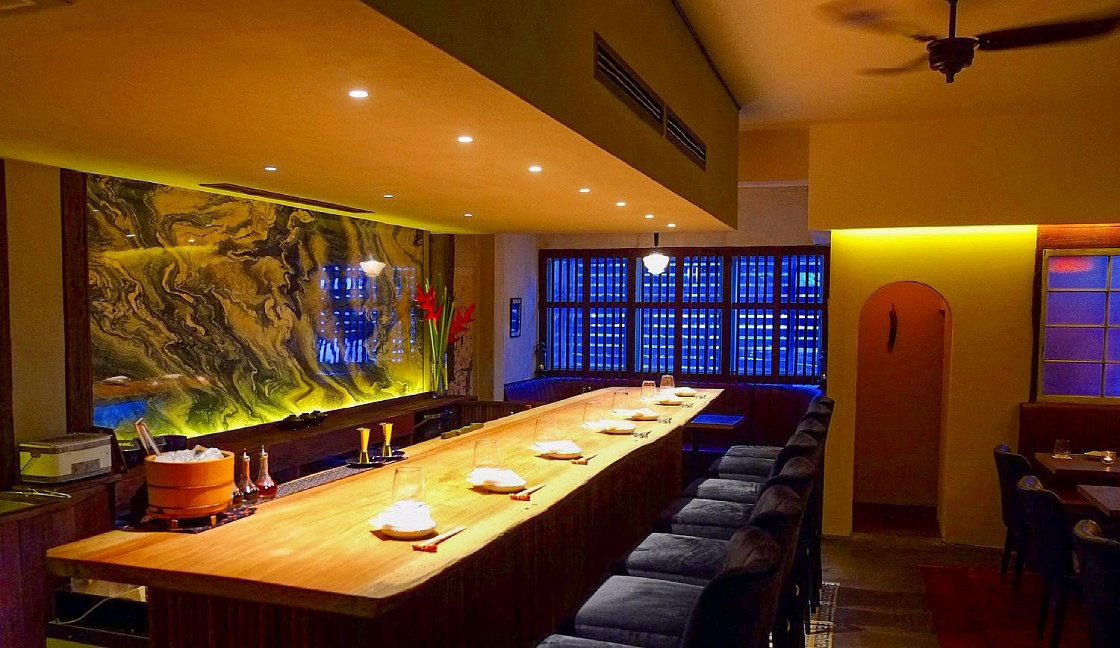
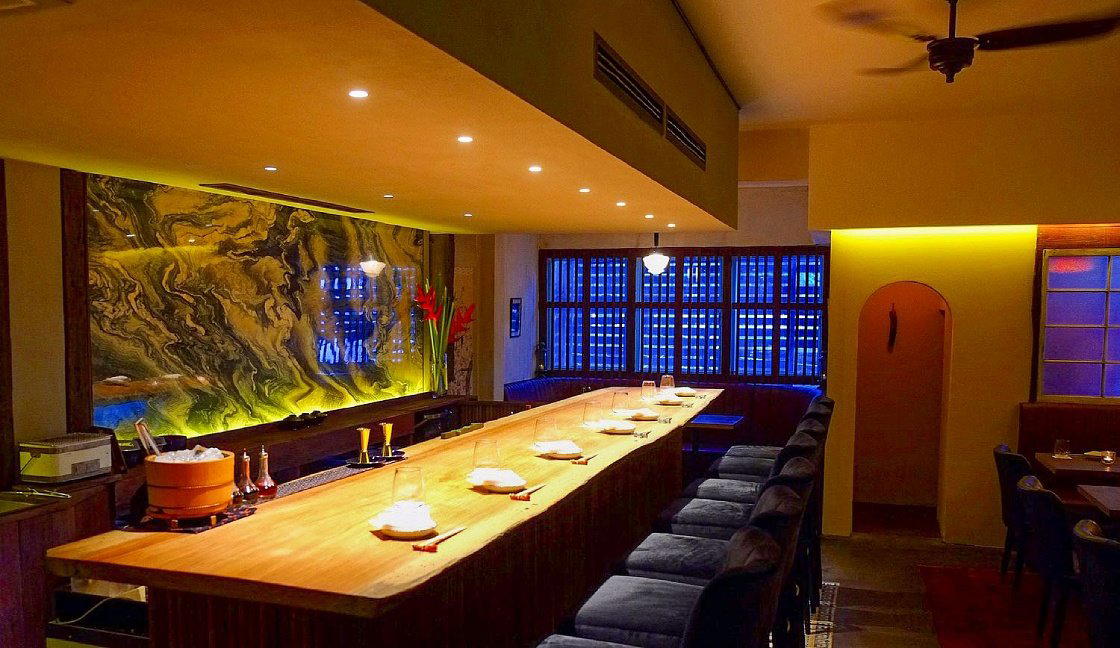
Open since 1993, Passage Thru India sits in Bukit Bintang with murals painted floor-to-ceiling by the owner, creating one of Kuala Lumpur's more distinctive dining rooms. The menu runs wide across traditional Indian cooking: tandoori, coal-fired naan, aromatic biriyani, and tapas-sized sharing plates. A Michelin Plate holder in both 2024 and 2025, it occupies the mid-price tier of KL's Indian dining scene and rewards repeat visits.

Pearl is the En Primeur Club membership app — saves, bookings, and concierge access live there. Same editors, same standards.
- Address
- 4, Jalan Delima, Off, Bukit Bintang Rd, 50400 Kuala Lumpur, Federal Territory of Kuala Lumpur, Malaysia
- Phone
- +60 17-998 9427
- Hours
- Mon–Thu 11:30 AM–3 PM, 6–10 PMFri 11:30 AM–3 PM, 6–10:30 PMSat 11:30 AM–4 PM, 6–10:30 PMSun 11:30 AM–3:30 PM, 6–10 PM
- Website
- instagram.com
- Directions
- Get directions
The menu
What to order
- Butter Chicken
- Rogan Josh
- Tandoori Platter
- Biryani
A Dining Room That Makes an Argument Before the Food Arrives
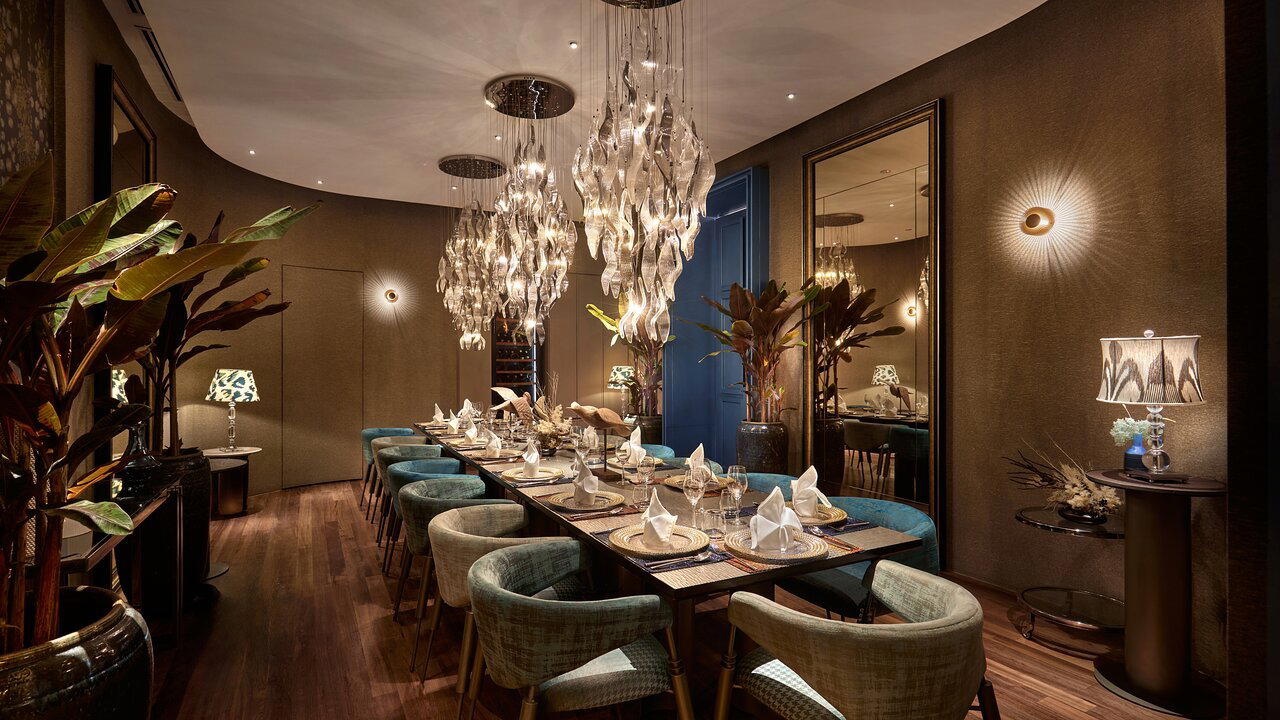
Most restaurants in Bukit Bintang stake their claim through cuisine or location. Passage Thru India, open on Jalan Delima since 1993, makes its first argument through paint. The walls and ceilings are covered in hand-painted murals executed by the owner, a working artist, and the effect is somewhere between a colonial haveli and an intimate gallery: saturated colour held inside a space that still manages to feel close and unhurried rather than theatrical. In a district where the dining room is often an afterthought to footfall, this one demands attention on its own terms.
That interior places Passage Thru India in a specific tradition of Indian restaurants that treat the physical space as an extension of cultural storytelling. Across the region, Indian dining has often bifurcated between stripped-back canteen formats and over-engineered luxury interiors borrowing from hotel banquet design. The cottage-scale density of this room, hand-decorated rather than contractor-finished, sits outside both categories. It is closer in spirit to a family-owned establishment that has accumulated its character over decades than to a concept designed for an opening night.
Thirty Years in Bukit Bintang: What That Record Signals
Longevity in Kuala Lumpur's restaurant market is not a given. The city's dining options have expanded substantially over the past two decades, and the Bukit Bintang corridor specifically has seen significant turnover as rents and competition intensified. A restaurant that opened in 1993 and holds a current Michelin Plate — recognised in both 2024 and 2025 — is making a sustained case, not a legacy one. The Michelin Plate designation signals that inspectors consider the cooking worth a visit, a threshold that filters out nostalgia as a sufficient credential.
For context, Kuala Lumpur's Indian dining scene has diversified considerably since the 1990s. Venues like Qureshi bring a Mughal-influenced perspective to the city, while Jwala approaches Indian cooking through a more contemporary register. Passage Thru India's position in the mid-price tier, marked $$ against the higher brackets occupied by some newer entrants, is itself an editorial statement: traditional technique, accessible pricing, and a format that has not chased the modernisation trends that have reshaped Indian dining globally. Compare that to the direction taken by venues like Trèsind Studio in Dubai or Chaat in Hong Kong, where Indian cuisine is reframed through progressive tasting formats at a significantly higher price point. The contrast sharpens what Passage Thru India is actually doing.
The Menu: Width Over Specialisation
The menu at Passage Thru India runs wide. That is a deliberate characteristic of a certain generation of Indian restaurants in Southeast Asia, which served communities with varied regional roots and visitors unfamiliar with the cuisine's internal distinctions. Tandoori preparation, coal-fired naan and roti, biriyani, and an array of tapas-sized sharing plates sit across the offering. The coal-fired oven is the operational anchor: tandoori cooking at the right temperature and with the right char requires equipment and technique that separates serious practitioners from those relying on electric alternatives.
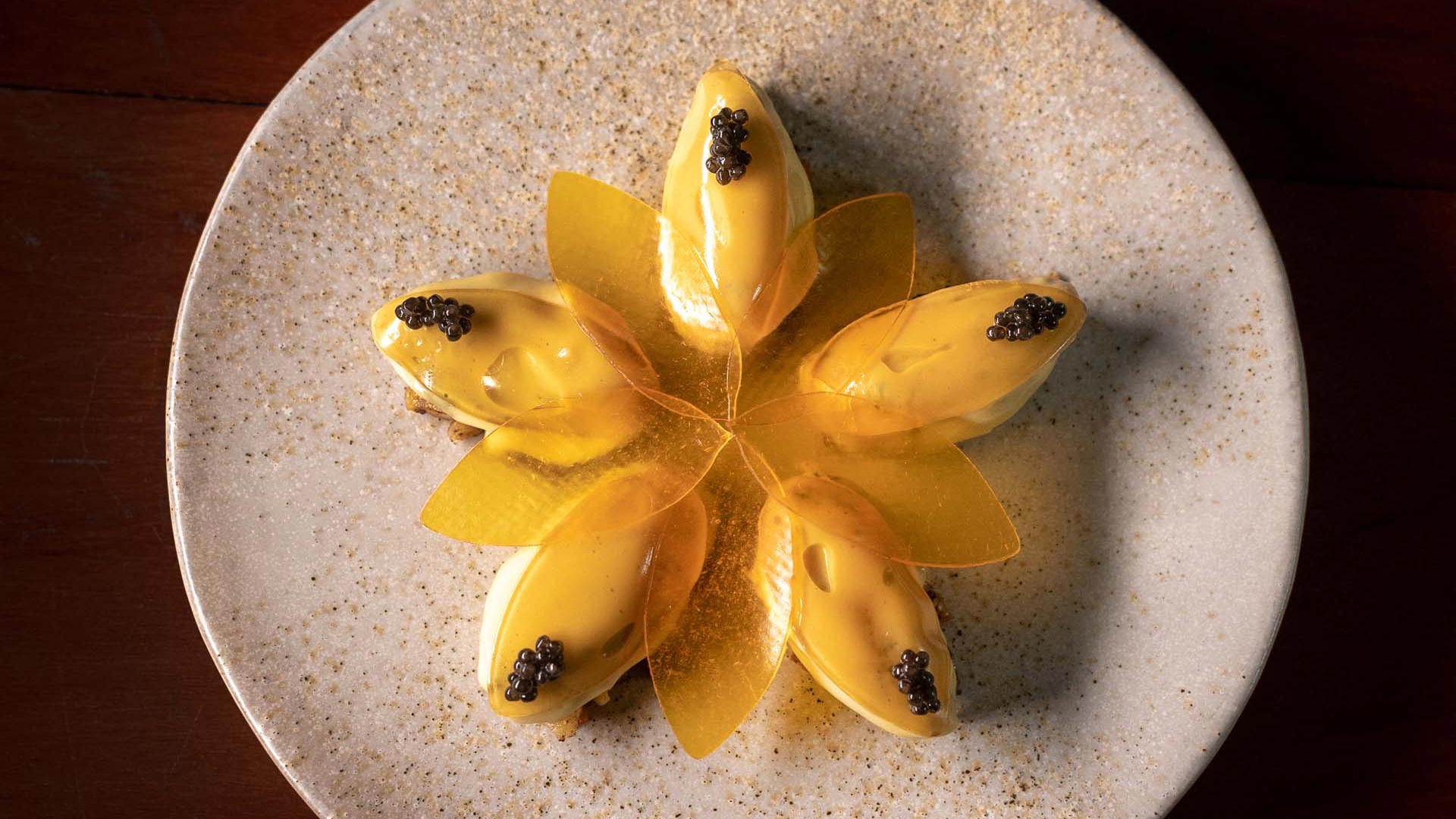
The biriyani is flagged specifically in the Michelin record as a dish that warrants attention. Biriyani functions as a useful quality signal in this context: it is labour-intensive, relies on layered seasoning developed over a long cook, and degrades quickly if the rice-to-protein ratio or the dum sealing is handled carelessly. A biriyani that reads as aromatic and properly composed is evidence of kitchen discipline, not just recipe adherence. The tapas-sized plate format means the table can move across multiple preparations without committing to a single regional register, which suits both experienced and less familiar diners.
Indian dining elsewhere in Southeast Asia has increasingly moved toward this kind of multi-dish sharing format as a way of showcasing breadth without the weight of a full tasting menu. INDDEE in Bangkok operates in a comparable mid-tier sharing format, as does Jamavar in Dubai at a higher price point. The sharing structure at Passage Thru India sits at the accessible end of that spectrum, which aligns with its three-decade positioning in the market.
Where It Sits in the Wider KL Dining Picture
Kuala Lumpur's restaurant scene covers an unusually wide price range. At the high end, venues like Dewakan at $$$$ and DC. by Darren Chin at $$$$ operate tasting-menu formats with significant investment in produce sourcing and kitchen infrastructure. At the entry level, single-dish specialists like Ah Hei Bak Kut Teh at $ serve specific, deep preparations to a loyal local audience. Passage Thru India's $$ positioning puts it in the middle tier: more composed and curated than street-level eating, less architecturally ambitious in price or format than the city's fine dining tier.
Within Indian cuisine specifically, the Bukit Bintang location gives it proximity to a dense cluster of dining options, but the hand-painted interior and the length of the operation's history have generated a review base of over 1,650 ratings at 4.2 on Google, which suggests a sustained and returning audience rather than a one-visit curiosity pool.
Other KL dining venues drawing comparable cultural specificity in their physical presentation include Frangipaani and Coast by Kayra, while Kayra operates in a related space where interior design and culinary identity are treated as inseparable. For wider context on the city's dining character, see our full Kuala Lumpur restaurants guide. For planning a broader trip, our Kuala Lumpur hotels guide, bars guide, and experiences guide cover the rest of the city's premium options.
Malaysia's Indian dining tradition has regional parallels worth noting. Auntie Gaik Lean's Old School Eatery in George Town and Bee See Heong in Seberang Perai represent the peninsula's broader appetite for restaurants where history and specificity of cooking matter more than format novelty. The Planters at The Danna in Langkawi occupies a different register but illustrates a similar instinct toward character-driven rooms. And for the direction Indian cuisine is moving internationally, Opheem in Birmingham is a useful reference point at the progressive end of the spectrum.
Planning a Visit
Passage Thru India is located at 4 Jalan Delima, off Bukit Bintang Road, in a part of the city well served by public transport and within walking distance of the main Bukit Bintang commercial strip. The mid-price format means the bill stays manageable even across multiple shared plates, which is the recommended way to move through a menu of this width. The coal-fired oven preparations and biriyani are the dishes to anchor a table order around; the tapas-sized plates allow flexibility from there.
Frequently asked questions
Is Passage Thru India focused on a specific cuisine style?
What's the price range at Passage Thru India?
Pricing at Passage Thru India is listed as $$.
Is Passage Thru India Michelin-listed?
Passage Thru India has received recognition including: Established in 1993, Passage Thru India catches the eye with its artistic interior as much as its cooking. The owner-artist painted the murals on the walls and ceilings to create a technicoloured yet intimate cottage feel. The sizeable menu….
What dish is Passage Thru India famous for?
The aromatic biriyani rice has drawn consistent praise since the restaurant opened in 1993, pairing well across the menu's tapas-sized plates. The coal-fired oven also drives much of the kitchen's identity, producing tandoori, naan, and roti that anchor the broader menu.
What part of town is Passage Thru India in?
Passage Thru India is located at 4, Jalan Delima, Off, Bukit Bintang Rd, 50400 Kuala Lumpur, Federal Territory of Kuala Lumpur, Malaysia, Kuala Lumpur.
What's the best way to book Passage Thru India?
The restaurant is located at 4 Jalan Delima, off Bukit Bintang Road in Kuala Lumpur — a well-trafficked area where walk-ins are feasible, though calling ahead is advisable given the venue's Michelin Plate recognition and three decades of local following. No online booking link is currently listed.
What's the defining dish or idea at Passage Thru India?
The coal-fired oven is the kitchen's organising principle, producing tandoori, naan, and roti that run through a wide menu of traditional Indian favourites. Holding a Michelin Plate in both 2024 and 2025, the restaurant pairs that cooking with a hand-painted interior — the owner-artist's murals cover walls and ceilings — making the room itself part of the proposition.
Cuisine Context
Comparable options at a glance, pulled from our tracked venues.
| Venue | Cuisine | Price | Awards | Notes |
|---|---|---|---|---|
| Passage Thru IndiaThis venue — the venue you are viewing | Authentic North & South Indian | $10–20 | Michelin Plate | Not listed |
| Dewakan | Modern Malaysian Fine Dining | $150–200 | 2 Michelin Stars · World's 50 Best #62 | Malaysian |
| Beta | Modern Malaysian Fine Dining | $100–150 | 1 Michelin Star · La Liste Top Restaurants | Malaysian |
| Molina | Avant-Garde European Fine Dining | $150–200 | 1 Michelin Star | Innovative |
| DC. by Darren Chin | French Contemporary Fine Dining | Not listed | 1 Michelin Star · La Liste Top Restaurants | French Contemporary |
| Ah Hei Bak Kut Teh | Traditional Herbal Bak Kut Teh | $10–20 | Michelin Bib Gourmand | Malaysian |
Recognition history
Dated appearances from independent guides and award organizations, with the underlying list record or original source where available.
Michelin Plate
Michelin
Full recognition history (3 entries)
Michelin Plate
Michelin
Michelin Plate
Michelin