Quo Vadis



World's 50 Best #42 · The Good Food Guide GFG Good
Our verdict
Quo Vadis sits in London’s Modern British dining conversation as a Soho room where pie, pastry and old restaurant rituals carry real weight. Jeremy Lee’s menu folds British classics into French bistro and Mediterranean references, with Opinionated About Dining Casual in Europe rankings in 2024 and 2025 supporting its place among the city’s enduring dining rooms.

Pearl is the En Primeur Club membership app, where members save venues, book tables and use the concierge.
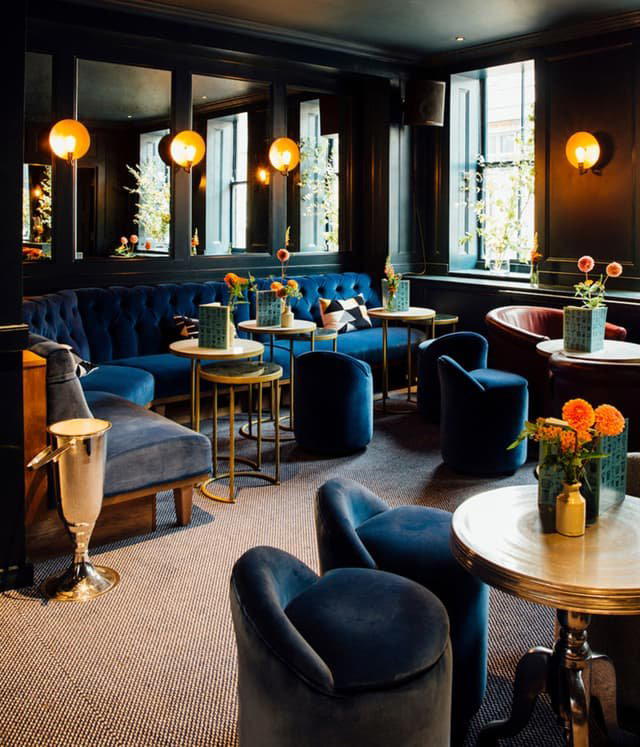
The first read is the room: stained glass at the front, old London bones, and a dining room that belongs to the city rather than a hotel lobby or chef’s-counter theatre. London has many polished restaurants working with British references, but fewer where clubbable ease and serious pastry share a table. Quo Vadis sits in that narrower category, not as nostalgia, but as a reminder that British restaurant cooking relies on appetite, season, stockpots and the oven.
The broadsheet menu matters because it signals choice rather than choreography. In a city where tasting menus often claim seriousness, this is another confidence: a readable spread of reworked British classics, French bistro standbys and the occasional Mediterranean riff. The range is British by instinct, but it does not treat the Channel as a border. French bistro grammar and Mediterranean detours are part of the language.
London's savoury-pie tradition gets the restaurant treatment
Most revealing part of the offer is the baking. British restaurants have long used pie as a measure of seriousness because it leaves nowhere to hide: pastry must hold, filling must be seasoned before it disappears under the lid, and the whole thing has to arrive with heat, gloss and purpose. Quo Vadis belongs inside that lineage, but in a London register rather than a country-inn one. This is pie as restaurant craft, not pub shorthand.
That carries through the broader savoury repertoire. The kitchen’s appeal is in the way older British habits are sharpened by acidity, herbs and the kind of bistro thinking that keeps richness in check. Its better-known references work because they compress familiar restaurant pleasures into direct forms: smoke, fat, pickle, bread, pastry, stock and something eaten without ceremony but not made carelessly.
In London’s British-leaning bracket, that separates the room from grander, hotel-driven interpretations such as Berner's Tavern, and from other dining rooms that lean more explicitly into bistro codes or branded casual polish. The comparison is useful because London does not have one style of contemporary British restaurant cooking; it has several, split by room, service tempo and the weight given to older recipes.
Jeremy Lee's London cooking favours seasonality over spectacle
Jeremy Lee’s presence gives the restaurant a clear culinary accent without turning the room into biography. With the Hart brothers and Lee running the show, the stronger point is what the kitchen represents in London now: British cooking confident enough to be generous, seasonal and readable. The recognition around the restaurant is rooted in that identity, with attention to quality and seasonality described as second to none.
Pastry shapes the sweet end, too. The appeal belongs to a dessert tradition comfortable with British memory and French dining-room habits. London’s stronger British-leaning rooms often reveal themselves at dessert because the category can drift into plainness or decoration. Here, the promise is of recognisable forms, proper acidity, dairy, chocolate and temperature contrast rather than architectural plating.
The wine list follows the same logic: broad enough to travel, with by-the-glass options that make the room usable beyond celebratory spending. That matters in London, where restaurants live by repeat custom as much as destination dining. The city’s stronger dining rooms understand different meal tempos, regulars, and the need for a menu that can support both a lighter meal and a fuller progression through fish, meat and pudding.
How to read it against London's Modern British field
Quo Vadis is most persuasive for diners who want London cooking with history in its bones: pies, puddings, smoked fish, offal, bitter leaves, sharp pickles and French technique used as a tool rather than a costume. It is less about novelty than judgement. In a city where British restaurant cooking can mean grill-room luxury or stripped-back neighbourhood ease, this version is literate, sociable and rooted in London’s appetite for restaurants that handle regular use.
For a nearby comparison, other London dining rooms give different readings of British cooking, while the wider city picture is easier to map through Our full London restaurants guide. Travellers building a fuller trip can cross-reference Our full London hotels guide, Our full London bars guide, Our full London wineries guide and Our full London experiences guide to understand how the city’s dining rooms connect with its hotel, bar and cultural circuits.
The broader British comparison is instructive. Outside London, British cooking often expresses itself through regional produce, tasting formats or country-house polish, while the capital’s advantage is density: a restaurant can be serious without becoming hushed, and heritage cooking can feel current when the room has pace. Against that field, Quo Vadis reads as a London argument for tradition kept alive through appetite rather than ceremony.
The critical case for Quo Vadis rests on that balance. The room has old London texture, the kitchen treats pies and puddings as craft, and the menu gives enough range for a light lunch or full dinner without forcing one route. For diners interested in British cooking as a living restaurant tradition rather than a museum display, this is one of London’s clearer arguments.
Frequently asked questions
Is Quo Vadis a family-friendly restaurant?
Yes, it can work for families, especially at lunch. The menu spans familiar territory, from British classics to lighter dishes, so it is less formal than a tasting-menu room.
What's the vibe at Quo Vadis?
It feels like a seasoned London dining room rather than a scene-heavy address, helped by the distinctive stained glass front windows and the long-running Jeremy Lee era.
Has Quo Vadis won any awards?
Quo Vadis has received recognition for its veteran London character, its preserved stained glass front windows, and the Hart brothers and long-serving chef Jeremy Lee running a kitchen where attention to quality and seasonality is described as second to none.
What kind of cuisine does Quo Vadis serve?
Quo Vadis serves a sprightly mix of reworked British classics, French bistro standbys and the occasional Mediterranean riff.
What are the operating hours at Quo Vadis?
Operating hours can change, so check directly with Quo Vadis before visiting.
Where is Quo Vadis located?
London.
Who is the chef at Quo Vadis?
The chef associated with Quo Vadis is Jeremy Lee.
A Tight Comparison
Side-by-side context: comparable cuisine and price.
| Venue | Cuisine | Price | Awards | Notes |
|---|---|---|---|---|
| Quo VadisThis venue (the venue you are viewing) | Seasonal British | $50–100 | World's 50 Best #42 · The Good Food Guide GFG Good | Not listed |
| Berner's Tavern | Contemporary British | $100–150 | Not listed | Modern British |
| Story Cellar | Modern French Rotisserie Bistro | $50–100 | Michelin Plate · The Good Food Guide GFG Very Good | Modern British |
| Little Social | Modern British Bistro | Not listed | Michelin Plate · AA Rosettes 3 Rosettes | Modern British |
| Kerridge's Bar & Grill | Modern British Grill | $50–100 | Michelin Plate · AA Rosettes 3 Rosettes | Modern British |
| Kitty Fishers | Modern British Wood-Fired | $50–100 | The Good Food Guide GFG Good | Modern British |
Recognition history
Dated appearances from independent guides and award organizations, with the underlying list record or original source where available.
World's 50 Best Bars #42
World's 50 Best
Opinionated About Dining Casual in Europe Recommended
Opinionated About Dining
The Good Food Guide GFG Good
The Good Food Guide
Full recognition history (8 entries)
Opinionated About Dining Casual in Europe Ranked #263
Opinionated About Dining
Opinionated About Dining Casual in Europe Ranked #243
Opinionated About Dining
Opinionated About Dining Casual in Europe Recommended
Opinionated About Dining
World's 50 Best Bars #46
World's 50 Best
World's 50 Best Bars #39
World's 50 Best
Continue exploring
More in London
Restaurants in London
All restaurants in London →
Bars in London
All bars in London →



Details
- Classic
- Elegant
- Cozy
- Well Known
- Sophisticated
- Date Night
- Special Occasion
- Business Dinner
- Historic Building
- Private Dining
- Extensive Wine List
- Local Sourcing
- A La Carte
- Set Menu
- Vegetarian Friendly
- Gluten Free Options
Current opening hours
- Monday
- 12–3 PM, 5–10 PM
- Tuesday
- 12–3 PM, 5–10 PM
- Wednesday
- 12–3 PM, 5–10 PM
- Thursday
- 12–3 PM, 5–10 PM
- Friday
- 12–3 PM, 5–10 PM
- Saturday
- 12–3 PM, 5–10 PM
- Sunday
- Closed
Hours can change for holidays and private events. Hours as of .
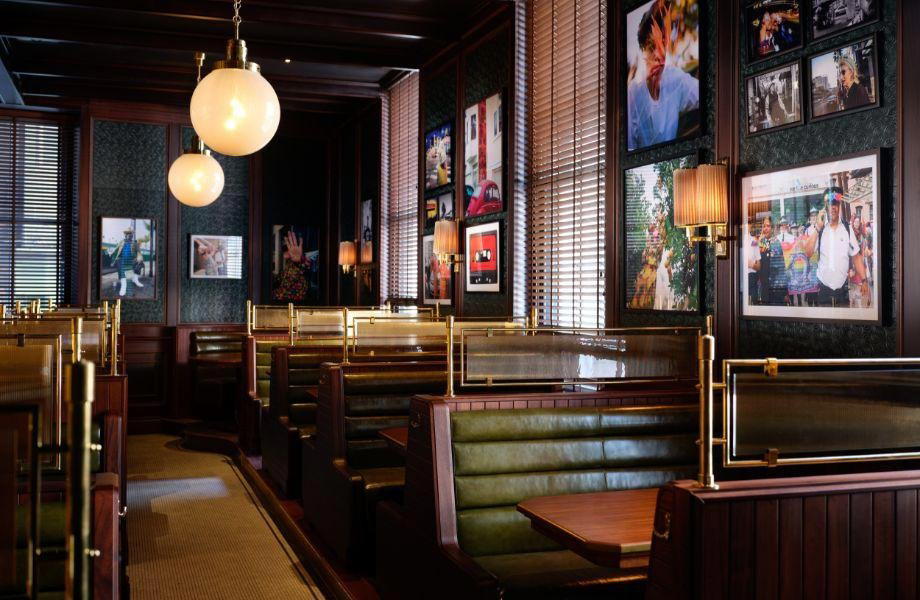
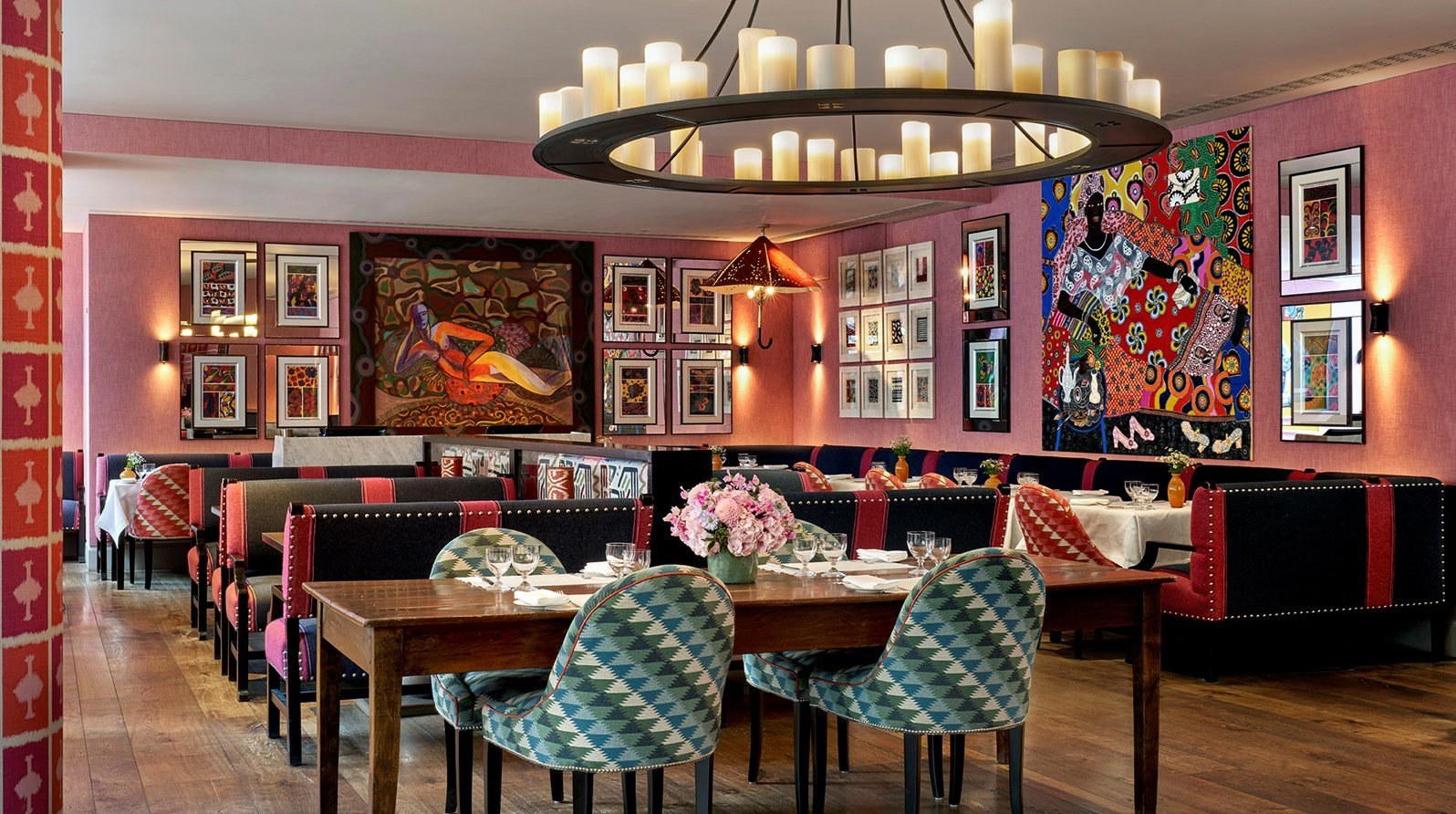
Enchanting dining room with stained glass windows casting colorful light, crisp white tablecloths, floral arrangements, and a relaxed hubbub of conversation in a historic setting.