
El Baret de Miquel sits on Carrer Historiador Palau in the heart of Dénia's old town, serving the kind of tapas that justify the format's reputation across the Valencian coast. Chef Miquel Ruiz runs a room that draws 1,735 Google reviews averaging 4.7 stars and an Opinionated About Dining Casual Europe ranking, placing it firmly in the upper tier of the city's informal dining scene.
 Discover on Pearl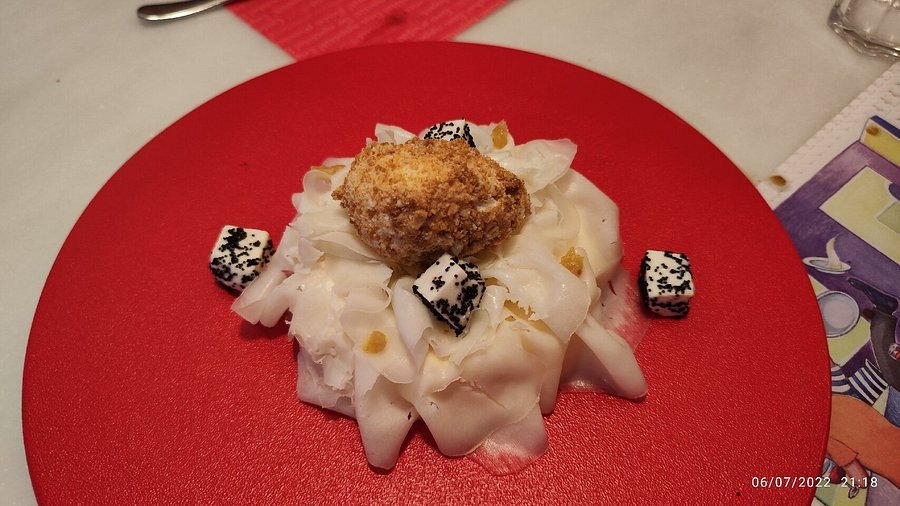
Small Plates, Serious Intent: Tapas Culture in Dénia
The tapas format operates on a particular logic: ordering little, ordering often, and letting the table develop through accumulation rather than sequence. Done well, it produces a meal that feels instinctive rather than designed. In Dénia, a port city on the Costa Blanca whose food identity runs from the rarefied end anchored by Quique Dacosta (Creative) down through Michelin-recognised fish houses and neighbourhood marisquerías, El Baret de Miquel represents a different register: the casual counter where the cooking is careful enough to earn critical attention without the formality of a tasting menu or a reservation six months out.
Carrer Historiador Palau runs through the older fabric of Dénia's centre, away from the waterfront terraces and the main tourist drag. The address places El Baret in the kind of street where locals move with purpose rather than drift, which shapes the atmosphere before you have sat down. The room draws a crowd with 1,735 Google reviews landing at a 4.7 average, a volume and consistency that suggests repeat custom rather than tourist pass-through. That ratio matters in a town that fills with visitors across the summer months and empties considerably outside them.
The shortlist, unlocked.
Hard-to-book tables, cellar releases, and concierge-planned trips.
Get Exclusive Access →Where El Baret Sits in Dénia's Dining Order
Dénia's food scene divides usefully into tiers. At the leading, Quique Dacosta runs a three-Michelin-star creative operation that competes with Spain's broader fine-dining conversation, placing it alongside rooms like El Celler de Can Roca in Girona, Arzak in San Sebastián, and Azurmendi in Larrabetzu in the national hierarchy. One tier below, Peix & Brases holds a Michelin star for its Mediterranean fish work. Then come the marisquerías, among them El Faralló and El Pegoli, which anchor the city's shellfish and seafood identity without claiming a formal critical tier.
El Baret occupies the informal end of this spectrum but with a credential that distinguishes it from generic neighbourhood tapas: an Opinionated About Dining Casual in Europe ranking at number 866 in the 2025 list. OAD's Casual category is crowd-sourced from frequent diners across Europe rather than professional inspectors, which makes the ranking a proxy for repeat, knowledgeable custom. For a tapas bar in a mid-sized coastal city rather than Madrid, Barcelona, or San Sebastián, placing on that list at all indicates the cooking has reached readers whose frame of reference extends well beyond the local scene. Compare that signal to what it means for fine-dining destinations to appear in similar league tables: Martin Berasategui in Lasarte-Oria or Aponiente in El Puerto de Santa María carry Michelin stars as their primary trust signal; El Baret's recognition comes from a different but overlapping community of eaters who track the casual end of European dining with comparable seriousness.
The Tapas Ritual and Why Format Matters Here
Spain's small-plates tradition is older than any contemporary trend toward sharing plates, and the Valencian coast has its own variant of it: heavy on local seafood, prawn and cured fish, rice dishes at lunch, and the kind of vegetable preparations that the region's huerta, one of Spain's most productive growing areas, makes possible. Tapas at this level is not an appetiser format or a tasting device. It is the meal structure itself, and how a kitchen handles it tells you a great deal about its priorities.
Chef Miquel Ruiz's name is attached to El Baret in the way a small operation typically works: the chef is the kitchen, and the kitchen's reputation is the business. The OAD recognition and the Google volume suggest the cooking has maintained consistency over time, which in the tapas format means managing what are often high-turnover covers without letting quality slip on the smaller, less glamorous plates that define the experience as much as the showcase dishes.
The social architecture of tapas also rewards a certain kind of table behaviour. Ordering in rounds rather than all at once, letting the rhythm of the kitchen set the pace, adjusting as you go based on what arrives: these habits pay off at a place like El Baret where the format is the point, not a delivery mechanism for a composed dish. Visitors more accustomed to the structure of restaurants in cities like New York or the tasting-menu format will find the lack of sequenced progression either liberating or disorienting, depending on their habits. The adjustment is worth making.
Dénia's Wider Pull for Serious Eaters
The Valencian Community has been running a sustained argument for recognition in Spain's broader food conversation for some years. The rice tradition is the most visible element, with arroz a banda and rice dishes cooked over open fire appearing across the coast from Alicante north. Dénia adds the red prawn, the gamba roja, as a local speciality of genuine standing, expensive relative to other prawn varieties and with a flavour intensity that justifies the price gap. Any table in Dénia worth its covers will have a position on the gamba roja, whether raw, briefly grilled, or treated in some variation on those two approaches.
Beyond the table, Dénia offers a reasonable base for the northern Costa Blanca, with ferry connections to Ibiza, a historic castle district above the old town, and easy road access to the wine villages of the interior. For itinerary planning, our full Dénia restaurants guide maps the full dining range; our Dénia hotels guide covers accommodation across price tiers; and our Dénia bars guide handles the late end of the day. For those exploring the region's wines and producers, our Dénia wineries guide and experiences guide cover those angles as well. Spain's broader dining conversation, from DiverXO in Madrid to Cocina Hermanos Torres in Barcelona, operates at a different scale; Dénia's contribution is more local, more specific, and arguably more honest about what Spanish food actually tastes like when it is not performing for a global audience.
Planning Your Visit
El Baret de Miquel is located at Carrer Historiador Palau, 1, in Dénia's old town centre, within walking distance of the castle district and the historic centre's main streets. Given the Google review volume and the OAD recognition, the room is likely to be occupied on weekend evenings and throughout summer peak season, roughly July through August. Arriving early in the evening or at lunch generally offers more flexibility. Specific booking information and current hours are leading confirmed directly with the venue or through current local listings, as these details sit outside available data.
The shortlist, unlocked.
Hard-to-book tables, cellar releases, and concierge-planned trips.
Get Exclusive Access →Frequently Asked Questions
How It Stacks Up
These are the closest comparables we have in our database for quick context.
| Venue | Cuisine | Price | Awards | Notes |
|---|---|---|---|---|
| El Baret de Miquel | Tapas | Opinionated About Dining Casual in Europe Ranked #866 (2025) | This venue | |
| Quique Dacosta | Creative | €€€€ | Michelin 3 Star | Creative, €€€€ |
| Peix & Brases | Mediterranean Cuisine | €€€ | Michelin 1 Star | Mediterranean Cuisine, €€€ |
| El Faralló | Marisqueria | Marisqueria | ||
| El Pegoli | Marisqueria | Marisqueria |
Need a table?
Our members enjoy priority alerts and concierge-led booking support for the world's most difficult tables.
Get Exclusive AccessThe shortlist, unlocked.
Hard-to-book tables, cellar releases, and concierge-planned trips.
Get Exclusive Access →