Queenstown Village
On Wall Street in La Jolla's village core, Queenstown Village occupies a position shaped by the neighborhood's compressed dining geography, independent, locally rooted, and operating within a competitive block that includes French bistros, Italian trattorias, and coastal New American rooms. The address alone places it inside a scene that rewards careful selection.
Pearl is the En Primeur Club membership app — saves, bookings, and concierge access live there. Same editors, same standards.
- Address
- 1044 Wall St, La Jolla, CA 92037
- Phone
- +18583526595
- Website
- q-town.com
- Directions
- Get directions
 Saves & bookings on Pearl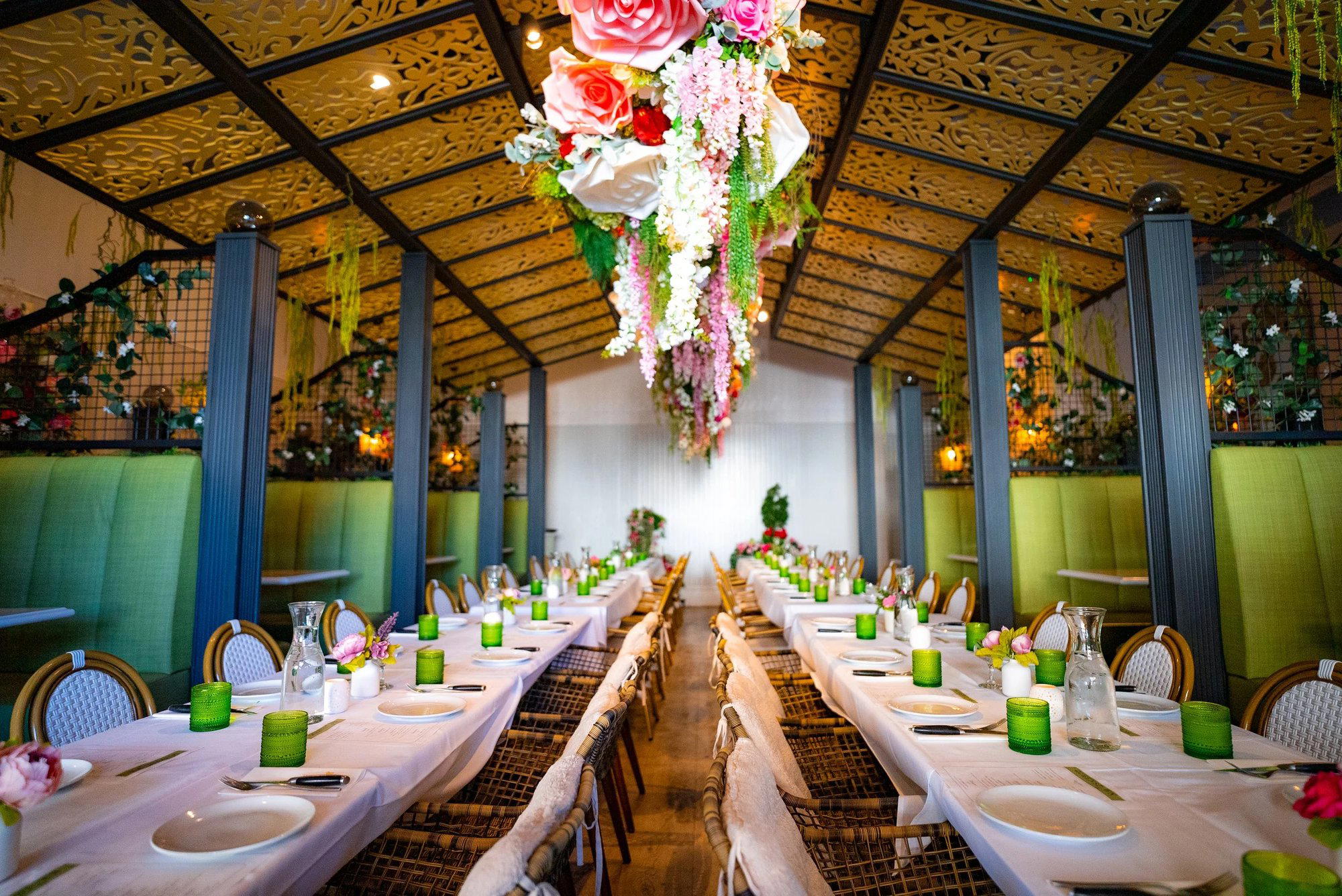
The Physical Logic of Wall Street
La Jolla's Wall Street corridor functions like a compressed editorial on Southern California's dining ambitions. Within two blocks, you pass French bistros, Italian kitchens, Japanese small-plates counters, and contemporary rooms running tasting menus against price tiers that swing from casual to serious. The strip rewards a specific kind of reader: someone who understands that proximity does not equal equivalence, and that the right room for a particular evening takes deliberate choosing. Queenstown Village is a restaurant in La Jolla, at 1044 Wall St, with.
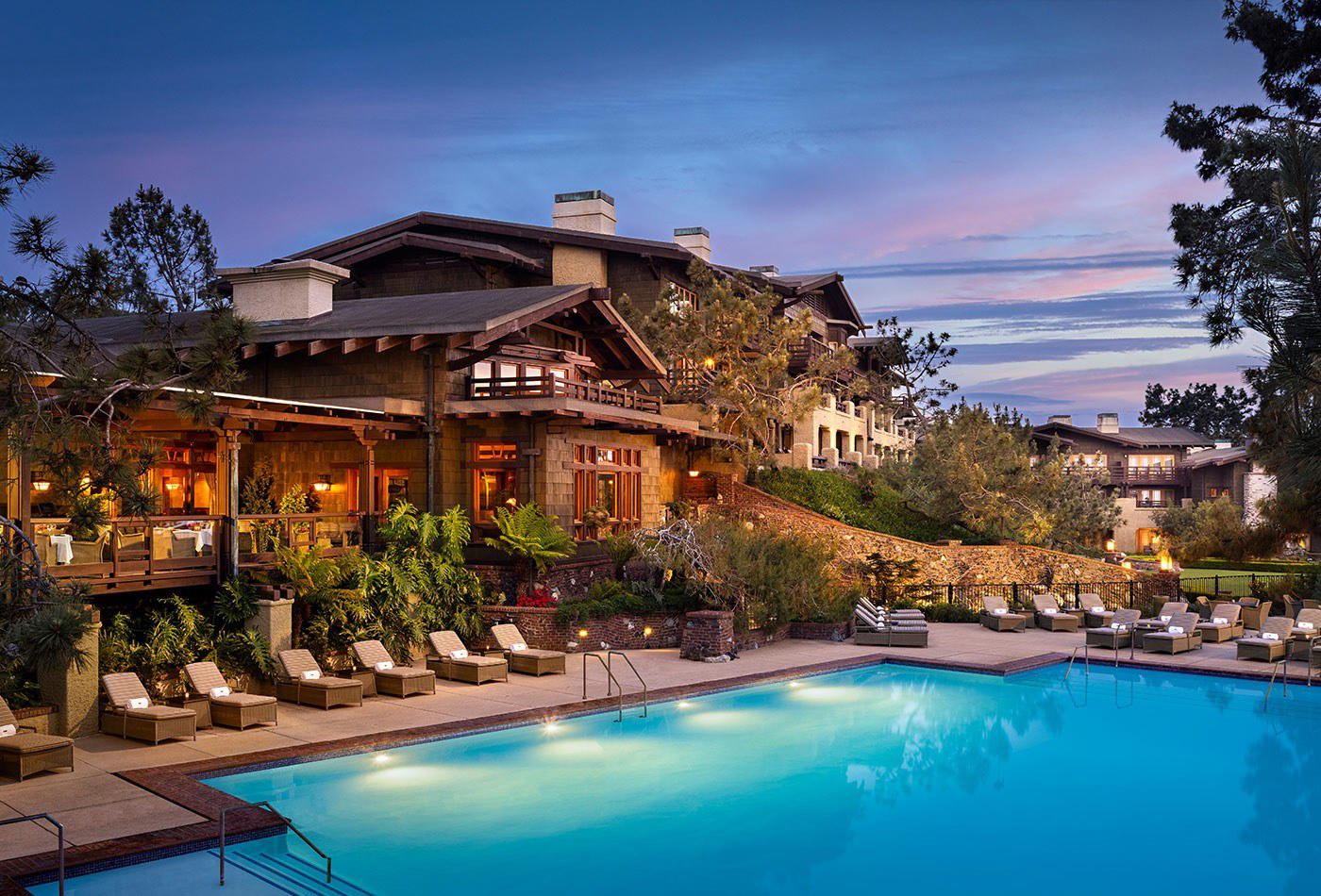
The physical environment of La Jolla village dining shapes expectations before you order. The neighborhood was built for walkability and human scale, storefronts are narrow, sightlines are short, and the Pacific air moves through year-round. A venue on Wall Street inherits all of that: the architecture is never monumental, the interiors are defined more by curation than by square footage, and the dining experience is shaped as much by the room's proportions as by what arrives on the plate. These spatial conditions define the category, and they define how a space like Queenstown Village gets read by the people who choose it.
Space as the First Argument
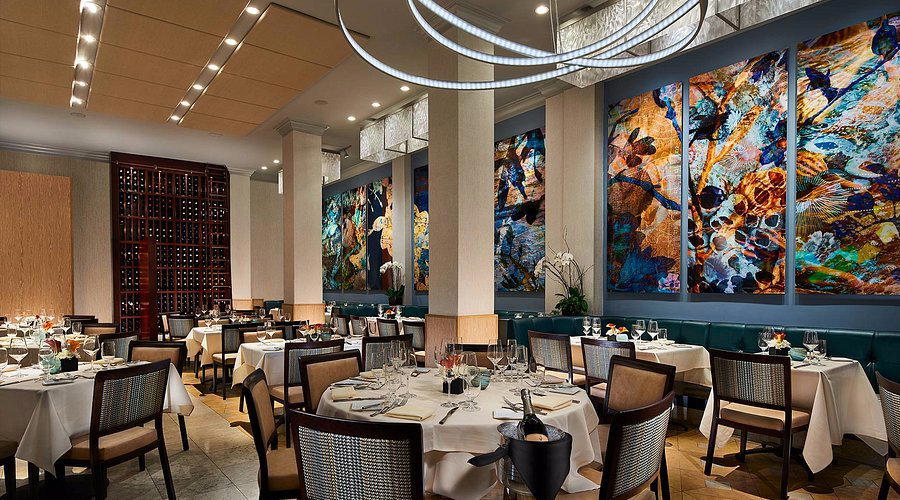
In a neighborhood where a handful of rooms compete within walking distance, interior architecture becomes a differentiating signal before cuisine or price. La Jolla's village dining tier has split in recent years between rooms that lean into coastal-casual looseness and rooms that press toward deliberate design: tighter seating, directed lighting, a considered material palette. The former functions as a backdrop; the latter functions as a point of view.
This distinction matters in a corridor where Bistro du Marché and Bernini's Bistro already occupy well-established spatial identities, the former reading as a compact French room with European service rhythms, the latter as a warm Italian interior with conventional trattoria proportions. A newer or less-established presence on the same street has to locate itself in relation to these existing spatial arguments, not just alongside them. The room's design communicates its competitive comparable set more immediately than the menu does, because diners read the space in the first thirty seconds and form a category judgment that the food then either confirms or revises.
Broader comparative context is useful here. Nationally, the design turn in mid-tier dining has been documented at rooms like Lazy Bear in San Francisco and Atomix in New York City, where the physical container, seating arrangement, material texture, light temperature, is understood as integral to the dining proposition rather than incidental to it. At the highest tier, rooms like Alinea in Chicago and The French Laundry in Napa have made spatial totality a defining credential. The trickle of that thinking into neighborhood-scale dining is now visible across coastal California, including in La Jolla's village core.
Reading the Neighborhood Tier
La Jolla's dining scene operates across several legible price and ambition tiers. At the serious end, A.R. Valentien runs a contemporary New American program at the $$$ price point, with a sourcing identity and format that aligns it with California's farm-driven fine dining tradition, a conversation that includes Single Thread Farm in Healdsburg and Blue Hill at Stone Barns in Tarrytown at the national level. Below that, Beaumont's and Beeside Balcony La Jolla serve a more casual coastal demographic. The Wall Street corridor bridges these tiers, and a venue positioned there has to make a legible argument for where, exactly, it sits.
San Diego's wider dining geography provides additional pressure. Addison in San Diego operates at the county's formal fine-dining ceiling. Venues at the neighborhood scale in La Jolla are not competing with Addison's format, but they are competing for the same discretionary dining budget from a sophisticated coastal demographic that also knows Providence in Los Angeles and, for special occasions, might travel to destinations like Le Bernardin in New York City or The Inn at Little Washington. That is the reader this neighborhood serves, and that reader's frame of reference shapes what any room on Wall Street must communicate through its design, its format, and its execution.
What the Address Signals
1044 Wall St is a central village address, not a peripheral or discovery location. In La Jolla, centrality carries specific implications: foot traffic is reliable, discovery is not the primary mechanism for building a customer base, and visibility is high enough that the room's design and front-of-house presentation are read publicly, not just by destination diners. This is different from the dynamic at venues in less trafficked corridors, where a strong reservation list can sustain a room even if the exterior reads as low-key. On Wall Street, the physical presence matters continuously.
That spatial reality aligns with how La Jolla's dining scene has developed: less reliant on the hidden-room mystique that drives discovery dining in denser urban environments, more dependent on a clear and readable identity that diners can assess on a walk-by. The rooms that perform well in this environment tend to have strong visual coherence, a legible design argument, and a service format that matches the spatial register.
Planning a Visit
Wall Street's dining density means that evening timing matters. The corridor peaks on weekend evenings, when the village's walkability drives spontaneous decisions as much as advance reservations. For venues operating without a dominant external booking signal, no marquee award, no broad national press, the physical room and its street presence do the work that reputation does elsewhere. Arriving with a reservation during peak hours is the practical default for the neighborhood's better rooms; Reservations are recommended, especially on Thursday evenings and later in the weekend.
Seasonal timing in La Jolla is relatively forgiving by California standards, the marine climate keeps the village active year-round, but summer months bring a measurable increase in tourist volume from the broader San Diego region, which compresses availability across the Wall Street corridor. Spring and fall represent the local's window: the regulars are still present, the visitor surge has not arrived or has receded, and service tends to find its rhythm more naturally. The same principle applies, at neighborhood scale, on Wall Street.
Just the Basics
Comparable venues nearby, for context on price, style, and recognition.
| Venue | Cuisine | Price | Notes |
|---|---|---|---|
| Queenstown VillageThis venue — the venue you are viewing | Not listed | $$ | Not listed |
| Duke's La Jolla | Not listed | $$ | La Jolla, Hawaiian Regional Seafood & Steakhouse |
| Harry's Coffee Shop | La Jolla, Classic American Diner | $$ | Not listed |
| La Dolce Vita | La Jolla, Authentic Italian Trattoria | $$$ | Not listed |
| The Taco Stand | La Jolla, Tijuana-Style Mexican Taqueria | $ | Not listed |
| Bernini's Bistro | La Jolla, Italian-American Bistro | $$ | Not listed |
At a Glance
- Whimsical
- Trendy
- Lively
- Modern
- Brunch
- Casual Hangout
- Group Dining
- Craft Cocktails
Current opening hours
- Monday
- 11 AM–9 PM
- Tuesday
- 11 AM–9 PM
- Wednesday
- 11 AM–9 PM
- Thursday
- 11 AM–9 PM
- Friday
- 11 AM–9 PM
- Saturday
- 10 AM–9 PM
- Sunday
- 10 AM–9 PM
Hours can change for holidays and private events. Last verified .
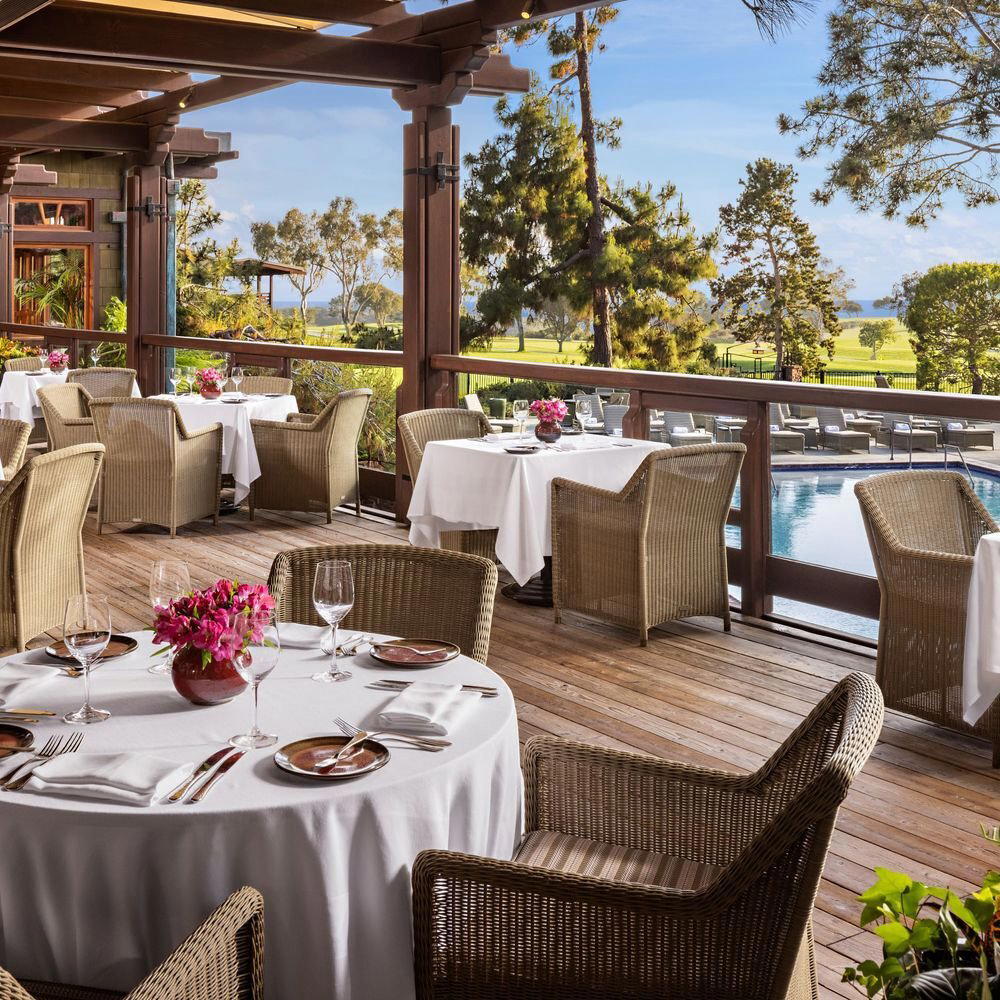
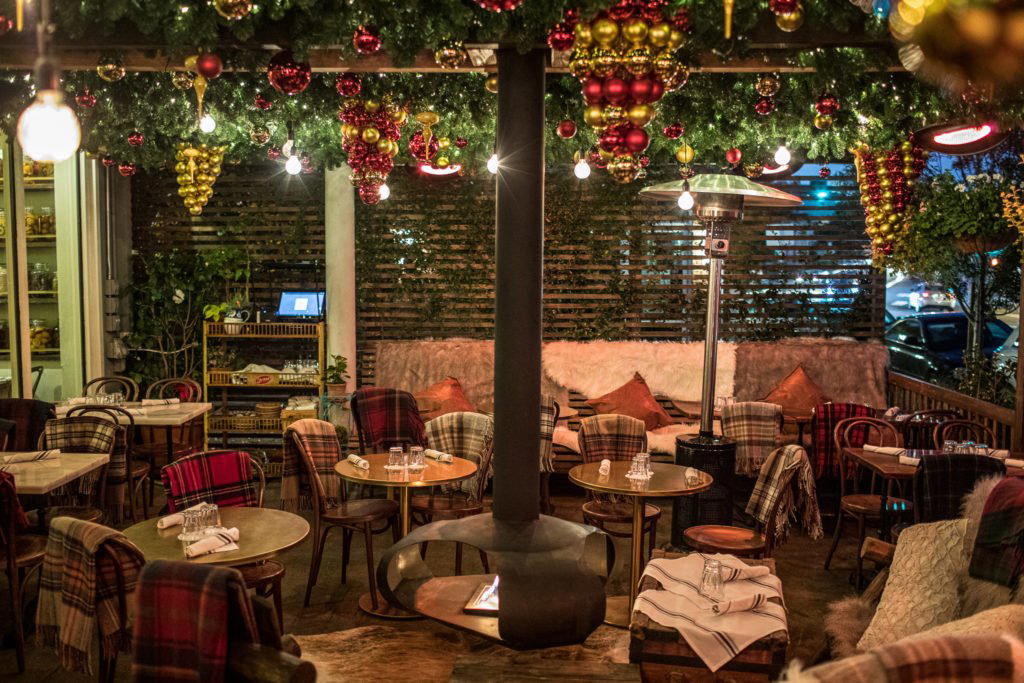
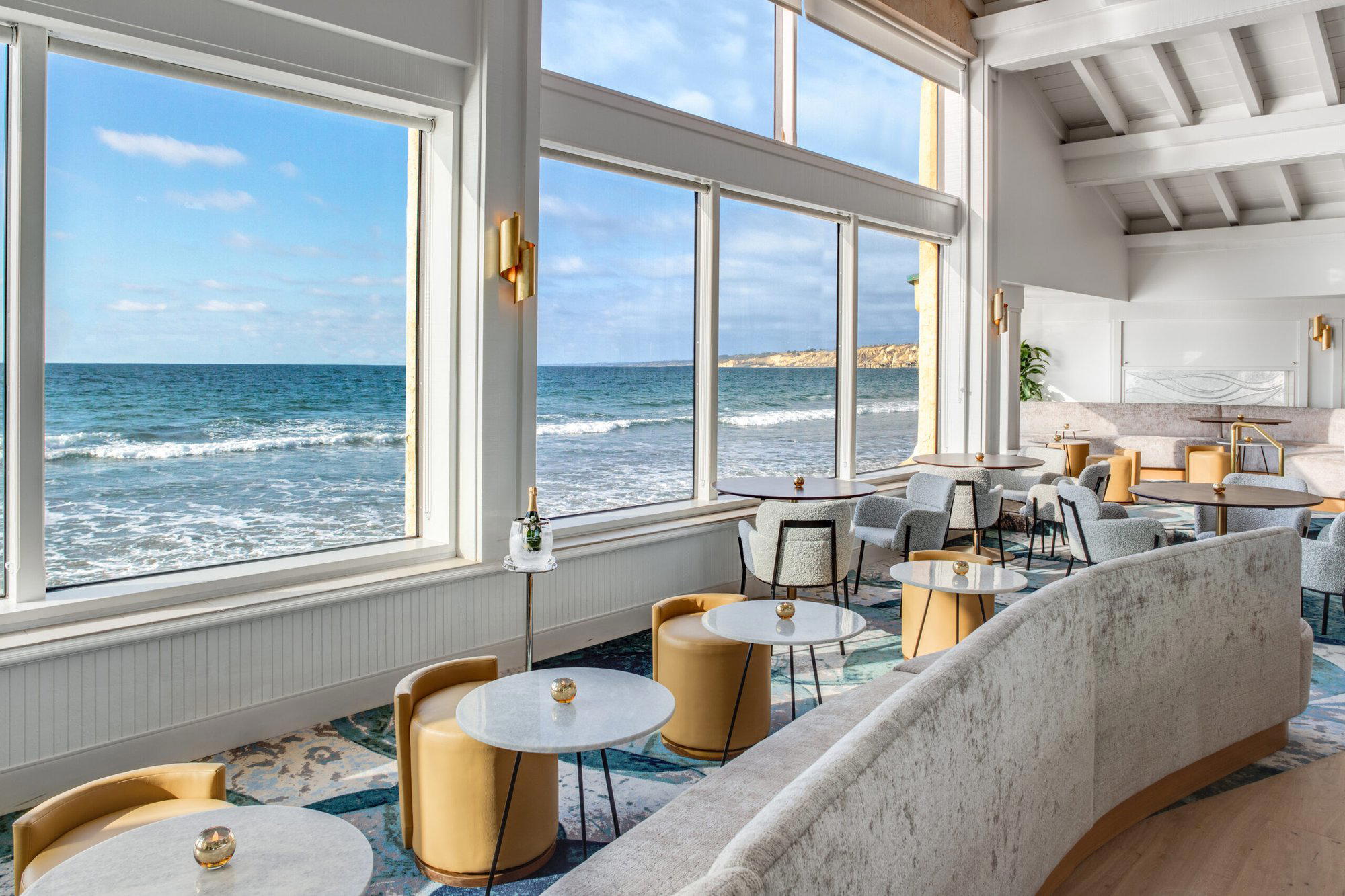
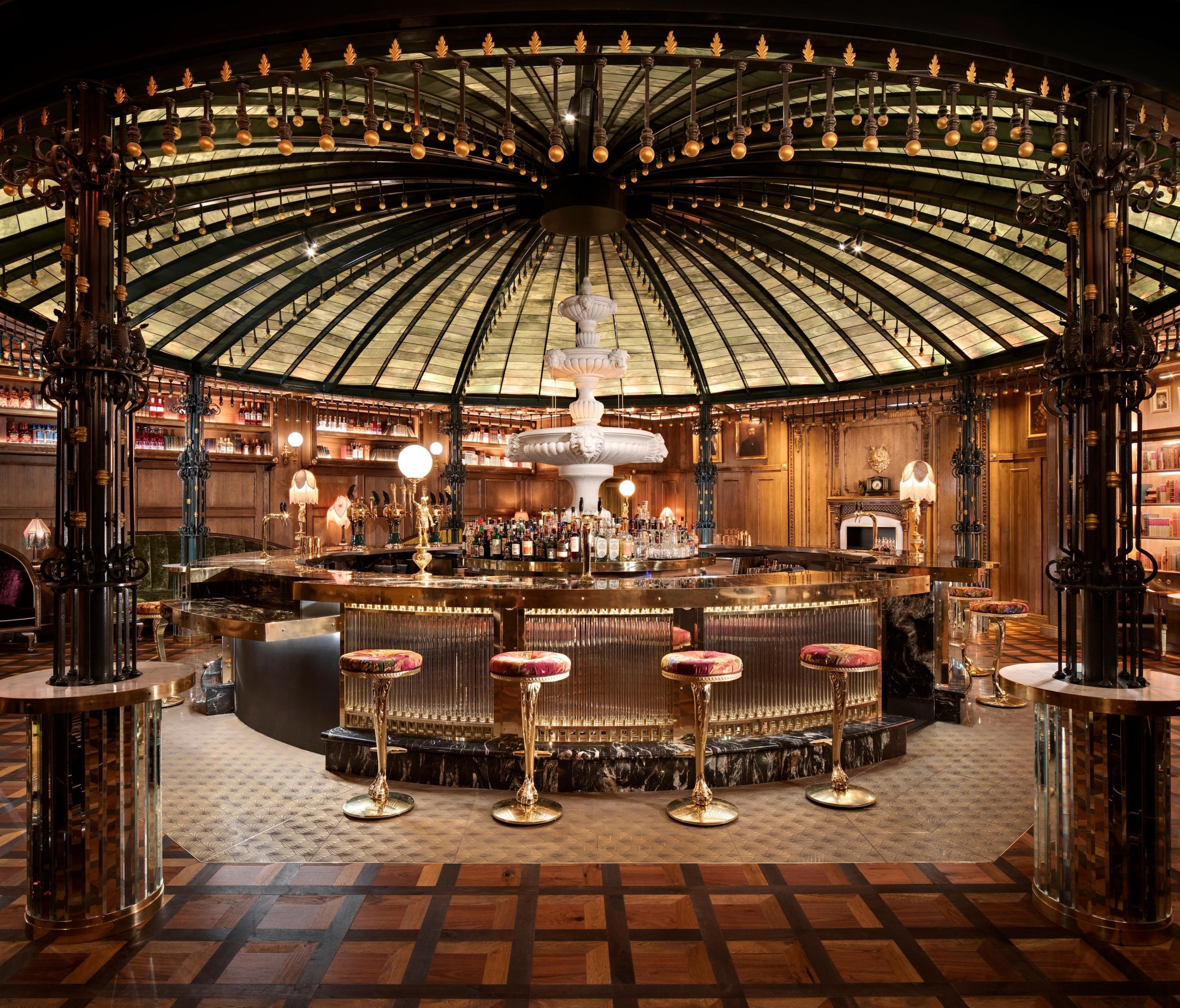
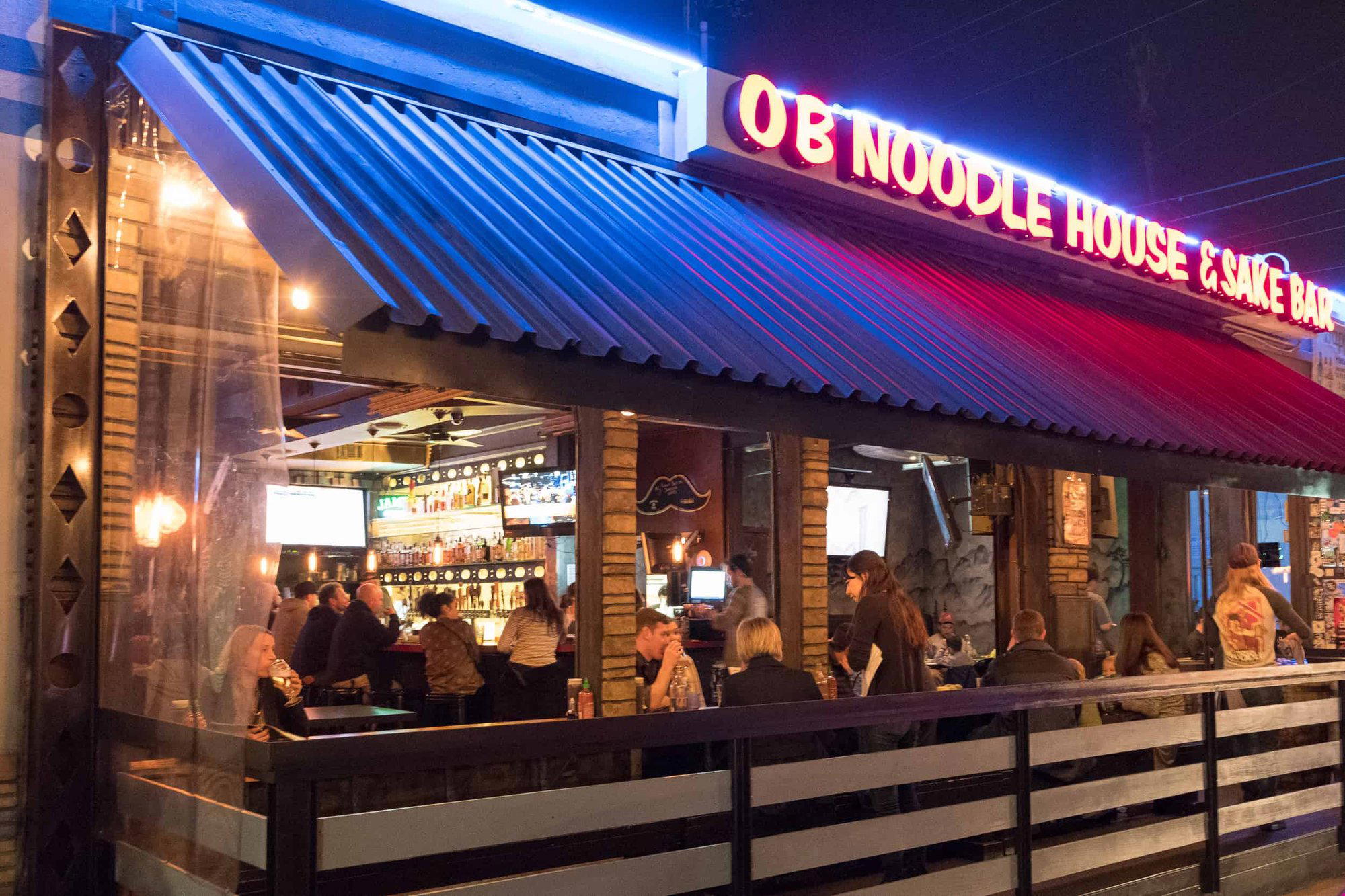
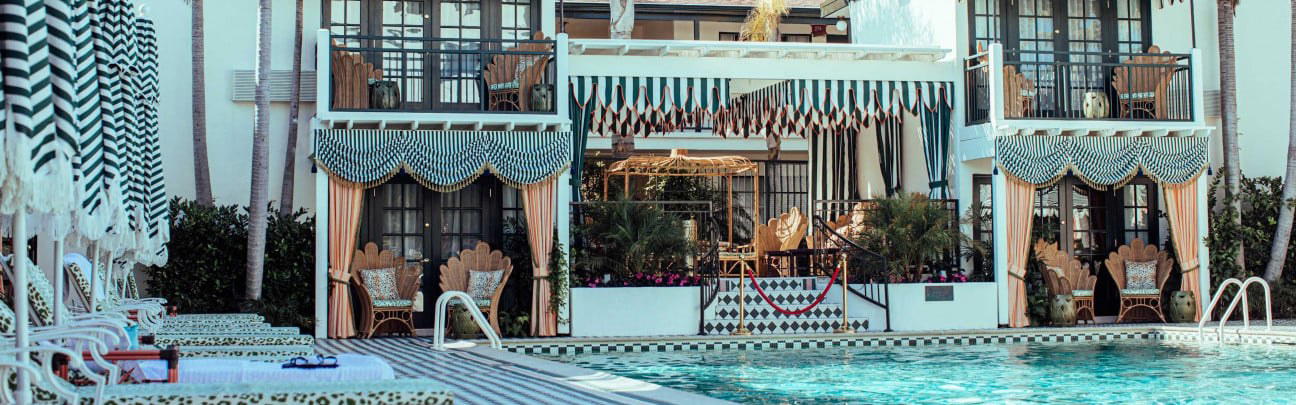
Lively and cheeky atmosphere with beautiful, award-nominated design blending coastal California and New Zealand charm, praised for its dramatic decor and good vibes.