Quai des Artistes sits on Monaco's Condamine waterfront at 4 Quai Antoine 1er, positioned where the working port meets the principality's more animated dining strip. The setting frames the meal before any plate arrives, with harbour light and passing yachts doing much of the atmospheric work. It belongs to a tier of Condamine restaurants that trade on location and crowd energy rather than Michelin formality.
Pearl is the En Primeur Club membership app — saves, bookings, and concierge access live there. Same editors, same standards.
- Address
- 4 Quai Antoine 1er, 98000 Monaco
- Phone
- +37797979777
- Website
- quaidesartistes.com
- Directions
- Get directions
 Saves & bookings on Pearl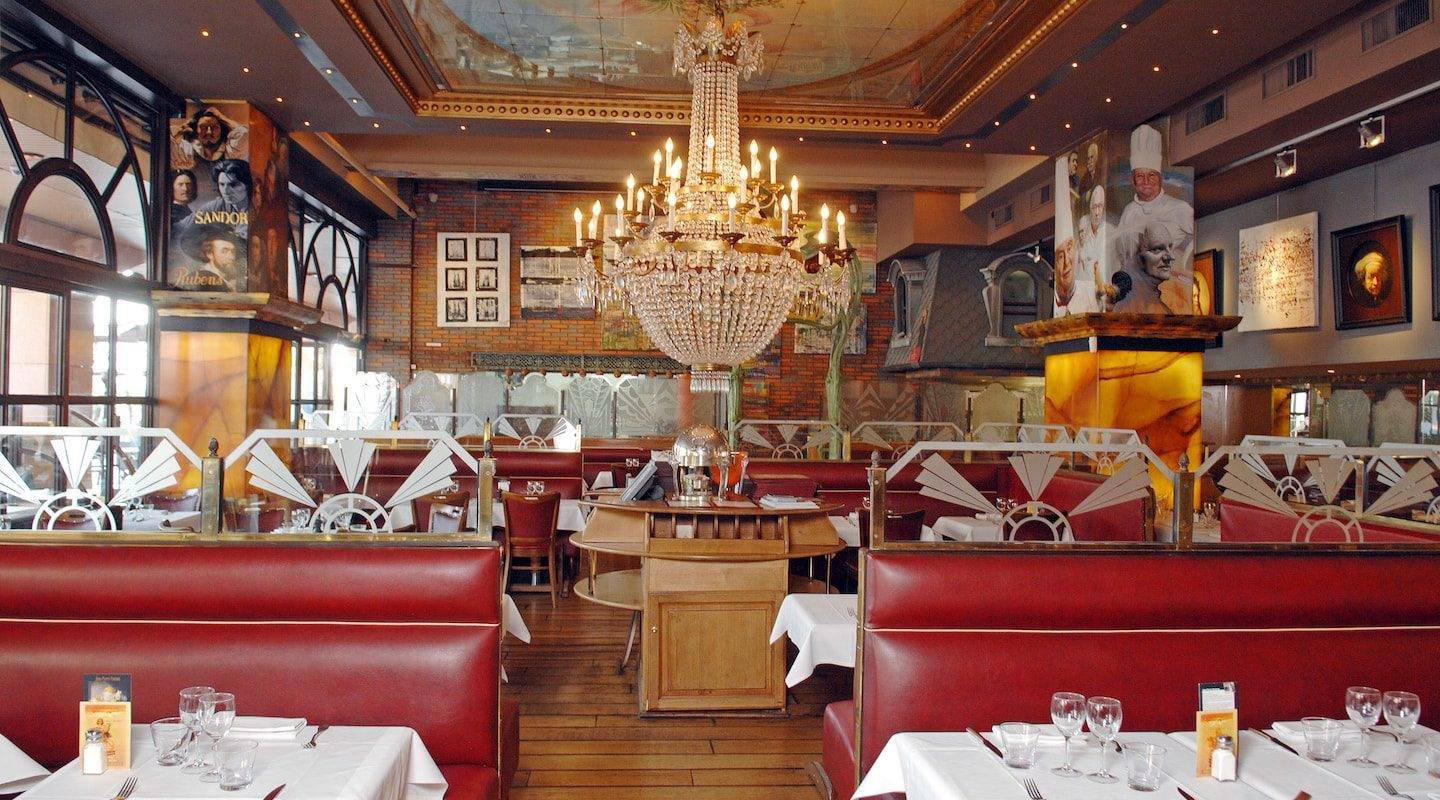
Where the Port Sets the Tone
Along Quai Antoine 1er, the relationship between water and table is direct in a way that Monaco's grander dining rooms deliberately avoid. The Condamine waterfront is not the principality's most gilded address, that register belongs to the Casino terraces and Louis XV at the Hôtel de Paris, but it is its most animated. Fishing vessels and day-charter boats share moorings with gin palaces, and the restaurants that line this quay operate at a pace that reflects the mix: unhurried enough for a long lunch, social enough to sustain a late dinner. Quai des Artistes sits at the more lively end of this strip, at number 4, where the harbour opens up and the foot traffic from the market square feeds naturally toward the waterside tables.
This kind of brasserie-register dining, positioned between the principality's formal dining rooms and its casual pizzerias, occupies a useful slot in Monaco's otherwise polarised restaurant offer. For every table at Alain Ducasse's Louis XV in Monte Carlo or Hostellerie Jerome in La Turbie, there are dozens of visitors and residents who want harbour views and something recognisably French without the ceremony of a tasting menu or the advance planning a starred reservation demands.
The Cultural Register of a French Brasserie on the Mediterranean Coast
The brasserie tradition that underpins a place like Quai des Artistes carries specific cultural weight on the Côte d'Azur. It draws from the Provençal Mediterranean on one side and from the Parisian grand-café model on the other, and the tension between those two impulses is what defines the cooking at most serious restaurants in this category. Seafood sourced from the local Ligurian corridor, olive oil from the arrière-pays, and the slower rhythm of southern French service sit alongside the architectural confidence of a proper French menu: terrines, tartares, grilled fish with simple sauces, and desserts that do not require explanation. This is not a cuisine that seeks novelty. It seeks execution and setting, and on a working Mediterranean quay, those two things can carry a meal further than many more ambitious programmes.
Across Monaco's four main dining districts, the Condamine sits in an interesting position. It is where residents actually eat across a week, not just on occasions. Il Pacchero handles the Italian end of the neighbourhood's appetite, while La Môme tilts toward a more fashion-conscious crowd. MC by Kodera represents the neighbourhood's more precise, technique-forward option. Quai des Artistes occupies the generalist French position within that comparable set: broader in scope, more reliant on the harbour setting, and less defined by a single culinary signature.
The Waterfront Dining Tier in Monaco's Context
Monaco's dining scene has historically sorted itself by altitude and formality. The palace district and Casino Square attract the starred rooms; the port and market quarters carry the daily-dining load. What distinguishes Condamine's waterfront specifically is the degree to which the view functions as part of the offer in a way that isn't purely decorative. On Quai Antoine 1er, the harbour is active enough to provide genuine visual interest throughout a meal, the kind of slow theatre that justifies a second glass and a longer table hold than most restaurants in a dense principality can afford to offer.
At the broader end of the French Riviera, comparable waterfront brasserie formats appear in Antibes, Nice's Vieux-Port, and Cap Ferrat, but Monaco applies its own pressure to the format. Space is scarce, rents are high, and the clientele is more internationally mixed than any of those alternatives. A restaurant in this position has to work across multiple registers simultaneously: local residents treating it as a neighbourhood fixture, superyacht guests looking for something accessible after days of formal catering, and tourists oriented by the famous address. The better waterfront operators in Monaco manage this without obviously trying; the less successful ones tip into the generic.
How This Fits the Condamine Dining Pattern
Visitors to Monaco who confine themselves to the Monte Carlo casino quarter miss how the principality actually eats. The Condamine market, which runs most mornings, sets the produce agenda for much of the neighbourhood's cooking. The proximity to the Italian border, Ventimiglia is under twenty minutes by road, means that Ligurian ingredients move through these kitchens with the ease of local supply, and the distinction between French and Italian at this level of cooking is more philosophical than practical. Pasta appears alongside bouillabaisse; pesto sits next to tapenade. That cross-border fluency is a genuine feature of Riviera cooking at its leading, and it is the cultural logic that makes a restaurant like Quai des Artistes coherent even when it doesn't stake a narrow culinary claim.
The quay's outdoor tables are the central draw and fill quickly on evenings when the weather permits. Reservations during the Monaco Grand Prix period in late May are a different calculation entirely. Walk-ins are more plausible, particularly for lunch.
Among Monaco's wider comparable set internationally, where harbourside French brasseries compete with places like Le Bernardin in New York City for the idea of serious seafood in a serious setting, or Amber in Hong Kong for French technique in a high-density city, the restaurant operates in a different register entirely. It is not competing on innovation or accolade. It is offering the reliable authority of a properly positioned French waterfront restaurant in among the more recognisable harbour addresses in Europe, and within the Condamine's specific dining economy, that positioning has a clear audience. For contrast in the same small principality, Nobu Monte Carlo and Avenue 31 in Larvotto represent the international-brand and contemporary-leisure ends of the market respectively, while Amici Miei in Fontvieille and La Montgolfière-Henri Geraci in Monaco City show how the principality's other quarters handle the mid-to-upper-casual register. The restaurant remains the Condamine's most harbour-proximate answer to the French brasserie question.
A Pricing-First Comparison
Comparable venues nearby, for context on price, style, and recognition.
| Venue | Cuisine | Price | Notes |
|---|---|---|---|
| Quai des ArtistesThis venue — the venue you are viewing | Not listed | $$$$ | Not listed |
| Il Pacchero | Not listed | $$$ | La Condamine, Authentic Italian Pasta & Seafood |
| La Môme | Condamine, Mediterranean Rooftop | $$$$ | Not listed |
| MC by Kodera | La Condamine, Authentic Japanese Sushi | $$$ | Not listed |
| Chez Pierre | Carré d'Or, Classic French Bistro | $$$$ | Not listed |
| La Dame (Silver Nova) | Monte Carlo, French Fine Dining | $$$$ | Not listed |
Continue exploring
More in Condamine
Restaurants in Condamine
Browse all →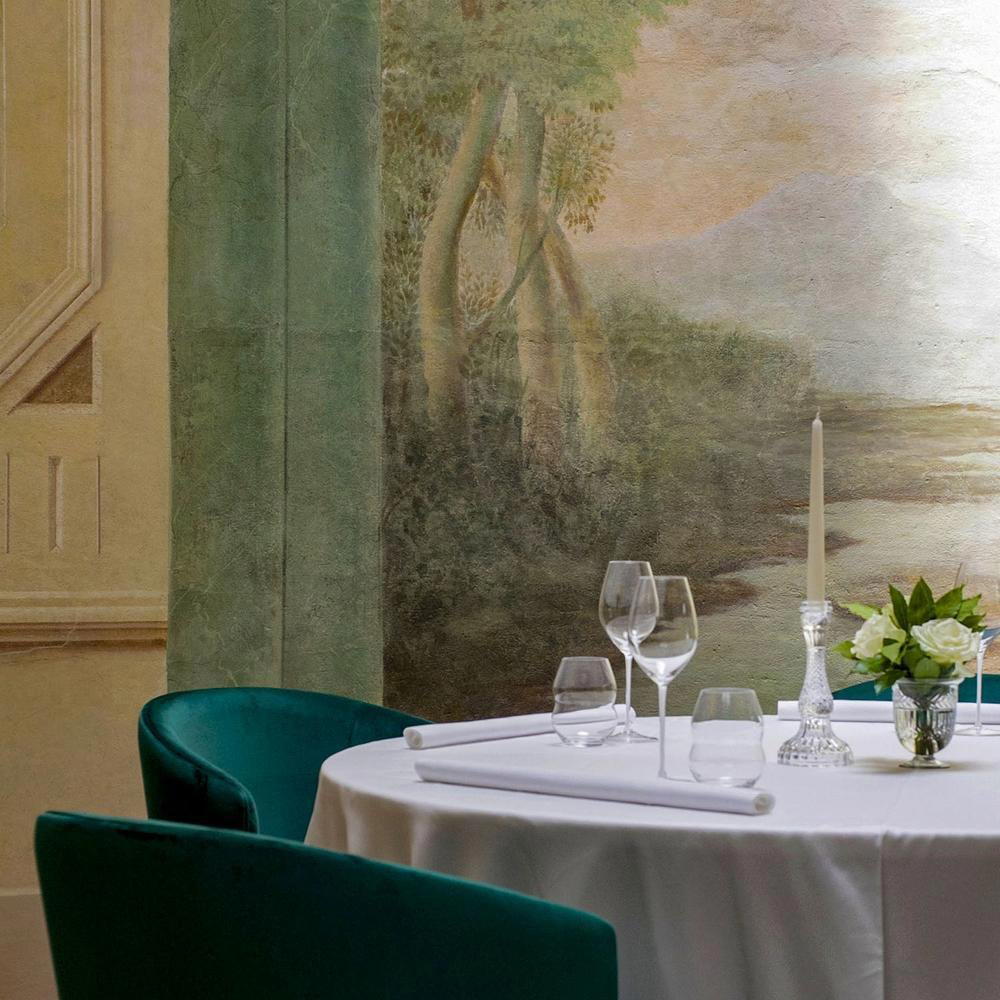
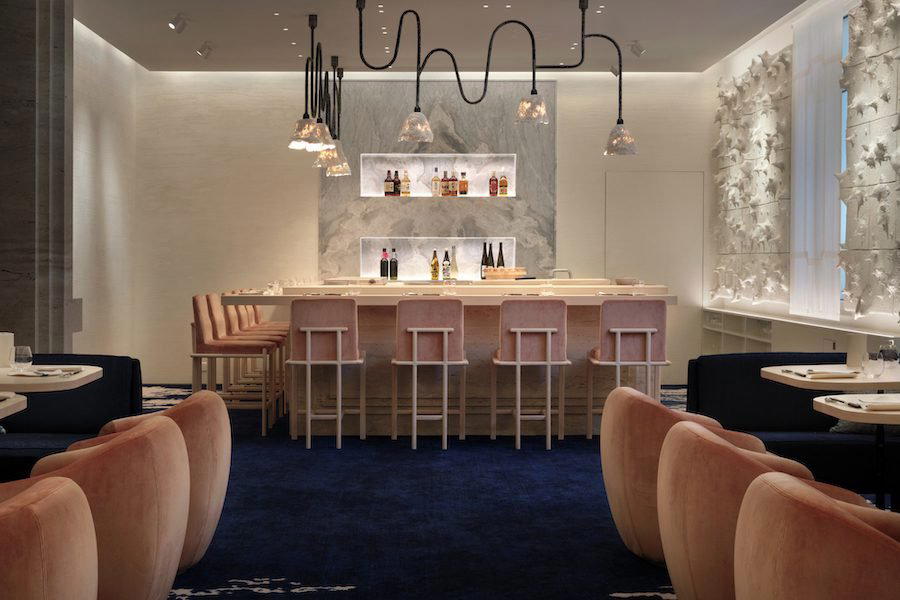
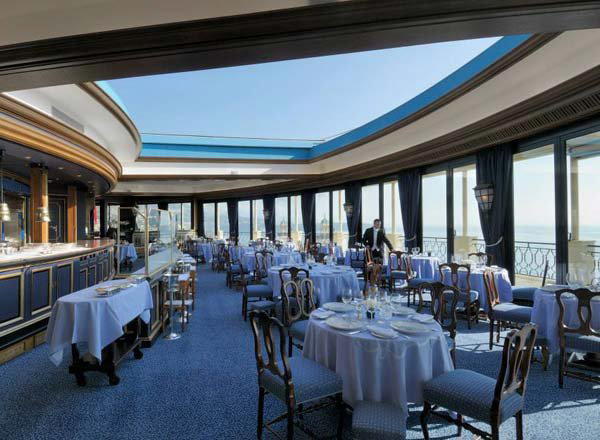
Bars in Condamine
Browse all →
Hotels in Condamine
Browse all →

At a Glance
- Elegant
- Classic
- Sophisticated
- Business Dinner
- Group Dining
- Special Occasion
- Waterfront
- Terrace
- Extensive Wine List
- Waterfront
Current opening hours
- Monday
- 8 AM–10:30 PM
- Tuesday
- 8 AM–10:30 PM
- Wednesday
- 8 AM–10:30 PM
- Thursday
- 8 AM–10:30 PM
- Friday
- 8 AM–10:30 PM
- Saturday
- 10 AM–10:30 PM
- Sunday
- 10 AM–10:30 PM
Hours can change for holidays and private events. Last verified .
Soft lighting, art exhibitions, and convivial atmosphere evoking Parisian brasseries with harbor terrace.