Our verdict
Cap de Creus is Spain's easternmost point, where the Costa Brava meets raw Tramuntana winds and waters that define some of the Mediterranean's most prized seafood. The headland around Punta de Cap de Creus, just beyond Cadaqués, frames a natural park coastline that shapes the ingredients, the cooking traditions, and the broader dining identity of this corner of Girona province.

Pearl is the En Primeur Club membership app — saves, bookings, and concierge access live there. Same editors, same standards.
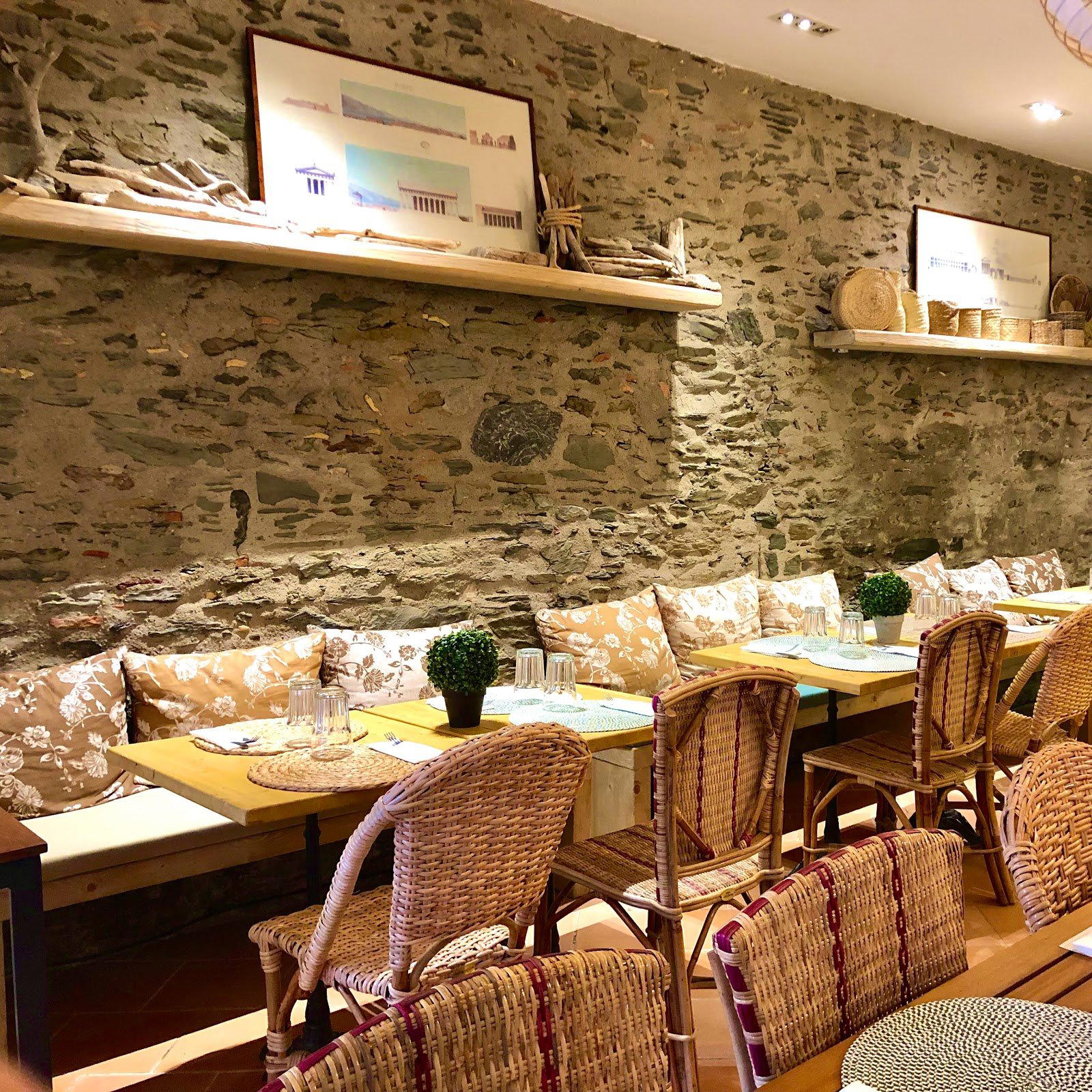
Where the Mediterranean Begins: The Cap de Creus Headland
Spain's eastern edge does not arrive quietly. The Cap de Creus peninsula, the Iberian landmass's most easterly point, meets the Mediterranean with eroded granite, juniper scrub, and a Tramuntana wind that locals measure not in velocity but in consequence: capsized boats, salt-scoured vines, fish that feed in churning, oxygen-rich water. Punta de Cap de Creus, the tip of that headland above Cadaqués, sits inside a natural park that has remained largely unchanged since Salvador Dalí painted it obsessively from his house at nearby Portlligat. The coastline's legal protections and geographic inaccessibility have preserved the marine and agricultural conditions that define what cooks in this part of Girona actually have to work with.
That matters because ingredient provenance at this latitude is not a marketing posture. It is a constraint and a curriculum. The kitchens that take the Cap de Creus seriously are cooking to a particular ecology: sea urchin harvested from rocky coves where cold and warm currents meet, anchovies from L'Escala's centuries-old salting tradition thirty kilometres south, olive oil pressed from arbequina trees that survive in thin, windswept soil. These are not interchangeable inputs. They carry the specific salinity, fat structure, and flavour concentration that the local environment produces, and serious cooking in this region begins with understanding them rather than substituting for them.
The Sourcing Logic of Costa Brava Cuisine
The Costa Brava's culinary identity has always been built on proximity to exceptional raw material rather than on technique alone. The waters around Cap de Creus produce a disproportionate share of Catalonia's most prized seafood. The area's protected status as a natural park limits commercial fishing access, which concentrates pressure on smaller-scale, artisanal operations that supply local restaurants with product caught that morning by people who know the specific coves and currents. This is a different supply chain from the wholesale fish markets that feed most restaurant kitchens, and the difference shows on the plate in texture and freshness rather than in provenance labelling.
The anchovy question is worth examining separately. L'Escala's salted anchovy tradition, practiced continuously for several centuries, produces a product that functions less like a seasoning and more like a structural ingredient in coastal Catalan cooking. The salt-curing process, which takes a minimum of several months and in premium batches runs to a year or more, concentrates the fish's fat and umami in a way that cannot be replicated at speed. Cooks across the region use these anchovies as a baseline flavour note in sauces, on bread with quality olive oil, and alongside fresh seafood in combinations that register as deeply regional rather than generic Mediterranean. Spanish three-Michelin-star kitchens like El Celler de Can Roca in Girona and Quique Dacosta in Dénia have built elements of their menus around this kind of hyper-local ingredient logic, treating sourcing specificity as creative material rather than background detail.
Cadaqués and Its Place in Spain's Fine Dining Geography
Cadaqués itself is a small, white-walled town accessible by a single winding mountain road, which has historically limited its restaurant scene to a scale that matches its population and summer visitor profile rather than its cultural prestige. The town's remoteness is both its protection and its constraint. It does not sit on the circuit of Spain's highest-profile fine dining destinations: the Basque concentration that includes Arzak, Mugaritz, Azurmendi, and Martin Berasategui draws a different type of pilgrim than the painter-haunted coves of the Alt Empordà.
That said, the broader Girona province is not a culinary backwater. El Celler de Can Roca's sustained position among the world's most recognised restaurants has put the region on an international reference map, and the agricultural and fishing resources of the Alt Empordà hinterland supply ingredients that kitchens elsewhere in Spain and Europe actively seek out. The Cap de Creus natural park sits at the northern end of this productive zone, where the landscape becomes wilder and the sourcing story becomes, if anything, more concentrated.
For comparison, the approach that Aponiente in El Puerto de Santa María takes to the marine ecology of the Bay of Cádiz offers a useful parallel: a kitchen that has built its entire creative programme around the specific biology of one protected marine environment, treating the ecosystem as both larder and constraint. The coastal natural parks of southern Catalonia operate according to a similar logic, even if the kitchens drawing from them work at different scales and formats.
The Natural Park as Kitchen Boundary
Spain's network of natural parks and marine reserves has reshaped how serious kitchens in coastal regions think about seasonal calendars. Cap de Creus Natural Park imposes genuine restrictions on what can be taken from the water and when, which means restaurants operating close to it work within a supply rhythm that reflects marine biology rather than menu preference. Sea urchin, for instance, has a defined harvesting season tied to roe quality, and the local variety benefits from the cold, clear water and the specific algae of the park's rocky shallows. A kitchen committed to using that product honestly is a kitchen that changes its menu when the urchin season closes, not one that sources a substitute from elsewhere and continues as though nothing has changed.
This kind of ingredient fidelity is increasingly the marker that separates serious regional cooking from destination restaurants that happen to be located in interesting places. Spain's most credentialled kitchens, from Cocina Hermanos Torres in Barcelona to Ricard Camarena in València to Noor in Córdoba, share a commitment to treating regional ingredient identity as a non-negotiable foundation rather than a seasonal accent. The kitchens around Cap de Creus operate in a context where that commitment is enforced partly by geography and partly by the park's regulatory framework, which makes the sourcing story less a choice and more a structural condition of cooking in the area.
Planning a Visit to the Cap de Creus Headland
Cadaqués is reached via the GI-614 road from Roses or the mountain road from El Port de la Selva, both of which are narrow and slow by design. The drive from Girona takes approximately ninety minutes under normal conditions. The headland and lighthouse at Punta de Cap de Creus are accessible by road, with parking near the Cap de Creus restaurant and lighthouse complex, though this road closes periodically during high fire-risk periods in summer. Visiting outside the July and August peak significantly improves access to both the headland and the town's accommodation and dining options. Spring (April to June) brings calmer Tramuntana conditions and the fishing season at or near its most productive, making it the period when the sourcing story the region's cooking is built on is most directly evident on menus.
Frequently asked questions
Is Punta de Cap de Creus child-friendly?
The Cap de Creus headland is largely open, rugged terrain within a protected natural park in Girona province, which makes it more suited to older children and adults comfortable with uneven coastal paths. There are no formal facilities at the point itself. Families with younger children typically base themselves in Cadaqués town and make shorter excursions toward the cape rather than hiking the full headland.
What's the overall feel of Punta de Cap de Creus?
The headland is exposed and austere — wind-scoured rock meeting open Mediterranean water at Spain's easternmost point on the Iberian mainland. The Cap de Creus Natural Park designation keeps the area free of commercial development, so the experience is defined by the landscape itself rather than any infrastructure. Cadaqués, the nearest town in Girona, sits on the sheltered western side and offers a sharp contrast in atmosphere.
Why do Costa Brava chefs reference Cap de Creus when talking about sourcing?
The Cap de Creus marine reserve sits at the confluence of cold Atlantic-influenced currents and warmer Mediterranean water, producing shellfish and fish with a distinct flavour profile that kitchens in Cadaqués and across Girona province treat as a provenance marker. The protected status of the park limits fishing pressure, which sustains the quality of what the waters yield. For serious coastal kitchens on the Costa Brava, proximity to Cap de Creus functions as a sourcing credential in the same way a named fishing port does elsewhere in Spain.
What's the signature dish at Punta de Cap de Creus?
Punta de Cap de Creus is a geographical landmark within a protected natural park rather than a restaurant or dining venue, so there is no signature dish associated with the site. The broader Cap de Creus marine reserve, however, is closely identified with sea urchin and line-caught fish that supply kitchens throughout the Costa Brava. Cadaqués restaurants draw directly on these waters when building their seasonal menus.
Where is Punta de Cap de Creus in Cadaques?
Punta de Cap de Creus is located at Girona, Spain, Cadaques.
In Context: Similar Options
Comparable venues nearby, for context on price, style, and recognition.
| Venue | Cuisine | Price | Awards | Notes |
|---|---|---|---|---|
| Punta de Cap de CreusThis venue — the venue you are viewing | Mediterranean with Catalan and Indian influences | Not listed | Not listed | Not listed |
| Compartir Cadaqués | Modern Mediterranean Tapas | $50–100 | Michelin Plate · Macarfi 8.3 Food Rating | historical centre of Cadaqués |
| La Dolça Herminia | Traditional Catalan with Modern Mediterranean Twists | $20–30 | Not listed | Sant Pere, Santa Caterina i la Ribera |
| Restaurante Avinyo 10 | Mediterranean Tapas and Paella | $20–30 | Not listed | Barri Gotic |
| L'Antillana | Mediterranean Tapas & Cocktails | $20–30 | Not listed | Badalona |
| Ultramarins Riera | Creative Mediterranean Bistro | $30–50 | Not listed | Sants |
Continue exploring
More in Cadaqués
Restaurants in Cadaqués
All restaurants in Cadaqués →
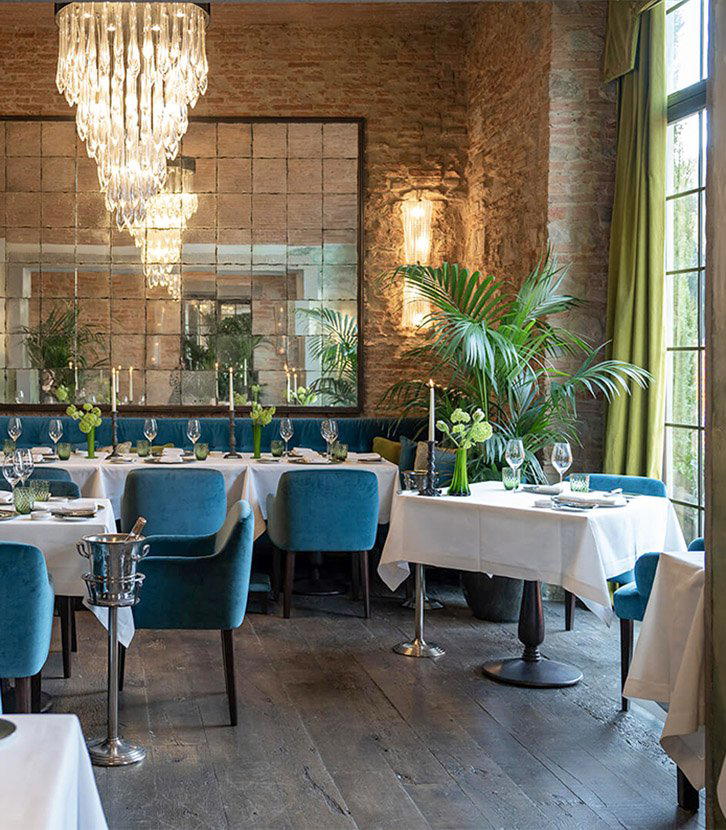
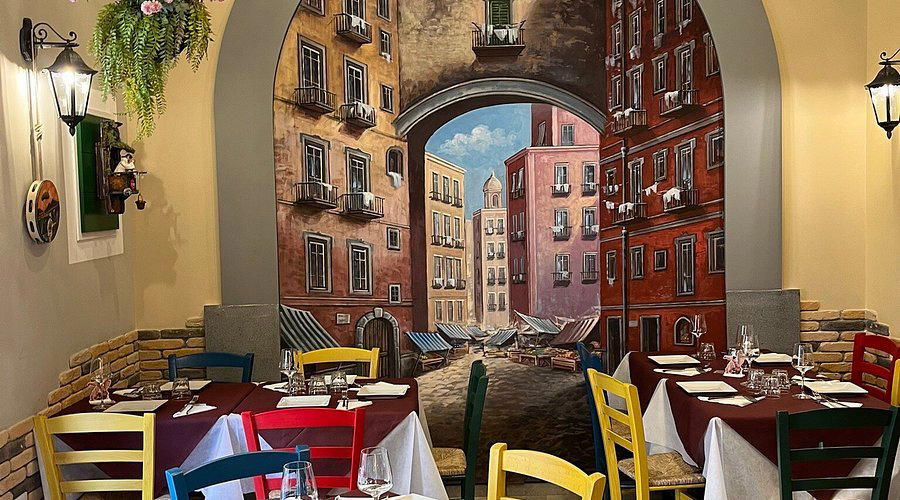
Bars in Cadaqués
Browse all →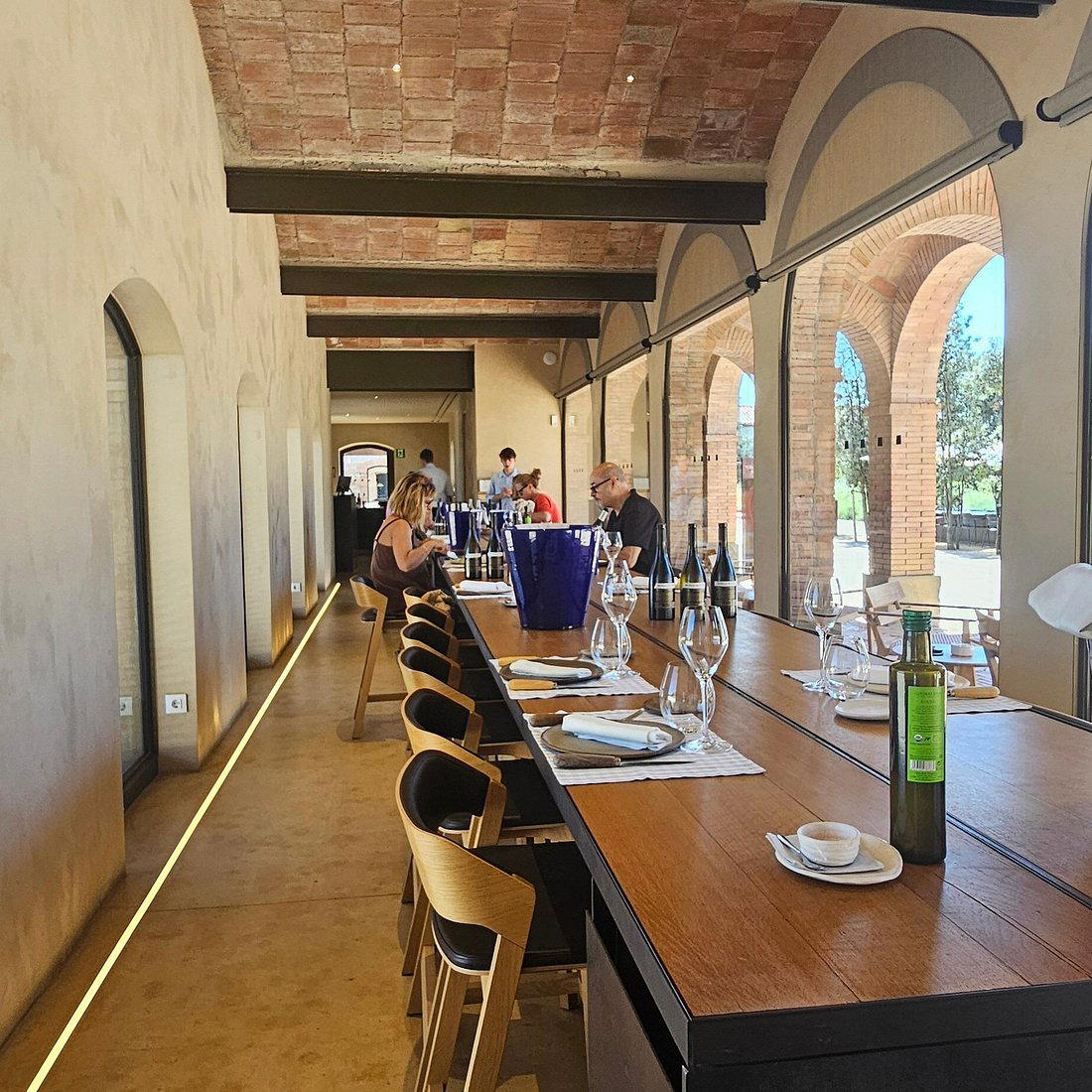
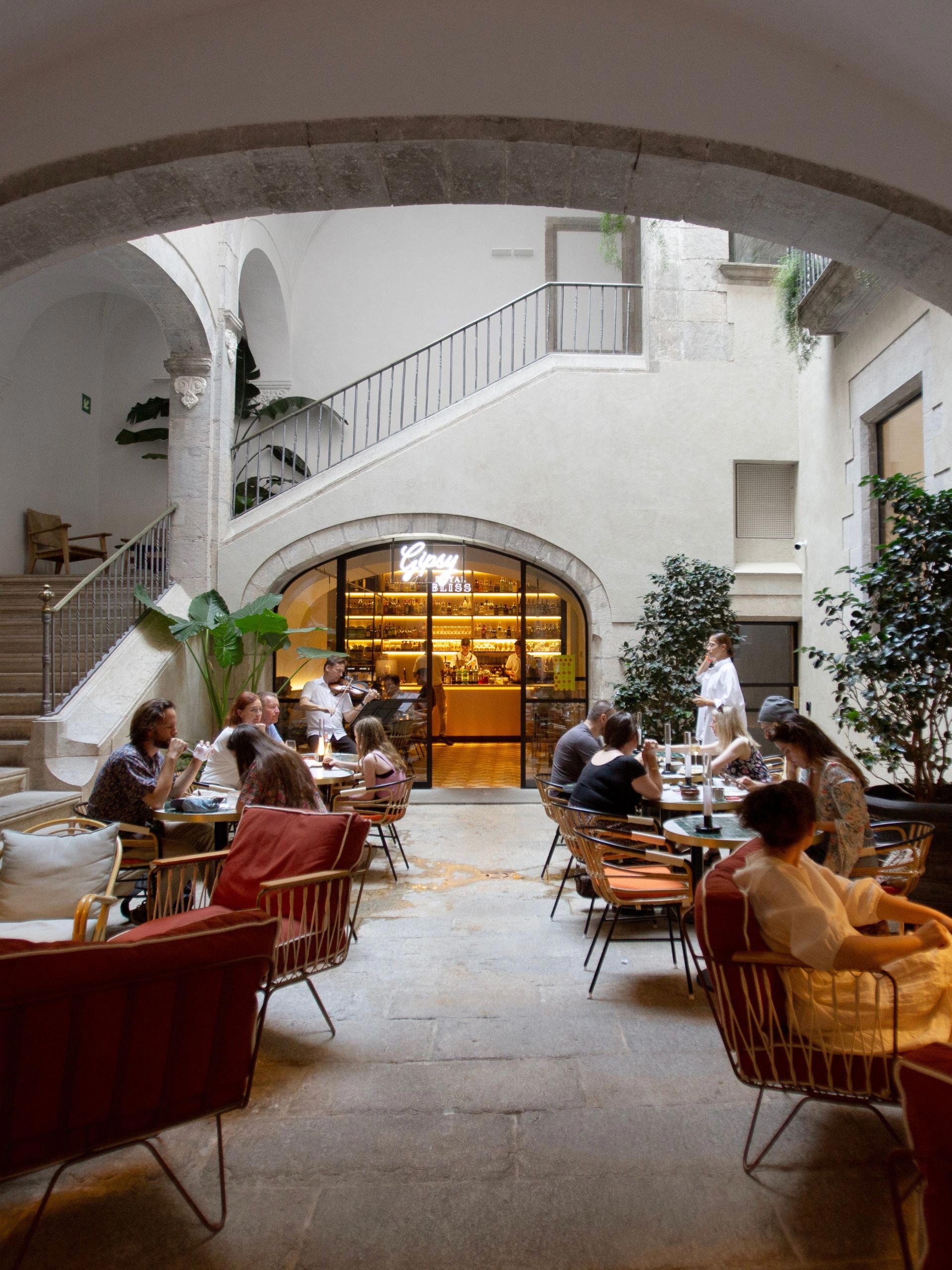
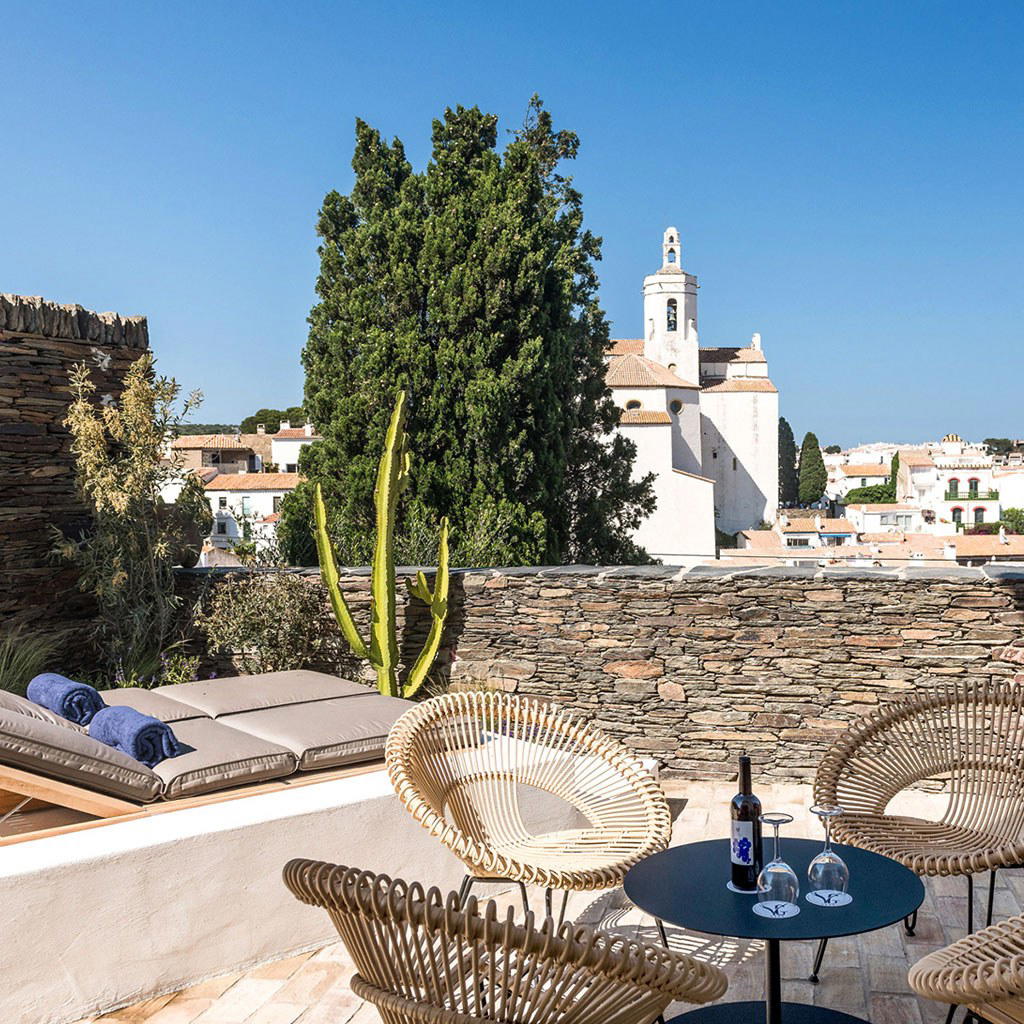
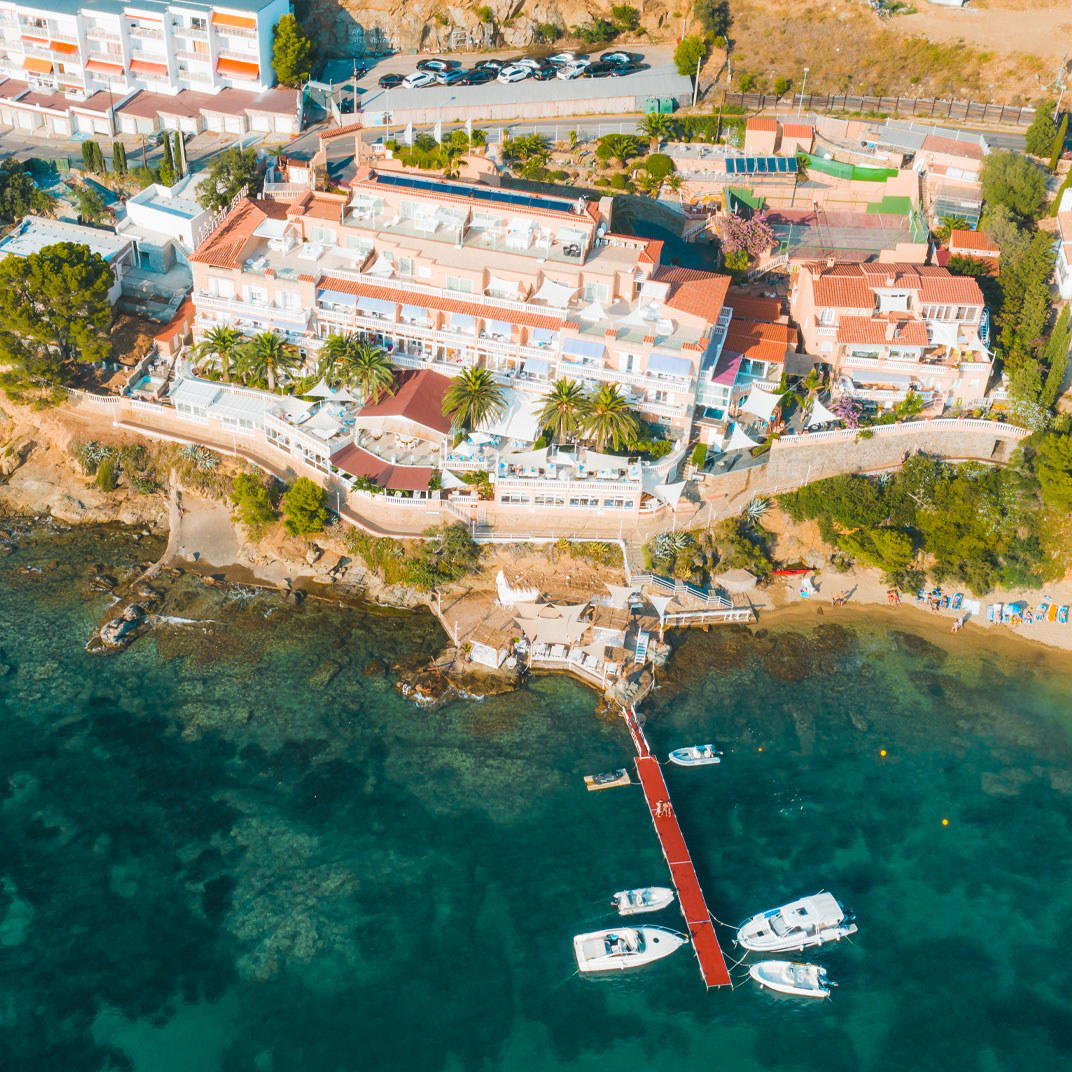
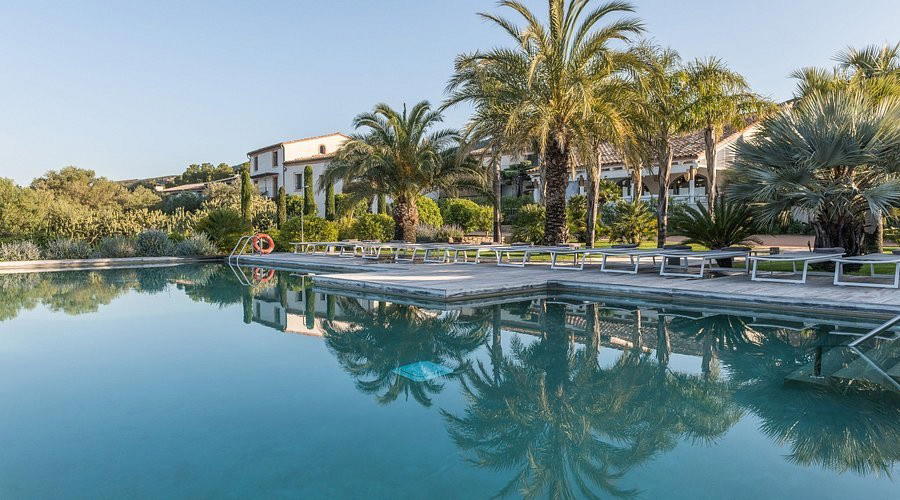

Restaurant del Cap de Creus
The wine
- Wine program
- Curated wine list
- Extensive wine list
Details
- Scenic
- Rustic
- Casual Hangout
- Terrace
- Panoramic View
- Extensive Wine List
- Local Sourcing
- Waterfront
- Mountain
- A La Carte
- Vegetarian Friendly
Current opening hours
- Monday
- 9 AM–8 PM
- Tuesday
- 9 AM–8 PM
- Wednesday
- 9 AM–8 PM
- Thursday
- 9 AM–8 PM
- Friday
- 9 AM–9:30 PM
- Saturday
- 9 AM–9:30 PM
- Sunday
- 9 AM–8 PM
Hours can change for holidays and private events. Last verified .
Casual terrace dining with scenic natural park surroundings and relaxed atmosphere.