Pomodoro D'oro
Our verdict
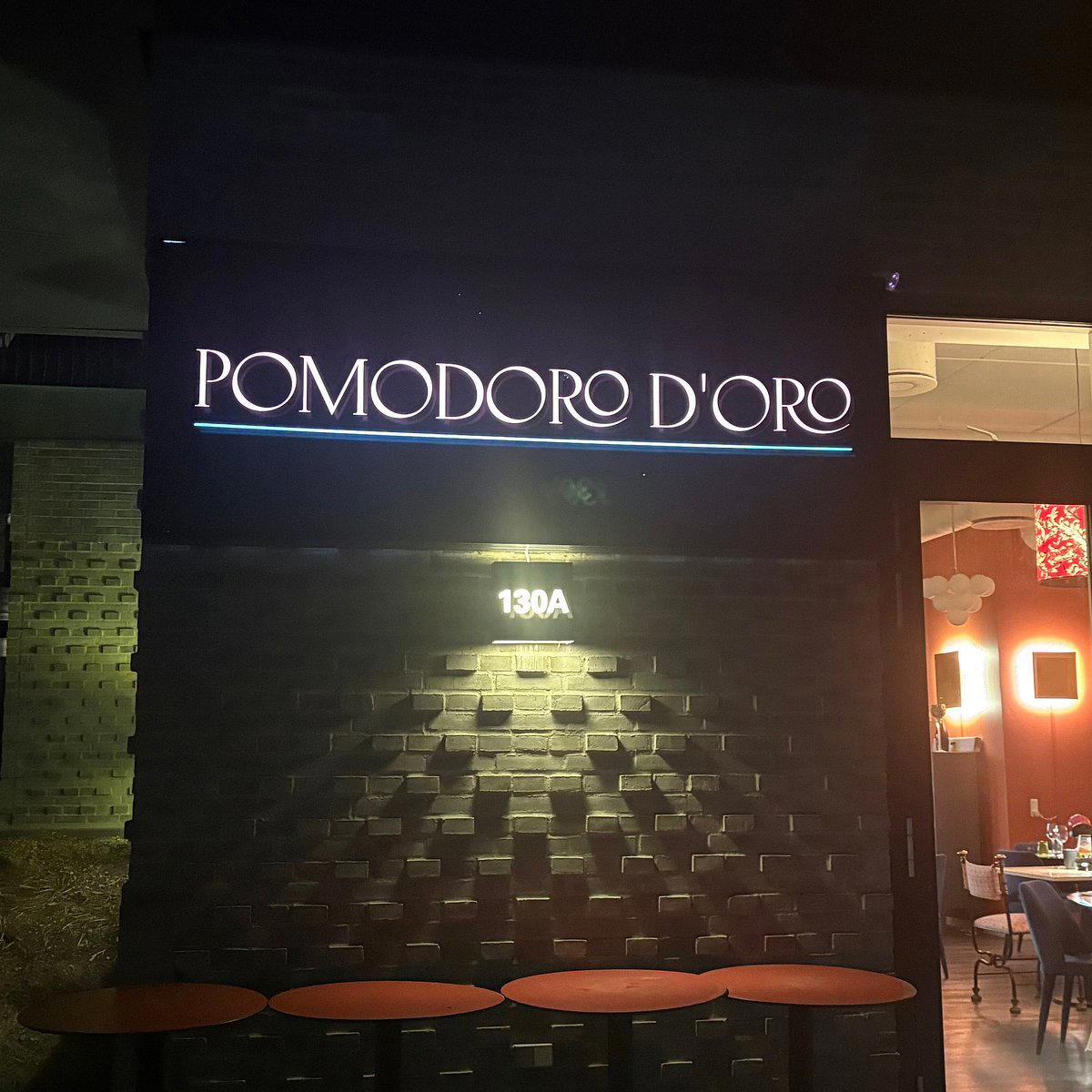
Pomodoro D'oro sits on Amager Strandvej in Copenhagen's southern coastal fringe, a stretch where the city's appetite for Italian cooking meets the Danish instinct for seasonal restraint. The address places it outside the inner-city restaurant cluster, drawing a local crowd that returns with purpose rather than passing through. For a city that has largely defined the last decade of European fine dining, this kind of neighbourhood-anchored Italian offers a distinct counterpoint.

Pearl is the En Primeur Club membership app, where members save venues, book tables and use the concierge.
The menu
What to order
- Pizza Calabria
- Pasta Barolo
- Pizza Avola
- Pasta Bronte
- Tiramisu
Where the Waterfront Meets the Italian Table
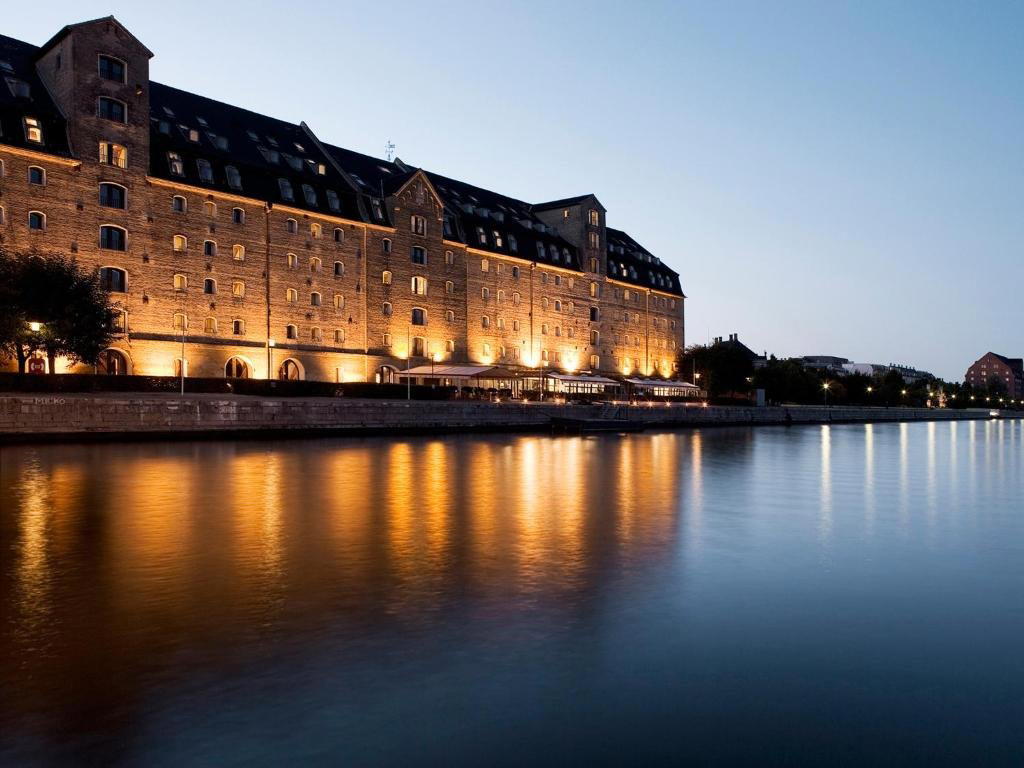
Copenhagen's southern coastline, running along Amager Strandvej, sits at a remove from the concentrated fine-dining corridor that stretches between Vesterbro and the inner harbour. The buildings here face the Øresund strait, and the light off the water in the late afternoon gives the neighbourhood a quality that's closer to a Scandinavian summer house than to the dense urban dining quarters around Vesterbrogade or Nørreport. It is in this setting that Pomodoro D'oro operates, on a strip where the prevailing mood is residential and the restaurants that do well here do so on repeated local custom, not destination traffic.
That coastal positioning matters for how Italian cooking reads in this city. Copenhagen has spent the better part of fifteen years defining a global template for New Nordic cuisine, with Geranium, Noma, Alchemist, and Koan anchoring an internationally recognised scene built on foraged ingredients, fermentation, and rigorous seasonal discipline. The city's serious Italian restaurants occupy a different register entirely, one where the question is less about terroir-led novelty and more about how Italian method lands when it's surrounded by one of the world's most ingredient-focused food cultures.
Italian Technique in a Nordic Context
The broader story of Italian restaurants in Scandinavian capitals over the last decade is one of gradual calibration. Early iterations leaned on imported dried goods and a fixed canon of regional Italian dishes that worked in Rome or Milan but sat awkwardly against the produce rhythms of the north. The kitchens that found their footing, in Copenhagen, Stockholm, and Oslo alike, were the ones that began treating Italian culinary grammar as a framework rather than a fixed script, applying classical Italian technique to what the local market and the local season actually offered.
This is the intersection where the most interesting Italian cooking in northern Europe now happens. The distinction between imported method and indigenous product is not unique to Copenhagen, but the city's broader food culture makes it sharper here. When restaurants like Kadeau have spent years turning Danish coastal and island produce into a refined tasting menu language, the bar for what counts as serious seasonal engagement is high. Italian restaurants operating in this environment are, whether explicitly or not, in conversation with that standard.
Pomodoro D'oro's address on Amager Strandvej places it within reach of the kinds of coastal and market produce that define the southern end of the city. Amager as a borough has historically been underrepresented in Copenhagen's restaurant coverage, despite its proximity to the open water and to Amager Fælled, one of the city's largest green spaces. Restaurants that have built a following here have generally done so by serving the neighbourhood well rather than chasing a broader audience.
The Competitive Set and What It Implies
Copenhagen's Italian restaurant market occupies a specific position in the wider Danish dining picture. That tier is essentially its own category, defined by Michelin recognition, long tasting menus, and a commitment to Danish produce that borders on philosophical.
Italian restaurants in Copenhagen sit in a different competitive frame, one that prizes familiarity alongside quality and rewards consistent execution over season-by-season reinvention. The comparison points are not Geranium or Alchemist but rather the handful of Italian-leaning addresses that have built reputations through reliable pasta work, considered wine lists, and a room that feels right for both a long Tuesday dinner and a celebratory table. Internationally, the technical reference points for where Italian cooking can go in a non-Italian city are places like Le Bernardin in New York or the precision-forward approach seen at Atomix, where imported culinary tradition is pushed forward rather than replicated.
Reading the Neighbourhood
The Amager Strandvej corridor has changed in character over the past decade. The artificial beach peninsula constructed in the early 2000s brought recreational foot traffic to a stretch of coastline that had previously been largely industrial in feel. The result is a neighbourhood that functions differently in summer and winter: a waterfront destination in the warmer months, a quieter residential enclave once the beach season ends. Restaurants on this stretch that operate year-round learn to work both modes, building a local base that holds through the low season while the summer brings a different crowd entirely.
For Italian restaurants in particular, this kind of dual seasonality maps reasonably well onto the Italian dining tradition of place-specific, seasonal cooking. The challenge is that the Danish coastal season runs shorter and colder than the Mediterranean one, which pushes kitchens either toward more conservative, year-round menus or toward a genuine engagement with what northern European seasons actually produce. The latter approach, when executed with Italian technique and structural discipline, tends to produce the more interesting food. See our full Copenhagen restaurants guide for a broader picture of how the city's neighbourhoods shape their dining cultures.
Know Before You Go
Address: Amager Strandvej 130A, 2300 København, Denmark
Neighbourhood: Amager, southern coastal Copenhagen
Getting There: The address is on Amager Strandvej, accessible by bus and within reasonable distance of the Øresund coastal paths; nearest Metro is Amager Strand (M2)
Ideal time to visit: The waterfront location makes summer and early autumn the most atmospheric period, though the restaurant draws a regular local crowd year-round
Peer Context: Sits in Copenhagen's neighbourhood Italian tier, distinct from the city's New Nordic fine-dining circuit
Frequently asked questions
What's the address for Pomodoro D'oro?
Pomodoro D'oro is located at Amager Strandvej 130A, 2300 København, Denmark, Copenhagen.
How does Pomodoro D'oro's location on Amager Strandvej differ from Copenhagen's central Italian restaurant scene?
Amager Strandvej 130A sits along Copenhagen's southern coastline, a stretch that developed significantly after the artificial beach peninsula opened in the early 2000s, drawing a residential and recreational crowd distinct from the tourist-heavy inner city. Italian restaurants in this corridor serve a primarily local clientele rather than the destination-dining traffic that routes through Vesterbro or the Latin Quarter. That separation from the city-centre cluster gives Pomodoro D'oro a neighbourhood identity that central Copenhagen Italian restaurants, competing directly against the city's Nordic fine-dining reputation, rarely achieve.
What dish is Pomodoro D'oro famous for?
Given the name Pomodoro D'oro, golden tomato, and its position within Copenhagen's Italian dining scene on Amager Strandvej, tomato-driven preparations are a reasonable expectation, but confirming a house speciality requires checking directly with the restaurant.
Is Pomodoro D'oro reservation-only?
For a waterfront address in Copenhagen's southern corridor, where footfall is seasonal and concentrated around summer, reservations ahead of weekend visits are generally advisable regardless of formal policy.
What's Pomodoro D'oro best at?
Pomodoro D'oro's position on Amager Strandvej places it outside the dense fine-dining corridor of central Copenhagen, which typically means a more neighbourhood-oriented experience than the city's award-circuit restaurants.
Style and Standing
Comparable venues nearby, for context on price, style, and recognition.
| Venue | Cuisine | Price | Awards | Notes |
|---|---|---|---|---|
| Pomodoro D'oroThis venue (the venue you are viewing) | Modern Italian Pizza and Pasta | Not listed | Not listed | Not listed |
| ItalGastro | Authentic Italian Pizza & Pasta | $20–30 | Not listed | Indre By |
| Il Buco | Sustainable Italian Trattoria | Not listed | Not listed | Amager Vest |
| Restaurant UVA | Modern Italian | $50–100 | Not listed | Indre By |
| Bæst | Organic Italian Pizzeria | $50–100 | Star Wine List · White Guide Denmark Restaurants - Fine Level | Nørrebro |
| La Trinacria | Sicilian Café | $20–30 | Not listed | Indre By |
Continue exploring
More in Copenhagen
Restaurants in Copenhagen
All restaurants in Copenhagen →
Bars in Copenhagen
All bars in Copenhagen →

Details
- Cozy
- Classic
- Casual Hangout
- Date Night
- Waterfront
- Organic
- Local Sourcing
- Waterfront
- A La Carte
- Vegetarian Friendly
- Vegan Options
- Organic Focus
Current opening hours
- Monday
- 5:30–10 PM
- Tuesday
- Closed
- Wednesday
- 5:30–10 PM
- Thursday
- 5:30–10 PM
- Friday
- 5:30–10 PM
- Saturday
- 5–10 PM
- Sunday
- 5–10 PM
Hours can change for holidays and private events. Hours as of .
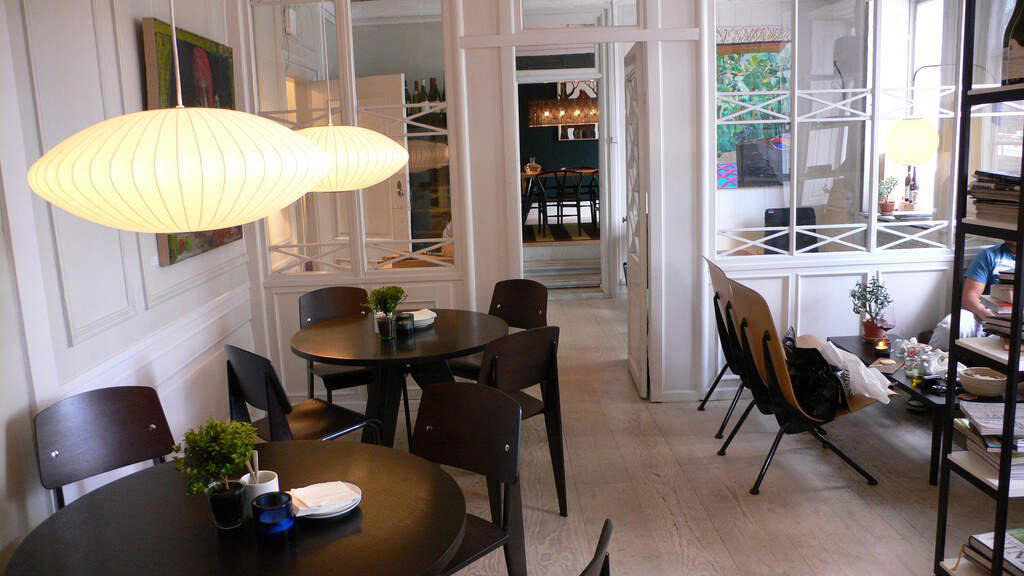
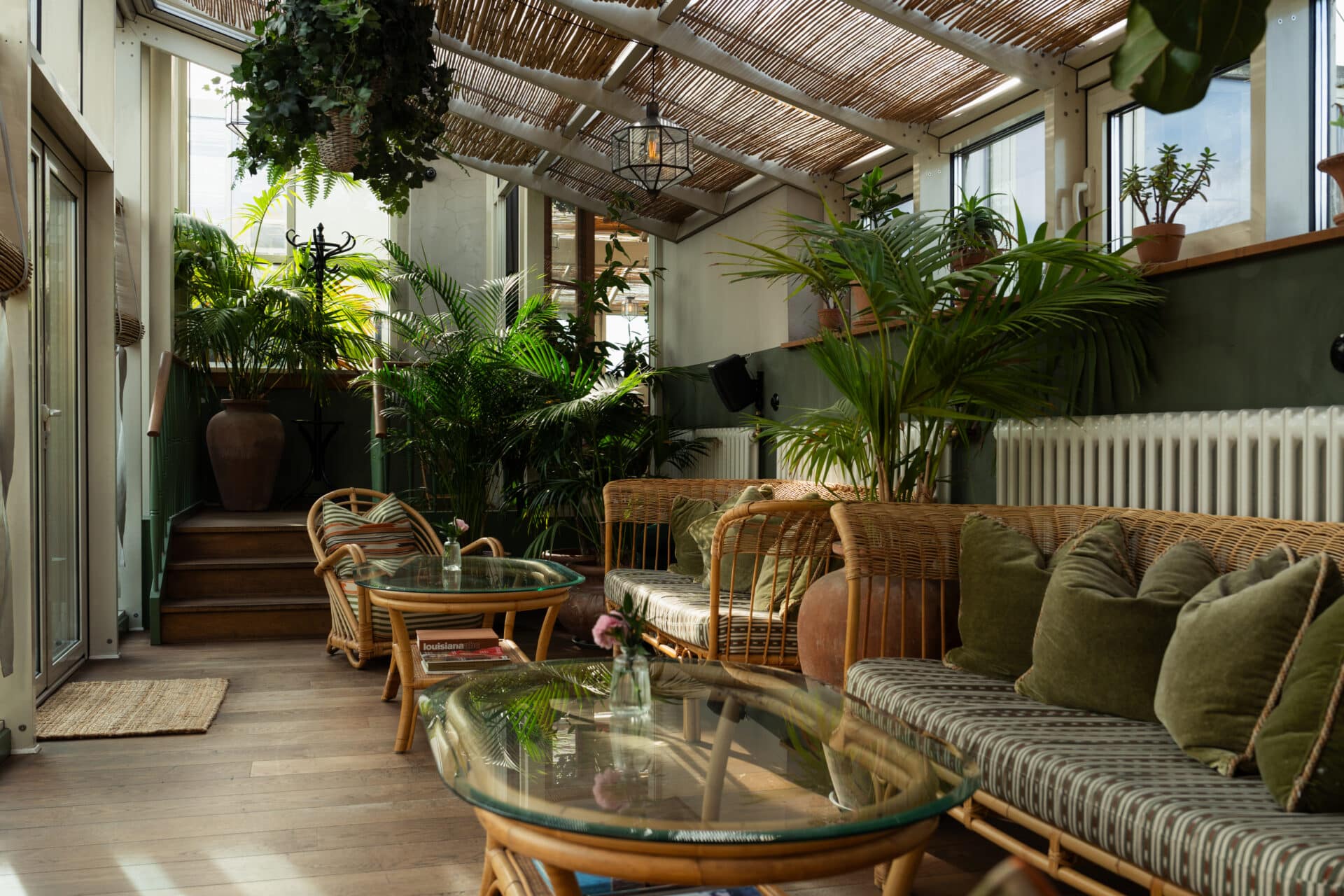
Warm and inviting atmosphere well-suited for casual dining and special occasions by the beautiful coast.