Our verdict
Don Pedro's sits in the heart of Sayulita, the surf-and-cobblestone village on Nayarit's Pacific coast where proximity to small-boat fishing fleets and local market vendors shapes what lands on the plate. The cooking draws from ingredients that don't travel far, placing it squarely within the region's tradition of coastal Mexican dining that relies on daily catch and seasonal produce rather than imported luxury.

Pearl is the En Primeur Club membership app — saves, bookings, and concierge access live there. Same editors, same standards.
- Address
- sayulita, Nayarit
- Directions
- Get directions
The menu
What to order
- Spicy tuna tostadas
- Lobster ravioli
- Margarita pizza
Where the Pacific Sets the Menu
Sayulita operates on a rhythm that most Mexican beach towns have traded away: fishing boats return in the morning, vendors work the market by mid-morning, and kitchens rebuild their menus around what arrived that day. Don Pedro's sits inside that cycle. The village itself, a compact stretch of painted buildings and sand streets about an hour north of Puerto Vallarta in Nayarit state, has held onto a scale that makes farm-to-coast cooking a practical reality rather than a marketing claim. When the sourcing radius is measured in kilometres rather than supply-chain days, what ends up on the plate carries a directness that longer-distance kitchens rarely replicate.
Nayarit's coastline is one of Mexico's less-discussed fishing corridors, yet it produces consistent volumes of snapper, tuna, and shellfish that circulate through local restaurants before they reach export channels. That supply context matters when reading any Sayulita kitchen: the ingredient story here is not curated provenance but functional proximity. For a broader picture of where Don Pedro's fits among the town's eating options, our full Sayulita restaurants guide maps the scene across price points and formats.
Coastal Mexican Cooking and the Ingredient Argument
Mexico's most-discussed restaurants — Pujol in Mexico City, Le Chique in Puerto Morelos, Alcalde in Guadalajara — occupy a different register entirely: tasting menus, controlled sourcing programs, wine pairings, and price points that reflect years of critical infrastructure. Coastal village dining works differently. The argument for eating in a place like Sayulita is not that the technique competes with a four-star kitchen but that the raw material arrives fresher and the cooking has less reason to complicate it. Animalón in Valle de Guadalupe and Olivea Farm to Table in Ensenada represent the version of this thinking applied to wine-country Baja; the Pacific coast of Nayarit runs a parallel logic with seafood at the centre.
The broader Mexican dining conversation has moved toward sourcing transparency as a marker of seriousness. Levadura de Olla in Oaxaca and KOLI Cocina de Origen in Monterrey build explicit origin narratives into their identity. In a village restaurant, that same sourcing advantage often operates without the narrative apparatus, the proximity is real, just unmarked. Huniik in Merida and HA' in Playa del Carmen show how coastal and regional Mexican kitchens can work at multiple price registers while still centering local product. Don Pedro's operates closer to the informal end of that range, which is part of what draws repeat visitors over destination-dining newcomers.
Sayulita's Position on the Riviera Nayarit
The Riviera Nayarit corridor runs from Nuevo Vallarta north through Sayulita toward San Blas, and it has developed unevenly as a dining destination. Punta de Mita, immediately south, has attracted resort-anchored dining at a different price tier, with Tuna Blanca in Punta de Mita representing the polished end of that market. Sayulita has resisted that pull, deliberately or by demographic accident, and retained a restaurant culture that runs cheaper, louder, and more vernacular. The trade-off is real in both directions: less controlled ambience, but also less distance between the kitchen and the source.
That positioning gives Sayulita an edge for travellers who want Pacific Mexico without the Riviera Maya's resort infrastructure. Arca in Tulum and Gaia at Maykana in Riviera Maya serve a different kind of traveller: one who expects design language and tasting-menu architecture alongside local ingredients. Sayulita's dining culture, including Don Pedro's, trades design ambition for a directness that the resort corridor rarely achieves at the same price level.
For comparison at the international end of the seafood spectrum, kitchens like Le Bernardin in New York City show what happens when proximity to ingredient is replaced entirely by sourcing relationships and technical precision. The Sayulita approach is its structural opposite: short supply chains, simpler preparation, and an openness to daily variation that formal tasting formats cannot accommodate.
How Don Pedro's Fits the Neighbourhood
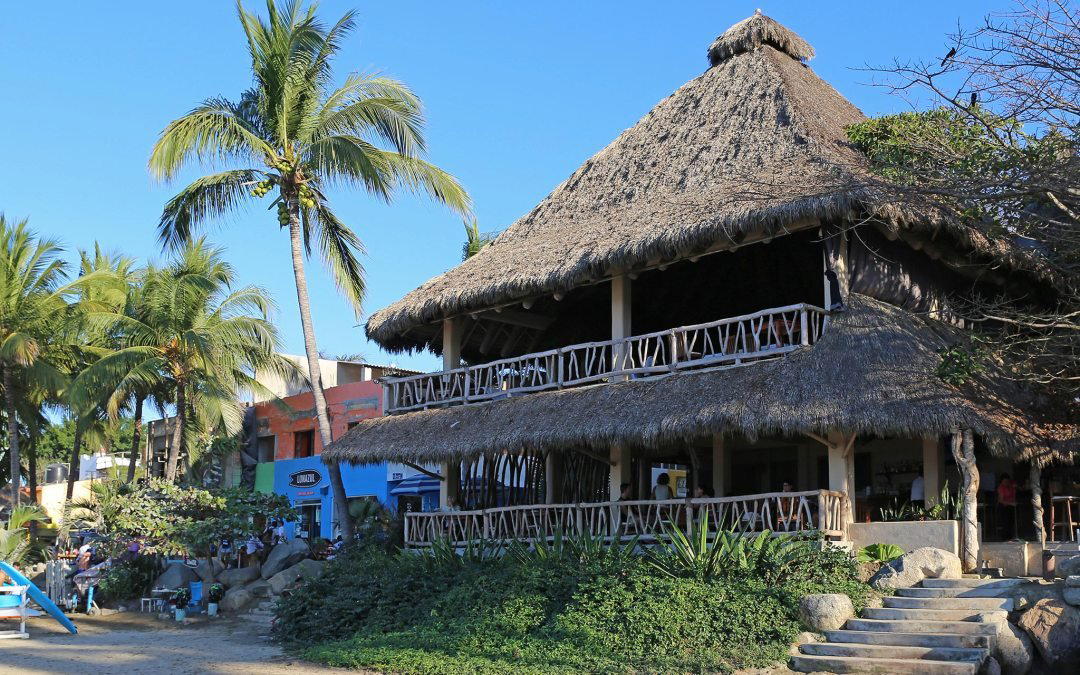
Sayulita's central strip runs from the beach market back through cobbled streets lined with surf shops, juice stands, and competing palapa-roof restaurants. Don Pedro's occupies that shared physical context without distinguishing itself through formal design or controlled lighting. The atmosphere is beach-town consistent: open-air or semi-open construction, ambient street noise, and a clientele that mixes long-stay visitors with Mexican families and the surf crowd that has defined Sayulita's identity since the town began attracting outside attention in the early 2000s.
That mix is relevant for how the kitchen calibrates. A restaurant serving a genuinely local clientele alongside tourists tends to anchor its cooking differently than one built around visitor expectations alone. The ingredient argument holds partly because Sayulita has a resident and repeat-visitor base that holds kitchens to a standard beyond novelty. Pollos Yollanda represents the deeply local end of Sayulita's eating options; Don Pedro's occupies a middle register that works for both first-time visitors and people who know the town well enough to have developed preferences within it.
The format at this level of the market in a Mexican beach town typically means shared tables or close-set seating, a menu that shifts based on market availability, and service paced to an outdoor-dining rhythm rather than a formal dining room. Booking ahead during high season, roughly December through April, is advisable; Sayulita compresses significant visitor volume into a village-scale street grid, and the better-known spots fill from early evening. Pangea in San Pedro Garza Garcia and Lunario in El Porvenir operate with reservation infrastructure that Sayulita's casual format rarely replicates; walk-in timing matters here more than a confirmation number. Arriving before the main dinner push, around 6:30 to 7pm, improves your options. Lazy Bear in San Francisco sits at the opposite end of the access model, pre-paid tickets, fixed dates, and the contrast illustrates how differently the same desire for a good meal gets structured at different price and formality levels.
Planning Your Visit
Sayulita is accessible from Puerto Vallarta International Airport in roughly 45 minutes by road, making it a viable day trip or a base for several nights. The town has no large hotels in the conventional sense; accommodation runs toward boutique properties, rental houses, and smaller posadas. Getting to Don Pedro's requires no more than navigating the central streets on foot once you are in the village. Specific hours, contact details, and current menu format are best confirmed locally on arrival or through current travel resources, as Sayulita's restaurant scene adjusts seasonally and operational details shift year to year.
Frequently asked questions
Does Don Pedro's work for a family meal?
Sayulita's beach-town setting keeps dining here informal and accessible. Don Pedro's open-air format fits families with children comfortably, without the formality or pricing pressure of resort corridor restaurants along the Riviera Nayarit. It is the kind of place where a sandy pair of sandals causes no disruption.
What's the overall feel of Don Pedro's?
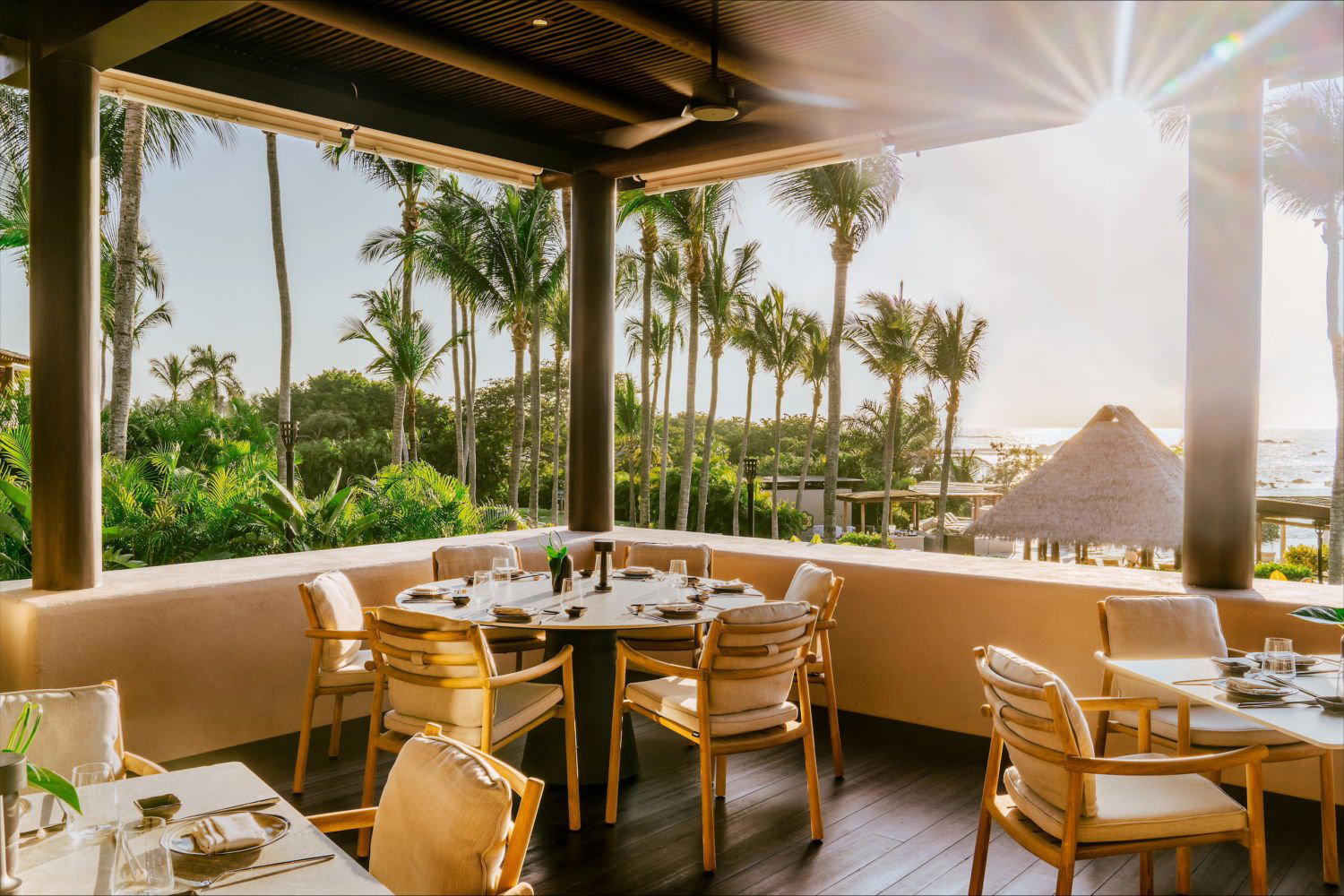
Don Pedro's fits Sayulita's character precisely: a palapa-roofed, open-air room where the cooking tracks the local supply rather than a fixed international menu. Pricing sits in the village-casual register, consistent with the cobblestoned, surf-town centre where it operates in Nayarit.
Is Don Pedro's a practical stop on a day trip from Puerto Vallarta?
Sayulita sits roughly 45 minutes north of Puerto Vallarta International Airport by road, making Don Pedro's reachable for a half-day excursion into the Riviera Nayarit without requiring an overnight stay. The village is compact enough that arriving, eating, and walking the market area fits comfortably within a single afternoon.
What do people recommend at Don Pedro's?
At this level of Nayarit coastal dining, the menu shifts with what fishing boats bring in and what the morning market offers, so current visitor accounts are the most reliable source for specific dishes. Visitors to Sayulita's beach-facing restaurants generally highlight fresh seafood preparations as the category to prioritise.
How do I find Don Pedro's?
Don Pedro's is located at sayulita, Nayarit, Sayulita.
| Venue | Cuisine | Price | Awards | Notes |
|---|---|---|---|---|
| Don Pedro'sThis venue — the venue you are viewing | Mediterranean with Mexican Influence | $20–30 | Not listed | Not listed |
| Pujol | Modern Mexican Fine Dining | $200–300 | 2 Michelin Stars · World's 50 Best #60 | Mexican |
| Quintonil | Modern Mexican Fine Dining | $300–500 | 2 Michelin Stars · World's 50 Best #7 | Modern Mexican, Contemporary |
| Rosetta | Mexican-Italian Fusion Fine Dining | $30–50 | 1 Michelin Star · World's 50 Best #39 | Italian, Creative |
| Le Chique | Avant-Garde Mexican Tasting Menu | $200–300 | 1 Michelin Star · World's 50 Best #58 | Mexican, Contemporary |
| Pangea | Contemporary Mexican Fine Dining | Not listed | 1 Michelin Star · La Liste Top Restaurants | Modern Mexican, Contemporary |


Details
- Rustic
- Scenic
- Cozy
- Casual Hangout
- Special Occasion
- Brunch
- Waterfront
- Live Music
- Terrace
- Craft Cocktails
- Local Sourcing
- Organic
- Waterfront
- A La Carte
- Craft Cocktails
- Vegetarian Friendly
- Vegan Options
- Gluten Free Options
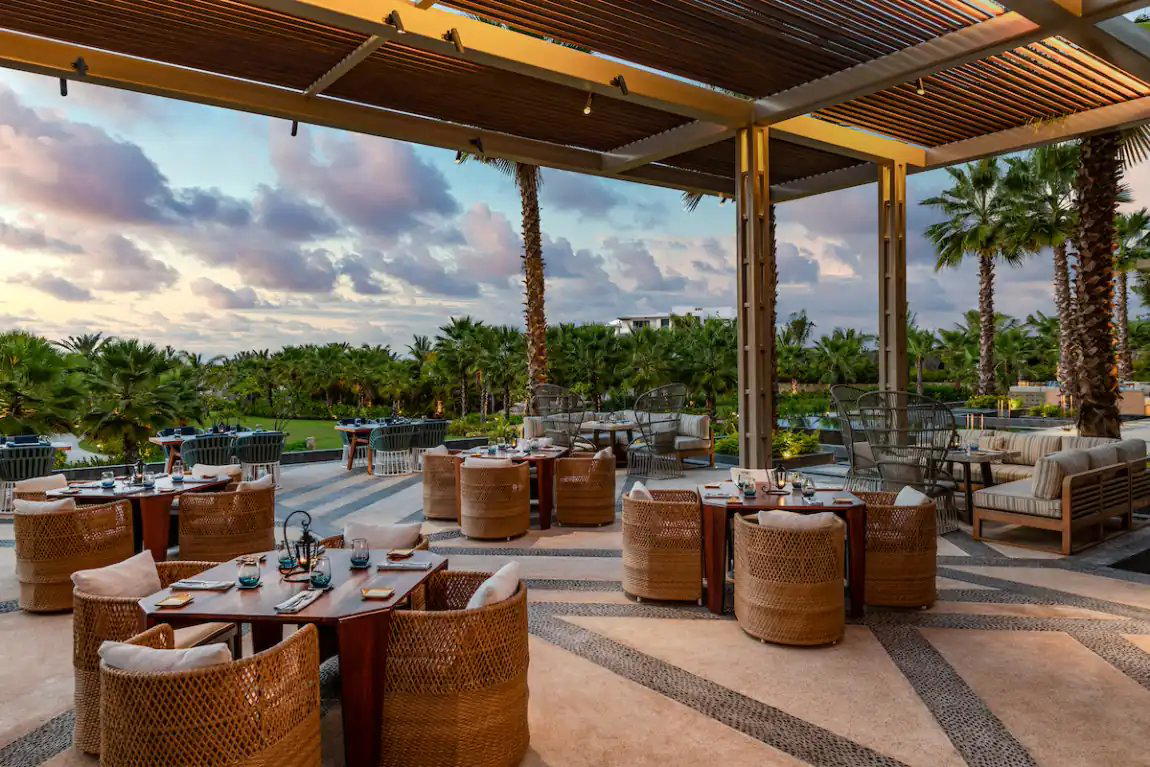
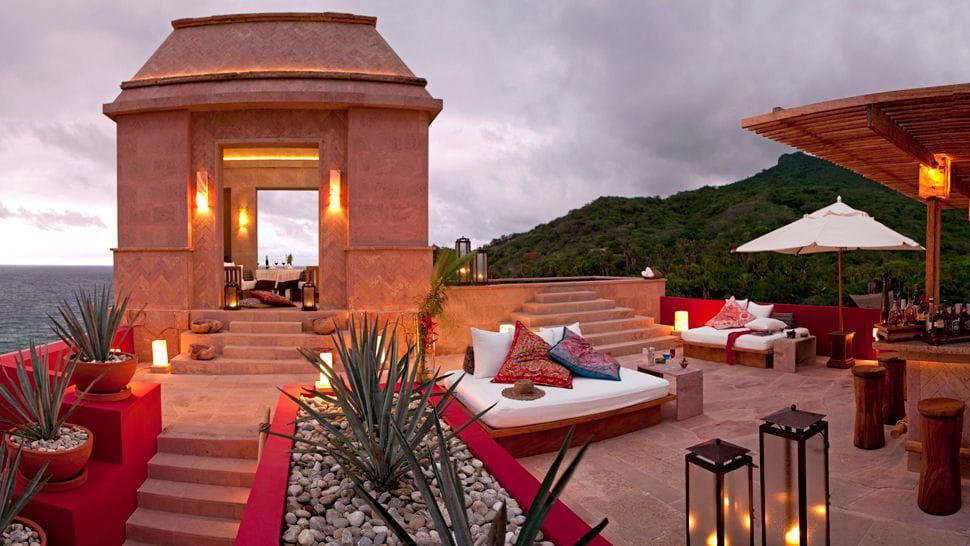
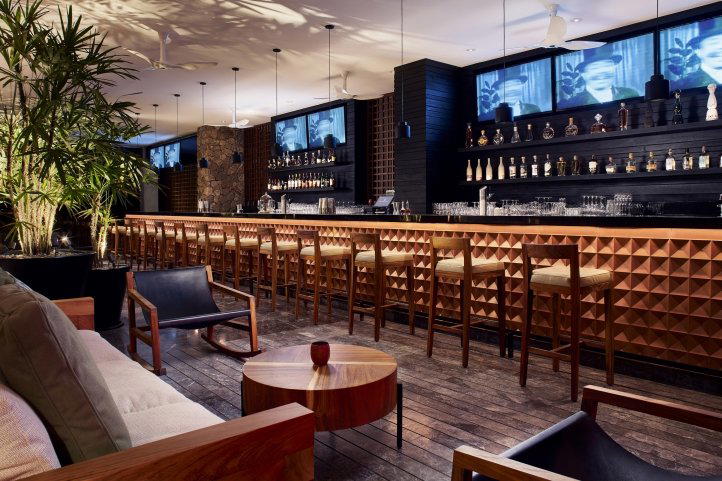
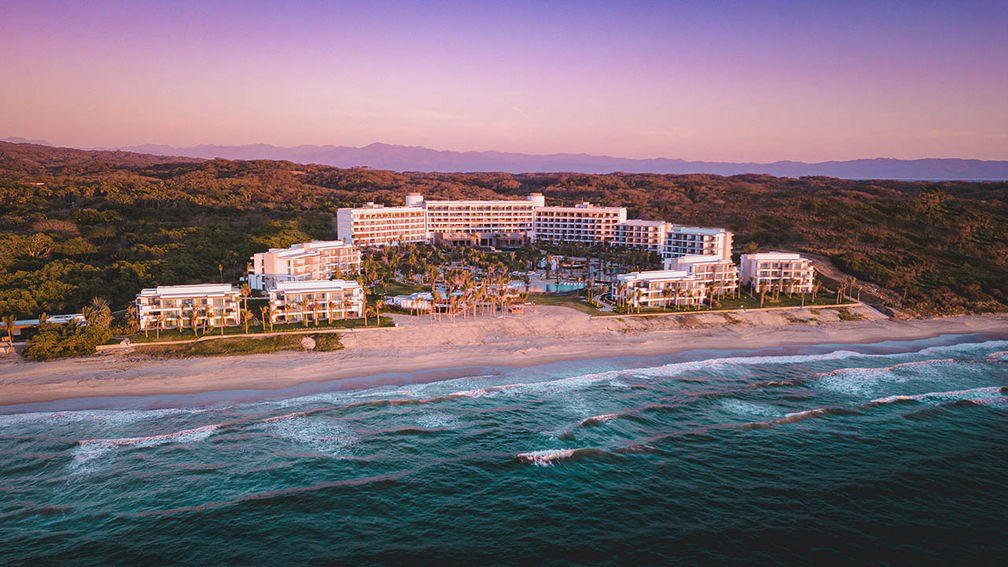
Relaxed beachy atmosphere under a huge thatched palapa roof with sea breeze, open air style, and tranquil ocean wave sounds.