Our verdict
On Baja California's northern coast, El Sauzal has long been the kind of place where the Pacific sets the menu. Tacos de pescado El Nuevo Jaliscience works within that tradition, serving fish tacos in a format shaped by proximity to the water rather than culinary ambition for its own sake. The food here is an argument for sourcing over spectacle.

Pearl is the En Primeur Club membership app — saves, bookings, and concierge access live there. Same editors, same standards.
- Address
- Baja California
- Directions
- Get directions
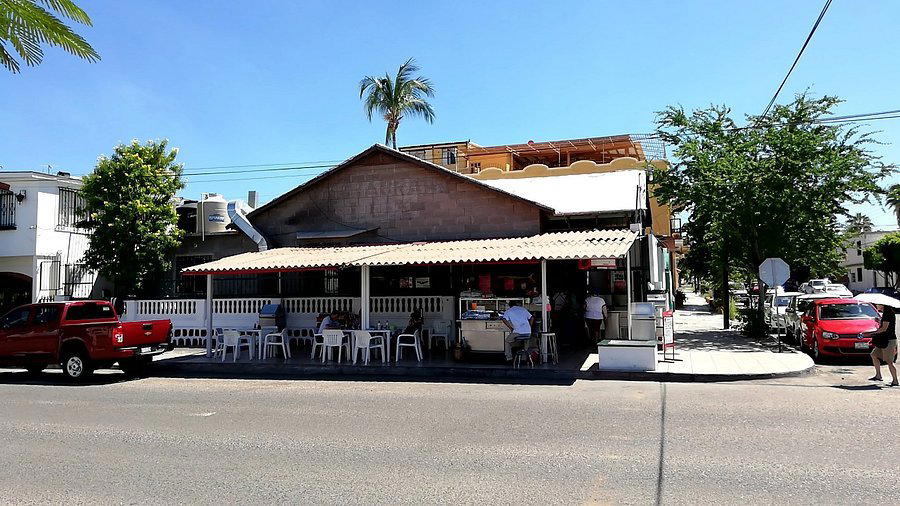
The menu
What to order
- Fish tacos
- Shrimp tacos
- Tempura-battered fish tacos
Where the Pacific Coast Sets the Terms
The stretch of Baja California coastline running through El Sauzal has a specific culinary logic: the ocean is close, the fishing is active, and the gap between catch and plate is measured in hours rather than days. That proximity is not a selling point layered on top of the food — it is the food. Tacos de pescado El Nuevo Jaliscience operates within this tradition, where the quality of a fish taco depends less on kitchen technique than on what arrived at the dock that morning. In a region increasingly defined by destination restaurants drawing wine tourists south from Ensenada toward Animalón in Valle de Guadalupe, a place like this holds a different kind of credibility: it answers to the sea, not to a tasting menu format.
El Sauzal itself sits just north of Ensenada on the Transpeninsular Highway, a coastal town that most travelers pass through rather than stop in. That pattern has begun to shift as Baja's wine country draws more visitors to the northern corridor, but El Sauzal's character remains tied to its fishing history rather than to agritourism. The fish taco, in this context, is not a casual street food novelty — it is the functional expression of a coastal economy where Pacific species move quickly from water to tortilla. For broader context on where El Sauzal sits within the region's dining options, our full El Sauzal restaurants guide maps the town's scope.
The Sourcing Logic Behind the Taco
Baja California's Pacific coast produces a distinct roster of fish: yellowtail, rockfish, various Pacific snappers, and the endemic totoaba (now protected, but historically central to the region's fishing identity). The broader category of Baja-style fish tacos, battered or grilled fish, cabbage, crema, salsa, and lime on a corn or flour tortilla, was codified in places like Ensenada before spreading north into California and becoming one of the most replicated formats in contemporary Mexican-American cooking. What gets lost in that replication, almost universally, is the single variable that the original format depended on: fresh, locally caught Pacific fish.
At operations like El Nuevo Jaliscience, the sourcing radius is short by necessity and by geography. The Pacific is the immediate context, not a marketing frame. This matters because battered fish, the dominant preparation in Baja-style tacos, is almost entirely transparent about freshness, the texture of the fish inside the batter communicates directly, with no sauce or aging process to mediate. Establishments in this format live or die on the supply chain, which in El Sauzal means the local fishing community rather than a broadline distributor. That structural fact separates the coastal taquería category from, say, the sourcing-narrative restaurants of Mexico City, places like Pujol, where ingredient provenance is documented and contextualized, because here the sourcing is simply the operating condition, not the story being told.
For comparison, upscale Mexican restaurants that foreground ocean-to-table sourcing, HA' in Playa del Carmen on the Caribbean side, or Le Chique in Puerto Morelos, invest considerable effort in articulating what El Nuevo Jaliscience delivers by default: fish that was swimming recently and has not traveled far. The difference is format, price, and register, not necessarily outcome. Even Le Bernardin in New York City, which has built a four-decade reputation on seafood sourcing at the highest level, is solving the same fundamental problem: how close can you get the fish to the table. El Sauzal's answer is geographic rather than programmatic.
The Fish Taco as a Regional Format
The Baja fish taco format has a well-documented origin in Ensenada's street market scene, with the style spreading through the peninsula and across the border into San Diego during the latter decades of the twentieth century. What the format requires at its base level is simple: white-fleshed fish, a light batter or direct grill char, fresh cabbage for texture and temperature contrast, and a fat-based sauce to carry flavor. The tortilla, corn or flour, depending on the establishment and regional custom, acts as the structural container, not a flavored element in its own right.
What distinguishes operators within this format is not dramatic variation in the template but the quality of execution at each step. Fish freshness is the primary variable, as noted above. Batter consistency, oil temperature, and the acidity balance of the accompanying salsas are the secondary ones. Operations that have been running in the same location for years tend to develop a regularity in these variables that newer or more transient spots cannot match. El Nuevo Jaliscience's presence in El Sauzal, within a state that has produced some of Mexico's most discussed regional cooking in recent years, places it in a category where the food's credibility comes from repetition and local accountability rather than from editorial recognition. Farm-to-table restaurants in the same state, like Nila in El Sauzal itself or Olivea Farm to Table in Ensenada, have formalized the sourcing conversation. The coastal taquería operates in that same sourcing reality without the formal apparatus.
Across Mexico, the sourcing-led cooking movement has found institutional expression at restaurants like Levadura de Olla in Oaxaca, KOLI Cocina de Origen in Monterrey, and Alcalde in Guadalajara. In Baja, that same principle has a parallel, less theorized track: the taquería that stays open because the fishing boats keep coming in.
Getting There and Practical Notes
El Sauzal is accessible from Ensenada in under fifteen minutes by car, and from the U.S.-Mexico border crossing at Tijuana in approximately ninety minutes depending on traffic. The Transpeninsular Highway (Federal Highway 1) runs directly through the town. Travelers combining El Sauzal with Baja's wine country, Valle de Guadalupe sits roughly thirty kilometers to the east, will find the timing works naturally: a fish taco stop on the coastal highway before or after the valley circuit is a standard regional pattern. Given the informal nature of operations in this category, visiting earlier in the day is generally advisable, as supply determines service hours in a way that fixed schedules do not account for. No booking is required or applicable for a format of this kind.
Frequently asked questions
Is Tacos de pescado El Nuevo Jaliscience suitable for children?
El Sauzal's roadside taco format is inherently casual and family-oriented. The fish taco, as a street food staple of Baja California, is a format that travels well across age groups — straightforward to eat, served quickly, and priced accessibly. Nothing about the setting or style of service creates a barrier for families with children.
Is Tacos de pescado El Nuevo Jaliscience formal or casual?
Casual, in the clearest sense. El Nuevo Jaliscience operates within the Baja California street taco tradition, where the counter, the catch, and the condiment spread do the work. Dress and decorum follow suit — this is not a tablecloth venue, and that is the point.
How far is El Nuevo Jaliscience from the U.S.-Mexico border?
El Sauzal sits roughly ninety minutes south of the Tijuana border crossing, making El Nuevo Jaliscience a practical destination for a same-day drive from San Diego. The last stretch runs along Baja California's Pacific coastal road, with Ensenada just under fifteen minutes beyond El Sauzal.
What should I order at Tacos de pescado El Nuevo Jaliscience?
The fish taco is the format El Nuevo Jaliscience is built around, and the Baja California Pacific coast supplies the raw material: yellowtail, rockfish, and Pacific snapper are characteristic of the regional catch. Order the pescado in whatever preparation is current, add the house condiments, and resist the urge to over-engineer it.
Side-by-Side Snapshot
| Venue | Cuisine | Price | Awards | Notes |
|---|---|---|---|---|
| Tacos de pescado El Nuevo JaliscienceThis venue — the venue you are viewing | Baja Fish Taco Taqueria | Not listed | Not listed | Not listed |
| Pujol | Modern Mexican Fine Dining | $200–300 | 2 Michelin Stars · World's 50 Best #60 | Mexican |
| Quintonil | Modern Mexican Fine Dining | $300–500 | 2 Michelin Stars · World's 50 Best #7 | Modern Mexican, Contemporary |
| Rosetta | Mexican-Italian Fusion Fine Dining | $30–50 | 1 Michelin Star · World's 50 Best #39 | Italian, Creative |
| Pangea | Contemporary Mexican Fine Dining | Not listed | 1 Michelin Star · La Liste Top Restaurants | Modern Mexican, Contemporary |
| Le Chique | Avant-Garde Mexican Tasting Menu | $200–300 | 1 Michelin Star · World's 50 Best #58 | Mexican, Contemporary |
Continue exploring
More in El Sauzal
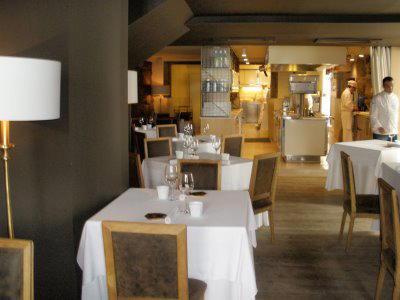
Restaurants in El Sauzal
Browse all →
Bars in El Sauzal
Browse all →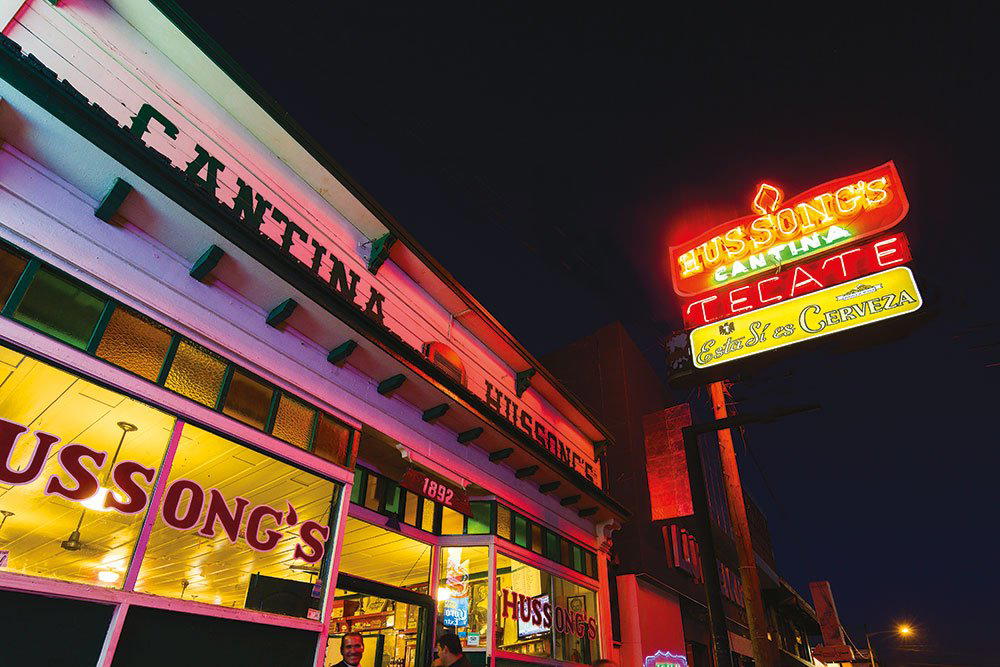
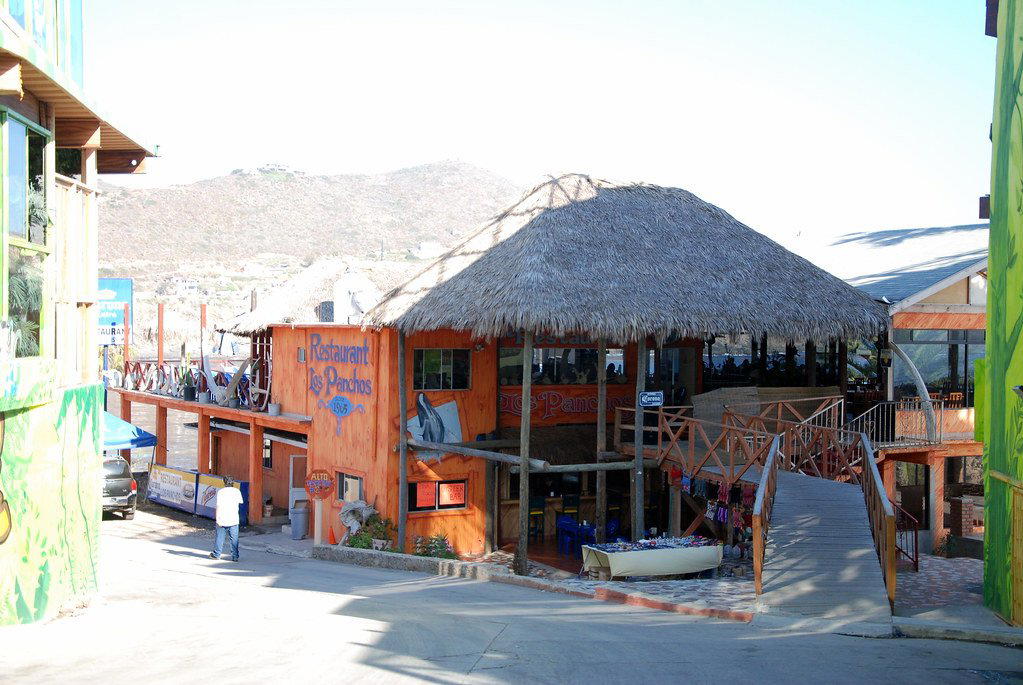

Hotels in El Sauzal
Browse all →


Details
- Lively
- Casual
- Casual Hangout
- Solo
- Standalone
- Local Sourcing
- A La Carte
- Pescatarian Friendly
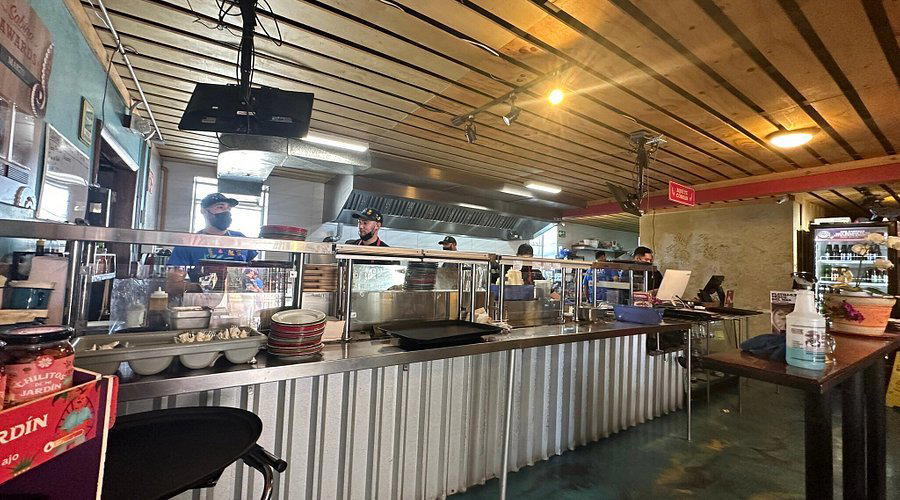
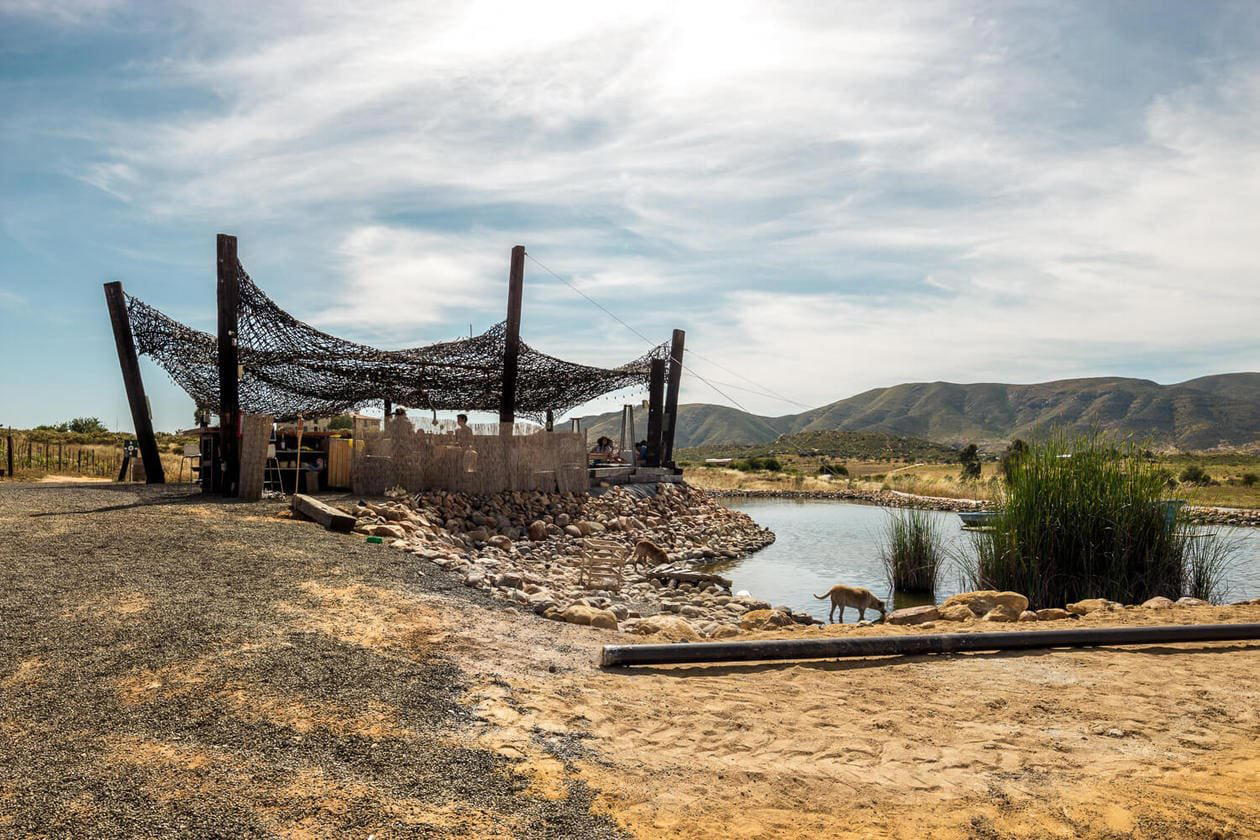
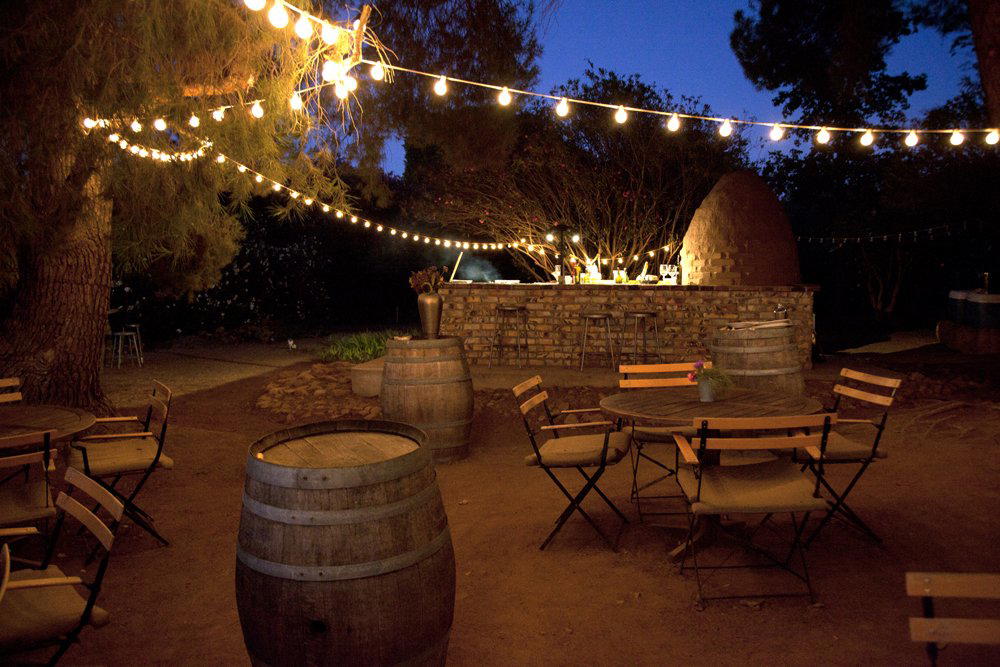
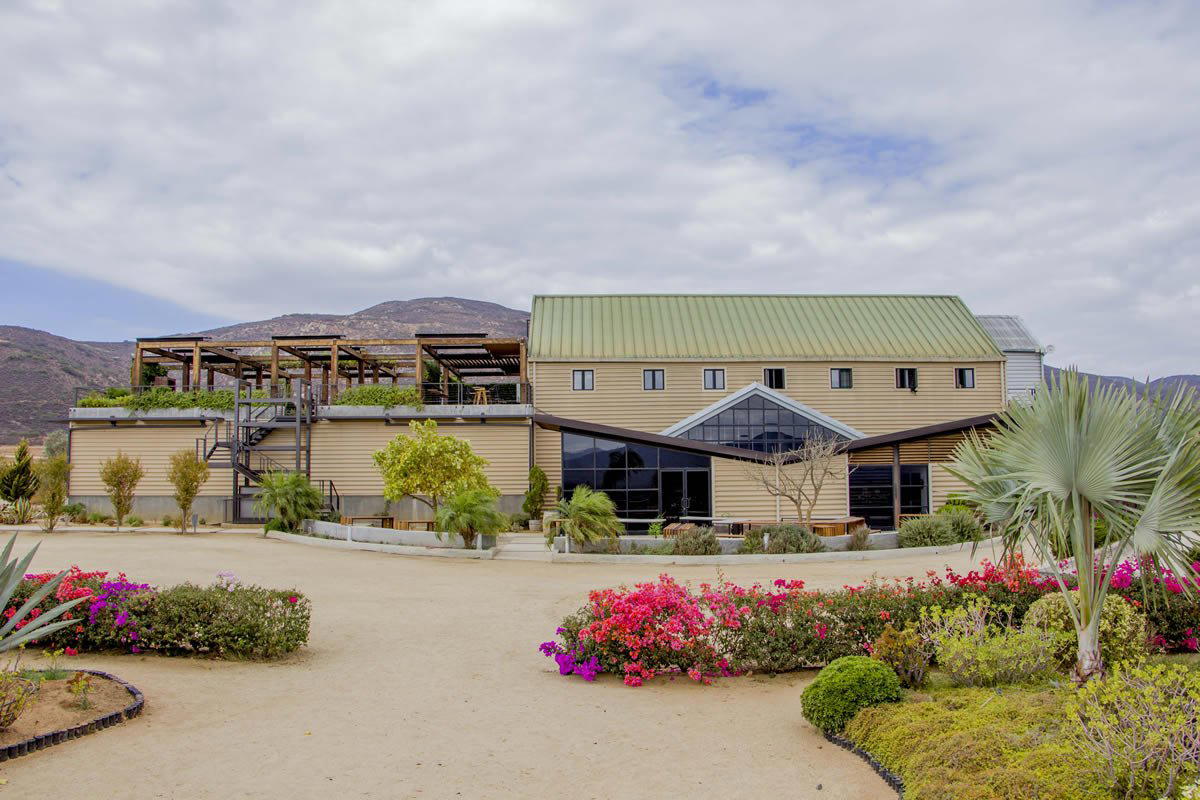
Casual and lively, with a simple taqueria atmosphere centered on quick seafood tacos rather than formal dining.