Pollevie


At Pollevie in 's-Hertogenbosch, seasonal vegetables from the surrounding region take the structural centre of the menu rather than the plate's edge. Holder of the Michelin Plate in both 2024 and 2025, the contemporary restaurant at Hofvijver 2b inverts the traditional meat-led format, drawing on fermentation and cross-cultural technique to build dishes where local produce carries its own history.
Pearl is the En Primeur Club membership app — saves, bookings, and concierge access live there. Same editors, same standards.
- Address
- Hofvijver 2b, 5223 MC 's-Hertogenbosch, Netherlands
- Phone
- +31 73 518 4646
- Website
- pollevie.nl
- Directions
- Get directions
 Saves & bookings on Pearl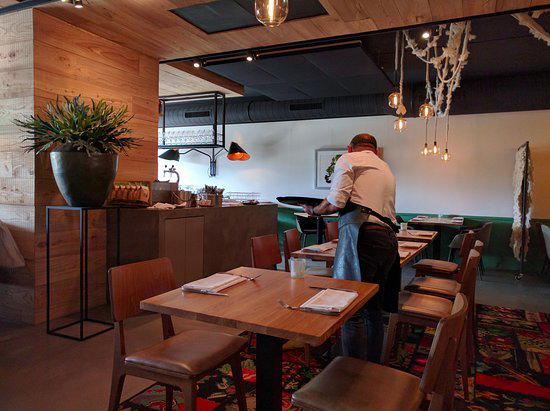
Where the Plate Is Structured Differently
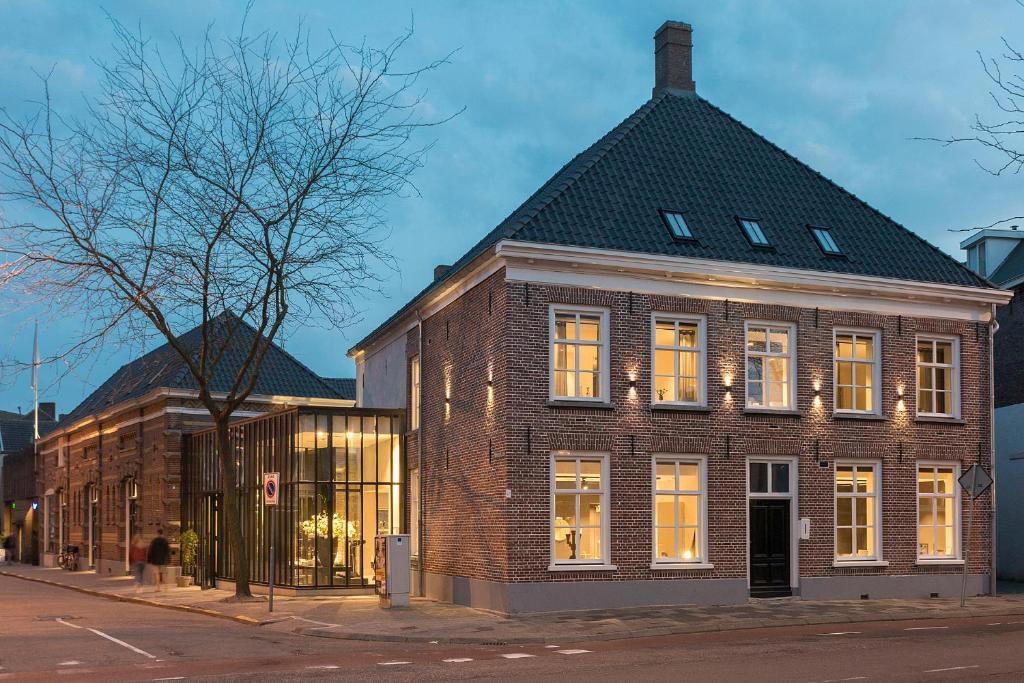
The canal-side address at Hofvijver 2b places Pollevie in one of 's-Hertogenbosch's quieter corners, away from the busier terraces of the Markt. The approach along the water sets a particular expectation: something considered rather than loud. That expectation holds once inside. The restaurant operates at the €€€ price point, in line with its 3-tier pricing. What distinguishes Pollevie from that comparable set is less about price bracket than about what the menu places at the centre.
Menu Architecture: Vegetables as the Lead
In the conventional European restaurant format, protein drives the plate and vegetables arrive as context, colour, or bulk. Pollevie inverts this deliberately and consistently. Seasonal vegetables, sourced from the surrounding Brabant region, hold the primary position in each dish. That structural decision has implications that extend well beyond a dietary preference. When vegetables lead, the kitchen is forced to apply to them the same technical ambition usually reserved for cuts of meat or fish. Fermentation, one of the older preservation and flavour-development methods in European cooking, appears repeatedly as a tool for building complexity in ingredients that would otherwise be read as simple.
This places Pollevie in a broader movement visible across Dutch contemporary restaurants, where kitchens have been reconsidering ingredient hierarchy rather than just sourcing ethics. De Groene Lantaarn in Staphorst has pursued a similar regional-first mandate in a different part of the country, and De Lindehof in Nuenen has long anchored its identity in Noord-Brabant's agricultural character. Pollevie sits in that regional tradition while applying a cross-cultural lens, drawing on techniques and flavour frameworks from outside the Dutch canon to build combinations that read as contemporary rather than nostalgic.
Seasonality as a Structural Principle, Not a Marketing Position
A restaurant that commits to seasonal, locally sourced vegetables is making a logistical statement as much as a culinary one. The menu at Pollevie changes with what the surrounding area produces, which means the experience in October carries a different range of flavours and textures than the same table in April. Root vegetables, brassicas, and fermented preparations tend to dominate the colder months; the spring and early summer calendar brings a different set of ingredients and correspondingly lighter preparations. For visitors planning a trip to 's-Hertogenbosch, this seasonal variability is worth factoring in. The city's calendar includes the well-attended Oeteldonk carnival in February and a steady cultural programme through the summer months, both of which affect restaurant availability across the centre.
The Michelin Plate recognition, held in both 2024 and 2025, signals that the kitchen's approach meets a standard of technical consistency. The Plate does not carry the headline weight of a star, but it indicates that Michelin's inspectors found the cooking worth noting, which in the Dutch market places Pollevie in a recognised but not over-crowded tier. For comparison, restaurants such as Aan de Poel in Amstelveen and De Bokkedoorns in Overveen operate at higher Michelin levels, while Pollevie's Plate positions it as a serious address without the booking pressure or price escalation that stars bring.
How Pollevie Sits Within 's-Hertogenbosch's Restaurant Scene
's-Hertogenbosch is a mid-sized Dutch city with a restaurant scene that punches with reasonable ambition relative to its size. The city has a cluster of €€€ contemporaries, including Japans restaurant Shiro at the more specialist Japanese end of the spectrum, and two farm-to-table addresses at the €€ level, Auberge de Veste and Citrus, which share Pollevie's interest in local sourcing but at a different price and format register. The city does not have the concentration of high-end restaurants found in Amsterdam or at a national reference point like De Librije in Zwolle, but it has enough range that a considered dining itinerary is achievable across two or three evenings.
Pollevie's. A score at that level, across a volume of responses that removes the distorting effect of a small sample, points to reliability rather than occasional brilliance. That matters for the €€€ diner, who is investing meaningfully in the meal and has less tolerance for variability than someone spending half the amount at a neighbourhood bistro.
The Cross-Cultural Technique Question
The kitchen's stated interest in foreign kitchen combinations is worth examining as a structural signal. Dutch contemporary cooking has increasingly drawn on Japanese and Nordic technique to extend what local ingredients can do, particularly when those ingredients are vegetables rather than premium proteins. Fermentation as a method links both traditions and has been absorbed into serious European kitchens over the past fifteen years. At restaurants like Beulings in Amsterdam and Bilanx in Budapest, cross-cultural technique applied to contemporary menus has become a category identifier rather than a novelty. Pollevie's use of the same framework in a smaller Dutch city reflects how widely that technical vocabulary has spread through the €€€ contemporary tier across Europe.
What this means practically is that a diner arriving expecting a direct Dutch menu of regional produce prepared simply will likely find the cooking more architecturally complex than that framing suggests. The vegetables are local, but the methods applied to them draw from a wider register.
Planning a Visit
Pollevie is located at Hofvijver 2b, 5223 MC 's-Hertogenbosch. The address is within walking distance of the city's central station, which connects directly to Amsterdam, Utrecht, and Eindhoven. Given the seasonal menu structure, booking as close to your travel dates as possible allows you to align your visit with whatever the current growing period is producing, which is a more meaningful variable here than at a restaurant with a fixed or slowly rotating menu.
Peers in This Market
Comparable venues nearby, for context on price, style, and recognition.
| Venue | Cuisine | Price | Notes |
|---|---|---|---|
| PollevieThis venue — the venue you are viewing | Vegetable-forward Contemporary Dutch | $$$ | Not listed |
| Citrus | Modern Dutch Fine Dining | $$$ | centrum |
| Auberge de Veste | Classic French with International Flavors | $$$ | Binnenstad-Centrum |
| Fabuleux | Modern French-Dutch Fine Dining | $$$ | city center |
| Faran | Nikkei (Japanese-Peruvian Fusion) | $$$ | Kruisstraat, 's-Hertogenbosch |
| Noble Gastro House | Modern Fusion Gastro | $$$ | Bastion Vught |
Recognition history
Dated appearances from independent guides and award organizations, with the underlying list record or original source where available.
Michelin Plate
Michelin
We're Smart World 5 Radishes
We're Smart World
We're Smart World Top 100 #82
We're Smart World
Michelin Plate
Michelin
Continue exploring
More in Hertogenbosch
Restaurants in Hertogenbosch
Browse all →
Bars in Hertogenbosch
Browse all →
At a Glance
- Cozy
- Modern
- Industrial
- Intimate
- Date Night
- Special Occasion
- Open Kitchen
- Extensive Wine List
- Local Sourcing
- Farm To Table
Current opening hours
- Monday
- Closed
- Tuesday
- 5:30 PM–12 AM
- Wednesday
- 5:30 PM–12 AM
- Thursday
- 12 PM–12 AM
- Friday
- 12 PM–12 AM
- Saturday
- 12 PM–12 AM
- Sunday
- Closed
Hours can change for holidays and private events. Last verified .
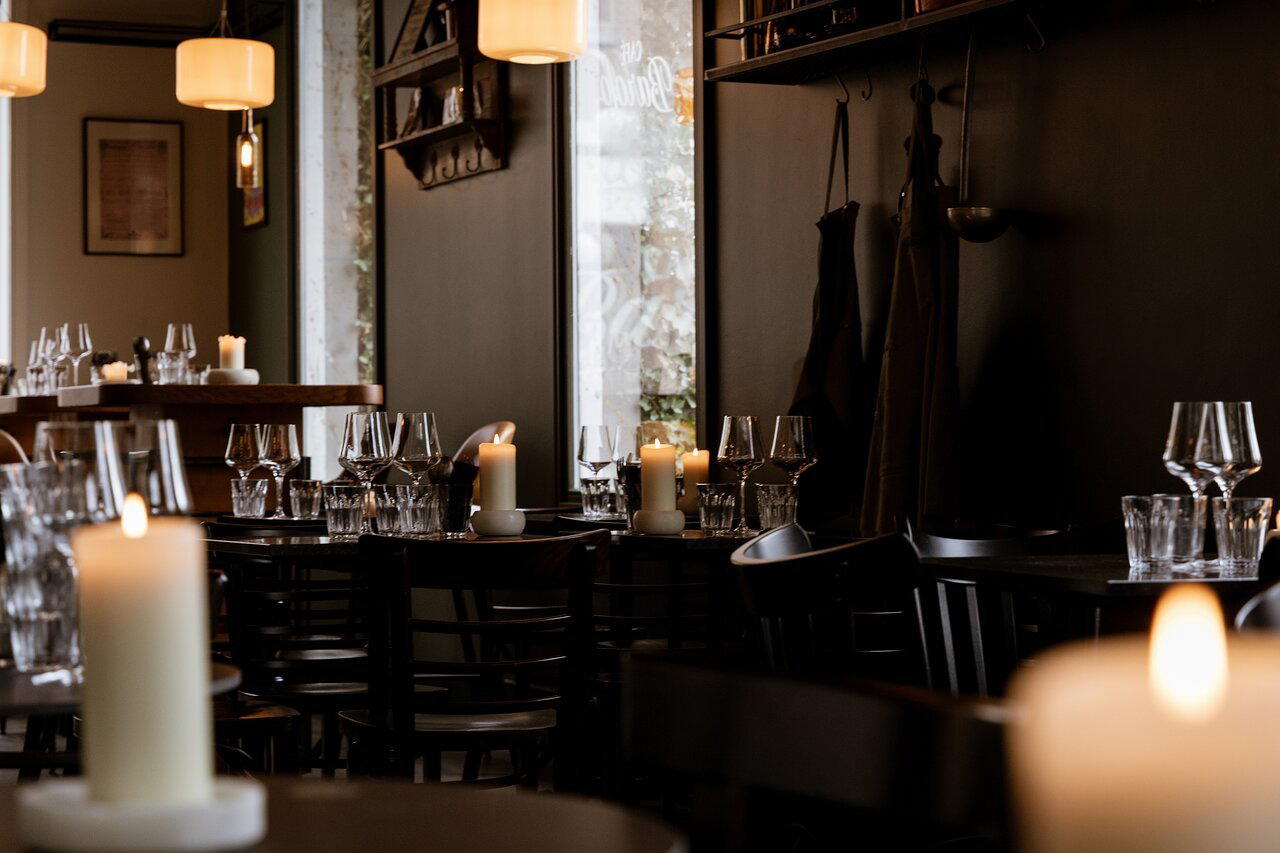
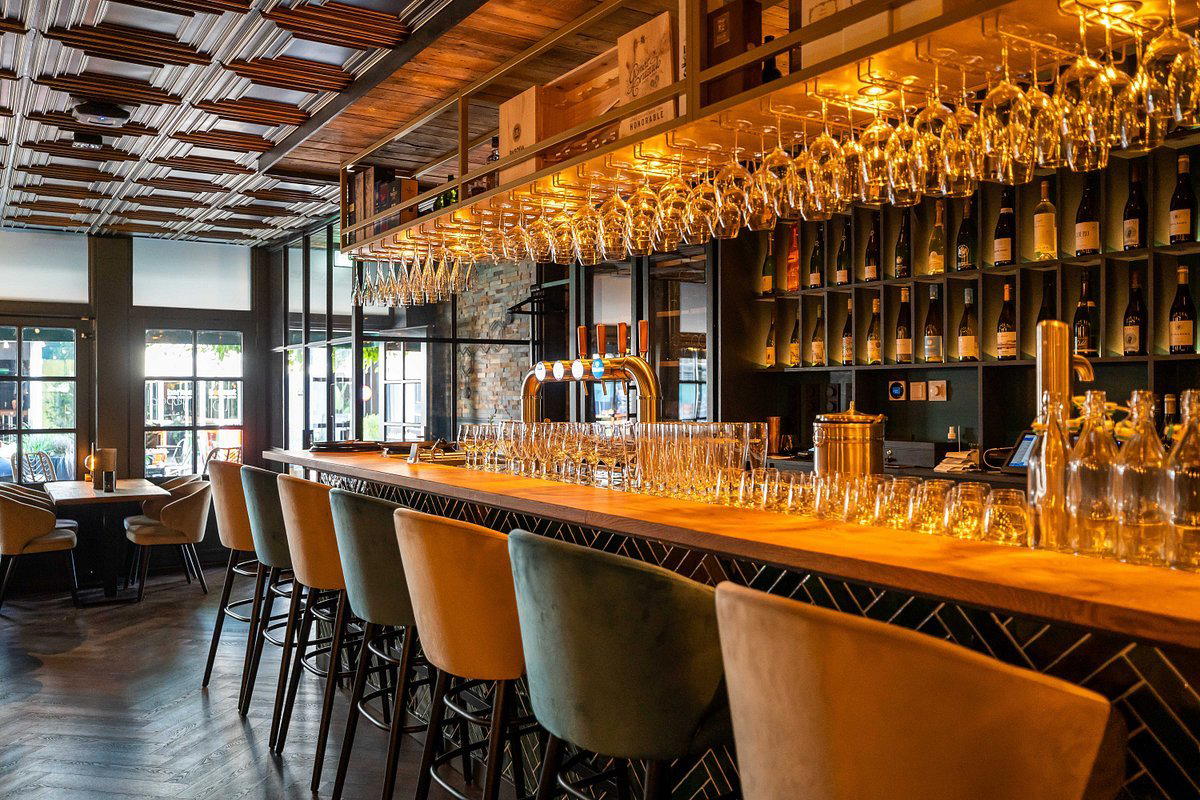
Slightly industrial feel with an organic vibe, cozy and inviting atmosphere.