plant
Plant sits on Merrimon Avenue as Asheville's most committed plant-based dining address, where the kitchen treats vegetables, legumes, and grains with the same seriousness that fine-dining rooms apply to protein-led tasting menus. The wine program is curated with the kind of intention usually reserved for much larger cities, making it a reference point for the city's broader shift toward thoughtful, ingredient-driven cooking.
Pearl is the En Primeur Club membership app — saves, bookings, and concierge access live there. Same editors, same standards.
- Address
- 165 Merrimon Ave, Asheville, NC 28801
- Phone
- +18282587500
- Website
- plantisfood.com
- Directions
- Get directions
 Saves & bookings on Pearl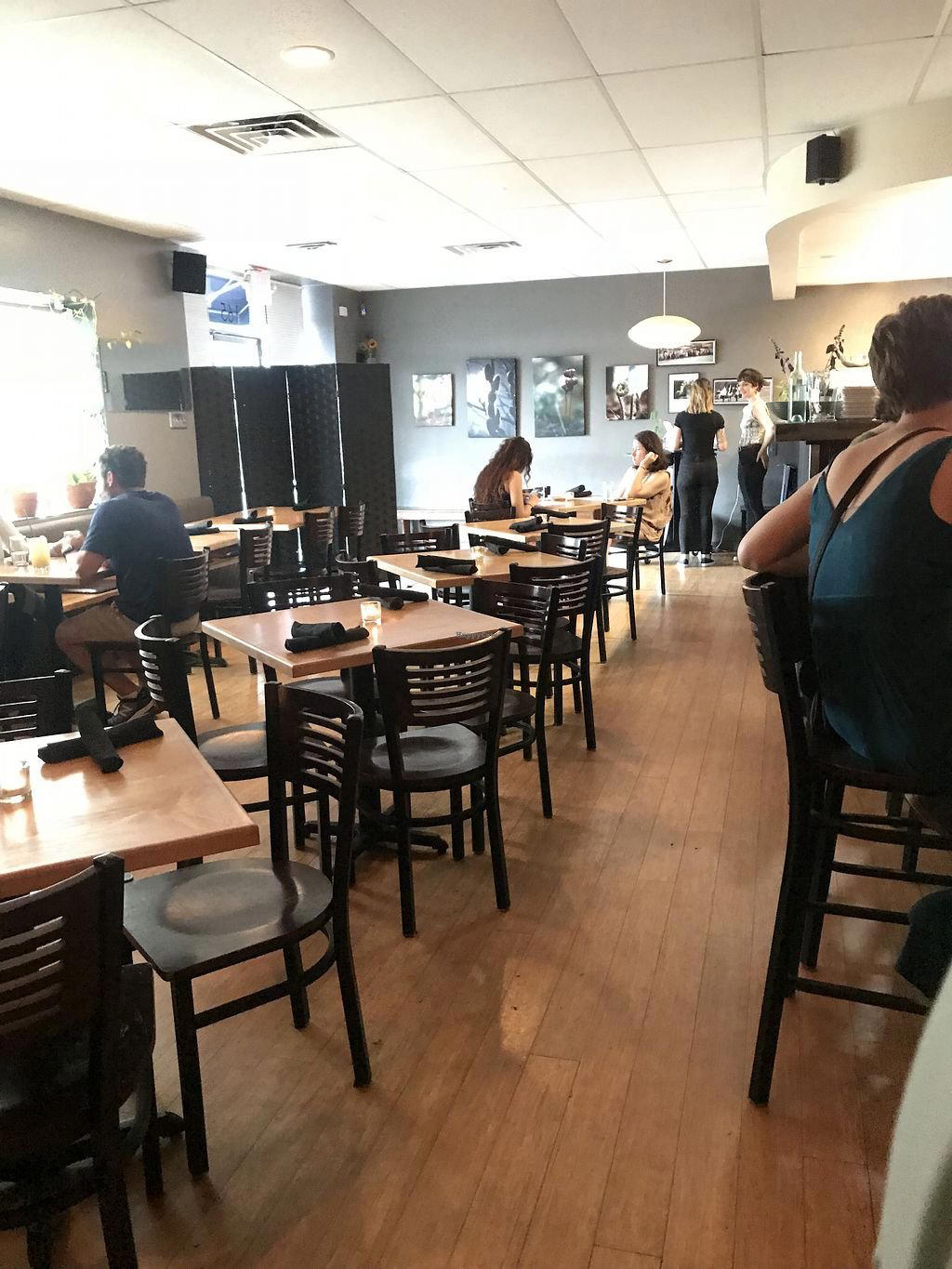
Merrimon Avenue and the Serious Vegetable Question
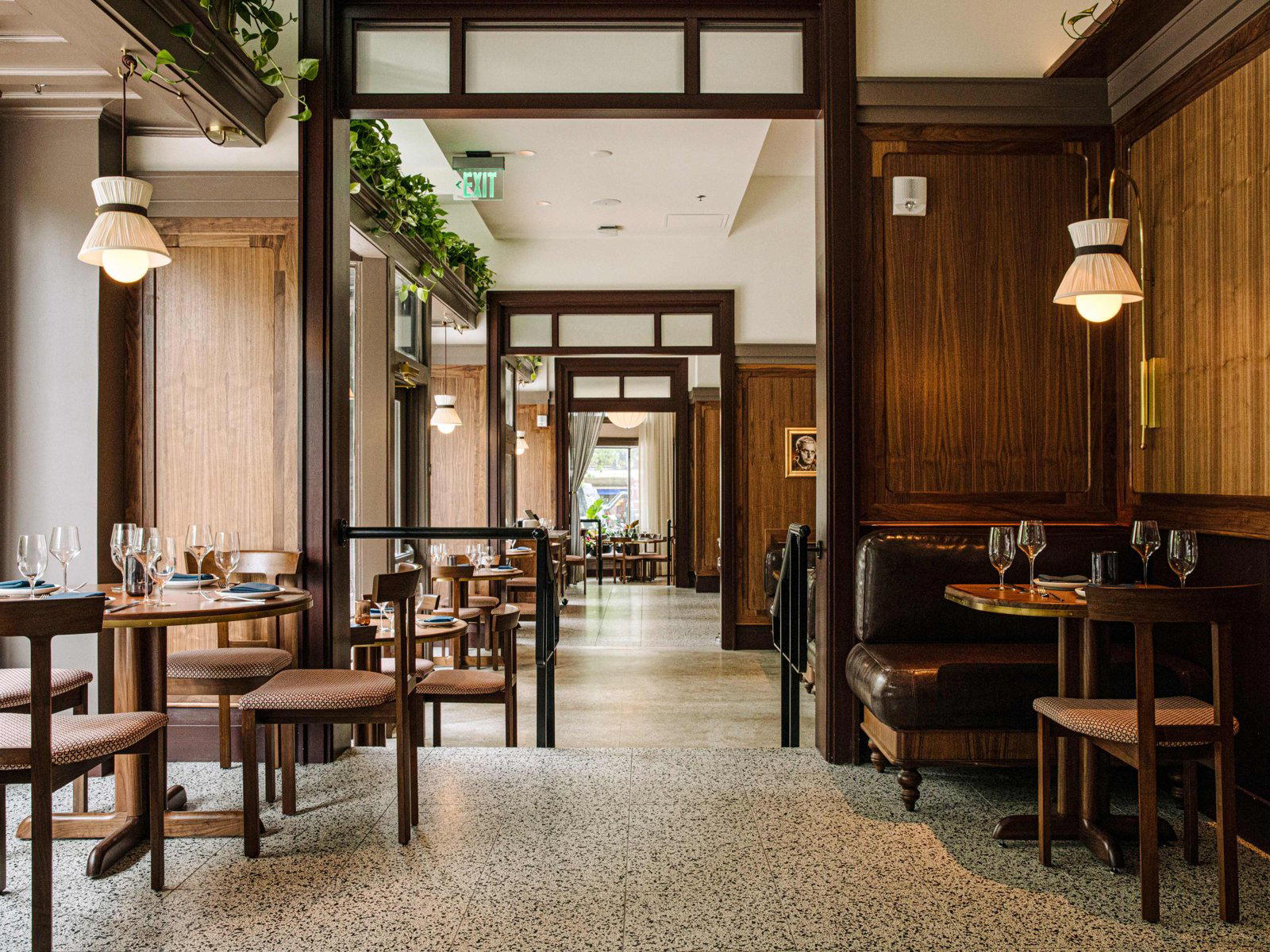
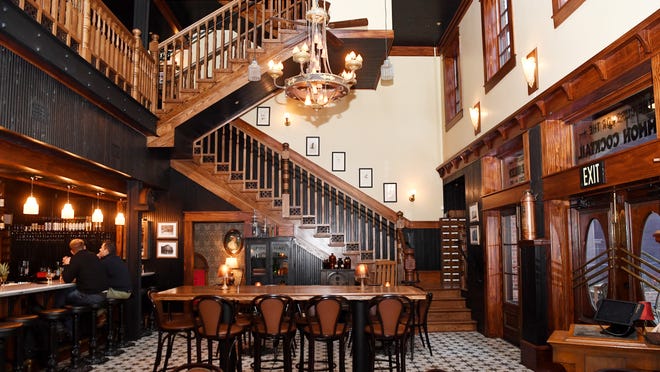
Asheville has spent the better part of two decades developing a dining identity that sits awkwardly between Appalachian tradition and progressive American cooking. The city's most interesting restaurants tend to operate in that tension rather than resolving it cleanly. Plant, at 165 Merrimon Ave, Asheville, NC 28801, occupies a quieter stretch of the avenue, away from the downtown press of tourists and the more performative end of the food scene. The room reads as deliberate restraint: the kind of space that signals confidence rather than aspiration, where the physical environment communicates that the cooking is expected to carry the weight.
What Plant represents in context is the more significant story. Across American cities, plant-based fine dining has split into two legible camps: the fast-casual health-coded category, and a smaller, more serious tier where kitchens apply classical technique and careful sourcing to menus with no animal protein. Plant sits in the second category, and in a mid-sized Southern city, that positioning carries more meaning than it would in Portland or Brooklyn, where the infrastructure for that kind of cooking is far better established.
The Wine Program as Editorial Statement
In restaurants built around plant-forward menus, the wine list often reveals more about the kitchen's ambitions than the food itself does. A serious cellar communicates that the dining room expects guests to stay, to consider, to pair. It signals that the experience is structured around a sequence of decisions rather than a single visit obligation.
Plant's wine program has developed a reputation in Asheville's dining community as a thoughtfully assembled list in the city, with a curation tilt toward producers who share the kitchen's interest in minimal intervention. Natural and low-sulfite wines have a logical affinity with plant-based cooking: the absence of heavy oak and residual sugar lets the wines read alongside vegetables the way conventional wine struggles to. A Beaujolais cru or a skin-contact white from Friuli behaves differently against roasted brassicas or fermented legume preparations than a heavily extracted Napa Cabernet would.
This isn't a radical observation in European fine dining, where wine and vegetable pairing has decades of institutional practice. In the American South, however, a restaurant making that argument through its cellar is making a statement about its comparable set. Plant is not pricing or positioning against the tourist-driven downtown addresses. It belongs to a conversation happening in cities like San Francisco, where Lazy Bear has built a reputation on collaborative, technique-forward formats, or in New York, where Atomix demonstrates how ingredient philosophy and beverage curation can operate as a unified editorial voice.
What the Kitchen Is Actually Doing
The broader movement Plant belongs to has gained credibility for years. Blue Hill at Stone Barns in Tarrytown built its case on agricultural proximity and vegetable primacy long before plant-based dining became a marketing category. Single Thread Farm in Healdsburg demonstrates how farm-to-table can operate at the technical level of kaiseki. The argument these restaurants make collectively is that vegetables, treated with the same craft applied to premium proteins, produce cooking of equivalent complexity.
Plant makes that argument in Asheville, where the surrounding region provides genuine agricultural depth. Western North Carolina's farms, particularly in the growing season running from late spring through October, supply ingredients that would cost considerably more to source in coastal cities. The locality argument here is not rhetorical: the terroir of the Blue Ridge growing zone produces specific alliums, root vegetables, and heritage grains that carry flavors not easily replicated. A kitchen serious about those ingredients should, in theory, have material advantages over comparable restaurants operating in less agriculturally endowed regions.
Asheville's Broader Dining Context
Understanding Plant means understanding the competitive texture of Asheville's dining scene. The city has a substantial restaurant scene for its size. Cúrate has maintained a strong position in the Spanish tapas format, drawing on documented training credentials and consistent critical attention. All Souls Pizza has built a devoted following in the fermentation-and-wood-fire category. Asheville Proper operates in a different register, occupying the American brasserie space. Addissae Ethiopian Restaurant and All Day Darling contribute to a breadth that makes the city's dining offer more varied than many visitors expect.
Against that field, Plant holds a distinct position: it is the address in Asheville where fine dining technique is applied exclusively to plant-based cooking. That specificity matters for the wine program as much as for the menu. A sommelier or cellar manager building a list for a plant-forward kitchen has different priorities than one building for a steakhouse or a classical French room. The list at Plant operates in that distinct register, and represents one of the clearest expressions of that curation philosophy in the region.
For comparison at the national level, the restaurants where wine and ingredient philosophy are most tightly integrated tend to sit in the Michelin-tracked tier: Le Bernardin in New York City, Alinea in Chicago, The French Laundry in Napa, Providence in Los Angeles, Addison in San Diego, Emeril's in New Orleans, The Inn at Little Washington, and internationally at addresses like 8 1/2 Otto e Mezzo Bombana in Hong Kong. These restaurants demonstrate that beverage program ambition and culinary philosophy are not separable. Plant operates at a different scale but within the same logic.
Planning a Visit
Plant is located on Merrimon Avenue, north of downtown Asheville, reachable on foot from the northern edge of the central district or by a short drive. The address is not inside the primary tourist corridor, which is part of its character: guests who find it tend to be looking for it. Reservations are recommended, particularly on weekends. The wine program rewards guests who engage with it directly, whether by asking for pairing suggestions or by browsing the list for producers not commonly encountered on conventional American restaurant lists.
At-a-Glance Comparison
Comparable venues nearby, for context on price, style, and recognition.
| Venue | Cuisine | Price | Notes |
|---|---|---|---|
| plantThis venue — the venue you are viewing | Modern Vegan | $$ | Not listed |
| Biscuit Head | Southern Biscuit House | $$ | West Asheville |
| Crow & Quill | Speakeasy Cocktail Bar | $$ | Downtown Asheville |
| Modesto | Rustic Italian Wood-Fired Trattoria | $$$ | Downtown Asheville |
| Laila | Modern Indian Cuisine | $$ | downtown |
| All Souls Pizza | Wood-Fired Artisan Pizza | $$ | River Arts District |
Continue exploring
More in Asheville
Restaurants in Asheville
Browse all →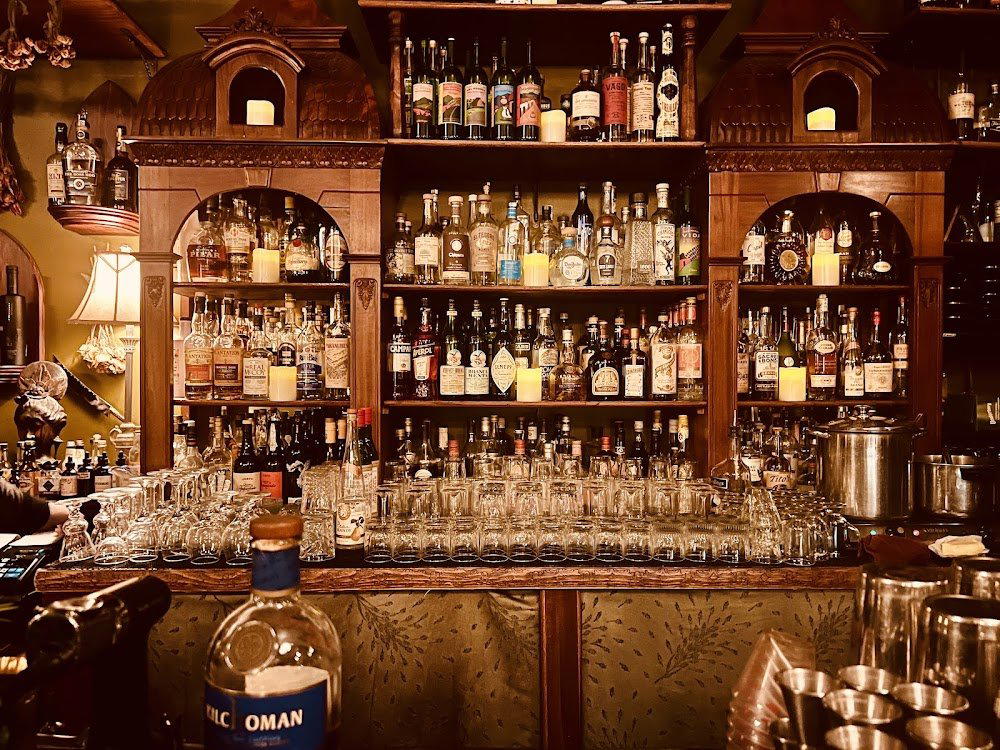
Bars in Asheville
Browse all →




At a Glance
- Modern
- Cozy
- Intimate
- Trendy
- Date Night
- Special Occasion
- Open Kitchen
- Terrace
- Craft Cocktails
- Natural Wine
- Organic
- Local Sourcing
Current opening hours
- Monday
- Closed
- Tuesday
- Closed
- Wednesday
- 5–9 PM
- Thursday
- 5–9 PM
- Friday
- 5–10 PM
- Saturday
- 5–10 PM
- Sunday
- 5–9 PM
Hours can change for holidays and private events. Last verified .
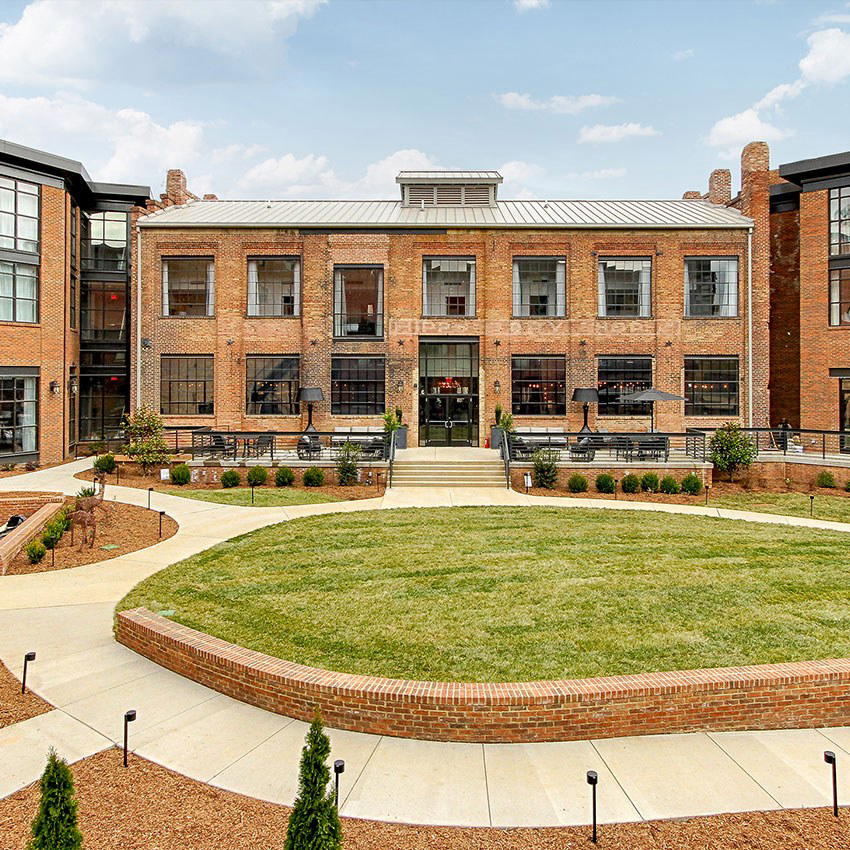
Modern inviting setting with cozy intimate atmosphere and seasonal patio.