Place de l'Odéon occupies one of the Left Bank's most architecturally charged addresses, facing the Théâtre de l'Odéon in the 6th arrondissement. The square sits at the confluence of Saint-Germain's literary café culture and the more restrained gastronomy of the Luxembourg quarter, making it a reference point for understanding how Paris's south-bank dining scene positions itself against the grander rooms of the 8th.
Pearl is the En Primeur Club membership app — saves, bookings, and concierge access live there. Same editors, same standards.
- Address
- 2 Pl. de l'Odéon, 75006 Paris, France
- Phone
- +33 1 44 85 41 30
- Website
- theatre-odeon.fr
- Directions
- Get directions
 Saves & bookings on Pearl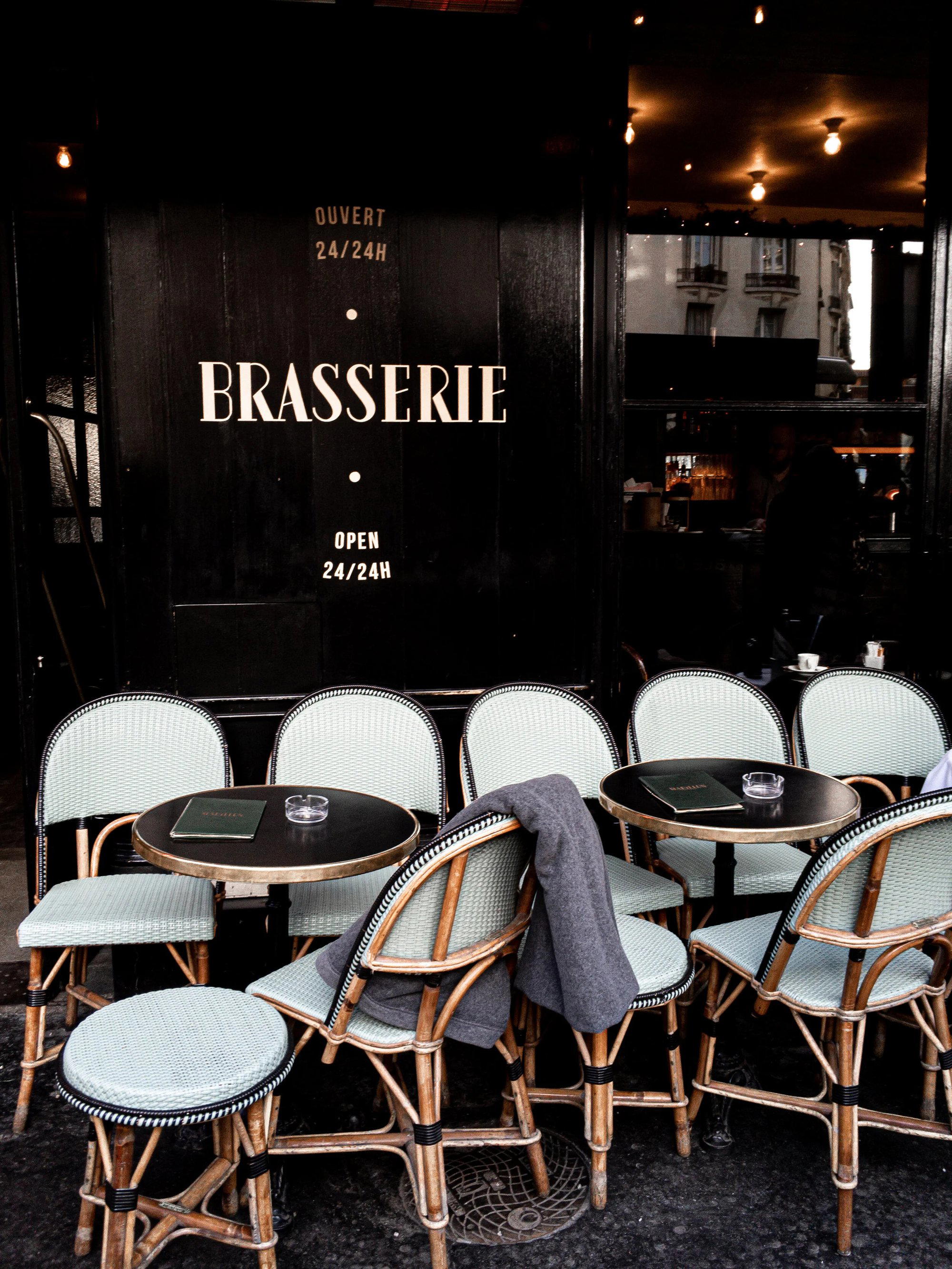
The Square and What It Signals
Place de l'Odéon is a traditional French bistro in Paris, at 2 Pl. de l'Odéon, 75006 Paris, France, with a recommended reservation policy and an average spend of about $45 per person. There is a particular quality to the Place de l'Odéon at the end of an afternoon, when the light comes flat across the rooftops of the 6th arrondissement and the colonnaded facade of the Théâtre de l'Odéon holds the last of it. The square does not announce itself the way the Palais-Royal does, nor does it perform for tourists the way the Place des Vosges can feel obligated to. It is a working Parisian address, one that has accumulated its authority over two centuries of theatre, philosophy, and the particular kind of intellectual dining that has always traced the perimeter of the Luxembourg quarter.
For visitors orienting themselves within Paris's restaurant geography, the Odéon neighbourhood occupies a distinct position. It sits between two gravitational centres: the boulevard Saint-Germain, with its preserved brasserie culture and the legacy of Café de Flore, and the rue de Vaugirard corridor, which feeds quietly into a cluster of more serious kitchens that rarely chase visibility. The 6th arrondissement's dining character is shaped by proximity to Sciences Po, the Senate, and the publishing houses of the quartier Latin, a clientele that values substance over spectacle, and has done so long enough that the area's better rooms have internalised the preference.
Where This Address Sits in the Paris Dining Hierarchy
The upper tier of Parisian gastronomy has long concentrated on the Right Bank, particularly in the 8th arrondissement, where rooms like Le Cinq at the Four Seasons Hôtel George V and Alléno Paris au Pavillon Ledoyen operate with the full ceremonial infrastructure of palace hotel dining or grand avenue prestige. The Left Bank's answer to that register is quieter and, in many respects, more confident for its quietness. Arpège on the rue de Varenne represents one pole of that Left Bank seriousness. The Odéon quarter represents another: less institutionalised, more variable in its offer, but anchored by a sense of place that the 8th's hotel dining rooms, however accomplished, cannot quite replicate.
Across France, particularly instructive comparisons come from outside Paris entirely. Restaurants such as Troisgros in Ouches, Mirazur in Menton, and Bras in Laguiole have built identities inseparable from their physical settings. The Odéon square operates on a version of the same principle: the address is not neutral. Dining here means dining with the weight of a neighbourhood that has been thinking seriously about ideas, including ideas about food and wine, for longer than most restaurant cities have existed.
The Wine Dimension at This Level of the Market
The editorial angle worth holding in this part of Paris concerns wine curation rather than kitchen ambition alone. The 6th arrondissement has historically supported a wine culture that mirrors its dining character: knowledgeable without being ostentatious, interested in producers over labels, and willing to sit with a bottle of Burgundy long enough to understand it. In this context, the question of cellar depth and sommelier programme matters as much as the menu format. Rooms in this quartier compete, in part, on the strength of their by-the-glass selection and their willingness to work with small-production French estates that never appear on the lists of high-volume Right Bank operations.
The Loire Valley has become a reference point for the kind of sommelier-driven list that characterises serious Left Bank dining: Muscadet sur lie from committed négociants, Chinon from producers who have farmed the same parcels for decades, white Sancerre positioned not as a reflex opening pour but as a deliberate structural choice. The Rhône and Burgundy follow their own logic, with the depth of a cellar read not by the number of grand cru bottles listed but by what sits alongside them in the middle register. For comparison, French restaurants working at this level of wine seriousness across different settings include Auberge de l'Ill in Illhaeusern and Les Prés d'Eugénie in Eugénie-les-Bains, both of which have built wine reputations that operate independently of their kitchen reputations, though both are considerable.
Beyond France, the conversation about what a serious wine programme looks like in a room with genuine culinary ambition connects to addresses like Le Bernardin in New York, where the sommelier programme has been treated as an editorial statement rather than a service function. The standard, wherever it is applied, is the same: a list that positions the room within a specific point of view about how food and wine should interact, not a list assembled to satisfy every possible preference.
The Neighbourhood in Practice
The Place de l'Odéon is eight minutes on foot from the Luxembourg Gardens and directly adjacent to the Carrefour de l'Odéon, one of the 6th's principal intersections. The Odéon metro station (lines 4 and 10) sits at that crossroads, making the square direct to reach from central Paris without a taxi. The neighbourhood's rhythm is shaped by theatre programming at the Odéon-Théâtre de l'Europe, which means weekday evenings draw a different crowd than weekends, and pre-theatre timing carries its own logic for anyone booking dinner in the immediate vicinity.
Regional references worth holding alongside any Parisian dining plan include Flocons de Sel in Megève, Auberge du Vieux Puits in Fontjoncouse, Georges Blanc in Vonnas, Paul Bocuse in Collonges-au-Mont-d'Or, La Table du Castellet, and Kei and L'Ambroisie within Paris itself. The American comparison, for readers mapping French dining seriousness against a different culinary tradition, extends to Lazy Bear in San Francisco, a room that has built its identity around a similarly considered relationship between kitchen and cellar.
Planning Your Visit
The Place de l'Odéon functions as both a destination and an orientation point. Anyone approaching Paris's Left Bank dining scene for the first time benefits from understanding the square as a physical anchor: it defines the northern edge of a dining corridor that runs south toward Montparnasse and east toward Saint-Michel, with the Luxembourg Gardens as a useful western boundary. Evening visits during the theatre season (September through June) bring the square its most characteristic atmosphere, with the Théâtre de l'Odéon lit and the surrounding cafés occupied in the particular way that working cultural districts fill their evenings, purposefully, without performance.
A Quick Peer Check
Comparable venues nearby, for context on price, style, and recognition.
| Venue | Cuisine | Price | Notes |
|---|---|---|---|
| Place de l'OdéonThis venue — the venue you are viewing | Traditional French Bistro | $$$ | Not listed |
| La Renommée | Refined French Brasserie with New York Influences | $$$ | 1er arrondissement |
| Colère | Spicy Modern French | $$$ | 9th arrondissement |
| Chez Santa | Offal-Focused French Bistro | $$$ | Republique |
| Mollard | Traditional French Brasserie with Seafood | $$$ | 8th arrondissement |
| A La Frégate | Classic French Seafood Bistro | $$$ | Bercy/Nation |
Continue exploring
More in Paris
Restaurants in Paris
Browse all →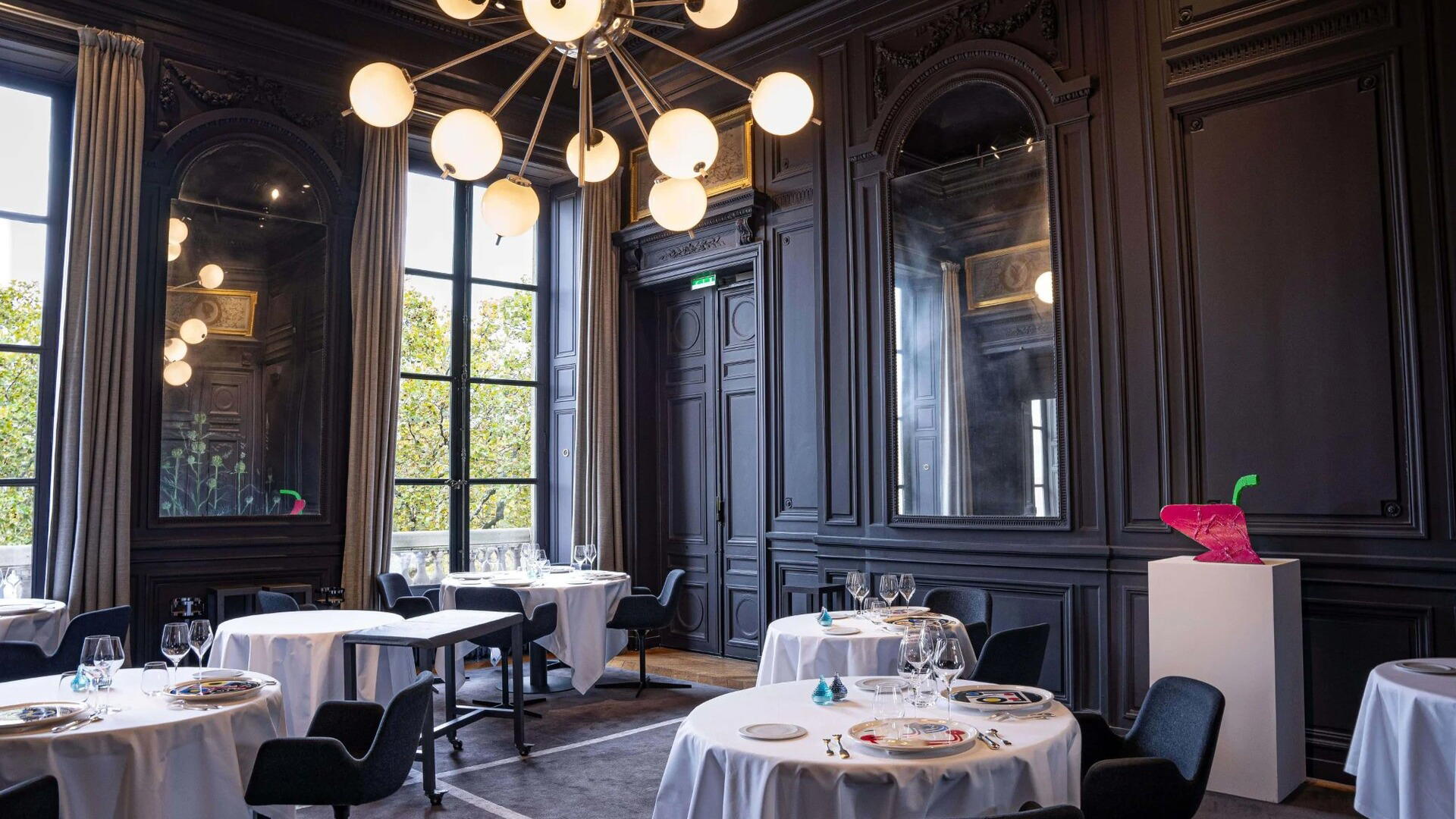
Bars in Paris
Browse all →
Hotels in Paris
Browse all →



At a Glance
- Classic
- Romantic
- Elegant
- Well Known
- Date Night
- Casual Hangout
- Group Dining
- Historic Building
- Terrace
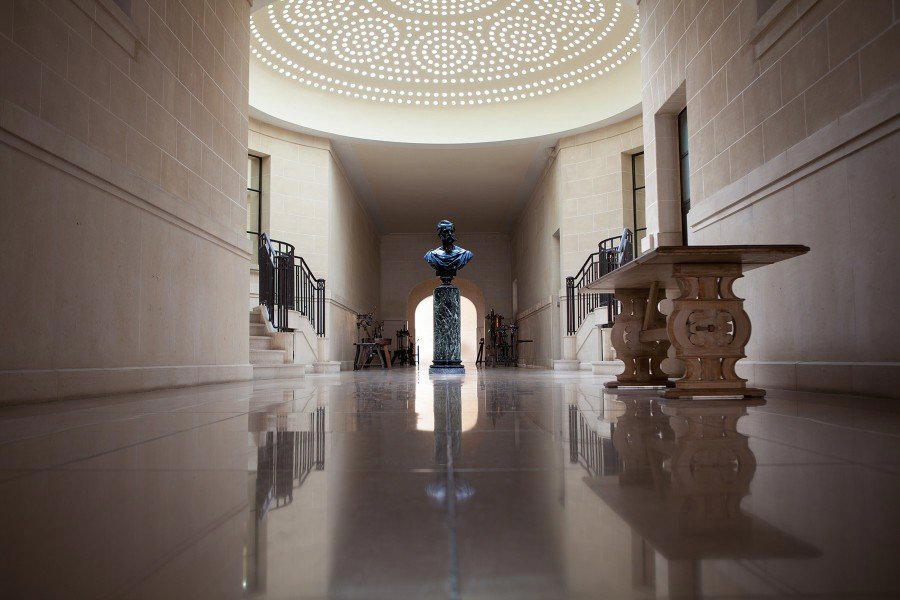
Soft glow of dim lighting with sounds of laughter and conversation filling the air, creating an inviting and leisurely dining environment.