



Marsan par Hélène Darroze holds two Michelin stars at 4 Rue d'Assas in the 6th arrondissement, operating within a Saint-Germain tradition that prizes restraint and craft over spectacle. The cooking is modern French with Southwest roots, and the room draws a clientele that expects precision without theatre. La Liste scores it at 78 to 79.5 points across 2025 to 2026, placing it firmly in the upper tier of Paris's classical dining circuit.
Pearl is the En Primeur Club membership app — saves, bookings, and concierge access live there. Same editors, same standards.
- Address
- 4 Rue d'Assas, 75006 Paris, France
- Phone
- +33 1 42 22 00 11
- Website
- helenedarroze.com
- Directions
- Get directions
 Saves & bookings on Pearl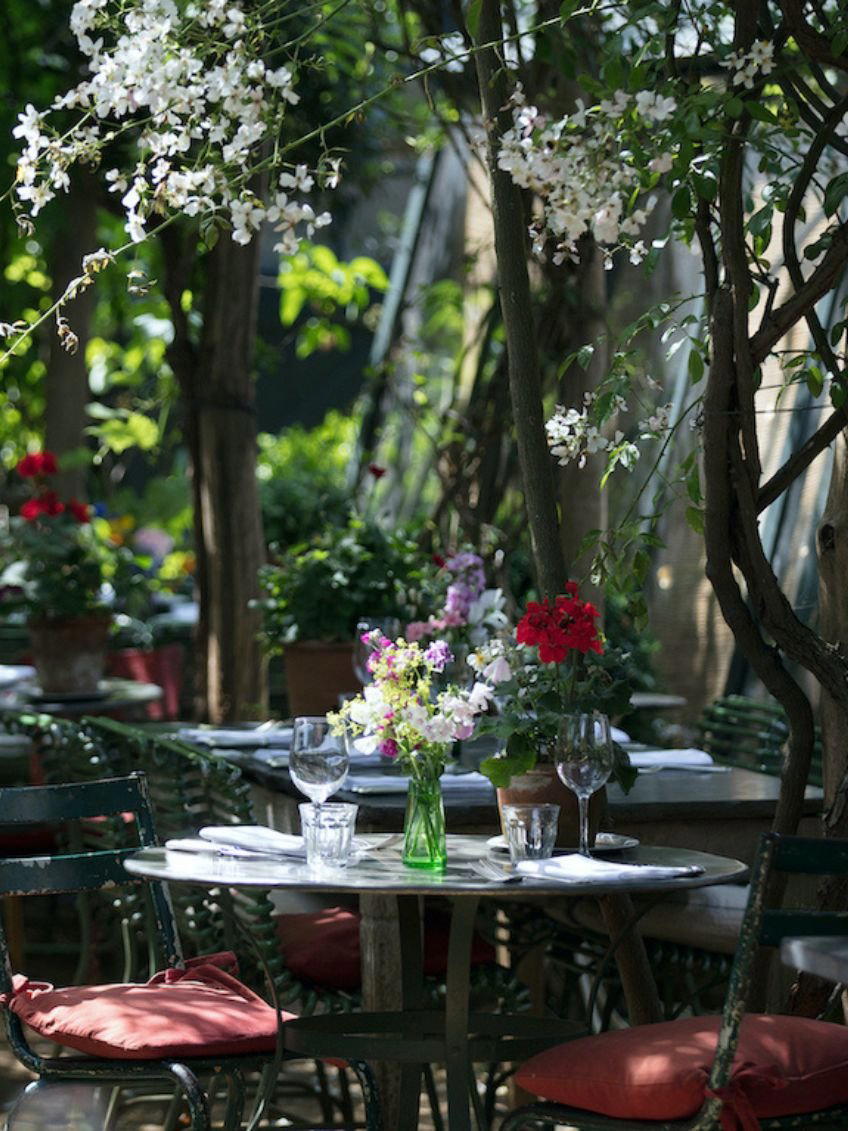
Saint-Germain and the Weight of the 6th
The 6th arrondissement has long occupied a specific position in Paris dining: not the grand-boulevard formality of the 8th, not the experimental churn of the 10th or 11th, but something more considered. The restaurants that endure here tend to attract a clientele drawn to depth over drama, academics, publishers, gallery owners, and the kind of visitor who has already done the obvious rooms and wants something with a stronger intellectual spine. That social geography shapes what ambitious cooking in the 6th looks and feels like. It is rarely flashy. It earns its standing over years.
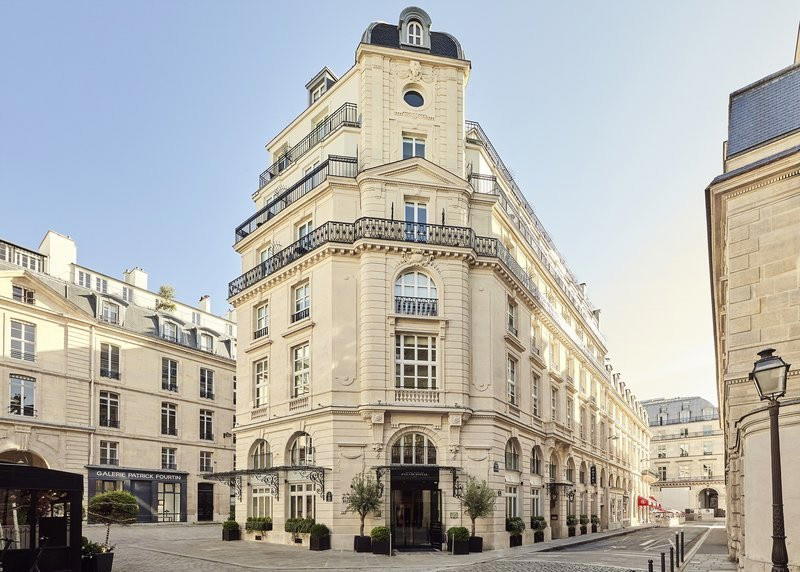
Marsan par Hélène Darroze is a two-Michelin-star restaurant at 4 Rue d'Assas in Paris's 6th arrondissement, where Hélène Darroze's modern French cooking draws on Southwest tradition. The address sits where the 6th shades into quieter residential Paris, away from the café terraces of Saint-Sulpice and the tourist press around Saint-Germain-des-Prés. The setting is significant: it signals a restaurant that is not competing for passing footfall or postcard recognition. It is operating for an audience that already knows why it is there.
Two Stars and the Rankings Context
Marsan has held two Michelin stars continuously through 2024 and 2025, which places it in a comparable set that includes particularly carefully constructed rooms in the city. At this tier in Paris, think Alliance, Virtus, or Pages at the same or adjacent award levels, the differentiating question is rarely whether the cooking is accomplished. It is: what kind of accomplished? What does it say about where French cuisine is going, and where it is anchored?
La Liste, which aggregates critical and public opinion across a wide range of sources, scored Marsan at 79.5 points in 2025 and 78 points in 2026. Opinionated About Dining, which weights classical European cooking through a more specialist lens, ranked it 178th in Europe in 2025, up from 189th in 2024 and from a recommended-without-rank position in 2023. That upward trajectory across three consecutive years of OAD tracking is a meaningful signal: the restaurant is gaining traction with the European classical audience, not just holding position. For comparison, Paris's highest-ranked rooms on OAD, including Table - Bruno Verjus, occupy far higher positions, but the gap between a three-star room and a two-star climbing the OAD classical list is a different kind of distinction than raw star count suggests.
At €€€€ pricing, Marsan sits in the highest price bracket for serious Paris tasting-menu addresses. This is not entry-level fine dining. It is a room where the price assumes engagement with the full program, not a single-course visit.
The Cuisine: Southwest Roots in a Modern Frame
The cooking at Marsan is classified as modern French, but the more useful reference point is the Southwest tradition that Hélène Darroze has worked from throughout her career. That lineage, Landes, foie gras, the Basque borderlands, a cooking culture built on fat and smoke and long-cooked depth, gives Marsan a regional grounding that is unusual in a Paris room at this level. Most two-star kitchens in the city operate from a more generic modern-French vocabulary. Marsan draws from a specific geography.
This is not decorative regionalism. The Southwest has produced some of France's most technically demanding and flavour-committed cooking traditions, and Darroze trained within that lineage before building an international career that now spans Paris and London. The challenge for a room at this level is to translate that regional weight into a contemporary format without losing the specificity that makes it distinctive. The Michelin committee's sustained two-star verdict, along with the OAD classical ranking, suggests the balance has held.
France's broader fine-dining conversation currently runs between two poles: the hyper-seasonal, produce-led naturalism of rooms like Table - Bruno Verjus and the grand classical technique of houses like Auberge de l'Ill or Paul Bocuse - L'Auberge du Pont de Collonges. Marsan operates in neither camp with full commitment: it is modern enough to sit alongside contemporaries, regional enough to hold a distinct identity. That positioning is harder to sustain than either extreme, but it is also the more interesting critical position.
For a wider view of where Marsan sits within the French fine-dining tradition, the work coming out of Flocons de Sel in Megève, Mirazur in Menton, Troisgros - Le Bois sans Feuilles in Ouches, and Bras in Laguiole all represent different answers to the same question about what serious French regional cooking looks like in the 21st century. Darroze's answer, expressed at Marsan, is one of the more urban versions of that argument.
Service Hours and How to Plan
Marsan operates Tuesday through Saturday for both lunch and dinner, with Monday and Sunday closed. Lunch service runs from 12:30 to 1:30pm and dinner from 7:30 to 9pm, tight windows that reflect tasting-menu discipline rather than à la carte flexibility. The narrow service hours mean booking discipline is essential; this is not a room where same-week reservations are routine at prime times.3 across 876 ratings, which is a solid public score for a two-star room, though the critical rankings above carry more weight as planning signals at this level.
The address is 4 Rue d'Assas, 75006 Paris. The 6th's character at this specific pocket of Rue d'Assas is quiet and residential. Marsan is a destination visit, not a drop-in.
For international reference points at a comparable level of ambition, where the kitchen's identity is as much about a specific culinary argument as about technical execution, Le Bernardin in New York City and Atomix in New York City offer useful comparisons, each holding a distinct position within their city's high-end dining conversation in the way Marsan does in Paris.
A Credentials Check
Comparable venues nearby, for context on price, style, and recognition.
| Venue | Cuisine | Price | Awards | Notes |
|---|---|---|---|---|
| Marsan par Hélène Darroze | Modern French Fine Dining | $$$$ | Michelin 2 Star | Notre-Dame-des-Champs |
| Le Grand Restaurant | Modern French Fine Dining | $$$$ | Michelin 2 Star | Golden Triangle |
| La Scène | Modern French Fine Dining | $$$$ | Michelin 2 Star | 8e arrondissement |
| L'Ami Louis | Classic French Bistro | $$$$ | World's 50 Best #17 | Arts-et-Metiers |
| Maison Rostang | Modern French Gastronomy | $$$$ | Michelin 2 Star | Plaine de Monceaux |
| Sushi Yoshinaga | Modern Omakase Sushi | $$$$ | Michelin 2 Star | :null |
Recognition history
Dated appearances from independent guides and award organizations, with the underlying list record or original source where available.
Falstaff Restaurant - 95 Falstaff Points
Falstaff
La Liste Top Restaurants
La Liste
Michelin 2 Stars
Michelin
La Liste Top Restaurants
La Liste
Michelin 2 Stars
Michelin
Opinionated About Dining Classical in Europe Ranked #178
Opinionated About Dining
Michelin 2 Stars
Michelin
Opinionated About Dining Classical in Europe Ranked #189
Opinionated About Dining
Opinionated About Dining Classical in Europe Recommended
Opinionated About Dining
Continue exploring
More in Paris
Restaurants in Paris
Browse all →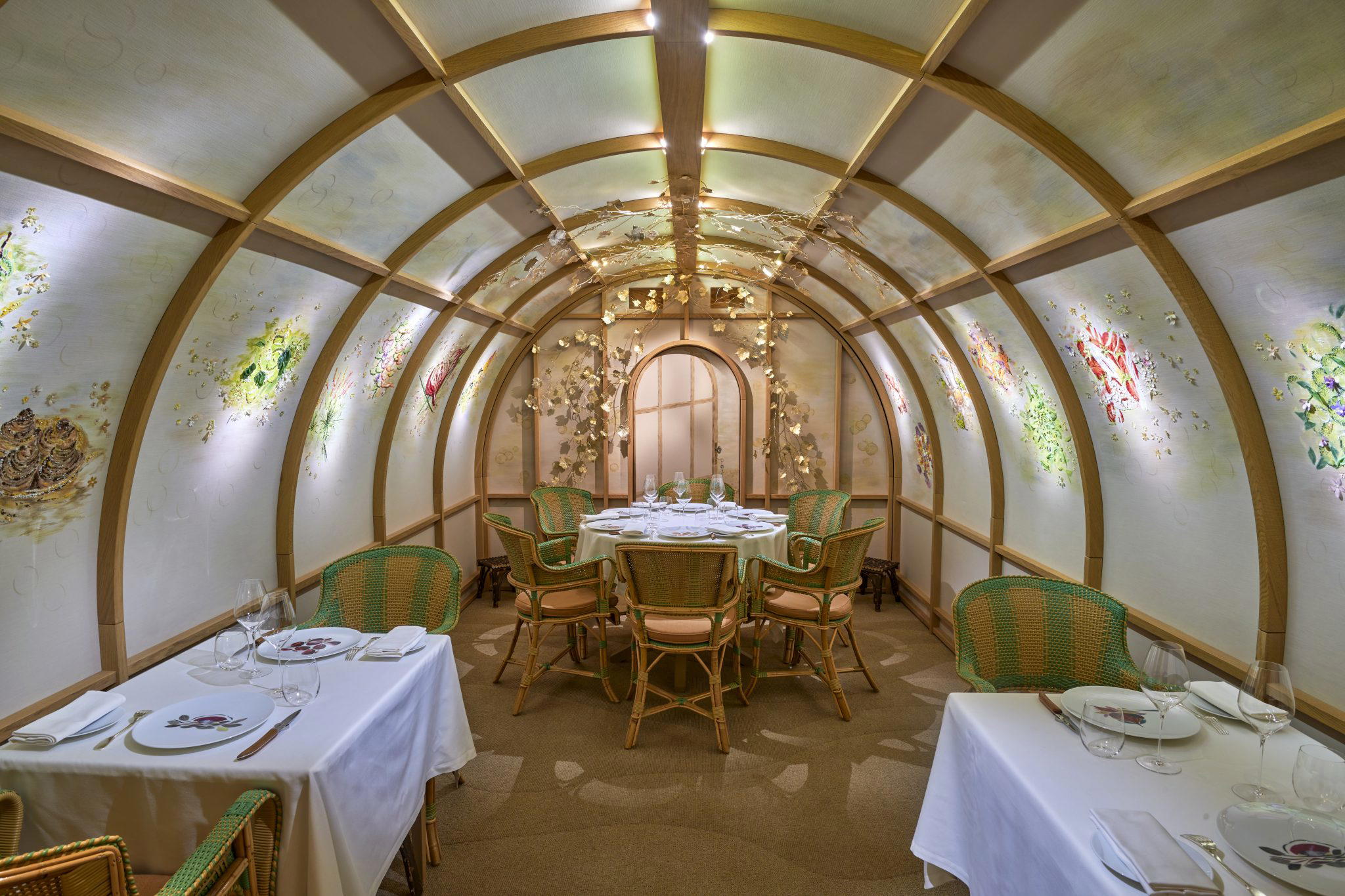
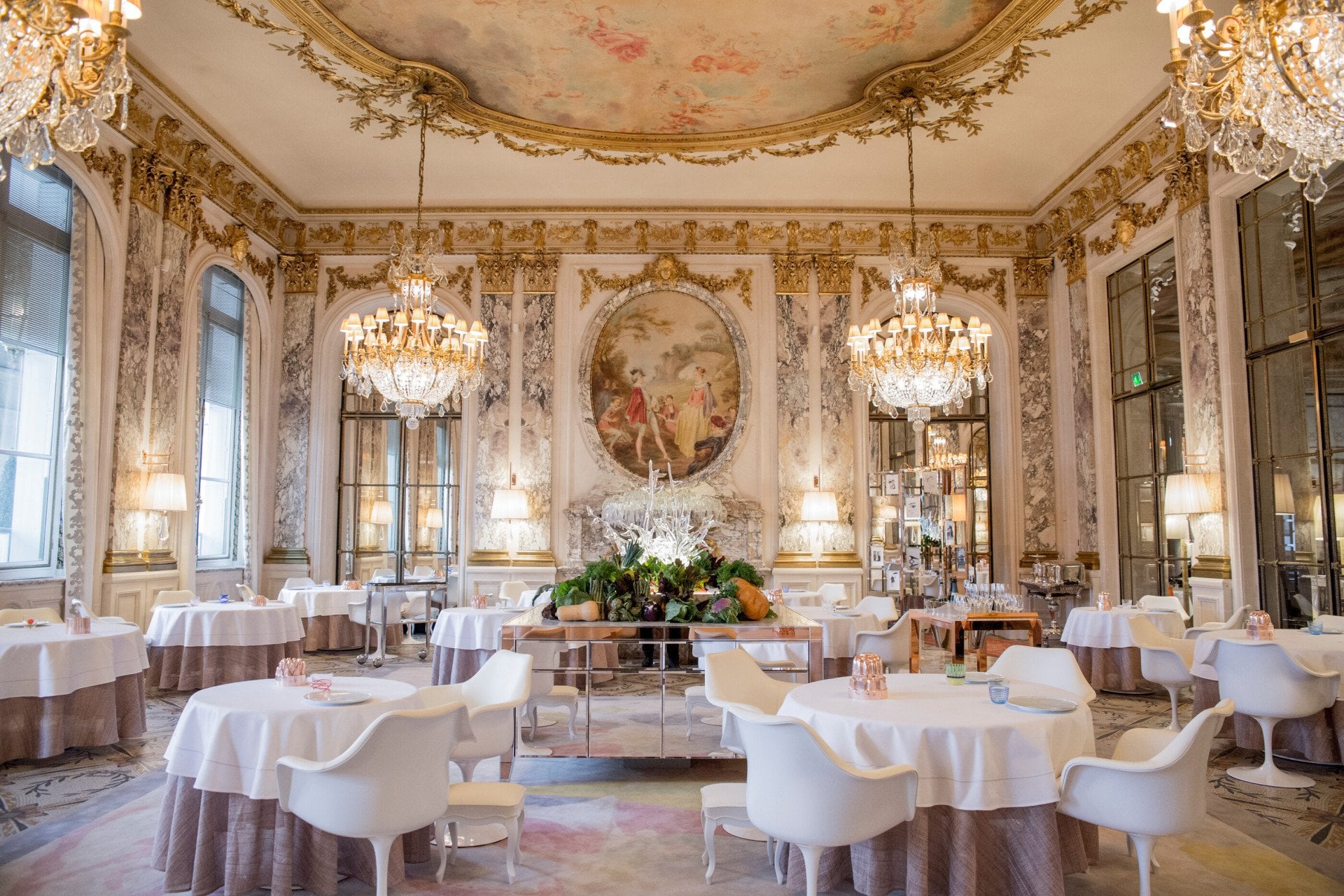
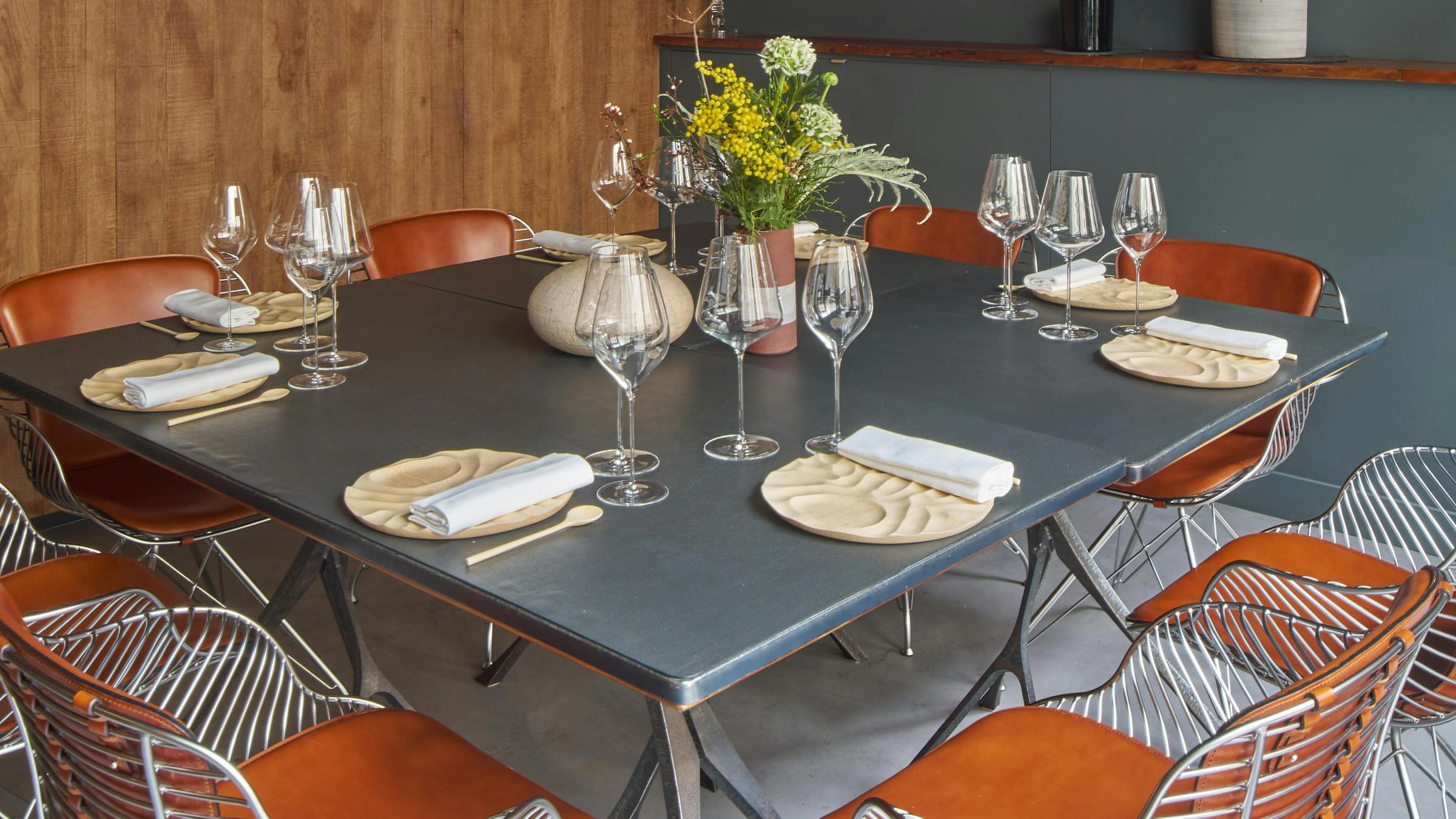
Bars in Paris
Browse all →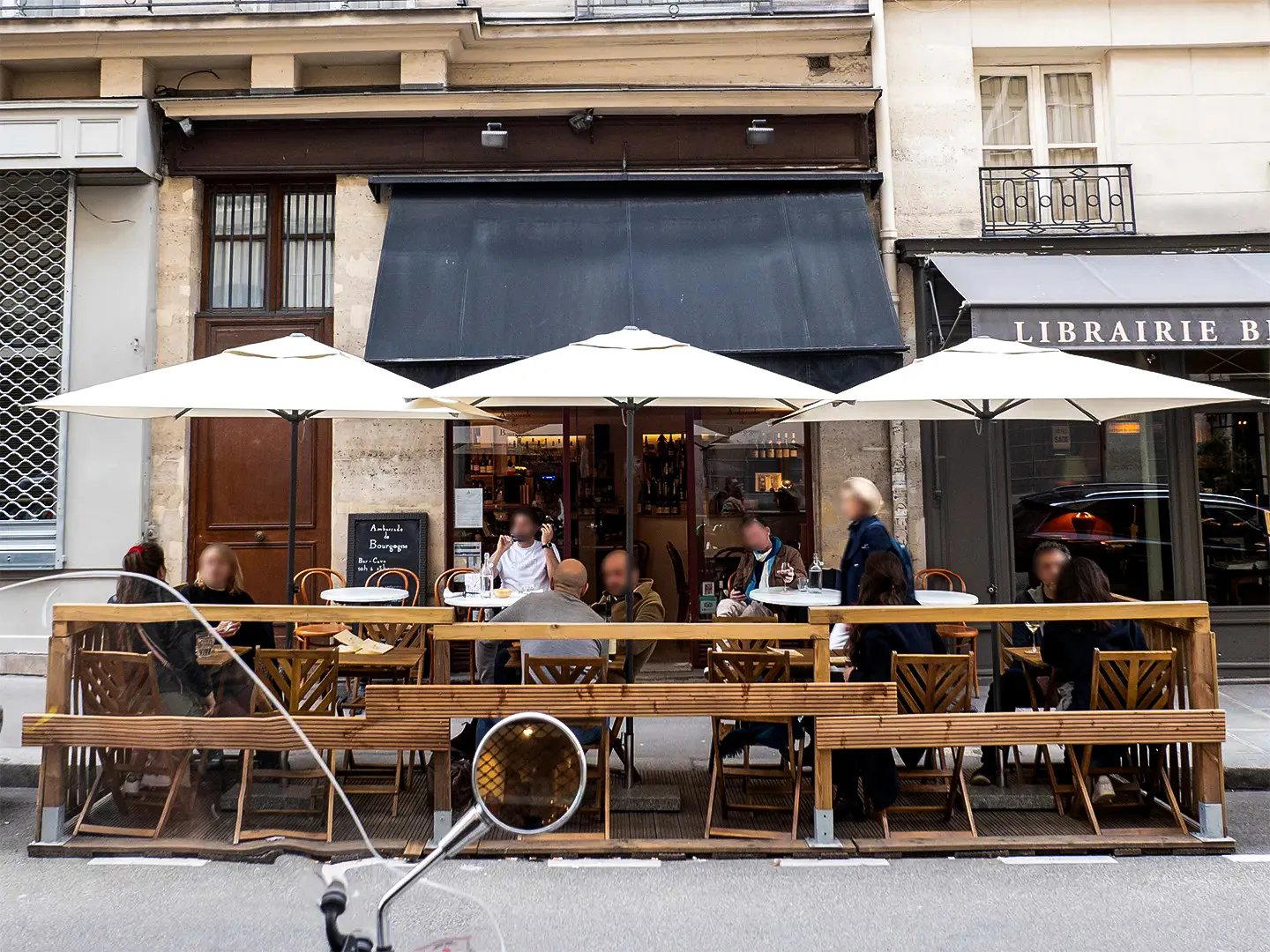
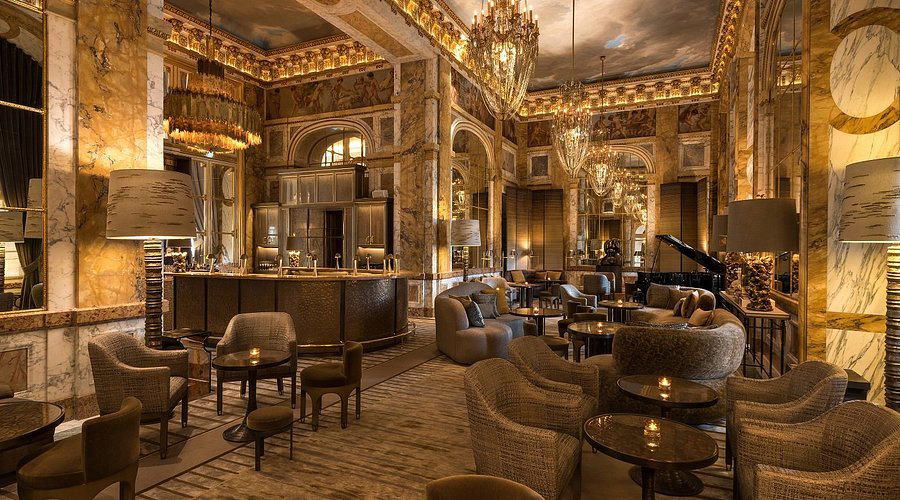
Hotels in Paris
Browse all →




At a Glance
- Elegant
- Sophisticated
- Intimate
- Classic
- Special Occasion
- Date Night
- Celebration
- Business Dinner
- Chefs Counter
- Open Kitchen
- Wine Cellar
- Hotel Restaurant
- Extensive Wine List
- Sommelier Led
- Local Sourcing
Current opening hours
- Monday
- Closed
- Tuesday
- 12:30–1:30 PM, 7:30–9 PM
- Wednesday
- 12:30–1:30 PM, 7:30–9 PM
- Thursday
- 12:30–1:30 PM, 7:30–9 PM
- Friday
- 12:30–1:30 PM, 7:30–9 PM
- Saturday
- 12:30–1:30 PM, 7:30–9 PM
- Sunday
- Closed
Hours can change for holidays and private events. Last verified .
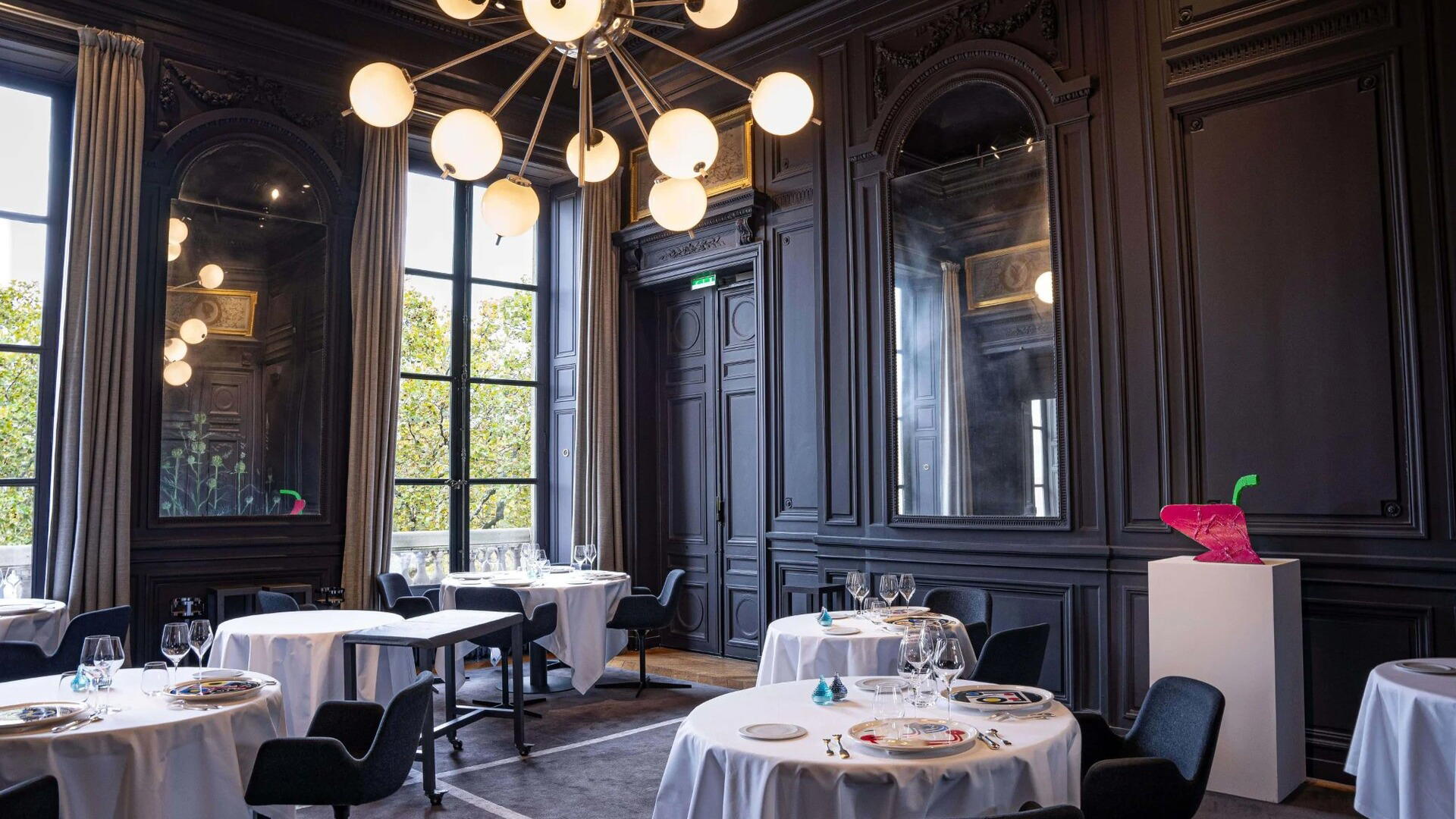
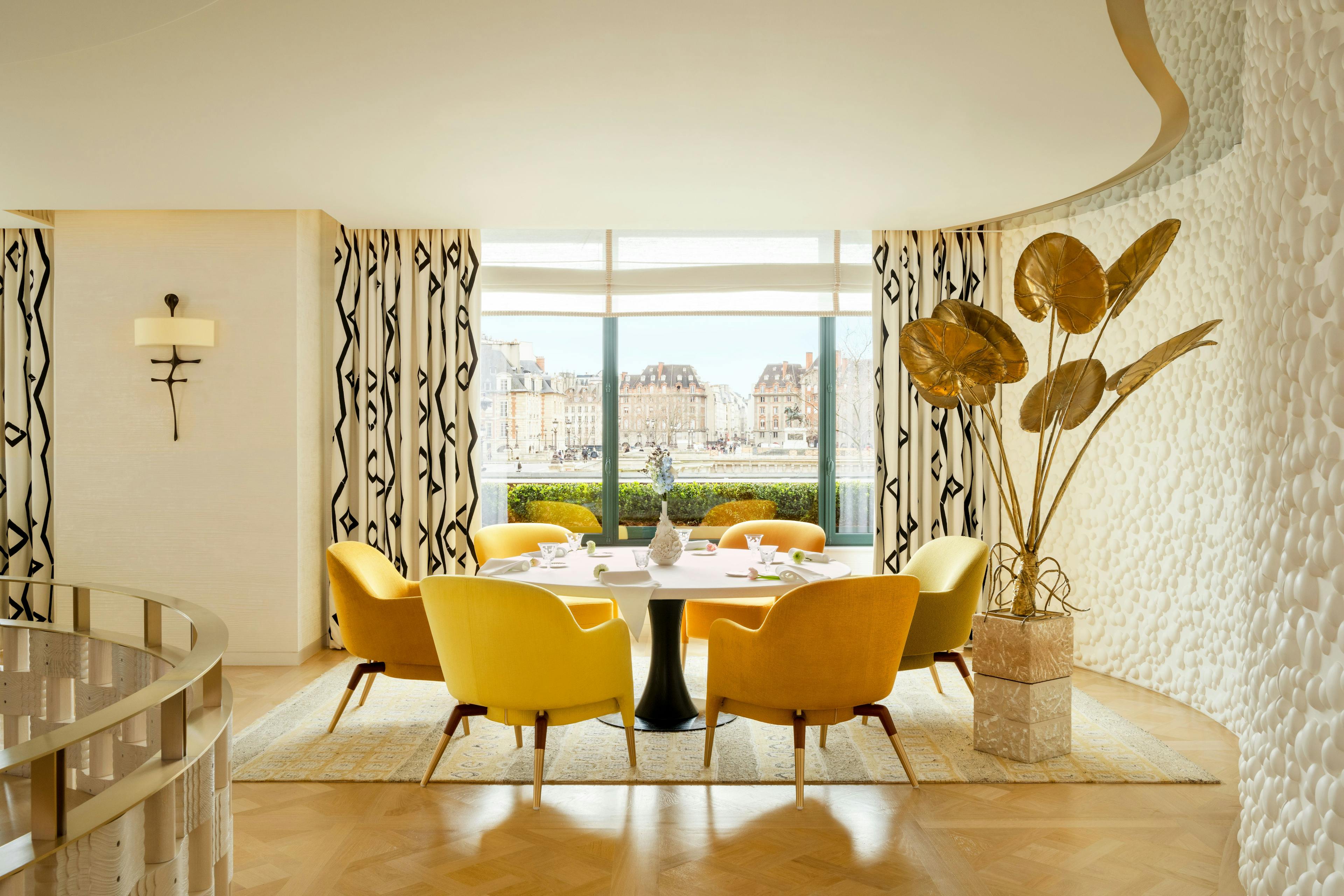
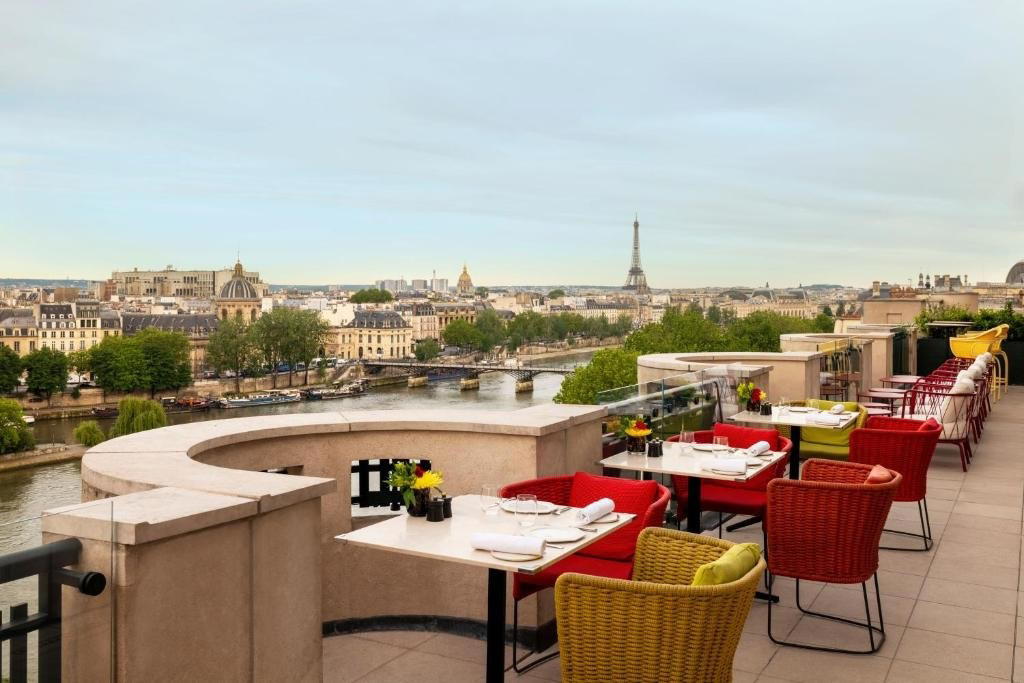
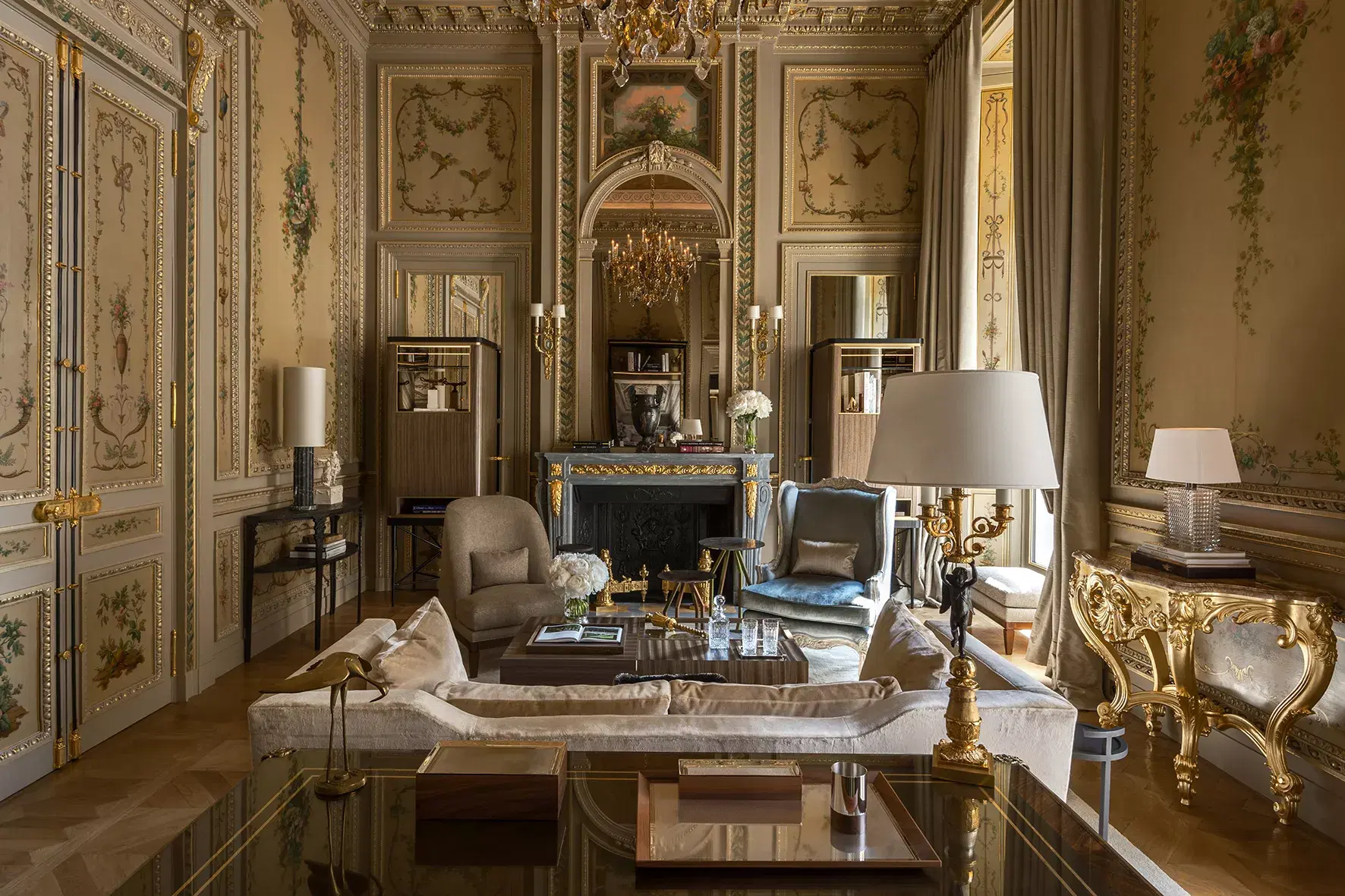
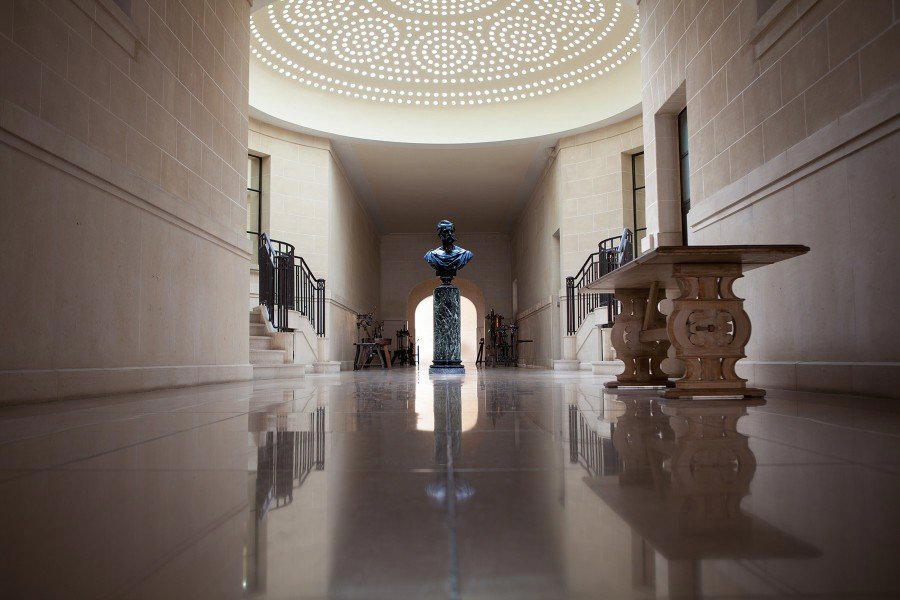
Stylish interior with understated glamour, soft lighting, harmonious shapes, spaced-out tables, and an elegant, quiet atmosphere.