Pip-Margraff

Michelin Plate
Our verdict
Pip-Margraff holds consecutive Michelin Plate recognition for 2024 and 2025, placing it among the most consistently noted classic cuisine addresses in the German-speaking cantons of eastern Belgium. For visitors to the Ardennes borderlands, it represents a grounded, region-anchored alternative to the flashier dining circuits of Brussels or Antwerp.

Pearl is the En Primeur Club membership app — saves, bookings, and concierge access live there. Same editors, same standards.
- Address
- Hauptstraße 7, 4780 St. Vith, Belgium
- Phone
- +32 80 22 86 63
- Website
- pip.be
- Directions
- Get directions
The menu
See the current menu on pip.be →A High Street Address With Serious Kitchen Credentials
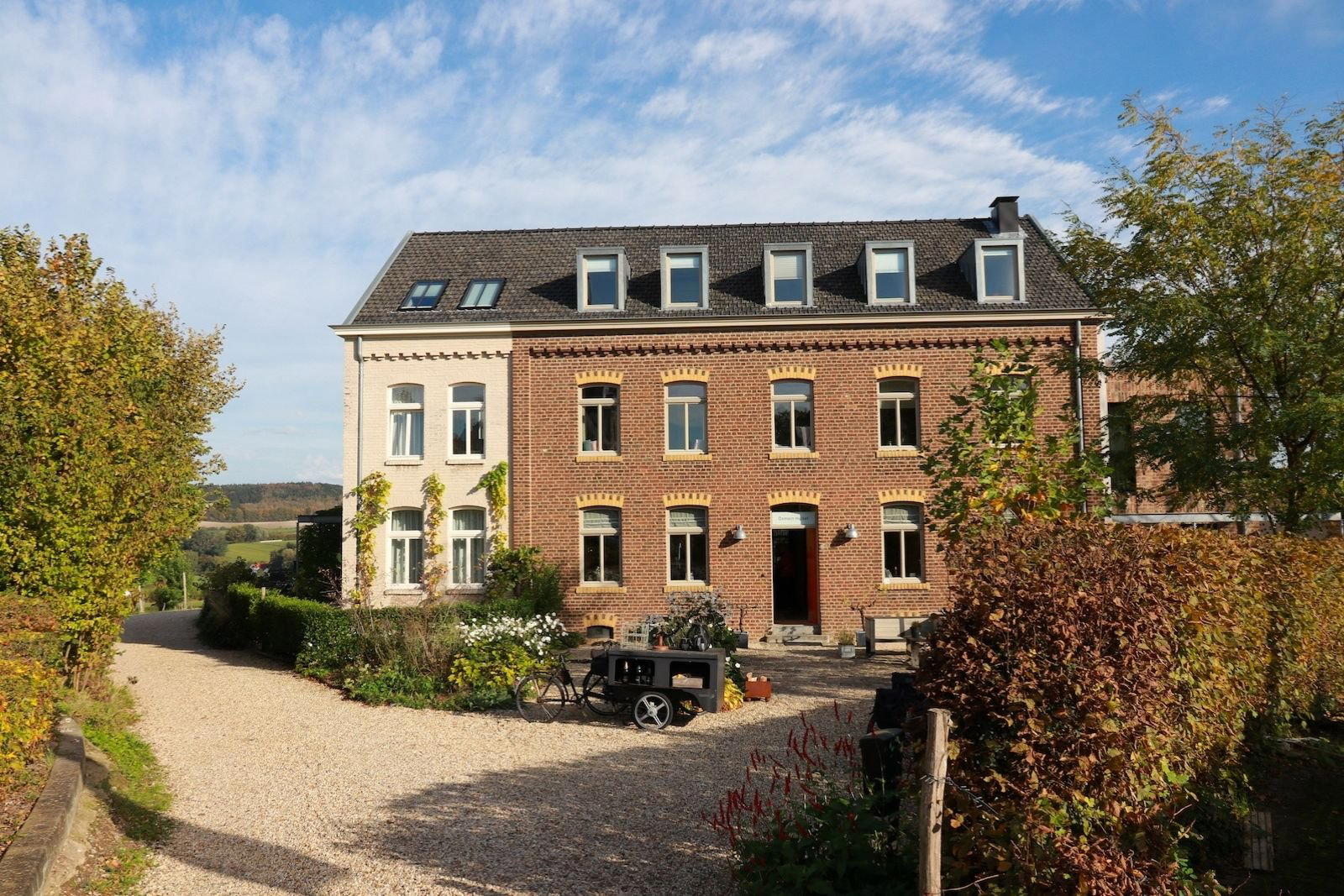
Hauptstraße in Saint Vith is the kind of main street that empties early on weekday evenings, its modest shop frontages and low-rise buildings carrying the particular quiet of a small Belgian town close to the German and Luxembourg borders. Arriving at Pip-Margraff in this context, where formal dining is not the default register of public life, the restaurant reads as a deliberate anchor point rather than an accidental discovery. The surrounding architecture is functional rather than ornate, which makes the decision to maintain the standards required for consecutive Michelin Plate recognition in 2024 and 2025 all the more meaningful — not as a marketing claim, but as a statement about what a kitchen in a town of this scale is willing to sustain.
Classic Cuisine in the Eastern Cantons: A Distinct Provenance
Belgium's food culture is frequently discussed through its urban centres. The density of starred and Plate-recognised addresses in Brussels, Ghent, and Antwerp tends to dominate the editorial conversation, with references to venues like Bozar Restaurant in Brussels, Zilte in Antwerp, or the creative Flemish tradition represented by Boury in Roeselare and Hof van Cleve in Kruishoutem. The eastern cantons — the German-speaking belt along the Ardennes that includes Saint Vith, occupy a different register entirely. The culinary tradition here tilts toward classic French-influenced technique applied to produce that comes largely from the surrounding landscape: game from the forests, freshwater species from the tributaries of the Our and the Salm, vegetables from the agriculturally productive Liège hinterland.
Classic Cuisine, as a category, is sometimes misread as conservatism. In the context of the eastern cantons, it is more accurately understood as a deliberate alignment with regional supply chains and established technique, where the discipline lies in execution rather than novelty. Pip-Margraff's positioning within this category connects it to a tradition of borderland cooking that draws on German, Luxembourgish, and French Wallonian influences simultaneously, a convergence that is harder to find on a single plate in any of Belgium's larger cities. Comparable classic-format restaurants elsewhere in Belgium's rural southwest, such as d'Eugénie à Emilie in Baudour and L'Eau Vive in Arbre, demonstrate that this tradition of grounded classic cooking extends across the French-speaking south as well, though the specific sourcing geography shifts considerably.
What the Ingredient Geography Means Here
The Ardennes is not a food region that announces itself loudly. Unlike Burgundy or the Basque Country, it has no single ingredient totem that defines its identity to international visitors. What it has instead is a consistent supply logic: proximity to forests that produce quality game through autumn and winter, proximity to small farms whose scale keeps production varied rather than industrialised, and a border position that historically made local sourcing a practical necessity rather than an ethical choice. A kitchen operating within this supply structure at classic-cuisine level is working with seasonal rhythms that are more compressed and less forgiving than those available to urban restaurants with wider distribution access.
The result, at its finest, is cooking where the calendar is visible on the plate, not as a marketing claim, but as a structural feature of how the menu is built. Autumn menus in this region typically reflect the hunting season in ways that Brussels or Antwerp restaurants can approximate but rarely match on direct supply lineage. Wild boar, venison, and hare that travel a short distance from local estates to a kitchen on Hauptstraße carry a provenance chain that the Michelin assessment framework recognises through its Plate designation: this is cooking that merits attention, produced with product quality that justifies the visit. For context on how classic cuisine traditions play out in other European markets, Maison Rostang in Paris and KOMU in Munich offer reference points at a different scale and price tier.
In Saint Vith, where the residential population is measured in the low thousands, a review base of this scale implies a meaningful draw beyond the immediate catchment, visitors from across the Ardennes region, cross-border traffic from Germany and Luxembourg, and a consistent local following that returns with sufficient frequency to generate this volume of feedback. The rating itself positions Pip-Margraff clearly within its local competitive set: among Saint Vith's dining options, it draws the kind of cross-regional attention that restaurants at the €€ price range in Belgian provincial towns rarely achieve without a recognition anchor like the Michelin Plate.
The €€ pricing is also significant. At this tier, Pip-Margraff sits below the €€€€ bracket occupied by many of Belgium's starred addresses, the Willem Hiele in Oudenburg tier, or the coastal classic format of Bartholomeus in Heist. The Michelin Plate at €€ is a relatively unusual pairing, suggesting a kitchen that prioritises recognition over margin expansion, and a room that positions itself as accessible rather than aspirational. Within Saint Vith's own dining circuit, Quadras and Zur Post provide alternative angles, creative and modern respectively, for visitors building a multi-meal itinerary in the town.
Planning a Visit
For those planning broader time in the area, our full Saint Vith restaurants guide maps the town's dining options in detail. Additional planning resources for the region include our Saint Vith hotels guide, our Saint Vith bars guide, our Saint Vith wineries guide, and our Saint Vith experiences guide. Alongside the La Durée in Izegem, Pip-Margraff represents the kind of regionally grounded classic address that Belgium's wider provincial scene does quietly well, away from the visibility that Brussels commands.
What to Order at Pip-Margraff
Pip-Margraff holds consecutive Michelin Plate recognition for 2024 and 2025, with a classic cuisine format at the €€ price range. The strongest strategic choice on any visit is to align your order with the season and the region: in autumn and winter, the game supply from surrounding Ardennes forests represents the most direct expression of what a kitchen in this location can do that urban alternatives cannot replicate on the same sourcing terms. In spring and summer, locally grown vegetables and freshwater fish from the river systems of the eastern cantons tend to carry comparable provenance logic. The classic cuisine format means technique is the constant variable; what changes is the raw material, and at Pip-Margraff, the raw material case is strongest when it is most local and most seasonal.
Quick Comparison
| Venue | Cuisine | Awards |
|---|---|---|
| Pip-MargraffThis venue — the venue you are viewing | Classical Belgian | Michelin Plate |
| Boury | Modern Frlemish, Creative French | Michelin 3 Star |
| Comme chez Soi | French - Belgian, Classic Cuisine | Michelin 1 Star |
| Hertog Jan at Botanic | Modern Flemish, Creative | Michelin 2 Star |
| L'Eau Vive | French, Modern French | Michelin 2 Star |
| La Durée | French-Belgian, Creative | Michelin 2 Star |
Recognition history
Dated appearances from independent guides and award organizations, with the underlying list record or original source where available.
Michelin Plate
Michelin
Full recognition history (3 entries)
Michelin Plate
Michelin
Michelin Plate
Michelin
Continue exploring
More in Saint Vith
Restaurants in Saint Vith
Browse all →
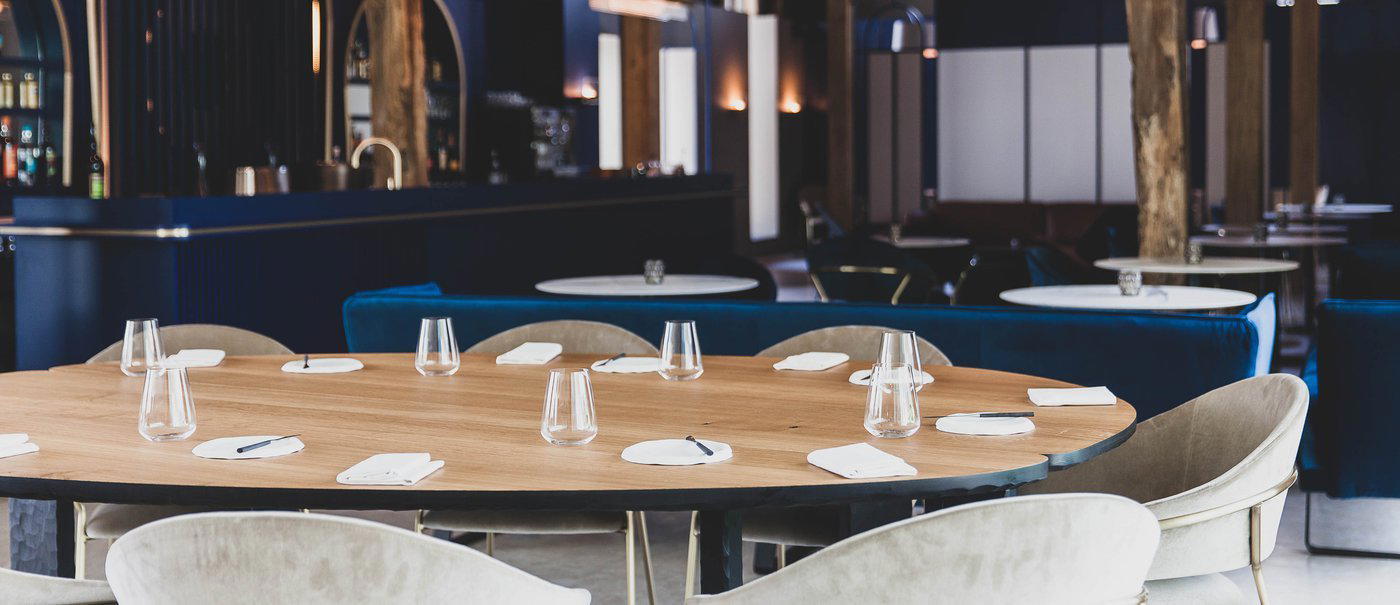
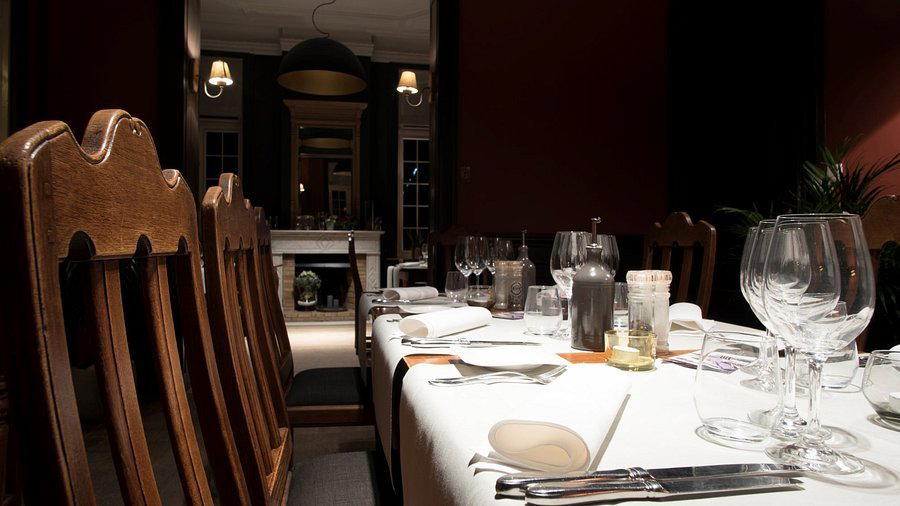
Bars in Saint Vith
Browse all →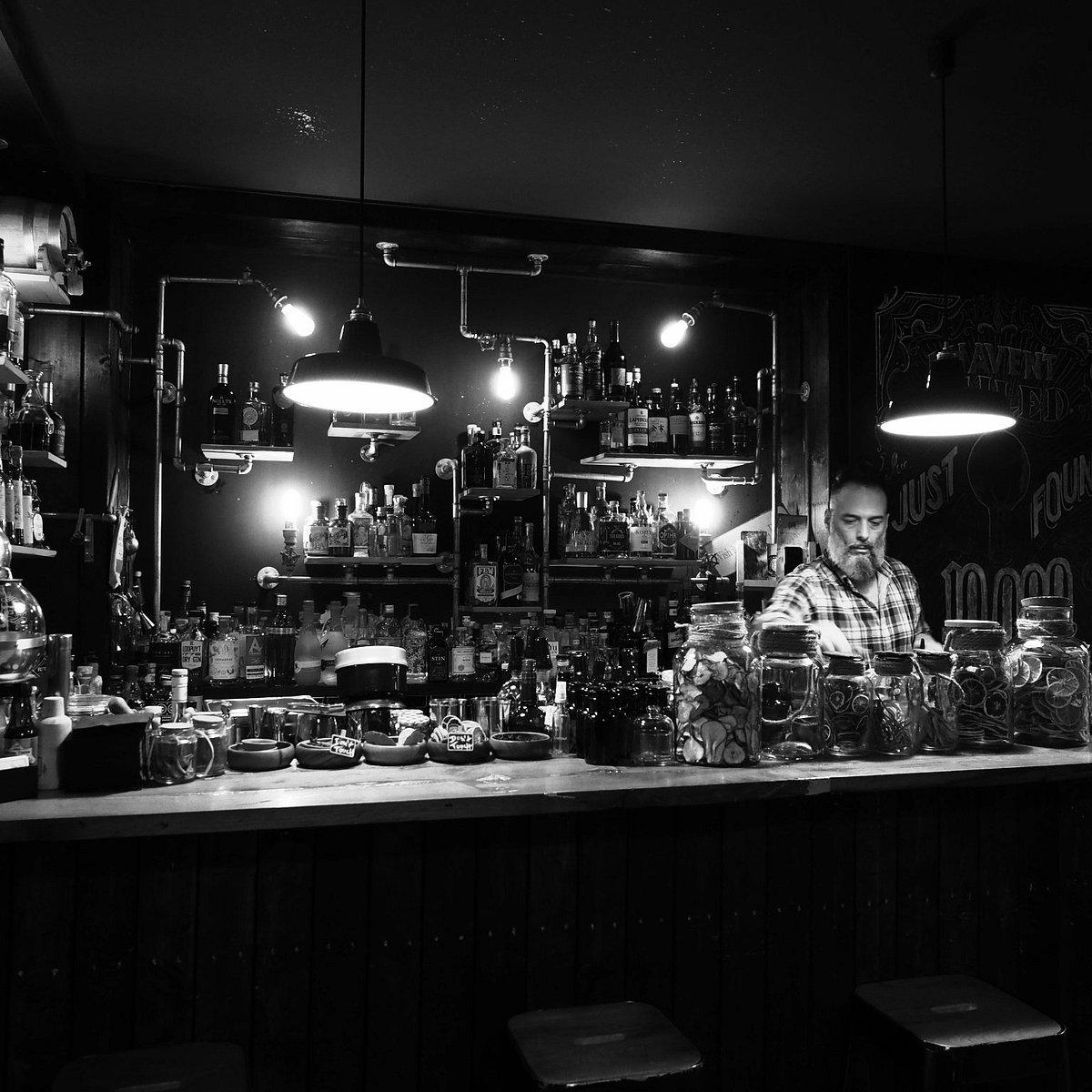
Hotels in Saint Vith
Browse all →
Wineries in Saint Vith
Browse all →
Pip-Margraff
The wine
- Wine program
- Curated wine list
- Extensive wine list
Details
- Cozy
- Elegant
- Classic
- Date Night
- Special Occasion
- Terrace
- Extensive Wine List
- Local Sourcing
- Street Scene
- A La Carte
- Gluten Free Options
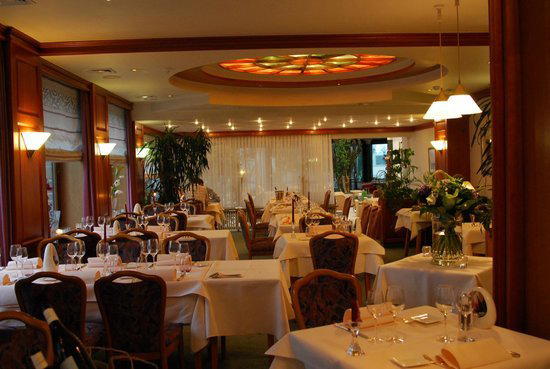
Nicely decorated with cozy bar and terrace, creating a welcoming and comfortable atmosphere praised for its elegance and charm.