Pinch Kitchen
Pinch Kitchen sits along the Biscayne Boulevard corridor in Miami's Upper Eastside, a stretch that has steadily drawn the city's more restless cooking talent away from South Beach and Brickell. The restaurant operates in a neighbourhood defined by its distance from tourist infrastructure, which shapes both who eats there and what ends up on the plate. For Miami dining, that context matters considerably.
Pearl is the En Primeur Club membership app — saves, bookings, and concierge access live there. Same editors, same standards.
- Address
- 8601 Biscayne Blvd, Miami, FL 33138
- Phone
- +13056312018
- Website
- pinchmiami.com
- Directions
- Get directions
 Saves & bookings on Pearl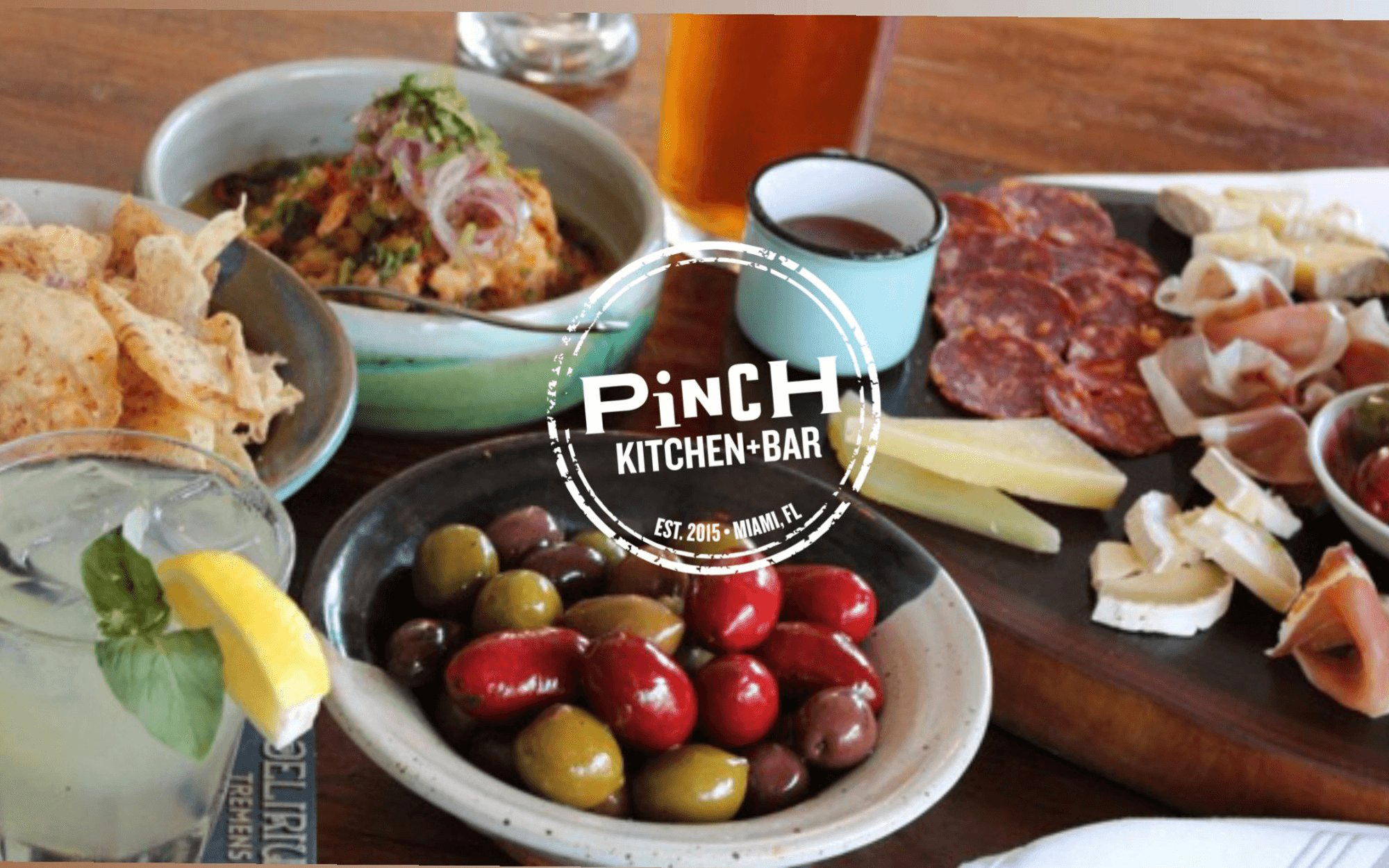
Upper Eastside, and What It Means for the Plate
Miami's dining geography has been reorganising for the better part of a decade. Pinch Kitchen is a Miami restaurant on Biscayne Boulevard, serving New American Small Plates in the Upper Eastside. The centre of gravity has shifted, or more precisely, it has multiplied. South Beach still draws volume; Brickell attracts expense-account traffic; but the stretch of Biscayne Boulevard running through the Upper Eastside has accumulated something different: restaurants that seem to be cooking for residents rather than visitors, where the room reflects the neighbourhood rather than a brand concept imported from elsewhere.
Pinch Kitchen occupies a position along that corridor, at 8601 Biscayne Blvd, in a part of Miami that sits well north of the Design District and well south of the city's suburban sprawl. The Upper Eastside is not a destination neighbourhood in the conventional sense. It lacks the retail infrastructure and hotel density that push tourists toward Wynwood or the Beach. That relative remove is precisely what gives restaurants here a different kind of operating logic. The room tends to fill with people who chose to be there, which changes the energy in ways that are difficult to manufacture in a high-traffic corridor.
In cities from New Orleans to San Francisco, the restaurants that attract durable critical attention often sit one or two removes from the obvious centre. Lazy Bear in San Francisco built its reputation in a Mission neighbourhood context that ran counter to the city's established fine dining axis. The geography becomes part of the editorial statement.
The Corridor and Its Peers
The city's most discussed independent restaurants currently span a wide price and format range. Boia De, the Italian-leaning counter in Little Haiti, operates in the $$$ tier and has become one of the more reservation-resistant tables in the city. Ariete in Coconut Grove anchors the $$$$ modern American bracket with a format that has remained consistent through considerable critical scrutiny. Cote Miami in the Design District applies Korean steakhouse logic to a price point that aligns with the building's address.
Pinch Kitchen's address places it in a different neighbourhood conversation than any of those venues. The Upper Eastside comparables tend to be lower-profile in terms of marketing but higher in terms of neighbourhood loyalty, a trade-off that suits certain dining formats considerably better than others. The restaurants in this part of Biscayne are not competing for the same opening-night audience as a Design District launch. They earn their reputation more slowly, through repeat visits from a tighter geographic radius.
ITAMAE represents Miami's Peruvian-Japanese axis at a precision level, while L'Atelier de Joël Robuchon Miami anchors the French fine dining tier with the weight of an international brand. The restaurant operates in a different register entirely, closer in spirit to the neighbourhood-first ethos that defines the city's most interesting independent cooking.
What the Format Signals
the compact neighbourhood restaurant with a focused menu, a room that fits comfortably rather than impressively, and cooking that reflects what the kitchen wants to do rather than what the market has decided it wants to see. This format has produced some of the country's most discussed tables. Blue Hill at Stone Barns built an entire agricultural philosophy around this approach. Addison in San Diego applies a version of that discipline to Southern California's ingredient availability.
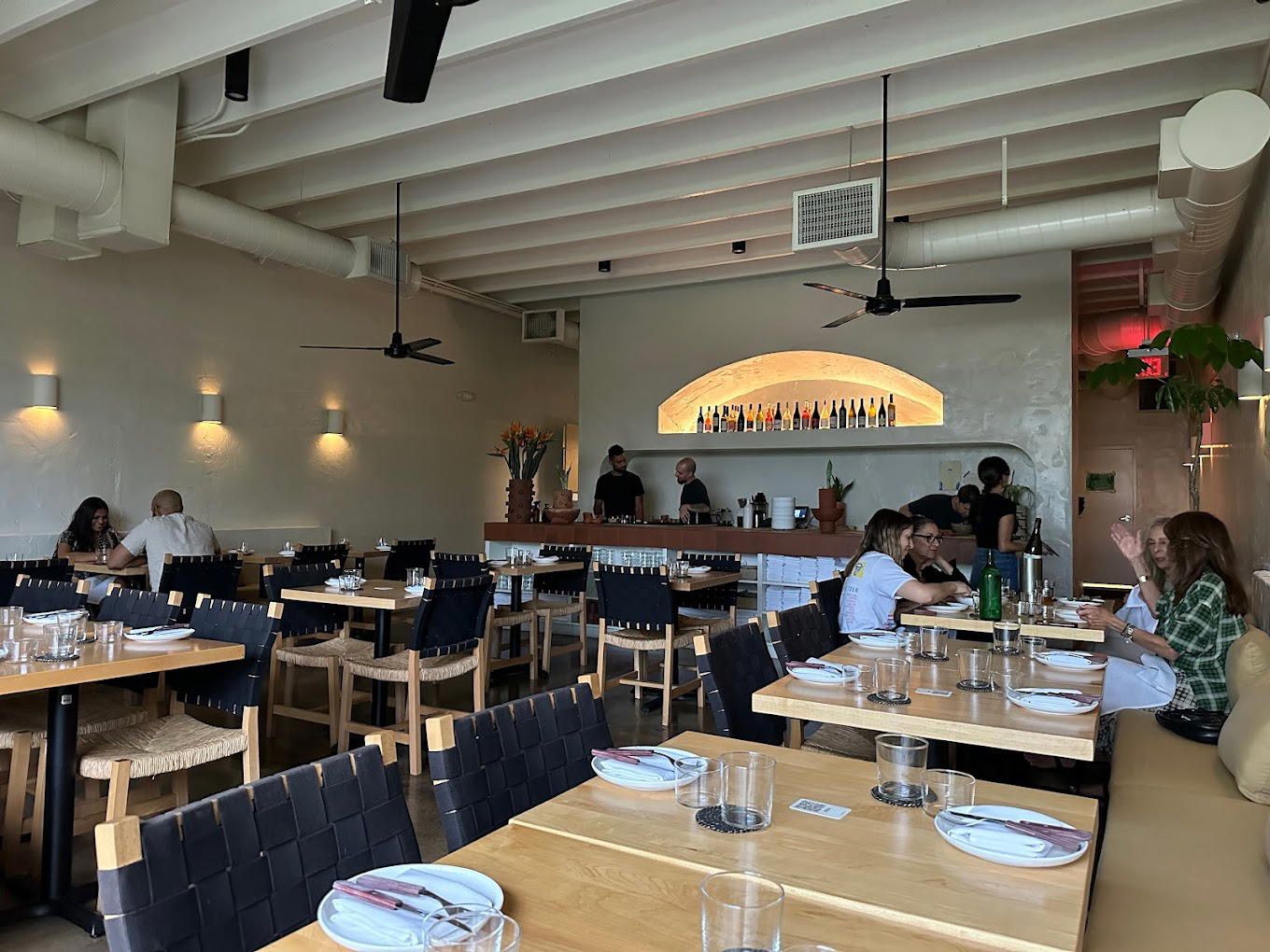
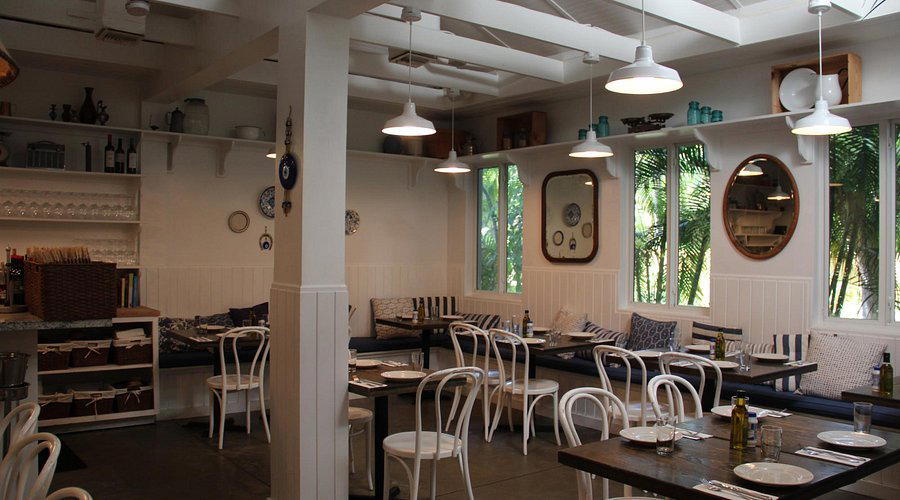
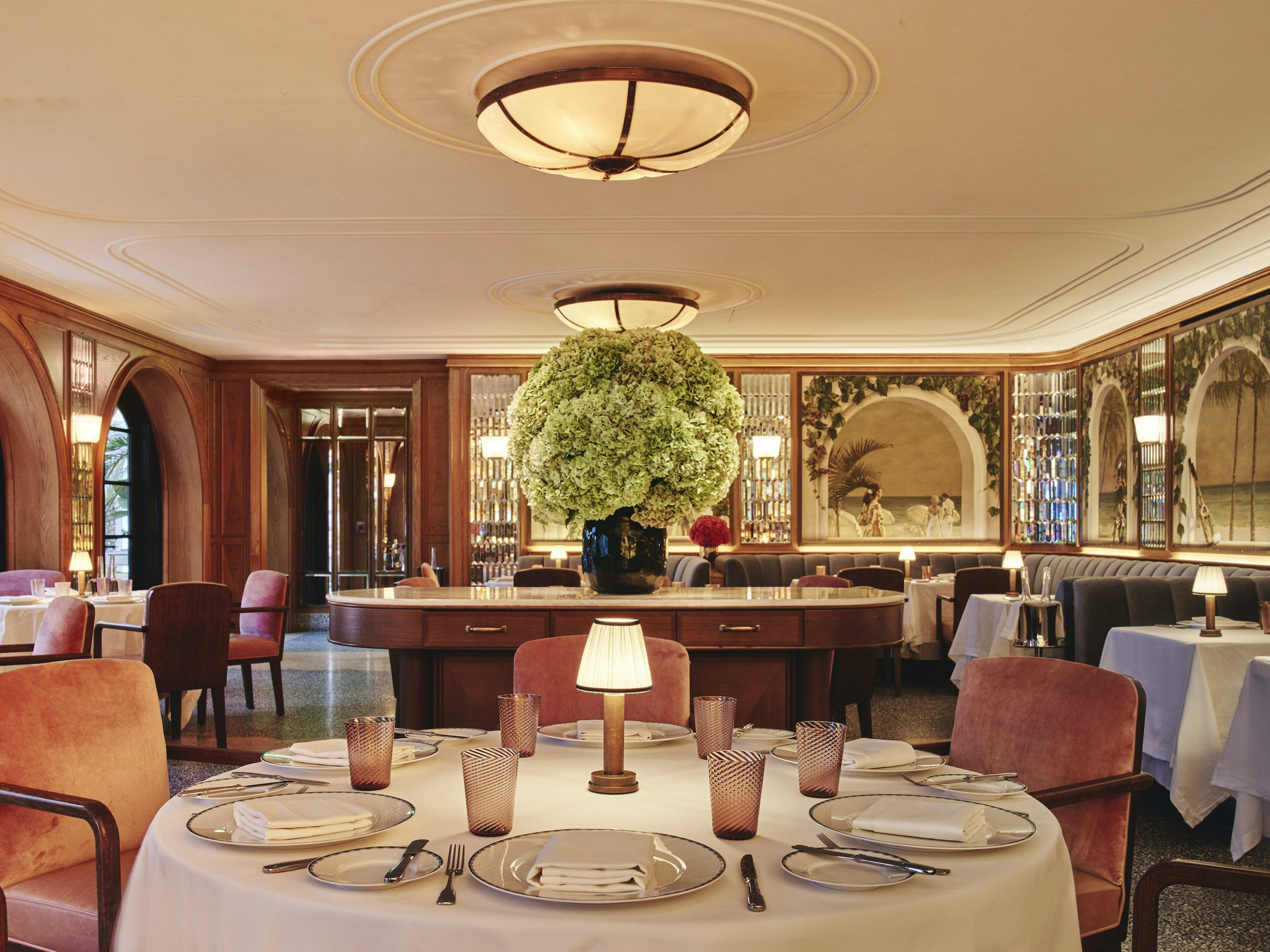
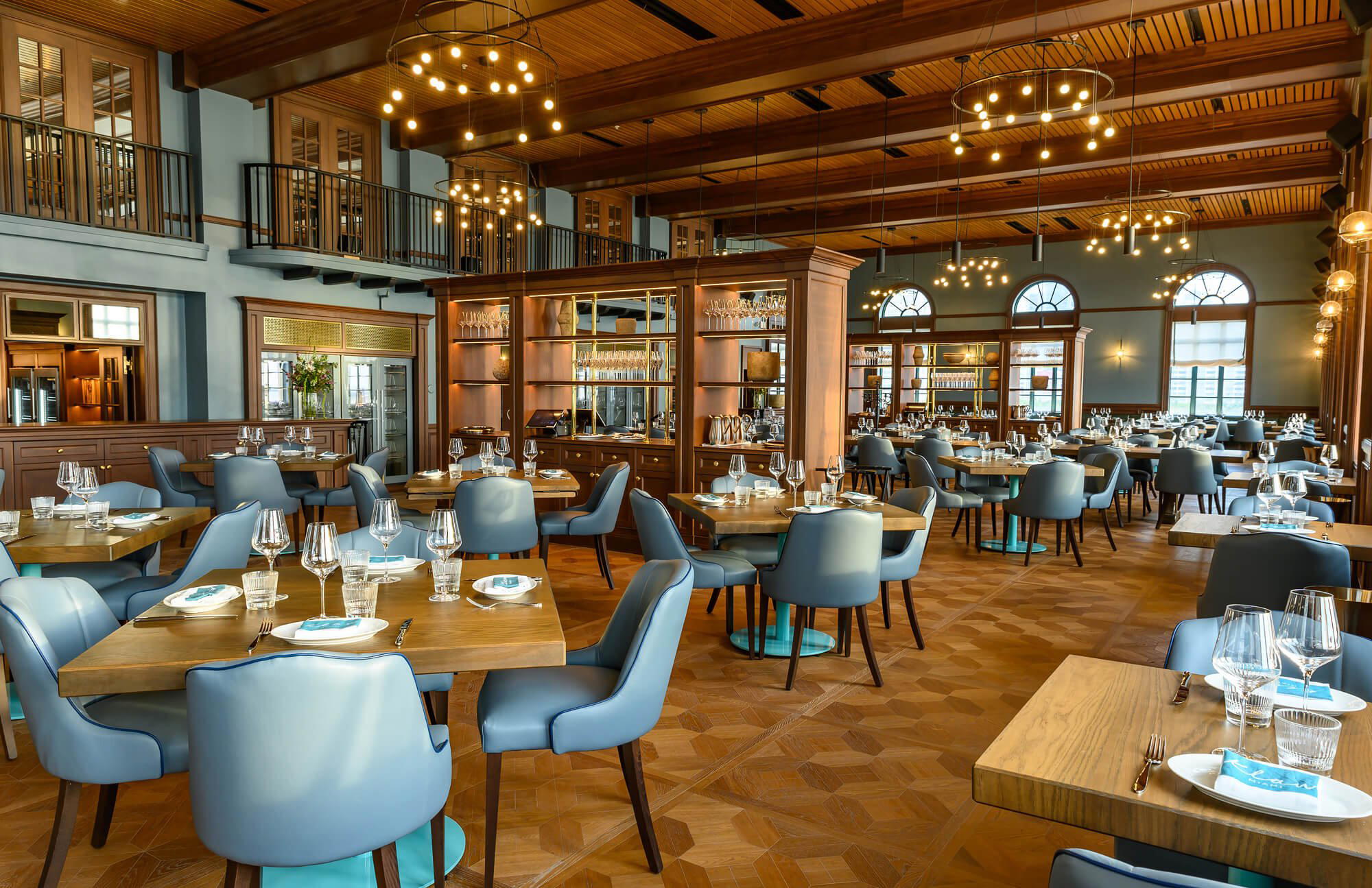
The Upper Eastside's dining character aligns with a similar set of instincts. Restaurants here are not typically designed to impress on arrival; they are designed to reward return visits. The physical environment on this stretch of Biscayne runs toward the informal: converted storefronts, modest signage, rooms that seat comfortably rather than ambitiously. That informality is a deliberate register, not an absence of design thinking.
The restaurant sits within a Miami dining tier that values cooking credibility over room spectacle. The comparison set for a restaurant in this neighbourhood is less about price bracket and more about the kind of attention the kitchen demands from its guests.
Miami's Independent Scene in Context
Miami is sometimes discussed as a city where dining trends arrive from elsewhere and the local independent scene operates in their shadow. That reading has become less accurate over the past several years. The city now has a cohort of independent restaurants with genuine critical standing that owe nothing to New York or Los Angeles templates. Boia De has received national attention on the strength of its cooking rather than its concept. Ariete has maintained a consistent identity through a period of considerable market noise.
The Upper Eastside's place in that picture has strengthened as the city's culinary attention has spread beyond its traditional dining corridors.
Alinea in Chicago to Providence in Los Angeles to Atomix in New York City, share a commitment to format discipline that neighbourhood restaurants like Pinch Kitchen echo at a different scale. The ambition does not require the infrastructure of a destination fine dining room to be legible.
Quick Comparison
Comparable venues nearby, for context on price, style, and recognition.
| Venue | Cuisine | Price | Notes |
|---|---|---|---|
| Pinch KitchenThis venue — the venue you are viewing | New American Small Plates | $$$ | Not listed |
| Balans | Contemporary American Brasserie | $$ | Brickell |
| Miami Smokers- Urban Smokehouse | Urban Smokehouse BBQ | $$ | Little Havana |
| Sparky's Roadside Barbecue | Roadside Barbecue | $$ | Downtown |
| Crazy About You | American Waterfront Dining | $$ | Miami Financial District |
| Isabelle's Coconut Grove | Contemporary American Grill & Garden | $$$ | Coconut Grove |
At a Glance
- Cozy
- Trendy
- Brunch
- Casual Hangout
- Open Kitchen
- Craft Cocktails
- Local Sourcing
Current opening hours
- Monday
- Closed
- Tuesday
- 12–10 PM
- Wednesday
- 12–10 PM
- Thursday
- 12–10 PM
- Friday
- 12–10 PM
- Saturday
- 12–10 PM
- Sunday
- 12–9 PM
Hours can change for holidays and private events. Last verified .
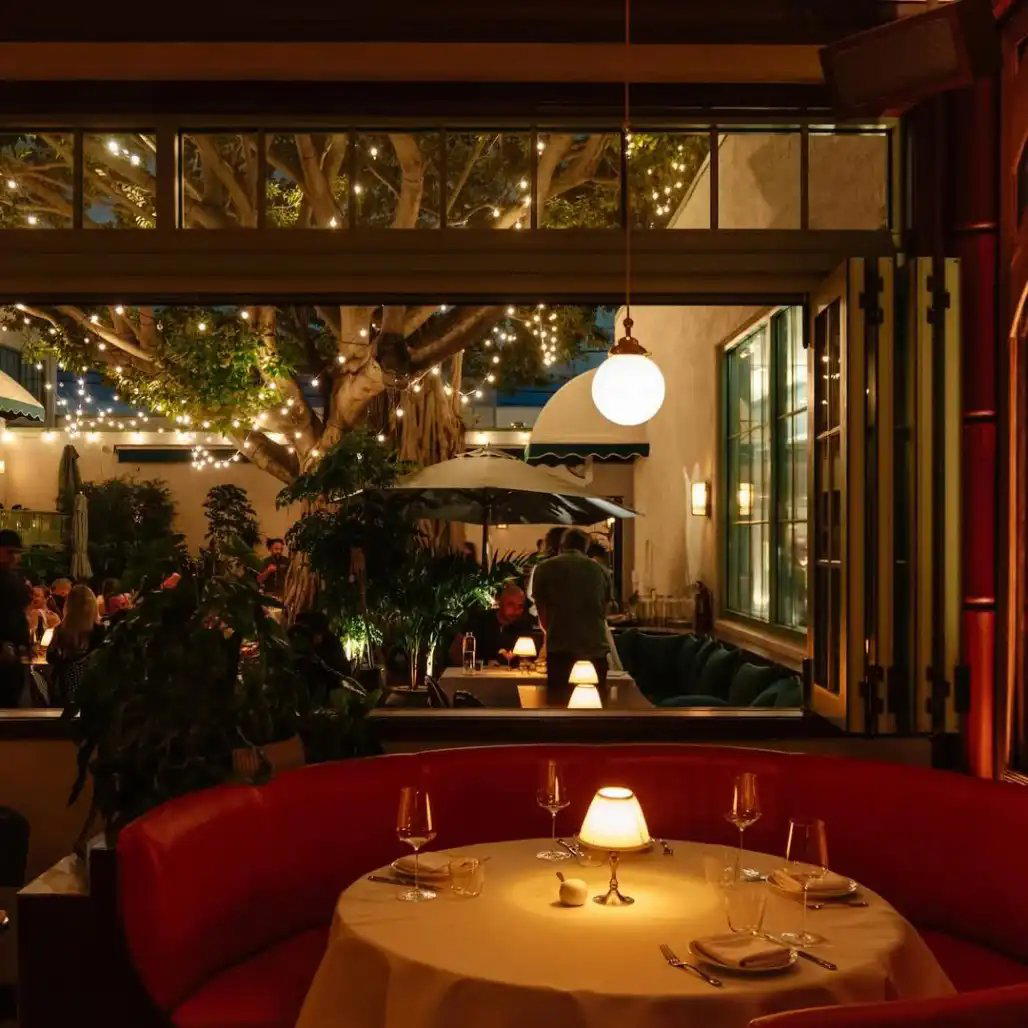
Cozy and charming small space with a welcoming neighborhood vibe.