
Pin Wei Jiang Nan holds a Michelin Plate (2025) for Huaiyang cuisine in Nanjing's Jiangning District, positioning it in the mid-to-upper tier of a city that takes its regional cooking seriously. The kitchen draws on the ingredient traditions of the Huai and Yangtze river corridors, where produce quality and knife technique carry more weight than sauce complexity. Priced at ¥¥¥, it sits above casual Huaiyang options without reaching the ¥¥¥¥ bracket of peers like Jiangnan Wok · Yun.
Pearl is the En Primeur Club membership app — saves, bookings, and concierge access live there. Same editors, same standards.
- Address
- China, Jiangsu, Nanjing, Jiangning District, 方正路 邮政编码: 211111
- Phone
- +86 25 8471 8888
- Directions
- Get directions
 Saves & bookings on Pearl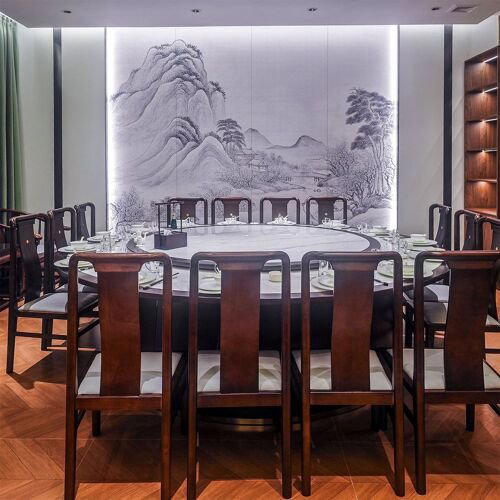
Where Huaiyang Discipline Meets the Jiangning Table
The Jiangning District sits at the southern edge of Nanjing's urban sprawl, where the density of the old city gives way to broader roads and newer development. Restaurants here operate in a different register from the tourist-facing dining around Confucius Temple or the lakeside venues further north. The audience is local, the expectations are specific, and recognition in this postcode signals something different from recognition on a high-visibility dining street: it suggests a kitchen earning notice on the merits of the food rather than the address.
Pin Wei Jiang Nan is recognized in the Michelin Guide, placing it within a select group of Nanjing restaurants that the Guide judges worth a stop. That distinction is meaningful in a city where Huaiyang cooking is not a novelty but a baseline expectation. Nanjing diners eat Huaiyang food the way Lyonnais diners eat bouchon fare: with the critical familiarity of a culture that considers this its own.
The Ingredient Logic of Huaiyang Cooking
To understand what a Huaiyang kitchen is doing, the starting point is always sourcing. The tradition descends from the river and lake systems of the Jiangsu-Anhui corridor, where freshwater fish, seasonal aquatic vegetables, and riverine produce form the larder. This is not a cuisine built on dried, aged, or fermented components the way Cantonese or Hunanese cooking can be. Huaiyang cooking depends on the produce arriving in good condition and the kitchen doing relatively little to it, which means that the quality of what comes through the door is the primary variable in what lands on the table.
Seasonal timing matters here more than in many Chinese regional traditions. The late-autumn crab season, spring bamboo shoots, lotus root harvested from nearby lakes, and the river fish that cycle through different eating quality across the year all shape what a Huaiyang menu can credibly offer at any given point. A kitchen at Pin Wei Jiang Nan's price point has the operating margin to source at a level that a lower-priced operation cannot sustain consistently, which is part of what separates the mid-tier from the casual end of the market.
Huaiyang technique is famously about the knife and the stock pot rather than the wok. Braised preparations, delicate steamed fish, and the intricate cutting work that turns a single ingredient into an architectural composition characterise the canon. The difficulty for a diner unfamiliar with the tradition is that this restraint can read as simplicity. What looks like a plain braised pork or a clear-broth fish dish represents, in a competent kitchen, considerable technical control. Michelin recognition at Pin Wei Jiang Nan suggests the execution is at a level the Guide considers consistent.
Where Pin Wei Jiang Nan Sits in the Nanjing Huaiyang Field
Nanjing's Huaiyang dining options span a wide range. At the upper end, Jiangnan Wok · Yun operates at ¥¥¥¥, where the experience extends beyond the plate into room design and service architecture. At the more accessible end, venues like Hou Pin Xiao Yuan serve the tradition in a less formal register. The restaurant at ¥¥¥ positions itself in the middle tier: serious enough to attract Michelin attention, accessible enough that the price does not itself become the story.
That middle position is often where particularly instructive Huaiyang eating happens. The ¥¥¥¥ category tends toward performance; the ¥¥ category toward volume. At ¥¥¥, the kitchen has resources to source well and to maintain the technical standards Huaiyang requires, without the pressure to theatricalise the experience for an international clientele expecting spectacle. For a diner who wants to understand what the cuisine actually is rather than what it can be dressed up as, this tier often delivers more honestly. For additional reference points in this price band, Jiangnan Wok and Lantchen Reserve represent different takes on Nanjing's mid-to-upper dining register.
The comparison extends beyond Nanjing. Huaiyang cooking has found serious practitioners across eastern China and further afield. The Huaiyang Garden in Macau and Huaiyang Fu in Beijing's Dongcheng represent the tradition transplanted to major hospitality markets, where the cuisine competes against Cantonese and Shanghainese cooking for the attention of a cosmopolitan audience. In Nanjing, there is no such competition: Huaiyang is the home tradition, and the diners arriving at the restaurant bring the expectations of people who grew up eating this food.
The Jiangning Context
The Fangzheng Road address in Jiangning places the restaurant in a district that has grown substantially over the past two decades as Nanjing has expanded southward. The neighbourhood dynamic here is residential and commercial rather than tourist-facing, which shapes the dining room's likely composition: regulars, local professionals, and family groups rather than visiting diners working through a restaurant guide. That context tends to impose its own quality discipline. A kitchen in this kind of postcode cannot rely on transient footfall to cushion a drop in standards; the customer base comes back, or it does not.
For visitors approaching from central Nanjing, Jiangning requires a deliberate trip. That commitment tends to self-select for diners who are coming specifically for the food rather than combining a meal with sightseeing. Similar dynamics apply to Longyin Shanfang, another Jiangning restaurant worth the journey for those willing to move beyond the city centre's more obvious dining corridor.
Planning a Visit
The restaurant carries a ¥¥¥ price designation, and a meal for two with tea and shared dishes is typically around $60 per person. The restaurant's recognition provides assurance of a recognized standard of cooking, and reservations are recommended. Reservations are recommended.
Those with an interest in how Huaiyang cooking travels beyond its home region can cross-reference with Xin Rong Ji in Beijing, 102 House in Shanghai, Ru Yuan in Hangzhou, Xin Rong Ji in Chengdu, Chef Tam's Seasons in Macau, and Imperial Treasure Fine Chinese Cuisine in Guangzhou for a wider map of how Jiangnan culinary traditions move through the country's major dining cities.
What Regulars Order
What do regulars order at the restaurant? Without published menu data, the honest answer is that the Huaiyang canon gives a reliable guide. At a ¥¥¥ Michelin-recognised Huaiyang kitchen in Nanjing, the dishes that regulars return for tend to be those where the kitchen's sourcing and technical control are most visible: braised preparations where the quality of the primary ingredient cannot be masked, steamed fish where texture and freshness are the entire point, and seasonal produce dishes that change with what the Jiangsu waterways and farmland are producing at any given time. The Jiangnan Wok · Yun and Hou Pin Xiao Yuan reference points offer additional context for how Nanjing's Huaiyang kitchens across different price tiers approach the same core repertoire. Recognition in the Michelin Guide anchors the restaurant's credentials in the tradition.
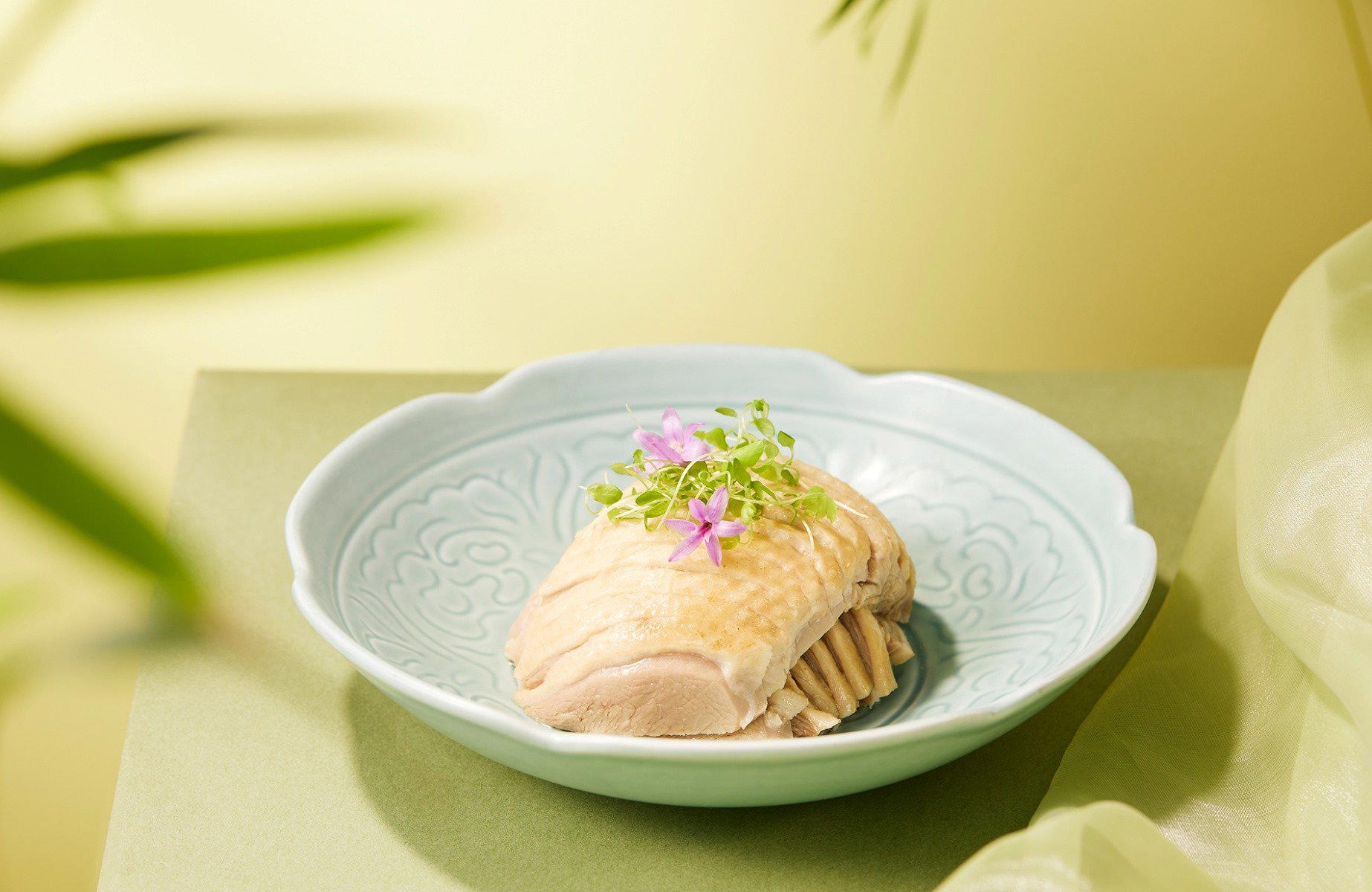
- shredded dried tofu with lobster braised in chicken stock
- home-style deep-fried veal
- private house-style braised veal with tangerine peel
- sand pot fish head Buddha jumps over the wall
- soft-shell crab from Huai'an
- pine nut mandarin fish
Pricing, Compared
Comparable venues nearby, for context on price, style, and recognition.
| Venue | Cuisine | Price | Awards |
|---|---|---|---|
| Pin Wei Jiang NanThis venue — the venue you are viewing | Jianye, Modern Huaiyang | $$$ | Michelin Plate |
| Longyin Shanfang (Jiangning) | Jiangning, Modern Huaiyang Cuisine | $$$ | Michelin Plate |
| Yu Chuan | Xuanwu, Modern Sichuan | $$$ | Michelin Plate |
| Plum Garden | Xinjiekou, Huaiyang & Nanjing Classics | $$$ | Michelin Plate |
| Hou Pin Xiao Yuan | Jianye, Huaiyang Cuisine | $$ | Bib Gourmand |
| Chi Man | Xuanwu, Jiangzhe | $$ | Bib Gourmand |
Recognition history
Dated appearances from independent guides and award organizations, with the underlying list record or original source where available.
Michelin Plate
Michelin

At a Glance
- Elegant
- Scenic
- Sophisticated
- Modern
- Business Dinner
- Celebration
- Special Occasion
- Date Night
- Panoramic View
- Hotel Restaurant
- Rooftop
- Skyline
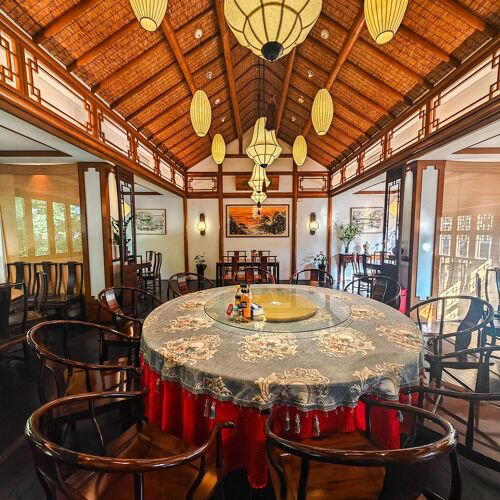
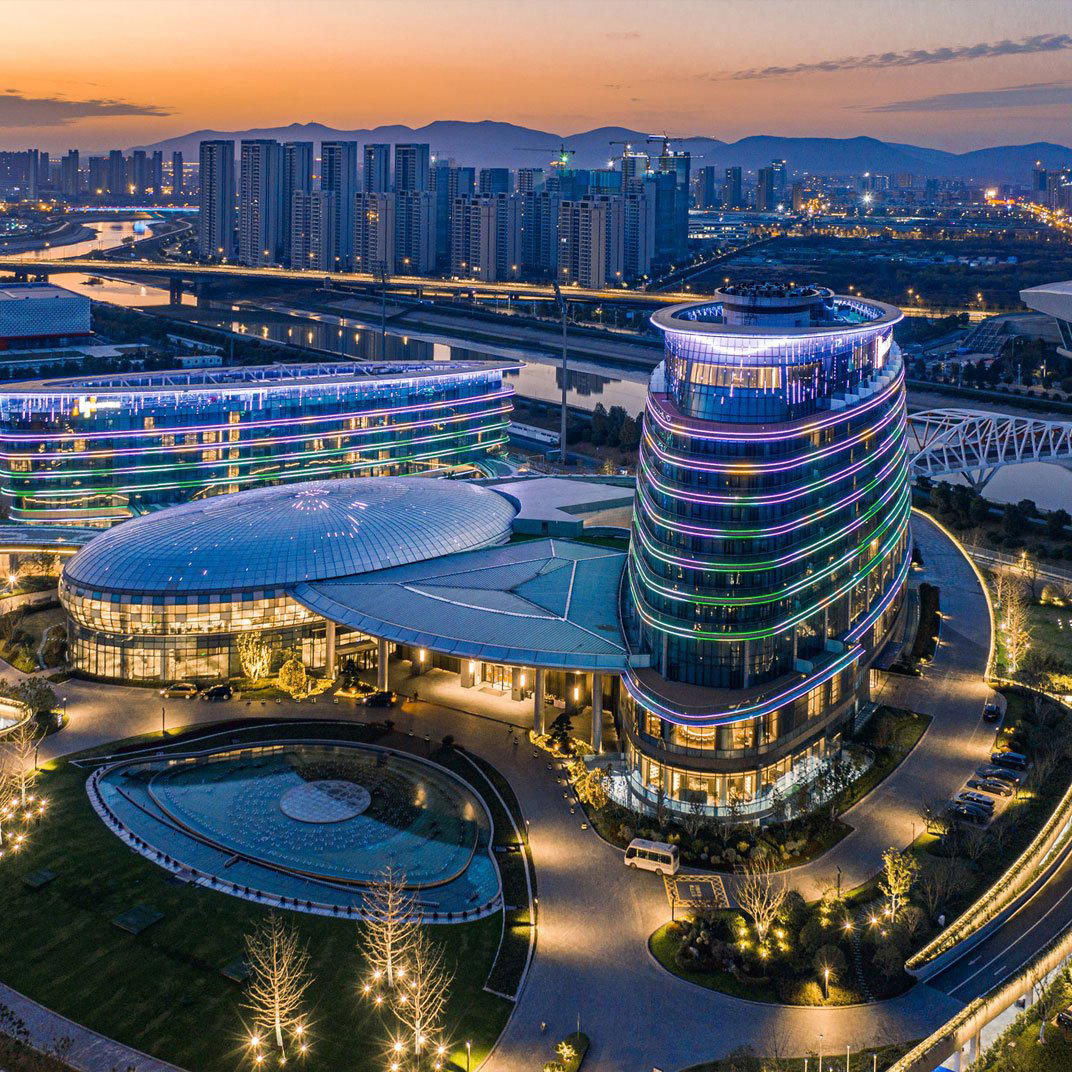
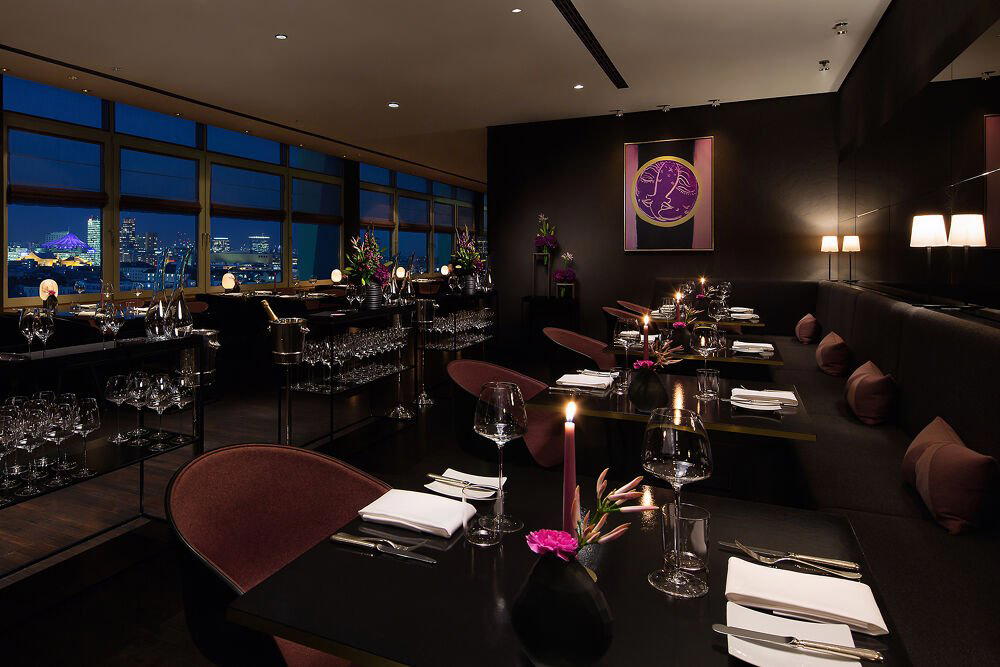
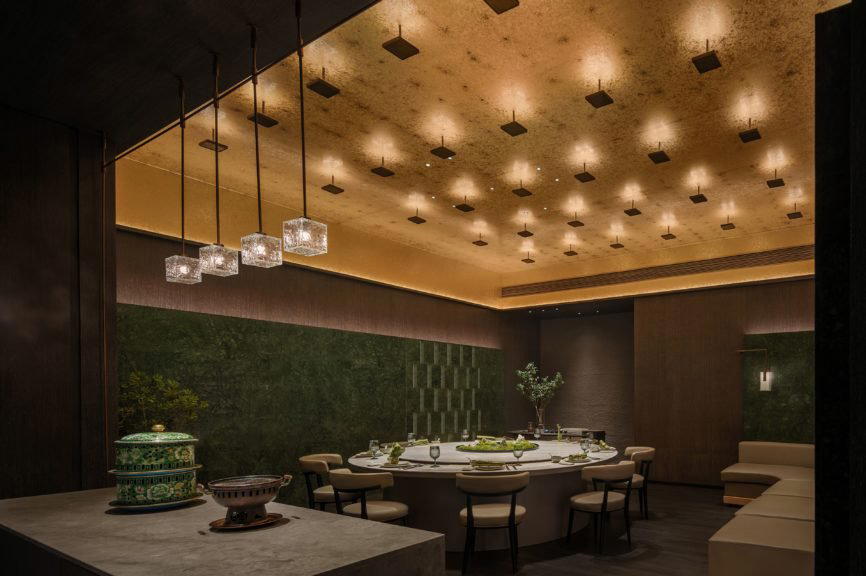
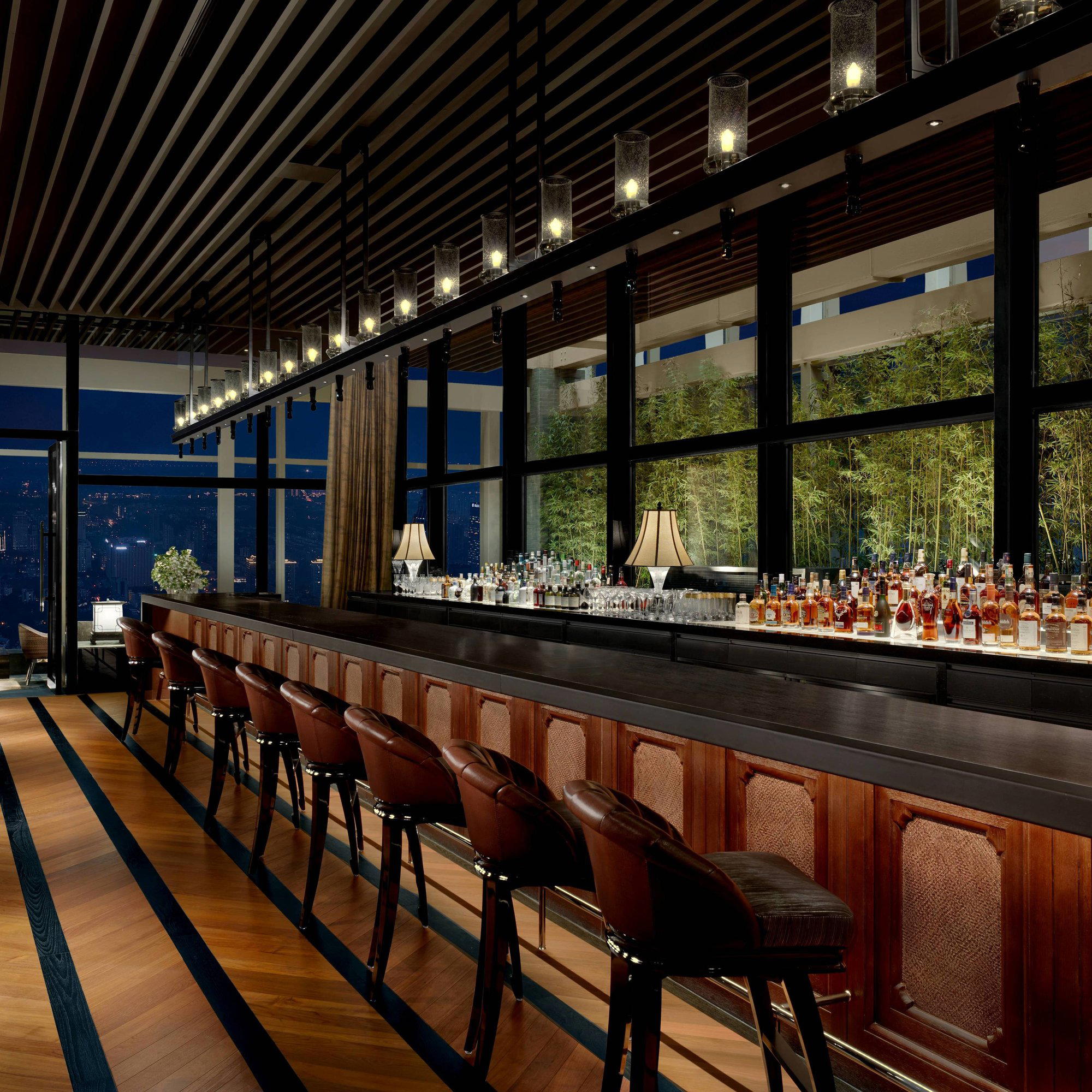
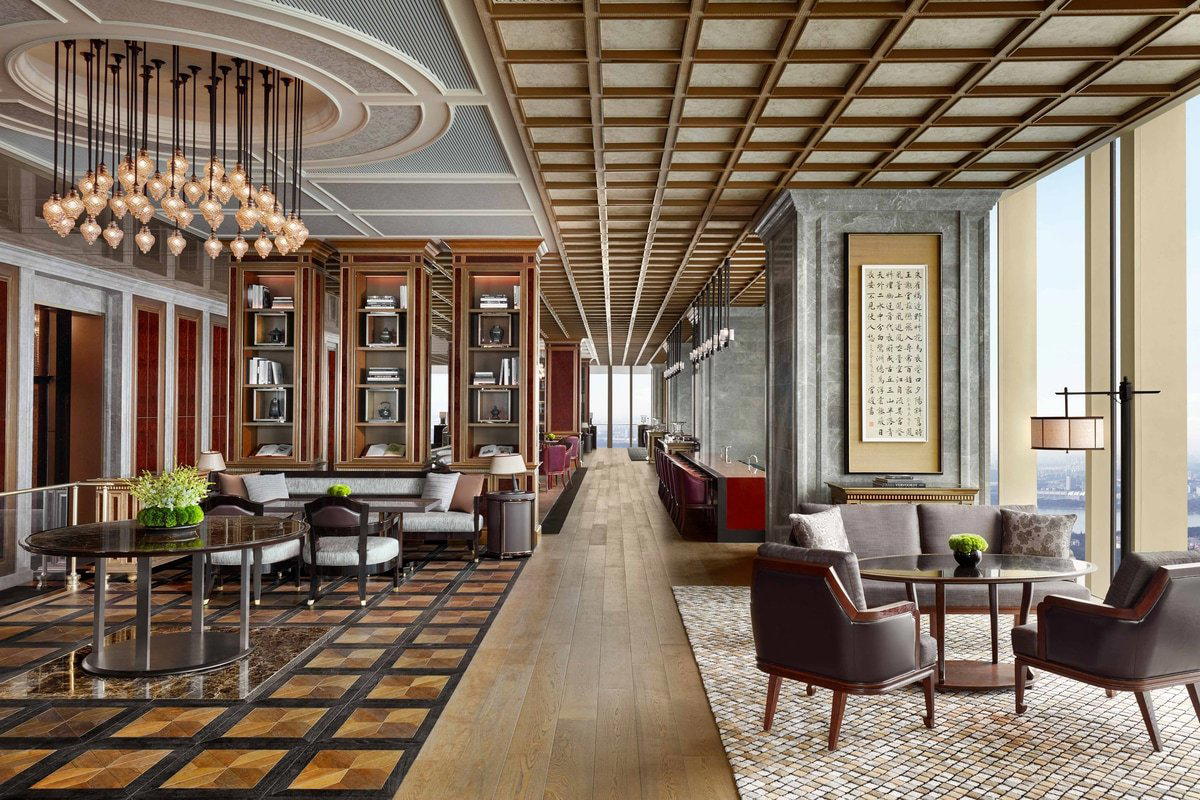
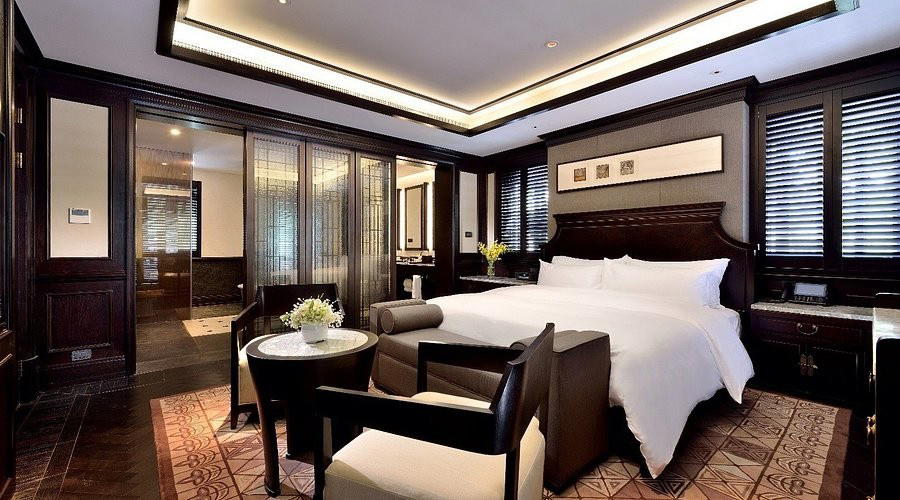
Elegant and serene with high-altitude vistas; decor melds ancient traditions with modern aesthetics, creating an upscale yet refined atmosphere.