The Brunswick Hotel

World Travel Awards
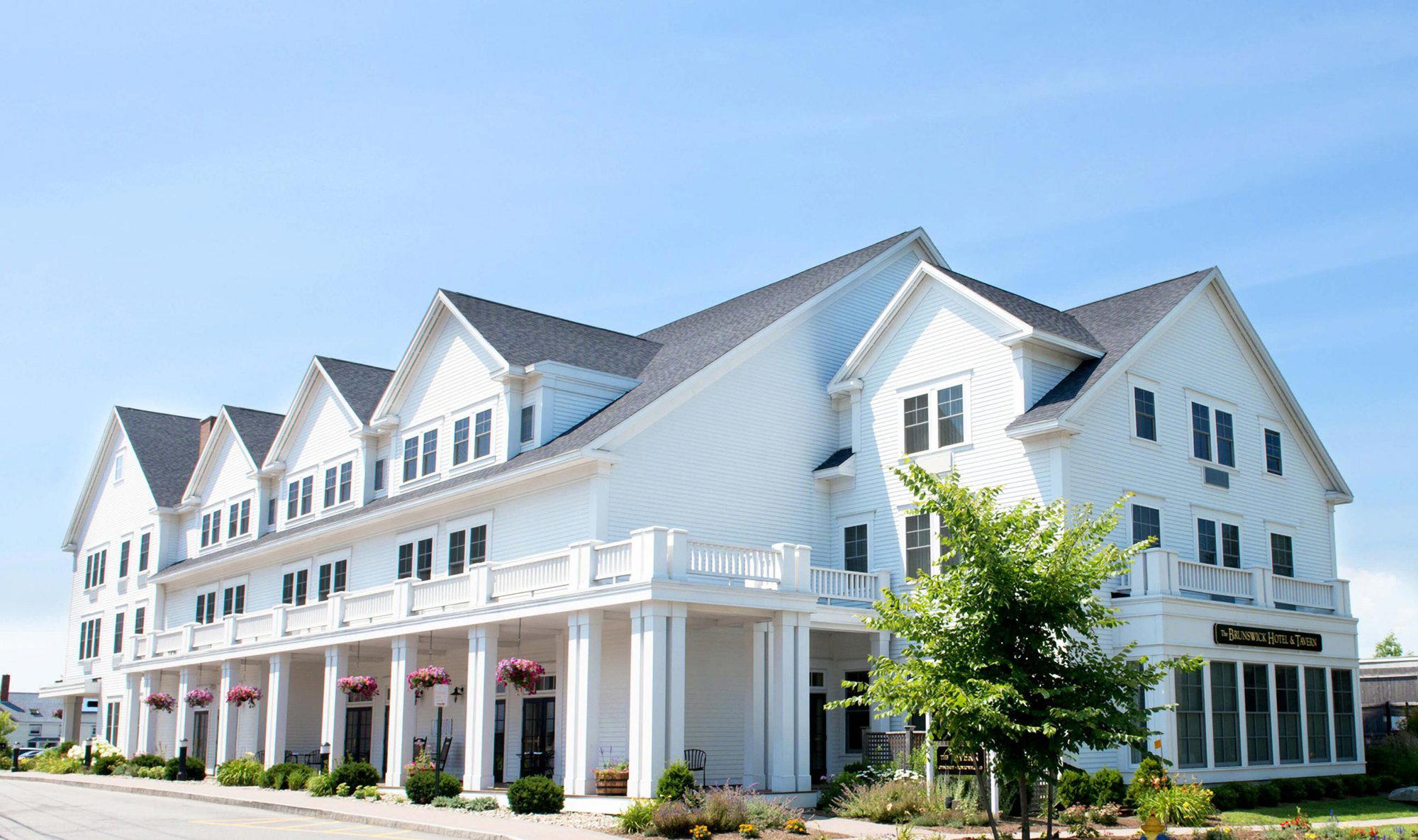
The Brunswick Hotel, named Maine's Leading Boutique Hotel at the 2025 World Travel Awards, occupies a considered position in Brunswick's small but growing premium accommodation scene. Sitting at 4 Noble St in the heart of this mid-coast Maine college town, it represents the design-led, low-key end of New England hospitality rather than the grand resort tradition further up the coast.

Pearl is the En Primeur Club membership app, where members save venues, book tables and use the concierge.
A Boutique Format in Mid-Coast Maine
Brunswick, Maine sits at an interesting crossroads in American boutique hospitality. The mid-coast corridor, running north from Portland through Freeport and into the Boothbay peninsula, has gradually built a case for itself as a destination rather than a throughway, and the accommodation category has followed. The shift has been away from the historic inn format that dominated New England's smaller cities for generations, and toward a more deliberate design sensibility that treats the physical space as an editorial statement rather than a backdrop. The Brunswick Hotel, at 4 Noble St in the center of town, sits within that newer cohort.
That World Travel Awards designation is worth contextualizing. The award draws nominations from travel professionals and public votes across a defined competitive set, and a state-level win in the boutique category speaks to consistent recognition across both trade and consumer audiences. For Maine, where the boutique hotel category is relatively thin compared to the broader resort and inn traditions, the distinction carries weight. Properties in this category tend to be assessed on design cohesion, service personalization, and how well the physical space reflects and responds to its location rather than on scale or amenity volume.
The Architecture of Attention
The editorial angle on any serious boutique property starts with the building. In New England's smaller cities, the question is almost always the same: adaptive reuse or purpose-built? Brunswick's built environment is defined by Federal and Greek Revival architecture, a legacy of its early-19th-century civic ambitions and its long relationship with Bowdoin College, which has shaped the town's streetscape since 1794. Properties that succeed here tend to either work with that historical grain or make a deliberate, confident argument against it. Generic contemporary hospitality gestures rarely land in this context; the architecture of the surroundings is too specific to ignore.
Without published specifics on the hotel's interior design program, what can be said with confidence is structural: the boutique format itself imposes a discipline that larger properties escape. With fewer rooms comes a higher design-per-square-foot expectation from guests who have chosen this category precisely because they do not want the anonymous corridor experience of a business hotel or the programmatic luxury of a full-service resort. That expectation shapes everything from how light enters public spaces to the selection of materials and the ratio of communal to private areas. Boutique properties that earn sustained trade recognition generally solve these spatial problems with a point of view rather than a checklist, and a Maine's Leading Boutique Hotel designation in 2025 suggests The Brunswick Hotel is doing something in that space that registers with both industry observers and returning guests.
For comparison within the wider American boutique hotel scene, properties like Troutbeck in Amenia and Chicago Athletic Association in Chicago have built strong identities by leaning hard into their buildings' histories and materiality. At the other end of the design spectrum, properties such as Ambiente in Sedona make the surrounding landscape the primary design argument. The Brunswick Hotel's position in a walkable New England college town gives it a different set of raw materials: civic architecture, academic atmosphere, and a year-round local culture that extends well beyond summer tourism.
Brunswick as a Hotel Context
The choice to stay in Brunswick rather than Portland, Freeport, or the peninsulas further east is a particular one, and guests who make it tend to be interested in something specific. Brunswick operates on a different register from Portland's restaurant-driven scene or the seasonal resort culture of the Boothbay and Penobscot areas. It is a working New England town with a significant cultural footprint: Bowdoin College brings a steady calendar of lectures, performances, and exhibitions, and the town's historic downtown along Maine Street supports an independent retail and dining culture that remains active outside the peak summer window.
This matters for how a hotel property here should function. Unlike a resort destination where the property itself is the primary activity, a boutique hotel in Brunswick operates in service of engagement with the town. The leading properties in similar positions, like Blackberry Farm in Walland or SingleThread Farm Inn in Healdsburg, understand that their role is partly curatorial: pointing guests toward what the surrounding area does well, while providing a physical base that is coherent enough to make the whole trip feel considered. The mid-coast Maine context, with fall foliage season, the coastal cycling routes, access to Popham Beach and Reid State Park, and the arts programming at Bowdoin's museum, gives a well-positioned hotel significant editorial material to work with across most of the calendar year.
Those planning a broader New England or Northeast stay might also look at Raffles Boston for the full urban luxury format, or consider how the region's boutique options compare to design-forward properties at different scales, from The Fifth Avenue Hotel in New York City to Aman New York. For those drawn specifically to the idea of small, place-rooted properties in natural or semi-rural settings, Post Ranch Inn in Big Sur, Amangiri in Canyon Point, and Sage Lodge in Pray all offer instructive points of comparison on what the boutique format can achieve when it commits fully to its physical and geographic context.
For a broader look at where The Brunswick Hotel sits within the mid-coast dining and accommodation scene, see our full Brunswick restaurants guide.
Planning a Stay
The hotel's address at 4 Noble St places it within easy walking distance of Brunswick's downtown core and the Bowdoin campus, which means arrivals by Amtrak's Downeaster service from Boston's North Station (with a stop at Brunswick station) is a practical option that avoids the coastal driving pressures of peak season. Mid-coast Maine's high-demand window runs from late June through Labor Day, and boutique properties in this category tend to book out earlier than their room count might suggest, particularly for weekends that align with Bowdoin's academic calendar events. The World Travel Awards recognition in 2025 is likely to sharpen that demand curve further. Those considering a stay would be better served booking well ahead of the summer window or targeting the shoulder season from late September through October, when the foliage along the Androscoggin River and the coastal routes is at its most compelling and town-side pressure eases considerably.
In Context: Similar Options
Comparable venues nearby, for context on price, style, and recognition.
| Venue | Cuisine | Price | Awards | Notes |
|---|---|---|---|---|
| The Brunswick HotelThis venue (the venue you are viewing) | Contemporary New England boutique hotel blending classic regional character with modern comfort and local cultural integration. | Not listed | World Travel Awards | Not listed |
| Bluebird Ocean Point Inn | New England cottage-style boutique inn | Not listed | Michelin Selected · Mr & Mrs Smith Seal of Approval | East Boothbay |
| Blind Tiger Portland – Carleton Street | Intimate guesthouse in a historic Victorian home. | Not listed | 1 Michelin Key · Mr & Mrs Smith Seal of Approval | West End |
| Portland Harbor Hotel | Historic boutique hotel with nautical coastal charm | $300–500 | Michelin Selected | Old Port |
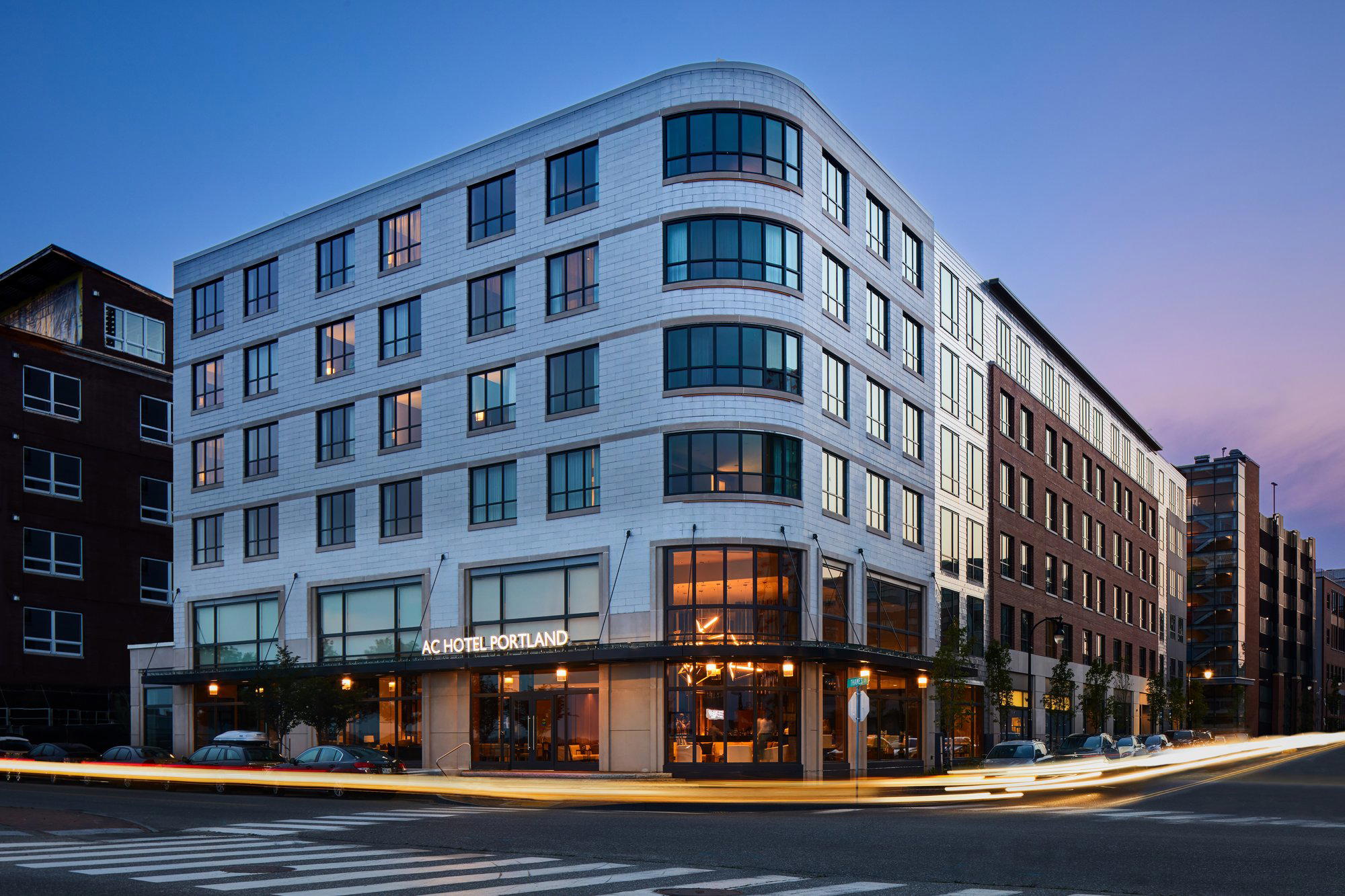
| AC Hotel Portland Downtown/Waterfront, ME | Modern European-inspired design hotel on historic waterfront site | $200–300 | Not listed | Downtown Waterfront |
| Aragosta | Secluded oceanfront retreat on 21 acres of woods and shoreline, blending a relaxed Maine camp feeling with polished food-focused hospitality centered on a private cove. | Not listed | Not listed | Deer Isle |
Recognition history
Dated appearances from independent guides and award organizations, with the underlying list record or original source where available.
World Travel Awards
World Travel Awards
Continue exploring
More in Brunswick
Hotels in Brunswick
All hotels in Brunswick →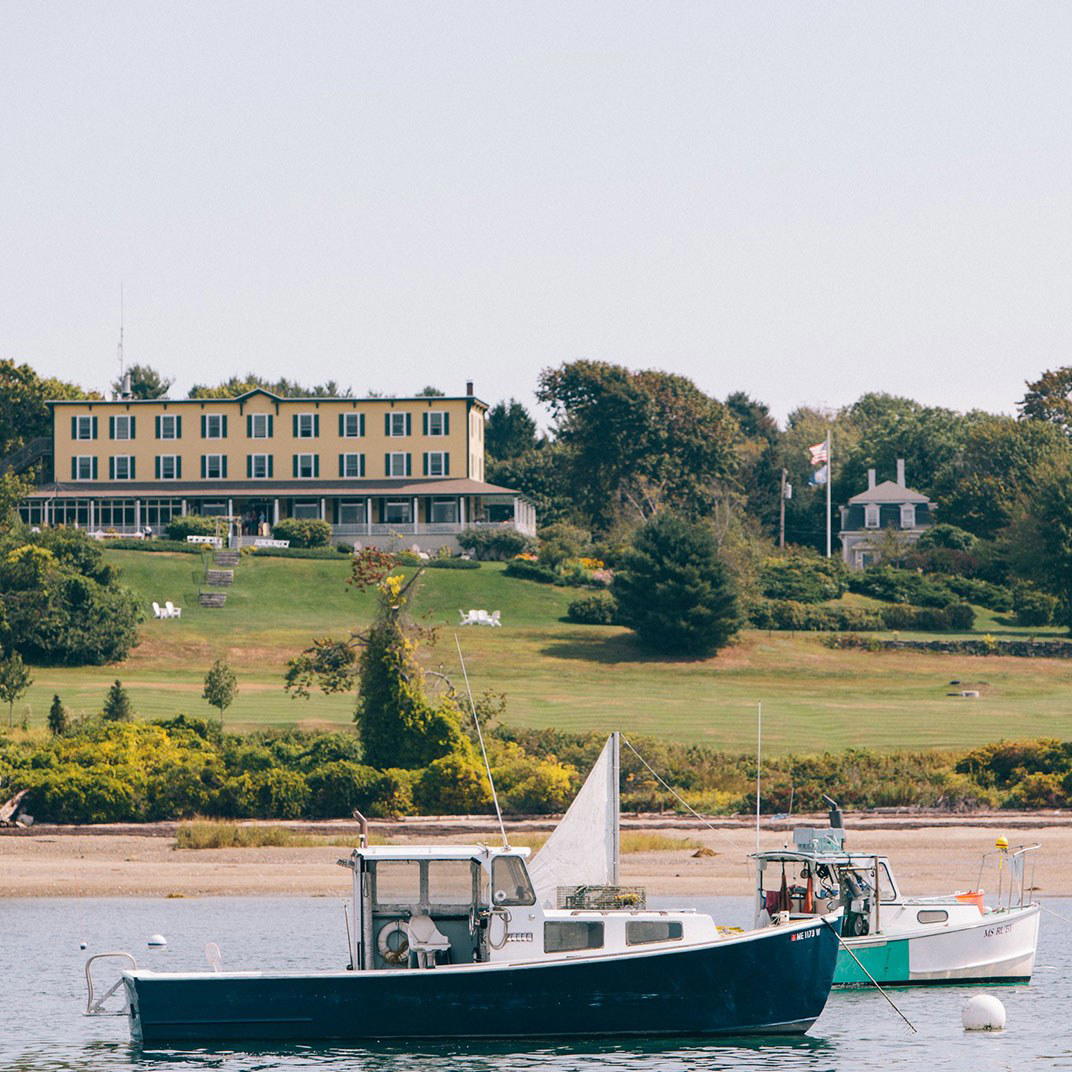

Details
- Elegant
- Classic
- Romantic
- Quiet
- Romantic Getaway
- Family Vacation
- Business Trip
- Weekend Escape
- Destination Wedding
- Terrace
- Historic Building
- Design Destination
- Garden
- Wi Fi
- Fitness Center
- Restaurant
- Bar
- Concierge
- Business Center
- Room Service
- Wheelchair Accessible
- Elevator
- Accessible Restroom
- Accessible Parking
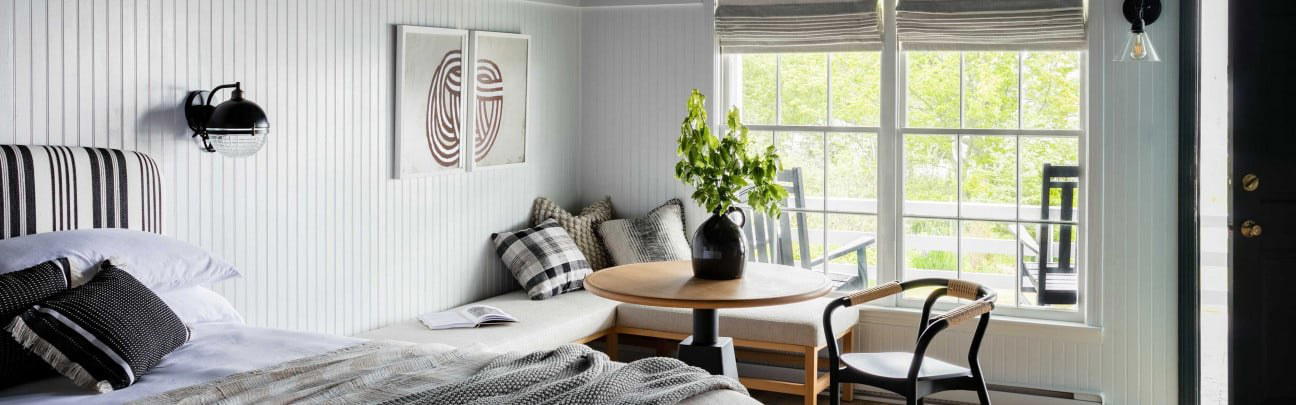
Warm and inviting with fireplaces in the lobby and patio, soft lighting, comfortable lounges, and a welcoming front porch atmosphere that guests describe as feeling like home.