Trenton Bridge Lobster Pound
Our verdict
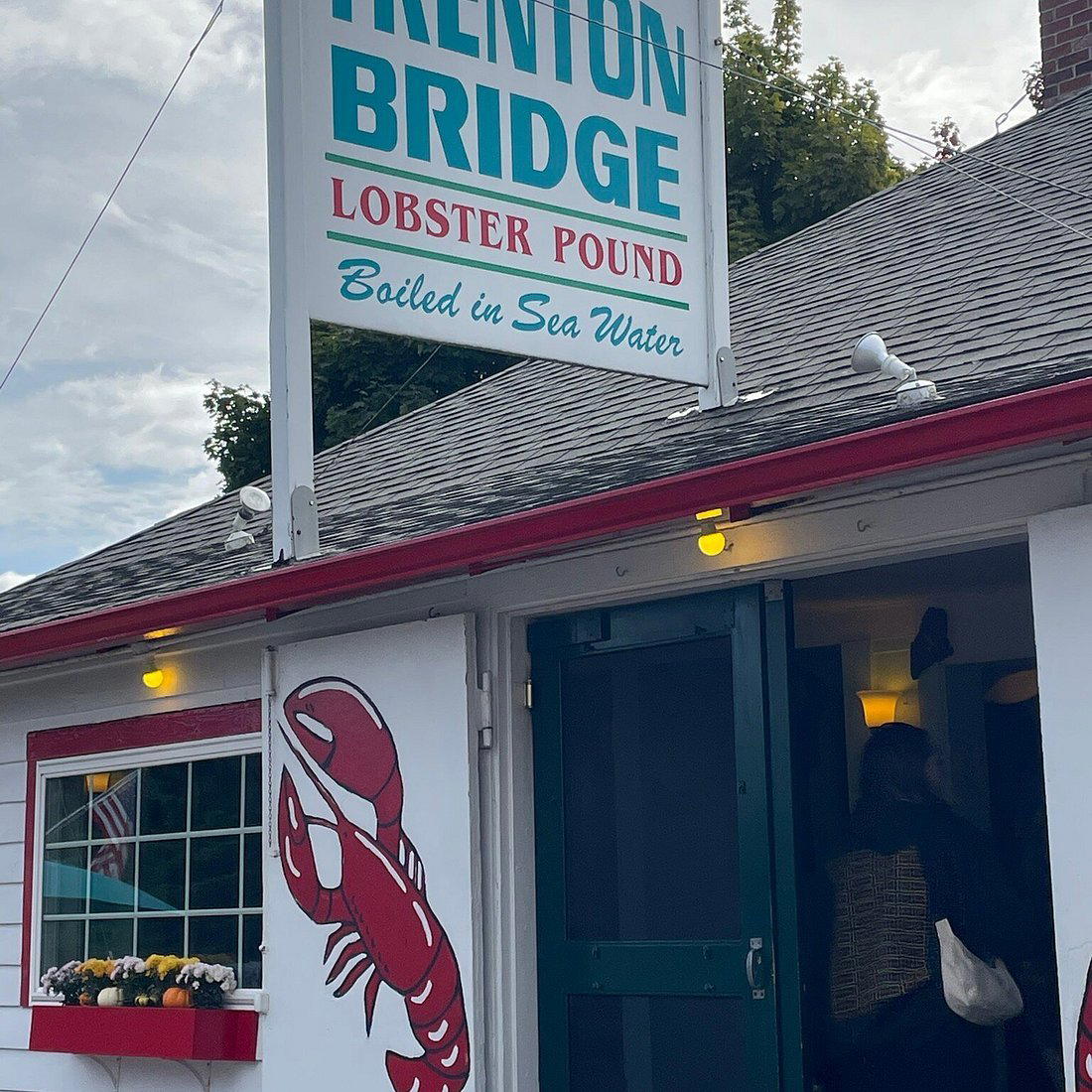
On the causeway heading into Mount Desert Island, Trenton Bridge Lobster Pound has anchored the ritual of the Maine lobster feed for decades. This is outdoor picnic-table dining at its most direct: live lobsters pulled from the pound, cooked to order, eaten with your hands over newspaper. It sits at the stripped-back end of Maine's seafood spectrum, where the ceremony is in the simplicity.

Pearl is the En Primeur Club membership app — saves, bookings, and concierge access live there. Same editors, same standards.
The menu
What to order
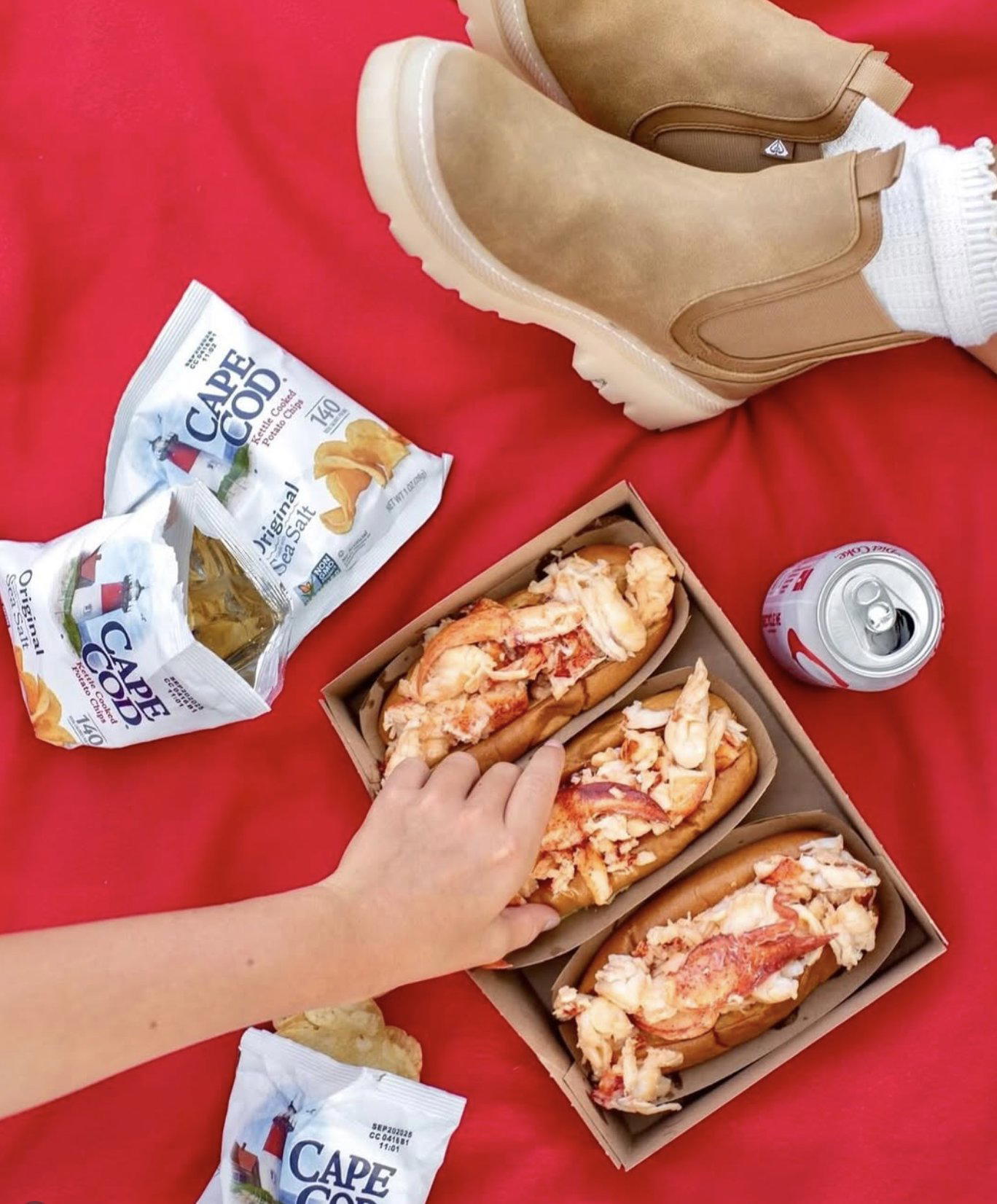
- Hot Lobster Roll with Butter
- Boiled Maine Lobster
- Lobster Stew
Where the Road to Bar Harbor Pauses
The approach tells you everything before you arrive. Coming down Bar Harbor Road on the causeway that separates the tidal flats, the smell of woodsmoke and salt air reaches the car before the building does. Trenton Bridge Lobster Pound operates the way Maine's working waterfront has always operated: live tanks, a wood-fired cooker, and picnic tables that face the water. There is no dining room, no reservation system, no dress code, and no menu designed around anything other than what came out of the water nearby. In a state where the lobster pound is a genuine institution, this stretch of Route 3 sits at its most traditional end.
Maine has developed two parallel tracks for its lobster. One runs through white-tablecloth rooms in Portland and Bar Harbor, where chefs at higher price points build composed dishes around lobster as ingredient. The other track, older and more functional, runs through places like Trenton Bridge, where the lobster is the singular purpose and the format makes no concessions to comfort beyond a paper bib and a cracker for the claws. For travelers moving along the coastal circuit that includes more formal seafood programs, such as Le Bernardin in New York City or Providence in Los Angeles, a stop at a Maine pound like this one represents the opposite pole of seafood dining, and understanding both ends clarifies what each is actually doing.
The Ritual of the Pound
The sequence at a lobster pound is almost liturgical in its repetition, and Trenton Bridge follows it without deviation. You approach the order window, select your lobster by weight from the live tank, pay by the pound, and then wait while the lobster is cooked in a wood-fired kettle over a fire that has been burning since morning. The wood fire is not a nostalgic affectation. It produces a cooking environment that differs from steam or boiling in ways that alter the final texture, and it accounts for part of why regulars at the better Maine pounds develop strong preferences about where they go. The wait is part of the experience rather than an inconvenience to be managed.
When the order comes out, it arrives with corn, clams if you ordered them, melted butter, and whatever else the kitchen offers on a given day. The table is bare except for what you need. You eat with your hands, crack the shell yourself, and deal with the mess directly. In the context of American dining culture, which has trended heavily toward formats that present food in pre-managed, effort-free configurations, the lobster pound ritual is notable for demanding active participation from the diner. The meal is partly a skill exercise. First-timers tend to struggle through the tail and avoid the tomalley; regulars move through the whole animal methodically, wasting very little.
This participatory format connects Maine's lobster culture to a broader set of American regional eating traditions where the food and the effort of eating it are inseparable. Boiled crawfish in Louisiana, crab feasts on the Chesapeake, barbecue in Texas — these are all formats where the act of eating is communal, physical, and time-consuming by design. Fine dining programs that command the kind of attention given to Alinea in Chicago or Lazy Bear in San Francisco have their own rituals of pacing and service choreography. At Trenton Bridge, the choreography is entirely in the diner's hands, which is a different kind of intentionality.
On the Maine Seafood Spectrum
Maine's seafood dining operates across a wider range than most coastal destinations. Portland alone contains everything from casual oyster bars to chef-driven tasting menus. The further north and east you travel, the more dominant the pound format becomes, partly because the lobster supply is local and the tourist infrastructure is less developed than on Cape Cod or in Portland proper. Trenton sits at a strategic point on the drive from Ellsworth onto Mount Desert Island, which means it catches traffic headed to Acadia National Park and Bar Harbor throughout the summer season.
The seasonal concentration matters. Maine's lobster pounds operate on compressed timelines, typically running from late spring through the fall, tracking both lobster availability and tourist traffic. Summer is the high-demand window, and the causeway location at Trenton means the pound draws from both day-trippers and travelers staying on the island. Compared to the year-round reservation-driven model at destination restaurants like The French Laundry in Napa or Single Thread Farm in Healdsburg, the pound operates on a first-come, first-served logic that reflects its working-waterfront origins rather than a hospitality industry model.
For context on where Trenton Bridge fits within the wider Trenton dining picture, see our full Trenton restaurants guide. Other dining options in the area include Rat's and Sibley Gardens, which sit at a different point on the formality spectrum.
Planning a Visit
The pound operates seasonally, so arrival timing matters more here than at most year-round venues. Summer weekends bring queues, and the outdoor seating fills quickly during peak afternoon hours when families and day-trippers from Bar Harbor converge. The practical move is to arrive early in the day or later in the afternoon to avoid the midday concentration. There is no phone reservation system and no table booking, which means the queue is the only path to a seat. Dress for the outdoors and the tidal environment: wind, spray, and the mess of eating a whole lobster in the open air are all part of the format. Cash has historically been the preferred payment method at Maine pounds, though practices vary by season and year, so arriving with both is sensible.
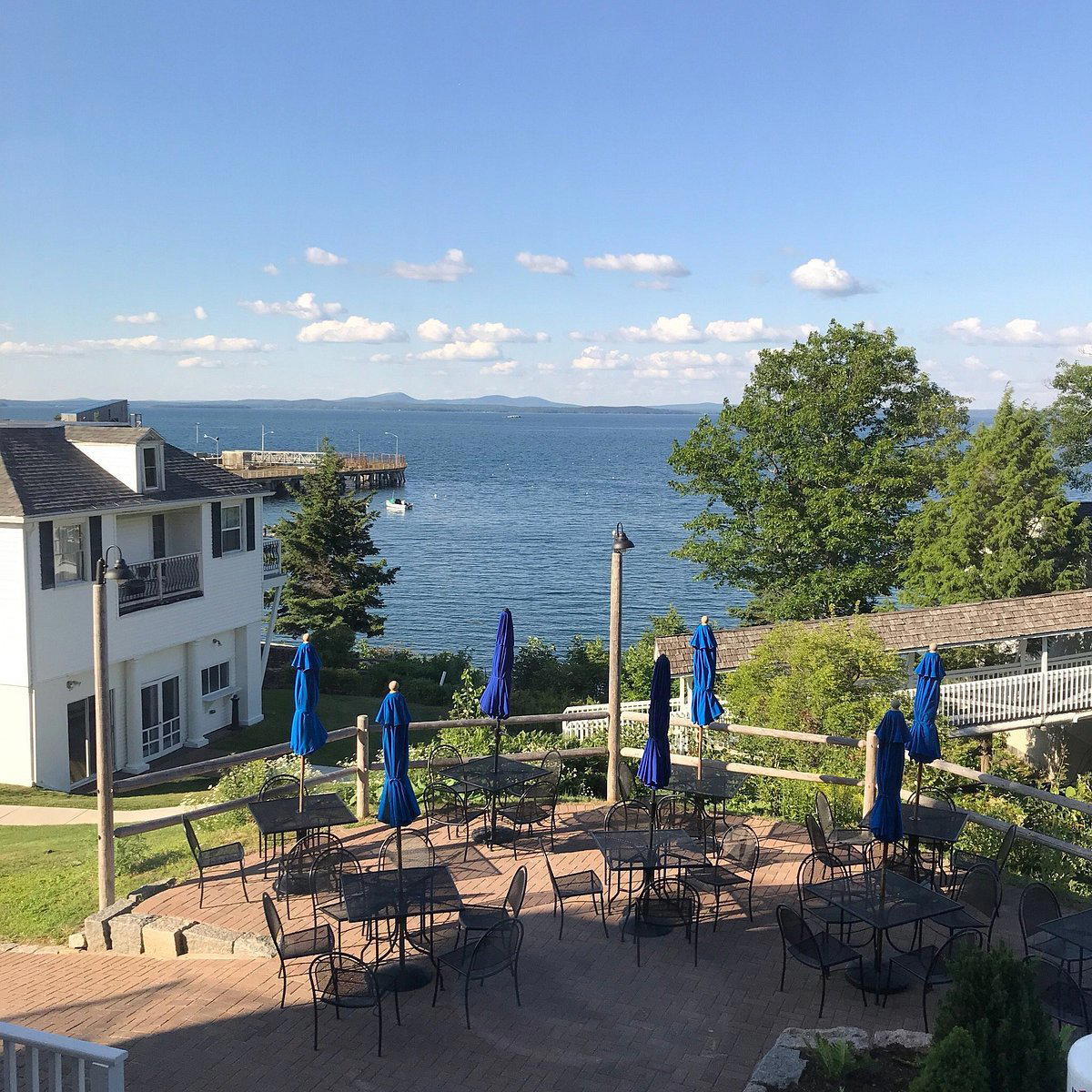
The address on Bar Harbor Road places the pound on the mainland side of the bridge, with water views across the flats toward the island. This is not incidental scenery. The visual connection between the dining table and the working marine environment reinforces what the pound's format already implies: the distance between the water and the plate is as short as it gets.
Frequently asked questions
Is Trenton Bridge Lobster Pound good for families?
It works well for families precisely because of its format. The outdoor, counter-service setup at 1237 Bar Harbor Rd removes the pressure of a formal dining room, and the menu centers on whole lobsters and straightforward seafood that does not require much negotiation with younger eaters. There are no reservations to coordinate, just a queue and picnic-style seating.
What's the vibe at Trenton Bridge Lobster Pound?
The atmosphere is functional and unhurried in the way that genuine working pounds tend to be. You order at a window, wait near the woodsmoke, and eat outdoors on the causeway with tidal flats on either side. The setting does the work — there is no interior design or ambient soundtrack, just salt air and the sound of cracking shells.
Is Trenton Bridge Lobster Pound worth stopping at on the drive to Bar Harbor?
For anyone approaching Acadia National Park via Bar Harbor Road, the pound sits directly on the route at 1237 Bar Harbor Rd in Trenton, ME — no detour required. Maine's lobster pound tradition is rooted in proximity to the catch, and Trenton Bridge operates within that model: seasonal, counter-service, and focused on whole lobster rather than a broad menu. If you are driving through in summer, the queue itself signals whether it is open and running.
What's the signature dish at Trenton Bridge Lobster Pound?
Whole boiled or steamed lobster is the organizing principle of the menu here, as it is at any serious Maine pound worth visiting. The draw is lobster cooked close to the water it came from, served without ceremony. Side dishes and rolls may be available seasonally, but the live lobster is the reason the line forms.
Where exactly is Trenton Bridge Lobster Pound?
Trenton Bridge Lobster Pound is located at 1237 Bar Harbor Rd, Trenton, ME 04605, Trenton.
How hard is it to get a table at Trenton Bridge Lobster Pound?
There are no reservations — seating is first-come, outdoor, and communal by necessity. Summer weekends, particularly on the Bar Harbor Road causeway corridor, generate queues that can run well into the afternoon. Arriving mid-week or early in the day reduces wait time considerably during peak season.
What's Trenton Bridge Lobster Pound best at?
The pound's core competency is whole lobster executed at volume without cutting corners on sourcing or cook quality — the standard against which Maine roadside pounds are measured. Its position on Bar Harbor Road, the main artery to Mount Desert Island, means it has operated for decades as a natural stopping point rather than a destination requiring a detour.
Cuisine Lens
Comparable venues nearby, for context on price, style, and recognition.
| Venue | Cuisine | Price | Awards | Notes |
|---|---|---|---|---|
| Trenton Bridge Lobster PoundThis venue — the venue you are viewing | Maine Lobster Pound | $20–30 | Not listed | Not listed |
| Fish & Whistle | New England Fish & Chips | $20–30 | James Beard Award Semi Finalist | Downtown Biddeford |
| Pix Pâtisserie | French Patisserie | Not listed | Not listed | Kerns |
| Blyth & Burrows | American Seafood Bar with Asian Influences | Not listed | Not listed | Old Port |
| Novare Res Bier Cafe | European-Inspired Bier Cafe | $20–30 | Not listed | Old Port |
| DiMillo's On the Water | Classic New England Seafood | $30–50 | Not listed | Old Port |
Continue exploring
More in Trenton
Restaurants in Trenton
All restaurants in Trenton →

Details
- Rustic
- Cozy
- Family
- Casual Hangout
- Open Kitchen
- Local Sourcing
- Sustainable Seafood
- A La Carte
- Gluten Free Options
Current opening hours
- Monday
- 8:30 AM–4:30 PM
- Tuesday
- 8:30 AM–4:30 PM
- Wednesday
- 8:30 AM–4:30 PM
- Thursday
- 8:30 AM–4:30 PM
- Friday
- 8:30 AM–4:30 PM
- Saturday
- 8:30 AM–12 PM
- Sunday
- Closed
Hours can change for holidays and private events. Last verified .
Rustic no-frills picnic-style seating with a casual, grease-free atmosphere focused on fresh seafood.