

1 Michelin Star · Guía Repsol 1 Sol
Our verdict
Where the Marshland Meets the Menu The approach to Pico Velasco sets the context before you have read a single dish description. The property sits inside the Parque Natural de las Marismas de Santoña, Victoria y Joyel, a protected wetland reserve on the Cantabrian coast where tidal channels, reed beds, and green mountain ridges converge in a way that is relatively rare on Spain's northern shore. The building itself, a 17th-century example of Cantabrian civil architecture, renovated with enough restraint to keep the original structure legible, communicates something about the kitchen's philosophy before any food arrives. Properties that occupy working farmhouses in protected natural areas tend to have a different relationship with sourcing than those that merely talk about it. That relationship is the editorial story of Pico Velasco. In a country where modern Spanish cooking at the leading end, see El Celler de Can Roca in Girona, Arzak in San Sebastián, or Disfrutar in Barcelona, is frequently defined by technical ambition and creative provocation, Cantabria's more intimate dining circuit operates on a different register. Here, ingredient provenance is not a marketing note in the preamble; it shapes what goes on the menu in the first place. The Logic of the Tasting Menus Pico Velasco runs two tasting formats. The first, Albiar (Cantabrian dialect for sunrise), carries the lighter register implied by the name. The second, Sincio, draws on a local expression for craving or desire, and occupies the more generous bracket. The naming choices matter: both words are hyper-local, drawn from the region's linguistic texture rather than imported culinary vocabulary. That is a deliberate signal about where the kitchen situates itself, not in the vocabulary of pan-European fine dining, but in the specific geography and language of this stretch of the Cantabrian coast. Chef Nacho Solana (also credited in some sources as Ignacio Solana) is the kitchen principal, working alongside Inés Aguirreburualde. The broader tradition they are working within is one that has deep roots along Spain's northern coast: ingredient-led modern cooking that treats regional produce not as a nostalgic reference but as a contemporary constraint and creative engine. The kitchens at Mugaritz in Errenteria and Martin Berasategui in Lasarte-Oria define the high end of that tradition in the Basque Country; Pico Velasco operates in a quieter, more intimate register than either, but shares the same underlying commitment to northern Spain's larder. Sourcing as a Kitchen Constraint The natural park setting is not incidental. Marismas de Santoña is one of the most significant wetland systems in northern Spain, a staging post for migratory birds and a productive coastal ecosystem that influences what fishermen, foragers, and small producers in the surrounding area can offer. Kitchens that sit inside or immediately adjacent to protected natural areas tend to develop sourcing relationships that are genuinely hyper-local rather than aspirationally local, the supply chain is shorter because there are no viable alternatives. The signpost dish here is the trout with acidulated vegetable soup, a preparation that frames freshwater fish in a light acidic broth built from garden vegetables. It is a restrained, technically considered dish: the sourness in the soup does the structural work that heavier sauces would do in a richer cuisine, and the trout itself remains the focal point rather than a substrate for garnish. That kind of compositional logic, using acidity and vegetable character to carry a dish rather than fat or reduction, is consistent with a kitchen that treats ingredients as primary and technique as support. For Spain-wide context, this approach places Pico Velasco in a smaller cohort than the high-technique creative canon. Venues like Aponiente in El Puerto de Santa María, Quique Dacosta in Dénia, or DiverXO in Madrid operate at a different level of conceptual ambition and price point (€€€€). Pico Velasco's €€€ pricing sits closer to committed regional cooking than to the capital-intensive, avant-garde end of the spectrum, which is a coherent positioning for a boutique hotel in a nature reserve. For international comparison points, Frantzén in Stockholm and FZN by Björn Frantzén in Dubai represent the global tier of modern cuisine operating in a hotel format; Pico Velasco plays a genuinely different game, one anchored in provincial specificity rather than international prestige. Recognition and What It Signals The 2025 Michelin Plate recognition is the relevant calibration point. A Michelin Plate indicates a kitchen producing food that meets the guide's quality threshold, positioned below star level but above mere directory listing. Given the property's remote location, between the villages of Limpias and Carasa, inside a protected park, the recognition suggests a kitchen that has developed genuine culinary consistency rather than capitalising on urban footfall. The Cantabrian modern cooking scene produces fewer internationally recognised names than the Basque Country to the east or Catalonia to the northeast, but restaurants like Azurmendi in Larrabetzu, Ricard Camarena in València, and Atrio in Cáceres demonstrate that Spain's most interesting cooking increasingly emerges from outside the obvious urban anchors. Pico Velasco fits that pattern. Planning a Visit Pico Velasco operates as a boutique hotel in addition to its restaurant, which means the most coherent way to experience the kitchen is to stay on-site and engage with the tasting menu format across an evening. The €€€ price bracket places it above everyday dining but within the range of a considered culinary trip to Cantabria. The protected park location, between Limpias and Carasa on the western edge of the Ría de Limpias, means independent transport is the practical default; the property is not accessible by any convenient public connection from Santander or the coast. Advance booking is advisable given the boutique scale of the hotel and the tasting menu format, both of which limit available covers. For a fuller picture of dining and staying in this part of Cantabria, see our full Carasa restaurants guide, our full Carasa hotels guide, our full Carasa bars guide, our full Carasa wineries guide, and our full Carasa experiences guide. Frequently Asked Questions What is the overall feel of Pico Velasco?The property occupies a restored 17th-century Cantabrian farmhouse inside a protected natural park, which sets a tone that is rural, considered, and notably removed from urban fine dining theatrics. At €€€ with Michelin Plate recognition and a 4.8 Google average, it sits in the committed regional cooking tier: serious enough to merit a dedicated trip, grounded enough to feel rooted in its specific geography rather than performing a generic luxury register.What is the signature dish at Pico Velasco?The trout with acidulated vegetable soup is the documented standout preparation. It is consistent with the kitchen's approach: freshwater fish sourced from the surrounding region, set against a sharp, vegetable-driven broth rather than a richer reduction. The dish appears in both Michelin-sourced references to the restaurant, making it the most reliably reported example of chef Nacho Solana's modern Cantabrian cooking style.Is Pico Velasco suitable for children?The tasting menu format and €€€ price point suggest this is primarily a destination for adults with a specific interest in regional modern cooking. The rural boutique hotel context and protected park setting offer a calm, unhurried environment, but the structured multi-course format is not designed around younger diners. Families with children considering Carasa and the surrounding Cantabrian coast would find the broader area more accommodating than the restaurant itself.

Pearl is the En Primeur Club membership app, where members save venues, book tables and use the concierge.
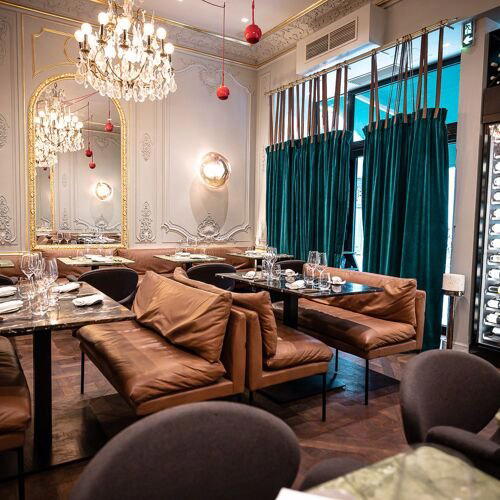
Where the Marshland Meets the Menu
The approach to Pico Velasco sets the context before you have read a single dish description. The property sits inside the Parque Natural de las Marismas de Santoña, Victoria y Joyel, a protected wetland reserve on the Cantabrian coast where tidal channels, reed beds, and green mountain ridges converge in a way that is relatively rare on Spain's northern shore. The building itself, a 17th-century example of Cantabrian civil architecture, renovated with enough restraint to keep the original structure legible, communicates something about the kitchen's philosophy before any food arrives. Properties that occupy working farmhouses in protected natural areas tend to have a different relationship with sourcing than those that merely talk about it.
That relationship is the editorial story of Pico Velasco. In a country where modern Spanish cooking at the leading end, see El Celler de Can Roca in Girona, Arzak in San Sebastián, or Disfrutar in Barcelona, is frequently defined by technical ambition and creative provocation, Cantabria's more intimate dining circuit operates on a different register. Here, ingredient provenance is not a marketing note in the preamble; it shapes what goes on the menu in the first place.
The Logic of the Tasting Menus
Pico Velasco runs two tasting formats. The first, Albiar (Cantabrian dialect for sunrise), carries the lighter register implied by the name. The second, Sincio, draws on a local expression for craving or desire, and occupies the more generous bracket. The naming choices matter: both words are hyper-local, drawn from the region's linguistic texture rather than imported culinary vocabulary. That is a deliberate signal about where the kitchen situates itself, not in the vocabulary of pan-European fine dining, but in the specific geography and language of this stretch of the Cantabrian coast.
Chef Nacho Solana (also credited in some sources as Ignacio Solana) is the kitchen principal, working alongside Inés Aguirreburualde. The broader tradition they are working within is one that has deep roots along Spain's northern coast: ingredient-led modern cooking that treats regional produce not as a nostalgic reference but as a contemporary constraint and creative engine. The kitchens at Mugaritz in Errenteria and Martin Berasategui in Lasarte-Oria define the high end of that tradition in the Basque Country; Pico Velasco operates in a quieter, more intimate register than either, but shares the same underlying commitment to northern Spain's larder.
Sourcing as a Kitchen Constraint
The natural park setting is not incidental. Marismas de Santoña is one of the most significant wetland systems in northern Spain, a staging post for migratory birds and a productive coastal ecosystem that influences what fishermen, foragers, and small producers in the surrounding area can offer. Kitchens that sit inside or immediately adjacent to protected natural areas tend to develop sourcing relationships that are genuinely hyper-local rather than aspirationally local, the supply chain is shorter because there are no viable alternatives.
The signpost dish here is the trout with acidulated vegetable soup, a preparation that frames freshwater fish in a light acidic broth built from garden vegetables. It is a restrained, technically considered dish: the sourness in the soup does the structural work that heavier sauces would do in a richer cuisine, and the trout itself remains the focal point rather than a substrate for garnish. That kind of compositional logic, using acidity and vegetable character to carry a dish rather than fat or reduction, is consistent with a kitchen that treats ingredients as primary and technique as support.
For Spain-wide context, this approach places Pico Velasco in a smaller cohort than the high-technique creative canon. Venues like Aponiente in El Puerto de Santa María, Quique Dacosta in Dénia, or DiverXO in Madrid operate at a different level of conceptual ambition and price point (€€€€). Pico Velasco's €€€ pricing sits closer to committed regional cooking than to the capital-intensive, avant-garde end of the spectrum, which is a coherent positioning for a boutique hotel in a nature reserve. For international comparison points, Frantzén in Stockholm and FZN by Björn Frantzén in Dubai represent the global tier of modern cuisine operating in a hotel format; Pico Velasco plays a genuinely different game, one anchored in provincial specificity rather than international prestige.
Recognition and What It Signals
The 2025 Michelin Plate recognition is the relevant calibration point. A Michelin Plate indicates a kitchen producing food that meets the guide's quality threshold, positioned below star level but above mere directory listing. Given the property's remote location, between the villages of Limpias and Carasa, inside a protected park, the recognition suggests a kitchen that has developed genuine culinary consistency rather than capitalising on urban footfall.
The Cantabrian modern cooking scene produces fewer internationally recognised names than the Basque Country to the east or Catalonia to the northeast, but restaurants like Azurmendi in Larrabetzu, Ricard Camarena in València, and Atrio in Cáceres demonstrate that Spain's most interesting cooking increasingly emerges from outside the obvious urban anchors. Pico Velasco fits that pattern.
Planning a Visit
Pico Velasco operates as a boutique hotel in addition to its restaurant, which means the most coherent way to experience the kitchen is to stay on-site and engage with the tasting menu format across an evening. The €€€ price bracket places it above everyday dining but within the range of a considered culinary trip to Cantabria. The protected park location, between Limpias and Carasa on the western edge of the Ría de Limpias, means independent transport is the practical default; the property is not accessible by any convenient public connection from Santander or the coast. Advance booking is advisable given the boutique scale of the hotel and the tasting menu format, both of which limit available covers. For a fuller picture of dining and staying in this part of Cantabria, see our full Carasa restaurants guide, our full Carasa hotels guide, our full Carasa bars guide, our full Carasa wineries guide, and our full Carasa experiences guide.
Frequently asked questions
What should I budget for a meal at Pico Velasco?
Pricing at Pico Velasco is listed as €€€.
Side-by-Side Snapshot
| Venue | Cuisine | Price | Awards | Notes |
|---|---|---|---|---|
| Pico VelascoThis venue (the venue you are viewing) | Modern Spanish Tasting Menu | $100–150 | 1 Michelin Star · Guía Repsol 1 Sol | Not listed |
| Aponiente | Avant-Garde Marine Seafood | $200–300 | 3 Michelin Stars · World's 50 Best #84 | Progressive - Seafood, Creative |
| Arzak | Contemporary Basque Fine Dining | $300–500 | 3 Michelin Stars · World's 50 Best #31 | Modern Basque, Creative |
| DiverXO | Avant-Garde Spanish Tasting Menu | $300–500 | 3 Michelin Stars · World's 50 Best #4 | Progressive - Asian, Creative |
| El Celler de Can Roca | Creative Catalan Fine Dining | $300–500 | 3 Michelin Stars · World's 50 Best #2 | Progressive Spanish, Creative |
| Quique Dacosta | Avant-Garde Spanish Fine Dining | $300–500 | 3 Michelin Stars · World's 50 Best #65 | Creative |
Recognition history
Dated appearances from independent guides and award organizations, with the underlying list record or original source where available.
Michelin 1 Star
Michelin
Guía Repsol 1 Sol
Guía Repsol
Full recognition history (4 entries)
Michelin Plate
Michelin
Michelin Plate
Michelin
Continue exploring
More in Carasa
Restaurants in Carasa
All restaurants in Carasa →
Bars in Carasa
Browse all →
Hotels in Carasa
Browse all →
Details
- Minimalist
- Elegant
- Scenic
- Sophisticated
- Date Night
- Special Occasion
- Historic Building
- Local Sourcing
- Mountain
- Street Scene
- Tasting Menu
- Allergy Accommodating
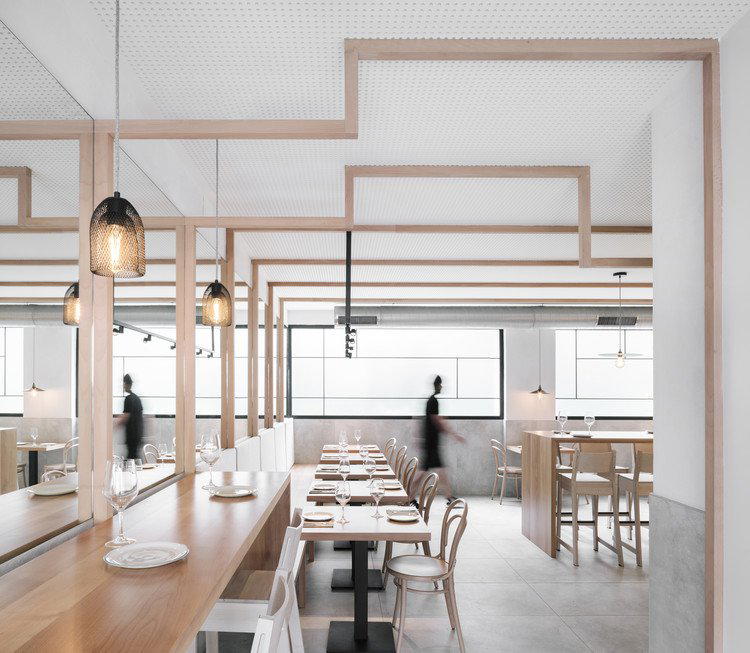
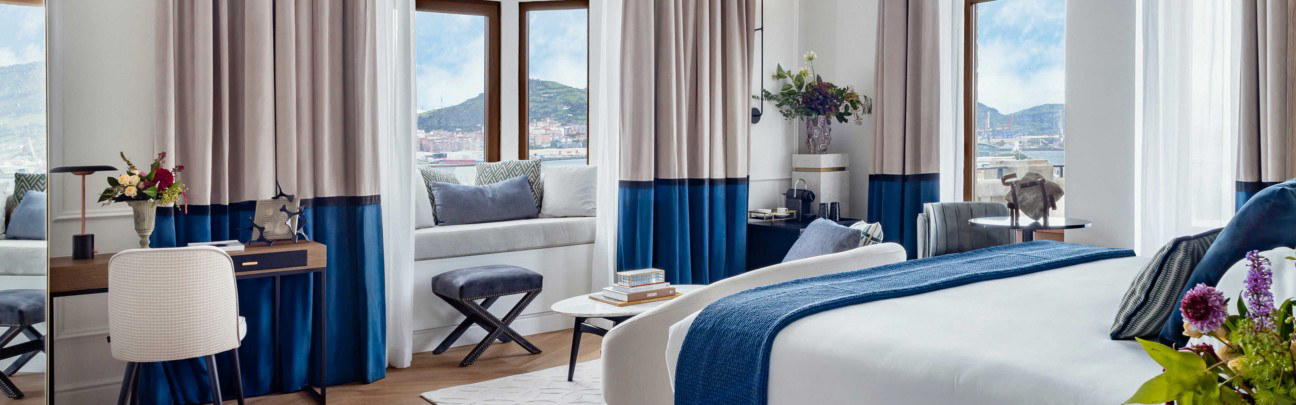
Sober minimalist decoration with large windows offering beautiful green landscape views, calm and relaxing atmosphere focusing attention on the culinary art.