
Canada's 100 Best Restaurants #36
Our verdict
On Rue St-Hubert in Montreal's Plateau-adjacent north, PICHAI runs Thai and Isaan street-food flavours through a low-intervention wine program and a produce network that reaches Montreal's South Shore. The room is sleek and loud, the clientele a mix of Thai families and well-travelled locals, and the kitchen's specials list is where the real cooking happens. There is, as one reviewer put it, simply nowhere else in Canada to eat like this.

Pearl is the En Primeur Club membership app, where members save venues, book tables and use the concierge.
The menu
What to order
- Fried fish balls with sweet chilli
- Duck laab with duck hearts
- Soft-boiled fried egg in sweet-and-sour sauce
- Whole fried arctic char in tamarind-chili sauce
- Pork collar
- Scallops
Rue St-Hubert and What It Means for Thai Food in Canada
Montreal's Plateau-Mont-Royal corridor and the streets that extend north from it have long hosted the kind of independent, neighbourhood-anchored restaurants that define the city's dining character, places where the room is modest, the sourcing is serious, and the cooking has a point of view. PICHAI, at 5985 Rue St-Hubert, sits squarely in that tradition, but the register it operates in is almost entirely its own. Thai cooking, and specifically the fermented, chili-forward flavours of Isaan cuisine, does not map cleanly onto the French-influenced Montreal template. That friction is part of what makes the address worth understanding.
The neighbourhood itself sets the tone before you walk in. Rue St-Hubert in this stretch is residential and deliberately un-touristy, with a density of local businesses rather than destination dining strips. Choosing to plant a serious Thai kitchen here, rather than in a higher-traffic corridor, says something about the audience this restaurant is cooking for. Compare it to the positioning of Annette bar à vin or Mastard, both of which occupy a similar neighbourhood-embedded tier in Montreal's modern dining scene. The signal is consistent: if you are here, you already know why.
The Room and the Mood
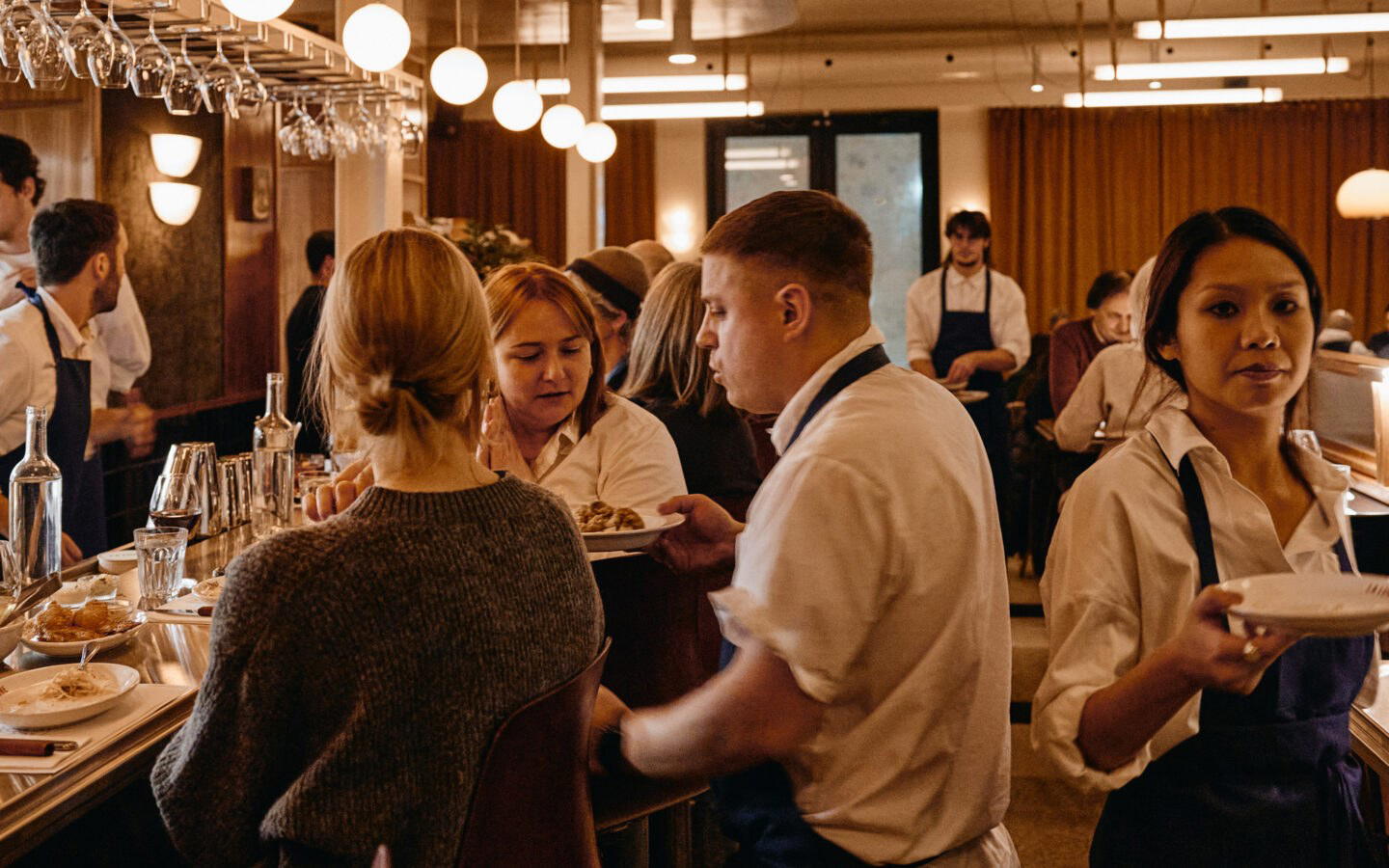
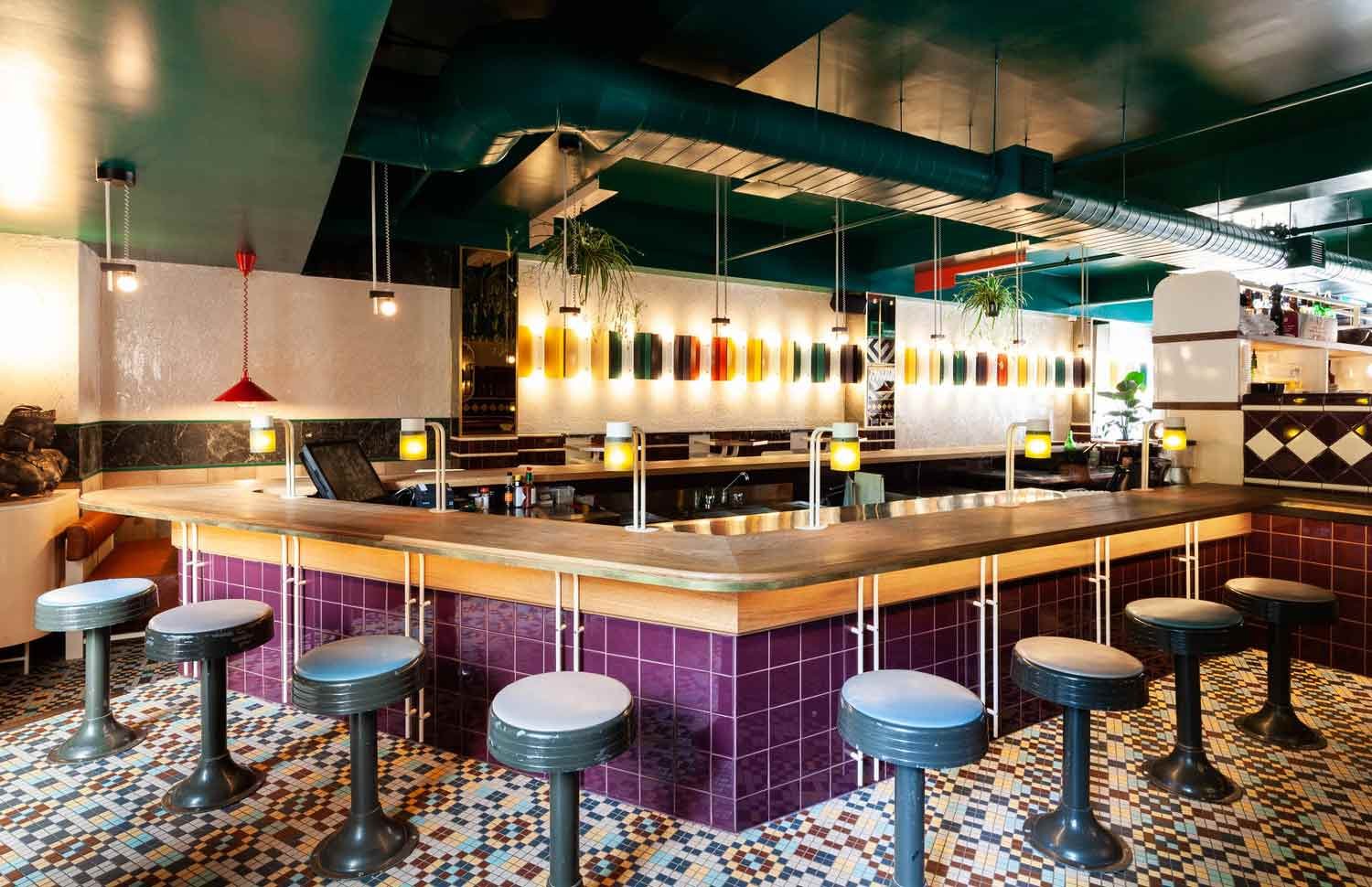
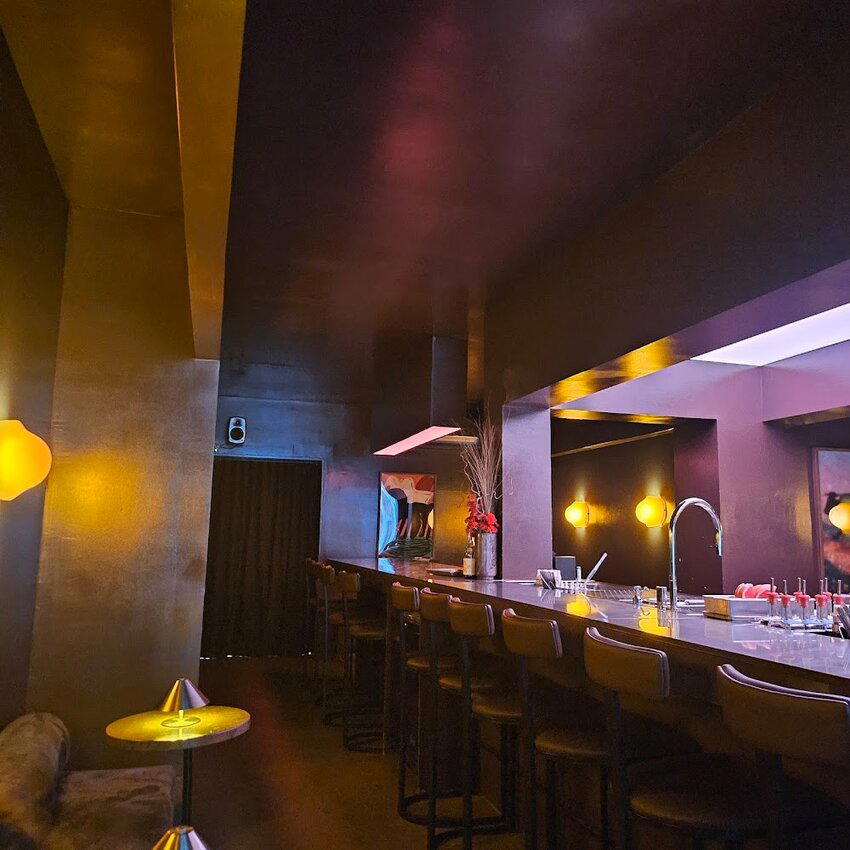
The dining room at PICHAI is sleek rather than casual, which creates an interesting counterpoint to the food. Isaan cooking is, in its original context, among the most direct and unadorned cuisines in Southeast Asia, laab eaten at a table on a Bangkok soi, grilled meats pulled from a street cart. Bringing that register into a considered interior does not dilute it; if anything, the contrast sharpens the experience. The mood skews boisterous. This is not a quiet destination dinner, and the clientele reflects the kitchen's credibility: Thai families who find the flavours accurate enough to satisfy, alongside well-travelled locals who have their own reference points from time spent in Thailand.
That combination of audiences is a useful trust signal. A restaurant drawing both diaspora regulars and informed food travellers is typically doing something right on authenticity. Montreal's broader dining scene, which includes Alma and Sabayon at the more restrained, tasting-menu end, does not have an obvious peer for what PICHAI is doing in terms of Southeast Asian cooking at this level of ingredient focus.
The Menu: Street-Food Sensibility, Local Supply Chain
Jesse Grasso's menu operates with a street-food sensibility, punchy, herb-forward, fat-rich where it needs to be, but the sourcing network underpinning it is anything but improvisational. The specials list is where the kitchen's range is most visible, and servers are positioned as necessary guides through it. That is not a hedge; it reflects how the menu is actually structured. Dishes change based on what local producers are bringing in, and the server's knowledge of current provenance details matters more here than at restaurants running fixed tasting formats.
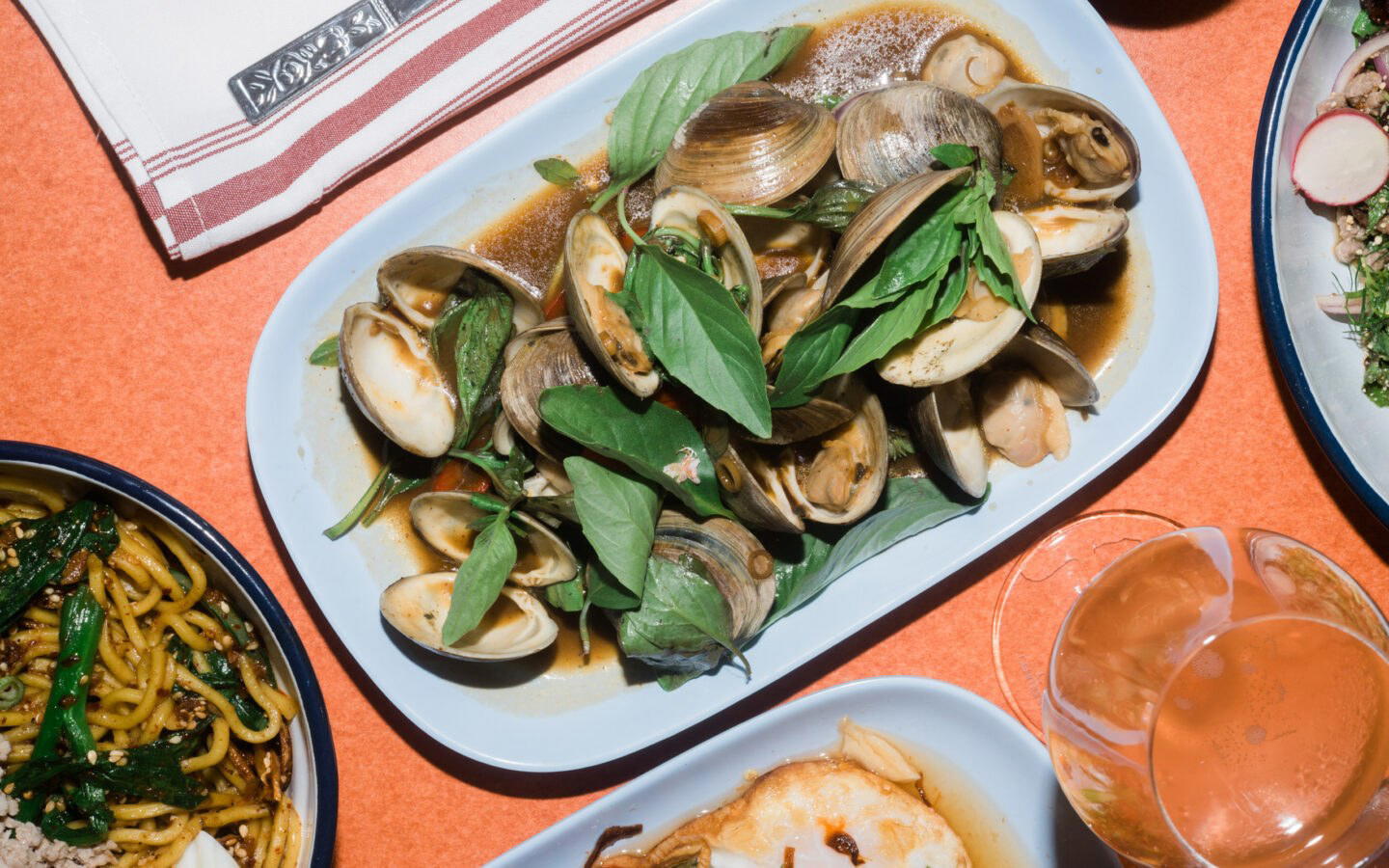
Some supply relationships are specific enough to name. Thai eggplant and chili on the specials list comes from produce grown by Sukonta Beaulieu on Montreal's South Shore, a direct farm-to-kitchen arrangement that gives the dish a provenance story most Thai restaurants in Canada cannot match. The whole fried fish is Arctic char sourced from a local, sustainable closed-containment fish farm, served in tamarind-chili sauce with crispy garlic. These are not decorative sourcing details; they are evidence of a kitchen building dishes around what the region can actually supply rather than importing ingredients to replicate a fixed template.
The broader menu moves through classic Isaan territory, laab with grilled duck hearts, pork neck on iced yu choy greens, alongside entry points that work well as openers: fish balls on a stick, fried soft-boiled eggs in sweet-and-sour sauce. A makrut lime cocktail at the start of the meal tracks with the kitchen's flavour logic. In summer, the nam kang sai dessert, a Thai-style shaved ice with syrups and toppings built from local cherries, peaches, plums, and strawberries, applies the same local-adaptation approach to the sweet course.
The Wine Program and Its Logic
PICHAI pairs its kitchen with a producer-focused, low-intervention wine list running predominantly white, skin-contact, and rosé. This is a considered match rather than a default. High-acid, textured natural whites and orange wines tend to sit alongside fermented and chili-forward food more comfortably than the tannin-heavy red-focused lists that still anchor many Montreal rooms. The approach aligns PICHAI with a cohort of Montreal restaurants that have built wine programs around the same natural and low-intervention producers, a category that has grown from niche positioning to a recognised tier in the city's dining conversation over the past decade.
Within the broader Canadian restaurant scene, this combination of serious Southeast Asian cooking and an independent natural wine program is rare. Alo in Toronto and AnnaLena in Vancouver represent the wine-forward dining tier in their respective cities, but neither operates in this cuisine register. Tanière³ in Québec City applies comparable sourcing rigour to a wholly different culinary tradition. The point is not comparison by ranking but by positioning: PICHAI occupies a space in Canadian dining that has no direct equivalent.
Where PICHAI Sits in Montreal's Current Scene
Montreal's top-tier dining ranges from the grand-format rooms, Jérôme Ferrer's Europea, Toqué, to the neighbourhood-embedded, produce-led smaller operations that have defined the city's recent dining evolution. PICHAI operates firmly in the latter category, but with a cuisine identity that gives it a distinct position within that group. The French-inflected modern Canadian cooking that runs through many of Montreal's ambitious mid-size restaurants does not appear here. The reference points are Bangkok and Isaan, filtered through a local supply chain and a wine program that reflects Montreal's current natural wine enthusiasm.
For visitors arriving with prior experience of serious Thai cooking in other cities, the comparison points are not local. The kitchen is cooking to a standard that invites reference to Southeast Asian food cities, not to the broader Canadian Thai restaurant tier. As one observer with significant Canada-wide dining experience put it: "There is simply nowhere else to eat like this in Canada." That claim carries weight when the person making it has the comparative breadth to assess it.
For wider context on where PICHAI sits within the city's full dining offer, see our full Montreal restaurants guide. Elsewhere in the region, Narval in Rimouski and Restaurant Pearl Morissette in Lincoln represent the kind of produce-committed cooking that defines the broader Canadian scene PICHAI belongs to, even as its cuisine identity sits apart. Further afield, The Pine in Creemore applies similar sourcing rigour in a rural Ontario context. For international reference points in the technical cooking tier, Le Bernardin in New York City and Atomix in New York City illustrate what ingredient-led cooking at serious ambition looks like in a North American metropolitan context.
Montreal's hotels, bars, and broader cultural calendar are covered in our Montreal hotels guide, our Montreal bars guide, our Montreal wineries guide, and our Montreal experiences guide.
Know Before You Go
- Address: 5985 Rue St-Hubert, Montréal, QC H2S 2L8, Canada
- Cuisine: Thai and Isaan, with local Quebec sourcing
- Wine program: Producer-focused, low-intervention; predominantly white, skin-contact, and rosé
- Seasonal note: The specials list changes with local produce availability; the nam kang sai shaved ice dessert runs in summer
- Neighbourhood: Plateau-adjacent, Rue St-Hubert, residential strip, no tourist-district foot traffic
Frequently asked questions
Where is PICHAI in Montreal?
PICHAI is located at 5985 Rue St-Hubert, Montréal, QC H2S 2L8, Canada, Montreal.
What kind of recognition has PICHAI received?
PICHAI has received recognition including: Pichai has a successful formula. Jesse Grasso’s Thai (and frequently, Isaan) dishes pack flavours with a strong street-food sensibility. And they pair perfectly with producer-focused low-intervention wines, predominantly white, skin-contac….
What should I order at PICHAI?
The specials list is where the kitchen shows its range, dishes here reflect live local sourcing, including Thai eggplant and chili grown by Sukonta Beaulieu on Montreal's South Shore and whole fried Arctic char in tamarind-chili sauce from a closed-containment fish farm. Start with fish balls on a stick or fried soft-boiled eggs in sweet-and-sour sauce, then move to laab with grilled duck hearts or pork neck on iced yu choy greens. Your server is the right person to steer you through the specials, lean on them.
What's the best way to book PICHAI?
Given the room's sleek, neighbourhood-scale format and a loyal regular crowd that includes Thai families and well-travelled Montrealers, the restaurant fills consistently, contacting them directly well ahead of your intended visit is the practical approach.
What's the defining dish or idea at PICHAI?
The organising idea is rigorous local sourcing applied to Thai and Isaan cooking, a combination that, as reviewer Ryan Gray noted in the venue's own record, has no equivalent elsewhere in Canada. Jesse Grasso's kitchen sources ingredients specifically for the menu, from dedicated growers and sustainable farms, then frames them inside a street-food sensibility: punchy, herb-forward, fat-rich. The nam kang sai in summer, shaved ice with syrups made from local cherries, peaches, plums, and strawberries, makes that logic concrete.
The Quick Read
| Venue | Cuisine | Price | Awards | Notes |
|---|---|---|---|---|
| PICHAIThis venue (the venue you are viewing) | Modern Isaan Thai | $50–100 | Canada's 100 Best Restaurants #36 | Not listed |
| L’Express | Classic French Bistro | $50–100 | Michelin Plate · Star Wine List | French Bistro |
| Schwartz’s | Montreal Smoked Meat Deli | $20–30 | Michelin Plate | Delicatessen |
| Toqué | Modern Quebecois Fine Dining | $100–150 | Michelin Plate · La Liste Top Restaurants | French |
| Jérôme Ferrer - Europea | Modern French Fine Dining with Quebec Influences | $150–200 | 1 Michelin Star · Relais Chateaux Award | Modern Cuisine |
| Mastard | Modern Quebec Terroir Fine Dining | $50–100 | 1 Michelin Star · Canada's 100 Best Restaurants #63 | Modern Cuisine |
Recognition history
Dated appearances from independent guides and award organizations, with the underlying list record or original source where available.
Canada's 100 Best Restaurants #36
Canada's 100 Best
Full recognition history (2 entries)
Canada's 100 Best Restaurants #25
Canada's 100 Best
Continue exploring
More in Montréal
Restaurants in Montréal
All restaurants in Montréal →
Bars in Montréal
All bars in Montréal →
PICHAI
The wine
- Wine program
- Deep wine list
- Extensive wine list
- Sommelier-led
- Natural wine
Details
- Lively
- Energetic
- Trendy
- Modern
- Date Night
- Group Dining
- Celebration
- Special Occasion
- Open Kitchen
- Standalone
- Natural Wine
- Extensive Wine List
- Sommelier Led
- Local Sourcing
- Natural Wine
- Sustainable Seafood
- Farm To Table
- Small Plates
- Family Style
- Natural Wine
- Low Intervention Wines
- White Wines
- Skin Contact Wines
- Vegetarian Friendly
- Allergy Accommodating
Current opening hours
- Monday
- 5–10:30 PM
- Tuesday
- Closed
- Wednesday
- 5–10:30 PM
- Thursday
- 5–10:30 PM
- Friday
- 5–10:30 PM
- Saturday
- 5–10:30 PM
- Sunday
- 5–10:30 PM
Hours can change for holidays and private events. Last verified .
Sleek, boisterous dining room with tight table spacing, dark lighting, energetic music, and a lively mood that feels intimate yet lively.