Pfeffermühle

Pfeffermühle occupies a reliable position in Lech's dining scene, holding a Michelin Plate in both 2024 and 2025 for its classic cuisine approach. At the €€€ tier, it sits below the village's most ambitious tasting-menu rooms while offering more formal cooking than the alpine casual end of the market. For visitors building a Lech itinerary, it represents a considered mid-week option with credentialed cooking.
Pearl is the En Primeur Club membership app — saves, bookings, and concierge access live there. Same editors, same standards.
- Address
- Dorf 138, 6764 Lech, Austria
- Phone
- +43 5583 25250
- Website
- pfefferkorns.net
- Directions
- Get directions
 Saves & bookings on Pearl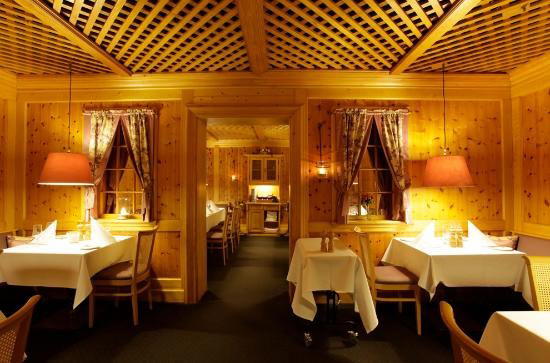
Classic Cooking in an Alpine Village That Rarely Settles for the Ordinary
Lech am Arlberg has developed a dining scene disproportionately dense for a village of its size. The combination of affluent winter visitors, a short but intense ski season, and a cluster of serious hotel kitchens has pushed the local restaurant market toward genuine ambition. Arriving at Dorf 138, the address places Pfeffermühle within the village core, close to the social and commercial centre where most of Lech's evening foot traffic concentrates. In a village where post-ski dining can feel performative, the question worth asking before you book is: which rooms are competing on kitchen credentials, and which on atmosphere alone?
Pfeffermühle answers that question with two consecutive Michelin Plate recognitions, awarded in both 2024 and 2025. The Michelin Plate is not a star, but it signals that inspectors have found the cooking worth flagging to readers at the €€€ price tier. In a village where Griggeler Stuba operates at the €€€€ level with modern cuisine ambitions, and Rote Wand Chef's Table pushes further toward a contemporary tasting format, Pfeffermühle occupies a distinct tier: Michelin-acknowledged, classically framed, and priced below the village's most expensive rooms.
Where Classic Cuisine Sits in the Lech Market
The label "classic cuisine" carries specific weight in the Austrian alpine context. It signals a kitchen rooted in central European technique: stocks built from reduction, sauces that take time, preparations that prioritise precision over novelty. This is not retro cooking by default, but it does position a restaurant against a different competitive set than the modern tasting-menu rooms that have multiplied across Lech and the broader Arlberg region.
At the €€€ tier, Pfeffermühle aligns more closely with Aurelio than with the upper bracket occupied by Griggeler Stuba or the fusion-oriented Murmeli. That positioning matters for visitors assembling a multi-night dining itinerary, where the decision is less about finding one flagship and more about calibrating variety across a stay. A Pfeffermühle booking slots logically as a classically grounded meal between more experimentally inclined evenings elsewhere in the village.
For broader context on Austria's classic cuisine tradition, the benchmark conversation typically includes Steirereck im Stadtpark in Vienna and Döllerer in Golling an der Salzach, both of which have shaped how Austrian kitchens have modernised classical foundations. At the regional alpine level, Gourmetrestaurant Tannenhof in Sankt Anton am Arlberg, just down the road, provides a useful peer comparison for Arlberg-area fine dining at a similar altitude and visitor profile. Beyond Austria, the classic cuisine tradition that Pfeffermühle draws from has European parallels in rooms like Maison Rostang in Paris, where longevity and technical consistency are the primary credentials.
Planning Around Lech's Compressed Season
Booking a Lech restaurant is more consequential here than in most European cities. Lech operates on a compressed winter calendar, typically from late November through early April, with the highest demand concentrated between Christmas and mid-February. During peak weeks, the better-credentialed rooms across the village fill quickly, and the €€€ tier is no exception. It should be read as directionally useful rather than statistically definitive.
Visitors staying in the village core have the easiest access, given the Dorf 138 address places the restaurant within walking distance of the central lifts and most major hotels. For those staying further afield, Lech's compact geography means the walk is rarely prohibitive, though icy evening paths in peak winter are a practical consideration. Booking well ahead of arrival, particularly for stays over Christmas or during February half-term, is the standard approach for any credentialed room in the village. At Severin's and at the more ambitious hotel restaurants, tables can be spoken for weeks in advance.
For visitors planning the broader Lech stay, the full Lech restaurants guide maps the village's dining options by tier and style. The Lech hotels guide and bars guide cover the accommodation and après-ski dimensions that frame most itineraries here. The Lech experiences guide and wineries guide round out the planning picture for multi-day stays.
How Pfeffermühle Compares Across the Austrian Alpine Circuit
Austria's alpine dining circuit extends well beyond Lech. Rooms like Ikarus in Salzburg and Kräuterreich by Vitus Winkler in Sankt Veit im Pongau represent the more conceptually ambitious end of Austrian destination dining, while Obauer in Werfen has built a reputation for longevity and consistency that defines one model of Austrian classical cooking. Pfeffermühle does not compete at that scale or with that degree of national recognition, but it does not need to. Its Michelin Plate acknowledgment positions it as a credible choice within its immediate geographic and price-tier context: an alpine village room where the kitchen takes the work seriously and inspectors have noticed.
For visitors who find Lech's €€€€ tasting menu rooms either too format-driven or too expensive for every night of a week-long stay, classic cuisine at the €€€ level fills a genuine gap. The equivalent positioning exists in other cities: KOMU in Munich represents classic cuisine at a comparable tier in an urban German-speaking context, providing a useful frame of reference for what technically grounded cooking at this price point can deliver.
What to Eat at Pfeffermühle
The cuisine type is listed as classic cuisine, and the Michelin Plate recognition confirms that inspectors found the kitchen producing cooking worth recommending. The reliable signal here is the award itself: two consecutive Michelin Plate recognitions indicate consistent cooking across multiple inspection visits, which is a more durable data point than any single dish description. Visitors whose primary interest is technically progressive cooking in the village should look at Griggeler Stuba or Rote Wand Chef's Table.
Style and Standing
Comparable venues nearby, for context on price, style, and recognition.
| Venue | Cuisine | Price | Awards | Notes |
|---|---|---|---|---|
| PfeffermühleThis venue — the venue you are viewing | Modern Austrian Alpine Fine Dining | $$$ | Michelin Plate | Not listed |
| Lechtaler Stube | Classic Austrian with Regional Influences | $$$ | Michelin Plate | Oberlech |
| Enzian Stube | Traditional Austrian Alpine | $$$ | Not listed | Zürs |
| Klösterle | Traditional Austrian Alpine Cuisine | $$$$ | Not listed | Zuger Tal, Lech |
| Postblick | Modern Austrian Alpine Cuisine | $$$$ | Not listed | Lech |
| La Fenice | Alpine-Mediterranean Fine Dining | $$$$ | Michelin Plate | Lech am Arlberg |
Recognition history
Dated appearances from independent guides and award organizations, with the underlying list record or original source where available.
Michelin Plate
Michelin
Michelin Plate
Michelin
Continue exploring
More in Lech am Arlberg
Restaurants in Lech am Arlberg
Browse all →
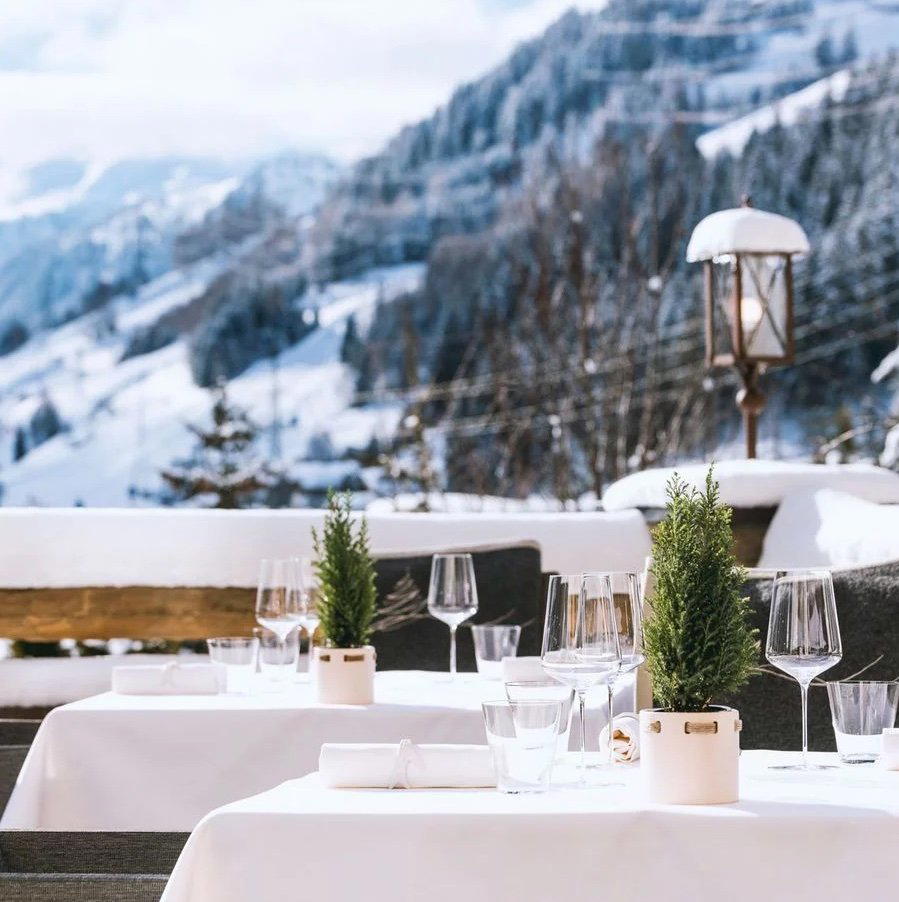
Bars in Lech am Arlberg
Browse all →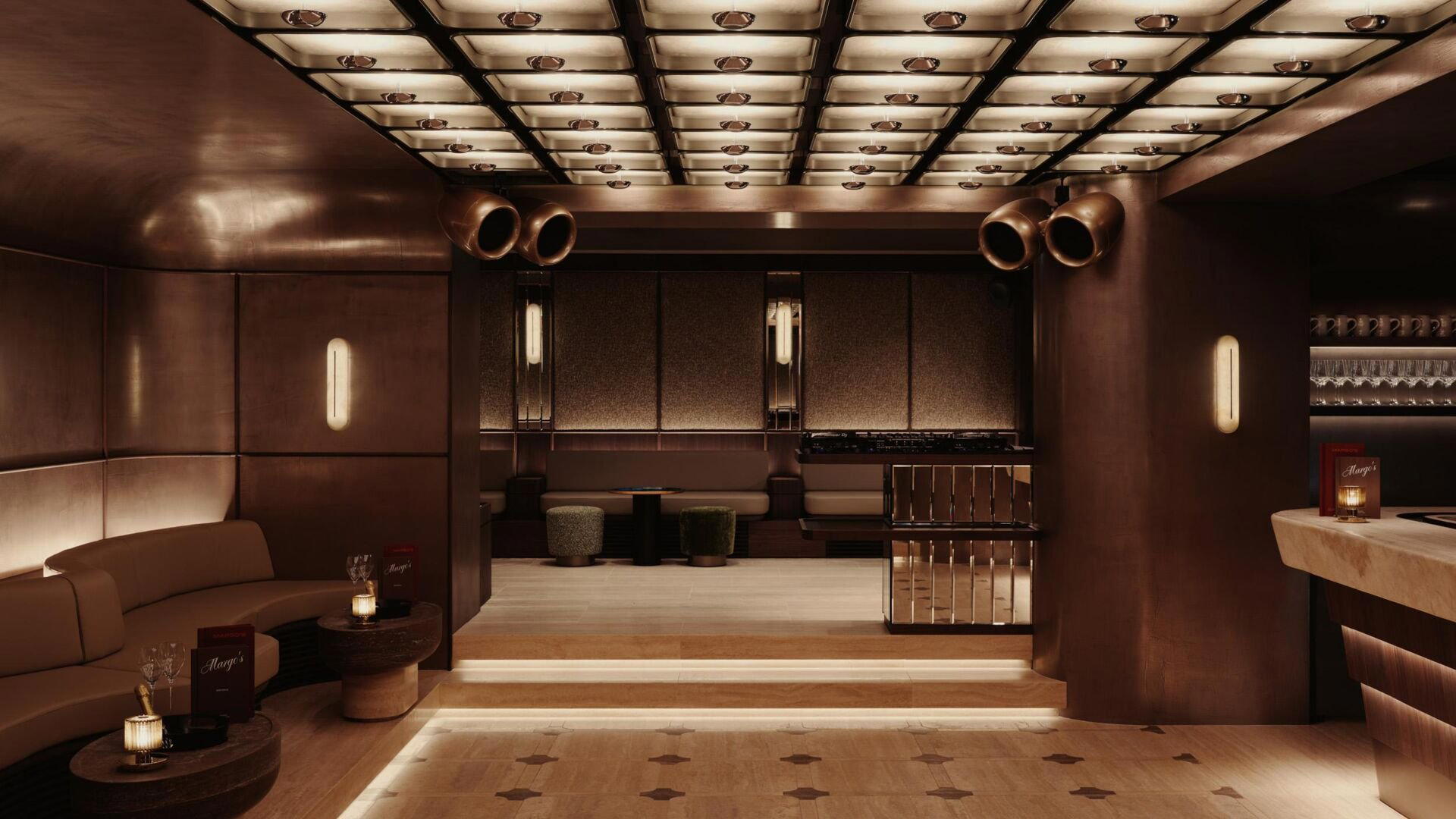


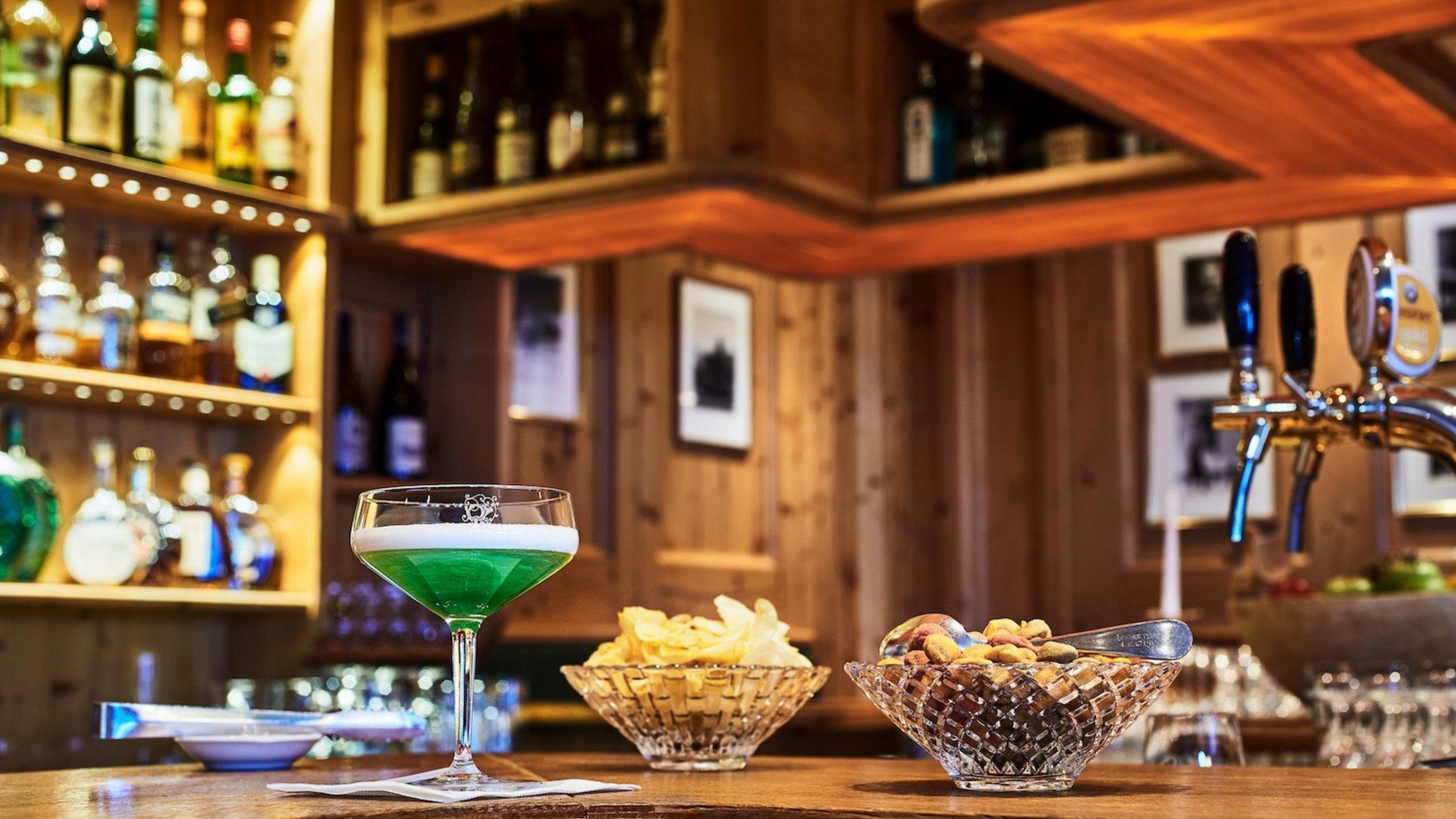
Hotels in Lech am Arlberg
Browse all →

At a Glance
- Cozy
- Elegant
- Intimate
- Date Night
- Special Occasion
- Hotel Restaurant
- Extensive Wine List
- Local Sourcing
Current opening hours
- Monday
- 6:30–11 PM
- Tuesday
- 6:30–11 PM
- Wednesday
- 6:30–11 PM
- Thursday
- 6:30–11 PM
- Friday
- 6:30–11 PM
- Saturday
- 6:30–11 PM
- Sunday
- 6:30–11 PM
Hours can change for holidays and private events. Last verified .
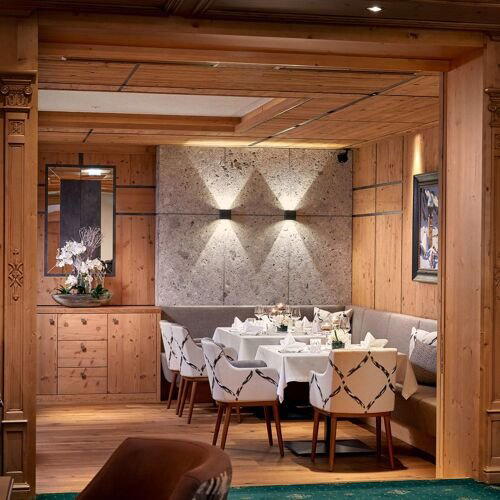
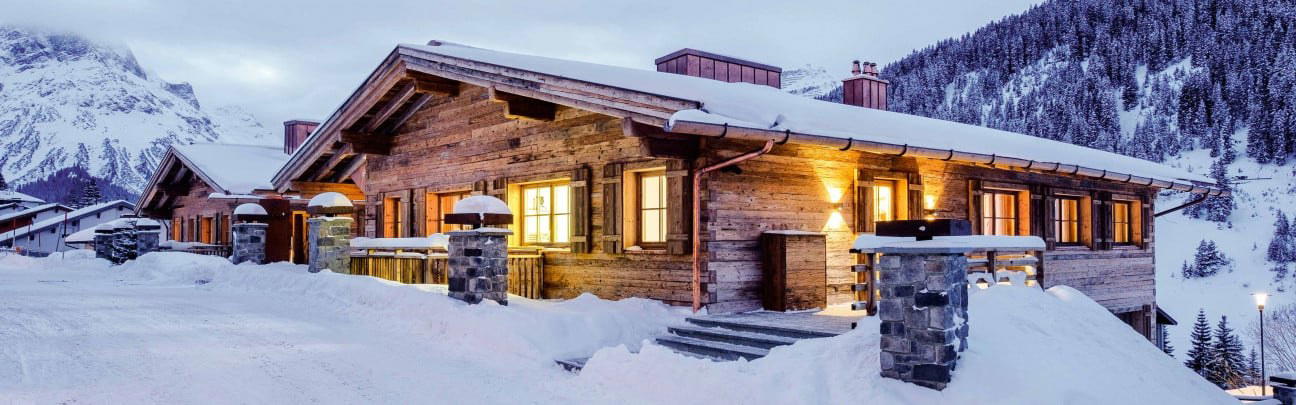
Gemütlich-elegant Wohlfühlatmosphäre with atmospheric interior, described as cozy and intimate.