Dum Pukht Kolkata brings the slow-cooked Awadhi tradition of dum cooking to the north of the city, on Purba Sinthi Road near Dum Dum. The style centres on sealed-vessel preparation that concentrates spice and steam over low heat, a technique with roots in Lucknow's royal kitchens. For Kolkata diners seeking that particular register of North Indian cooking, this address represents a distinct alternative to the city's dominant Bengali and Mughlai dining scene.
 Discover on Pearl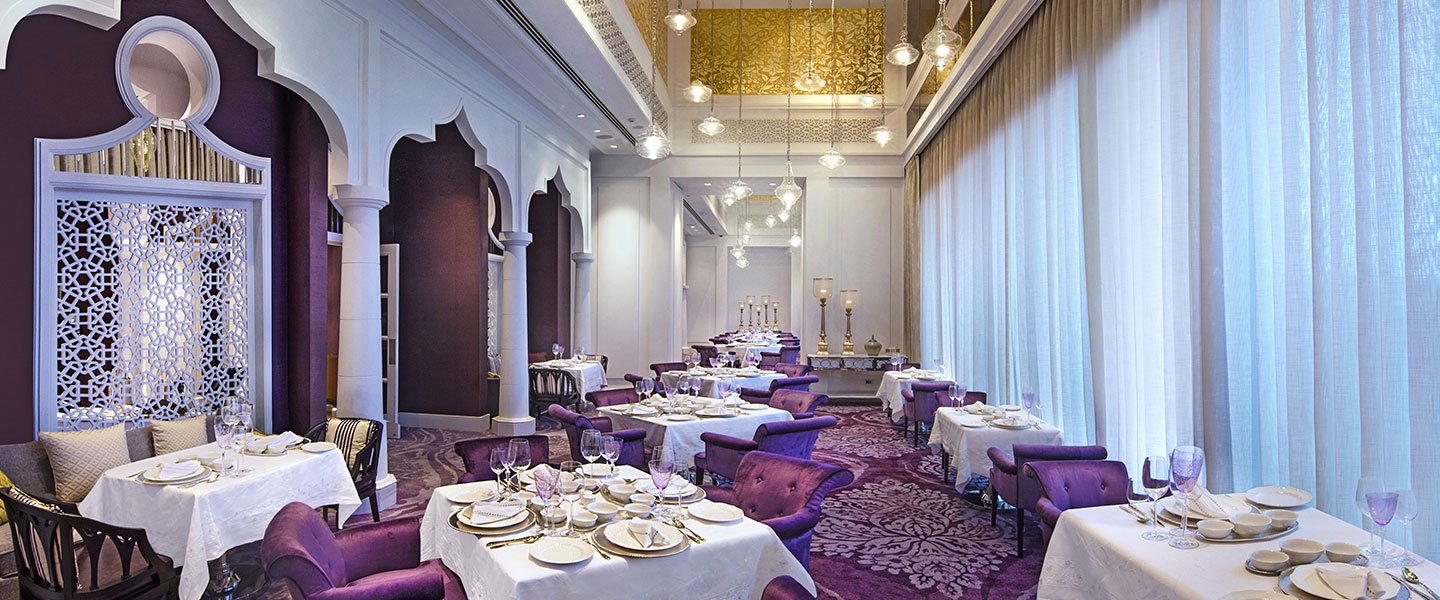
The Slow Fire Beneath Kolkata's North
Kolkata's dining identity is so firmly associated with its own Bengali table — the mustard-sharp fish curries, the mishti doi, the kosha mangsho — that restaurants working in a different register can occupy an almost parallel track. The dum pukht tradition arrives here from a different geography entirely: Lucknow's royal kitchens, where cooks in the court of Nawab Asaf-ud-Daula refined a technique of sealing meat, spice, and aromatics inside a heavy vessel with dough and letting heat do its work across hours rather than minutes. The result is a style of cooking defined by concentration and patience rather than speed or spectacle. Dum Pukht Kolkata, situated on Purba Sinthi Road near Dum Dum in the city's north, places that tradition within an urban neighbourhood far removed from Kolkata's conventional dining corridors around Park Street or New Market.
What Dum Cooking Actually Means
The term dum pukht translates roughly as "cooking on slow fire" in Persian-influenced Urdu, and the technique is one of the more precisely defined in the Indian kitchen. The vessel, traditionally a handi, is sealed at the rim with unleavened dough so that no steam escapes during the cooking process. Meat, rice, and spices are layered inside and left to cook in their own moisture, concentrating flavour that would otherwise dissipate. The resulting dishes carry a depth that open-pot cooking at higher temperatures cannot replicate, not because the ingredients differ, but because time and containment work on the proteins and aromatics differently. Biryani prepared this way carries a distinct texture in the rice , each grain separate but fully fragrant from the sealed environment above the meat below it.
The shortlist, unlocked.
Hard-to-book tables, cellar releases, and concierge-planned trips.
Get Exclusive Access →This matters for context when reading Kolkata's broader restaurant scene. The city has its own claim to biryani tradition through the Wajid Ali Shah lineage , the exiled Nawab of Awadh who arrived in Metiabruz in the 1850s and brought Lucknowi kitchen culture with him, including the practice of adding potato to biryani, a detail that became a Kolkata signature. That local adaptation sits at some remove from the foundational dum pukht technique, and restaurants that hold more closely to the original Awadhi approach occupy a distinct niche in the city. For comparable registers of North Indian cooking in Kolkata, Peshawri works the Northwest Frontier tradition, while Oh Calcutta and Kewpie hold to the Bengali table itself.
The Neighbourhood and Its Register
Purba Sinthi Road and the Dum Dum area represent a different Kolkata from the heritage dining rooms of the city's south. This is a working residential and commercial corridor, the kind of neighbourhood where the dining culture runs toward community feeding rather than occasion eating. A restaurant anchoring to the dum pukht tradition in this location is making a different argument than one operating near the five-star hotels of the city centre. It addresses a local appetite rather than a visitor market, and that positioning tends to produce a more direct relationship between kitchen and the people it serves. The proximity to Dum Dum itself , the area that gives its name to the dum dum bullet, manufactured here in the late nineteenth century at the colonial arsenal , lends an incidental historical register to the address.
Placing Dum Pukht Kolkata in the Wider Indian Register
Across India, the dum pukht name carries its heaviest associations through the Delhi property of the same style, and the tradition threads through premium North Indian dining from Hyderabad to Mumbai. Adaa at Falaknuma Palace in Hyderabad operates the Nizami variant of slow-cooked royal cuisine at the opposite end of the subcontinent's culinary geography, while Bukhara in New Delhi holds a different but adjacent position in the North Indian tandoor and slow-cook tradition. What distinguishes the Kolkata iteration is context: it operates within a city whose own culinary heritage is so pronounced that any North Indian restaurant must position itself against that dominant register, not alongside it. This gives Dum Pukht Kolkata a clear identity function , it is the address for diners whose appetite runs toward the Awadhi rather than the Bengali, toward ghee-rich handi preparations rather than mustard oil and hilsa.
For diners who want to contrast that Awadhi register against Kolkata's own fusion currents, Sienna Store and Cafe represents the city's contemporary Indian direction, while Baan Thai works an entirely different South and Southeast Asian register. Across India more broadly, restaurants exploring Indian technique with comparable seriousness include Farmlore in Bangalore, Avartana in Chennai, and Naar in Kasauli, each working a distinct regional tradition. Even further afield, the question of how a cultural kitchen technique defines a restaurant's identity applies equally to places like Americano in Mumbai, Le Bernardin in New York City, or Atomix in New York City , the difference being that those kitchens operate with extensively documented public records, where Dum Pukht Kolkata remains, at this stage, more sparsely documented.
Planning a Visit
Dum Pukht Kolkata is located at 449 Purba Sinthi Road, near Mangaldeep Marriage Hall in Purba Sinthi, Dum Dum, Kolkata , a location leading reached by road from central Kolkata or from Dum Dum metro station, which sits on the Blue Line of the Kolkata Metro network. Given the residential neighbourhood character, visitors arriving by app-based cab or auto-rickshaw from the metro will find that the most practical approach. Current hours, phone contact, and reservation policy are not documented in our records at the time of writing; it would be sensible to verify directly with the venue before making a special journey from central Kolkata. For a broader picture of where this address fits within the city's restaurant offering, see our full Kolkata restaurants guide. The city's hotel, bar, and experience options are covered separately in our Kolkata hotels guide, our Kolkata bars guide, our Kolkata wineries guide, and our Kolkata experiences guide.
449, Purba Sinthi Rd, near Mangaldeep Marriage Hall, Purba Sinthi, Dum Dum, Kolkata, West Bengal 700030, India
+91 80177 77790
A Pricing-First Comparison
A fast peer set for context, pulled from similar venues in our database.
| Venue | Price | Awards | Notes |
|---|---|---|---|
| Dum Pukht Kolkata | This venue | ||
| Baan Thai | Thai Indian | ||
| Peshawri | Indian | ||
| Sienna Store & Cafe | Indian Fusion | ||
| Kewpie | |||
| Oh Calcutta |
Need a table?
Our members enjoy priority alerts and concierge-led booking support for the world's most difficult tables.
Get Exclusive AccessThe shortlist, unlocked.
Hard-to-book tables, cellar releases, and concierge-planned trips.
Get Exclusive Access →