Pepper Pot
In Hatch, New Mexico, the chile pepper isn't a garnish — it's the entire argument. Pepper Pot, at 250 W Hall St, sits at the center of a town that supplies a significant portion of America's green and red chile crop, making sourcing less a philosophy and more a geographic fact. For anyone tracing American regional cooking back to its agricultural roots, Hatch is where that trail ends.
Pearl is the En Primeur Club membership app — saves, bookings, and concierge access live there. Same editors, same standards.
- Address
- 250 W Hall St, Hatch, NM 87937
- Phone
- +1 575 267 3822
- Website
- facebook.com
- Directions
- Get directions
 Saves & bookings on Pearl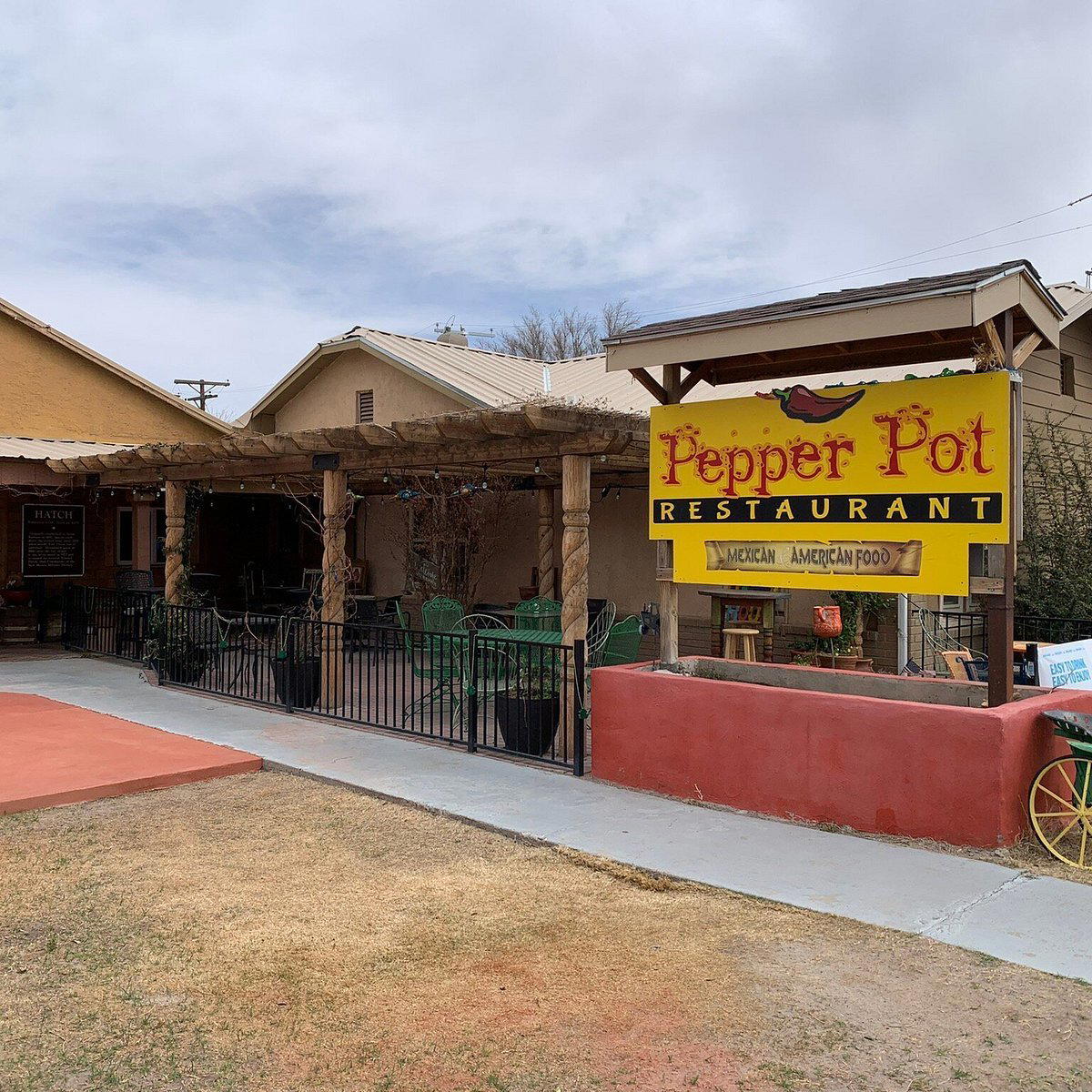
Where the Ingredient Is the Address
Approach Hatch from any direction on US-26 or I-25 and the landscape does the explaining before any menu does. The Hatch Valley, carved by the Rio Grande through southern New Mexico, produces chile peppers under a specific combination of high-altitude sun, alkaline soil, and wide diurnal temperature swings that growers and food scientists alike credit with the variety's distinctive heat-to-flavor ratio. This is not terroir as metaphor — it is a measurable agricultural condition that separates Hatch chile from the broader New Mexican and Southwestern pepper supply chain. Pepper Pot, at 250 W Hall St, sits inside that origin story in the most literal sense possible: it operates in the town that gives the ingredient its name.
American regional cooking has spent the last two decades being rediscovered by restaurants operating at considerable remove from the source. Places like Blue Hill at Stone Barns in Tarrytown and Single Thread Farm in Healdsburg have built critical reputations around collapsing the distance between farm and plate, with tasting menus priced accordingly. Smyth in Chicago and Lazy Bear in San Francisco operate in a similar register. The logic in all those cases is that proximity to exceptional ingredients produces more honest cooking. Pepper Pot in Hatch doesn't need to argue that point — geography has already settled it.
The Chile as Primary Ingredient, Not Seasoning
New Mexican chile cookery operates by a different grammar than the chile-as-condiment tradition that runs through much of Tex-Mex and fast-casual Southwestern food. In the Hatch Valley, green chile (harvested before full ripeness, with a grassier, sharper profile) and red chile (the same pod dried and often ground, with deeper, earthier character) function as base sauces, braises, and stews rather than as finishing heat. The distinction matters to anyone comparing this tradition to the chile-forward cooking seen in urban restaurants from ITAMAE in Miami to The Wolf's Tailor in Denver, where the pepper appears as a carefully deployed accent. In Hatch, it is the structural element around which everything else is organized.
The seasonal calendar here is more rigid than at most ingredient-driven restaurants. Green chile harvest runs from late July through September, with the Hatch Chile Festival drawing tens of thousands of visitors to a town of fewer than 2,000 residents each Labor Day weekend, an attendance ratio that has no parallel in American food-festival culture. During peak season, roasters operate roadside across the valley, and the smell of charring chile skin is ambient rather than occasional. Pepper Pot occupies a town where this is the dominant sensory register for weeks at a time, which shapes the context for everything served inside.
Hatch's Dining Scene and Where Pepper Pot Sits
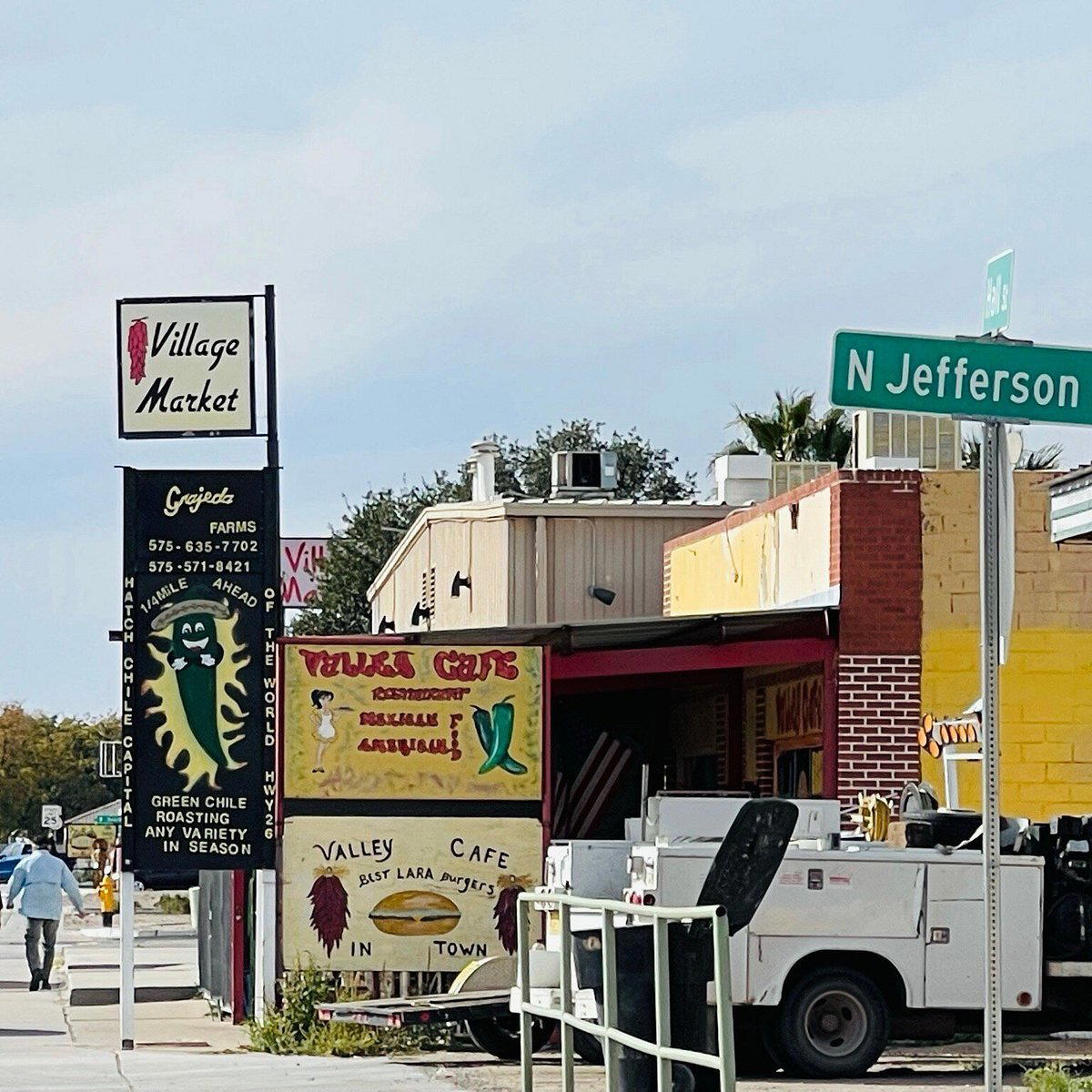
Hatch is not a restaurant town in the way that Santa Fe or Albuquerque function as dining destinations with diversified culinary ecosystems. It is a single-crop agricultural community where food culture is organized around that crop. The handful of restaurants operating here, including Valley Cafe, draw visitors specifically because they cook with the ingredient at source rather than with a supply-chain approximation of it. That positioning places them in a category of their own: not farm-to-table as a marketing designation, but farm-to-table as a description of physical proximity.
For context, the sourcing arguments that fuel critical attention at places like Providence in Los Angeles, Addison in San Diego, or Frasca Food and Wine in Boulder rest on supply relationships that span considerable distances. The ingredients are exceptional; the sourcing is intentional. In Hatch, the sourcing is incidental to geography. You are already there. Restaurants like Pepper Pot benefit from that condition without needing to construct a narrative around it, which gives the cooking a different kind of credibility than you find at destination restaurants pricing against a provenance story.
This is not to suggest that Hatch restaurants occupy the same critical tier as Le Bernardin in New York City, Atomix in New York City, or The Inn at Little Washington. They operate in an entirely different register, with different ambitions and different price structures. The comparison is useful only to establish what Hatch cooking does that those restaurants cannot replicate regardless of budget: it delivers a specific agricultural product in the place where it was grown, cooked in the tradition that developed around it, without abstraction or reinterpretation.
Planning a Visit
Hatch sits roughly 40 miles north of Las Cruces on NM-185 and about 220 miles south of Albuquerque via I-25, making it a practical stop on a southern New Mexico road itinerary rather than a standalone urban destination. Visitors arriving during the Labor Day harvest festival should expect significantly compressed availability at every restaurant in town, Pepper Pot included, and should plan accordingly. Outside festival season, Hatch operates at a pace consistent with a small agricultural community, and walk-in dining is the norm rather than the exception. No website or advance booking infrastructure is listed for Pepper Pot, which places it in the category of places where showing up directly at 250 W Hall St is the correct approach. For a broader map of what the town offers, our full Hatch restaurants guide covers the complete scene. Readers with interest in how ingredient-driven sourcing philosophy plays out at the highest price tier elsewhere in the country may find useful contrast at Oyster Oyster in Washington, D.C., Emeril's in New Orleans, or Atelier Moessmer Norbert Niederkofler in Brunico, where sourcing locality is the organizing principle of a formal tasting experience.
At a Glance
- Rustic
- Classic
- Casual Hangout
- Family
- Group Dining
- Standalone
- Local Sourcing
Current opening hours
- Tuesday
- 6 am–3:30 pm
Hours can change for holidays and private events. Last verified .
Casual, unpretentious neighborhood restaurant with a focus on traditional New Mexican home cooking and local hospitality.
Know Before You Go
- Getting there
- 250 W Hall St, Hatch, NM 87937