Ladder, A Ted Turner Reserve

Virtuoso Luxury Hotel Partner
Spanning 156,439 acres of southcentral New Mexico, Ladder, A Ted Turner Reserve is one of the most expansive private conservation ranches in the American Southwest. Acquired by Ted Turner in 1992, it encompasses desert grasslands, pine-forested foothills, four Rio Grande tributaries, and a wildlife roster that runs from bison and elk to mountain lions and Chiricahua leopard frogs.

Pearl is the En Primeur Club membership app, where members save venues, book tables and use the concierge.
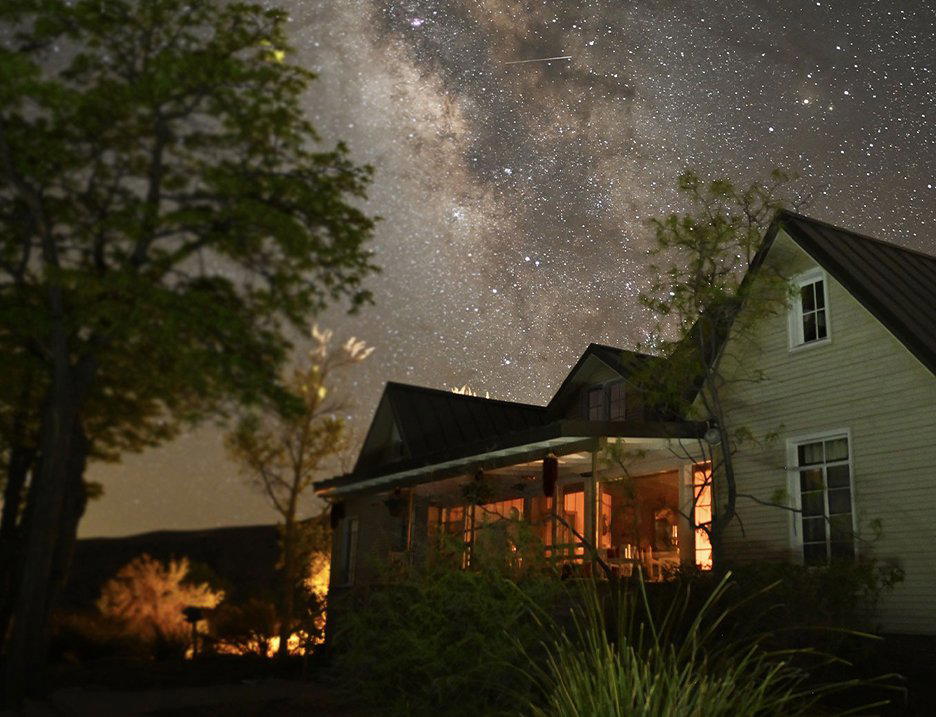
Where the Chihuahuan Desert Meets the Black Range
The approach to Ladder, A Ted Turner Reserve sets expectations immediately. Southcentral New Mexico's terrain shifts from open high-desert grassland into increasingly vertical country as the land climbs toward the foothills of the Black Range, the western edge of the Gila Mountains. There are no manicured entry gates or resort-grade signage. What arrives instead is scale: 156,439 acres, roughly 245 square miles, of contiguous private land that places the reserve in the company of the largest conservation-managed ranches in the continental United States. The built environment here serves the landscape rather than competing with it, which is itself an architectural stance, one increasingly rare in premium American wilderness hospitality.
That positioning matters when reading Ladder against the broader category of high-end wilderness stays. Properties like Amangiri in Canyon Point or Amangani in Jackson Hole have built their reputations on architectural minimalism that responds to dramatic terrain. Ladder operates from a different premise: the land's ecological integrity is the primary design object, and the structures that support a stay exist within that hierarchy. It is a distinction that attracts a specific kind of traveler, one less interested in a photographable lobby than in spending days inside a functioning ecosystem that most people will never access.
The Ecosystem as Architecture
Four tributaries of the Rio Grande run through the property: the Animas, Seco, Palomas, and Cuchillo streams. Riparian corridors in the arid Southwest are among the most biologically dense environments in North America, and these watercourses support sycamores and cottonwoods that read as structural elements against the surrounding grassland. The streams also shelter Chiricahua leopard frogs, a species listed as threatened under the Endangered Species Act, and Rio Grande cutthroat trout, whose restoration to these waters is an active conservation project. The presence of these species is not incidental to the guest experience, it is the experience, and the reserve's management makes that clear.
The elevation gradient from desert floor to pine-forested foothills produces a layered sequence of ecosystems within a single property. A guest moving through the reserve across a day can transition from Chihuahuan desert grassland through piñon-juniper woodland into ponderosa pine country. Few private properties in the Southwest compress this range of ecological zones into accessible terrain. Ambiente, A Landscape Hotel in Sedona and Canyon Ranch Tucson each use their desert settings as aesthetic backdrops; Ladder operates at a different scale and with a different relationship to the land beneath it.
Wildlife at Working Scale
The reserve's wildlife roster reads like a catalog of the American West's megafauna at carrying capacity: bison, elk, deer, antelope, javelina, mountain lions, and bears have all been documented on the property. Bison in particular carry significance here, Ted Turner's broader conservation ranching program has been among the more consequential private bison restoration efforts in the country since the early 1990s, when Turner began acquiring large tracts across the West. Ladder, purchased in 1992, was an early addition to that portfolio.
For context on how this positions the reserve among peer wilderness stays: properties like Blackberry Farm in Walland or Sage Lodge in Pray offer curated proximity to regional wildlife as part of a refined guest experience. Ladder's proposition is different in kind, not just degree. The wildlife is not managed for guest viewings on a schedule, it is present because the land supports it, and encounters are a function of how far into the property a guest is willing to travel.
The category of conservation-anchored private ranch stays in the American West is small and increasingly sought after. Alpine Falls Ranch in Superior and Troutbeck in Amenia each occupy distinct positions within the broader spectrum of land-connected hospitality. Ladder's defining characteristic within this peer group is acreage: at 156,439 acres, it offers a degree of spatial privacy that most luxury properties, however thoughtfully designed, cannot replicate. The nearest architectural analogy might be the way Post Ranch Inn in Big Sur uses land and elevation to create separateness, except that Ladder operates at roughly forty times the footprint.
The reserve also sits in a different price-tier conversation than urban luxury. Properties such as The Fifth Avenue Hotel in New York City, Aman New York, or Raffles Boston charge for location density and service architecture. Ladder charges, implicitly, for the opposite: distance, quiet, and access to land that is otherwise closed to the public. These are different luxury propositions for different travel needs, and understanding which one you are buying matters before the booking is made.
Planning a Stay at Ladder
Caballo sits in Sierra County, roughly midway between Truth or Consequences and Hillsboro in southcentral New Mexico. The nearest commercial air access is typically El Paso International Airport to the south or Albuquerque International Sunport to the north, with ground transfer required to reach the property. Given the reserve's scale and the nature of the terrain, visits are leading planned with adequate time, a single overnight will not allow meaningful engagement with the range of ecosystems on offer. Those comparing this style of stay against other Southwest alternatives will find useful context in our full Caballo restaurants and venues guide, as well as in properties positioned at the intersection of ecological sensitivity and premium hospitality, such as SingleThread Farm Inn in Healdsburg or Kona Village, A Rosewood Resort in Kailua Kona.
Booking and pricing details are managed directly through the Ted Turner Reserves program, and availability at properties of this type tends to be limited by design rather than demand. Prospective guests should expect the kind of advance planning associated with allocation-based access, not because the process is deliberately opaque, but because the low-capacity model is what makes the experience function at all.
What the Reserve Signals About American Wilderness Hospitality
Across the American West, a small number of private landholders have begun positioning large conservation ranches as legitimate hospitality destinations, operating in a space that sits between ecotourism and ultra-premium retreat. Ladder represents one of the more substantial land bases in that emerging category. Where properties like Bernardus Lodge and Spa in Carmel Valley or Four Seasons at The Surf Club in Surfside have built premium reputations through service architecture and amenity depth, Ladder's case rests on land stewardship at a scale that the hospitality industry rarely touches. The question for a prospective guest is not whether the service matches a five-star urban hotel. It is whether 245 square miles of functioning New Mexico wilderness, held under conservation management and largely closed to the outside world, is the thing they want to spend a few days inside.
Quick Comparison
Comparable venues nearby, for context on price, style, and recognition.
| Venue | Cuisine | Price | Awards | Notes |
|---|---|---|---|---|
| Ladder, A Ted Turner ReserveThis venue (the venue you are viewing) | Historic four-bedroom family home with rustic elegance and Southwestern architectural character, recently renovated with modern amenities. | $2,500+ | Virtuoso Luxury Hotel Partner | Not listed |
| Armendaris, A Ted Turner Reserve | Luxury desert hacienda blending Santa Fe architectural traditions with contemporary comfort on a vast conservation property. | $2,500+ | Virtuoso Luxury Hotel Partner | Sierra County |
| The Inn of the Five Graces | Historic adobe luxury resort | $750–1,000 | Michelin Selected · Relais Chateaux Award | Barrio de Analco |
| Bishop's Lodge, Auberge Resorts Collection | Modern Southwest luxury ranch | $500–750 | Forbes Recommended · Virtuoso Luxury Hotel Partner | Sangre de Cristo Mountains |
| La Fonda on the Plaza | Historic Pueblo Revival with authentic New Mexican cultural elements. | Not listed | Not listed | Santa Fe Plaza |
| Sierra Grande, A Ted Turner Retreat | Historic adobe-style lodge with Southwest-inspired architecture featuring hand-carved wood furnishings, exposed ceiling beams, and lively regional textiles blended with rustic-luxe contemporary comfort. | $200–300 | Virtuoso Luxury Hotel Partner | Truth or Consequences |
Recognition history
Dated appearances from independent guides and award organizations, with the underlying list record or original source where available.
Virtuoso Luxury Hotel Partner
Virtuoso
Continue exploring
More in Caballo
Hotels in Caballo
All hotels in Caballo →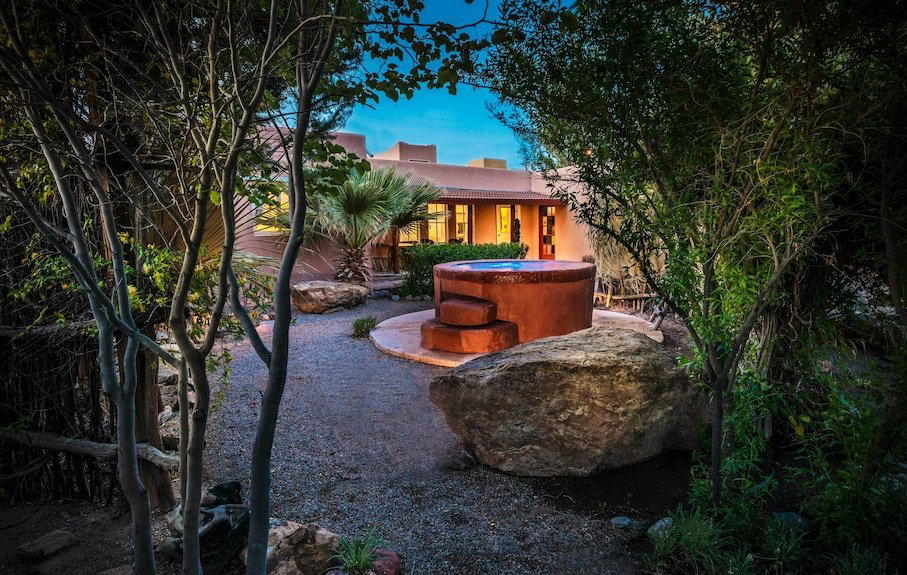
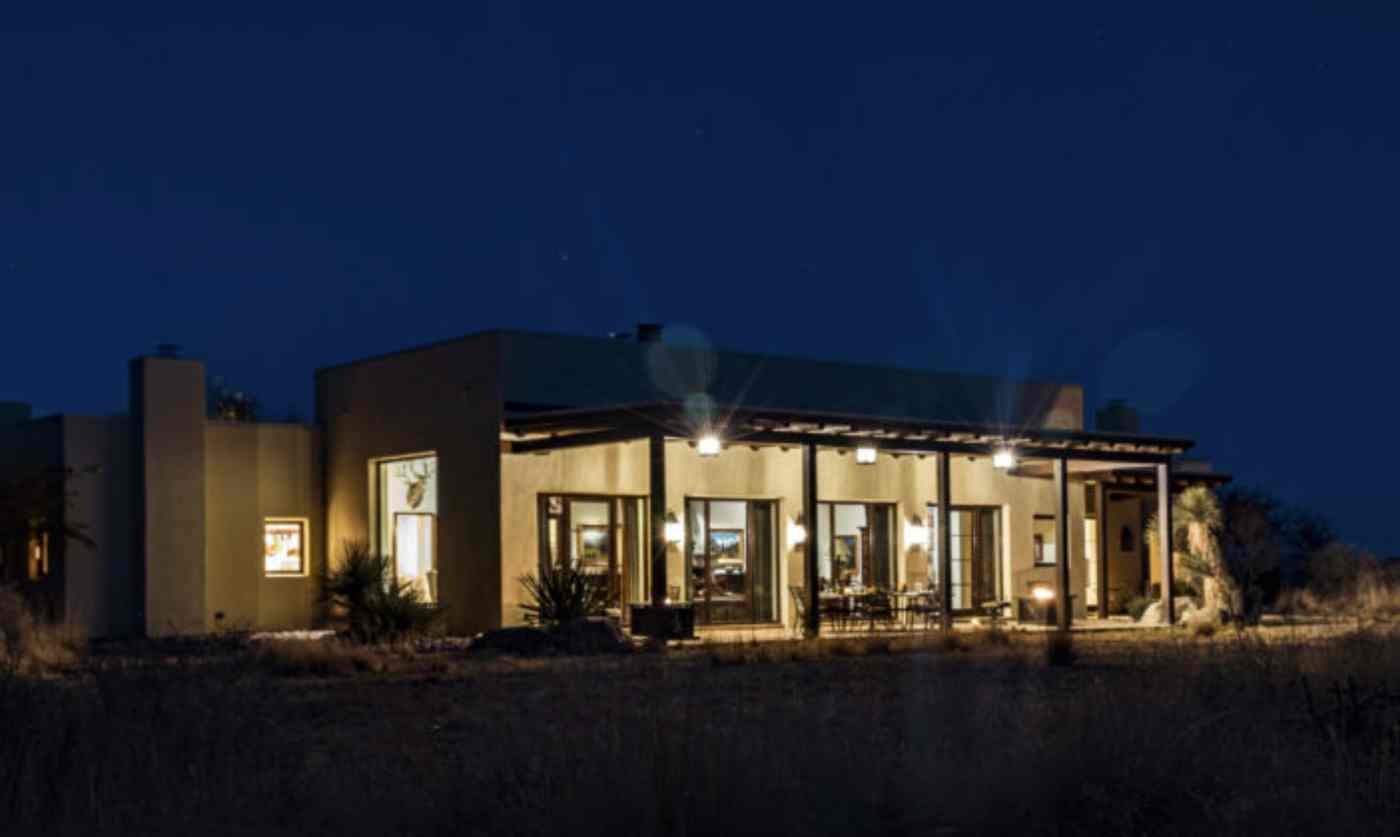
Restaurants in Caballo
Browse all →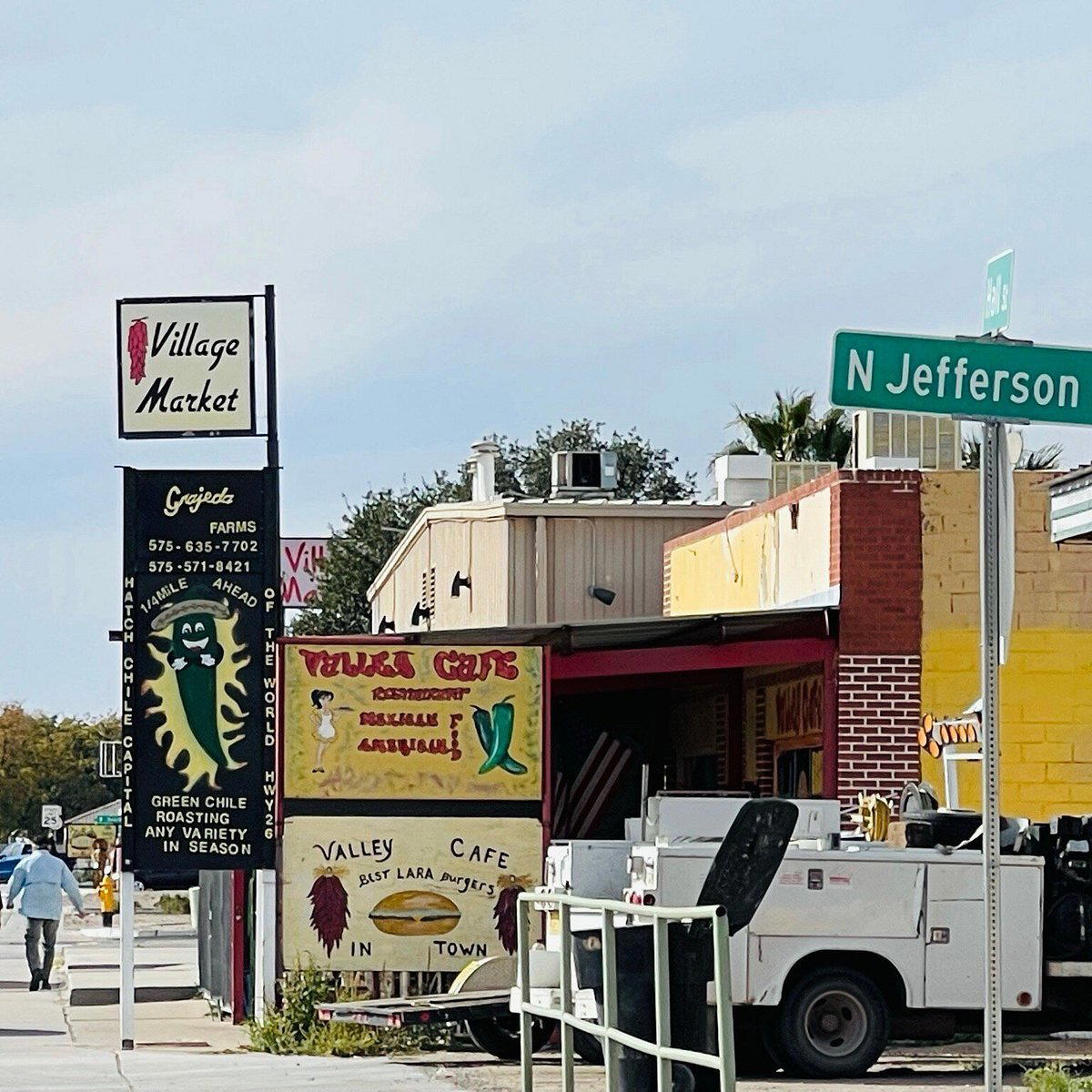
Details
- Scenic
- Rustic
- Intimate
- Quiet
- Elegant
- Wellness Retreat
- Romantic Getaway
- Family Vacation
- Group Retreat
- Private Villa
- Private Dining
- Panoramic View
- Historic Building
- Garden
- Terrace
- Wi Fi
- Spa
- Mountain
Rustic elegance with Southwestern accents, stone fireplaces, and serene natural surroundings that inspire connection to the landscape and wildlife.