Valley Cafe
Valley Cafe sits on West Hall Street in Hatch, New Mexico, the small farming town that defines the American chile pepper trade. As a local fixture in one of the country's most ingredient-specific food destinations, it places visitors inside the agricultural story that drives the region's cooking. For anyone passing through Hatch during harvest season, it offers direct access to the flavors that built this town's reputation.
Pearl is the En Primeur Club membership app — saves, bookings, and concierge access live there. Same editors, same standards.
- Address
- 360 W Hall St, Hatch, NM 87937
- Phone
- +1 575 267 4798
- Website
- afes.io
- Directions
- Get directions
 Saves & bookings on Pearl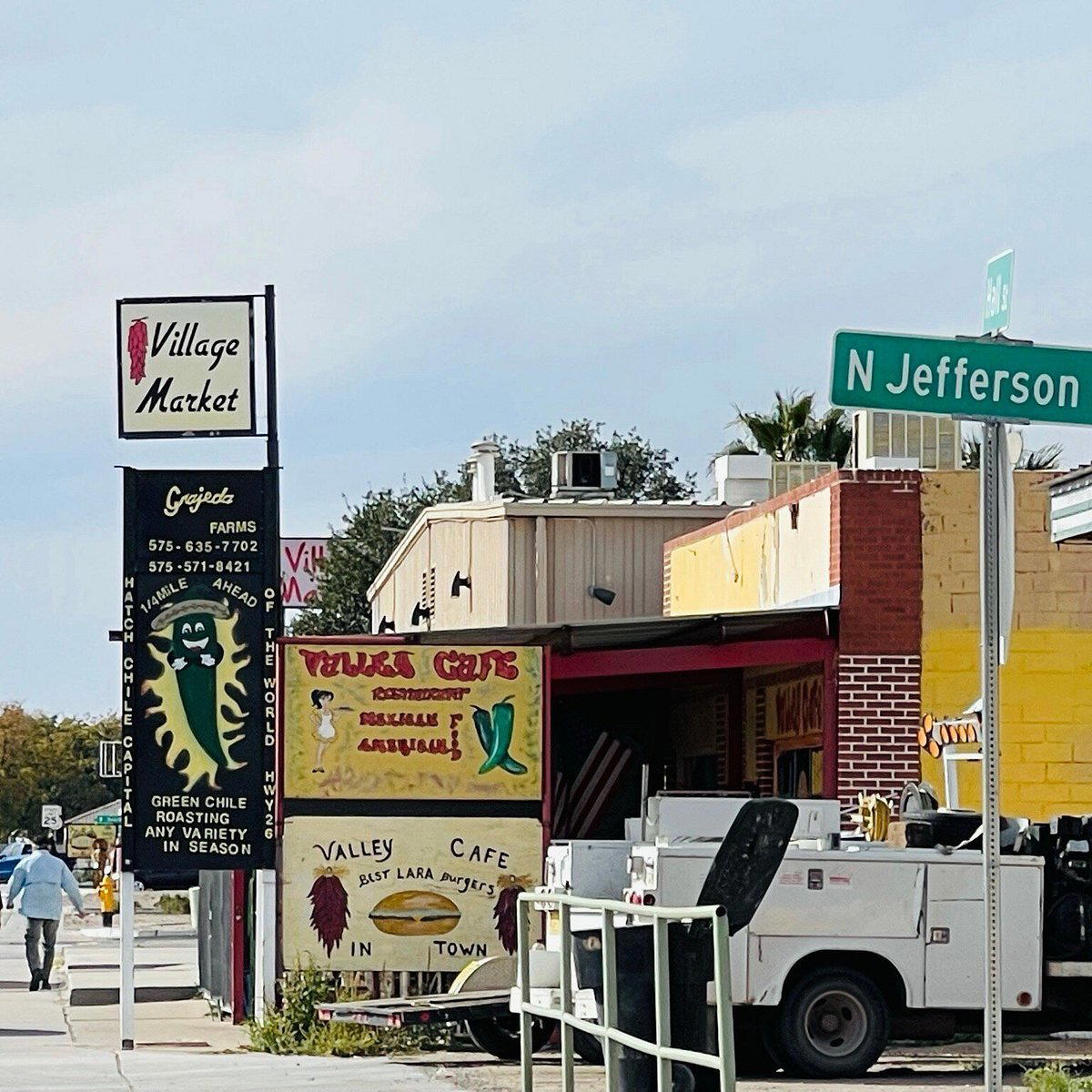
Where the Chile Belt Begins
Hatch, New Mexico occupies a specific and non-negotiable place in American food culture. The Hatch Valley, running along the Rio Grande through Doña Ana County, produces a variety of New Mexico green and red chiles that growers, chefs, and food writers have debated, celebrated, and argued over for more than a century. The town itself, population under 2,000, exists almost entirely within the gravitational pull of that crop. Its calendar is organized around the harvest. Its economy depends on it. And its restaurants, cafes, and roadside stands are, in a meaningful sense, the most direct way a traveler can encounter an ingredient that shows up, at several removes, in kitchens from Santa Fe to Los Angeles.
Valley Cafe, at 360 W Hall Street, sits inside that tradition. The address alone places it in one of the most ingredient-specific food towns in the American Southwest, a region where the question is never whether chiles will appear on the plate, but which variety, at what ripeness, and in what form. That specificity is the editorial context for any cafe operating here: the ingredient precedes the establishment, and the town's reputation as a chile-producing center is the frame through which every meal gets read.
The Cultural Weight of the Hatch Chile
New Mexico's relationship with the chile pepper is not incidental. The state's official question, enshrined in law in 1999, is "Red or green?" — a reference to the choice every diner makes when ordering. The Hatch Valley's particular growing conditions, the alkaline soil, the high altitude, the sharp temperature swings between day and night, produce a chile with a flavor profile distinct enough that growers, food scientists, and agricultural historians have documented it extensively. New Mexico State University's Chile Pepper Institute, based in Las Cruces, has spent decades cataloguing the genetic and flavor differences between Hatch-grown and other New Mexico chiles.
That scientific and cultural infrastructure gives eating in Hatch a layer of specificity that most American small towns cannot offer. When travelers make the drive down NM-185 or US-85 toward Hatch, particularly during the late August and September harvest window, they are arriving at the source of an ingredient that defines a regional cuisine. The restaurants and cafes along the main drag are, for many visitors, the most direct encounter they will have with that ingredient in its freshest, most local form. Peer dining destinations in the Southwest, including places like Frasca Food & Wine in Boulder or The Wolf's Tailor in Denver, work with premium regional ingredients as a studied practice. In Hatch, that relationship between place and ingredient is structural, not philosophical.
A Town's Dining Scene in Context
Hatch's dining options are spare by metropolitan standards, which is precisely the point. The town does not compete with the tasting-menu tier occupied by places like Le Bernardin in New York City, Lazy Bear in San Francisco, or The French Laundry in Napa. It does not aim to. What Hatch offers is the opposite of that register: unpretentious, ingredient-forward cooking rooted in the New Mexican tradition, where the chile is the organizing principle and the technique is secondary. The equivalents in other American cities, whether Emeril's in New Orleans with its Louisiana ingredient identity, or Blue Hill at Stone Barns in Tarrytown with its farm-sourced ethos, approach ingredient primacy from a formal and high-investment angle. Hatch's version is diner-scale, cash-register simple, and no less serious about the underlying product.
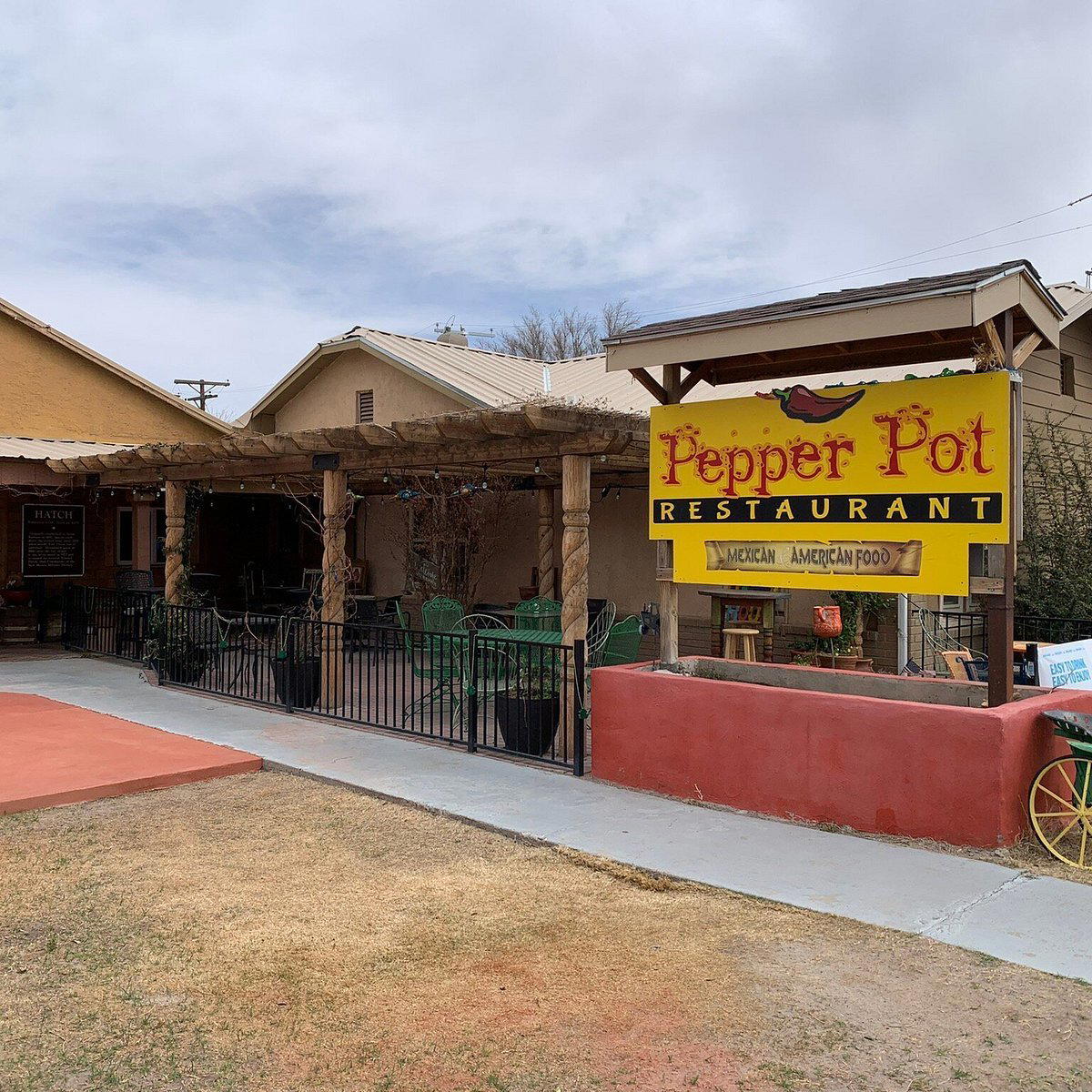
Within Hatch itself, Valley Cafe sits alongside a small number of local spots that collectively shape the town's food identity. Pepper Pot is another local reference point in this same register. For travelers assembling a fuller picture of eating in the area, our full Hatch restaurants guide covers the options across the town in more detail. Further afield in New Mexico's broader dining conversation, cities like Albuquerque and Santa Fe offer more formal expressions of the state's food culture, but neither carries the raw agricultural immediacy of eating in Hatch during harvest.
Restaurants elsewhere in the American Southwest have built reputations on ingredient sourcing that Hatch itself takes for granted. Providence in Los Angeles, Addison in San Diego, and Smyth in Chicago operate within a framework where provenance is communicated, catalogued, and narrated. In Hatch, provenance is geography. You are already there.
Visiting Valley Cafe: What to Know
Hatch is a working agricultural town, not a tourist destination with visitor infrastructure. The drive from Las Cruces takes roughly 45 minutes north on I-25; from Albuquerque, plan on two hours south. The town's cafes, including Valley Cafe at 360 W Hall Street, operate on schedules tied to local rhythms rather than traveler convenience, so arriving during standard meal service windows gives the most reliable access. The annual Hatch Chile Festival, held over Labor Day weekend each year, draws large crowds to a town not designed for large crowds: plan accordingly, and expect parking and seating to be limited across the board during that window.
No booking infrastructure has been documented for Valley Cafe, which is consistent with the walk-in, counter-service character typical of this tier of New Mexican dining. Bringing cash is advisable in any small agricultural town where card processing is not guaranteed. The address is direct to find on any mapping app, and the town is compact enough that orientation is not a problem once you arrive.
For travelers whose itineraries span the wider American dining map, the contrast between Hatch and the destinations at the other end of that spectrum, places like Single Thread Farm in Healdsburg, Atomix in New York City, Oyster Oyster in Washington, D.C., or Atelier Moessmer Norbert Niederkofler in Brunico, is itself instructive. The most interesting American food is not confined to one price register or one format. Hatch sits at one end of that range, and understanding what it represents, an agricultural tradition expressed directly through everyday cooking, sharpens the critical vocabulary for everything else.
At a Glance
- Cozy
- Rustic
- Casual Hangout
- Family
- Local Sourcing
Current opening hours
- Monday
- Closed
- Tuesday
- 8 AM–3 PM
- Wednesday
- 8 AM–3 PM
- Thursday
- 8 AM–3 PM
- Friday
- 8 AM–3 PM
- Saturday
- 8 AM–3 PM
- Sunday
- 8 AM–3 PM
Hours can change for holidays and private events. Last verified .
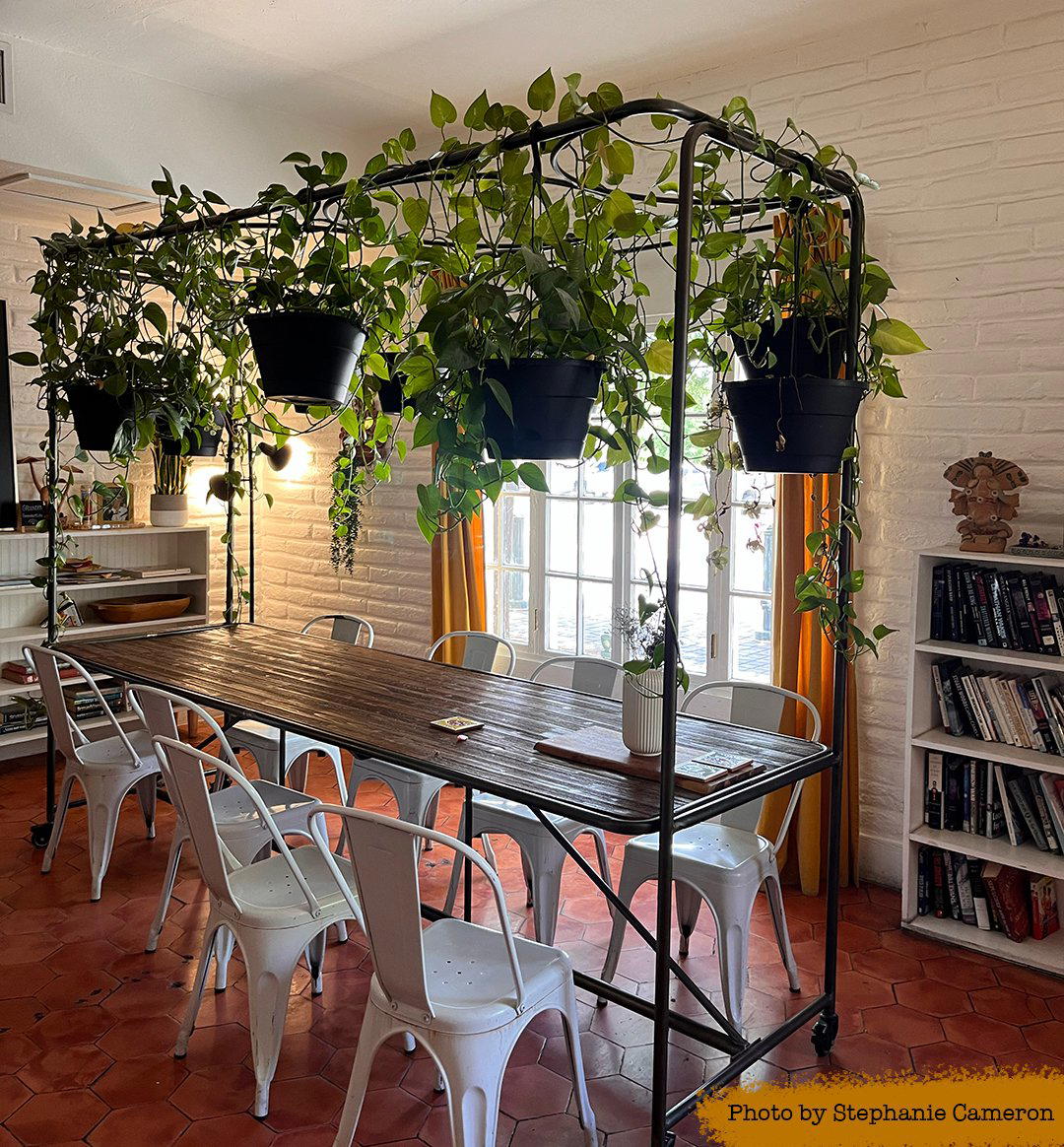
Friendly, simple, casual atmosphere with table service.
Know Before You Go
- Getting there
- 360 W Hall St, Hatch, NM 87937