Peninsula House

On the upper floor of a 1937 heritage building along Beach Street, Peninsula House runs an Australian-inspired menu built around organic produce from local indoor farms and its own garden. The seafood focus is pronounced, with dishes like crayfish and prawn étouffée tagliatelle drawing on deep umami. Reservations are required and the deceptively modest entrance belies a lofty, retro dining room worth seeking out.
Pearl is the En Primeur Club membership app — saves, bookings, and concierge access live there. Same editors, same standards.
- Address
- India House (historical building, 1st Floor, India House, 25, Beach St, George Town, 10300 George Town, Pulau Pinang, Malaysia
- Phone
- +60 16-439 1335
- Website
- peninsula.house
- Directions
- Get directions
 Saves & bookings on Pearl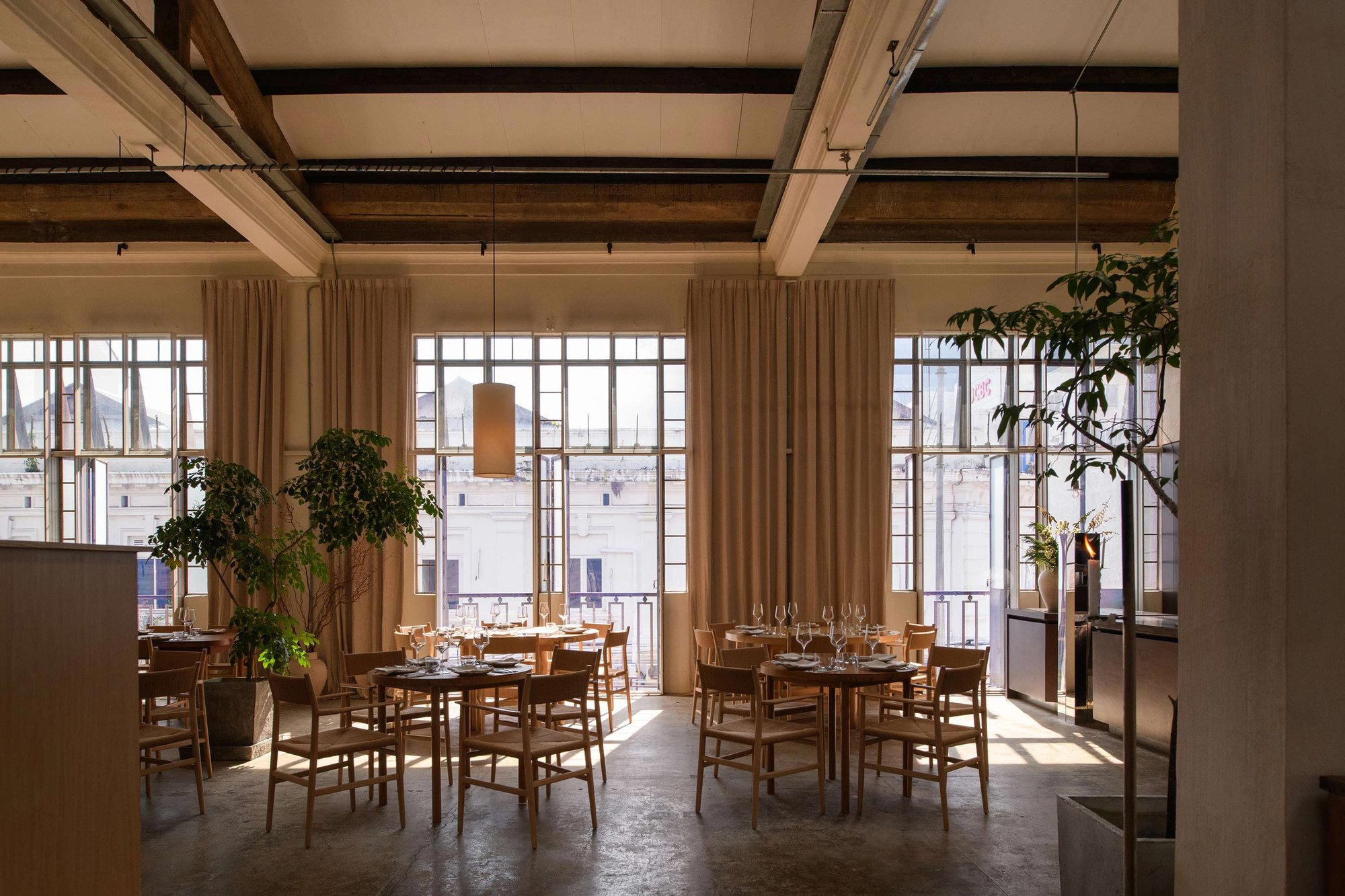
A Staircase Worth Climbing on Beach Street
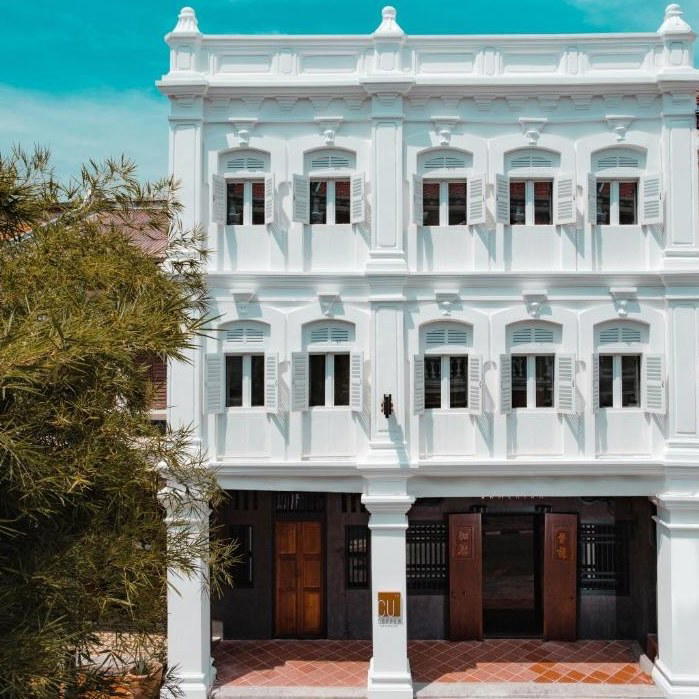
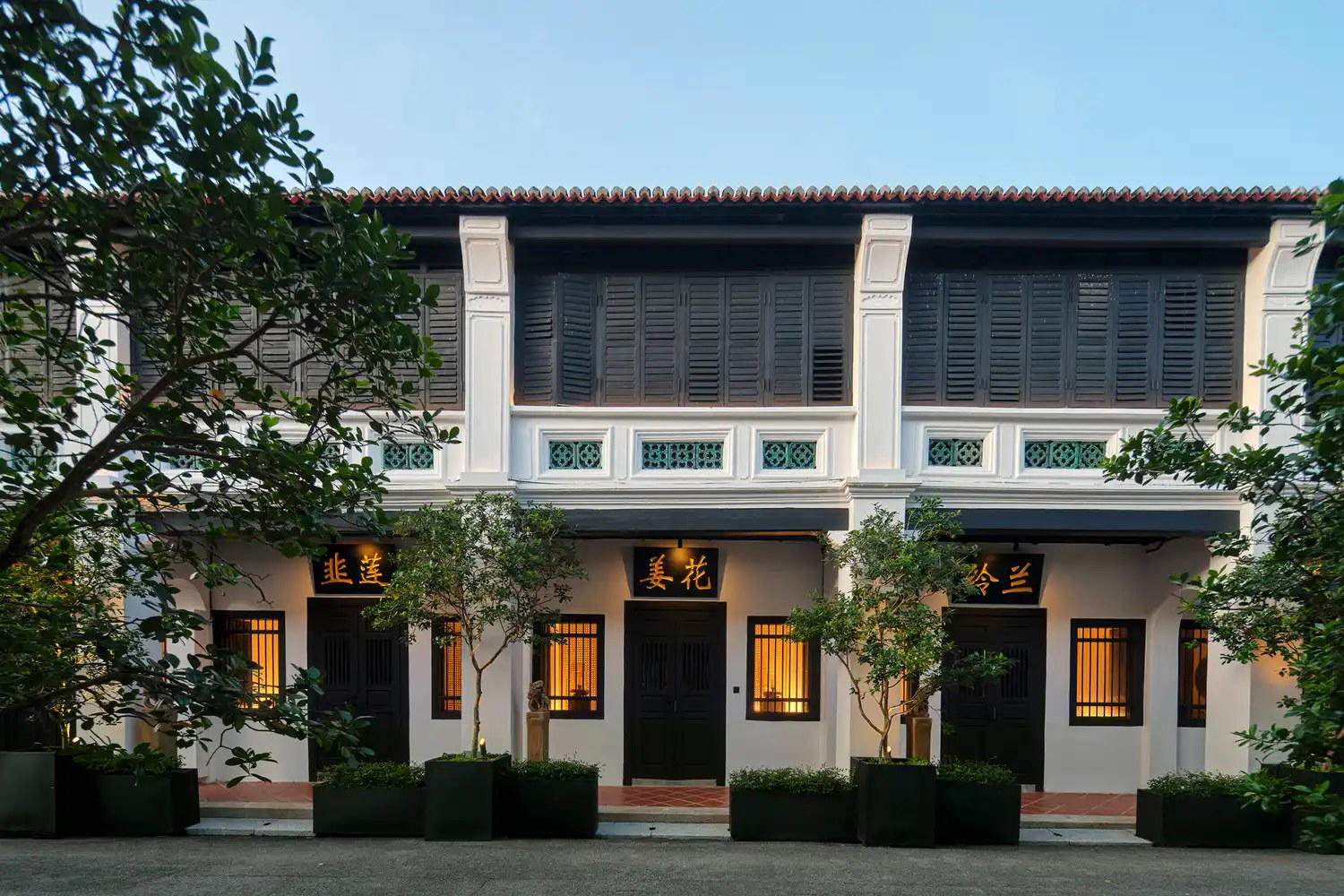
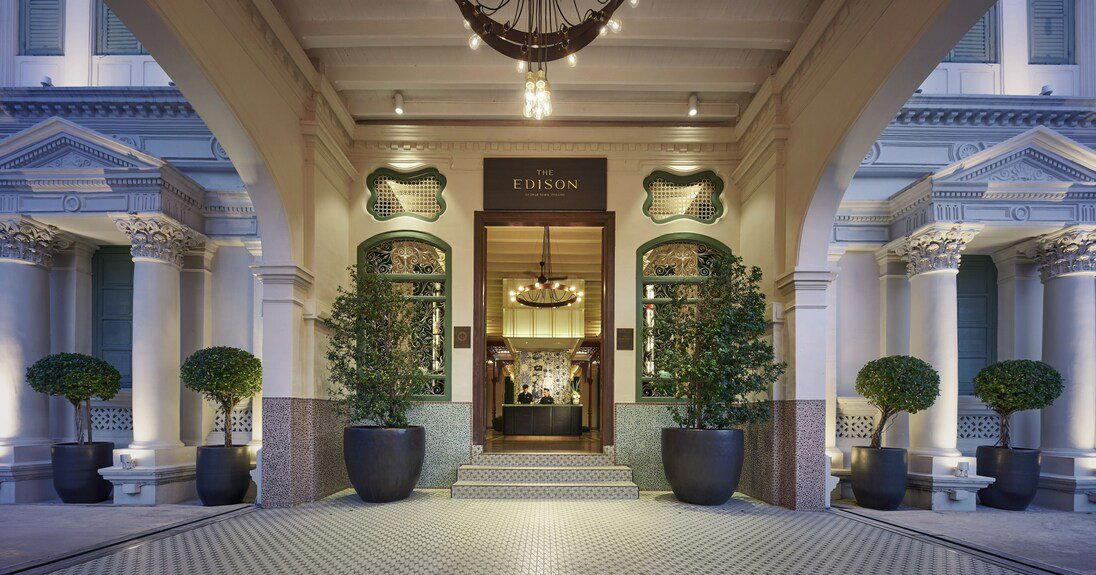
Peninsula House is a restaurant in George Town serving Modern Australian cuisine at about USD 35 per person. The entrance to Peninsula House offers no reassurance. A doorway on Beach Street, a narrow staircase, surfaces that show their age, nothing about the approach signals what waits above. That kind of entry has become almost a grammar in George Town's heritage restaurant scene, where shophouse conversions and colonial-era buildings hide dining rooms behind unremarkable facades. What the upper floor of this 1937 building delivers, though, is a dining room with genuine spatial presence: high ceilings, a retro material palette, and the kind of proportions that money alone cannot manufacture in a newer building. The room earns its reputation before a dish arrives.
Beach Street, historically the commercial spine of the old city, places Peninsula House inside George Town's densest concentration of pre-war architecture. The building dates to 1937 and sits within the UNESCO World Heritage buffer zone that has shaped the city's hospitality character for the past two decades. Dining in spaces like this one is partly about the architecture, the light, the volume, the sense that the walls have absorbed decades of activity, and Peninsula House makes that argument without theatrics.
Sourcing as Structure, Not Signal
Across fine dining globally, organic and locally sourced ingredients have moved from marketing footnote to structural kitchen logic. Restaurants at the serious end of this commitment, Lazy Bear in San Francisco, Dewakan in Kuala Lumpur, treat provenance as a constraint that shapes the menu rather than a label applied after the fact. The restaurant operates within that framework. The kitchen draws on organic produce from local indoor farms and maintains its own garden, meaning sourcing decisions sit upstream of menu decisions rather than downstream of them.
In Penang, that approach connects to a broader shift in how the island's more considered restaurants are positioning themselves relative to the street food tradition. George Town's hawker culture is built on precision and repetition, a single dish refined across decades, ingredient quality determined by generations of supplier relationships. The leading indoor kitchens here have found ways to absorb that discipline rather than ignore it. The restaurant's reliance on its own cultivated supply chain is a different but structurally similar commitment: ingredients arrive at the kitchen on terms the kitchen controls, not on terms set by commodity markets.
The environmental logic matters separately. Indoor farming in Malaysia operates in a climate where year-round humidity, heat, and rainfall make outdoor cultivation unpredictable for certain crops. Controlled-environment agriculture reduces that variability, cuts transport distances, and limits the pesticide use that conventional supply chains in tropical climates often require. For a restaurant building a menu around organic standards, the local indoor farm model is a practical solution to a genuine sourcing problem, not simply a lifestyle positioning choice.
The Menu: Australian Reference, Malaysian Context
Australian-influenced menus in Southeast Asia occupy a specific culinary niche. The aesthetic that emerged from Sydney and Melbourne over the past twenty years, ingredient-forward cooking, Southern Hemisphere seafood confidence, produce-led menus that absorb Asian technique without subordinating it, has traveled well, and a number of serious kitchens in the region have absorbed it without losing local character. Restaurants like The Planters at The Danna in Langkawi demonstrate how this kind of hybrid positioning can work when the kitchen has conviction behind it.
The restaurant's menu runs to over ten appetisers and mains, compact by the standards of large-format tasting menus at places like 8½ Otto e Mezzo Bombana in Hong Kong or Atomix in New York, but deliberate in scope. A short menu with an organic produce constraint is a different proposition from a short menu driven by cost: it means the kitchen is working with whatever the garden and the local indoor farms produce at that moment, which changes the relationship between the kitchen and the diner from transactional to seasonal.
The seafood focus is where the menu's identity sharpens. Penang has always been a seafood island, the surrounding straits and the historical fishing economy of the coast have kept seafood central to the local table for centuries. The crayfish and prawn étouffée tagliatelle carries deep umami, a dish that demonstrates how a kitchen can work within both an Australian flavor grammar and a Malaysian seafood context without those references cancelling each other out. Étouffée is a Louisiana technique built around shellfish and aromatic base; tagliatelle is Northern Italian; the produce is regional. The combination works because the flavor logic, fat, shellfish intensity, pasta as vehicle, is consistent even when the cultural references are not. For comparison, Emeril's in New Orleans built a reputation on exactly this kind of technique-meets-regional-ingredient confidence, though in a different geography.
Where Peninsula House Sits in George Town's Dining Picture
George Town's restaurant scene has developed distinct tiers over the past decade. At one end, the street food tradition remains the city's primary culinary identity, 888 Hokkien Mee on Lebuh Presgrave and Ah Boy Koay Teow Th'ng represent the discipline and specificity that defines that tradition. At another tier, heritage Peranakan restaurants like Auntie Gaik Lean's Old School Eatery and Richard Rivalee preserve cooking traditions with deep local roots. Then there is a smaller cohort of restaurants making a case for George Town as a destination for contemporary, produce-driven dining, Au Jardin in the European contemporary register, the restaurant in its own Australian-inflected lane.
That third tier is the least defined and, the interesting to watch. It asks whether a city already famous for one of the world's great street food cultures can support a simultaneous identity as a destination for fine, ingredient-led dining. The restaurant's sourcing model and the quality signal of its seafood dishes suggest the answer is yes, but on George Town's own terms: heritage buildings, compact menus, local farms, and a diner who is willing to climb an unremarkable staircase to find out what is at the leading.
For comparable seafood-forward contemporary dining elsewhere in the region, Bee See Heong in Seberang Perai offers a useful point of reference for how Penang's broader dining geography handles premium seafood.
Planning a Visit
The restaurant is located on the first floor of India House at 25 Beach Street, George Town, a 1937 heritage building whose entrance reads as modest from street level. Reservations are required; the dining room's lofty proportions and the kitchen's organic supply model make this a table that fills ahead of time, and walk-ins risk disappointment. Book in advance.
A Credentials Check
Comparable venues nearby, for context on price, style, and recognition.
| Venue | Cuisine | Price | Awards | Notes |
|---|---|---|---|---|
| Peninsula HouseThis venue — the venue you are viewing | Modern Australian | $$$ | Michelin Plate | Not listed |
| Sood by Chef Ton | Modern Thai | $$$$ | Michelin Plate | George Town |
| Mémoire | Modern Malaysian Molecular Gastronomy | $$$$ | Michelin Plate | George Town |
| Du-An (Lebuh Pantai) | Traditional Malaysian | $$ | Michelin Plate | George Town |
| Jit Seng Hong Kong Roasted Duck Rice | Hong Kong Roasted Duck Rice | $$ | Michelin Plate | George Town |
| Firewood | Modern Grill Steakhouse | $$$ | Michelin Plate | George Town |
Recognition history
Dated appearances from independent guides and award organizations, with the underlying list record or original source where available.
Michelin Plate
Michelin
Continue exploring
More in George Town
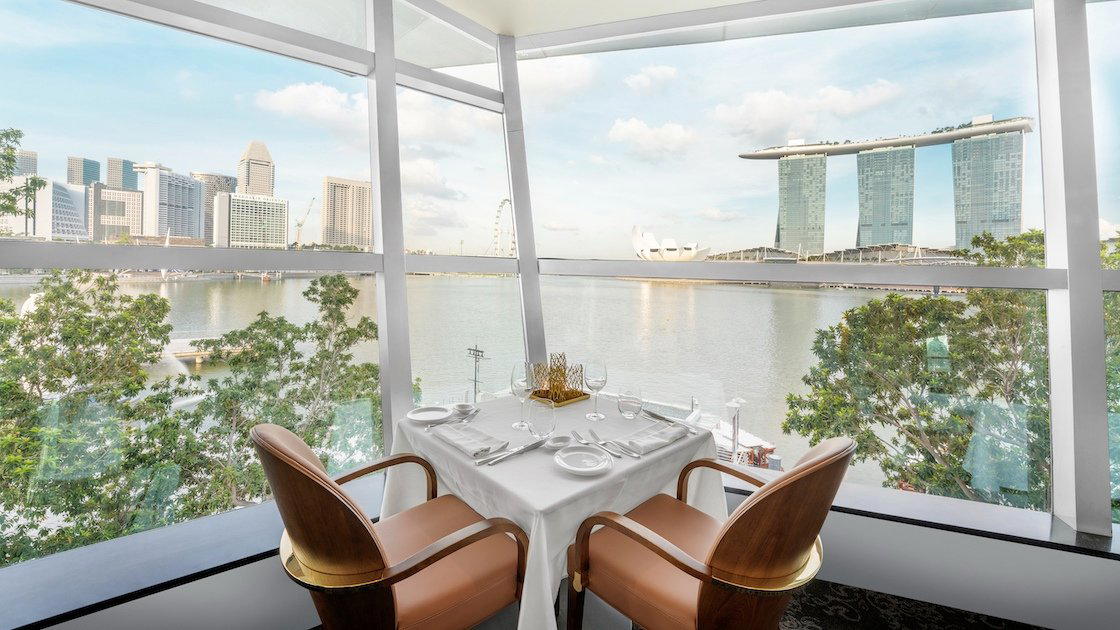
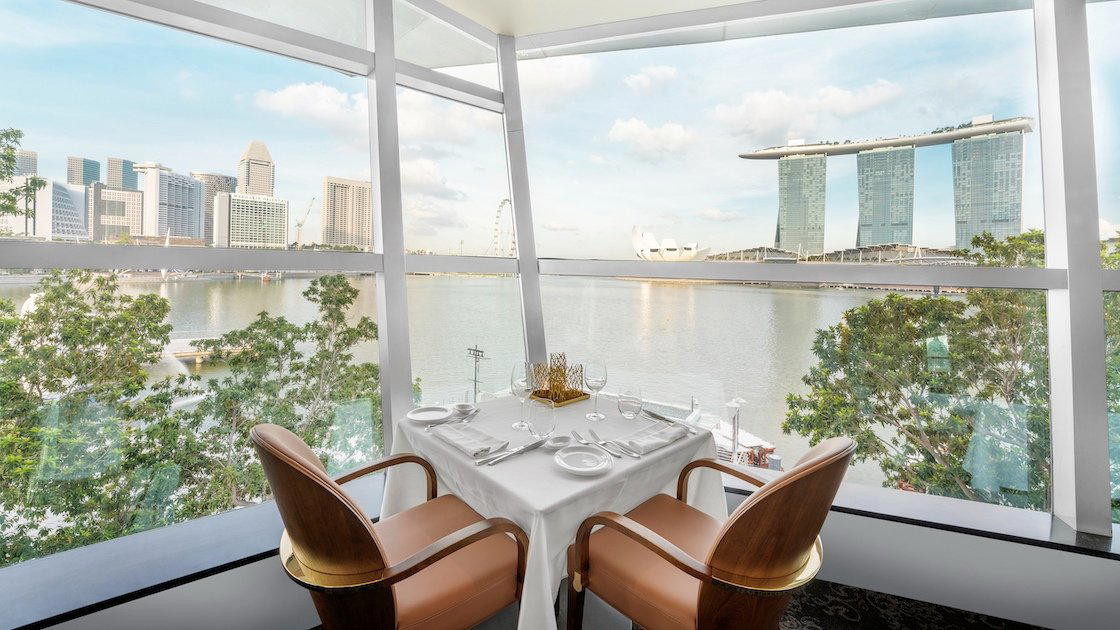
Restaurants in George Town
Browse all →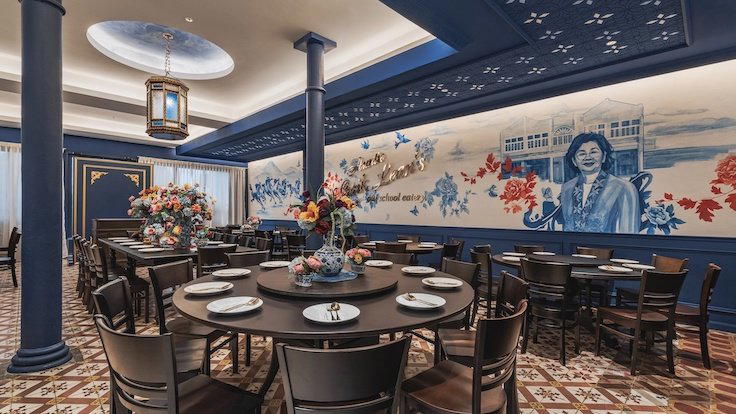
Bars in George Town
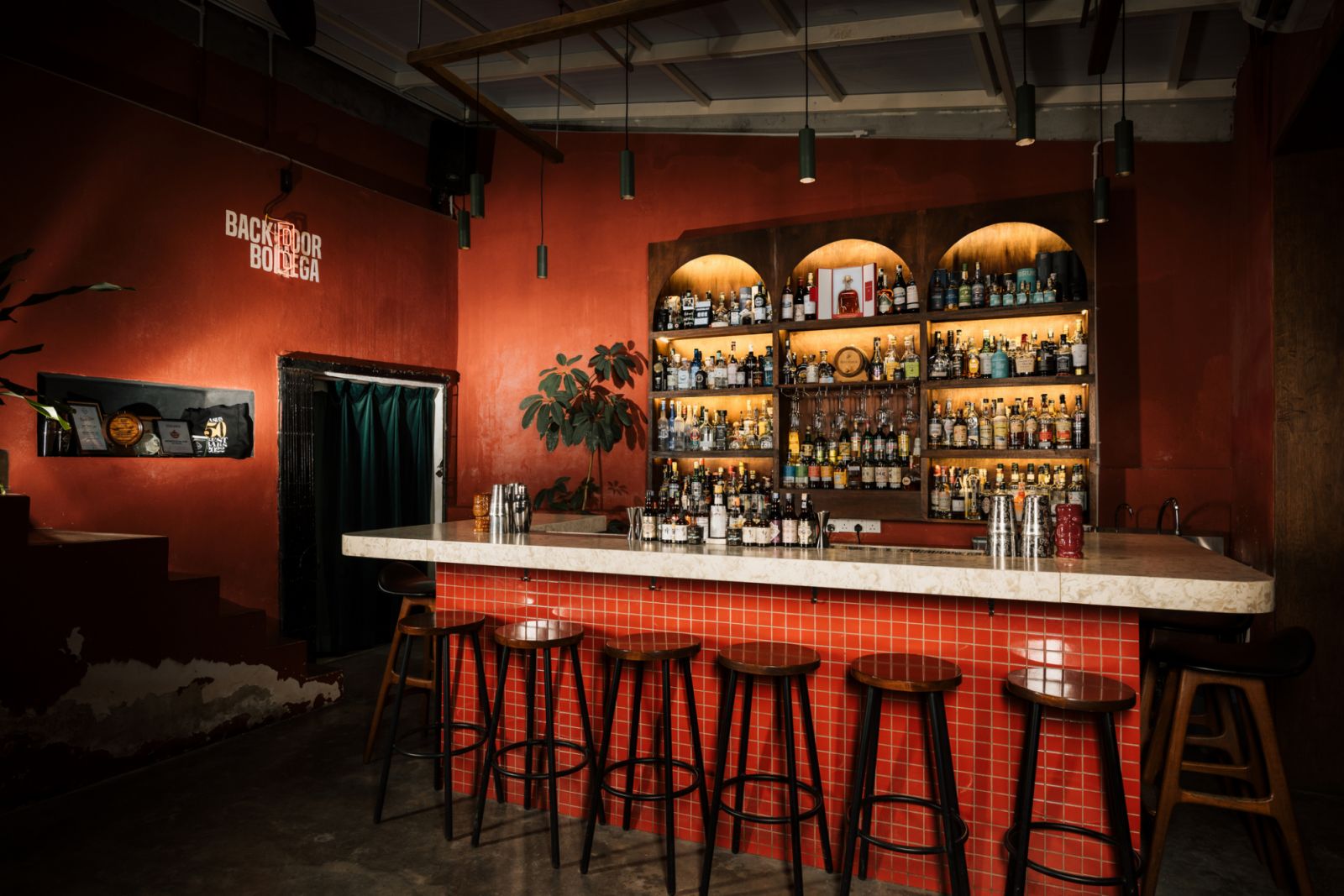
Browse all →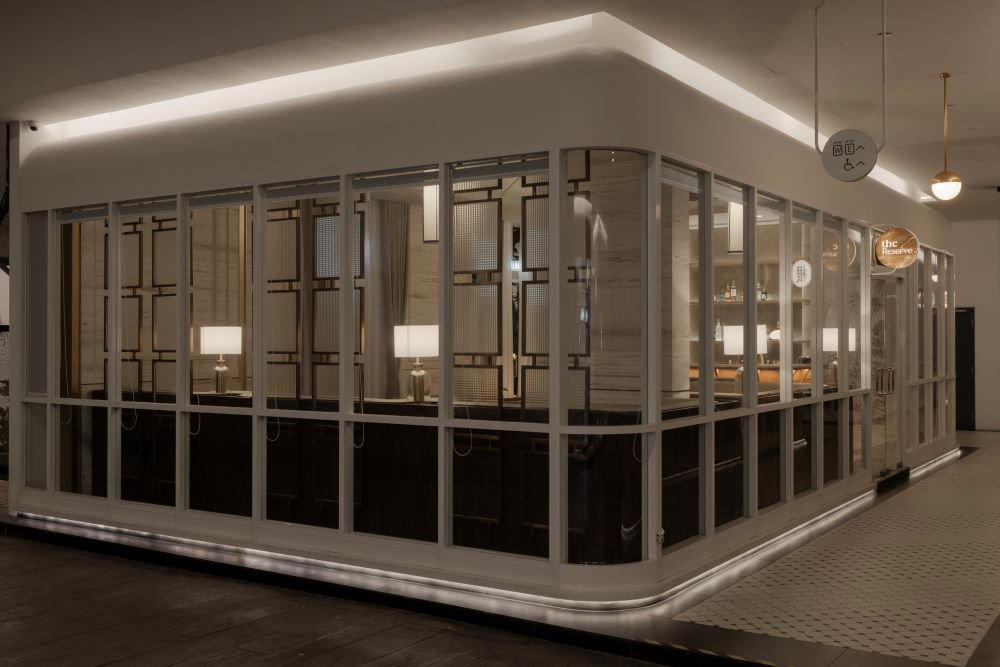
At a Glance
- Sophisticated
- Elegant
- Cozy
- Modern
- Intimate
- Date Night
- Special Occasion
- Group Dining
- Open Kitchen
- Historic Building
- Hotel Restaurant
- Craft Cocktails
- Local Sourcing
- Organic
Current opening hours
- Monday
- 12–4 PM, 6–11 PM
- Tuesday
- 12–4 PM, 6–11 PM
- Wednesday
- 12–4 PM, 6–11 PM
- Thursday
- 12–4 PM, 6–11 PM
- Friday
- 12–4 PM, 6–11 PM
- Saturday
- 12–4 PM, 6–11 PM
- Sunday
- 12–4 PM, 6–11 PM
Hours can change for holidays and private events. Last verified .
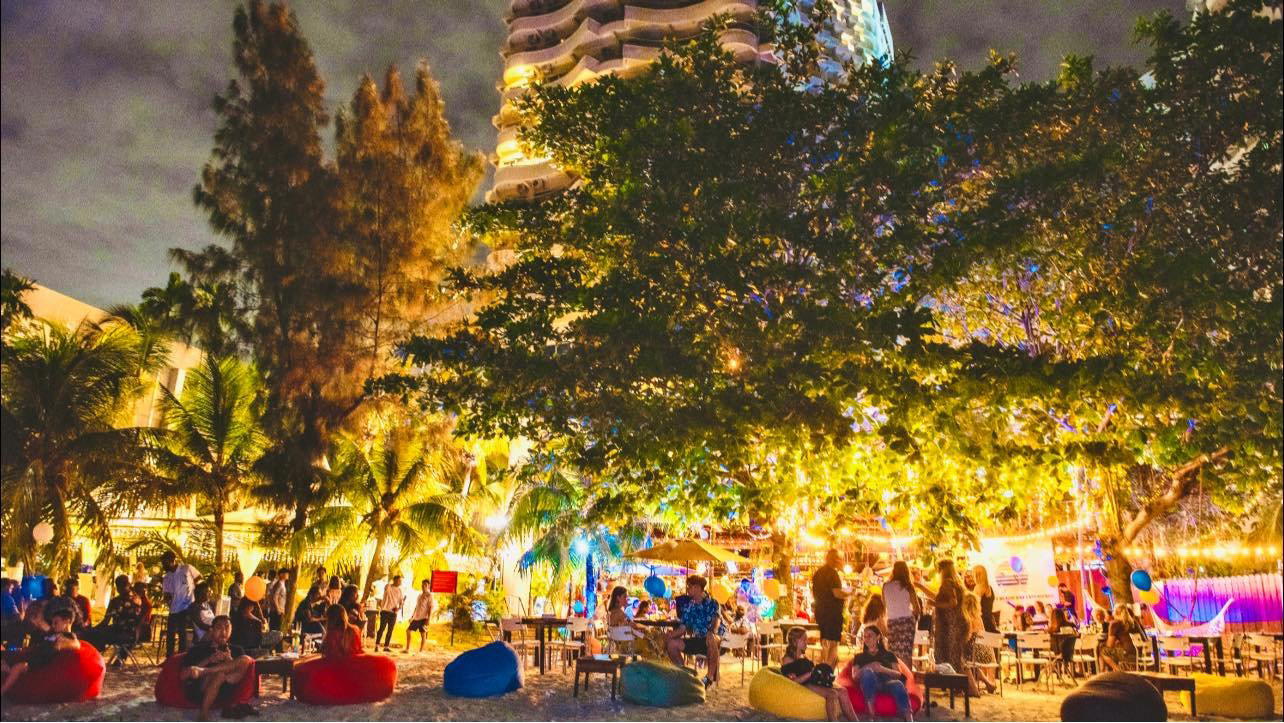
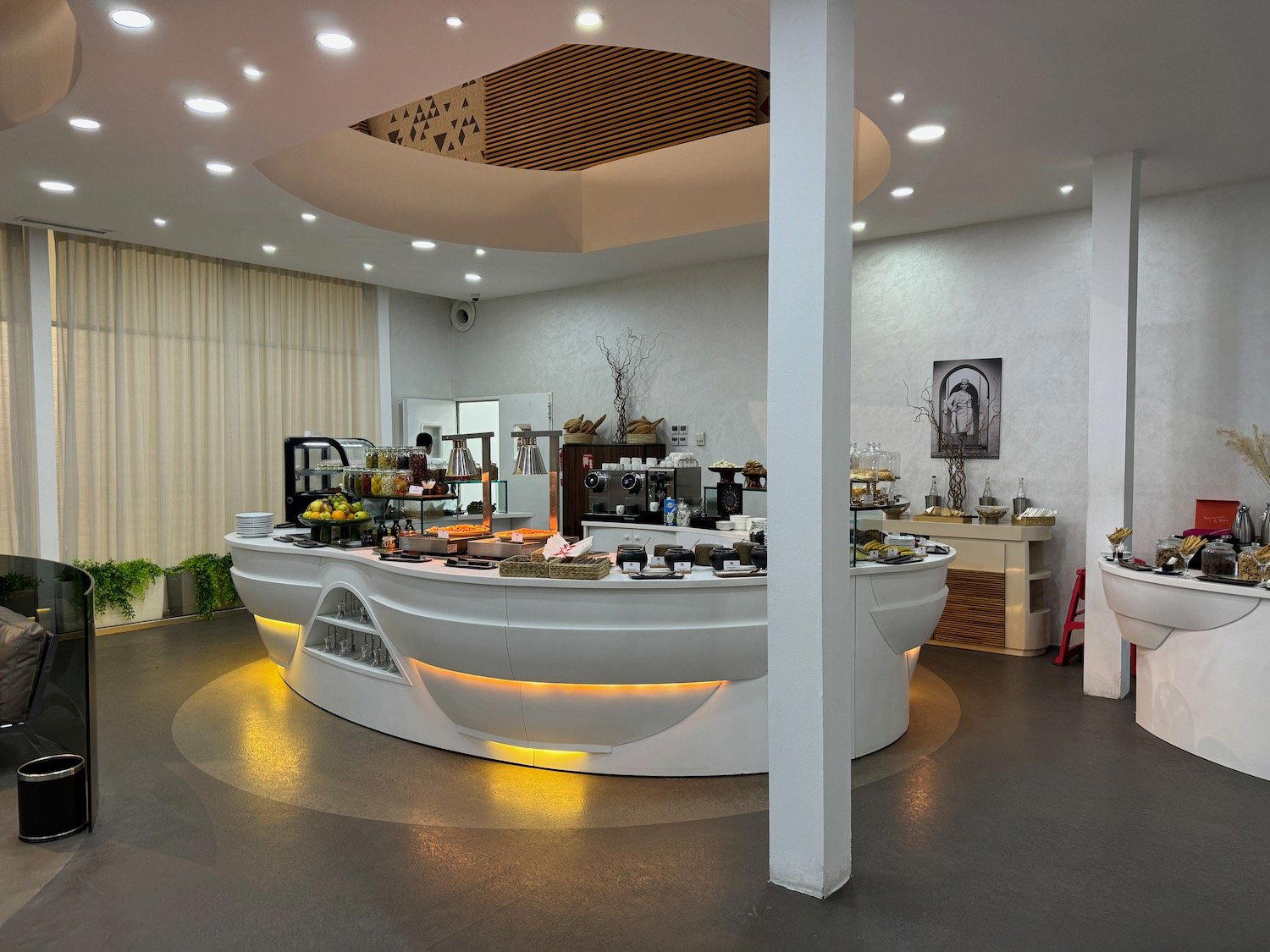
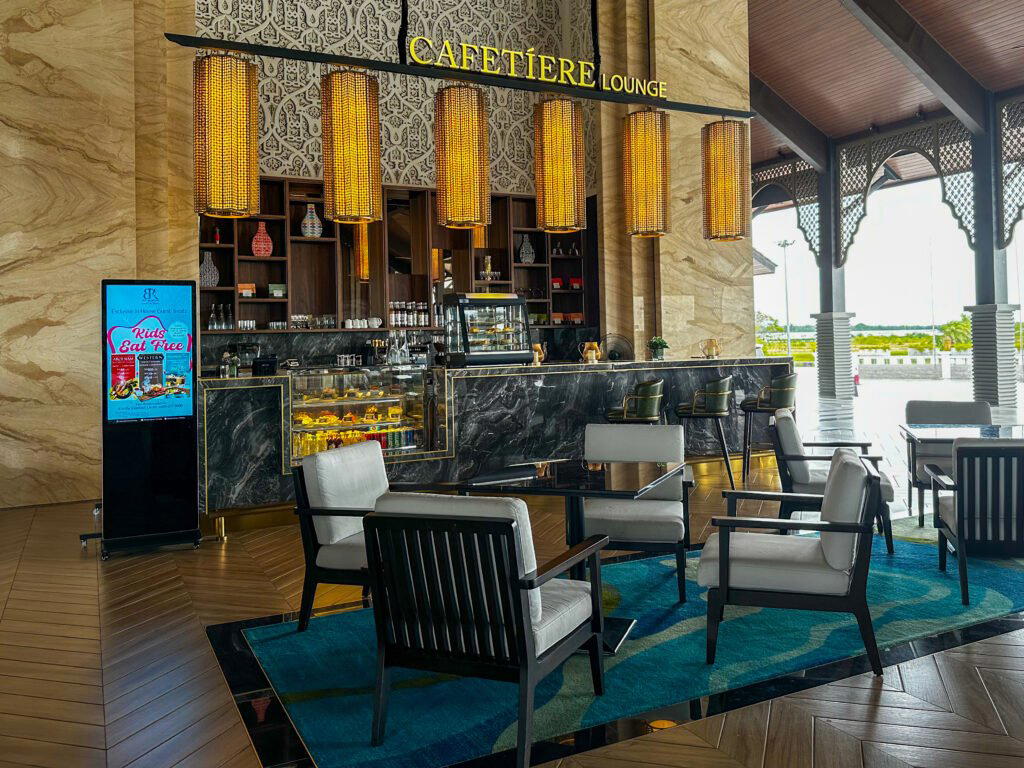
Warm lighting, high ceilings, heritage charm with minimalist modern design and Instagrammable decor.