Penca Cocina de Brasa
Penca Cocina de Brasa occupies a distinct position in San José del Cabo's dining scene, bringing open-fire cooking to a town better known for seafood-forward menus. Located along the Malecón in the Fonatur golf corridor, it offers an alternative to the Art District's concentrated restaurant strip — one where smoke and char define the sensory register rather than ceviche and aguachile.
Pearl is the En Primeur Club membership app — saves, bookings, and concierge access live there. Same editors, same standards.
- Address
- Paseo Malecón San José, Calle Rtno. Puntagorda Manzana 7 Lote 1, Campo de Golf Fonatur, 23400 San José del Cabo, B.C.S., Mexico
- Phone
- +526243194889
- Website
- opentable.com
- Directions
- Get directions
 Saves & bookings on Pearl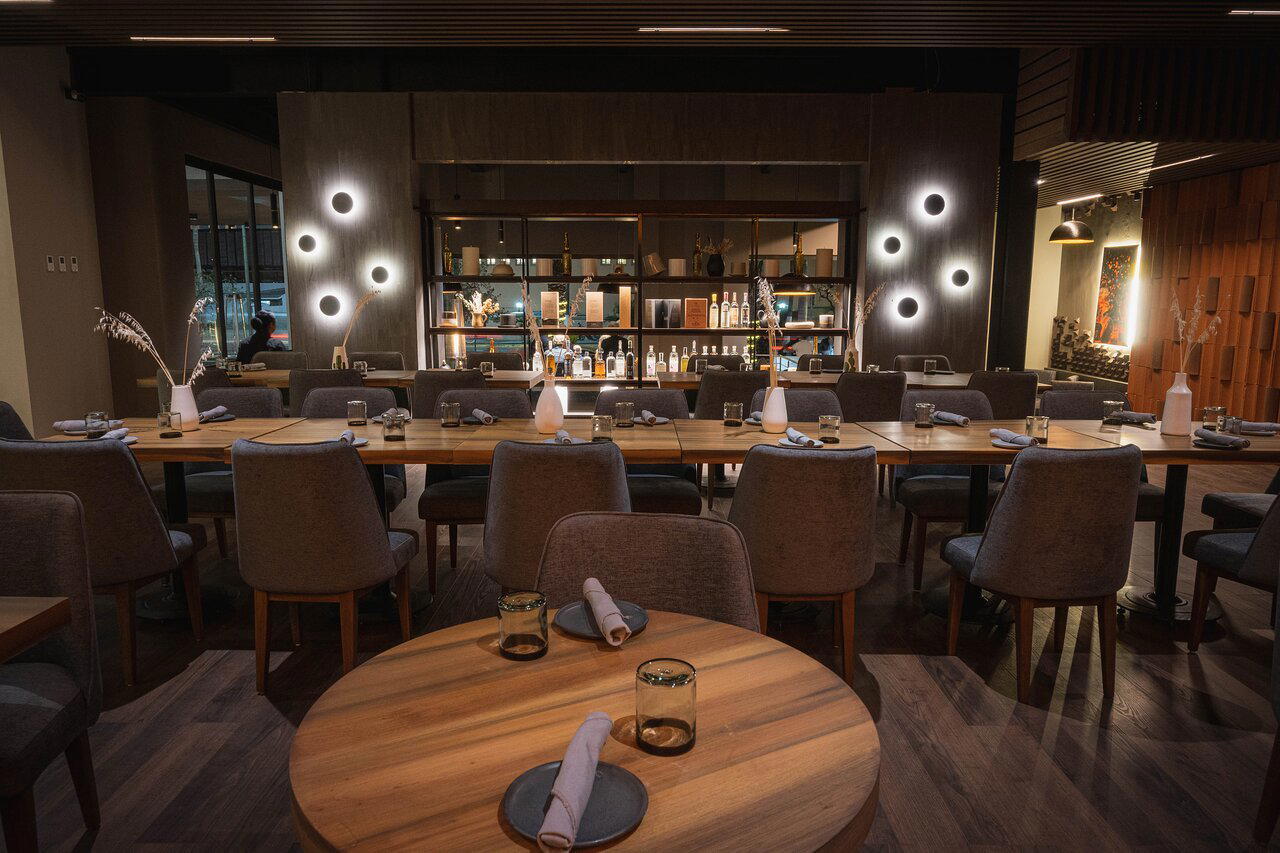
Fire and Place: What Penca Cocina de Brasa Tells You About San José del Cabo's Dining Moment
San José del Cabo has spent the better part of two decades in Cabo San Lucas's shadow, treated as the quieter, more colonial footnote to its louder neighbour's resort sprawl. That characterization has been eroding steadily. The town's Art District, anchored by Obregón and Zaragoza, now runs a circuit of serious restaurants on Thursday gallery-night crowds and destination diners who specifically want less noise and more substance. Penca Cocina de Brasa sits outside that cluster — along the Malecón in the Fonatur golf corridor — and that positioning is, in itself, an editorial statement about what the restaurant is doing.
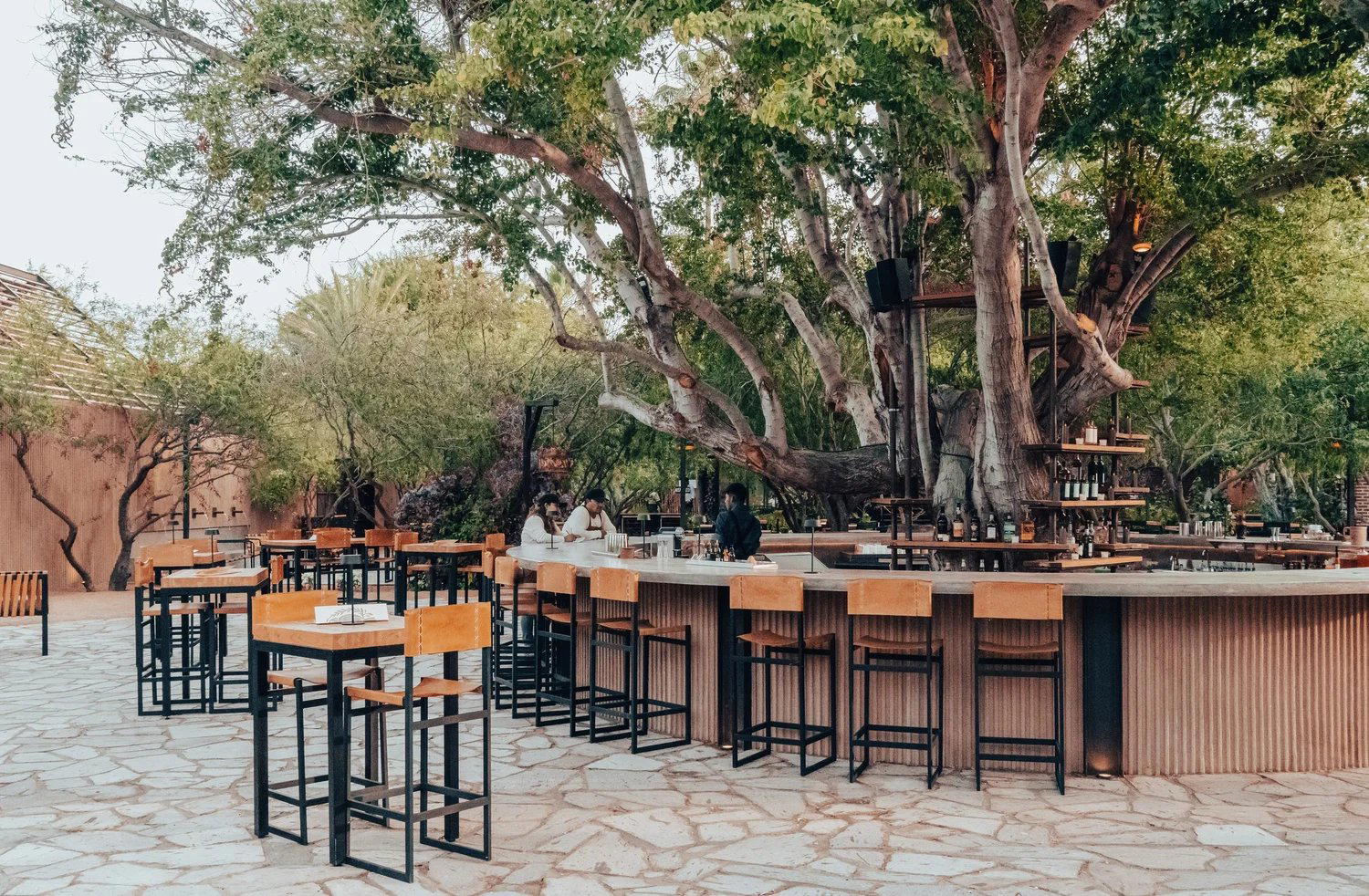
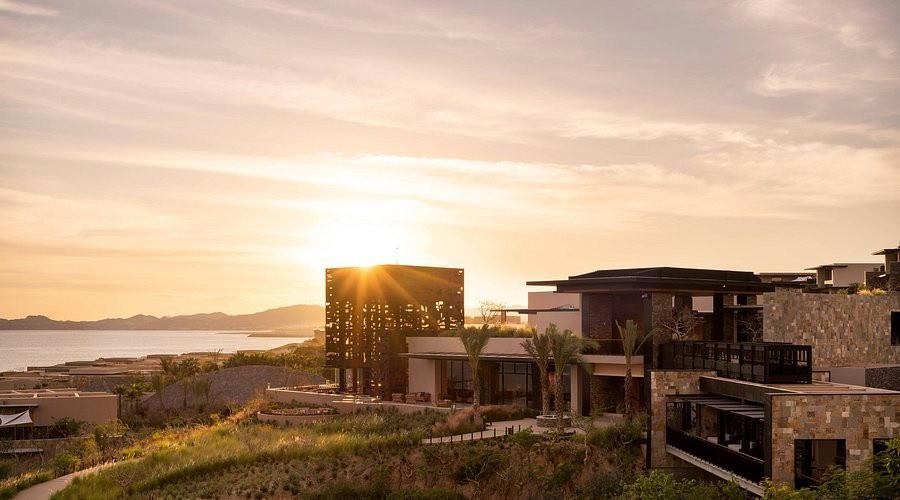
The Malecón address places Penca in a different conversational register from the Art District's pedestrian density. Where venues like Cielomar and Awacate benefit from foot traffic and the social energy of gallery nights, Penca draws guests who are making a deliberate choice rather than a serendipitous turn. The physical environment along the waterfront carries its own logic: the proximity to open air, to the estuary wetlands that separate San José from the Pacific-facing beach corridor, creates a context where an open-fire kitchen feels less like a design affectation and more like a geographic inevitability.
Brasa as a Culinary Framework, Not a Gimmick
Across Mexico's serious restaurant tier, the brasa format has been gaining traction as a credible culinary framework rather than a marketing hook. Animalón in Valle de Guadalupe built its reputation almost entirely on open-fire cooking in an outdoor setting, drawing on Baja California's agricultural abundance to fuel the fire with regional wood and herbs. Levadura de Olla in Oaxaca approaches the same technique from an indigenous ingredients angle. What these restaurants have demonstrated, and what has filtered through to resort towns like Los Cabos, is that fire cookery requires genuine craft to execute at a level that justifies serious attention: temperature management, sourcing decisions, timing across varied proteins, and the discipline to resist over-complication.
In Los Cabos specifically, that context matters. The region's dining scene has historically been dominated by seafood-forward menus drawing on the Sea of Cortez's extraordinary marine abundance, steakhouses targeting the resort crowd's comfort zone, and Italian-inflected international menus hedging against the unfamiliar. A restaurant built explicitly around brasa introduces a different lexicon, and San José's relative calm compared to Cabo San Lucas makes it a more plausible home for that kind of focused format. Nearby Chambao and Bistro by Sebastien Agnes each stake out distinct culinary positions in the same town, which signals that San José's dining market has developed enough depth to support genuine differentiation rather than competitive redundancy.
Placing Penca Within Mexico's Wider Fire-Cooking Conversation
Mexico's fine dining circuit has become one of the more closely watched in the hemisphere. Pujol in Mexico City has anchored the conversation for years, while regional programs from Alcalde in Guadalajara and KOLI Cocina de Origen in Monterrey have demonstrated that the country's serious kitchen talent is now geographically distributed rather than capital-concentrated. Baja California's contribution to that conversation has come most loudly from the Valle de Guadalupe wine corridor, where fire, ferment, and local sourcing have become defining pillars. Los Cabos sits at a different part of the peninsula, with different agricultural relationships and a visitor profile skewed toward resort tourism rather than culinary travel, but restaurants like Penca suggest that the southern tip is beginning to develop its own serious dining ambitions alongside its established recreational identity.
For context on how technically demanding this format can be at its upper registers, Lunario in El Porvenir and Olivea Farm to Table in Ensenada both operate in the northern Baja wine country where sourcing logistics are tighter and the ingredient relationships more legible. What separates strong brasa programs from shallow ones is almost always that supply-chain discipline: knowing what wood to use, which proteins can sustain fire's directness without masking, and when to let the char speak rather than intervening with elaborate preparation. Whether Penca has resolved those questions at the level of its northern Baja peers is the relevant evaluative frame for a serious diner making a booking decision.
The San José Dining Field: How to Think About the Choice
San José del Cabo now supports a wide enough range of serious restaurants that the choice between them is a genuine editorial decision, not a default. Casero Restaurant occupies the farm-to-table, ingredient-led tier; Chambao brings a coastal Mediterranean reference; Cielomar works the refined seafood format. Penca's brasa premise cuts across all of those, offering smoke and heat as the primary organizing principles regardless of whether the protein on the grill leans toward the Sea of Cortez or the surrounding ranchlands. For a complete picture of the town's current dining field, the full San José del Cabo restaurants guide maps the competitive set with more granularity.
The Fonatur corridor location is also a logistical point worth registering. Guests staying at the resort properties along the golf corridor are within practical reach without the need to arrange transport to the Art District, while those staying centrally should account for the additional distance. Neither situation is particularly complicated, but the planning consideration is real, and it affects how Penca fits into a multi-night itinerary.
Planning Your Visit
Specific booking requirements, hours, and pricing at Penca Cocina de Brasa are best confirmed directly, as these details shift seasonally in Los Cabos, the region runs meaningfully different traffic volumes between its November-to-April high season and its quieter summer months, and restaurant policies often adjust accordingly. The Malecón address along Paseo Malecón San José in the Fonatur golf corridor is the reference point: Calle Retorno Puntagorda, Manzana 7, Lote 1, San José del Cabo 23400. For broader context on timing and logistics across San José's dining scene, the EP Club city guide covers seasonal patterns and neighbourhood-level navigation in detail.
Continue exploring
More in San José del Cabo
Restaurants in San José del Cabo
Browse all →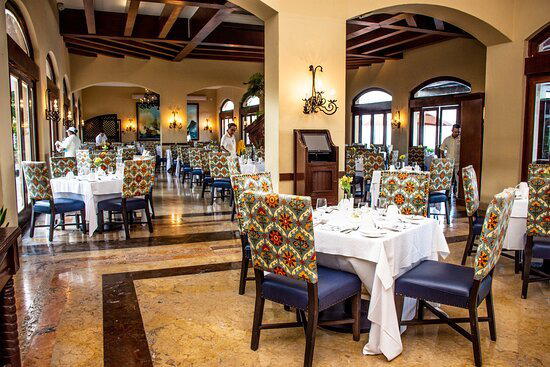
Bars in San José del Cabo
Browse all →
At a Glance
- Modern
- Rustic
- Relaxed
- Date Night
- Special Occasion
- Open Kitchen
- Craft Cocktails
- Extensive Wine List
- Farm To Table
- Local Sourcing
Current opening hours
- Monday
- 8 AM–10:30 PM
- Tuesday
- 8 AM–10:30 PM
- Wednesday
- 8 AM–10:30 PM
- Thursday
- 8 AM–10:30 PM
- Friday
- 8 AM–10:30 PM
- Saturday
- 8 AM–10:30 PM
- Sunday
- 8 AM–10:30 PM
Hours can change for holidays and private events. Last verified .
Contemporary and relaxed atmosphere with moderate noise levels.
Know Before You Go
- Getting there
- Paseo Malecón San José, Calle Rtno. Puntagorda Manzana 7 Lote 1, Campo de Golf Fonatur, 23400 San José del Cabo, B.C.S., Mexico