Our verdict
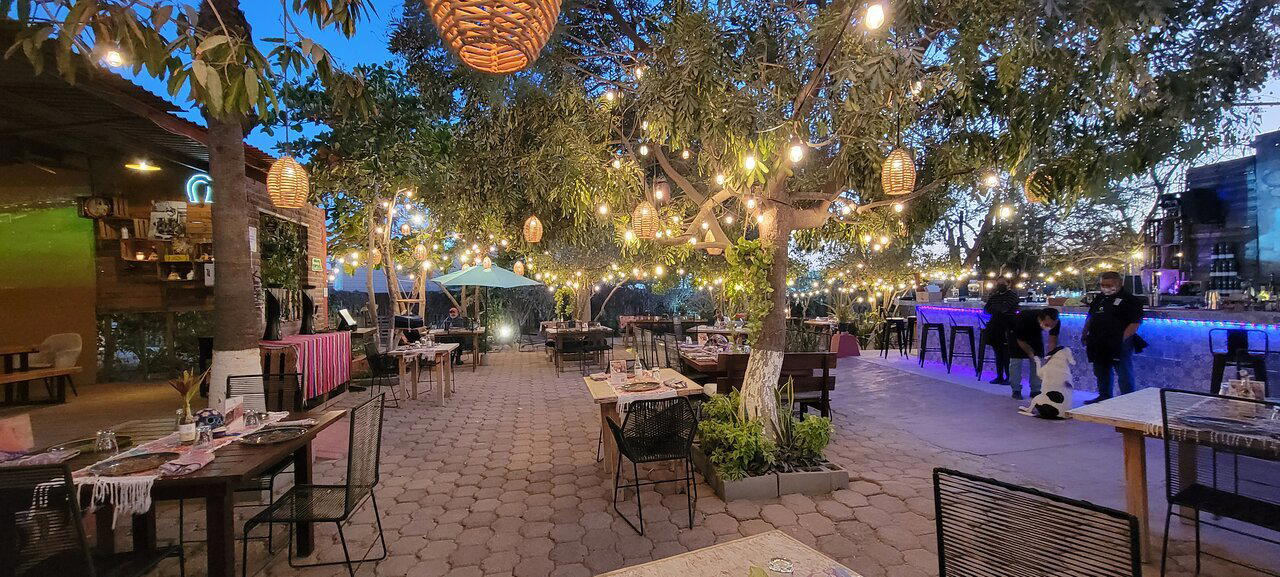
Set along the Todos Santos highway corridor outside Cabo San Lucas, Pícaro Garden Cuisine by Romeo & Julieta occupies a stretch of Baja California Sur where the desert meets deliberate dining. The name signals a theatrical sensibility — a pairing of archetypes that plays out in the kitchen's approach to regional ingredients and collaborative service. It sits within Los Cabos' growing tier of destination restaurants built around garden-to-table conviction rather than resort convenience.

Pearl is the En Primeur Club membership app — saves, bookings, and concierge access live there. Same editors, same standards.
- Address
- Carretera a Todos Santos km 120, 23473 Cabo San Lucas, B.C.S., Mexico
- Phone
- +526246890050
- Website
- opentable.com
- Directions
- Get directions
- Booking
- Book on OpenTable
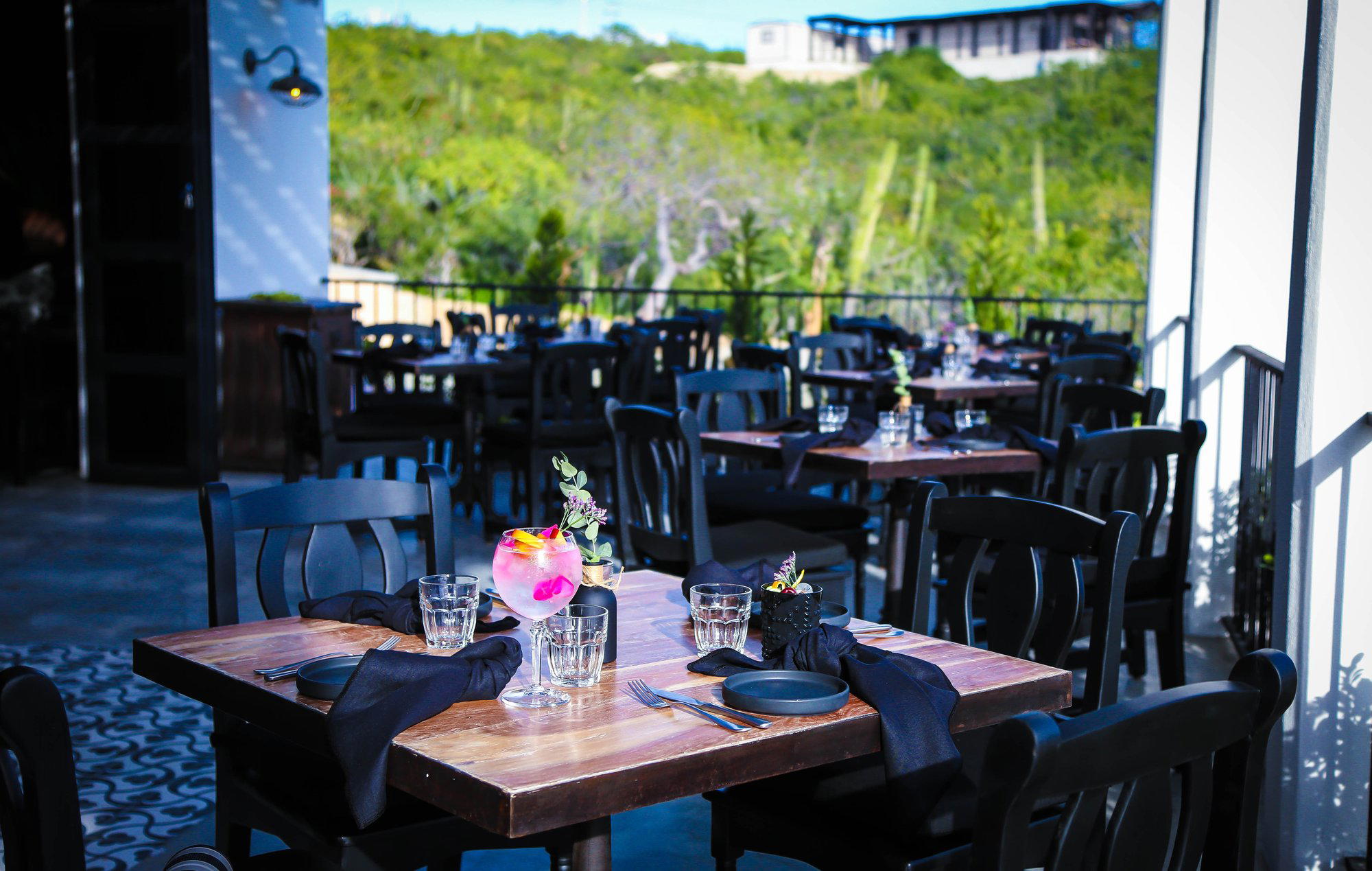
The menu
What to order
- Sicilian Style Octopus Salad
- Rigatoni + Calabaza
- Giant Shrimp + Tonnarelli
Where the Corridor Gets Serious About Food
The drive out on Carretera a Todos Santos past kilometer 120 tells you something about Los Cabos that the marina restaurants never quite communicate: the peninsula has a culinary register that runs parallel to its resort economy, and it operates on different terms. Pícaro Garden Cuisine by Romeo & Julieta belongs to that register. It sits in a zone of the corridor where restaurants are worth the drive specifically because they have decided not to position themselves against the lobby dining rooms and beachfront seafood decks that dominate Cabo San Lucas proper.
Across Mexico's destination dining circuit, the most consistent pattern among restaurants that attract sustained attention is a legible team structure: a kitchen with a defined philosophy, a floor that translates that philosophy to guests, and a front-of-house that creates the conditions in which both can land. The name Romeo & Julieta, with its theatrical overtone, signals that the collaboration here is intended to be read. This is not accidental branding. It frames the dining experience as something that requires at least two principals to execute, which is a useful way to think about what distinguishes mid-range destination dining from the resort-circuit default.
The Garden-Cuisine Framework in Baja Context
Baja California Sur has developed one of Mexico's more coherent farm-to-table traditions over the past decade, partly by necessity and partly by ambition. The peninsula's geography imposes sourcing discipline: import logistics are expensive, local producers are accessible, and guests arriving from Los Angeles or Mexico City have often already encountered the rhetoric of seasonal menus. The pressure on Baja kitchens is therefore to make the garden-cuisine premise legible through the actual plate, not just through menu copy.
Restaurants operating in this mode across the broader Mexican corridor — from Animalón in Valle de Guadalupe to Olivea Farm to Table in Ensenada — have collectively established a visual and textural vocabulary: live-edge presentation, ingredients at or near their structural peak, sauces that defer to the main ingredient rather than overwhelm it. Pícaro's subtitle, Garden Cuisine, places it in conversation with that vocabulary. The question for any restaurant in this tier is whether the sourcing infrastructure actually shapes the menu or whether it is decorative language applied after the fact.
Further up the national dining map, restaurants like Pujol in Mexico City and Levadura de Olla Restaurante in Oaxaca have demonstrated that Mexican ingredient-led cooking can carry serious critical weight. At the regional scale, KOLI Cocina de Origen in Monterrey and Alcalde in Guadalajara show the same model translating outside Mexico City. Baja's contribution to that conversation tends to center on coastal produce, desert herbs, and the specific citrus character of the peninsula's soil, a narrower but distinct set of ingredients.
Team Collaboration as a Dining Signal
The editorial angle on Pícaro is its collaborative structure, implied by a name that requires two named parties to make sense. In fine and near-fine dining across Mexico and internationally, the venues that hold guest loyalty longest tend to be those where the kitchen-to-floor handoff is a designed system rather than an improvised one. At Le Chique in Puerto Morelos, for example, the front-of-house storytelling is as choreographed as the tasting menu itself. At HA' in Playa del Carmen, the service team is expected to hold the narrative of a technically complex menu.
Pícaro's Romeo & Julieta framing suggests a kitchen-and-floor relationship that is intended to be visible to the guest. Whether that plays out as a paired chef-sommelier format, a co-chef model, or a more theatrical front-of-house presentation is something the venue itself will clarify on arrival, but the name is doing real structural work, not just marketing work. Guests who have eaten at Pangea in San Pedro Garza Garcia or Lunario in El Porvenir will recognize the pattern of a restaurant where the team's internal dynamic is part of what reaches the table.
Los Cabos' Wider Dining Context
Within Los Cabos itself, the restaurant tier that Pícaro occupies shares corridor space with a spread of destinations worth mapping. Agua and ANICA represent the more design-forward end of the local dining scene. Ardea Steakhouse anchors the protein-driven, occasion-dining bracket. Alebrije and Bella California represent different interpretations of regional Mexican identity. Pícaro's garden-cuisine positioning distinguishes it from all of those, targeting guests whose priority is ingredient provenance and collaborative kitchen output over spectacle or format familiarity.
For a full read of the Los Cabos dining scene and where each venue sits in its competitive tier, the full Los Cabos restaurants guide maps the options by style, price, and format. For reference points outside the peninsula, Atomix in New York City and Le Bernardin in New York City illustrate what rigorous team coordination looks like at the top of the international dining register.
Planning Your Visit
Pícaro Garden Cuisine by Romeo & Julieta is located on Carretera a Todos Santos at km 120, Cabo San Lucas, Baja California Sur, a highway address that requires a car or pre-arranged transfer from the main hotel zones. The corridor drive from central Cabo runs roughly 20 minutes in light traffic, longer during peak season arrivals. Given the venue's positioning as a destination rather than a walk-in option, confirming reservations in advance and verifying current hours directly with the restaurant before travel is advisable. No booking method, phone number, or website appears in the current public record, so the most reliable route is via your hotel concierge or a confirmed direct contact.
Frequently asked questions
Where is Pícaro Garden Cuisine by Romeo & Julieta in Los Cabos?
Pícaro Garden Cuisine by Romeo & Julieta is located at Carretera a Todos Santos km 120, 23473 Cabo San Lucas, B.C.S. Mexico, Los Cabos.
How far is Pícaro Garden Cuisine by Romeo & Julieta from central Cabo San Lucas, and is it worth the drive?
The restaurant sits at km 120 on Carretera a Todos Santos, placing it on the highway corridor that runs northwest out of Cabo San Lucas toward Todos Santos — a route that passes through the agricultural and growing areas that define Baja California Sur's farm-to-table supply chain. That geography is not incidental: for a venue built around garden cuisine, proximity to the source is a working condition, not a marketing position. The drive from the Cabo marina district typically runs 20 to 30 minutes depending on traffic along the corridor.
What do regulars order at Pícaro Garden Cuisine by Romeo & Julieta?
Garden-cuisine formats at this level tend to rotate their offerings around seasonal and locally sourced produce, so the menu at km 120 on Carretera a Todos Santos likely shifts with what Baja California Sur's agricultural corridor yields. Asking the kitchen what is freshest that day is the more reliable strategy than arriving with a fixed order in mind.
Is Pícaro Garden Cuisine by Romeo & Julieta reservation-only?
Highway-corridor destinations in this stretch of Baja California Sur draw a deliberately committed crowd — guests who have already made a 20-plus minute drive from the marina district — which typically means seating is managed rather than walk-in friendly. Contacting the venue directly before visiting is the practical approach.
What makes Pícaro Garden Cuisine by Romeo & Julieta worth seeking out?
The address at km 120 on Carretera a Todos Santos is itself the first signal: restaurants operating this far from the Los Cabos resort corridor are asking guests to make a deliberate choice rather than a convenient one. Baja California Sur has built one of Mexico's more coherent farm-to-table traditions over the past decade, and a venue framing itself around garden cuisine in this region is positioning within that tradition rather than importing a concept from elsewhere. The dual-principal name — Romeo & Julieta — also points to a collaborative kitchen and front-of-house structure that tends to produce more considered dining experiences than single-operator formats.
Do they accommodate allergies at Pícaro Garden Cuisine by Romeo & Julieta?
No allergy policy is documented in the current public record for this Cabo San Lucas venue. Garden-cuisine formats typically build dietary flexibility into their approach by design, since produce-led menus are easier to adapt than fixed protein-centered ones. Communicating specific requirements directly when booking or on arrival at km 120 remains the safest course.
Pricing, Compared
Comparable venues nearby, for context on price, style, and recognition.
| Venue | Cuisine | Price | Notes |
|---|---|---|---|
| Pícaro Garden Cuisine by Romeo & JulietaThis venue — the venue you are viewing | Mediterranean-Mexican Garden Cuisine | $50–100 | Not listed |
| Toro Latin Kitchen | Latin Fusion with Japanese Influences | Not listed | Cabo San Lucas, Latin Fusion with Japanese Influences |
| Zenna Los Cabos | Asian-Latin Fusion | $50–100 | San José del Cabo, Asian-Latin Fusion |
| Spinalis Steakhouse | New York Style Steakhouse | Not listed | Cabo San Lucas, New York Style Steakhouse |
| Nicksan Palmilla | Japanese-Mexican Fusion Sushi | $50–100 | San José del Cabo, Japanese-Mexican Fusion Sushi |
| Vela | Mediterranean with Baja Fusion | Not listed | Cabo San Lucas, Mediterranean with Baja Fusion |
Continue exploring
More in Los Cabos
Restaurants in Los Cabos
Browse all →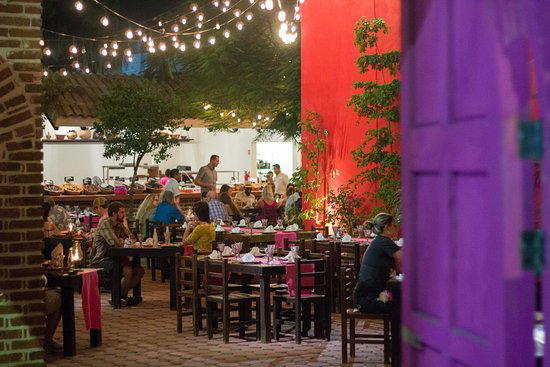
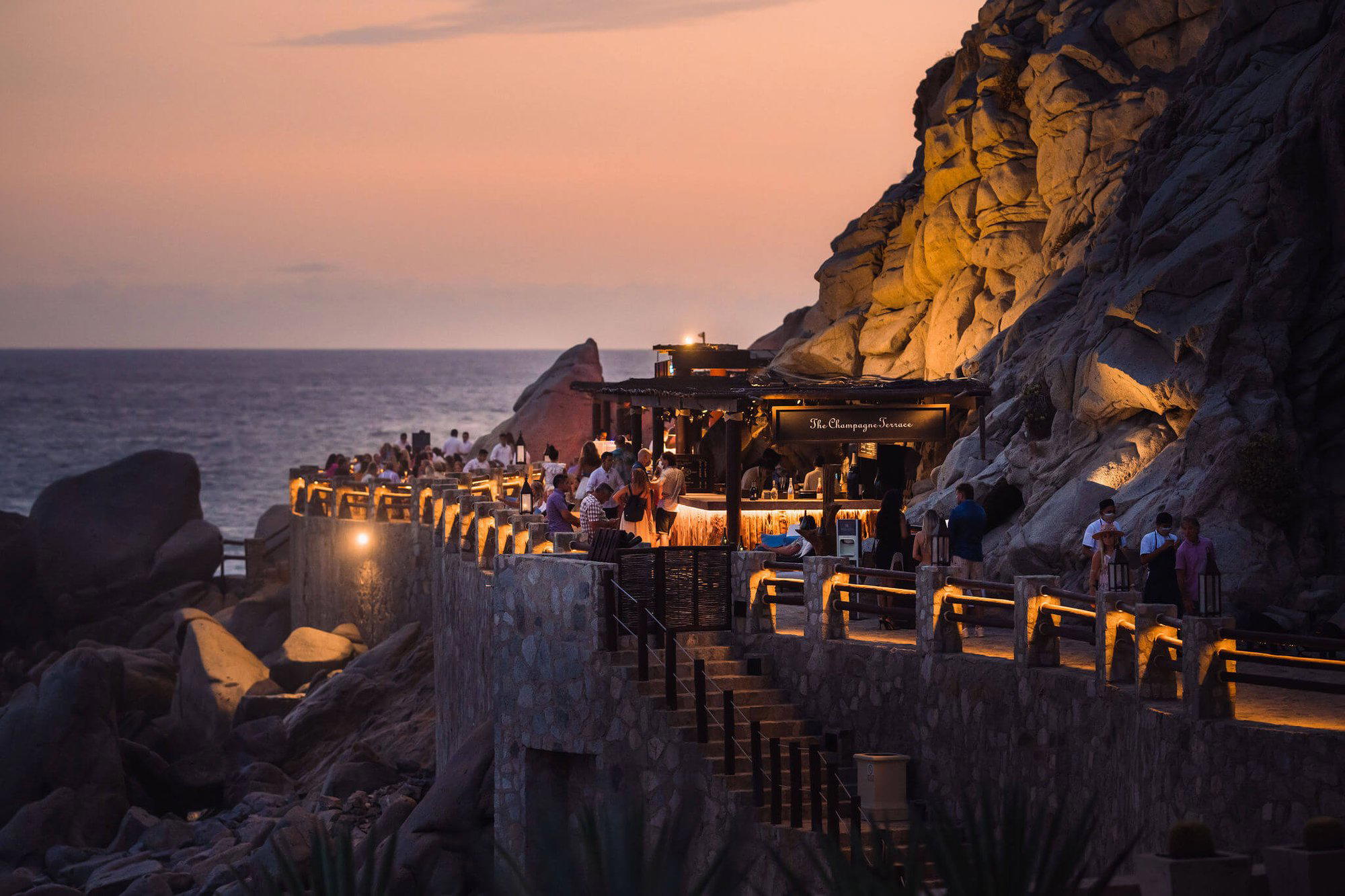
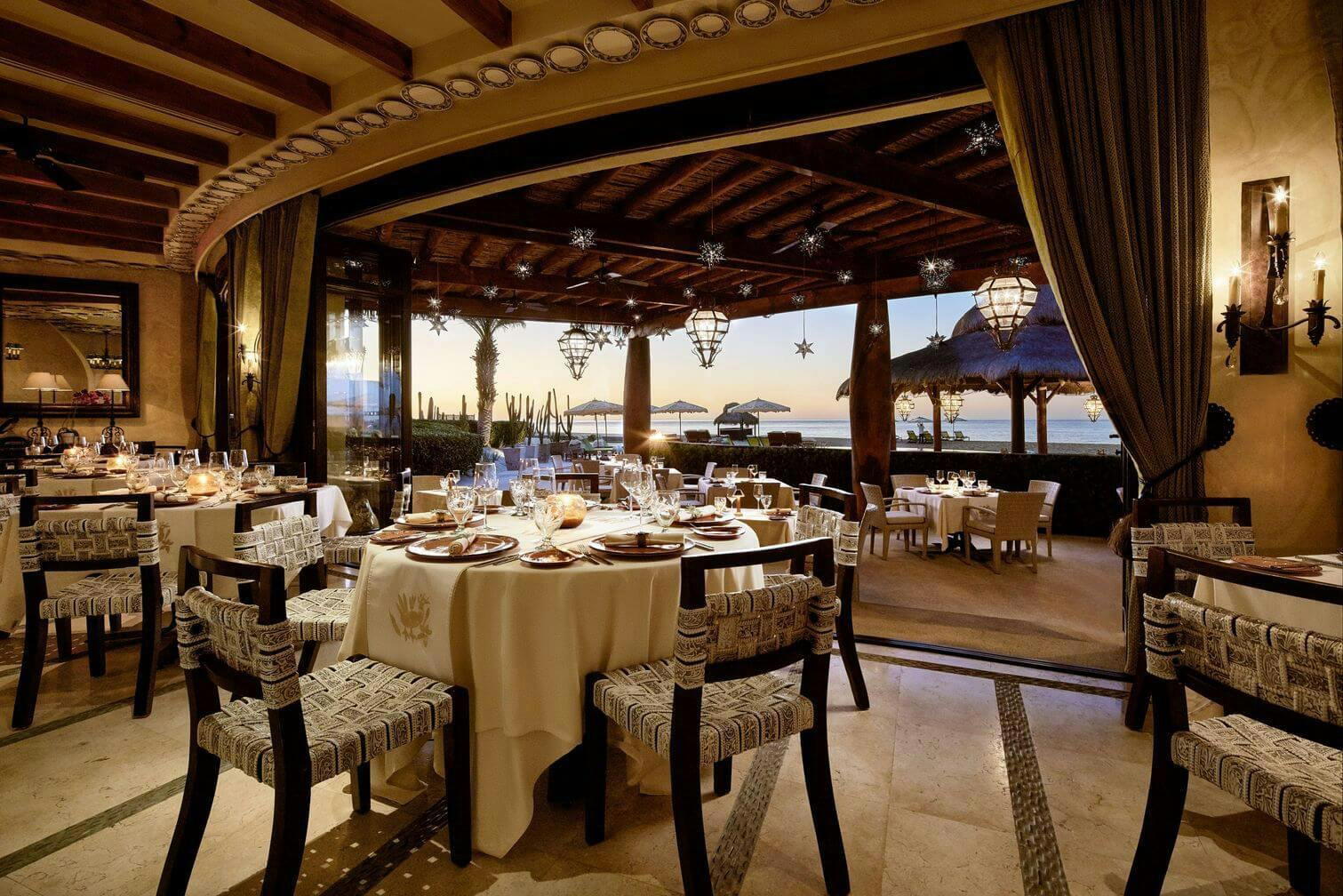
Bars in Los Cabos
Browse all →



Details
- Romantic
- Scenic
- Elegant
- Cozy
- Date Night
- Special Occasion
- Family
- Garden
- Terrace
- Panoramic View
- Extensive Wine List
- Farm To Table
- Local Sourcing
- Organic
- Waterfront
- A La Carte
- Vegetarian Friendly
- Vegan Options
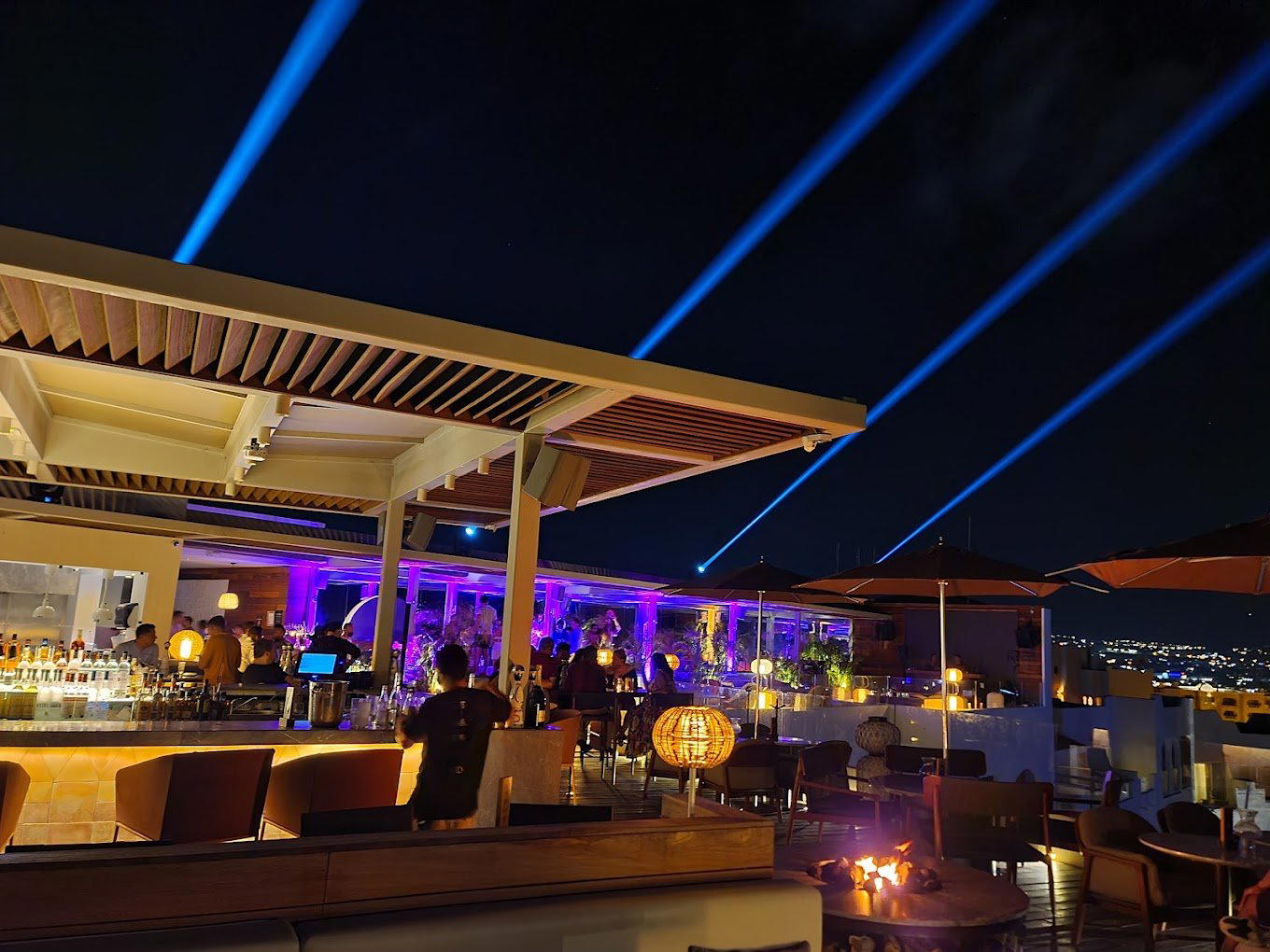
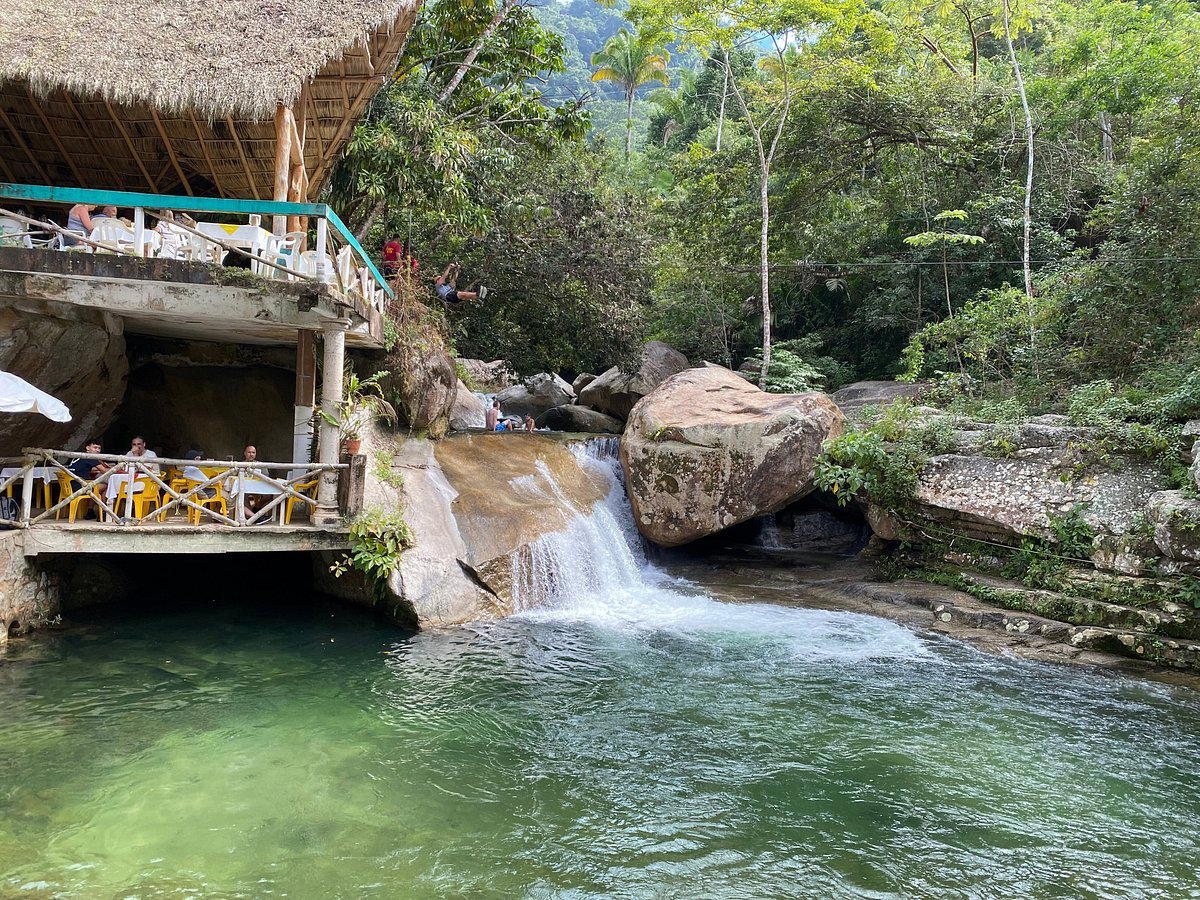
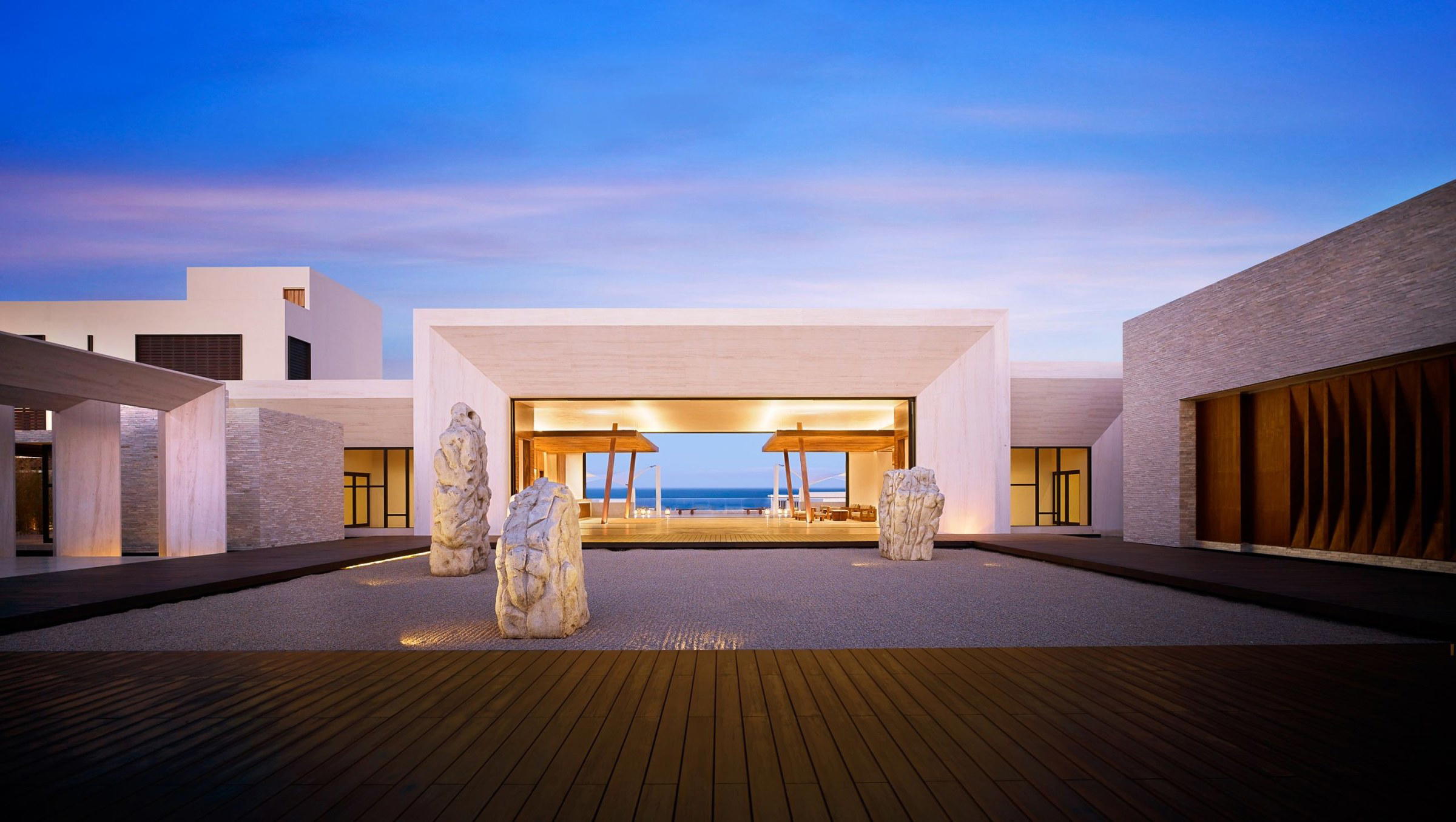
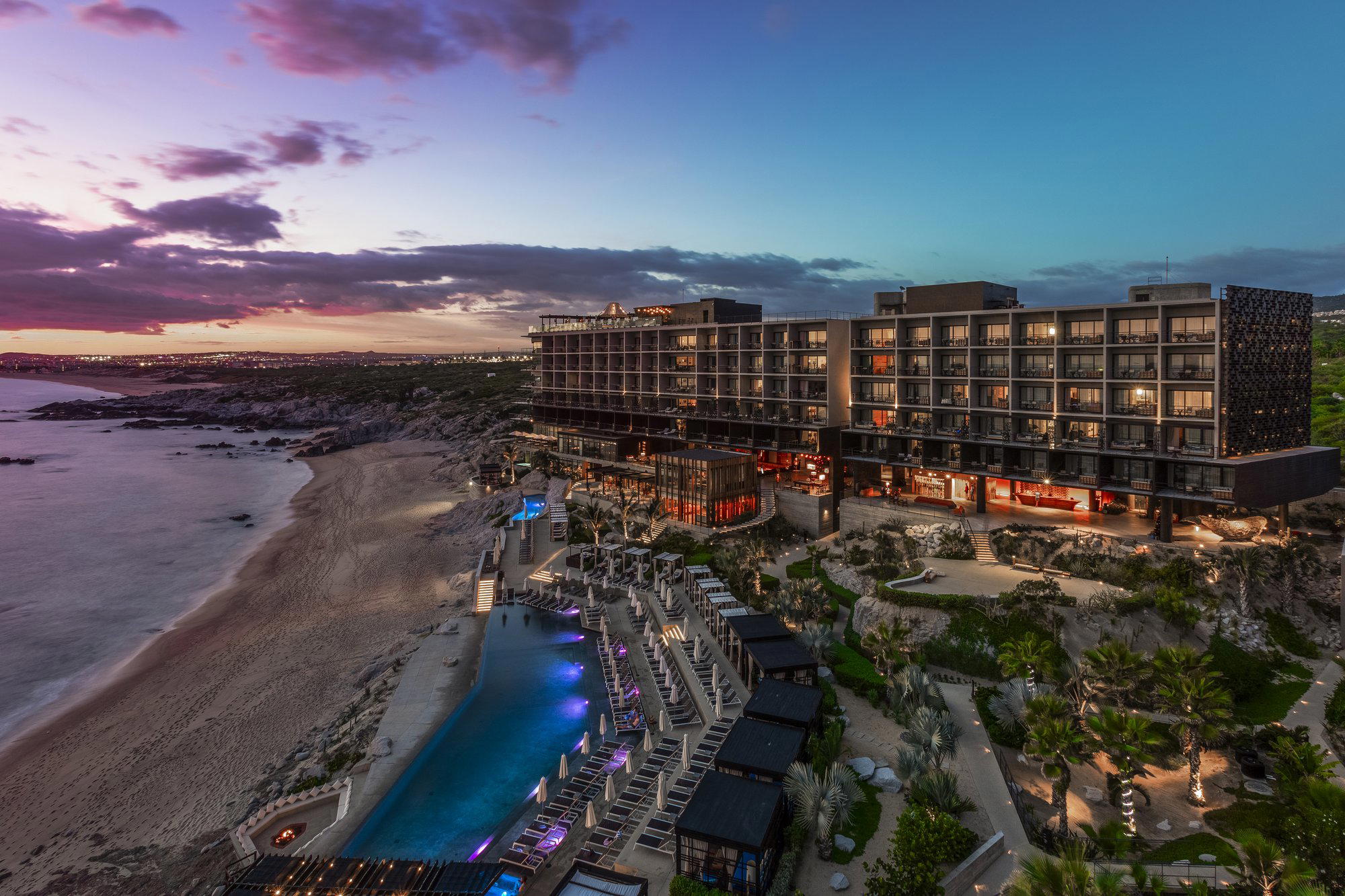
Peaceful ambience with relaxing hilltop setting well-suited for romantic dinners or leisurely afternoons.