Paulie Gee’s


Our verdict
Paulie Gee's in Greenpoint, Brooklyn has ranked on Opinionated About Dining's Cheap Eats in North America list three consecutive years, reaching as high as #104 in 2023. The wood-fired Neapolitan-style counter operates evenings through late night, with weekend hours extending to 2 am. Creative topping combinations and a community-driven room have made it a reference point in New York's artisan pizza conversation.

Pearl is the En Primeur Club membership app, where members save venues, book tables and use the concierge.
Neapolitan Orthodoxy, Brooklyn Latitude
Neapolitan pizza in its original form is a discipline of constraints: San Marzano tomatoes, fior di latte, 00 flour, a wood-fired dome reaching 900 degrees, and a bake measured in seconds rather than minutes. Naples codified these rules through the Associazione Verace Pizza Napoletana, and serious pizzaioli worldwide still treat the standard as a credential. What cities like New York have done with that foundation, however, is a different conversation. Brooklyn's artisan pizza generation absorbed the Neapolitan method and then treated it as a starting point rather than a ceiling, and Paulie Gee's, which opened on Greenpoint Avenue in the early 2010s, sits squarely inside that tradition.
The distinction matters when mapping New York's pizza scene. Coal-oven New York pies, like those at Angelo's Coal Oven Pizza, carry a different regional lineage, the high-heat, thin, slightly charred New York style that owes as much to early twentieth-century Italian immigrant kitchens as to any Campanian original. Artisan wood-fired spots, by contrast, are making an explicit argument about craft and sourcing. Paulie Gee's belongs to the latter camp, and its three consecutive appearances on Opinionated About Dining's Cheap Eats in North America list (ranked #104 in 2023, #187 in 2024, and #185 in 2025) confirm it has maintained enough consistency to stay visible in a field that refreshes quickly.
What the Greenpoint Room Delivers
Greenpoint in north Brooklyn has a character distinct from the louder dining corridors of Williamsburg or Park Slope. The neighborhood draws a mix of long-term Polish-American residents, creative industry workers, and the kind of food-curious crowd that prefers substance over spectacle. A pizzeria operating here succeeds on repeat local business as much as destination traffic, which creates a different pressure than a spot that runs on tourist volume alone.
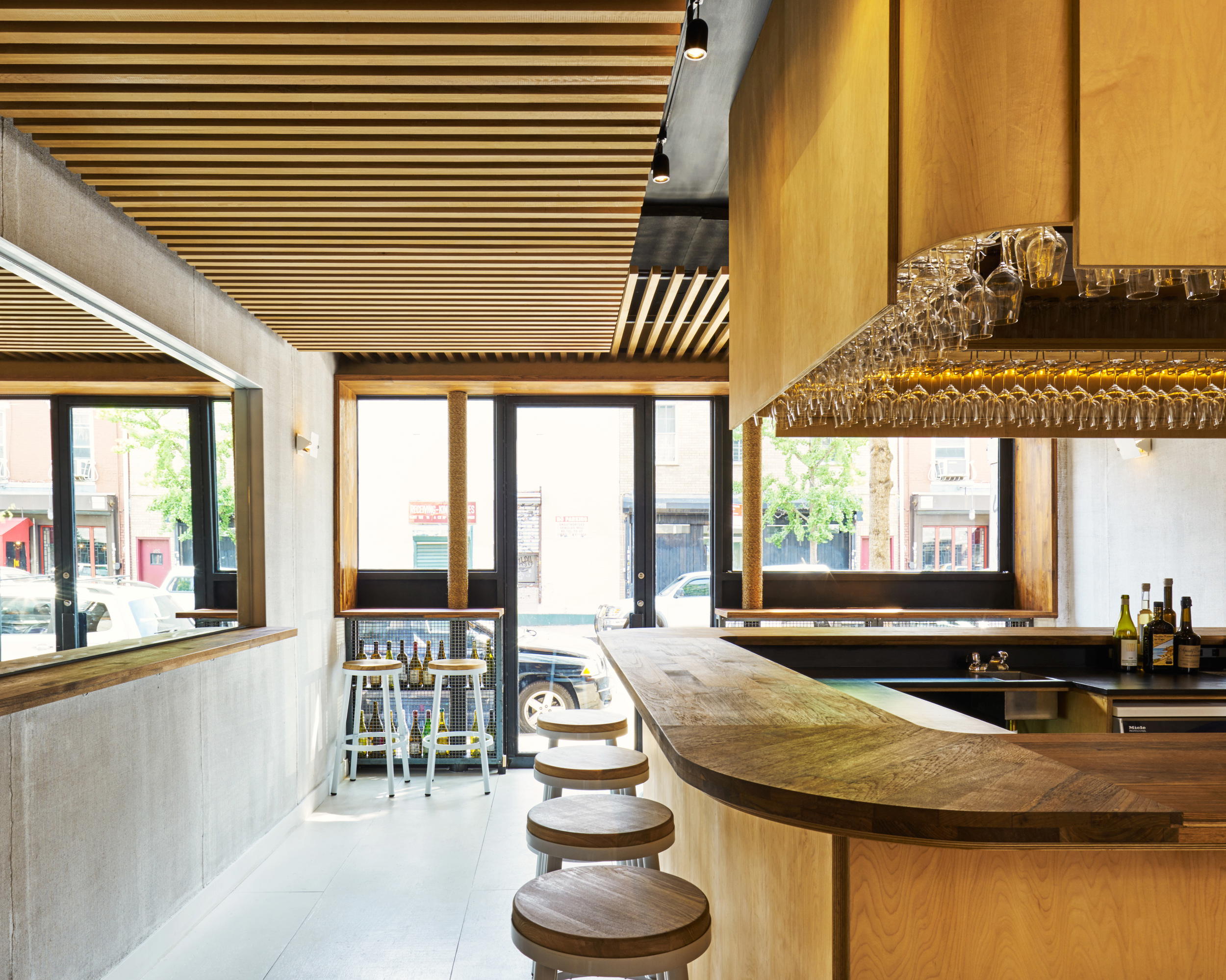
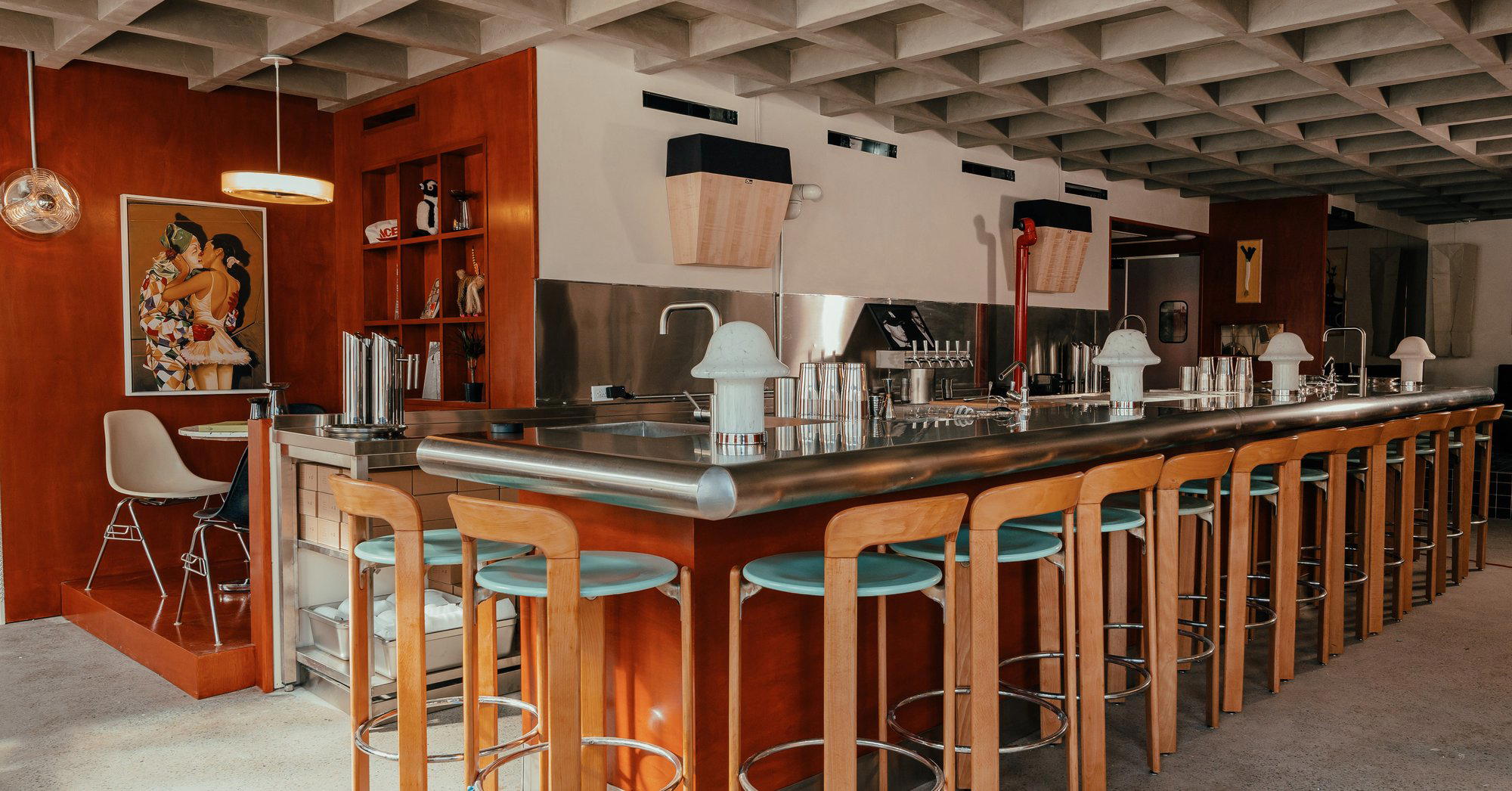
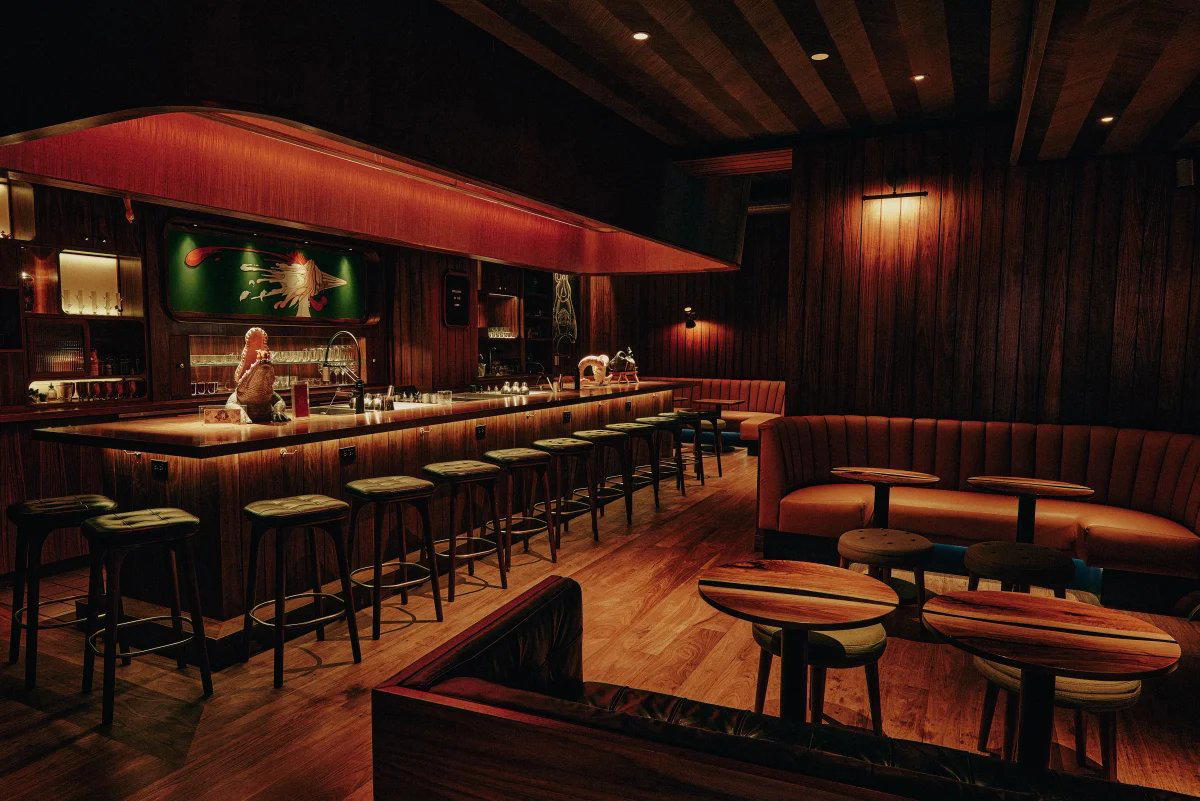
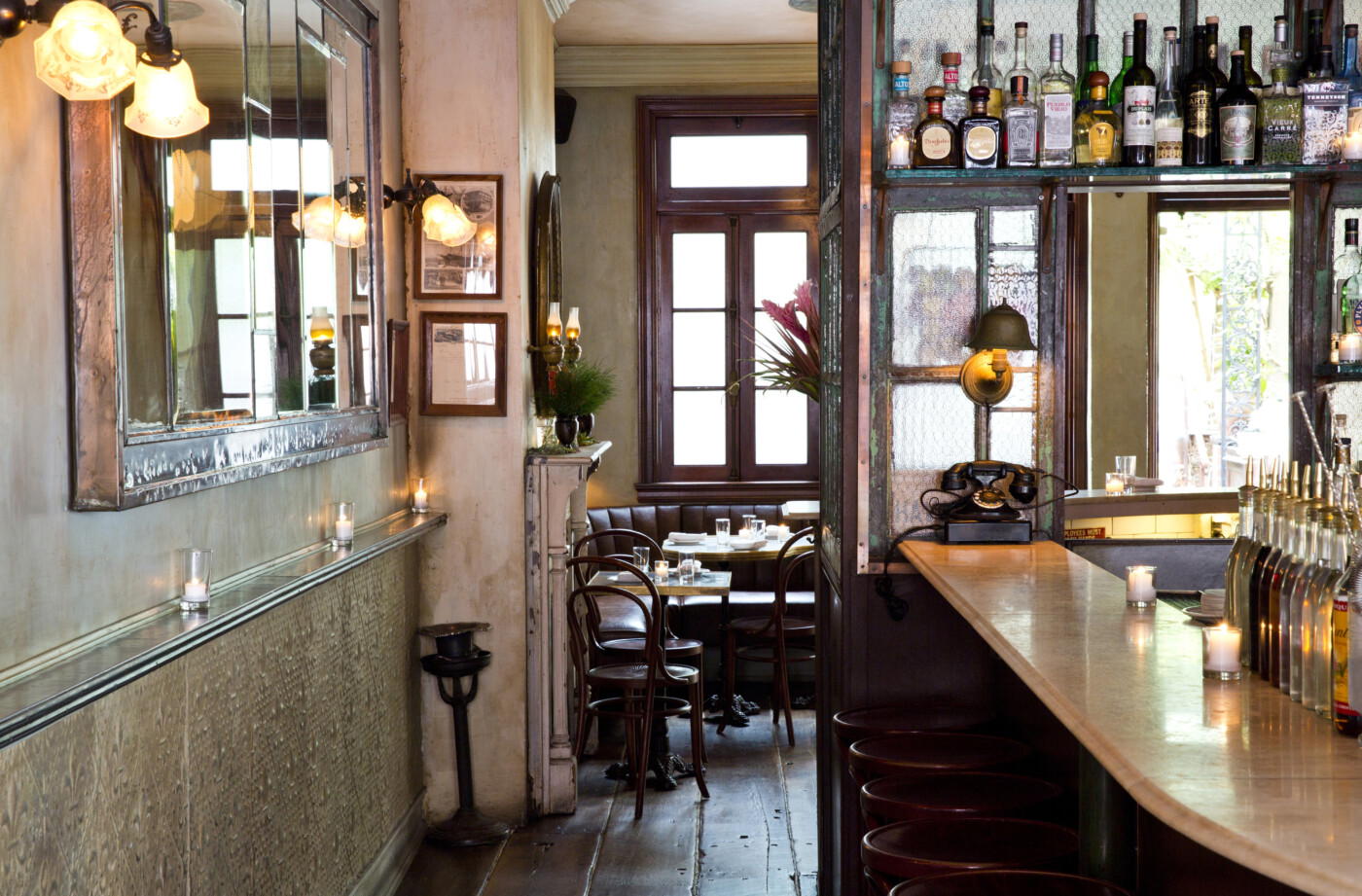
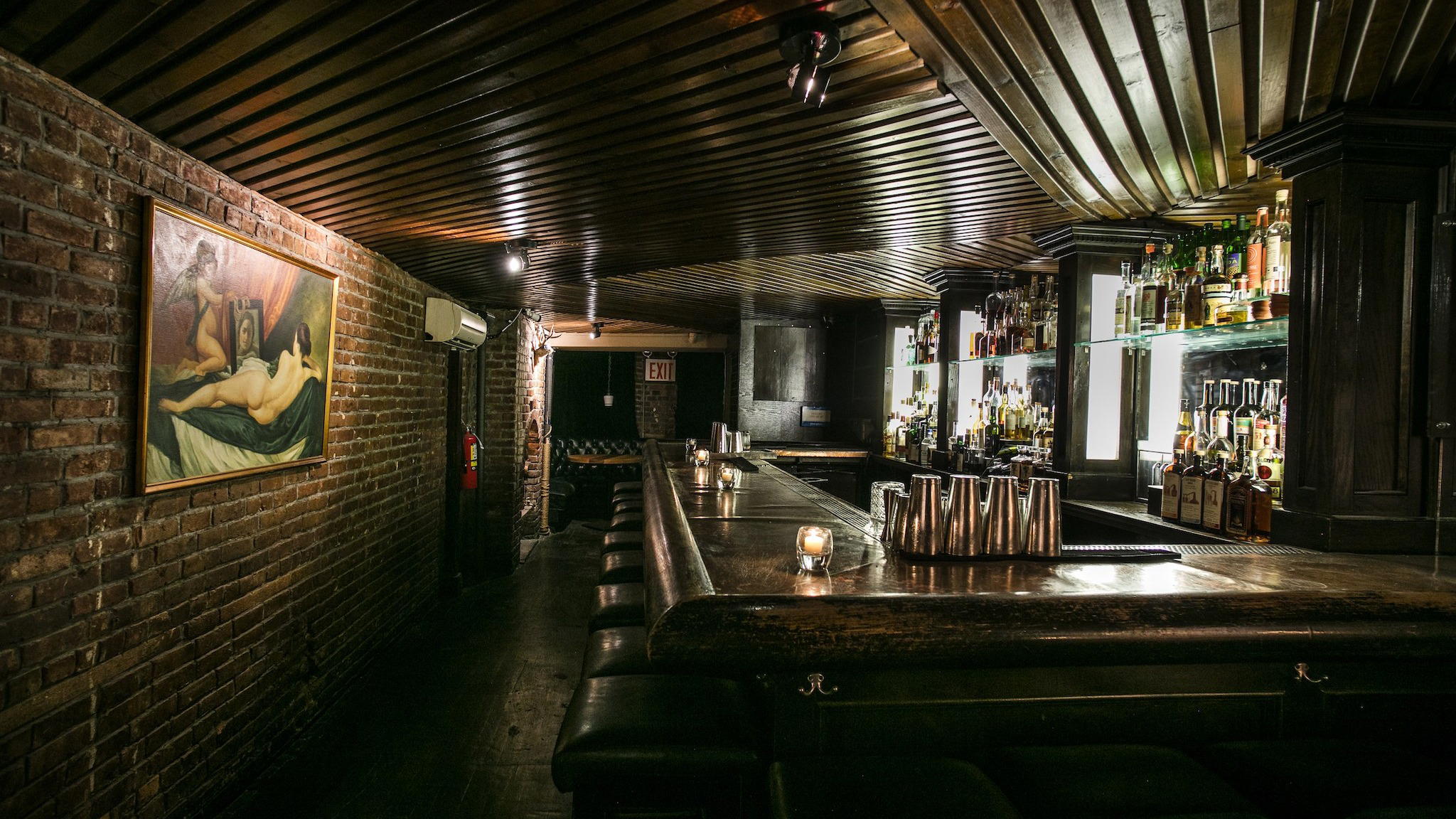
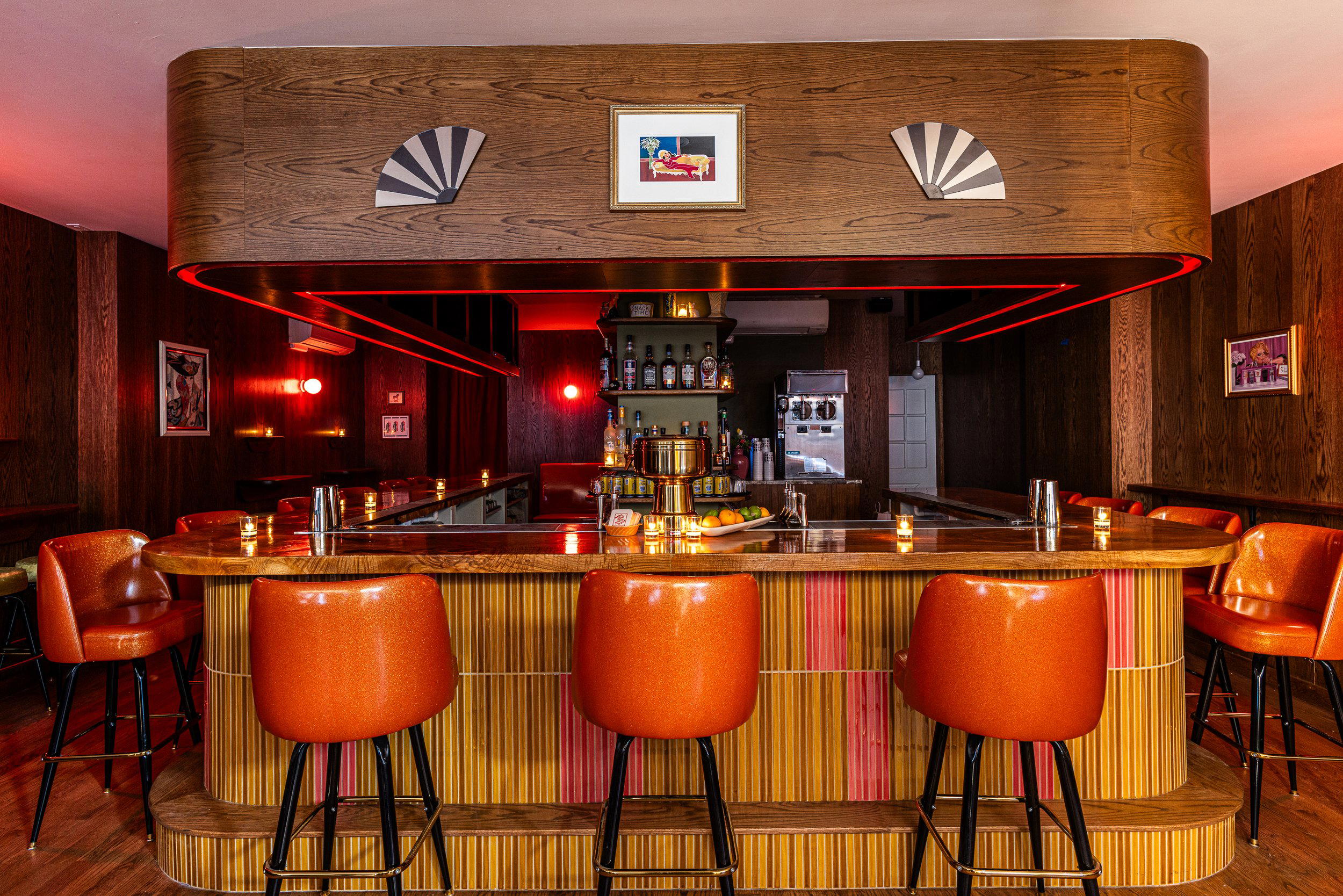
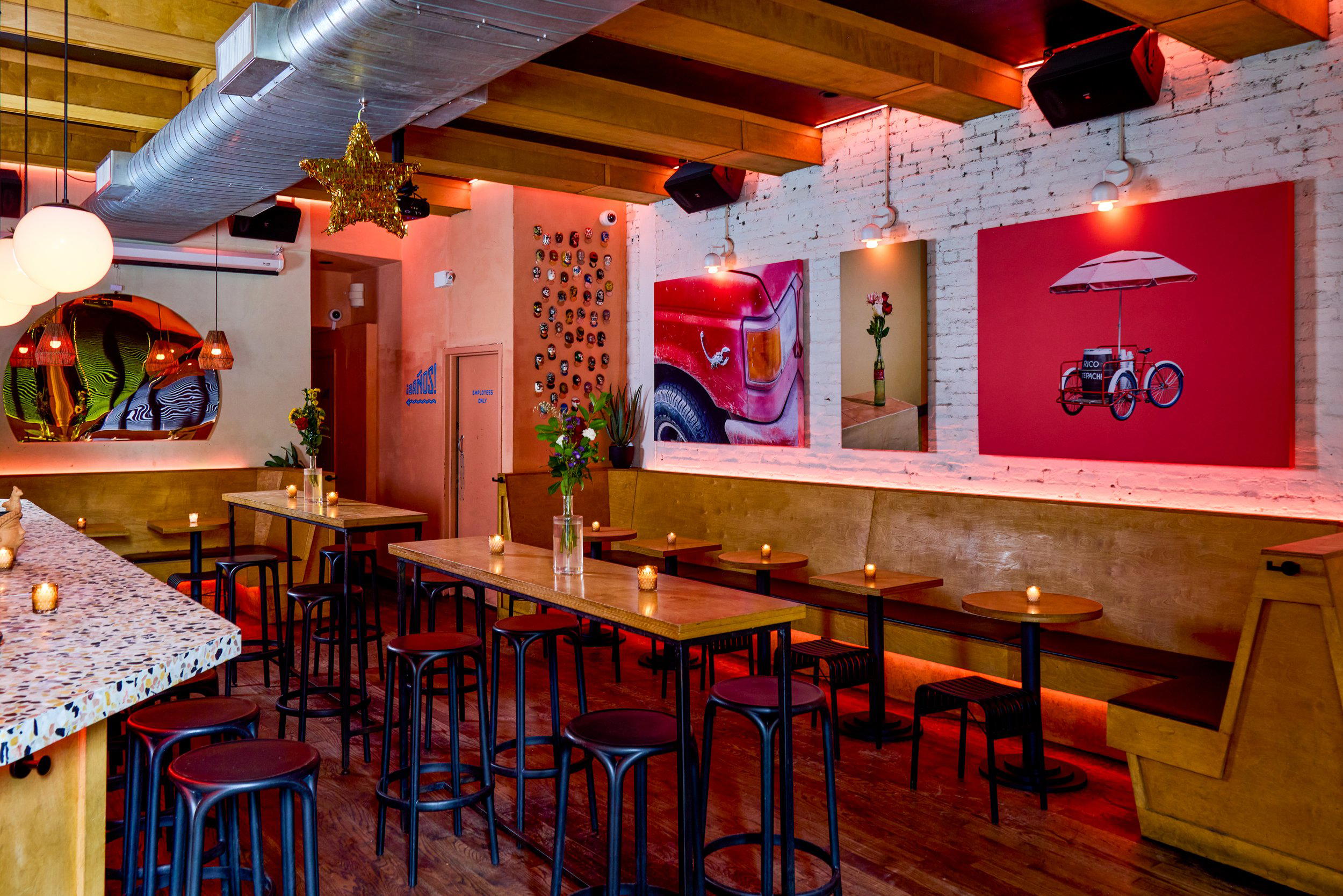
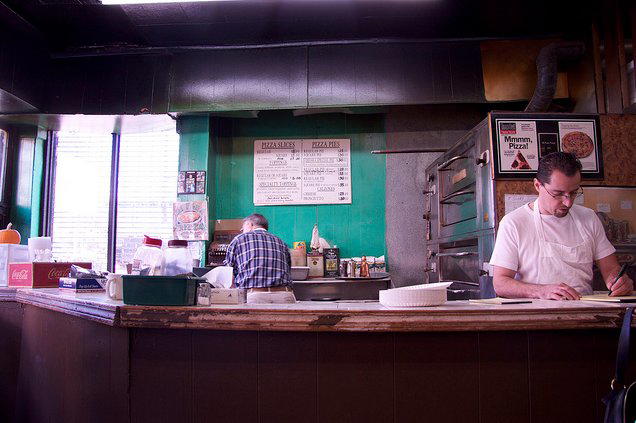
The room at 60 Greenpoint Ave reflects that context. Wood-fired pizza operations tend to anchor their spaces around the oven, it generates heat, smell, and visual drama that no other kitchen equipment matches, and the atmosphere at Paulie Gee's is informal without being careless. It is the kind of space where a table of four on a Friday night sits comfortably alongside a couple eating early on a Thursday. Weekend hours run to 2 am, which places it in a practical tier above neighborhood dinner spots and closer to late-night dining destinations. Thursday and Friday hours open at noon, giving it a lunch window that most Brooklyn artisan pizza spots don't bother with.
At that volume, a score above 4.5 reflects sustained execution rather than a single-visit spike. It sits in a different category from the kind of places that collect a high average from a thin sample of enthusiastic regulars.
The Creative Topping Argument
Regional identity question in artisan pizza comes down to how much latitude a kitchen takes with the form. True Neapolitan adherents keep the topping combinations spare and the ingredient list short. The Brooklyn artisan school, represented also by spots like Leading Pizza in Williamsburg, tends to push further on ingredient combinations while retaining the wood-fire technique and quality sourcing emphasis. Paulie Gee's has always operated at the creative end of that spectrum, pairing unconventional toppings with the structural discipline of a proper Neapolitan bake.
That approach creates a different dining proposition than, say, Don Antonio on the Manhattan side, which carries the credibility of Roberto Caporuscio's direct Neapolitan training and keeps its menu closer to Southern Italian convention. Both are defensible positions; they just serve different audiences. Paulie Gee's is the right room for the diner who wants the craft of a wood-fired Neapolitan base and the creativity of a kitchen that treats the pizza as a canvas rather than a catechism.
The slice shop expansion that has followed the original Greenpoint location addresses a different format altogether. New York's slice culture, exemplified by spots like Artichoke Basille's, operates on different economics and different expectations than a sit-down wood-fired room. The fact that Paulie Gee's has extended into that format without visibly damaging the original's reputation is a reasonable indicator of operational discipline.
Where It Sits in the Broader Pizza City
New York's pizza conversation is unusually fractured by style. Tavern-style thin-crust pies from Staten Island (well-represented by Denino's Pizzeria and Tavern), the folded New York slice, coal-oven red-sauce classics, and the wood-fired Neapolitan tier all coexist and attract different constituencies. For context on how the artisan wood-fired approach translates to other cities, Ken's Artisan Pizza in Portland occupies a comparable position in its local scene, and 11th Street Pizza in Miami operates a similar format in a warmer-weather market with less competitive density.
At the higher end of the New York dining spectrum, Paulie Gee's exists in a different universe from the tasting-menu rooms, Alinea in Chicago, The French Laundry in Napa, or Providence in Los Angeles, but OAD's Cheap Eats list is explicitly not a consolation category. For broader New York context, see our full New York City restaurants guide, as well as guides to hotels, bars, wineries, and experiences across the city.
Planning Your Visit
| Detail | Paulie Gee's | Don Antonio (peer: Neapolitan, Manhattan) | Leading Pizza (peer: artisan, Williamsburg) |
|---|---|---|---|
| Format | Sit-down wood-fired | Sit-down wood-fired | Casual counter / sit-down |
| Location | Greenpoint, Brooklyn | Midtown West, Manhattan | Williamsburg, Brooklyn |
| Late-night hours | Fri–Sat to 2 am | Not typically | Limited |
| OAD Cheap Eats (2025) | #185 | Not listed | Not listed |
| N/A (comparison only) | N/A (comparison only) |
Paulie Gee's opens Thursday through Sunday at noon, and Monday through Wednesday from 5 pm. Weekend late-night hours make it one of the few artisan wood-fired rooms in Brooklyn accessible after 11 pm. The address is 60 Greenpoint Ave, Brooklyn, NY 11222.
Frequently asked questions
Where exactly is Paulie Gee’s?
Paulie Gee’s is located at 60 Greenpoint Ave, Brooklyn, NY 11222, New York City.
What kind of recognition has Paulie Gee’s received?
Paulie Gee’s has received recognition including: Opinionated About Dining Cheap Eats in North America Ranked #185 (2025); Paulie Gee's is a celebrated artisan pizza chain, originating in Greenpoint, Brooklyn, known for its creative wood-fired Neapolitan-style pizzas and a distinct, commun….
What style of cooking does Paulie Gee’s do?
What should I expect atmosphere-wise at Paulie Gee's?
Paulie Gee's in Greenpoint operates with a community-focused, low-key character that reflects its north Brooklyn neighborhood rather than the louder dining corridors of Williamsburg. The room is informal and convivial, drawing regulars alongside out-of-borough visitors who track OAD rankings, the Greenpoint original has appeared on the Opinionated About Dining Cheap Eats North America list three consecutive years, reaching as high as #104 in 2023. Hours run late on weekends (until 2 am Friday and Saturday), which shapes the crowd accordingly.
A quick peer reference to anchor this venue in its category.
| Venue | Cuisine | Price | Awards | Notes |
|---|---|---|---|---|
| Paulie Gee’sThis venue (the venue you are viewing) | Neapolitan Pizza | $20–30 | Not listed | Not listed |
| Le Bernardin | French Seafood Fine Dining | $300–500 | 3 Michelin Stars · World's 50 Best #13 | French, Seafood |
| Atomix | Modern Korean Tasting Menu | $300–500 | 2 Michelin Stars · World's 50 Best #7 | Modern Korean, Korean |
| Masa | Seasonal Hokkaido Tempura Omakase | $150–200 | Tabelog 100 #34 | Sushi, Japanese |
| Per Se | French Fine Dining Tasting Menu | $300–500 | 3 Michelin Stars · World's 50 Best #40 | French, Contemporary |
| Eleven Madison Park | Contemporary Plant-Based Fine Dining | $300–500 | 3 Michelin Stars · World's 50 Best #4 | French, Vegan |
Recognition history
Dated appearances from independent guides and award organizations, with the underlying list record or original source where available.
Opinionated About Dining Cheap Eats in North America Recommended
Opinionated About Dining
50 Top Pizza 50 Top World Artisan Pizza Chains #13
50 Top Pizza
Full recognition history (5 entries)
Opinionated About Dining Cheap Eats in North America Ranked #185
Opinionated About Dining
Opinionated About Dining Cheap Eats in North America Ranked #187
Opinionated About Dining
Opinionated About Dining Cheap Eats in North America in Ranked #104
Opinionated About Dining