PAPA ORO's Filipino Ricebowls & more
Among Baden's dining options, PAPA ORO's Filipino Ricebowls & more occupies a distinctly different position from the European-leaning restaurants that dominate the city's food scene. Located at Weite Gasse 29, the restaurant brings Filipino rice bowl cooking to a Swiss city where that cuisine is rarely represented, offering a direct entry point into a tradition built on layered flavour, communal generosity, and rice as the structural centre of every plate.
Pearl is the En Primeur Club membership app — saves, bookings, and concierge access live there. Same editors, same standards.
- Address
- Weite G. 29, 5400 Baden, Switzerland
- Phone
- +41795997979
- Website
- papaoros.ch
- Directions
- Get directions
 Saves & bookings on Pearl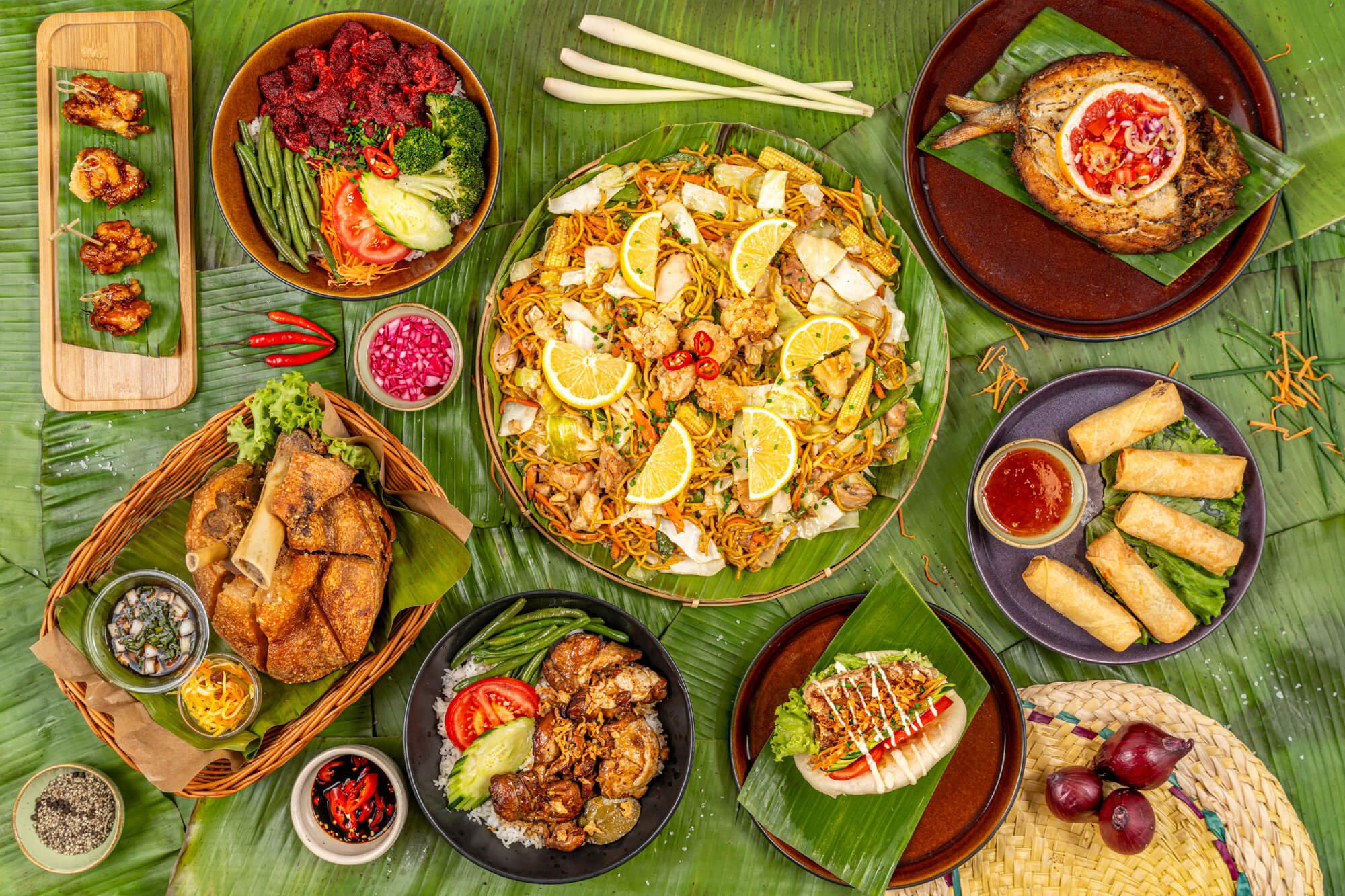
Filipino Rice Bowls in a Swiss City That Rarely Sees Them
PAPA ORO's Filipino Ricebowls & more is a restaurant in Baden, Switzerland, serving Filipino rice bowls at about $20 per person. Walk the Altstadt and you'll find French-influenced modern cuisine at Le Gavrinis, regional Swiss at Amterl, Italian-inflected plates at ArteMia, and formal dining at the Casino Restaurant Baden. What the city offers little of is Southeast Asian cooking with any real depth, which is precisely what positions PAPA ORO's Filipino Ricebowls & more as something worth paying attention to. Filipino cuisine remains one of the least represented culinary traditions in continental European dining, particularly outside major capitals, and a dedicated Filipino rice bowl format in a mid-sized Swiss city is genuinely uncommon. That scarcity alone does not make a restaurant worth visiting, but it does establish a context: this is not a venue competing against a dozen similar offerings. It is, for most diners in Baden, a first introduction to a cuisine built on rice as structure, not side.
The Physical Setting at Weite Gasse 29
PAPA ORO's occupies a street-level address at Weite Gasse 29 in Baden, a city of roughly 20,000 people in the canton of Aargau, positioned along the Limmat River and historically known for its thermal baths and Roman-era heritage. The address places the restaurant within accessible reach of Baden's compact centre, which is walkable from the main train station in under fifteen minutes. Baden sits approximately 25 kilometres northwest of Zurich, making it a realistic day-trip or early-evening destination from the city for anyone curious about its dining options beyond the thermal spa circuit.
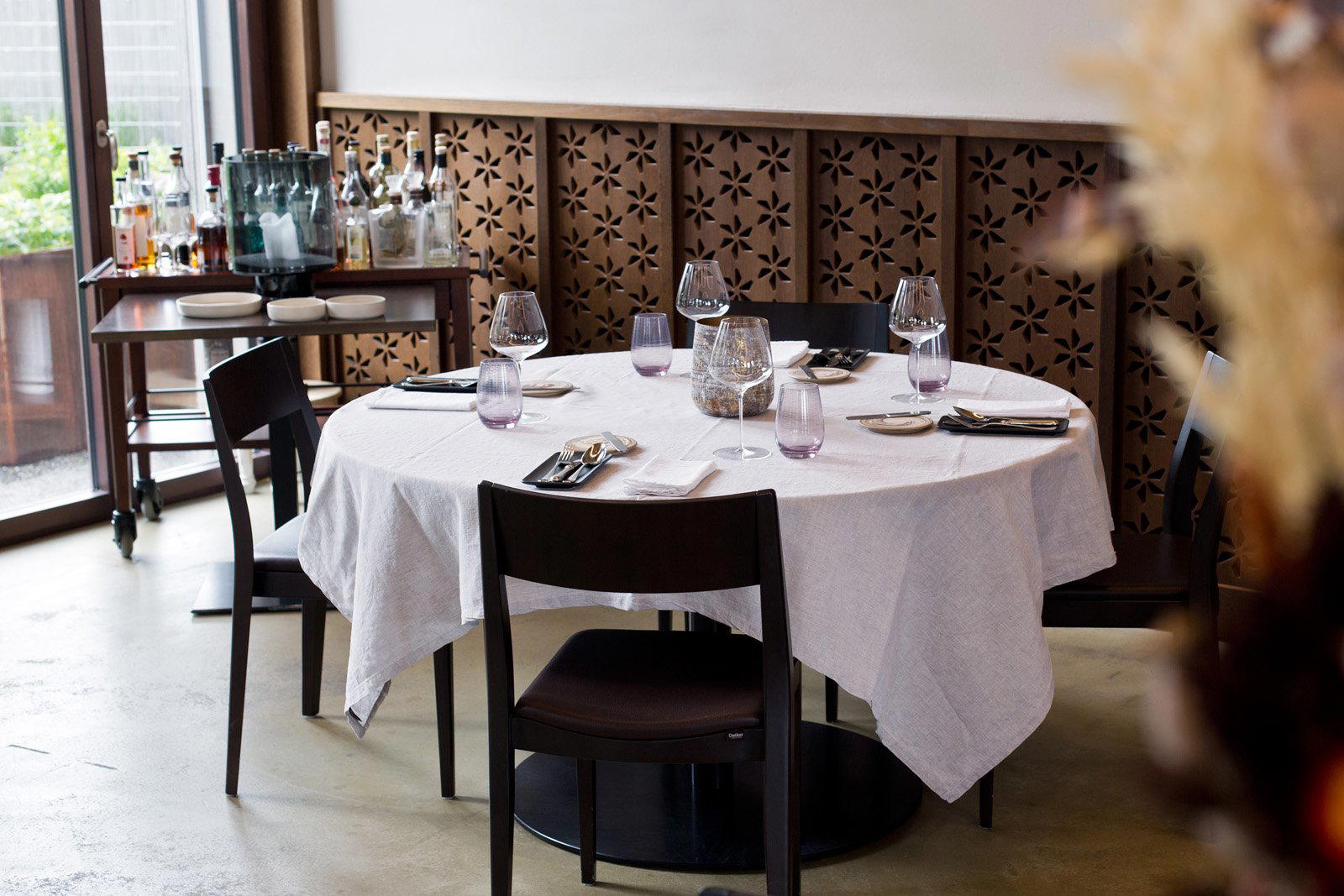
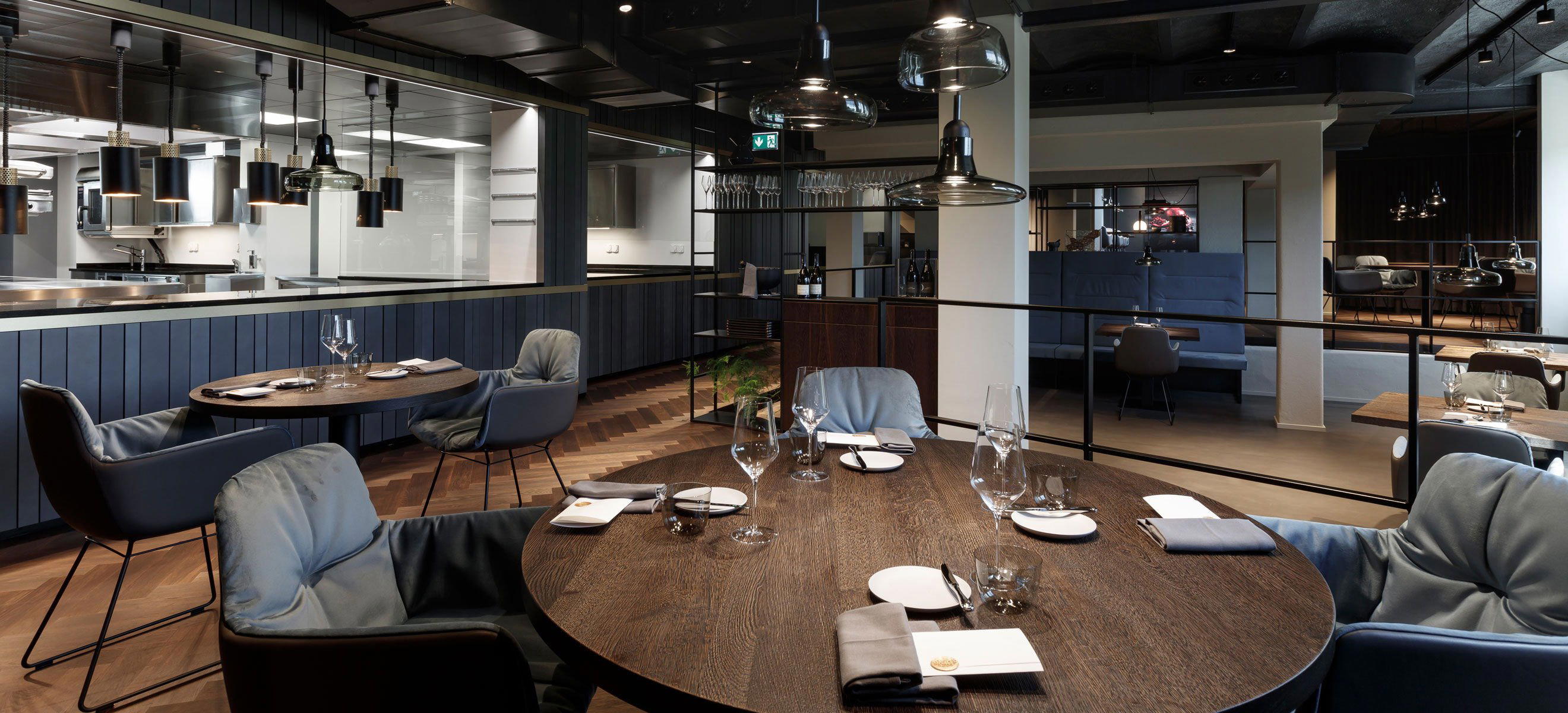
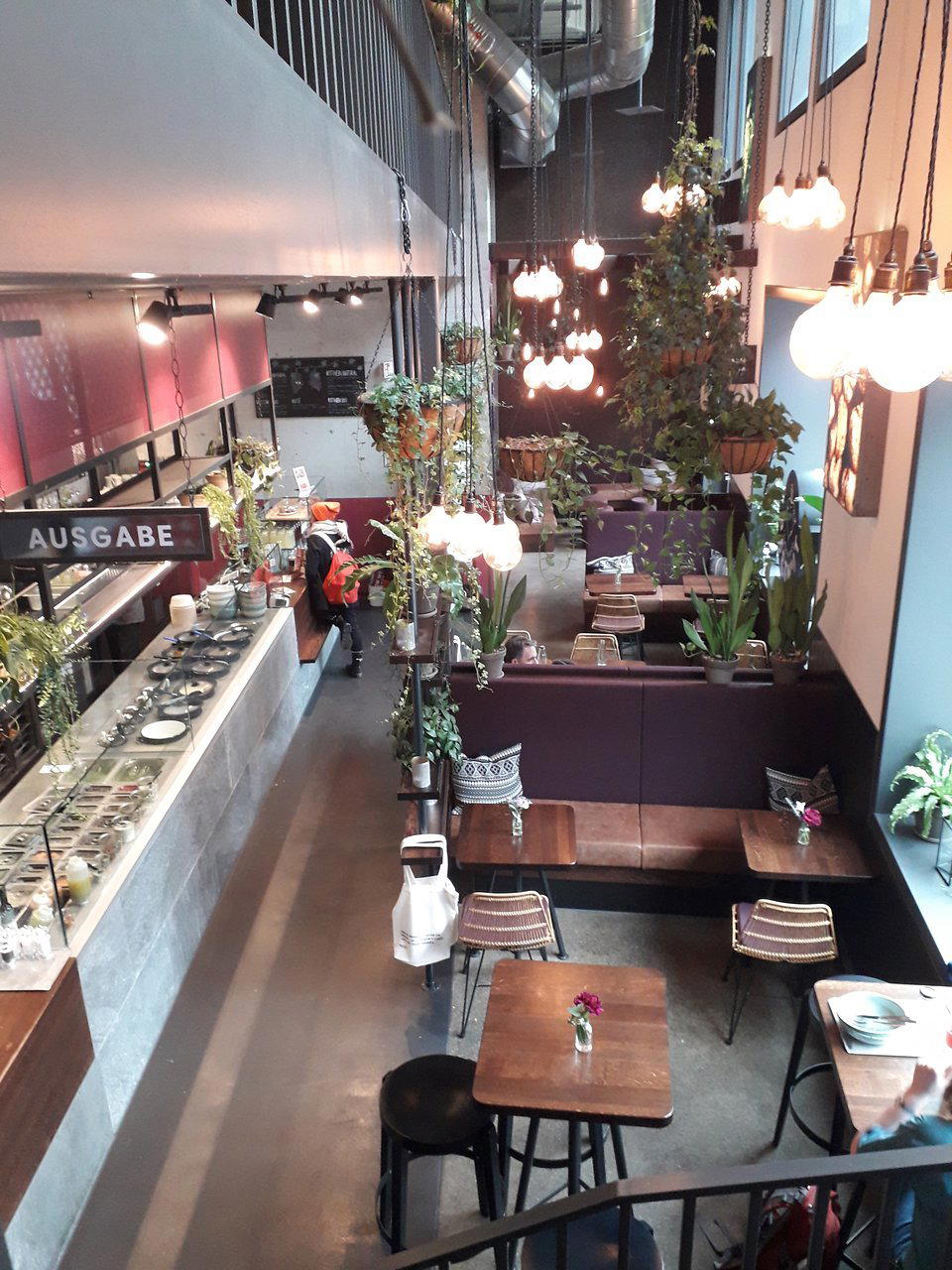
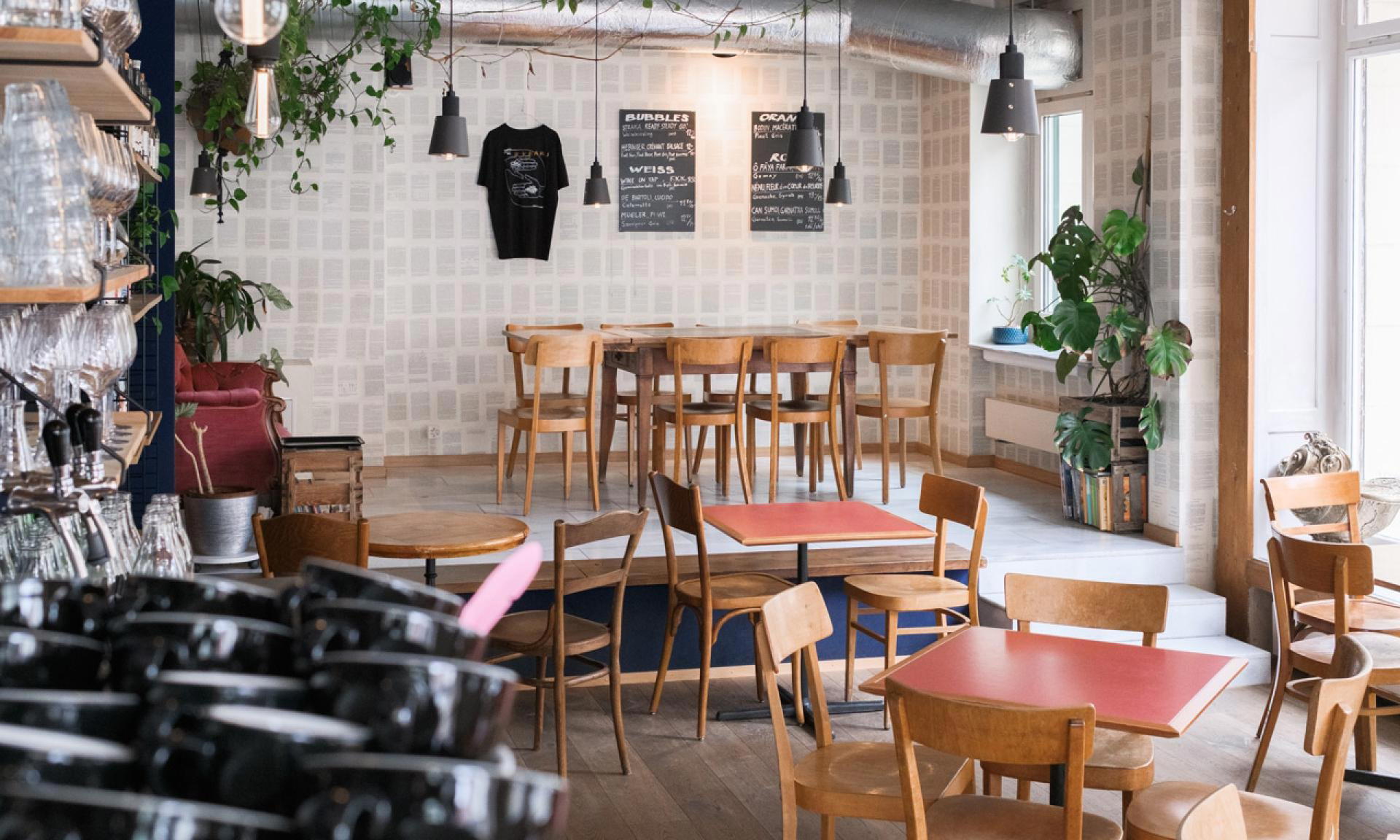
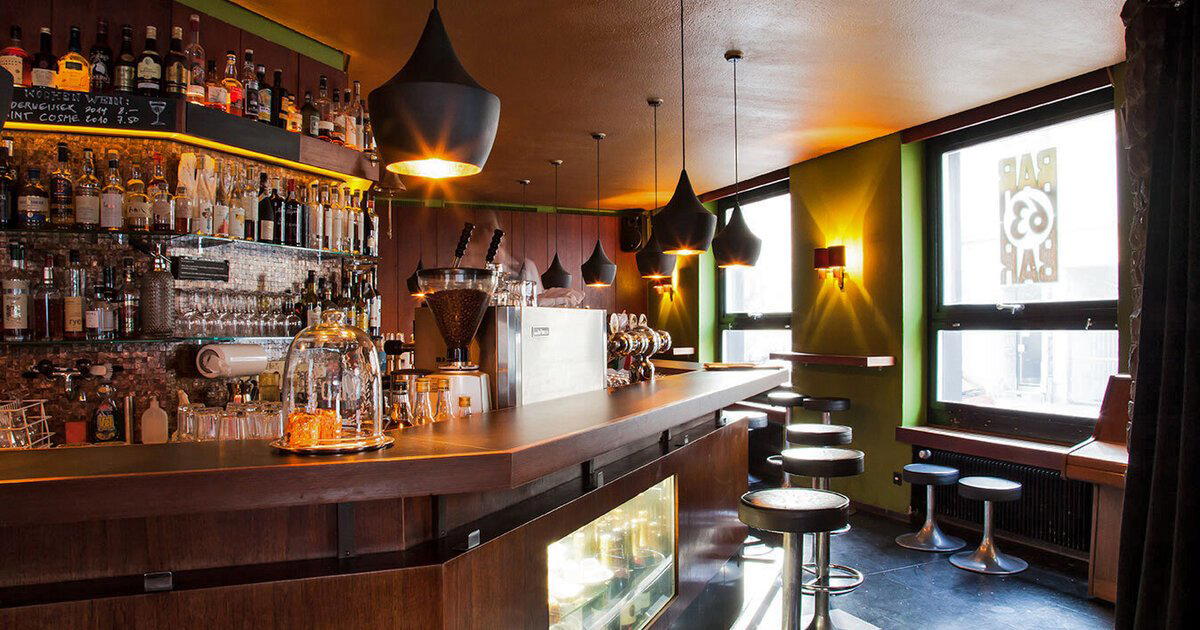
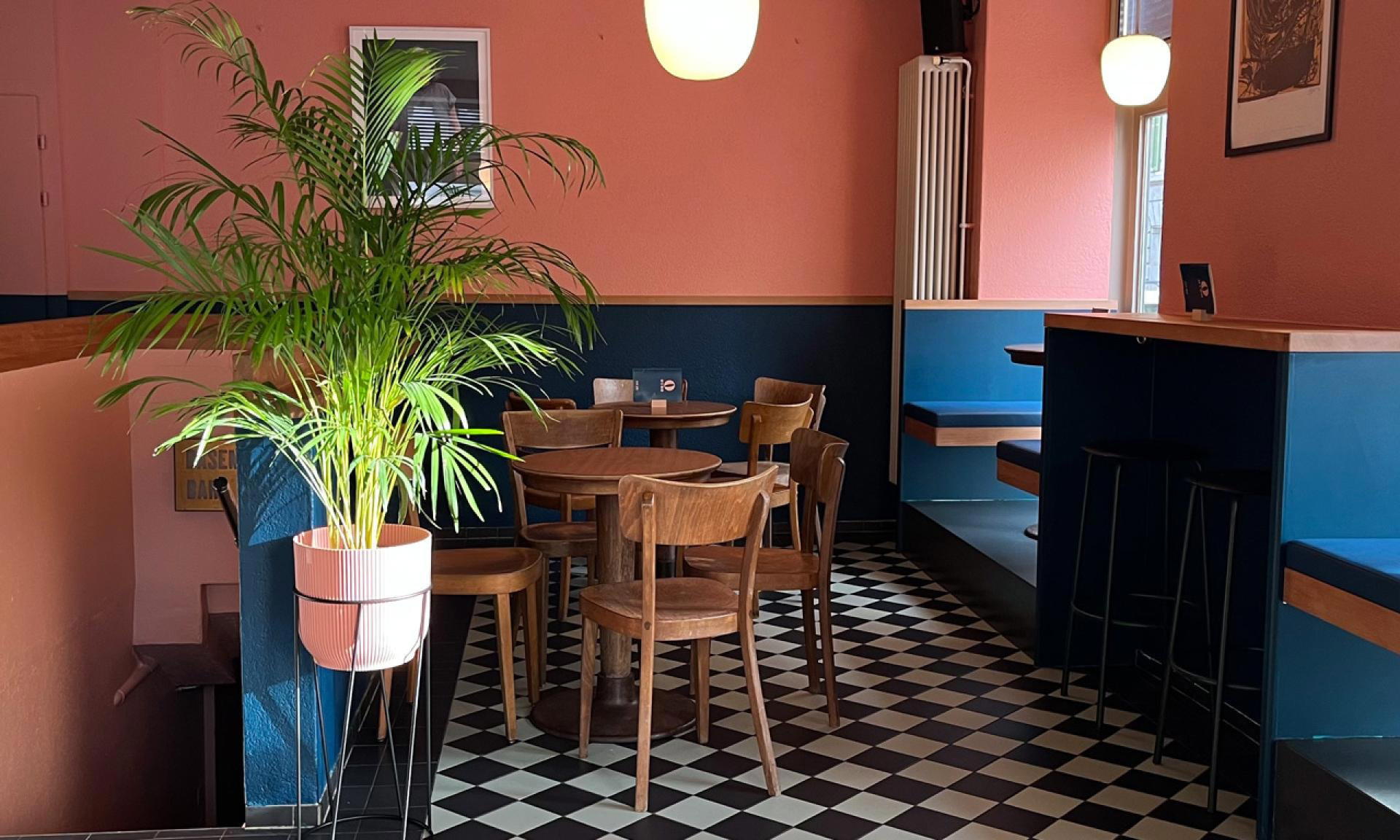
The venue's physical format, a rice bowl specialist, signals something specific about how the space is organised. Rice bowl formats across Southeast Asian diaspora cooking tend toward counter-adjacent or fast-casual configurations: compact dining rooms, shared tables or close-set individual seats, and a service rhythm that prioritises throughput over ceremony. This format is not a concession to informality; it is the appropriate physical container for a cuisine that is, at its core, about generous, accessible feeding. The bowl format, common to Filipino turo-turo and kanin clubs, has its own spatial logic: the room exists to support the food, not to frame it.
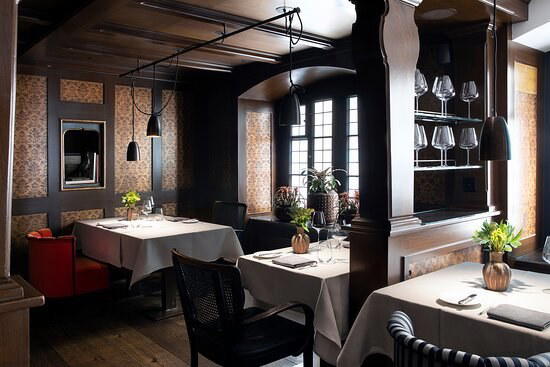
For visitors comparing this kind of environment against Baden's more formal dining rooms, the contrast is useful context. Restaurants like Crêperie La Goélette operate in a similarly casual register, though with a French Breton reference point rather than a Southeast Asian one. At the other end of the spectrum, Switzerland's most formally structured dining experiences, such as Hotel de Ville Crissier or Schloss Schauenstein in Fürstenau, operate in a completely different register: high-ceremony, multi-course, and architecturally significant spaces. PAPA ORO's belongs to neither of those worlds, and that is not a criticism. It reflects a different tradition entirely.
Filipino Rice Bowl Cooking: What the Format Implies
Rice is not a neutral element in Filipino cooking. It is the structural and cultural centre of nearly every meal, with the surrounding proteins, braises, and vinegar-soured preparations existing in service of it. The rice bowl format, as it appears in Filipino diaspora restaurants globally, typically organises that relationship explicitly: a base of steamed rice topped with a chosen protein, often accompanied by pickled vegetables, fried garlic, and a sauce or gravy that ties the plate together. Dishes associated with this tradition include adobo (meat slow-cooked in vinegar and soy), sinigang (a tamarind-soured broth with protein and vegetables), kare-kare (oxtail in peanut sauce), and lechon kawali (crisp pork belly). These are not approximations of other Asian cooking traditions; they carry a distinct balance of sour, salty, and savoury that distinguishes Filipino food from neighbouring cuisines.
Outside the Philippines, this cooking has achieved significant attention at a handful of reference-point restaurants. Atomix in New York City demonstrated that Asian diaspora cooking could anchor a serious fine-dining proposition, though Korean rather than Filipino in that case. The broader trend of Southeast and East Asian cuisines moving from street-food positioning toward more considered restaurant formats has been well-documented across major cities. In Switzerland, that movement is significantly slower. The country's restaurant scene skews toward French and Italian influence, with Cheval Blanc by Peter Knogl in Basel, Memories in Bad Ragaz, and IGNIV Zürich by Andreas Caminada among its most recognised names. Filipino cooking at any level of seriousness is largely absent from the country's dining conversation.
Positioning in Baden's Casual Dining Tier
Within Baden specifically, the casual dining segment is not crowded with strong independent operators. The city's restaurant density is modest relative to Zurich or Basel, and the independent, cuisine-specific specialists that do exist tend toward European traditions. A Filipino rice bowl format that executes its core dishes with consistency occupies a position that has few direct competitors locally, and none drawing from the same culinary reference point.
For visitors already familiar with Filipino cooking from other cities, the key question is consistency of technique rather than novelty. For visitors encountering this cuisine for the first time in Baden, PAPA ORO's represents the kind of entry point that broader context in the city simply does not provide. Those curious about what Filipino rice bowl cooking looks like at a more architecturally ambitious or formally recognised level globally might also look at what venues like focus ATELIER in Vitznau or Einstein Gourmet in Sankt Gallen represent within Swiss fine dining, simply as a frame of reference for how differently the same country can approach the restaurant experience depending on format and ambition level.
Planning a Visit
PAPA ORO's Filipino Ricebowls & more is located at Weite Gasse 29, 5400 Baden. PAPA ORO's is open Monday to Saturday from 11 AM to 9 PM and closed on Sunday. Baden is served by frequent rail connections from Zurich Hauptbahnhof, with journey times typically around 20 to 25 minutes; the Weite Gasse address is within walking distance of the central station. Walk-ins are welcome. At about $20 per person, it sits in a moderate price tier.
A Lean Comparison
Comparable venues nearby, for context on price, style, and recognition.
| Venue | Cuisine | Price | Notes |
|---|---|---|---|
| PAPA ORO's Filipino Ricebowls & moreThis venue — the venue you are viewing | Altstadt Baden, Filipino Ricebowls | $$ | Not listed |
| Papa Oro's Filipino Food Baden Metroshop | Bahnhof, Filipino Ricebowls & Take Away | $$ | Not listed |
| Parkbistro | Kurpark, Casual Park Bistro | $$ | Not listed |
| Oberstadt Restaurant | Not listed | $$$ | Oberstadt, Modern French-Swiss Fine Dining |
| ArteMia | Baden, Authentic Italian Pizza Bottega | $$ | Not listed |
| Manito Baden | Schlossbergplatz, American Burgers | $$ | Not listed |


At a Glance
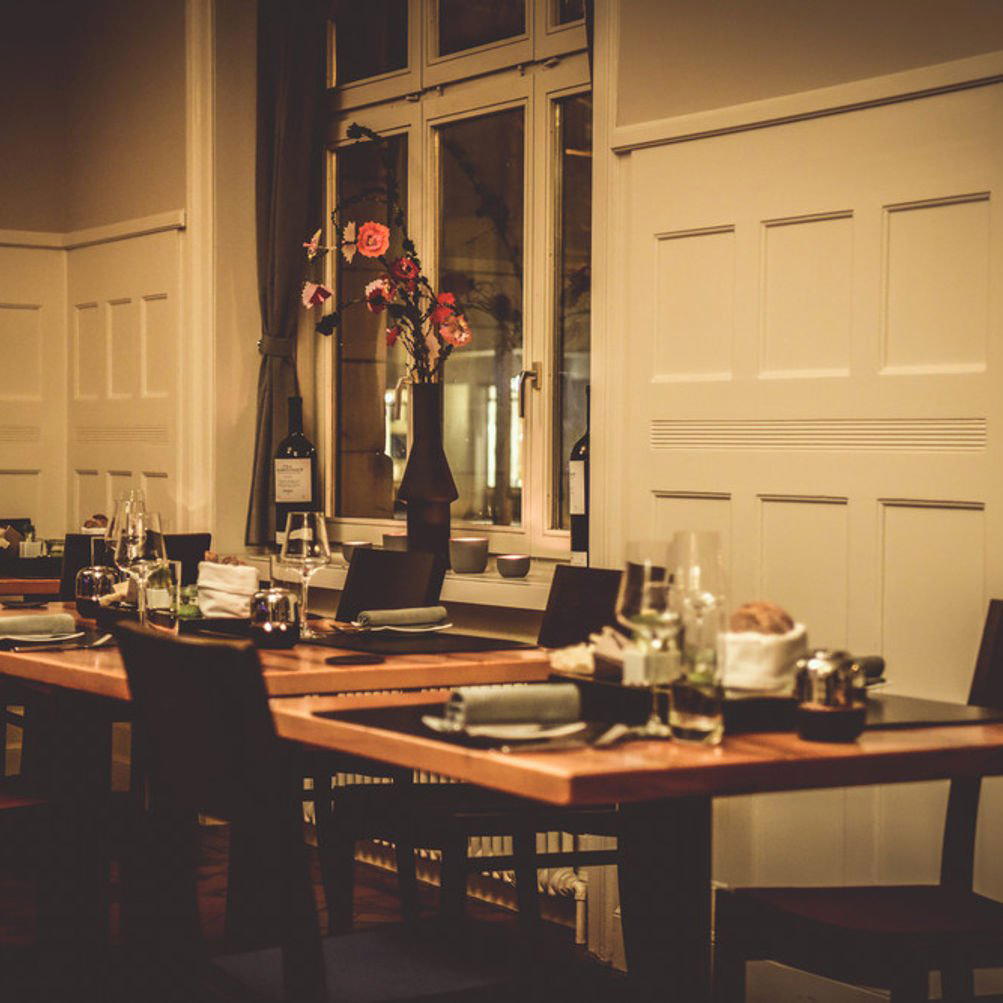
- Cozy
- Modern
- Trendy
- Casual Hangout
Current opening hours
- Monday
- 11 AM–9 PM
- Tuesday
- 11 AM–9 PM
- Wednesday
- 11 AM–9 PM
- Thursday
- 11 AM–9 PM
- Friday
- 11 AM–9 PM
- Saturday
- 11 AM–9 PM
- Sunday
- Closed
Hours can change for holidays and private events. Last verified .
Friendly, fresh, modern, and welcoming like a family gathering.