
Operating from Via Roma since 1987, Paolo e Barbara holds a Michelin star for its grounded, ingredient-led approach to western Ligurian cooking. Kitchen gardens supply much of what reaches the plate, from eggs to olive oil, and the menu pivots around the region's fish and vegetables. A precise, unhurried restaurant in a city that rewards patience.
Pearl is the En Primeur Club membership app — saves, bookings, and concierge access live there. Same editors, same standards.
- Address
- Via Roma, 47, 18038 Sanremo IM, Italy
- Phone
- +39 0184 531653
- Website
- paolobarbara.it
- Directions
- Get directions
 Saves & bookings on Pearl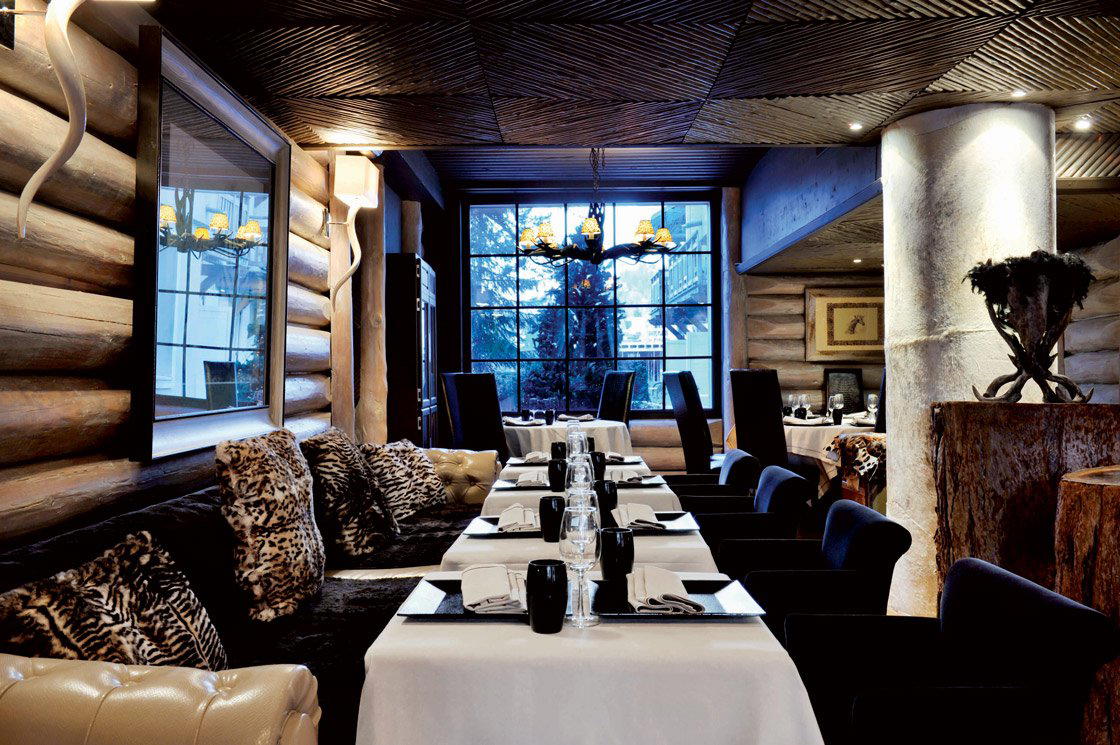
A Quiet Corner of the Riviera with Serious Intentions
Via Roma in San Remo carries the unhurried rhythm of a Ligurian provincial street in the evening: shuttered facades, the faint salt in the air from the nearby coast, locals moving with the deliberate pace of a town that has never needed to perform for visitors. It is in this setting that Paolo e Barbara has occupied the same address since 1987, accumulating nearly four decades of institutional presence without ever appearing to court attention. The restaurant does not announce itself loudly. It does not need to.
San Remo's dining scene sits at an interesting junction in the broader map of Italian regional cooking. The western reaches of Liguria produce a cuisine that is coastal but not purely maritime, vegetables carry as much weight as fish, olive oil is an ingredient rather than a medium, and the growing season is long enough to make kitchen gardens a viable reality rather than a marketing gesture. For context on how this kind of long-running, region-rooted Italian restaurant fits the broader €€€€ tier, the comparison set includes houses like Dal Pescatore in Runate and Le Calandre in Rubano, both of which draw their identity from deep regional commitment rather than cosmopolitan eclecticism.
The Logic of a Kitchen Garden at This Latitude
Western Liguria benefits from among the more temperate microclimates on the Italian peninsula. The Maritime Alps deflect northern cold, the sea moderates summer heat, and the terraced hillsides that climb from the coast have supported smallholder agriculture for centuries. That context matters for understanding what Paolo e Barbara is actually doing when it says its kitchen gardens supply most of the ingredients on the menu, including eggs, olive oil, and a portion of its wine. This is not decorative provenance signalling. At this latitude and with this culinary tradition, direct land access represents a meaningful curatorial advantage over restaurants working from market supply alone.
The commitment has been building since the restaurant opened. Nearly four decades of tending the same land, refining the same supply logic, and cooking from the same regional canon produces a kind of institutional knowledge that is difficult to replicate quickly. Italian cooking at this level, see also Uliassi in Senigallia and Quattro Passi in Marina del Cantone for coastal parallels, tends to reward longevity in a way that more trend-sensitive urban restaurants do not. The deeper the rootedness, the more legible the cooking becomes to guests who are paying attention.
How the Menu Reads as a Regional Argument
Western Ligurian cuisine has historically been caught between two identities: the fishing ports of the coast and the olive and herb culture of the hinterland. Paolo Masieri's approach resolves that tension by treating both as equally foundational rather than choosing one over the other. Fish and vegetables are not in hierarchy; they are in conversation. The approach mirrors what chefs in other deeply regional Italian kitchens, Reale in Castel di Sangro, for instance, have done with Apennine produce: finding the cuisine's own internal logic and following it rather than grafting external technique onto it.
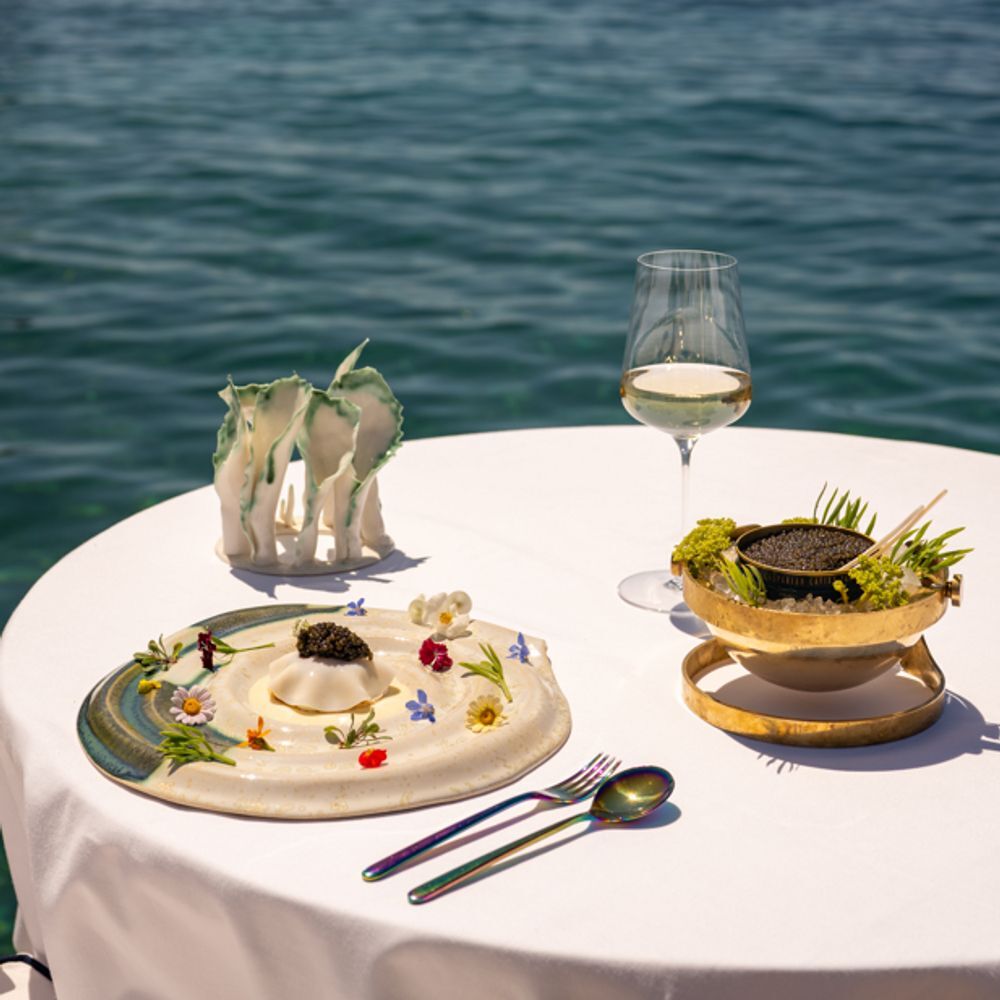
That dish is instructive in its construction. The San Remo gambero rosso, one of the Ligurian coast's most documented ingredients, appears inside fresh egg pasta rather than raw on a plate, which is the more fashionable format at the moment. The broth introduces a cross-regional reference, Abruzzo saffron, that complicates the locavore reading without undermining it. This is cooking that knows its tradition well enough to work within it selectively. For a broader comparative lens on Italian seafood at this tier, Le Bernardin in New York City and Enoteca Pinchiorri in Florence represent the international and national poles of what premium fish cooking can look like when technique and tradition converge.
The menu elsewhere extends this vegetable-forward sensibility. At €€€€ pricing, guests should expect a tasting format that moves through several courses, though What is clear is that the kitchen's self-sufficiency in ingredients, olive oil and eggs from the property, seasonal vegetables from the gardens, shapes what arrives on the plate in ways that a standard supply chain cannot replicate.
Front of House and the Wine Question
Barbara oversees the dining room and manages wine recommendations personally. In a region whose viticulture is modest in volume but distinct in character, Liguria produces Vermentino, Pigato, and the rare Rossese di Dolceacqua, none of which appear widely on international lists, that kind of specific local guidance has practical value. Guests arriving without familiarity with western Ligurian producers will find the front-of-house knowledge more useful than a standard sommelier service that works from a general Italian list. The restaurant also produces a small amount of wine from its own gardens, which narrows the gap between what grows on the property and what is poured at the table.
For regional wine exploration beyond the restaurant itself, our full San Remo wineries guide covers the broader Ligurian producer landscape.
Paolo e Barbara in the Context of the Riviera's €€€€ Tier
San Remo is not a city usually discussed in the same breath as Italy's canonical fine-dining destinations. The Michelin geography of serious Italian cooking tends to cluster around Emilia-Romagna, Piedmont, coastal Campania, and the metropolitan centres of Milan and Florence. Houses like Osteria Francescana in Modena, Piazza Duomo in Alba, Enrico Bartolini in Milan, and Casa Perbellini 12 Apostoli in Verona define the reference points that most well-travelled diners carry. Paolo e Barbara sits outside that geography by choice as much as circumstance.
The closest direct regional comparison is Balzi Rossi in Ventimiglia, which shares the western Ligurian setting and a similar commitment to Ligurian and country cooking at the €€€€ price point. The two restaurants effectively define the upper tier of serious dining on this stretch of coast. A note on geography for international visitors: San Remo sits approximately 30 kilometres east of the French border, close enough to Nice and Monaco that it falls naturally into cross-border itineraries. The Riviera di Ponente has historically attracted visitors en route between France and Italy, and the restaurant's longevity since 1987 reflects a clientele that includes both local regulars and informed travellers moving through the region.
For a wider perspective on premium mountain-rooted Italian cooking at the Alpine end of the north, Atelier Moessmer Norbert Niederkofler in Brunico offers a useful contrast in how Italian chefs at this tier are thinking about landscape and ingredient sourcing.
Planning a Visit
The restaurant operates Thursday through Sunday from 7:30 PM to 10:00 PM, and is closed Monday and Tuesday, with Wednesday also closed. That four-night weekly window is narrow for a restaurant with this kind of regional reputation, and advance planning is advisable, particularly in summer when the Riviera draws visitors from across Europe. The address is Via Roma, 47, 18038 Sanremo IM, Italy. Pricing sits at the €€€€ tier, consistent with a Michelin-starred tasting experience in an Italian regional context.
A Quick Peer Check
Comparable venues nearby, for context on price, style, and recognition.
| Venue | Cuisine | Price | Awards | Notes |
|---|---|---|---|---|
| Paolo e BarbaraThis venue — the venue you are viewing | Contemporary Ligurian | $$$ | Michelin 1 Star | Not listed |
| Il Nazionale di Vernante | Modern Piedmontese Fine Dining | $$$ | Michelin 1 Star | Vernante |
| Sarri | Modern Ligurian Seafood | $$$ | Michelin 1 Star | Borgo Prino |
| Cannavacciuolo Bistrot | Modern Italian Fine Dining Bistro | $$$ | Michelin 1 Star | Borgo Po |
| Il Marin | Modern Ligurian Fine Dining | $$$ | Michelin 1 Star | Porto Antico |
| Piano35 | Modern Italian Fine Dining with Piedmontese Influences | $$$$ | Michelin 1 Star | Cit Turin |
Recognition history
Dated appearances from independent guides and award organizations, with the underlying list record or original source where available.
Michelin 1 Star
Michelin
Michelin 1 Star
Michelin
Michelin 1 Star
Michelin
Continue exploring
More in Sanremo
Restaurants in Sanremo
Browse all →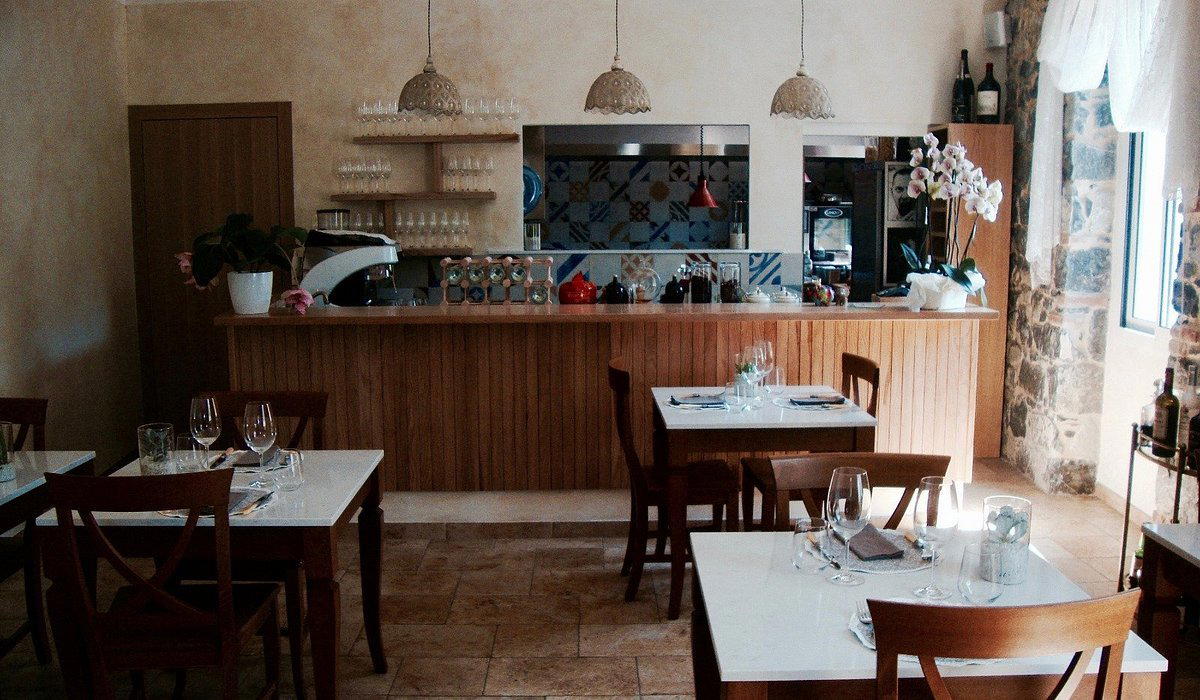
Bars in Sanremo
Browse all →
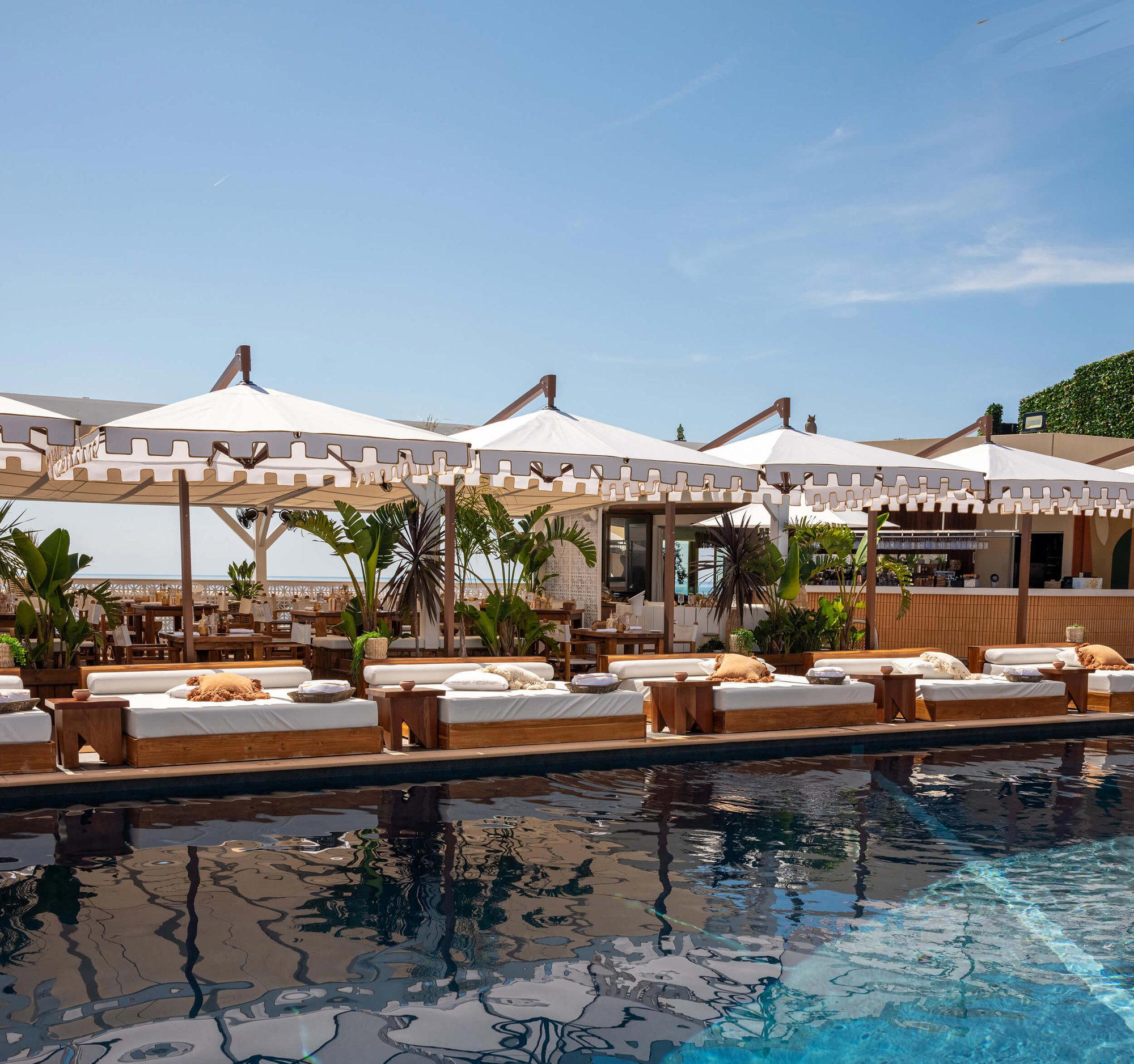
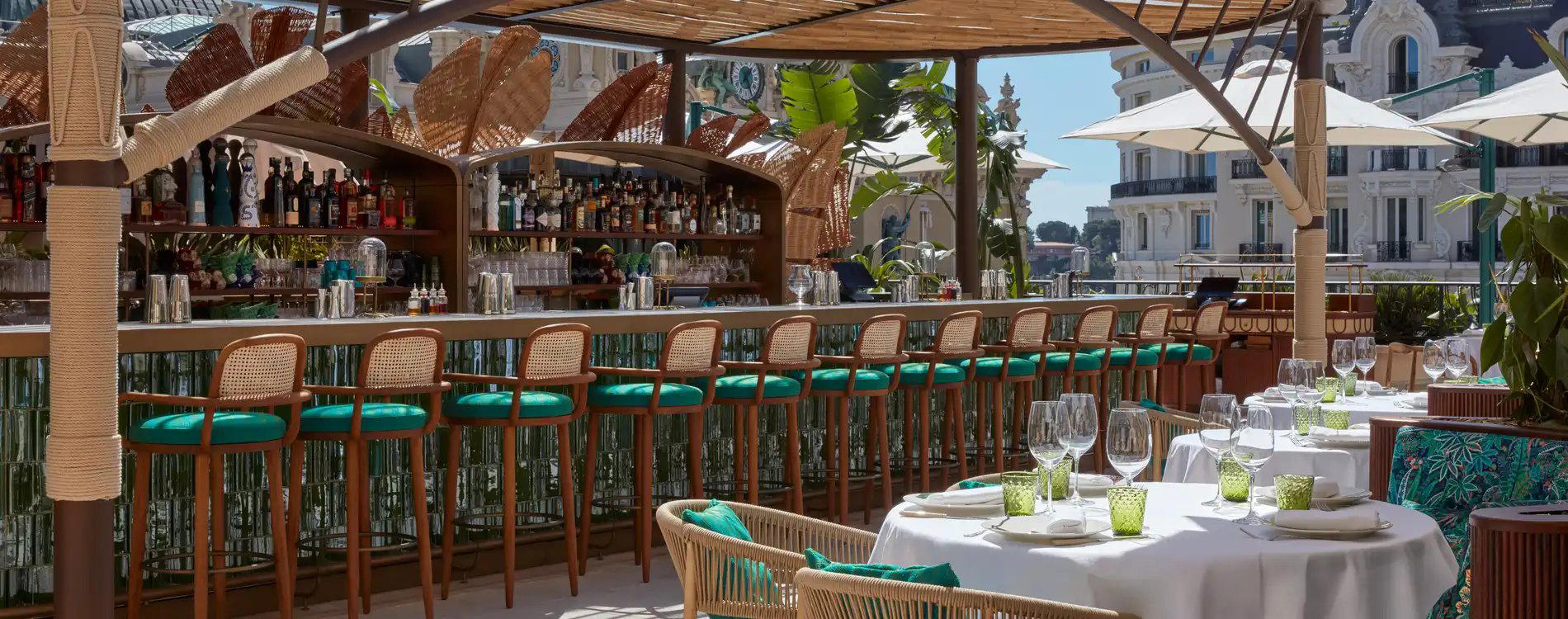
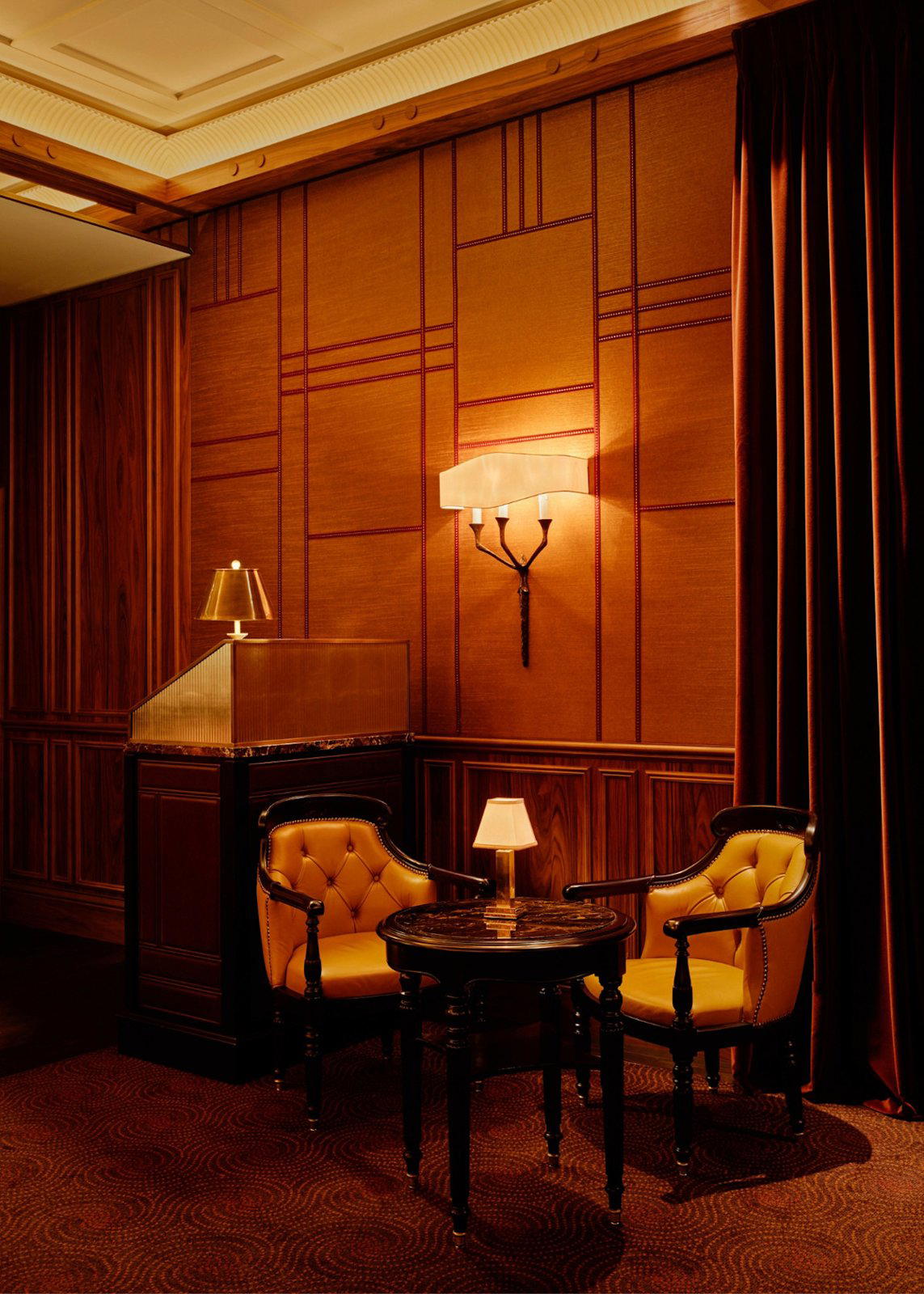
Hotels in Sanremo
Browse all →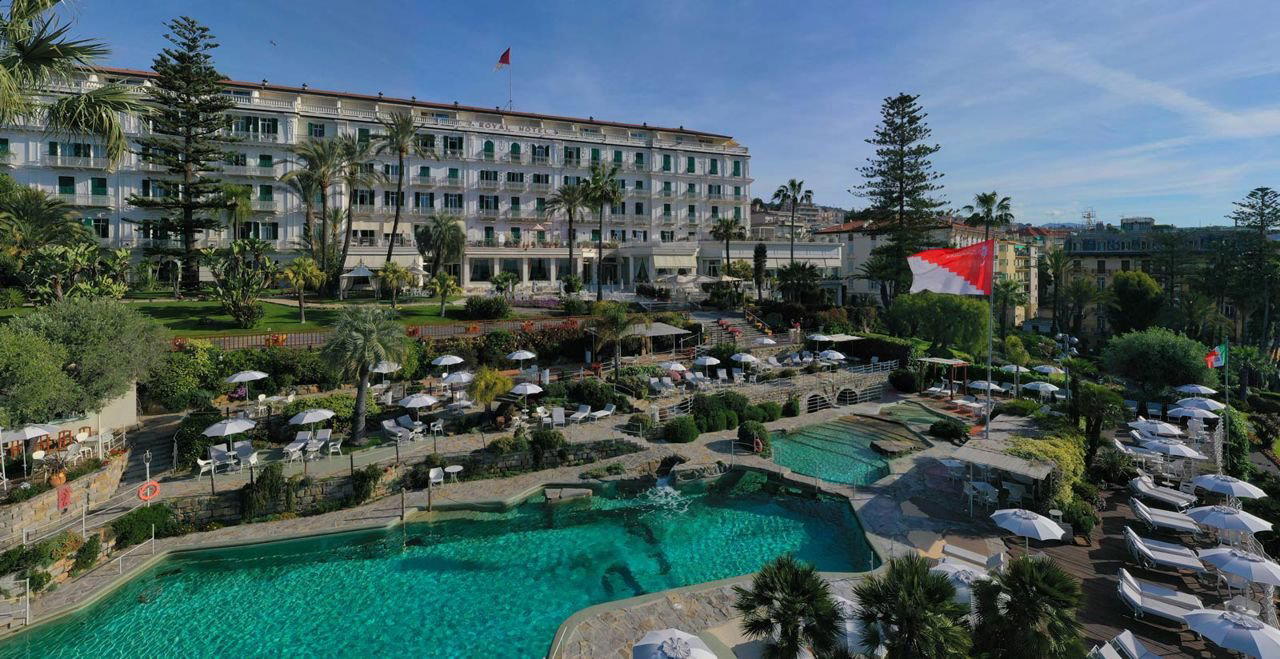

At a Glance
- Intimate
- Elegant
- Cozy
- Sophisticated
- Date Night
- Special Occasion
- Open Kitchen
- Extensive Wine List
- Local Sourcing
- Farm To Table
Current opening hours
- Monday
- Closed
- Tuesday
- Closed
- Wednesday
- 7:30–10 PM
- Thursday
- 7:30–10 PM
- Friday
- 7:30–10 PM
- Saturday
- 7:30–10 PM
- Sunday
- 7:30–10 PM
Hours can change for holidays and private events. Last verified .
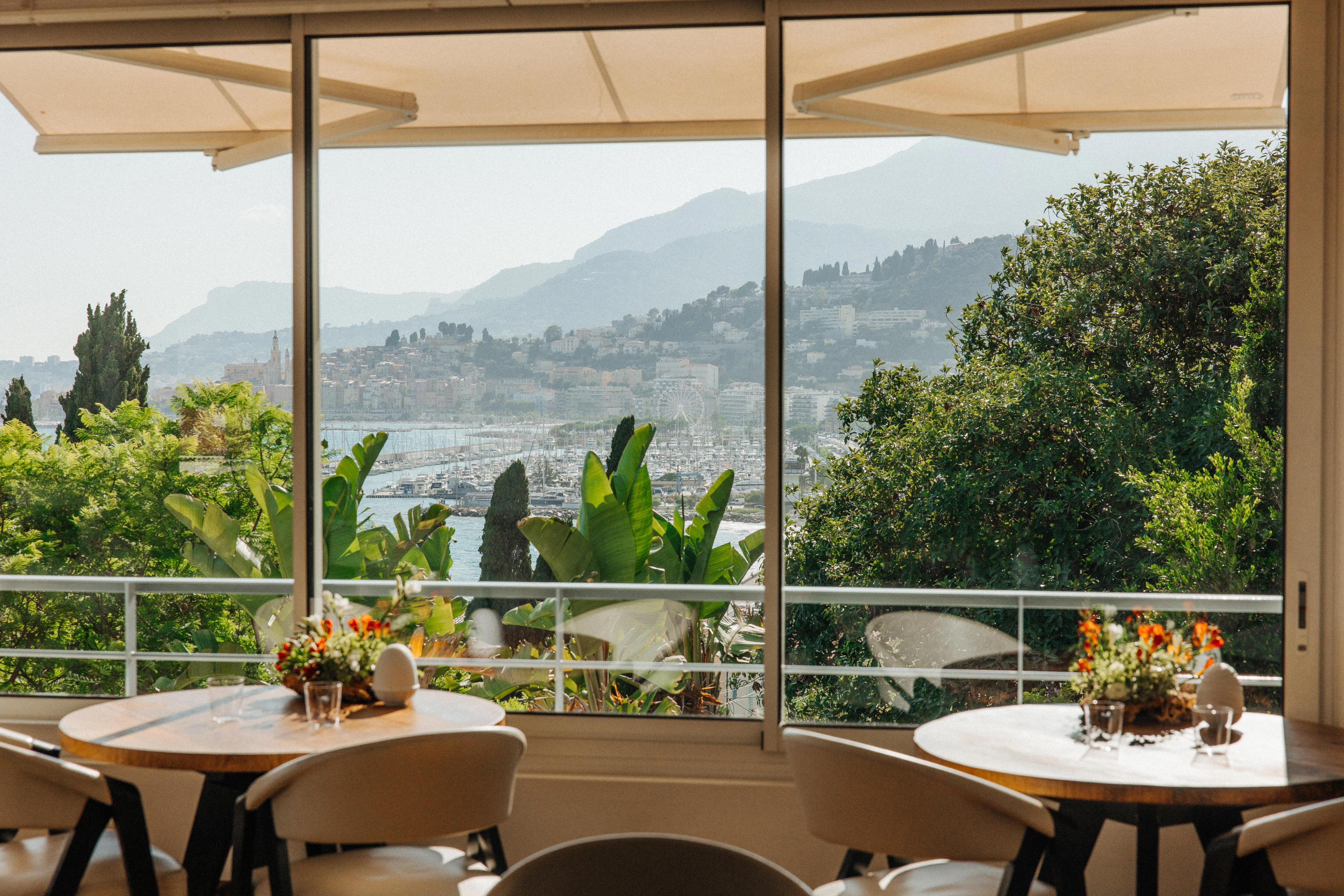
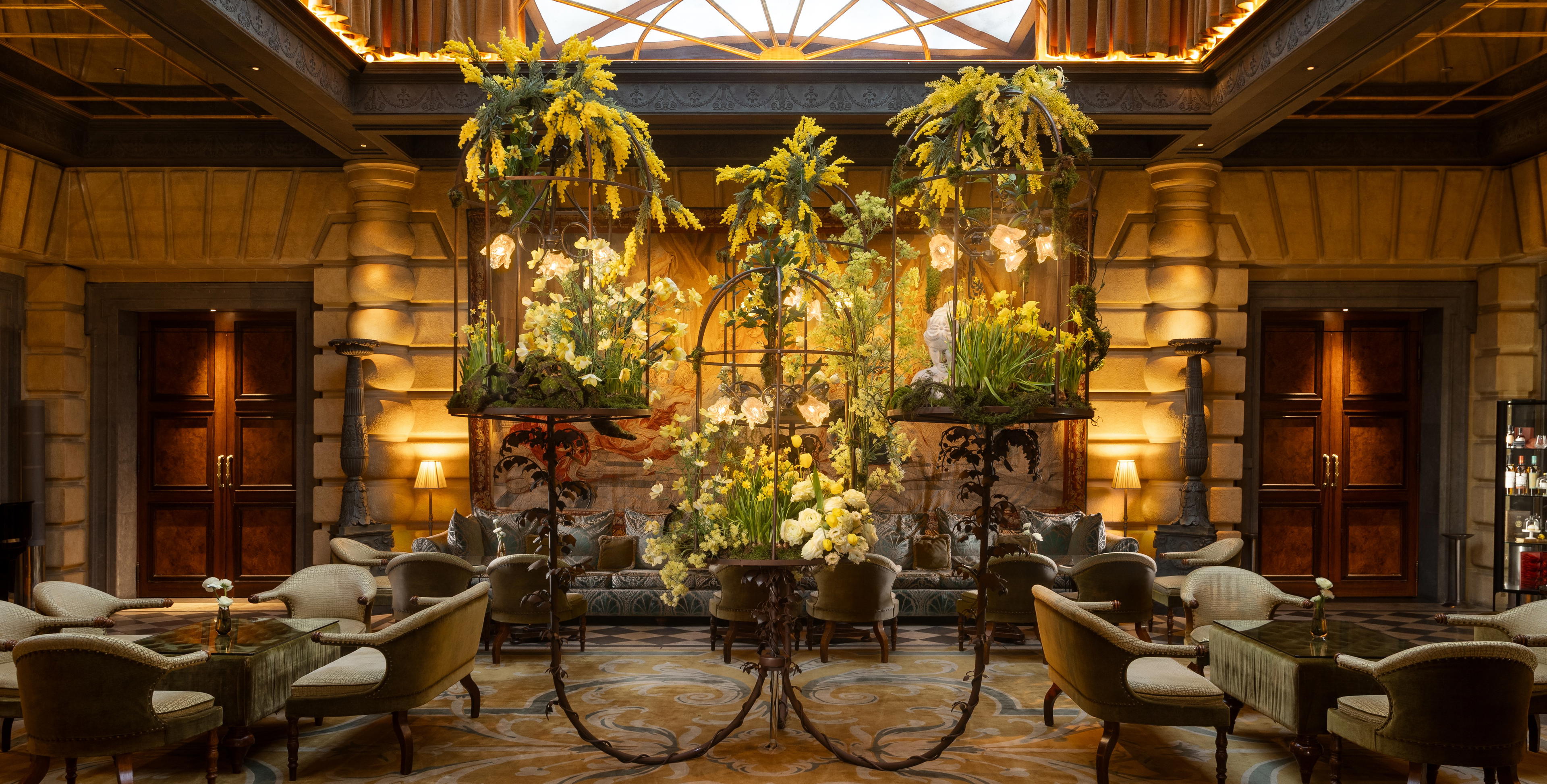
Intimate and quietly refined dining room with soft lighting, comfortable tables, and a relaxed formality focused on the plates and wines.