Pane e Vino
Pane e Vino sits on East Valley Road in Montecito, California, bringing the trattoria tradition to a village that runs on understated confidence rather than coastal spectacle. The restaurant occupies a niche that Italian-American dining in this zip code rarely fills: the kind of place where the food earns repeat visits rather than first-timer curiosity. For Montecito, that distinction matters more than it might elsewhere.
Pearl is the En Primeur Club membership app — saves, bookings, and concierge access live there. Same editors, same standards.
- Address
- 1482 E Valley Rd #5, Santa Barbara, CA 93108
- Phone
- +18059699274
- Website
- panevinosb.com
- Directions
- Get directions
 Saves & bookings on Pearl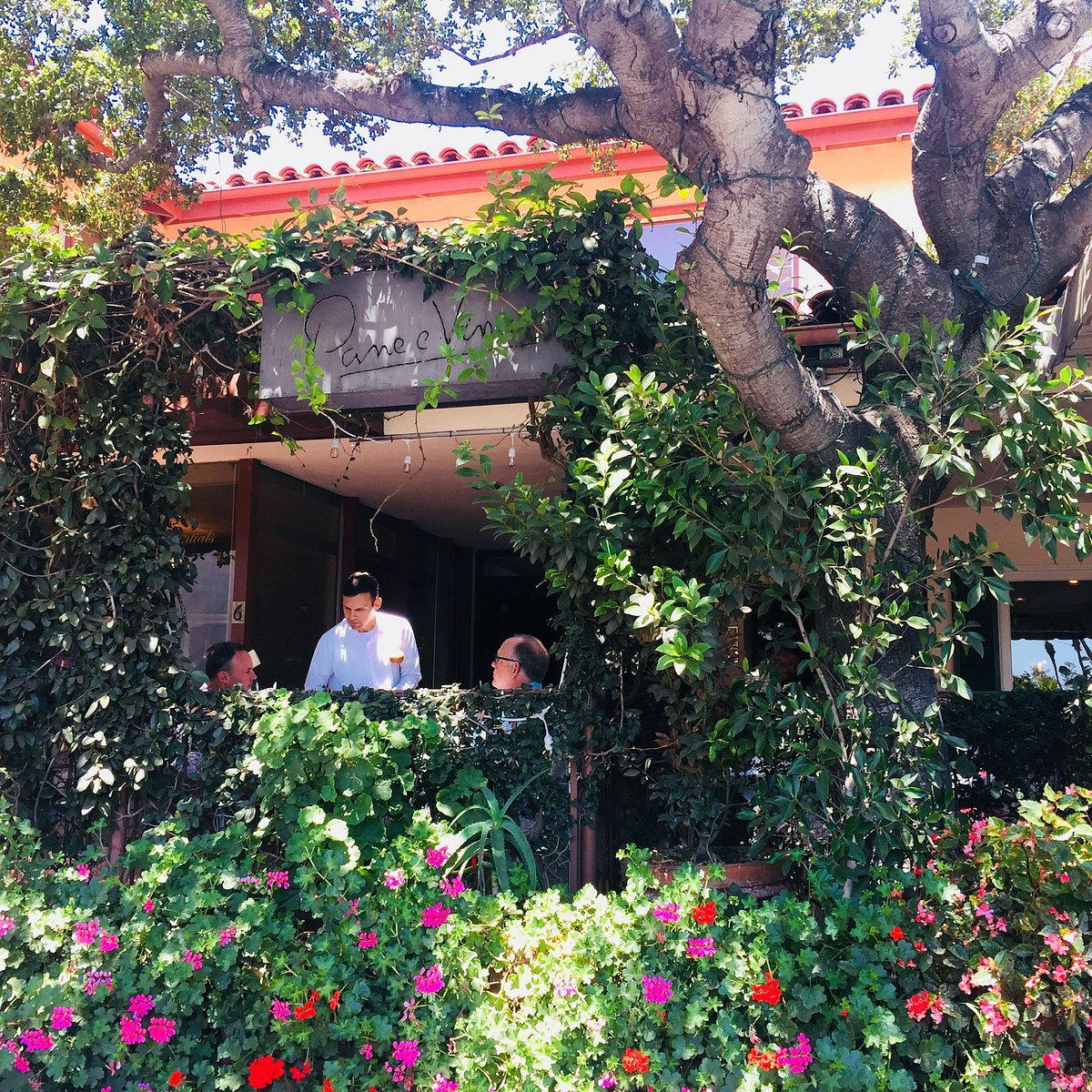
The Trattoria Tradition on East Valley Road
Bread, wine, olive oil, pasta cooked to order, these are not novelties for a room full of regulars; they are the reason regulars exist. Pane e Vino, at 1482 E Valley Road, operates inside that tradition rather than against it.
The name is a declaration of intent. Bread and wine are the two oldest markers of Italian hospitality, and a restaurant that names itself after them is signalling something about priorities: the table before the theatre, the ingredient before the technique, the return visit before the occasion. In a coastal California market where Italian restaurants frequently drift toward California-Italian fusion territory, that grounding in trattoria form carries editorial weight.
Italian Dining in California: Where Tradition Holds and Where It Bends
California's Italian restaurant culture has fractured along predictable lines over the past two decades. At one end, Michelin-level Italian progressivism, the kind practised at a handful of Northern California addresses, draws on Italian regional technique while foregrounding local produce and modernist presentation. At the other end, the neighbourhood trattoria model, red sauce, hand-rolled pasta, a wine list weighted toward Sangiovese and Nebbiolo, has held its ground in communities where diners prioritise familiarity and consistency over novelty.
Montecito sits closer to the second category by disposition, though its demographic is more financially confident than the typical neighbourhood Italian clientele. That combination, regulars with high standards and genuine familiarity with Italian food, creates pressure on a trattoria to perform at a level that justifies repeat visits. A pasta that works once will not survive a second visit if it was merely adequate. The local comparison set includes Caruso's, which operates at the summit of the Montecito price bracket with a California-inflected menu, and AMA Sushi, which anchors the other end of the serious-dining conversation. Bella Vista, Little Mountain, and Montecito Coffee Shop fill out the neighbourhood's daily dining rhythm. Pane e Vino occupies a different register from all of them: the Italian trattoria slot, which in Montecito carries a specific social function.
What the Trattoria Format Actually Means
The trattoria format, as it has evolved in Italian-American contexts, differs from a ristorante in ways that are partly practical and partly cultural. A trattoria is not meant to impress strangers; it is meant to satisfy regulars. The menu is typically shorter than a full ristorante's, with dishes that reflect regional Italian cooking rather than global Italian branding. The wine list skews Italian, often with house pours that see more use than the cellar selections. The pacing is unhurried without being inattentive.
In American cities, the trattoria model has been both honoured and diluted. When it works, it produces the kind of restaurant that a neighbourhood depends on. When it is applied superficially, it produces a red-sauce room with Italian flags and no culinary conviction. The distinction is legible in the details: the quality of the pasta, the sourcing of the proteins, the care applied to the bread that gives a restaurant like this its name. At addresses across California's coastal communities, the trattoria format has been tested most rigorously in places, like Montecito, where the clientele knows the difference between bolognese that has cooked for three hours and one that has not.
The broader California fine-dining conversation, with anchor points like The French Laundry in Napa, Single Thread Farm in Healdsburg, and Providence in Los Angeles, tends to dominate press attention. But these formats serve a different social function.
Placing Pane e Vino in Its comparable set
For a reader mapping the Montecito dining scene, the restaurant belongs to a different competitive set than the area's California cuisine addresses. Its relevant peers are the Italian trattorias and osterie operating in coastal California communities with similar demographics: Santa Monica, Carmel, Healdsburg, and select San Francisco neighbourhoods. Within that comparable set, the criteria that matter are consistency of pasta execution, Italian regional specificity on the wine list, and whether the room sustains the kind of low-key regularity that a true trattoria depends on.
Italian dining at this level does not typically compete with Michelin-format restaurants for the same occasion. A diner choosing between the restaurant and, say, Addison in San Diego or Alinea in Chicago is not choosing between comparable experiences; they are choosing between different purposes. The trattoria is for the evening when you want to eat well without performing the act of dining. That is a distinct and valuable category. Internationally, the same logic applies to the trattoria tier that coexists alongside three-star operations in cities like Milan and Florence, where the neighbourhood restaurant earns its loyalty through repetition rather than spectacle. Addresses like 8 1/2 Otto e Mezzo Bombana in Hong Kong represent what Italian fine dining becomes when it scales toward occasion dining; the restaurant sits at the opposite, more intimate end of that spectrum.
Comparable Italian-rooted European tradition can be tracked at Le Bernardin in New York City or, at a different register entirely, Blue Hill at Stone Barns in Tarrytown, though these illustrate how far the formal end of American fine dining has moved from trattoria principles. Other American fine-dining reference points, including Emeril's in New Orleans, Lazy Bear in San Francisco, The Inn at Little Washington, and Atomix in New York City, operate in formats that serve occasion dining rather than the regulars-on-Tuesday function that a trattoria like Pane e Vino is built around.
Budget Reality Check
Comparable venues nearby, for context on price, style, and recognition.
| Venue | Cuisine | Price | Awards | Notes |
|---|---|---|---|---|
| Pane e VinoThis venue — the venue you are viewing | Not listed | $$$ | Not listed | Not listed |
| Montecito Coffee Shop | Not listed | $$ | Not listed | Montecito, Classic American Breakfast & Brunch |
| AMA Sushi | Montecito, Edomae-Style Omakase Sushi | $$$$ | Michelin Plate | Not listed |
| Little Mountain | Not listed | $$$ | Not listed | Montecito, Californian Wood-Fired Coastal |
| Lucky’s Steakhouse | Montecito, Classic American Steakhouse | $$$$ | Not listed | Not listed |
| Bogavante | Not listed | $$$ | Not listed | Montecito, Northern Mexican meets Santa Barbara seafood |
Continue exploring
More in Montecito
Restaurants in Montecito
Browse all →
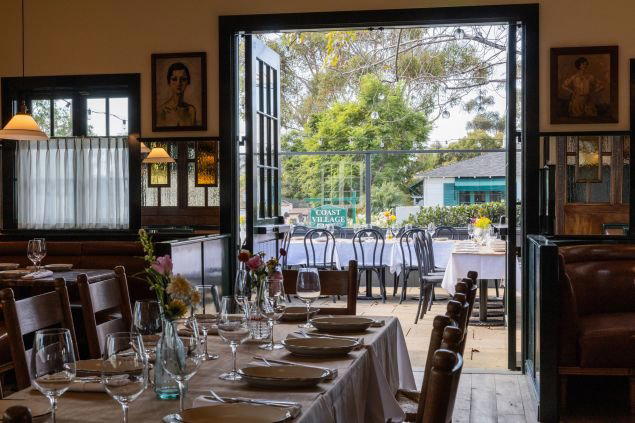
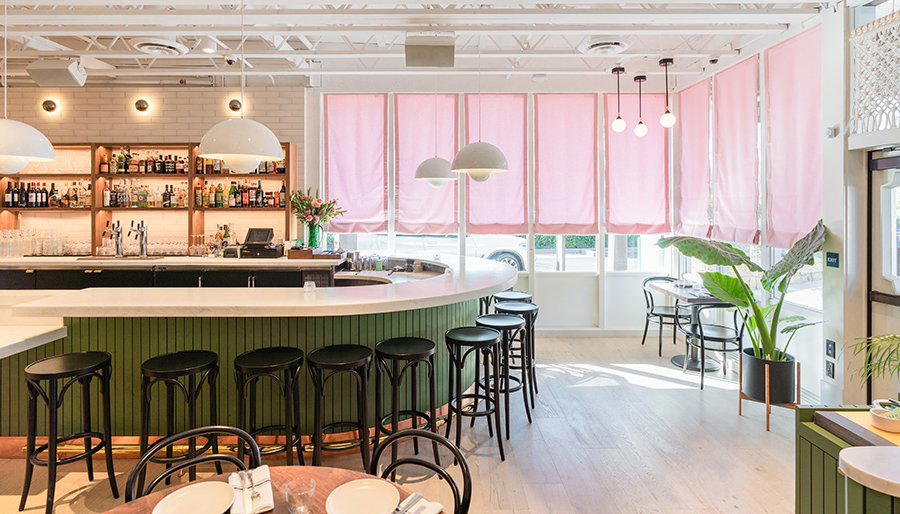
Bars in Montecito
Browse all →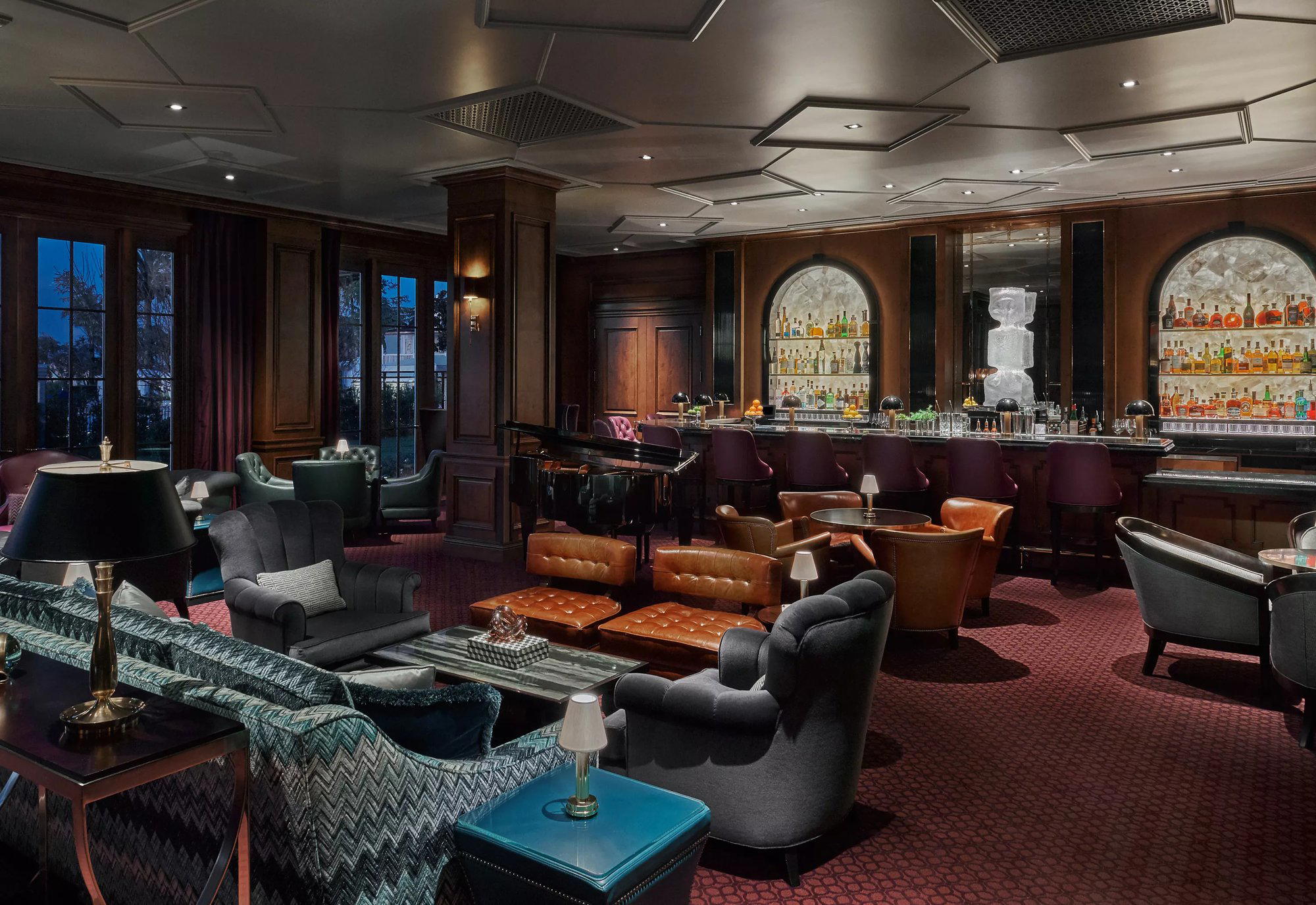
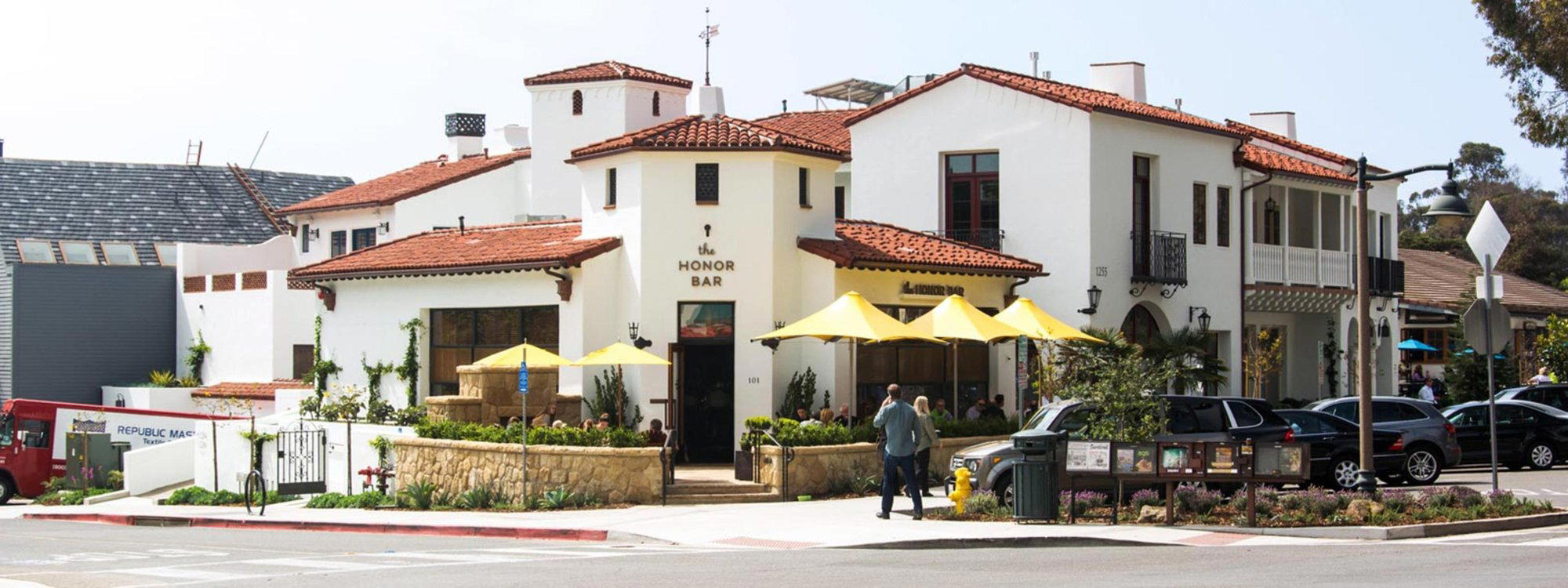
Hotels in Montecito
Browse all →
At a Glance
- Cozy
- Romantic
- Classic
- Date Night
- Casual Hangout
- Celebration
- Garden
- Terrace
- Standalone
- Extensive Wine List
- Local Sourcing
- Farm To Table
- Garden
Current opening hours
- Monday
- 11:30 AM–2:30 PM, 5–9 PM
- Tuesday
- 11:30 AM–2:30 PM, 5–9 PM
- Wednesday
- 11:30 AM–2:30 PM, 5–9 PM
- Thursday
- 11:30 AM–2:30 PM, 5–9 PM
- Friday
- 11:30 AM–2:30 PM, 5–9 PM
- Saturday
- 11:30 AM–2:30 PM, 5–9 PM
- Sunday
- 5–9 PM
Hours can change for holidays and private events. Last verified .
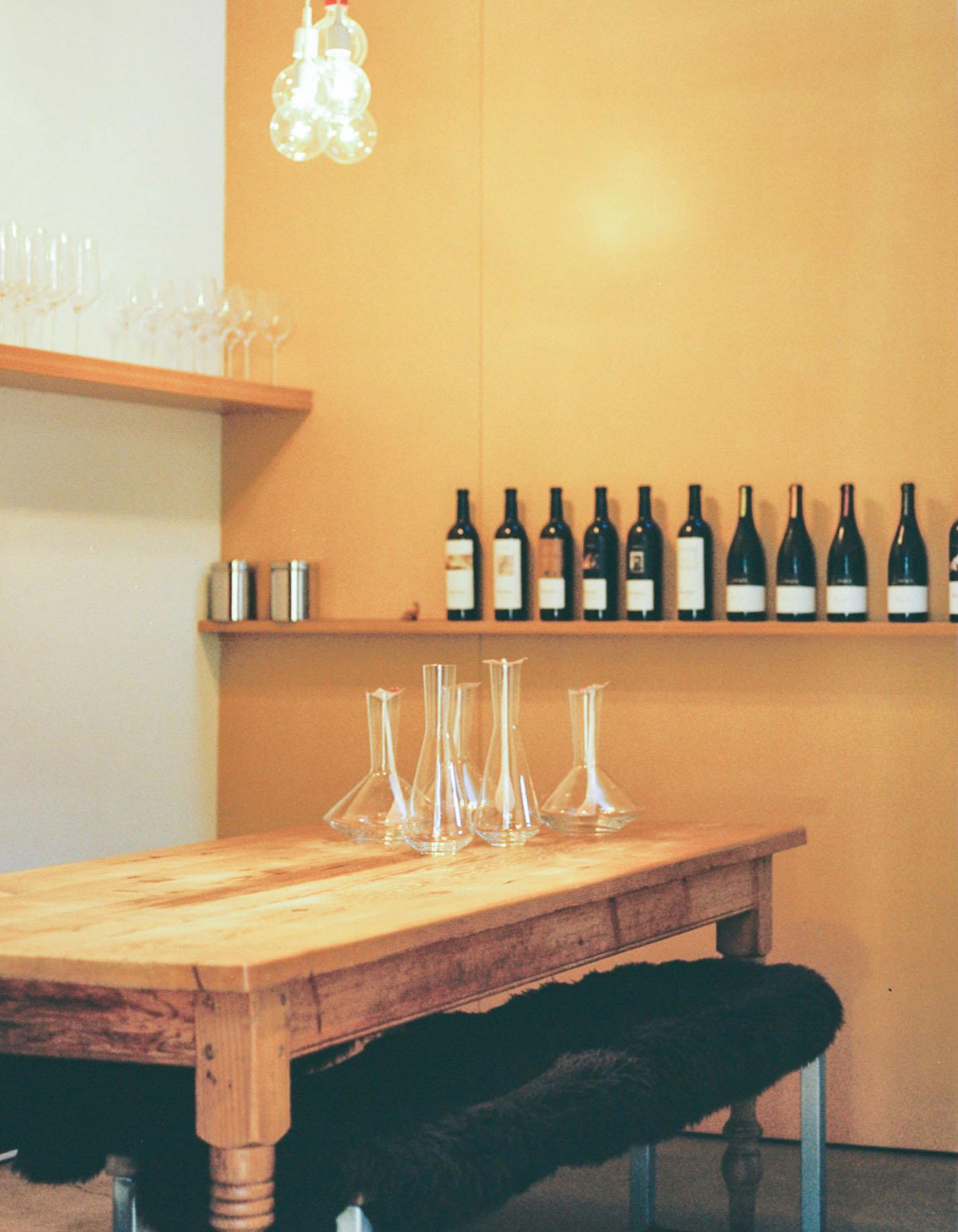
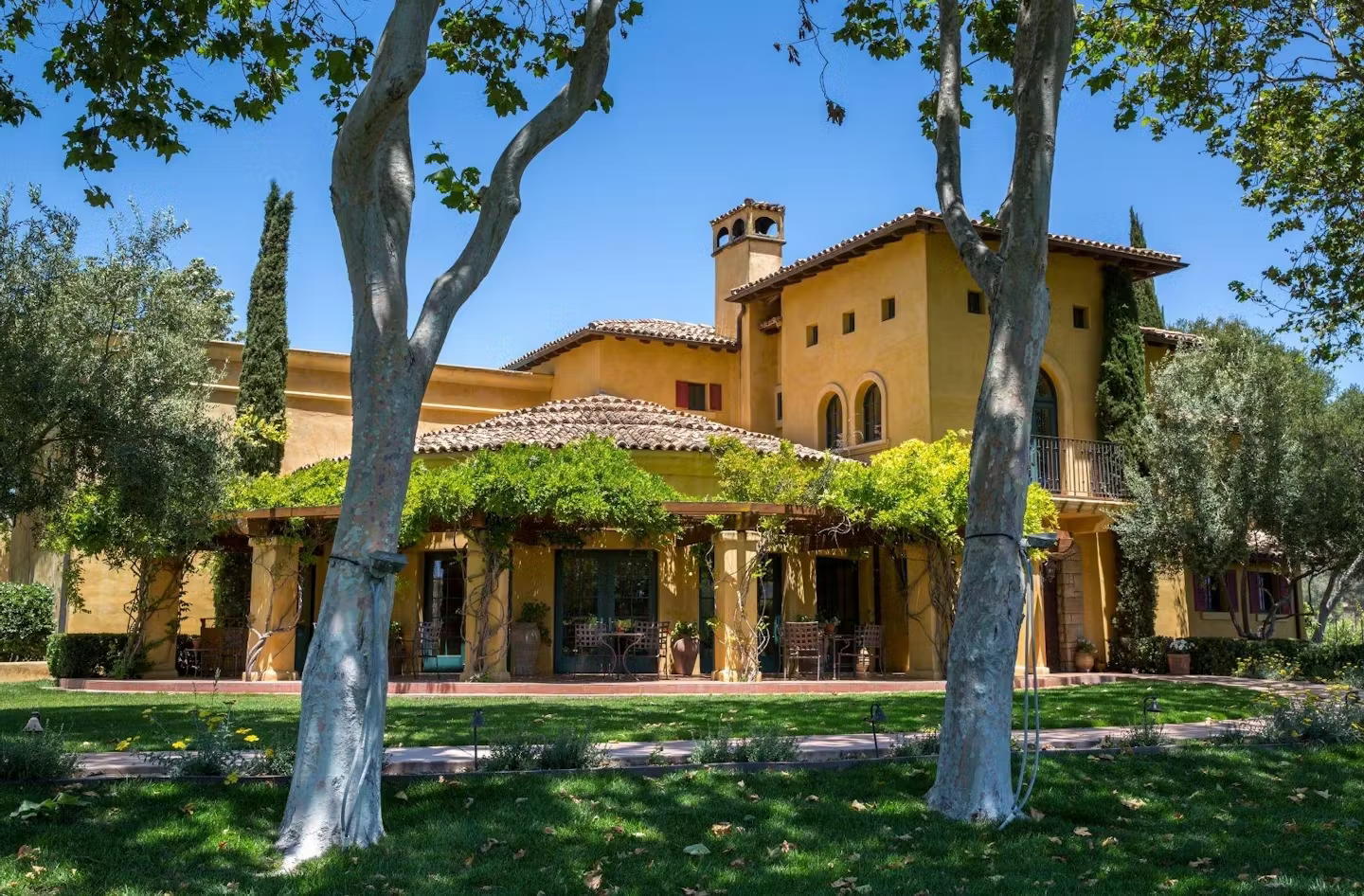
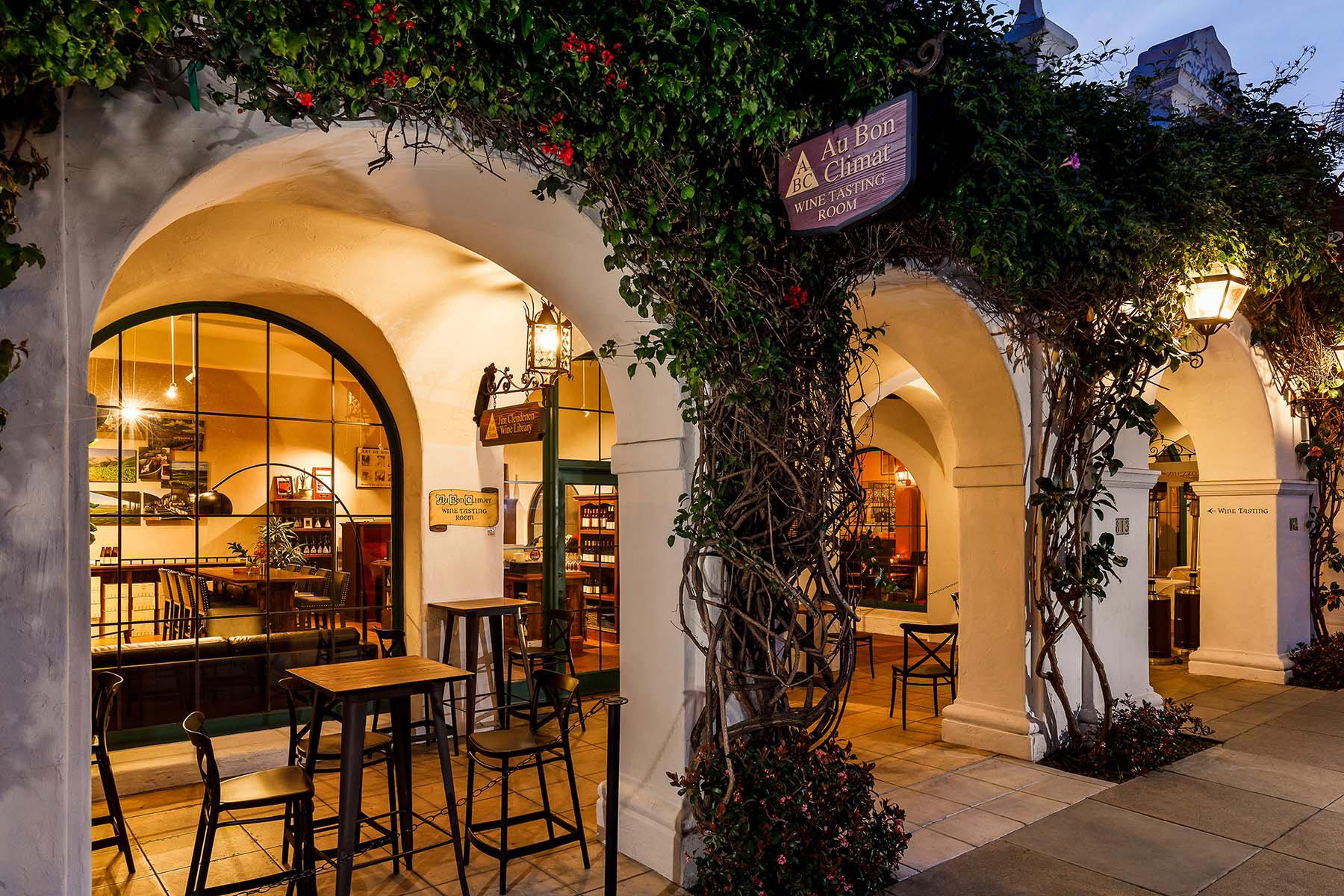
Warm and welcoming old-fashioned Italian trattoria atmosphere with soft lighting, intimate indoor seating, and charming outdoor patio shaded by grapevines and towering trees with heaters for evening comfort.