
A tiny Hirano bread shop with a three-seat eat-in area, take-out service, and recognition in Tabelog Bread WEST “Tabelog 100” in 2020 and 2022. Pan to Ohanaashi Apple no Hatsuon belongs to Osaka’s everyday bakery culture rather than the destination dining circuit: low spend, regular-customer rhythm, and a format built around bread first, lingering second.
Pearl is the En Primeur Club membership app — saves, bookings, and concierge access live there. Same editors, same standards.
- Address
- Japan, 〒547-0032 Osaka, Hirano Ward, Nagaremachi, 1 Chome−9−14 パンとお話APPLEの発音
- Phone
- +81 6-6701-7169
- Website
- applenohatsuon.blogspot.com
 Saves & bookings on Pearl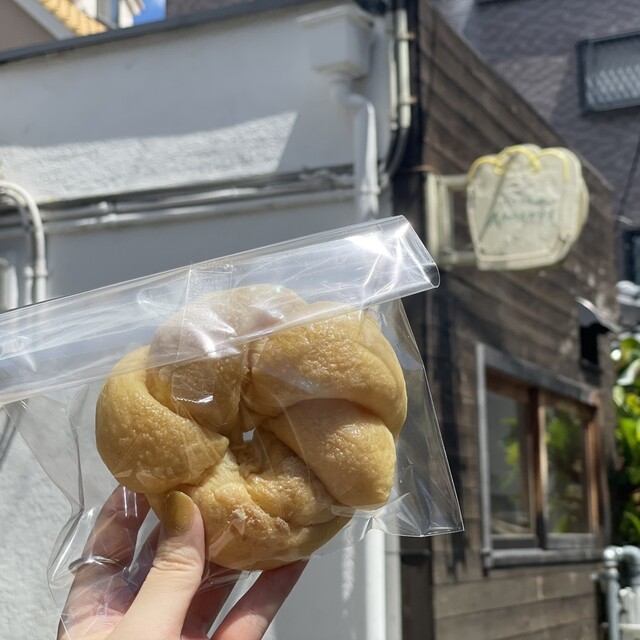
Hirano sits outside the hotel-heavy Osaka itinerary, and that matters. The bakery rhythm is local before theatrical: morning shopping, quick take-out, children in tow, and a small eat-in corner that turns a bread run into a pause, not a restaurant sitting. Pan to Ohanaashi Apple no Hatsuon fits that pattern precisely. It is not competing with tasting-menu Osaka or the city’s queue-driven street-food shorthand; its scale points to repeat customers who know when to arrive, what sells, and how little ceremony bread needs.
Osaka’s food reputation is often reduced to sauce, steam, and neon, but its quieter bakery culture rewards slower reading. Bread in Japan has its own grammar: shokupan for the daily table, filled buns for commuters, sweet breads for afternoon purchase, and small bakeries operating more like neighbourhood infrastructure than restaurant theatre. Recognition from Tabelog Bread WEST “Tabelog 100” in 2020 and 2022 places this shop in a regional craft-bakery conversation across western Japan, not merely a local snack circuit. That distinction helps travellers who care about everyday food systems as much as formal dining.
Hirano's bakery regulars care about timing, scale, and habit
The strongest signal is format. Three seats and take-out service reset expectations: this is neither a long lunch room nor a bakery-café built for laptop dwell time. It is closer to the Japanese neighbourhood model, where selection, timing, and familiarity do the work. Regulars return because the category is useful: bread to carry home, eat immediately, or fold into errands. That use-case is less glamorous than counter omakase, but often tells more truth about a city.
The sub-¥999 spend range also matters. In Osaka, low price need not mean casual indifference; it can mean high turnover, narrow specialization, and a category built for frequency. Compared with trois 3 or Udon Yukino, both also in a low-spend Osaka bracket, this bakery sits at the repeatable end of the city’s dining economy. Tenshin Kobo Kowloon and Soba Kiri Kamonohashi occupy more expensive peer territory, where the decision starts to resemble a planned meal. The contrast clarifies the role: bread here is not an event, but a routine with standards.
For travellers building an Osaka eating day, that routine can reveal more than another headline booking. A morning or early-day bakery stop in Hirano shows a city apart from Dotonbori’s visual shorthand. It pairs naturally with broader grazing rather than replacing a meal: a bread purchase here, pork buns at 551 Horai (551蓬莱), a casual counter elsewhere, then a more deliberate dinner. For a wider map of the city’s eating patterns, use Our full Osaka restaurants guide; for trip structure beyond dining, the companion guides to Osaka hotels, Osaka bars, Osaka wineries, and Osaka experiences help separate neighbourhood wandering from late-night planning.
The appeal is bread as daily craft, not restaurant performance
Because public information identifies the category simply as bread, the smarter reading avoids inventing a house specialty. The point is a bakery narrow enough to be judged within a dedicated bread list, and small enough that capacity shapes the experience. Tabelog’s 3.62 score is not a Michelin-style luxury signal; it is a Japanese crowd-and-critic indicator that often rewards consistency, category fit, and local confidence. Selection for Tabelog Bread WEST “Tabelog 100” is the stronger trust signal, especially because it recurred in 2020 and 2022.
That recognition separates the shop from a generic neighbourhood bakery without making it a trophy stop. Osaka has a deep casual-food bench, from udon and curry to grilled beef, pizza, Vietnamese cooking, Italian rooms, and bakeries. The useful question is not whether one address represents the city, but which address explains a habit. 52CHO-ME BAKERY and.cafe belongs to the same broad daytime conversation, while 99 Pizza Napoletana Gourmet and a canto (Italian) show how imported forms in Osaka become local through repetition, not novelty.
The regulars’ perspective is the right lens because a three-seat bakery needs no grand narrative. Small Japanese shops often run on unwritten choreography: enter, choose efficiently, defer to the day’s supply, and treat seating as a brief privilege, not an entitlement. The private-use option for a tiny eat-in area adds another layer, but the everyday identity remains bread-led. Families fit that picture too, with children welcome and a spend level that keeps the visit a practical treat rather than a formal outing.
How to place it in an Osaka itinerary
Pan to Ohanaashi Apple no Hatsuon makes most sense for travellers willing to leave the central restaurant corridor. Hirano is not a default stop for first-time visitors chasing famous Osaka images, which is why a bakery here can sharpen a trip. It asks for a neighbourhood detour, not a full evening commitment. The reward is proportion: a small shop, a recognized bread category, and a format paced to local life.
Payment and capacity should shape expectations before arrival, but those details belong to planning rather than romance. Treat this as a focused bakery visit, not a café session; arrive with flexibility; and assume selection follows the day’s production, not a fixed restaurant-style menu. That protects the experience from overplanning. Osaka’s casual food culture works well when the day has room for small, precise stops.
For readers comparing Japanese regional food trips, this bakery belongs with small-format specialists elsewhere: not because the cuisines match, but because pleasure comes from a narrow format executed for repeat customers. The same logic can apply to -Grilled beef Sukiyaki- KAMAKURA TANUKIAN 鎌倉 たぬき庵 in Kamakura. 鮪と炭火焼き うお炭 秋葉原店 in Tokyo.know in Kumamoto, (Shoku) Vietnam in Kawasaki, [Curry Senmon Ten] Maruyama Kyoju. in Sapporo, and [ki:] in Kyoto. Even outside Japan, compact specialists such as Jōdo Saké Bar in Los Angeles and Onigiri Time in Pasadena prove the point: small formats travel well when their purpose stays clear.
Reputation First
Comparable venues at a similar level for quick context.
| Venue | Cuisine | Price | Notes |
|---|---|---|---|
| Pan to Ohanaashi Apple no HatsuonThis venue — the venue you are viewing | Creative neighborhood bakery | $ | Not listed |
| Gelateria Rikarika | Gelato & Ice Cream Cafe | $ | Mikunigaoka |
| PAINDUCE Honten | Artisan bakery & café | $ | Chūō |
| RAMA | Other | $ | Nishi |
| 52CHO-ME BAKERY | Japanese Bakery | $ | Chūō |
| LAFCA | Cake Shop / Patisserie | $ | Kita |
Recognition history
Dated appearances from independent guides and award organizations, with the underlying list record or original source where available.
Tabelog 100 #22 · No. 22
Tabelog · Tabelog 100 - Bread - WEST - 2022
Continue exploring
More in Osaka
Restaurants in Osaka
Browse all →




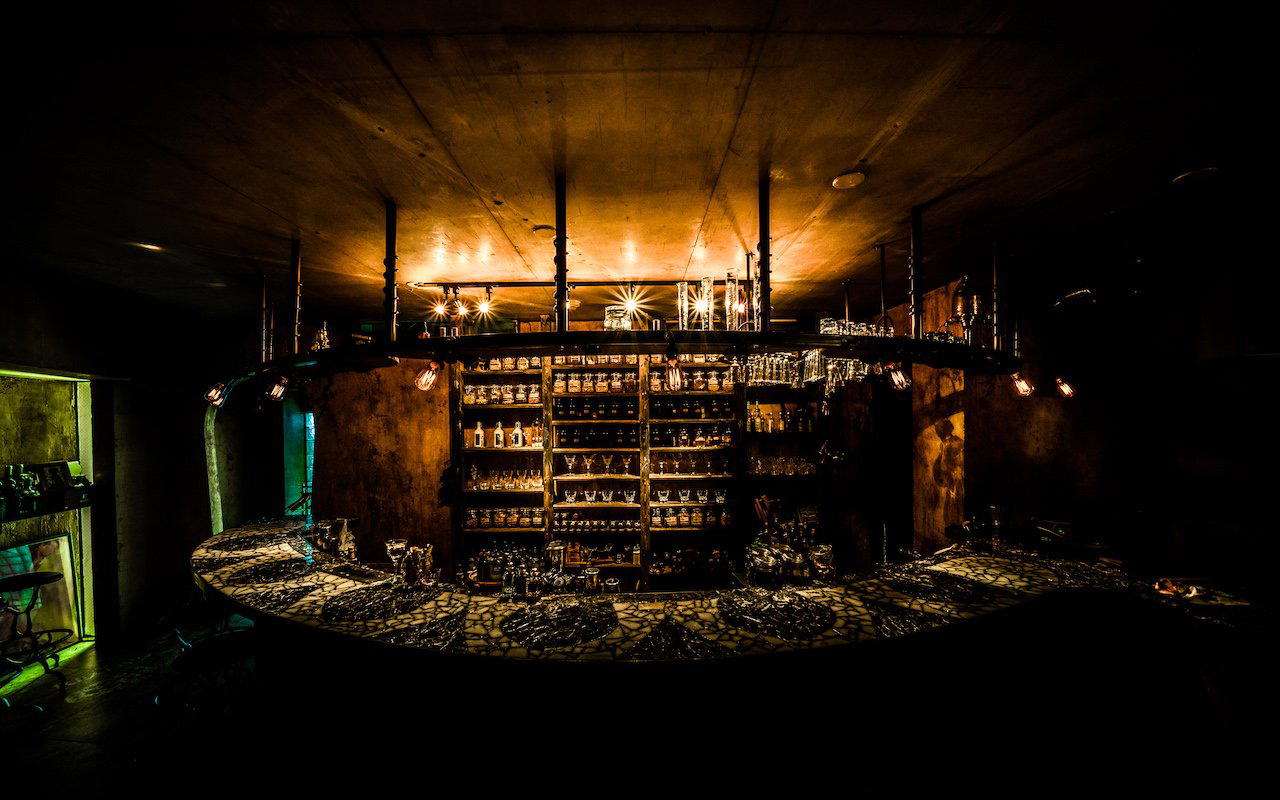
Bars in Osaka
Browse all →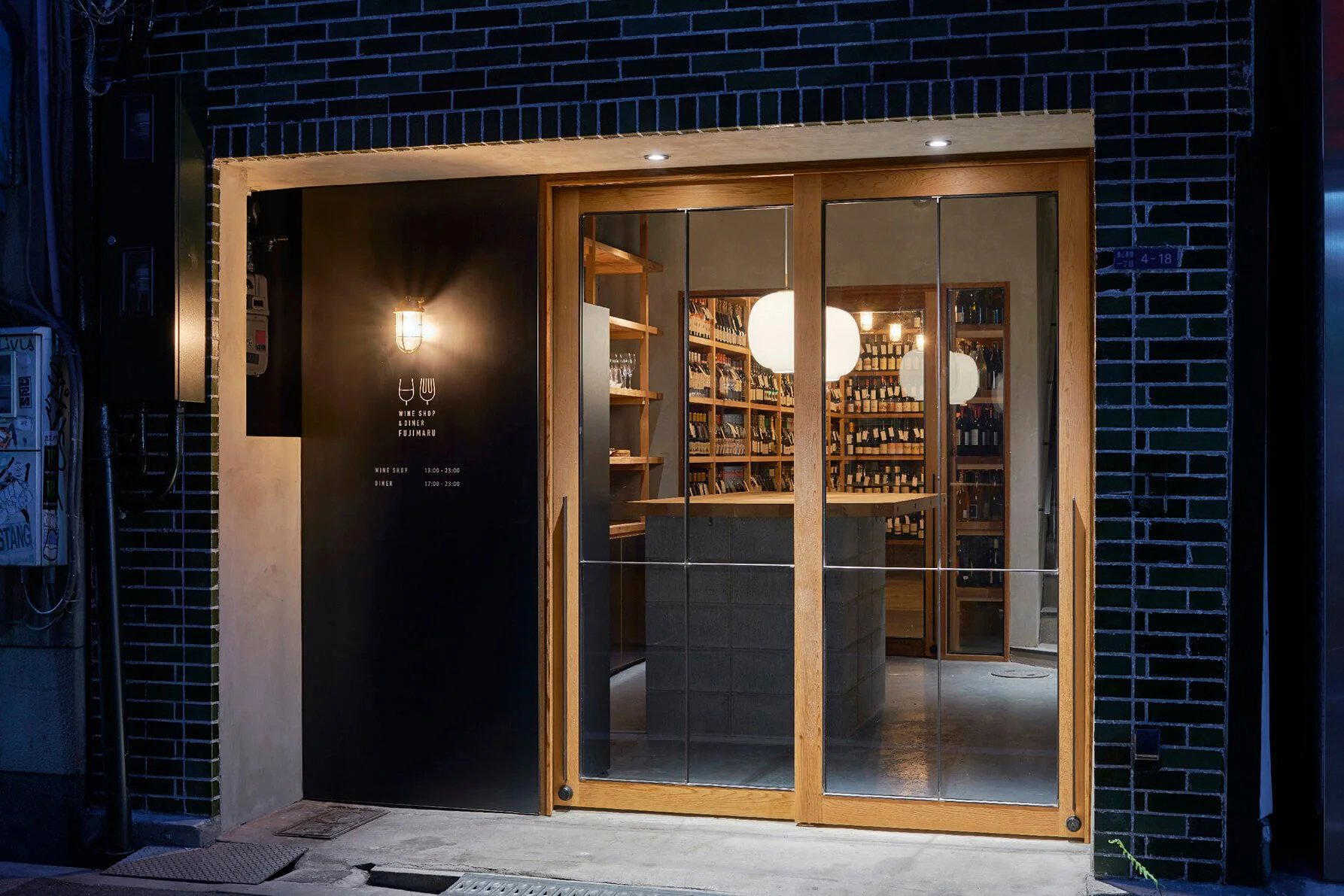


Hotels in Osaka
Browse all →




Wineries in Osaka
Browse all →
At a Glance
- Cozy
- Quiet
- Whimsical
- Solo
- Casual Hangout
- After Work
- Garden
- Standalone
- Local Sourcing
- Street Scene
Current opening hours
- Monday
- Closed
- Tuesday
- 8:30 AM–6 PM
- Wednesday
- 8:30 AM–6 PM
- Thursday
- 8:30 AM–6 PM
- Friday
- 8:30 AM–6 PM
- Saturday
- 8:30 AM–6 PM
- Sunday
- Closed
Hours can change for holidays and private events. Last verified .
A quiet, cozy neighborhood bakery with a small, simple shop and garden-view space occasionally used for events, emphasizing a relaxed, reflective atmosphere rather than bustle.