Pagani occupies a address on Rpe Cauchoise in central Rouen, placing it within easy reach of the city's medieval quarter and its established dining corridor. Rouen's restaurant scene has matured considerably in recent years, and Pagani sits within that evolving mid-to-upper tier alongside a cohort of address-conscious dining rooms where kitchen ambition and front-of-house precision are expected in equal measure.
Pearl is the En Primeur Club membership app — saves, bookings, and concierge access live there. Same editors, same standards.
- Address
- 26 Rpe Cauchoise, 76000 Rouen, France
- Phone
- +33235709552
- Website
- pagani.pizza
- Directions
- Get directions
 Saves & bookings on Pearl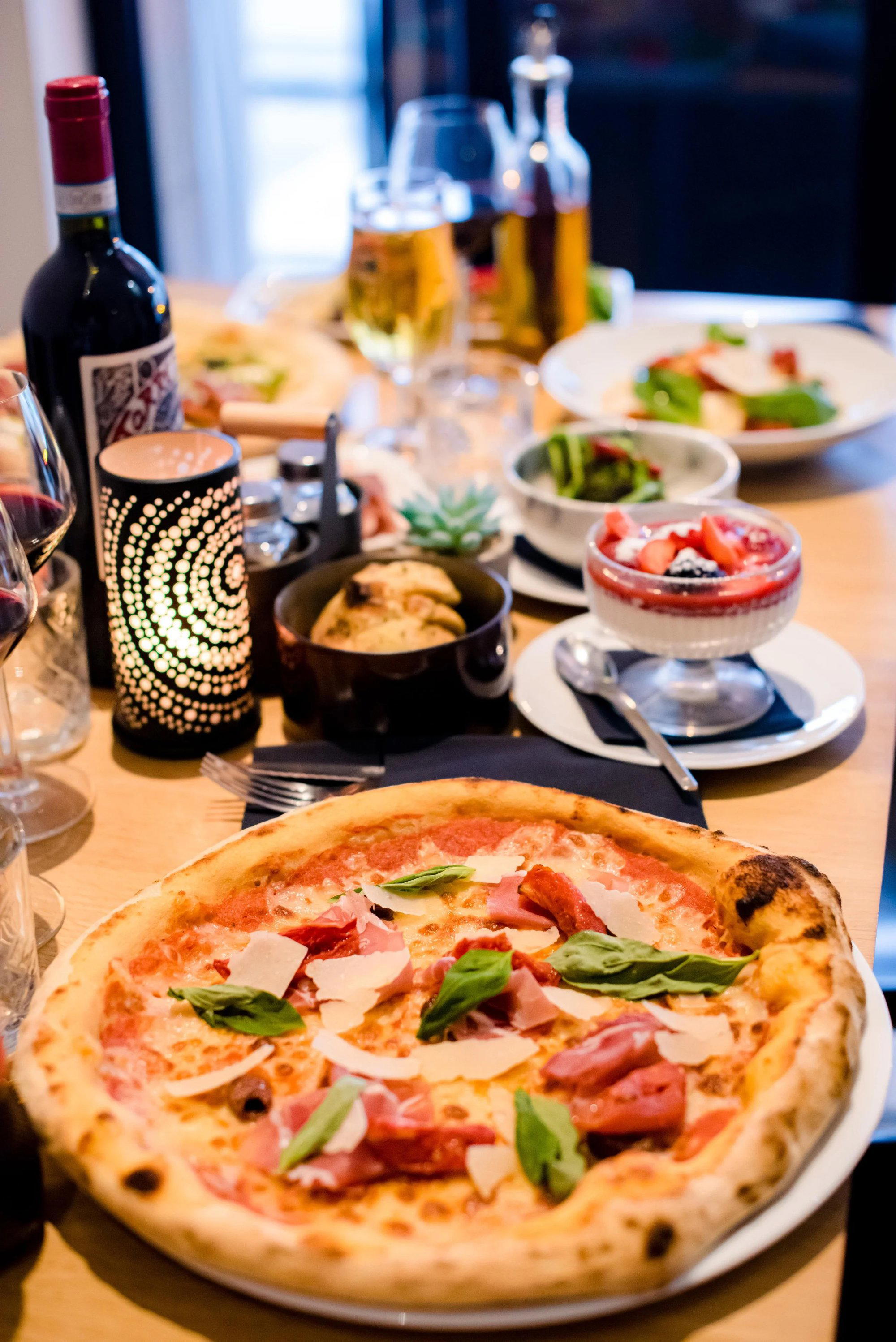
Where Rouen's Dining Room Culture Meets Coordinated Service
Rpe Cauchoise is one of Rouen's more characterful addresses, a narrow lane that connects the pedestrian commercial centre to the older residential fabric of the city. Restaurants here do not benefit from the tourist footfall that clusters around the Cathedral or the Vieux-Marché; they rely instead on a repeat clientele that knows what it wants and expects consistency. Pagani operates in that context, on a street where the dining proposition has to carry itself without the advantage of landmark proximity.
Rouen's restaurant scene has spent the last decade sorting itself into clearer tiers. At the upper end, creative kitchens like L'Odas (Creative) have established what contemporary ambition looks like in a Norman city that has historically undersold itself to the food-focused traveller. Further down the price register, bistros and brasseries such as Brasserie Paul and neighbourhood addresses like Chez L'Gros handle the casual end with the kind of practised ease French provincial dining does well. Pagani sits within that spectrum, on Rpe Cauchoise, positioned away from the tourist cluster and oriented toward a dining public that is making an informed choice rather than a convenient one.
The Service Architecture: When the Room Runs as a Unit
In French provincial dining, the gap between kitchens of genuine ability and rooms capable of presenting that work correctly has historically been wide. The provinces have long produced talented cooks, but the coordinated front-of-house model, where sommelier, chef, and floor team operate as a deliberate unit rather than parallel departments, has typically been the preserve of Paris or the three-star circuit. Places like Auberge de l'Ill in Illhaeusern and Troisgros - Le Bois sans Feuilles in Ouches are the benchmark for what that integration looks like at its most sophisticated: the room reads as a choreographed whole, with wine pacing, dish sequencing, and floor rhythm locked together.
The question for any Rouen dining room operating at a serious level is whether it can deliver that coordination without the institutional infrastructure of a multi-generation maison. The challenge is not merely technical. It is cultural. Smaller cities require service teams to work across more roles with fewer specialists, and the result is often a room where the kitchen outpaces the floor, or where wine knowledge is adequate but not genuinely integrated into the meal's progression. The dining rooms in Rouen that have moved beyond that limitation, where the conversation between kitchen and front-of-house is audible in the pacing of a meal, represent a meaningful step forward for the city's overall dining credibility.
Comparable dynamics are visible across France's regional cities. Assiette Champenoise in Reims and Au Crocodile in Strasbourg both demonstrate how provincial rooms can sustain the full-service model at a level that competes with the capital, not by replicating Paris but by building something rooted in their own regional identity. The Norman larder, with its dairy richness, Channel seafood, and cider and Calvados traditions, gives any Rouen kitchen a genuinely distinct pantry to work from.
Norman Cuisine and the Editorial Case for Regional Identity
Normandy's culinary identity is one of France's most legible: the cream and butter that define the regional fat tradition, the apples that drive everything from cider to Calvados to tarte normande, the sole, turbot, and scallops that arrive from a coastline less than an hour from Rouen's centre. The region does not need to borrow from anywhere. What it requires is kitchens willing to treat that inheritance as a creative brief rather than a constraint.
Compelling Norman dining rooms treat the local larder with the same seriousness that the Loire applies to its wines or Alsace applies to its charcuterie tradition: not with nostalgia, but with the confidence that the raw material is interesting enough to carry a serious meal. Rouen's position as the regional capital means it draws produce from across the Seine-Maritime and beyond, and the address on Rpe Cauchoise places Pagani within a neighbourhood where the supply chain for quality ingredients is well established.
For comparison, consider how France's reference kitchens have approached regional identity over the long term. Bras in Laguiole built its entire identity around Aubrac terroir. Flocons de Sel in Megève does the same with Alpine produce. The template is clear: specificity of place, handled with discipline, is a stronger editorial proposition than technical ambition in the abstract. Normandy offers that same specificity. The dining rooms that use it well are the ones worth tracking.
Where Pagani Sits in the Rouen Conversation
Rouen is not a city that has struggled to produce good food. It has struggled to communicate that fact outside its own boundaries. The city's dining culture is more serious than its profile among international travellers would suggest, and a cluster of addresses on and around the lanes that feed into the city centre have been doing consistent work at a level that merits attention. ACQUA & FARINE and Au Flaméron represent different corners of that conversation, from Italian-inflected cooking to more traditionally French formats.
Pagani's address on Rpe Cauchoise places it in the part of the city where locals eat rather than where visitors default. That geographic positioning is itself a signal about the intended audience and the dining proposition. Rooms in this part of Rouen are not competing for passing trade; they are building the kind of repeat relationship with a neighbourhood clientele that sustains serious cooking over time. That model, common to the leading French provincial dining, is the one most likely to produce consistent quality rather than event-driven peaks.
For those building a broader sense of where Rouen fits in the French dining hierarchy, the reference points are instructive. The country's three-star tier, represented by addresses like Alléno Paris au Pavillon Ledoyen in Paris, Mirazur in Menton, and Paul Bocuse - L'Auberge du Pont de Collonges in Collonges-au-Mont-d'Or, set a ceiling for what the country's cooking can achieve. Regional cities like Rouen operate in a different but complementary register, where the ambition is less about spectacle and more about the daily discipline of running a serious room. AM par Alexandre Mazzia in Marseille is a useful reminder that regional kitchens can carry genuine creative weight without the Paris platform. The same logic applies in Normandy.
Those planning time in Rouen should consult our full Rouen restaurants guide for a broader map of the city's dining options. For comparative context on what coordination between kitchen and dining room looks like at different price points globally, Le Bernardin in New York City and Atomix in New York City represent two distinct models of that integration at the highest level, useful benchmarks for understanding what the ideal looks like before assessing how any provincial room measures against it.
Planning Your Visit
Pagani is located at 26 Rpe Cauchoise, 76000 Rouen, in a lane that runs off the main commercial axis and is accessible on foot from the city centre within a few minutes. As with most serious dining rooms in French provincial cities, arriving with a reservation is the appropriate approach; rooms at this level of the market tend to run close to capacity on weekends and during the Norman autumn season when regional produce is at its most varied. Contact details and current booking availability are best confirmed through direct inquiry, as hours and formats can shift across seasons. Dress code expectations at this address will follow the standard French provincial register: not formally prescribed, but the room will read the effort.
A Pricing-First Comparison
Comparable venues nearby, for context on price, style, and recognition.
| Venue | Cuisine | Price | Notes |
|---|---|---|---|
| PaganiThis venue — the venue you are viewing | Palais de Justice, Italian Trattoria | $$ | Not listed |
| Chez Yulin | Vieux Palais, Authentic Chinese & Korean | $$ | Not listed |
| Restaurant ALAJE | old town, Authentic Ethiopian | $$ | Not listed |
| Together Asian Fusion Food - Rouen | Not listed | $$ | Rue Beauvoisine, Asian Fusion with Hong Kong Specialties |
| Food Truck Comme autrefois | Rouen, French Food Truck Rôtisserie | $ | Not listed |
| Le Bouillon d'Or | Not listed | $$ | Vieux Rouen, Traditional French Brasserie |
Continue exploring
More in Rouen
Restaurants in Rouen
Browse all →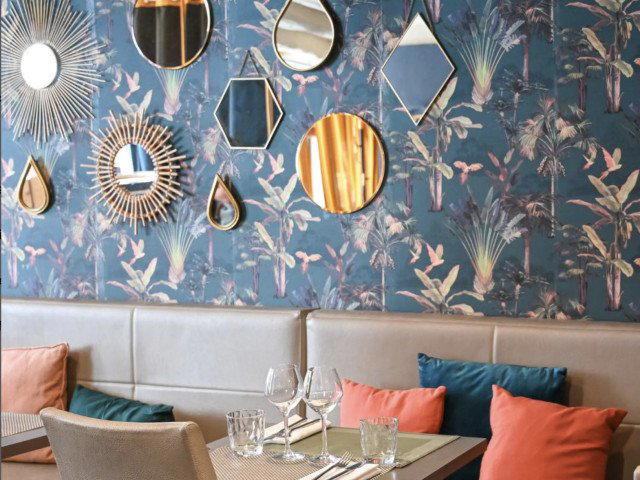
Hotels in Rouen
Browse all →
Wineries in Rouen
Browse all →
At a Glance
- Romantic
- Cozy
- Elegant
- Date Night
- Family
- Terrace
- Local Sourcing
Current opening hours
- Monday
- 12–1:30 PM, 7–9:30 PM
- Tuesday
- 12–1:30 PM, 7–9:30 PM
- Wednesday
- 12–1:30 PM, 7–9:30 PM
- Thursday
- 12–1:30 PM, 7–9:45 PM
- Friday
- 12–1:30 PM, 7–10:30 PM
- Saturday
- 12–1:30 PM, 7–10:30 PM
- Sunday
- 12–1:30 PM, 7–9:30 PM
Hours can change for holidays and private events. Last verified .
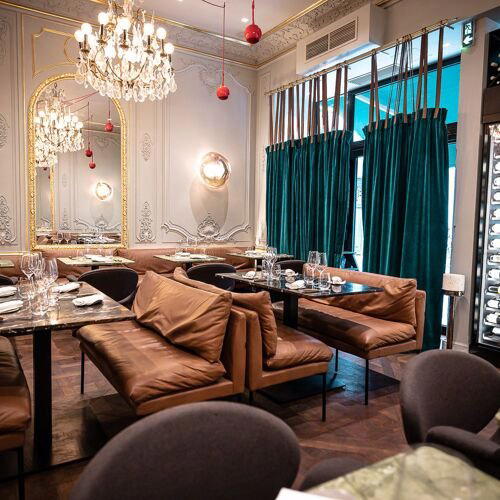
Pleasant dining room with romantic and cozy atmosphere, efficient service, and fresh daily preparations.