On a quiet street in Rouen's medieval quarter, Le Bouillon d'Or occupies the kind of address that rewards visitors who look past the cathedral circuit. The format sits squarely within the Norman bouillon tradition, generous portions, regional produce, and a room that has absorbed decades of local conversation. For anyone planning around Rouen's broader dining scene, it belongs on the shortlist alongside the city's more formally reviewed tables.
Pearl is the En Primeur Club membership app — saves, bookings, and concierge access live there. Same editors, same standards.
- Address
- 4 Rue des Basnages, 76000 Rouen, France
- Phone
- +33235899800
- Directions
- Get directions
 Saves & bookings on Pearl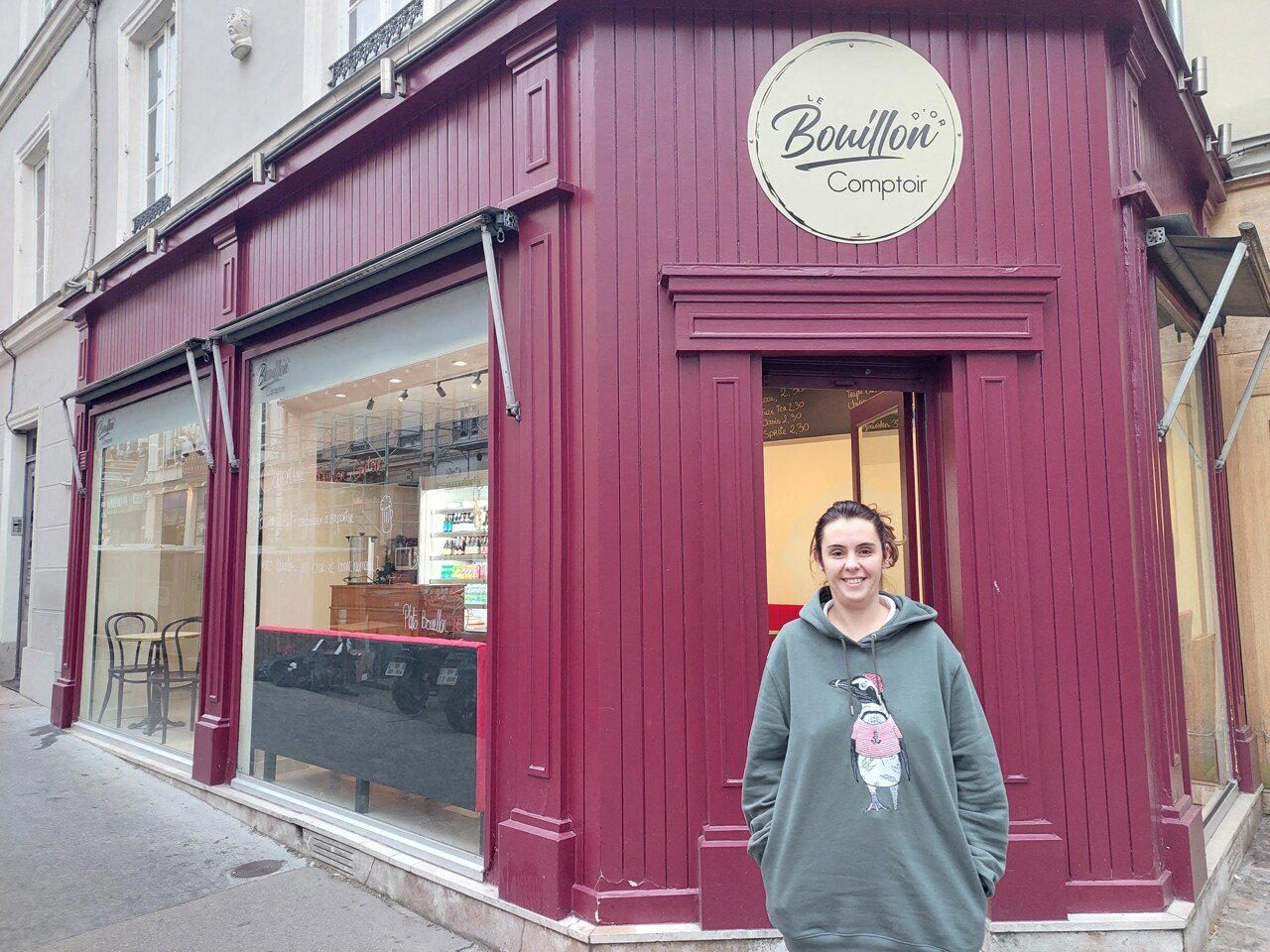
A Street in the Old Quarter, and What It Tells You About Rouen's Dining Character
Le Bouillon d'Or is a Traditional French Brasserie in Rouen, France, at 4 Rue des Basnages. Rue des Basnages sits a short walk from the Gros-Horloge, in the older residential grain of Rouen's centre. The streets here are narrow enough that arriving by car is more trouble than it's worth; the approach on foot, past half-timbered facades that predate French unification, sets the register before you reach the door. In a city where the tourism circuit can feel heavily concentrated around the cathedral and the Joan of Arc memorial, addresses on quieter side streets tend to draw a different crowd: locals returning out of habit, visitors who have done their research rather than followed a map app's leading suggestions. Le Bouillon d'Or, at number 4, sits in that pattern.
Rouen's dining scene operates across a wider range than many visitors expect. At the formal end, the city has long supported serious French cooking, Brasserie Paul and Au Flaméron represent different registers of that tradition, and the creative tier is well represented by L'Odas (Creative), which operates at the €€€ level with a format built around contemporary technique. At the more casual end, addresses like ACQUA & FARINE and Chez L'Gros fill out a mid-market that is more active than in many comparable Norman cities. Le Bouillon d'Or belongs to neither the fine-dining nor the quick-service end of this range. It occupies the territory that French cities do leading and that travellers from more expensive dining markets often find surprising: the honest, regionally grounded table where the point is the food rather than the format.
The Bouillon Format and Its Place in French Dining History
The term bouillon carries specific historical weight in French dining. The original Parisian bouillons of the nineteenth century were designed to serve working-class diners at volume and at speed, with a fixed repertoire of French classics and no pretension about the exercise. The model spread through provincial cities in various forms, and while the word is now used loosely, the underlying idea, generous, unfussy food at prices that do not require a special occasion, has never fully disappeared from French dining culture. Rouen, as one of northern France's historically significant commercial cities, developed its own version of this tradition alongside a distinct Norman culinary identity built around cream, apple, cider, duck, and the cheese production of the surrounding countryside.
That Norman specificity is what separates the better addresses in Rouen from generic French brasserie cooking. Dishes built around Calvados, Camembert, duck from the Vallée d'Auge, or sole from the nearby Channel coast carry a regional logic that particularly serious French provincial tables, from Auberge de l'Ill in Illhaeusern to Troisgros - Le Bois sans Feuilles in Ouches, have consistently applied to their own terroirs. At the level where Le Bouillon d'Or operates, that logic expresses itself more plainly: fewer courses, less architectural plating, but the same underlying argument about place.
Planning the Visit: What to Know Before You Go
The address at 4 Rue des Basnages is direct to find on foot from Rouen's centre, and the surrounding streets in the old quarter are worth walking regardless of where you eat. The immediate practical question for any table this size in a city of Rouen's tourist density is whether advance booking is required or merely advisable. For smaller Norman tables that have developed a local following, the pattern is generally that weekend evenings book ahead while weekday lunches remain more accessible. Rouen draws significant weekend visitor traffic from Paris, which is approximately ninety minutes by train.
For travellers structuring a longer Norman itinerary, Rouen pairs naturally with day visits to the Alabaster Coast, the Pays de Caux, or the abbey at Jumièges. The city's own restaurant scene is dense enough to anchor two or three evenings without repetition, particularly if you map it across registers: a formal dinner at one of the reviewed tables, a bouillon-format lunch mid-trip, and something from the more contemporary end of the market.
Where This Address Sits in the Wider French Restaurant Context
It is useful to be clear about what the restaurant is not, because the surrounding context in French dining can create false expectations. Particularly decorated French provincial tables, Mirazur in Menton, Flocons de Sel in Megève, Bras in Laguiole, or Assiette Champenoise in Reims, operate in a different category entirely, with tasting menus, advance booking windows measured in weeks or months, and price points that require deliberate planning. The same applies to the grands établissements: Paul Bocuse - L'Auberge du Pont de Collonges in Collonges-au-Mont-d'Or, AM par Alexandre Mazzia in Marseille, or Alléno Paris au Pavillon Ledoyen in Paris represent a tier of ambition and investment that sits well above regional bistro territory.
At the other international extreme, the experience of eating at a technically precise counter in New York, Le Bernardin or Atomix, for instance, involves a booking process and a price architecture that make the Norman bouillon tradition feel almost anachronistically accessible by comparison. That accessibility is not a weakness. It reflects a different set of priorities: the French conviction that good food should be a regular experience rather than an annual event, and that regional cooking at its honest leading does not require a tasting menu to justify itself.
For visitors from markets where serious dining has consolidated around a small number of expensive, highly choreographed formats, a well-executed Norman table in the bouillon tradition can recalibrate expectations in ways that the decorated tables do not. The argument is not that one mode is better than the other. It is that they are doing entirely different things, and that Rouen, with its combination of Norman culinary depth and a dining scene that has not been entirely absorbed into the Parisian orbit, is a particularly useful place to understand both. The comparison with Au Crocodile in Strasbourg is instructive: both cities maintain a strong regional culinary identity alongside their formal dining tier, and both reward visitors who move across price levels rather than eating exclusively at the leading.
Side-by-Side Snapshot
Comparable venues nearby, for context on price, style, and recognition.
| Venue | Cuisine | Price | Notes |
|---|---|---|---|
| Le Bouillon d'OrThis venue — the venue you are viewing | Traditional French Brasserie | $$ | Not listed |
| Louisette | Modern French-Asian Fusion | $$$ | Centre |
| Chez Philippe | Traditional French Bistro | $$ | Centre-ville |
| Chez L'Gros | Traditional French Bistro | $$ | centre-ville |
| Food Truck Comme autrefois | French Food Truck Rôtisserie | $ | Rouen |
| Le P’tit Zinc | Classic French Bistrot Gastronomique | $$$ | Place du Vieux Marché |
Continue exploring
More in Rouen
Restaurants in Rouen
Browse all →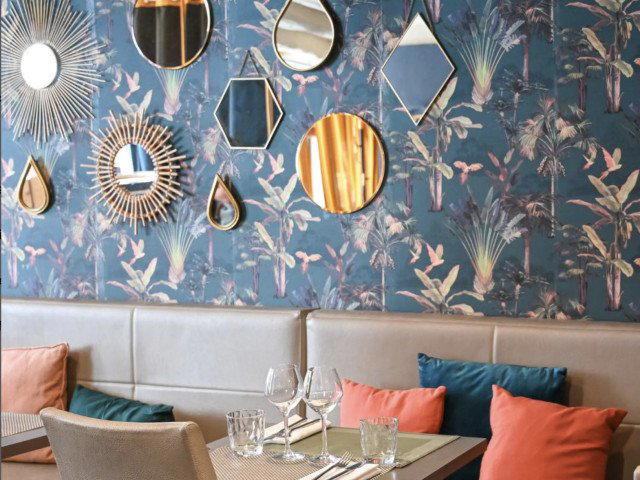
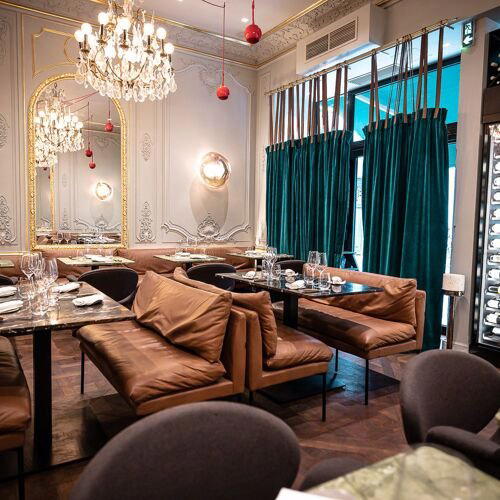
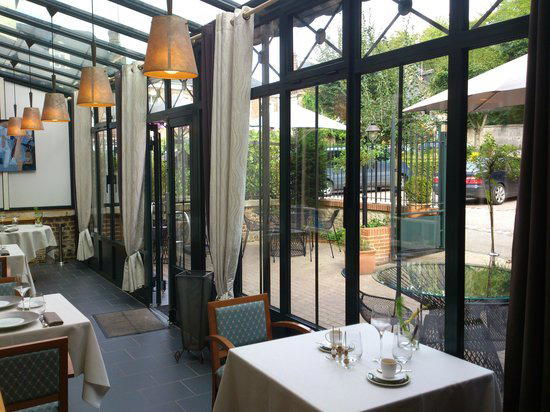
Hotels in Rouen
Browse all →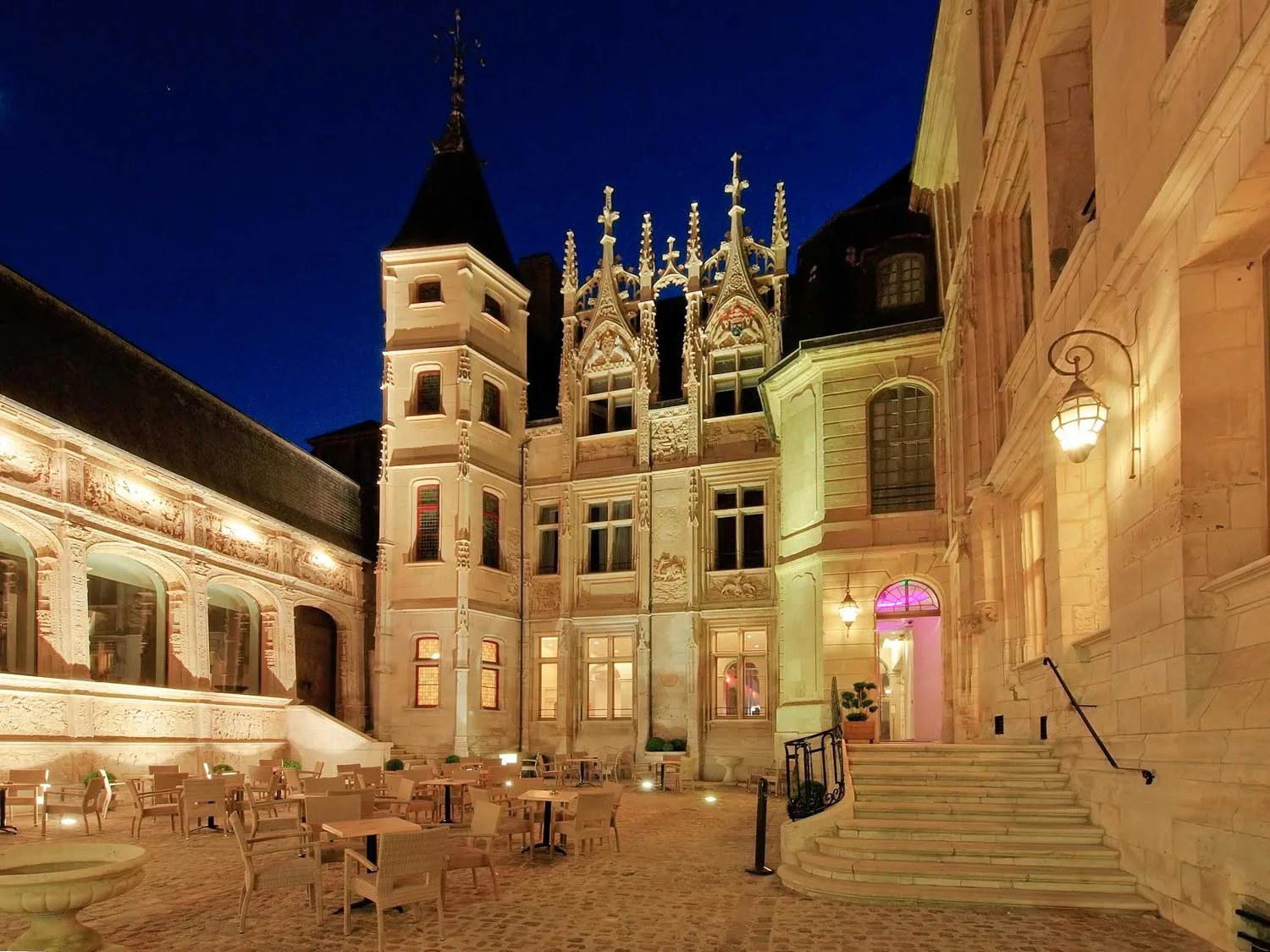
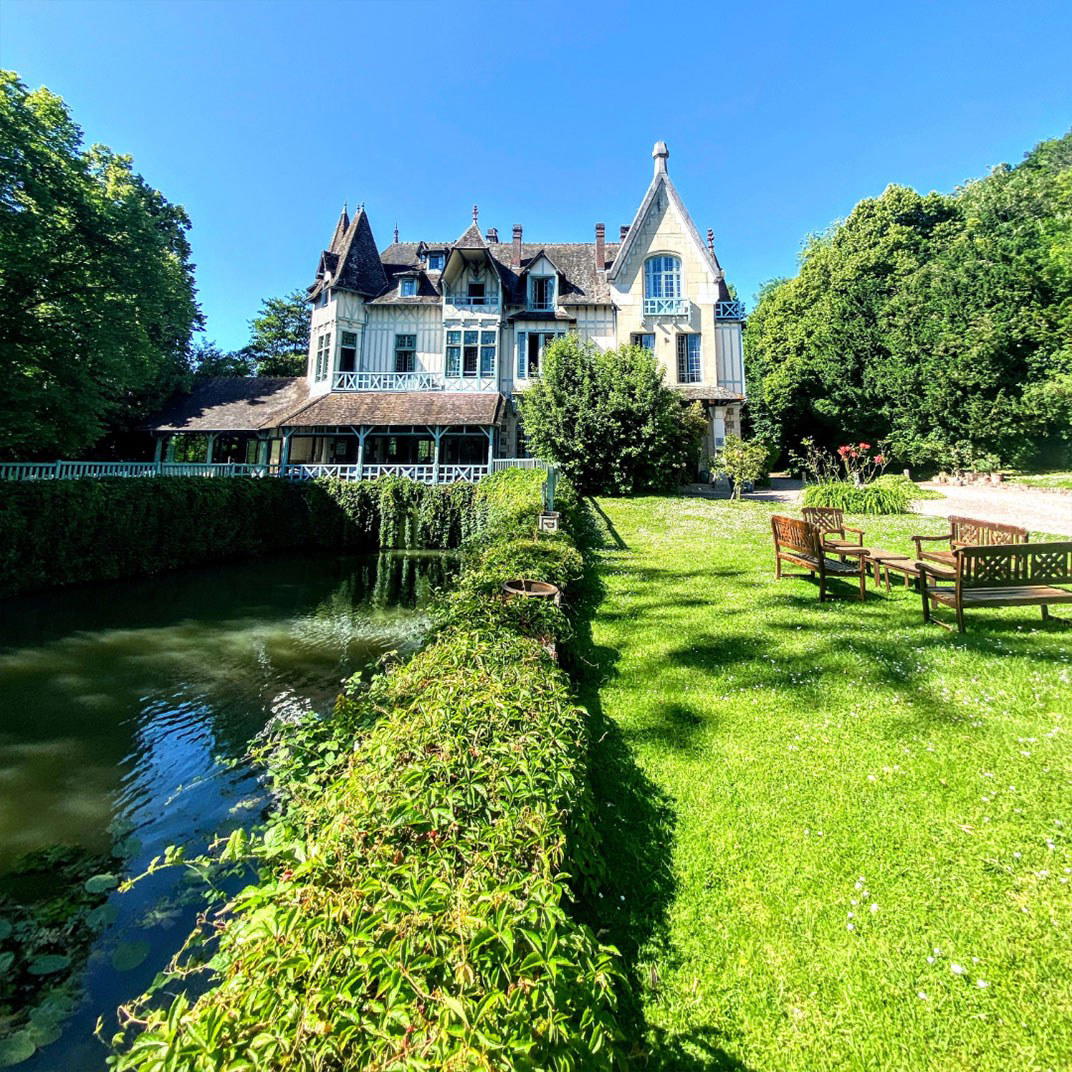
Wineries in Rouen
Browse all →
At a Glance
- Cozy
- Classic
- Lively
- Casual Hangout
- Group Dining
- Terrace
- Open Kitchen
Current opening hours
- Monday
- 9 AM–2 AM
- Tuesday
- 9 AM–2 AM
- Wednesday
- 9 AM–2 AM
- Thursday
- 9 AM–2 AM
- Friday
- 9 AM–2 AM
- Saturday
- 9 AM–2 AM
- Sunday
- 9 AM–2 AM
Hours can change for holidays and private events. Last verified .
Chaleureux et convivial with a lively atmosphere reminiscent of Parisian bouillons, featuring a beautiful authentic setting.