Pacific Hideaway
Our verdict
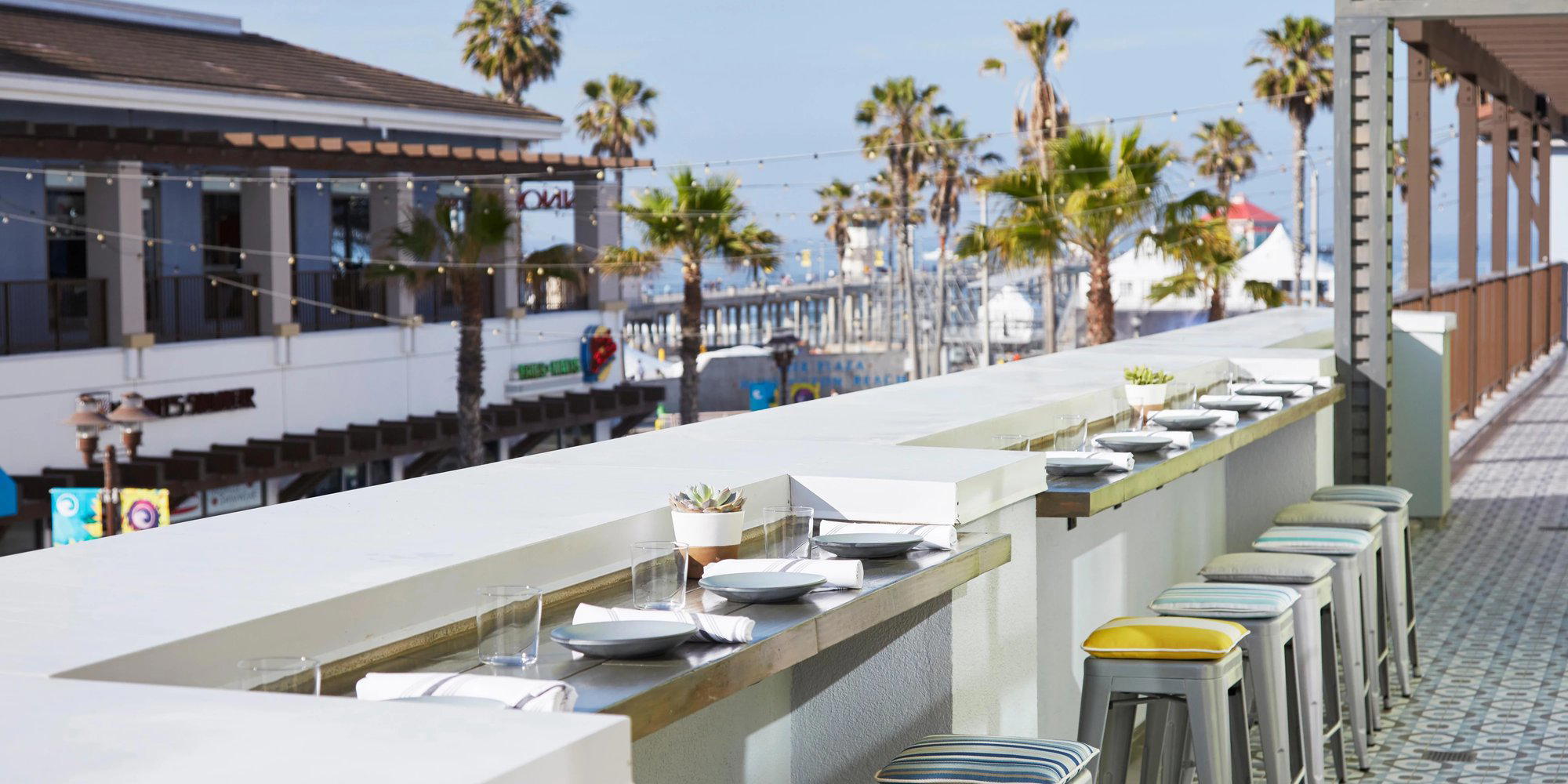
Positioned on Pacific Coast Highway at the heart of Huntington Beach's surf-and-shore corridor, Pacific Hideaway occupies a space where the design does much of the storytelling.

Pearl is the En Primeur Club membership app, where members save venues, book tables and use the concierge.
The menu
What to order
- Mahi Mahi Tacos
- Hideaway Hash Benny
- Lao Sausage Lettuce Wraps
Where the Pacific Coast Highway Meets Its Dining Room
There is a particular architectural logic that governs the better coastal dining rooms along Southern California's Pacific Coast Highway. The building does not compete with the ocean; it frames it. Pacific Hideaway, at 500 Pacific Coast Hwy in Huntington Beach, follows that same discipline. The address places it at the axis of the city's most trafficked beachfront stretch, where the design brief for any serious venue involves managing one of the most assertive backdrops in American dining: open sky, surf sound, salt air, and the constant peripheral movement of a working beach town.
Huntington Beach has spent the better part of two decades sorting its dining scene into identifiable tiers. The pier-adjacent corridor that runs along Pacific Coast Highway functions as the city's de facto restaurant row, and Pacific Hideaway occupies a position within that corridor where physical presence and spatial experience carry as much weight as the menu. For context on how the broader dining scene maps across the city, the full Huntington Beach restaurants guide traces the pattern from casual surf-adjacent spots to the more considered operators working the same beachfront real estate.
The Architecture of a Coastal Dining Room
Coastal design in Southern California has developed its own grammar over time. The leading rooms on this stretch resist the temptation to over-produce the ocean view, understanding that the Pacific already provides more spectacle than any interior can match. The stronger move is restraint: materials that reference the environment without mimicking it, seating arrangements that allow the view to read as backdrop rather than theatre, and a physical container that holds up on overcast mornings just as well as it does during a gold-hour dinner service.
Pacific Hideaway's position on the PCH situates it within a peer group that includes venues where the room itself is part of the value proposition. Along this corridor, comparable operators like Bluegold and Brightwaters have each staked out distinct spatial identities: one leaning into rooftop exposure, the other working a more anchored, ground-level relationship with the water. Pacific Hideaway occupies its own position within that conversation, defined by the specific geometry of the 500 PCH address and whatever orientation the room takes toward the coast.
Interior architecture at this price tier and in this geography tends to resolve around a few consistent decisions: how much glass, how much wood, whether the bar faces the room or the window, and how tightly the kitchen is integrated into the guest experience. These choices compound. A room that gets the glass-to-solid ratio right can carry a mediocre menu further than it deserves; a room that gets it wrong will undermine food that might otherwise hold its own. The dining scene at venues like BLK Earth Sea Spirits and Cabo Wabo Beach Club illustrates how differently the same coastal brief can be executed within blocks of each other.
Huntington Beach's Dining Context
The city sits in a peculiar position within Southern California's dining hierarchy. It is not a destination food city in the way that Los Angeles is, and it does not carry the accumulated critical infrastructure of a San Diego, where venues like Addison have earned the kind of institutional recognition that reshapes a city's culinary reputation. Huntington Beach's dining identity is more laterally defined: by lifestyle, by the surf culture that the city has cultivated deliberately, and by a visitor profile that skews toward people who want the meal to extend the experience of being at the beach rather than replace it with something more serious.
That context shapes what the better operators here are building. Venues like Capone's Italian Cucina have found longevity by anchoring to a clear identity within the local market rather than competing upward against the kind of formal programs that define American fine dining at its most ambitious tier. The reference points for that upper bracket, venues like Le Bernardin in New York City, The French Laundry in Napa, Providence in Los Angeles, or Alinea in Chicago, operate under a different set of structural assumptions entirely. Huntington Beach's strongest operators have been clearer-eyed about the market they are actually serving.
That is not a limitation. It is a competitive positioning choice, and it is the right one for a city whose primary draw is its relationship with the Pacific rather than its critical dining culture. Venues such as Lazy Bear in San Francisco, Blue Hill at Stone Barns in Tarrytown, or Single Thread Farm in Healdsburg built their reputations around a very specific set of promises to a very specific guest. The PCH corridor in Huntington Beach is making a different promise, and the spaces that line it are designed accordingly.
Planning a Visit
Pacific Hideaway sits at 500 Pacific Coast Hwy, directly on Huntington Beach's primary beachfront artery. Parking along this stretch follows the standard Southern California beach-town pattern: the city's main beach parking structure sits within walking distance, and street parking on PCH itself is limited during peak weekend and summer hours. The corridor is walkable from the pier district, making it accessible as part of a longer Pacific Coast afternoon without requiring a separate drive. For visitors building a broader Huntington Beach itinerary, the dining cluster near the pier includes several operators that function as natural complements across different meal occasions. Visitors arriving from Los Angeles should account for PCH traffic on Friday evenings and weekend afternoons, when the coastal highway can extend drive times considerably relative to freeway routes. Venues operating comparable formats in the region, including those referenced in the Huntington Beach city guide, tend to see peak demand on summer weekends and during the US Open of Surfing in late July, when the immediate PCH corridor is substantially more congested than in shoulder months.
Frequently asked questions
Would Pacific Hideaway be comfortable with kids?
Huntington Beach's PCH corridor runs through one of Southern California's most family-trafficked beach zones, and the broader dining strip at this address reflects that. The open coastal setting at 500 Pacific Coast Hwy is more accommodating than a formal dining room would be.
What is the atmosphere like at Pacific Hideaway?
The address at 500 Pacific Coast Hwy places Pacific Hideaway on Huntington Beach's primary beachfront artery, where the architectural standard among the stronger rooms favors openness to the coastline over interior theatrics. Expect the energy typical of a PCH-facing room: relaxed, beach-adjacent, and calibrated to the rhythm of the surf corridor rather than a formal city dining room. Huntington Beach sits outside Los Angeles's destination restaurant orbit, which keeps the tone grounded and local-facing.
Is Pacific Hideaway a good spot for a date night on the Huntington Beach waterfront?
The location at 500 Pacific Coast Hwy puts Pacific Hideaway on the western-facing coastal strip of Huntington Beach, where the corridor is oriented toward ocean views and the evening pace slows as the sun drops toward the water. Huntington Beach does not carry the same fine-dining density as Los Angeles or Laguna Beach, which gives a PCH room here a more relaxed, less pressured dynamic for an evening out. Specific ambiance details and reservation policies should be confirmed directly with the venue.
What dish is Pacific Hideaway famous for?
The venue sits within Huntington Beach's coastal dining corridor on PCH, a stretch where kitchens typically draw on the California seafood tradition given the proximity to the ocean.
Where is Pacific Hideaway in Huntington Beach?
Pacific Hideaway is located at 500 Pacific Coast Hwy, Huntington Beach, CA 92648, Huntington Beach.
At a Glance
Comparable venues nearby, for context on price, style, and recognition.
| Venue | Cuisine | Price | Notes |
|---|---|---|---|
| Pacific HideawayThis venue (the venue you are viewing) | Latin-Asian Fusion Coastal Cuisine | $30–50 | Not listed |
| The Brant | Coastal California with Steakhouse & Seafood | $30–50 | Pacific City, Coastal California with Steakhouse & Seafood |
| Ouzo & Feta | Authentic Greek | Not listed | Huntington Beach, Authentic Greek |
| Sandbar Cocina y Tequila | Modern Mexican Cocina | $30–50 | Downtown Huntington Beach, Modern Mexican Cocina |
| Ola Mexican Kitchen | Elevated Mexican Coastal | $30–50 | Pacific City, Polished Mexican Coastal |
| Fred's Mexican Cafe | California-Mexican | $20–30 | Huntington Beach, California-Mexican |
Continue exploring
More in Huntington Beach
Restaurants in Huntington Beach
All restaurants in Huntington Beach →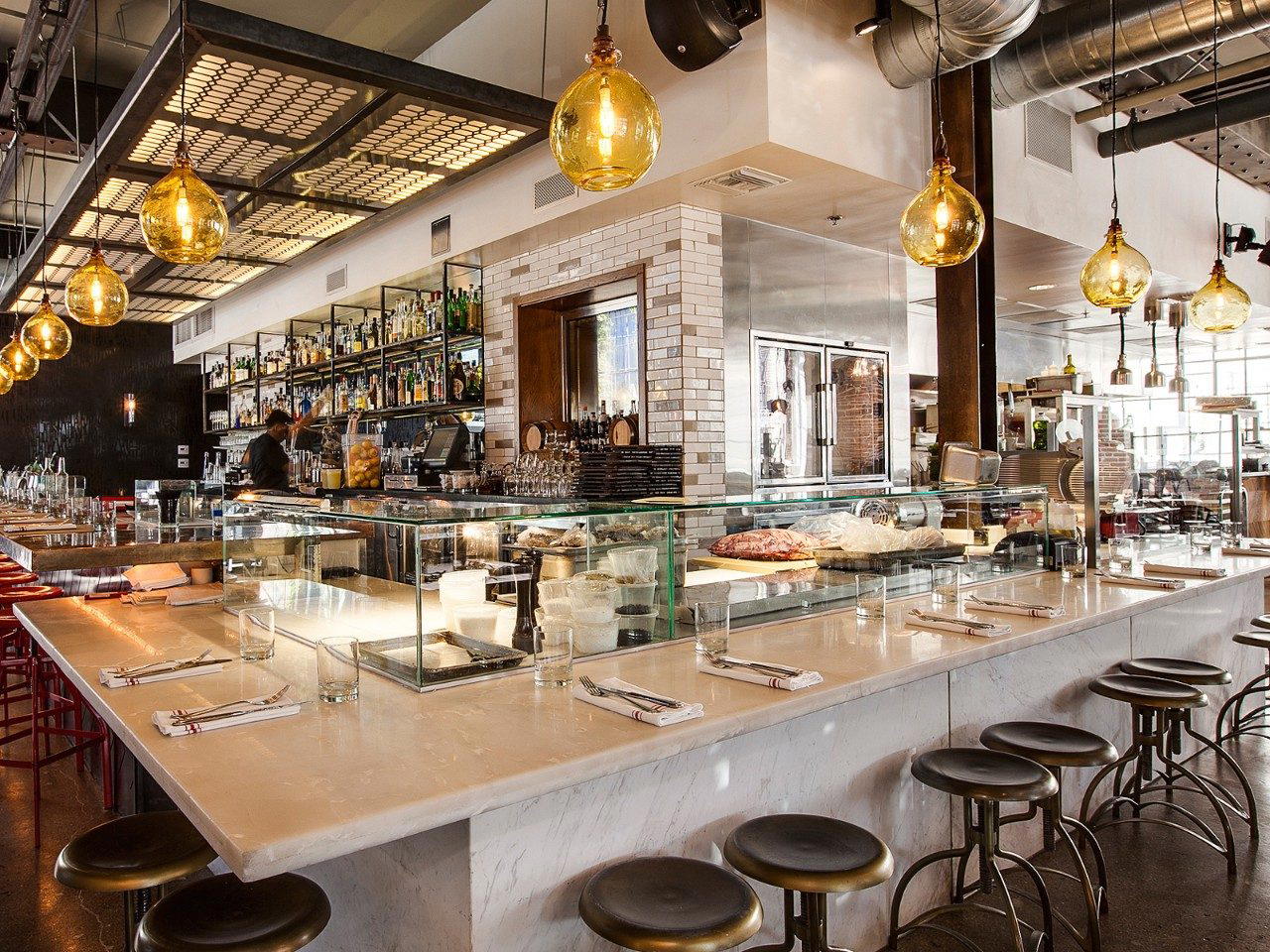
Bars in Huntington Beach
All bars in Huntington Beach →
Hotels in Huntington Beach
All hotels in Huntington Beach →
Wineries in Huntington Beach
Browse all →
Details
- Trendy
- Modern
- Lively
- Brunch
- Date Night
- Casual Hangout
- Waterfront
- Terrace
- Open Kitchen
- Live Music
- Craft Cocktails
- Local Sourcing
- Waterfront
- Street Scene
- Small Plates
- A La Carte
- Craft Cocktails
- Vegetarian Friendly
- Vegan Options
- Gluten Free Options
Current opening hours
- Monday
- 7 AM–10 PM
- Tuesday
- 7 AM–10 PM
- Wednesday
- 7 AM–10 PM
- Thursday
- 7 AM–10 PM
- Friday
- 7 AM–11 PM
- Saturday
- 7 AM–11 PM
- Sunday
- 7 AM–10 PM
Hours can change for holidays and private events. Hours as of .
Hip, open, and airy atmosphere with roll-up doors bringing in ocean breezes, chic aesthetic, and pier views.