On Via Poscolle in central Udine, Osteria Toscano occupies the kind of address where Friulian dining traditions hold their ground against louder, more fashionable competition. The room and the menu both reward guests who come prepared, this is not a walk-in operation in any practical sense. For visitors working through Udine's serious osteria circuit, it belongs on the shortlist alongside the city's other committed regional tables.
Pearl is the En Primeur Club membership app — saves, bookings, and concierge access live there. Same editors, same standards.
- Address
- Via Poscolle, 49, 33100 Udine UD, Italy
- Phone
- +39432505336
- Website
- osteriaaltoscano.it
- Directions
- Get directions
 Saves & bookings on Pearl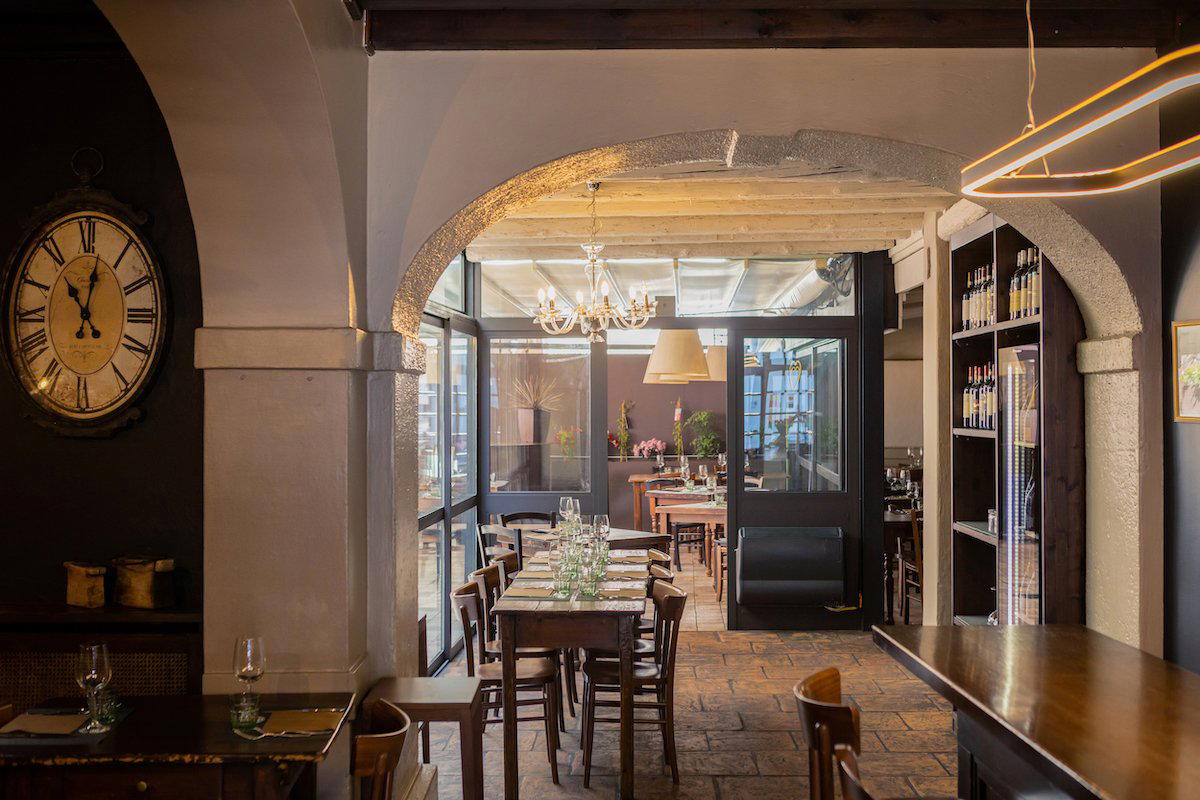
Walking Into Udine's Osteria Tradition
Via Poscolle is one of those central Udine streets that functions as a connective tissue between the city's piazzas rather than a destination in itself, which is precisely why the osteire along it tend to draw locals more consistently than tourists. The building that houses Osteria Toscano sits at number 49, a location that places it squarely within the pedestrian orbit of Piazza Libertà and the city's historic core. Approaching from either end of the street, the scale is immediately domestic: no valet concourse, no illuminated signage designed to signal ambition from a distance. The room announces itself modestly, and the dining that follows operates on the same terms.
That restraint is worth understanding in context. Udine's osteria category has always occupied a particular position in the geography of northeastern Italian dining. Unlike the fine-dining houses further south, places like Osteria Francescana in Modena or Enoteca Pinchiorri in Florence, where the room and the ceremony are as calculated as the food, the Friulian osteria tradition prizes a kind of grounded competence. The expectation is not spectacle. It is consistency, regional fidelity, and a kitchen that understands what its ingredients are supposed to taste like without over-engineering them.
Friuli on the Plate: What the Regional Tradition Demands
Friuli-Venezia Giulia sits at a culinary crossroads that most Italian regional traditions do not share. The influences running through its kitchens are Austrian, Slovenian, and Venetian as well as distinctly local, a set of pressures that produce dishes more textured and complex in their origins than their direct presentation suggests. Cured meats from San Daniele, frico made with Montasio cheese, game preparations that owe something to Central European technique, and a wine culture anchored in indigenous whites from the Colli Orientali and Collio zones: these are the coordinates of serious Friulian eating.
An osteria operating on Via Poscolle sits inside that tradition rather than commenting on it from a distance. The name Toscano, Tuscan, is a curio in this context, and it's the kind of detail that longtime Udine regulars tend to have an explanation for, though the explanation varies depending on whom you ask. What matters more, in practical terms, is whether the kitchen applies the kind of care that the regional ingredient base demands. Friulian raw materials, particularly the cured pork products and aged cheeses, are specific enough that they reveal kitchen negligence quickly. There is nowhere to hide behind a complicated sauce.
Across Udine's osteria circuit, the comparable set is well established. Al Vecchio Stallo is one cited address for this kind of cooking, drawing a loyal local clientele to its long tables. Ai Frati and Al Contadino operate in a similar register, as does Alla Ghiacciaia, which has built a reputation around direct regional execution. 1905 sits slightly apart, with a format that gestures toward a more contemporary presentation while remaining rooted in local product. Osteria Toscano belongs to this cohort, a table that operates in the honest-cooking register rather than the gastronomic-destination tier that venues like Le Calandre in Rubano or Piazza Duomo in Alba occupy.
Planning Your Visit: What to Know Before You Go
The city does not receive the volume of international visitors that Venice or Florence process, which means its better tables are not perpetually swamped by tour groups, but it also means that the local customer base is concentrated and habitual. Regulars at an address like Via Poscolle 49 tend to hold their tables on a reliable weekly rhythm, particularly for Thursday and Friday lunch and weekend dinner. Walking in without a reservation on those windows is a reasonable gamble at noon on a Tuesday; it is not a reasonable gamble on a Friday evening.
For visitors structuring a Friuli itinerary, Udine functions most productively as a two-night base. The city's compact center means the osteria circuit is walkable, and the surrounding wine country, the Collio to the west, the Colli Orientali to the southeast, is accessible by car within thirty to forty minutes. This positions Udine differently from the high-commitment fine-dining pilgrimages that something like Atelier Moessmer Norbert Niederkofler in Brunico or Dal Pescatore in Runate requires. The planning threshold is lower, but it still rewards guests who think one day ahead rather than arriving and improvising.
A direct call or a walk-by in Udine is the practical way to confirm hours and availability. For a Via Poscolle osteria, the practical approach is a direct call or, when in Udine, a walk-by to confirm hours and availability. The rhythm here is still personal rather than algorithmic, which is part of what defines this category of Italian restaurant. Those accustomed to the frictionless booking flows at places like Le Bernardin in New York City or Atomix in New York City will need to recalibrate their expectations accordingly, and probably find the process more satisfying for it.
Venues like Enrico Bartolini in Milan and Quattro Passi in Marina del Cantone offer a useful reference for understanding where the northeastern Italian osteria sits in relation to Italy's broader fine-dining spectrum, geographically and temperamentally distant from both.
Quick Comparison
Comparable venues nearby, for context on price, style, and recognition.
| Venue | Cuisine | Price | Notes |
|---|---|---|---|
| Osteria ToscanoThis venue — the venue you are viewing | Authentic Florentine & Tuscan | $$ | Not listed |
| Alla Ghiacciaia | Traditional Friulian Osteria | $$ | city center |
| Al Vecchio Stallo | Traditional Friulian Osteria | $$ | centro storico |
| Ortofficina | Vegetarian Buffet Bistro | $$ | Centro |
| Ancona Due | Italian Pizzeria & Seafood | $$ | Udine |
| Ristorante Al Fogolar | Traditional Friulian Italian | $$$ | Udine |
Continue exploring
More in Udine
Restaurants in Udine
Browse all →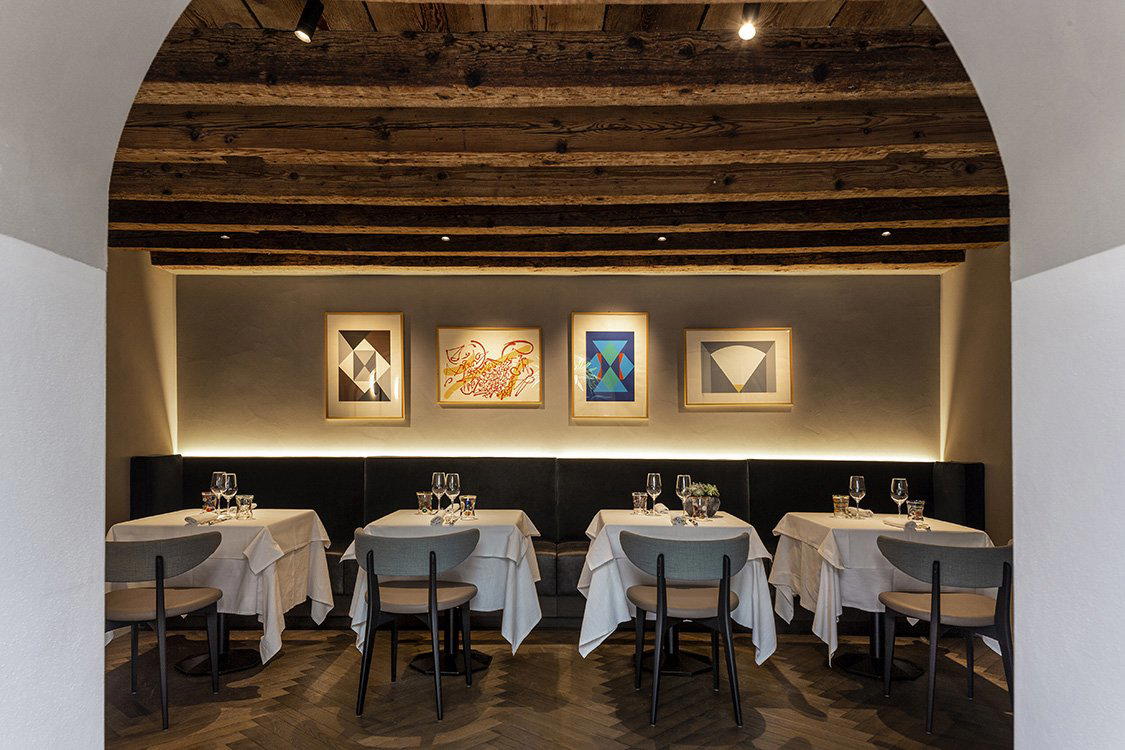
Bars in Udine
Browse all →
Hotels in Udine
Browse all →
At a Glance
- Cozy
- Classic
- Rustic
- Casual Hangout
- Group Dining
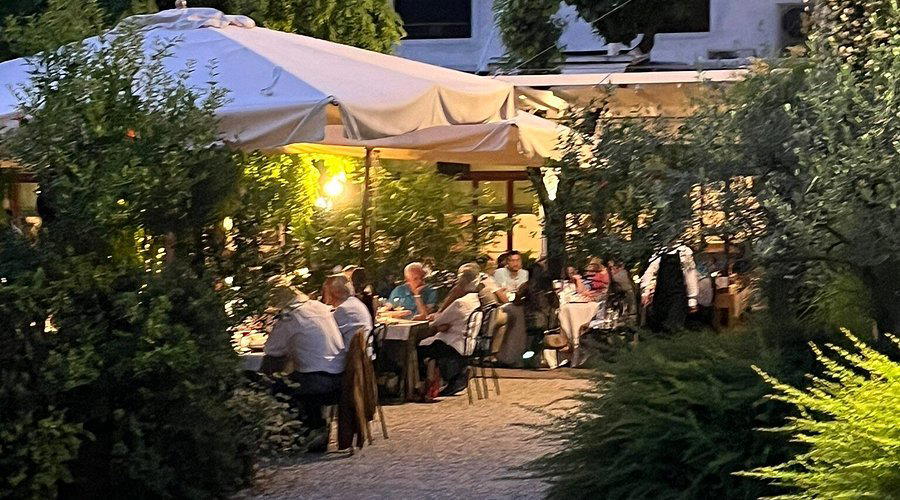
- Terrace
Current opening hours
- Monday
- 12:30–2:30 PM, 7:30–10 PM
- Tuesday
- 12:30–2:30 PM, 7:30–10 PM
- Wednesday
- 12:30–2:30 PM, 7:30–10 PM
- Thursday
- 12:30–2:30 PM, 7:30–10 PM
- Friday
- 12:30–2:30 PM, 7:30–10 PM
- Saturday
- 7:30–10 PM
- Sunday
- Closed
Hours can change for holidays and private events. Last verified .
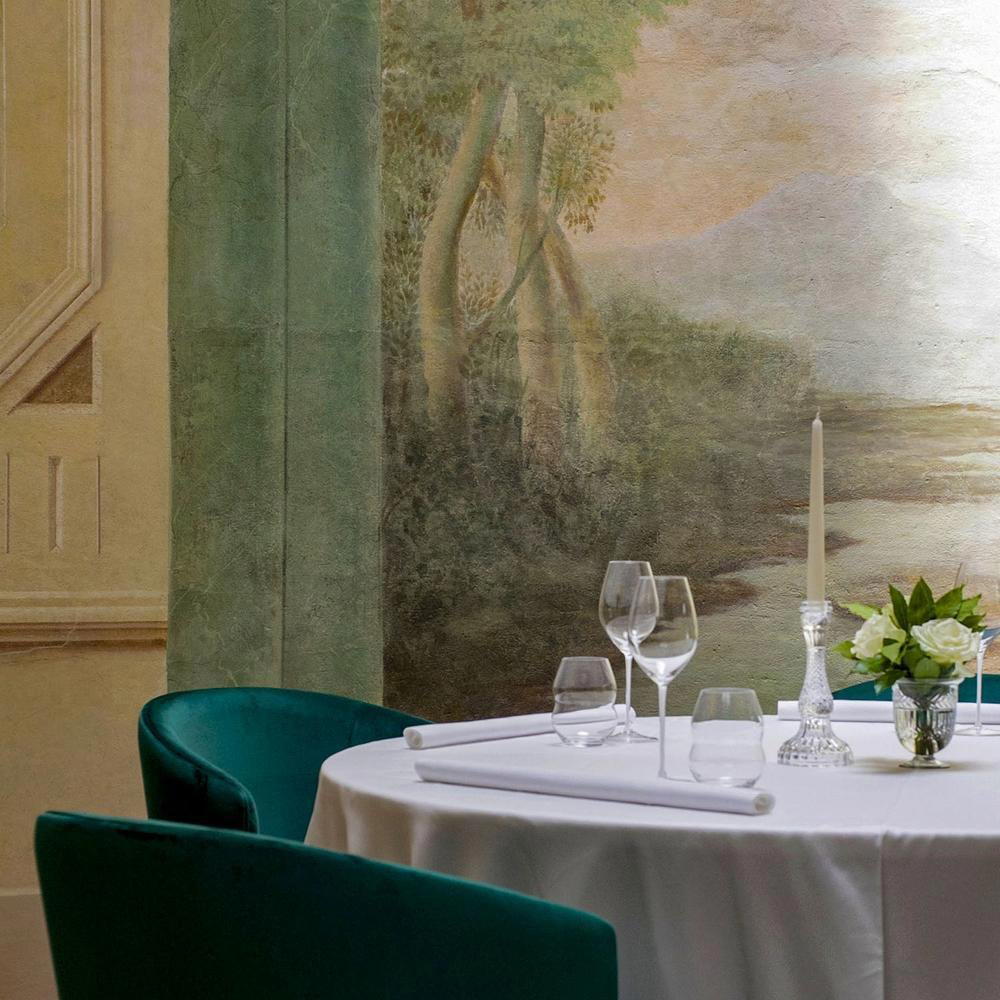
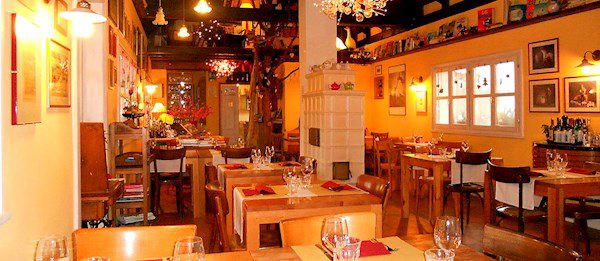
Cozy and welcoming atmosphere with period furniture and modern design elements, creating an authentic osteria experience.