
Café Quinson in Morgex sits at the quieter, more personal end of Aosta Valley dining, where a family-run kitchen applies a contemporary lens to the region's Alpine larder. A Michelin Plate holder in both 2024 and 2025, it earns a 4.7 on Google across 118 reviews. The wine list skews heavily toward by-the-glass pours, making it an accessible entry point into Valle d'Aosta's high-altitude viticulture.
Pearl is the En Primeur Club membership app — saves, bookings, and concierge access live there. Same editors, same standards.
- Address
- Piazza Principe Tomaso, 10, 11017 Morgex AO, Italy
- Phone
- +39 0165 809499
- Website
- cafequinson.it
- Directions
- Get directions
 Saves & bookings on Pearl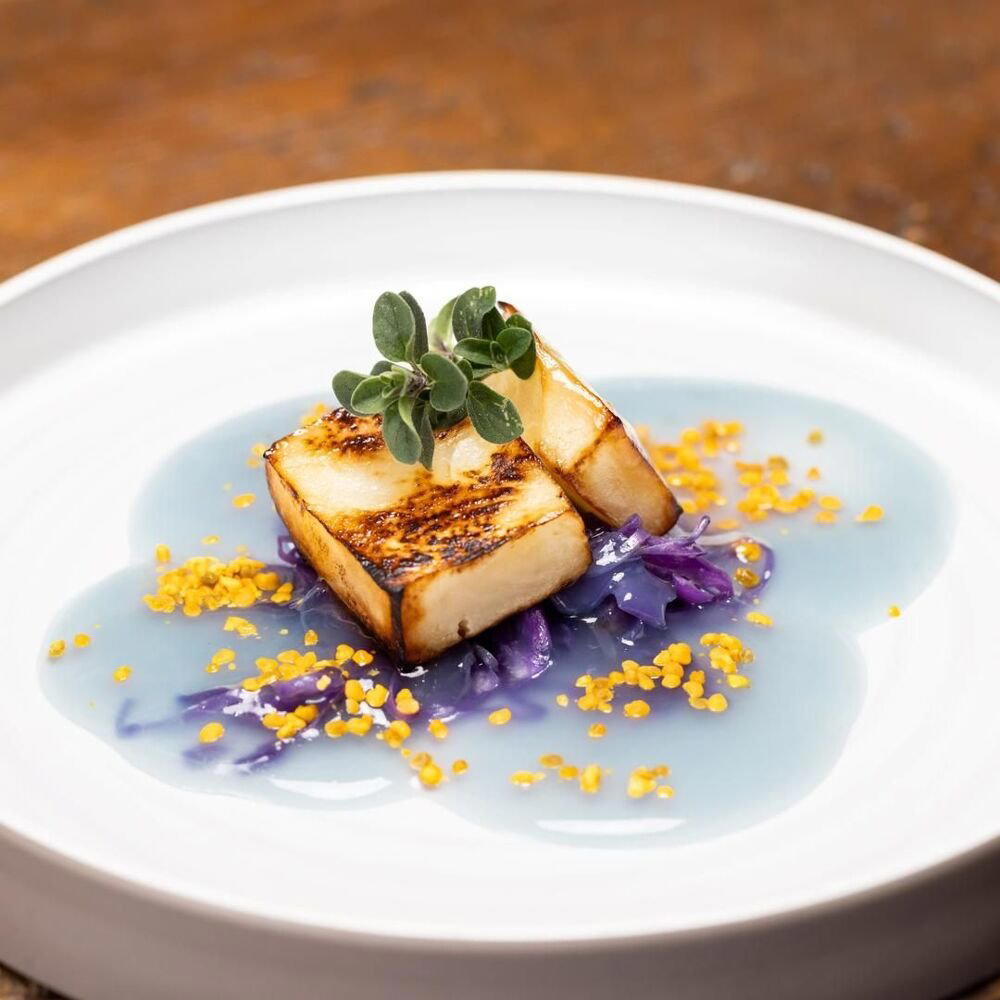
Where the Aosta Valley Comes to the Table
The Aosta Valley has always demanded a particular kind of cooking: food that acknowledges altitude, that works with short growing seasons, and that treats preserved, cured, and aged ingredients not as workarounds but as the foundation of a cuisine. Morgex sits near the western edge of this valley, close to the French border, at an elevation that keeps the surrounding vineyards among the highest in Europe. Restaurants here do not have the luxury of sourcing broadly; the larder is defined by what the mountains allow. Café Quinson, at Piazza Principe Tomaso 10, operates squarely within that constraint and takes it seriously. It is a restaurant in Morgex, serving modern Aosta Valley regional cuisine at about $120 per person.
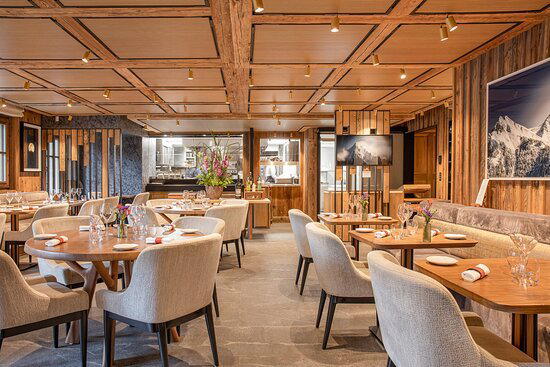
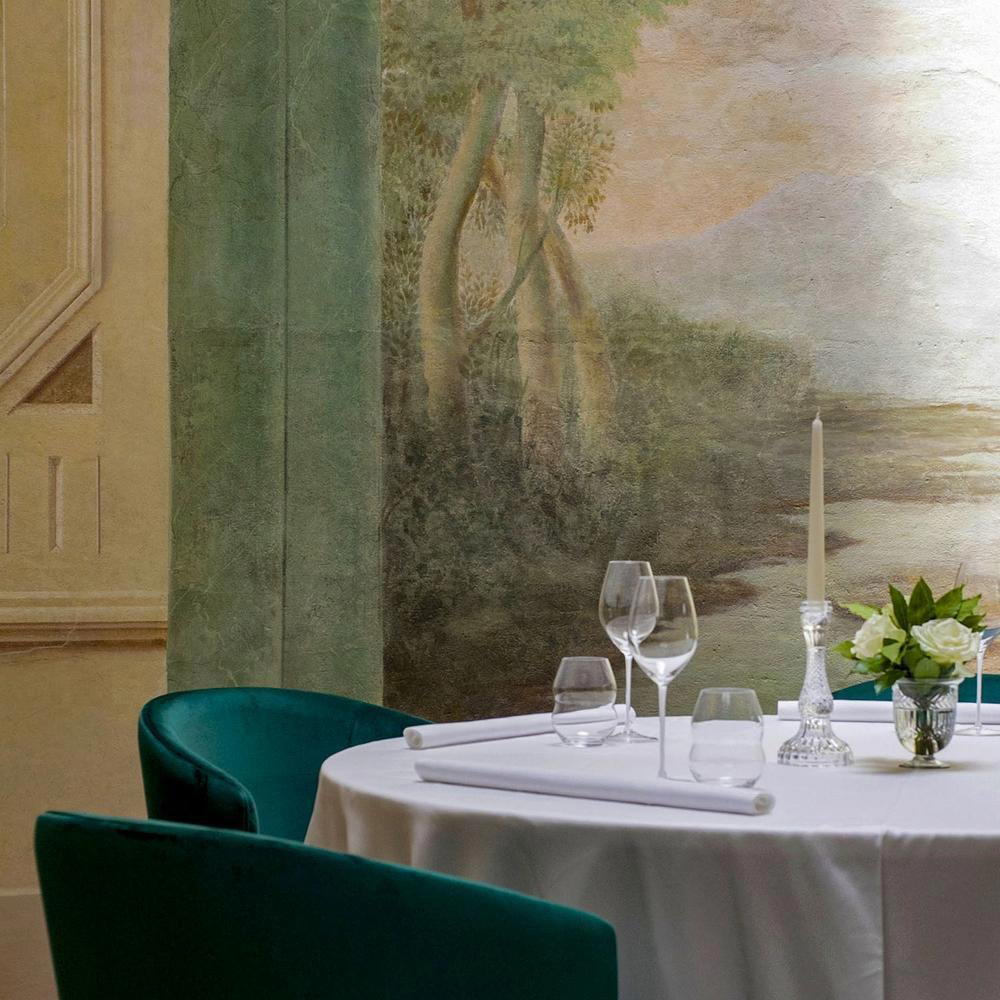
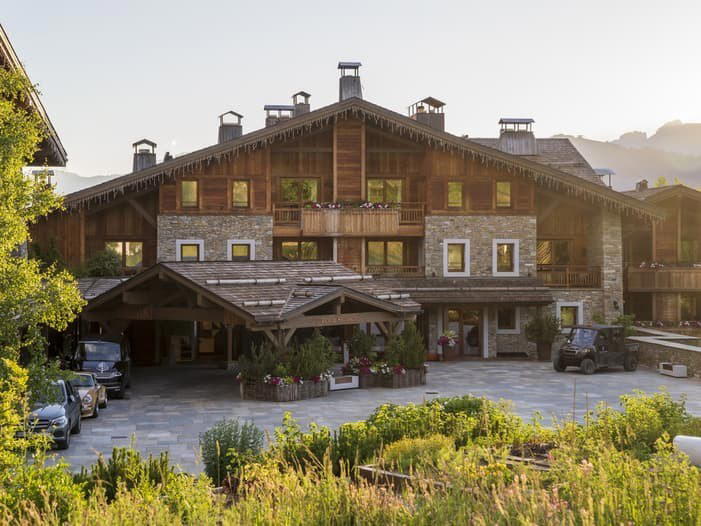
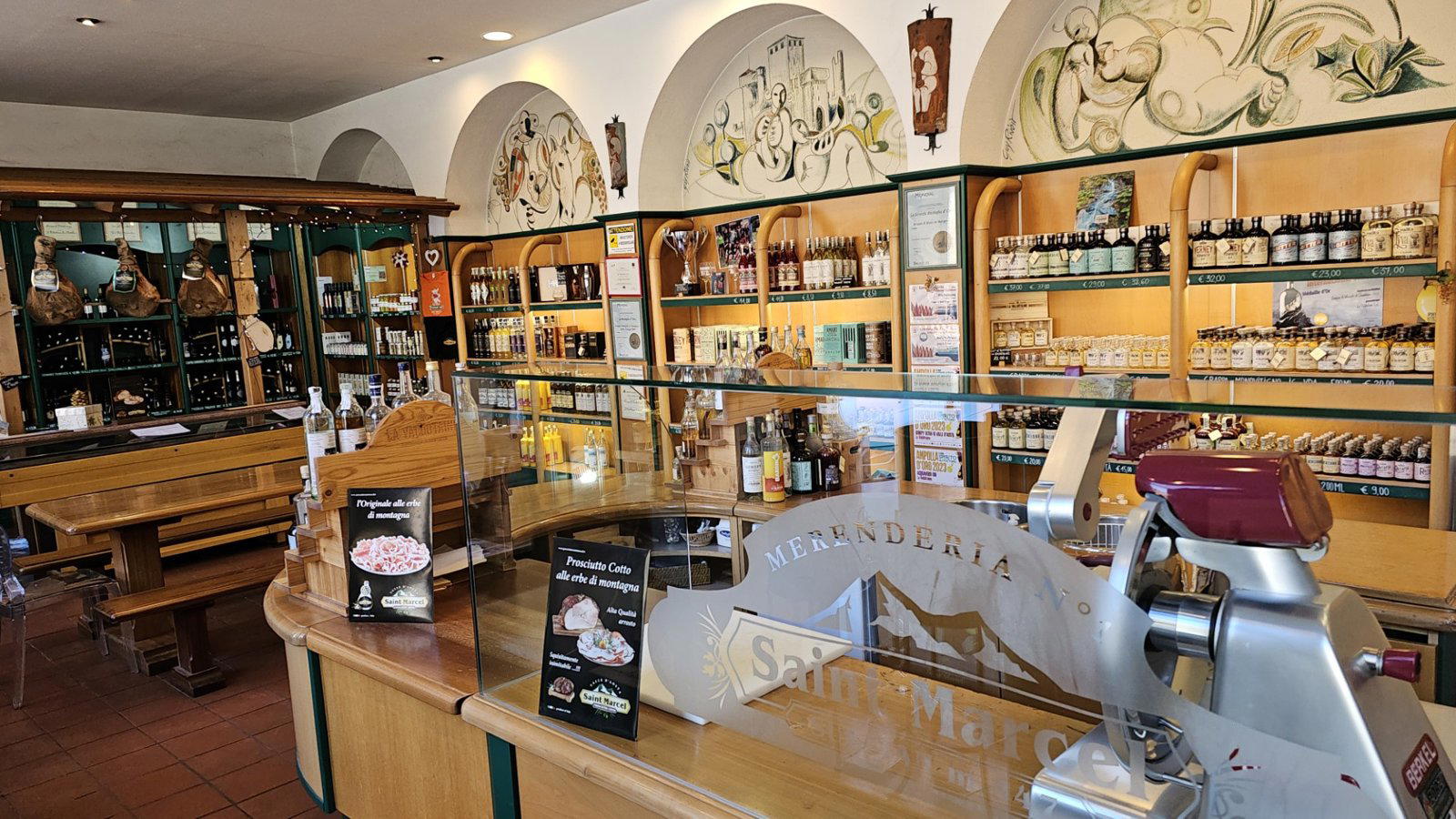
The room reads as a mountain restaurant in the honest sense: stone, timber, and the kind of interior warmth that functions as counterpoint to what lies outside the door rather than as decorative gesture. Sitting at the summit of the valley's price tier (€€€€), Café Quinson occupies the same bracket as multi-starred Italian tables such as Atelier Moessmer Norbert Niederkofler in Brunico or Dal Pescatore in Runate, though its comparable set is different. This is not the territory of tasting-menu theater or international sourcing networks. The draw is specificity: the food on the plate is traceable to a geography that most Italian diners never engage with directly.
The Aosta Valley Larder and Why It Matters
Understanding what Café Quinson puts on the plate requires understanding where it sources from. The Aosta Valley produces a narrow but serious range of ingredients. Fontina DOP is the region's most exported product, a semi-cooked cow's milk cheese made exclusively from milk produced by Valdostana cows grazing on Alpine pastures. At altitude, the milk changes with the season; summer Fontina, made from cows on high pasture, carries a different herbaceous quality than its winter counterpart. Any kitchen serious about regional cooking treats this as a variable, not a constant.
Beyond Fontina, the valley's preserved meats, including lard from Arnad and mocetta (a cured chamois or beef haunch), represent an older Alpine food culture built around the practicalities of mountain winters. Contemporary interpretations of these ingredients tend to reframe them as delicacies rather than necessities, which is broadly what the Michelin Plate designation implies: cooking that engages with tradition through a current technical lens. The restaurant's Michelin Plate recognition in both 2024 and 2025 reflects that orientation, placing it in a tier of addresses that execute regional cooking with enough discipline and refinement to merit inclusion in the Guide. For context, Michelin-starred mountain restaurants in northern Italy such as Piazza Duomo in Alba or Reale in Castel di Sangro demonstrate what that next tier looks like nationally. The restaurant operates in a different register: it is a family table with editorial ambition, not a laboratory kitchen.
Two other addresses worth knowing for Aosta Valley cooking are Vecchio Ristoro in Aosta and Bar à Fromage in Cogne, both of which work within the same regional tradition, offering useful points of comparison for readers building a fuller picture of valley cuisine across different formats and price points.
The Wine List as a Regional Argument
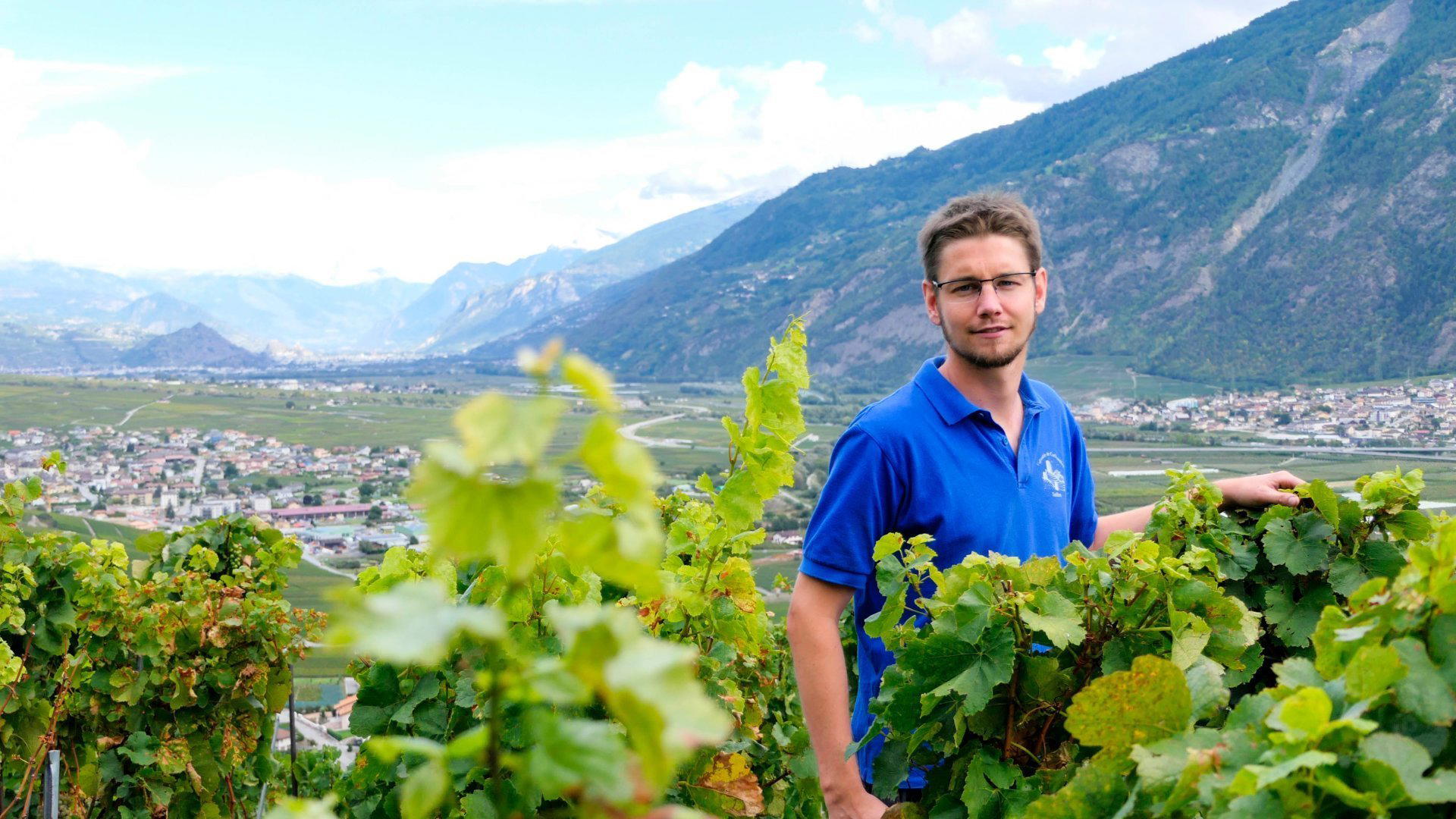
The vineyards immediately surrounding Morgex and La Salle sit between 900 and 1,200 metres above sea level, making them the highest DOC vineyards in Europe. The primary grape here is Prié Blanc, a variety rarely encountered outside the valley, which produces wines of high acidity, low alcohol, and a mineral structure shaped directly by glacial soils and thermal amplitude. It is a wine that makes no concessions to international taste profiles, and restaurants in this part of the valley that take it seriously are making a quiet argument for place over palatability.
The restaurant's wine list leans heavily toward by-the-glass availability, which is a meaningful service decision in a room serving complex regional food at premium prices. It removes the barrier of committing to a bottle, allowing the kind of pairing-led exploration that makes Alpine cuisine legible across a full meal.
The Family Restaurant Format in the Italian Alps
The family-run mountain restaurant is a specific format in Italian Alpine dining, and it operates by different rules than urban fine dining. In cities such as Milan or Florence, restaurants at the €€€€ tier tend to prioritize architectural menus and brigade-scale kitchens. At this level, reference points might include Enrico Bartolini in Milan or Enoteca Pinchiorri in Florence. The mountain family format inverts some of those priorities: hospitality is less choreographed and more direct, the room tends to include multiple generations, and the menu serves as a vehicle for regional memory as much as technical demonstration.
It places the restaurant among the more reliably rated addresses on the valley floor.
Planning a Visit
Morgex sits in the upper Aosta Valley along the A5 motorway corridor toward the Mont Blanc tunnel, making it accessible from both Turin (roughly two hours) and Geneva (a similar drive via the French side). The town is small, and Piazza Principe Tomaso is central and walkable. Given the price point and the family-operated format, advance reservations are advisable, particularly during the winter ski season and summer hiking months when the valley's visitor numbers peak.
A Quick Peer Check
Comparable venues nearby, for context on price, style, and recognition.
| Venue | Cuisine | Price | Awards | Notes |
|---|---|---|---|---|
| Café QuinsonThis venue — the venue you are viewing | Modern Aosta Valley Regional | $$$ | Michelin Plate | Not listed |
| Hostaria di Bricai | Authentic Italian Alpine | $$$ | Michelin Plate | Varallo |
| Tuorlo | Traditional Piedmontese Bistro | $$$ | Michelin Plate | Centro Storico |
| Osteria dell'Oca Bianca | Traditional Piedmontese Trattoria | $$$ | Michelin Plate | Cavaglià |
| Le Case della Saracca | Traditional Piedmontese Italian | $$$ | Michelin Plate | Saracca district |
| Gardenia | Modern Piedmontese Fine Dining | $$$ | Michelin Plate | Caluso |
Recognition history
Dated appearances from independent guides and award organizations, with the underlying list record or original source where available.
Michelin Plate
Michelin
Michelin Plate
Michelin
Michelin Plate
Michelin
Continue exploring
More in Morgex
Restaurants in Morgex
Browse all →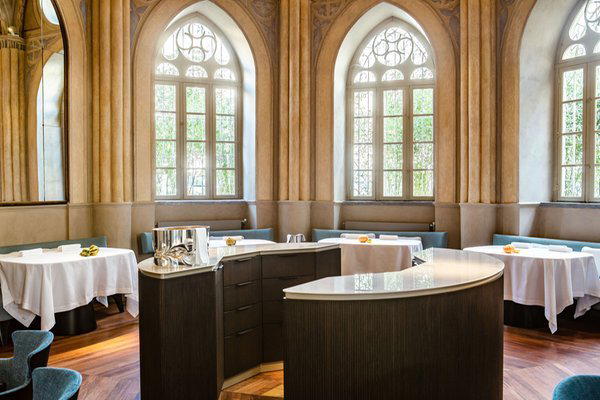
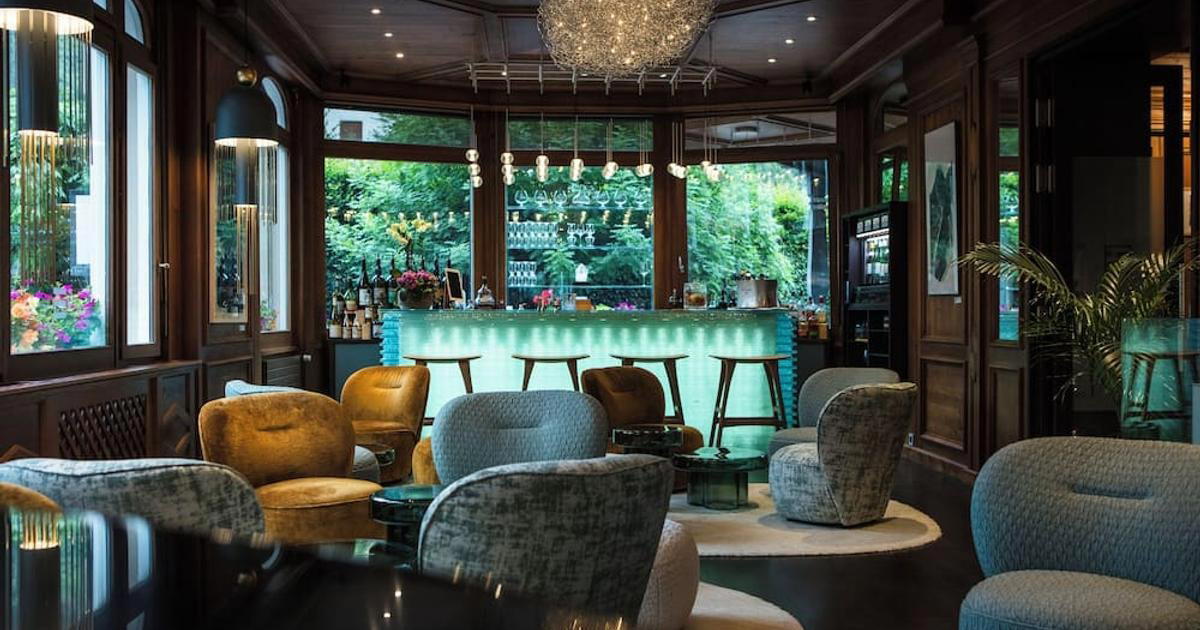
Bars in Morgex
Browse all →
Hotels in Morgex
Browse all →

At a Glance
- Rustic
- Cozy
- Elegant
- Intimate
- Classic
- Date Night
- Special Occasion
- Historic Building
- Extensive Wine List
- Local Sourcing
- Organic
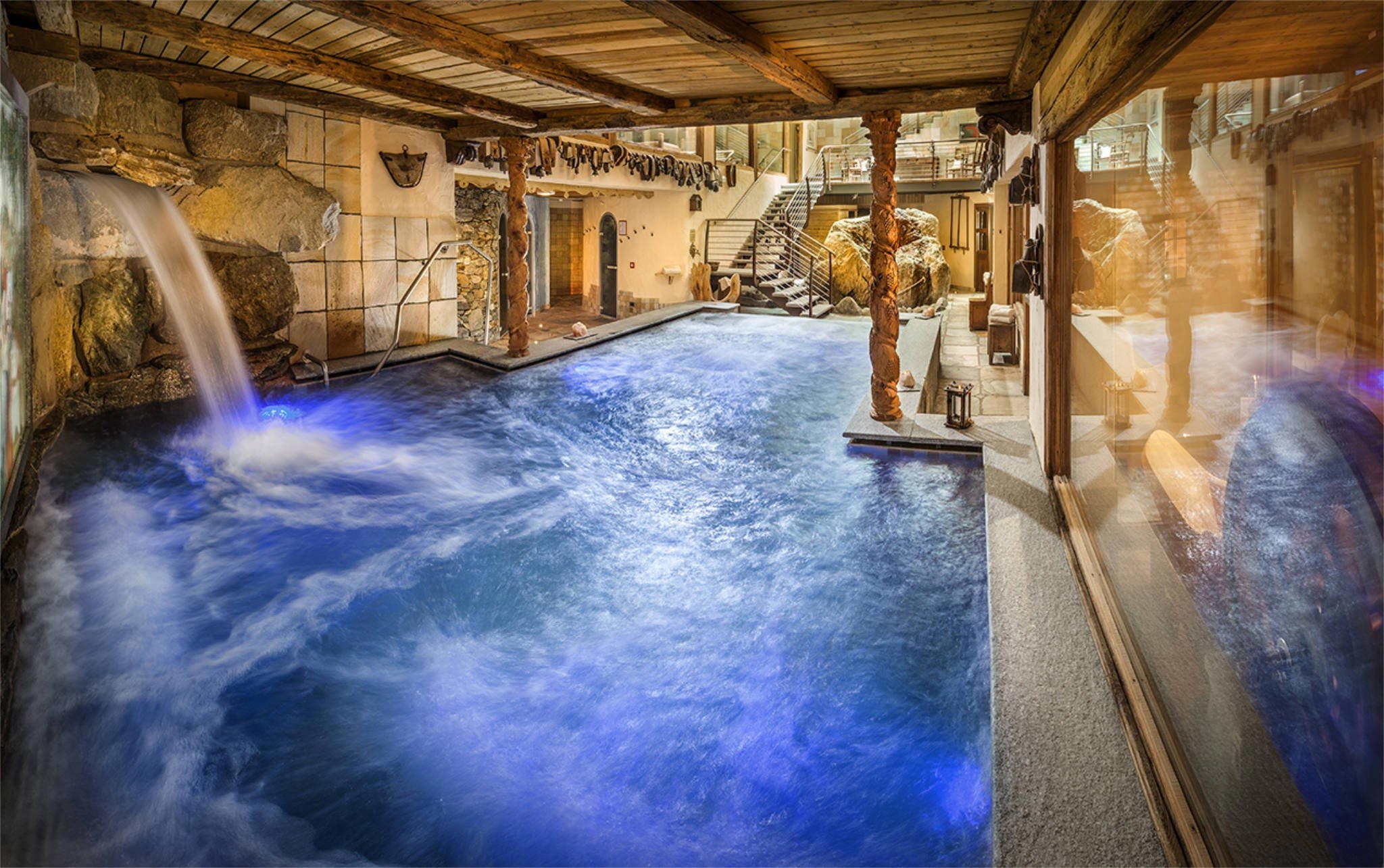
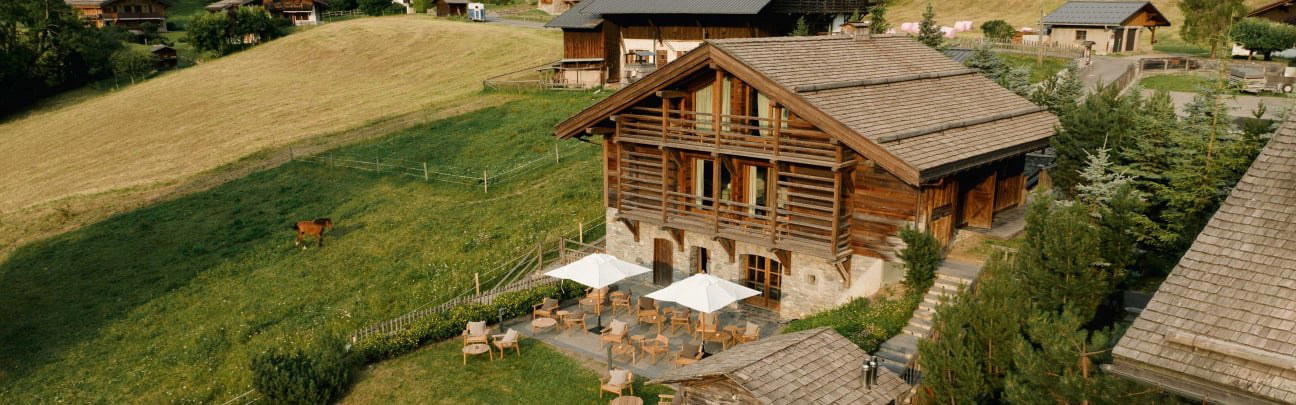
Rustic yet elegant mountain atmosphere with wood and stone furnishings, ancient larch and walnut woods, traditional fabrics, and intimate, charming rooms.