
Set within the Arborina Relais in La Morra, Osteria Arborina holds a 2025 Michelin Plate for cuisine that draws on multiple culinary traditions rather than staying anchored to Langhe convention. The kitchen operates around a no-waste philosophy, with thematic menus that shift reference points while maintaining technical discipline. The wine list is classically extensive, placing it firmly in Piedmont's serious dining tier at the €€€ price point.
Pearl is the En Primeur Club membership app — saves, bookings, and concierge access live there. Same editors, same standards.
- Address
- Via Annunziata, 27/B, 12064 La Morra CN, Italy
- Phone
- +39 0173 500340
- Website
- arborinarelais.it
- Directions
- Get directions
 Saves & bookings on Pearl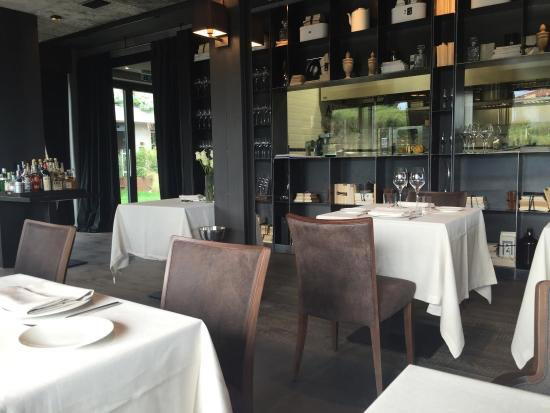
Where the Langhe Slows Down
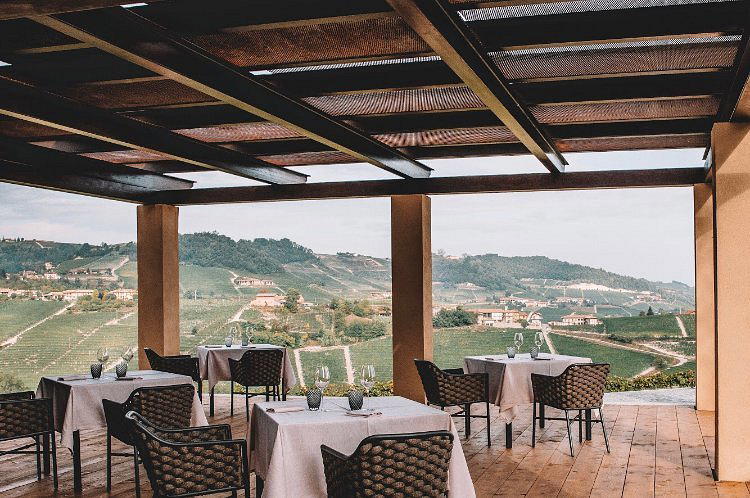
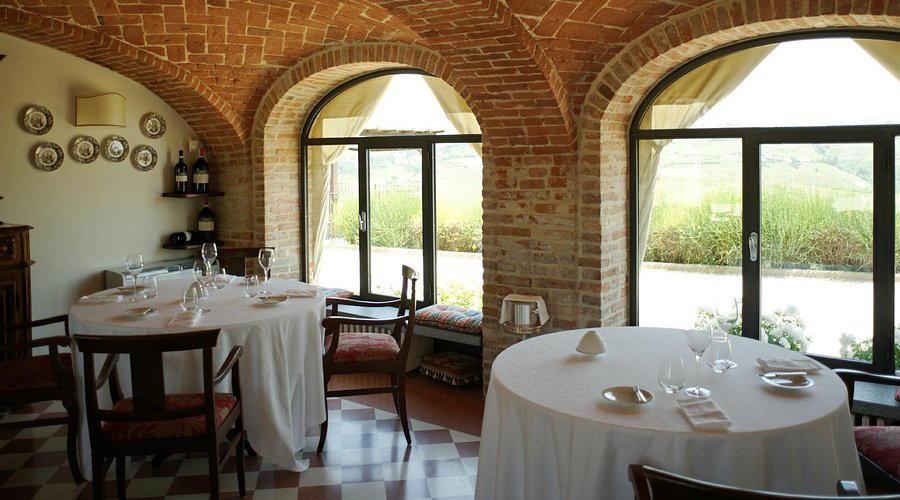
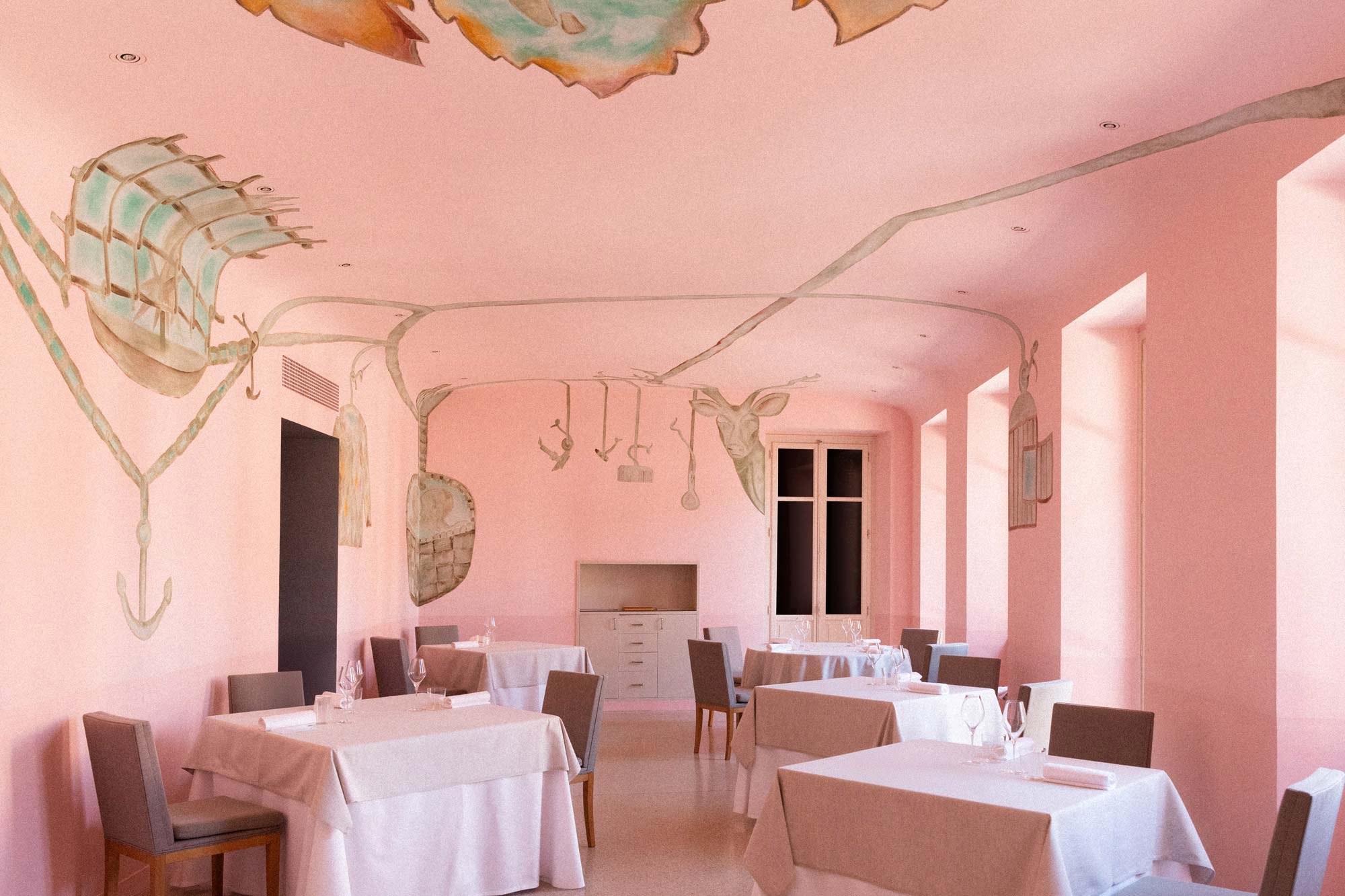
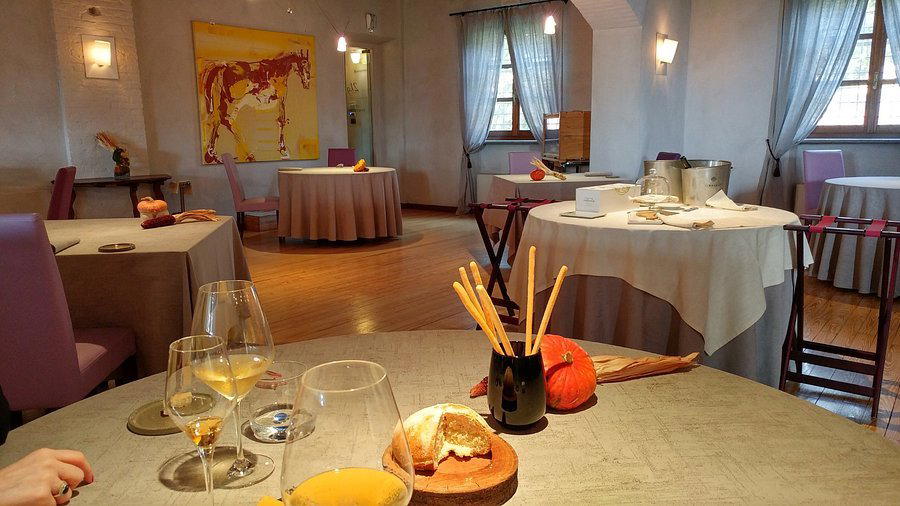
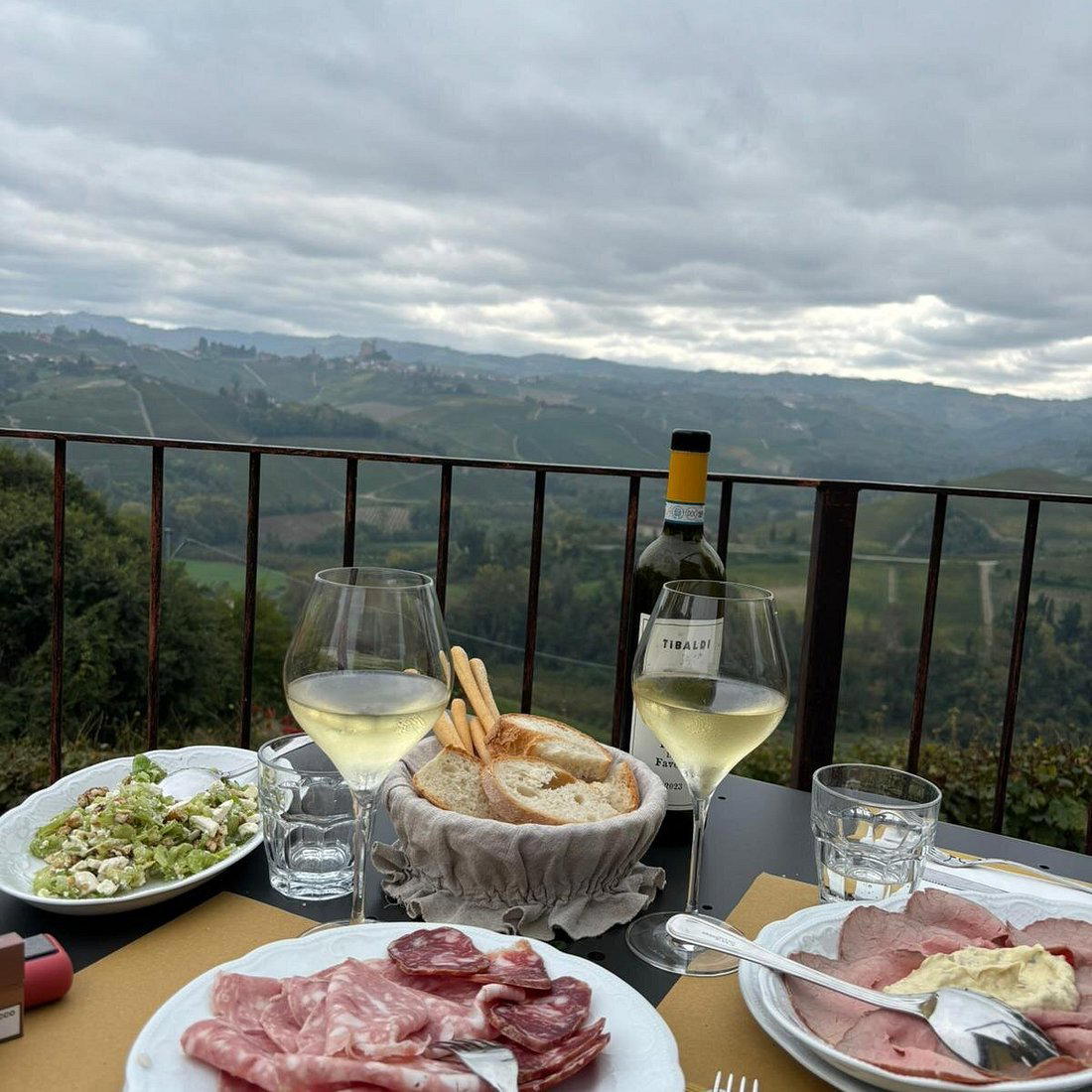
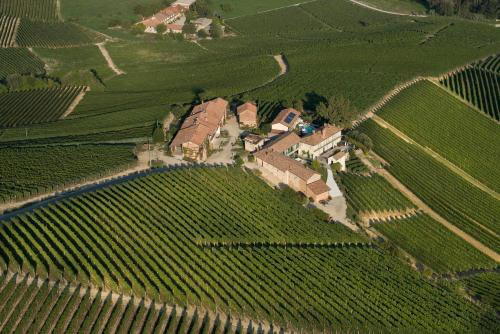
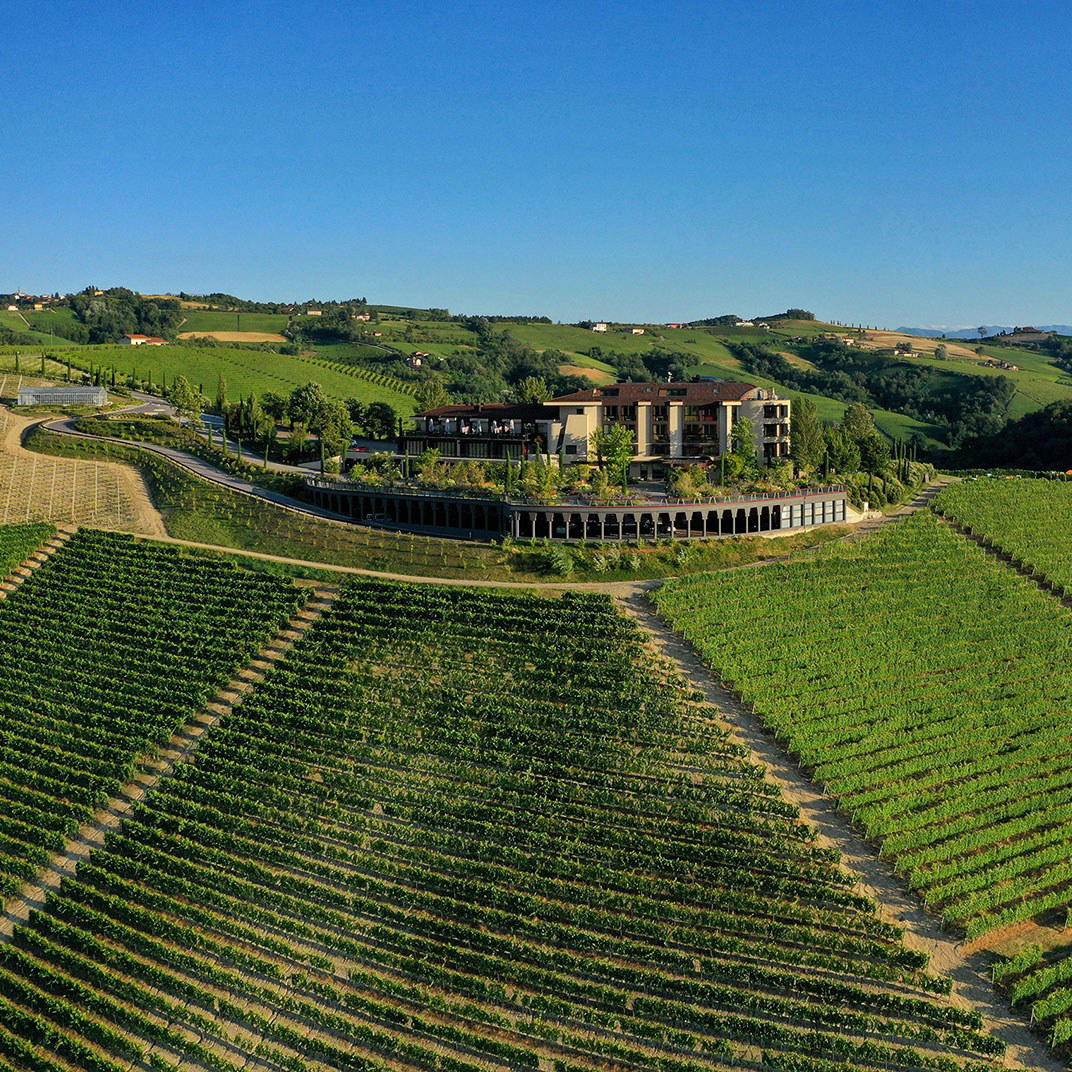
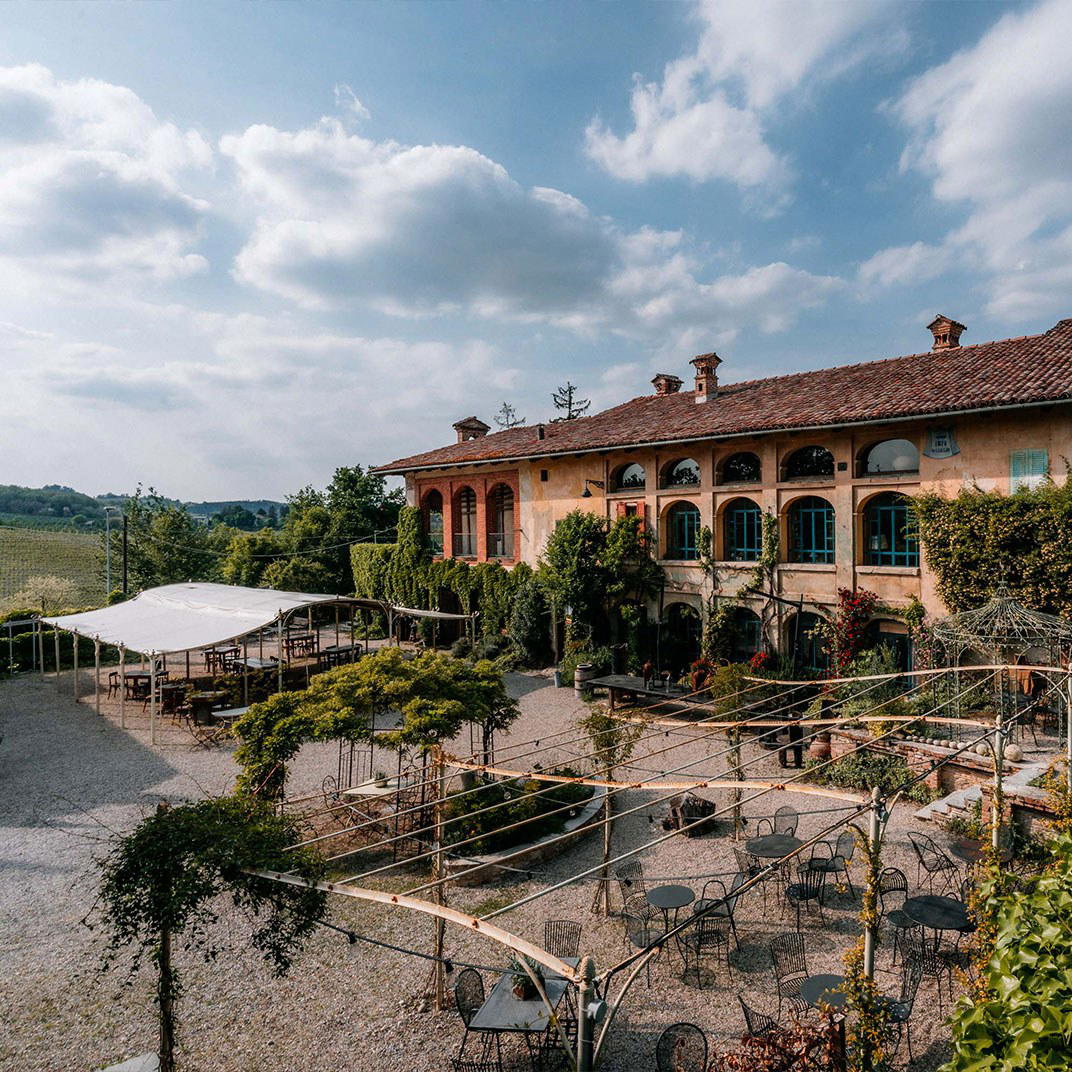
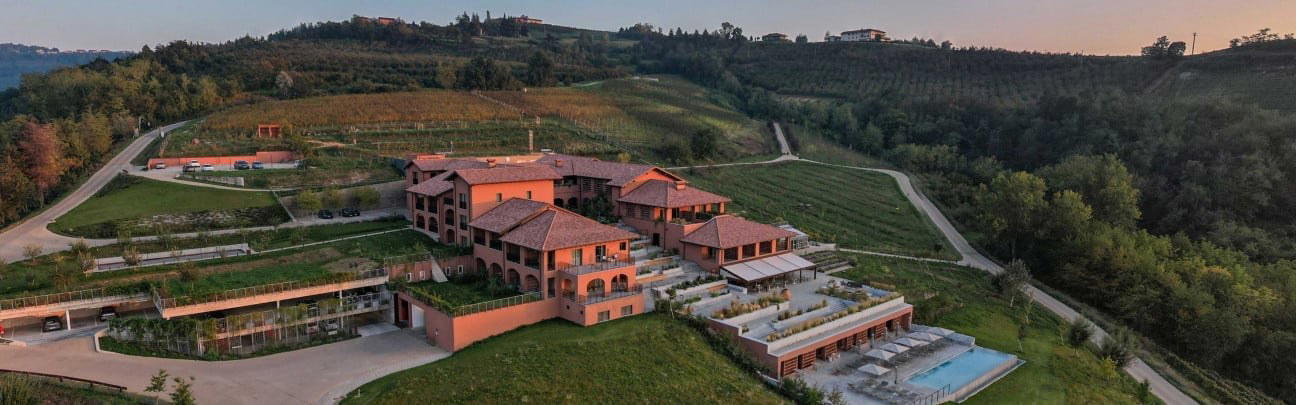
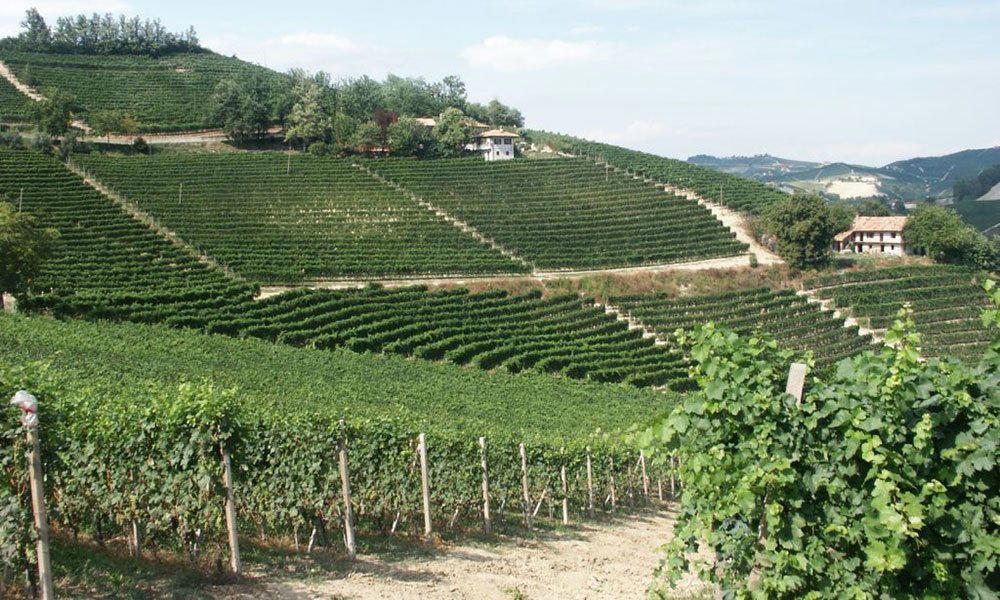
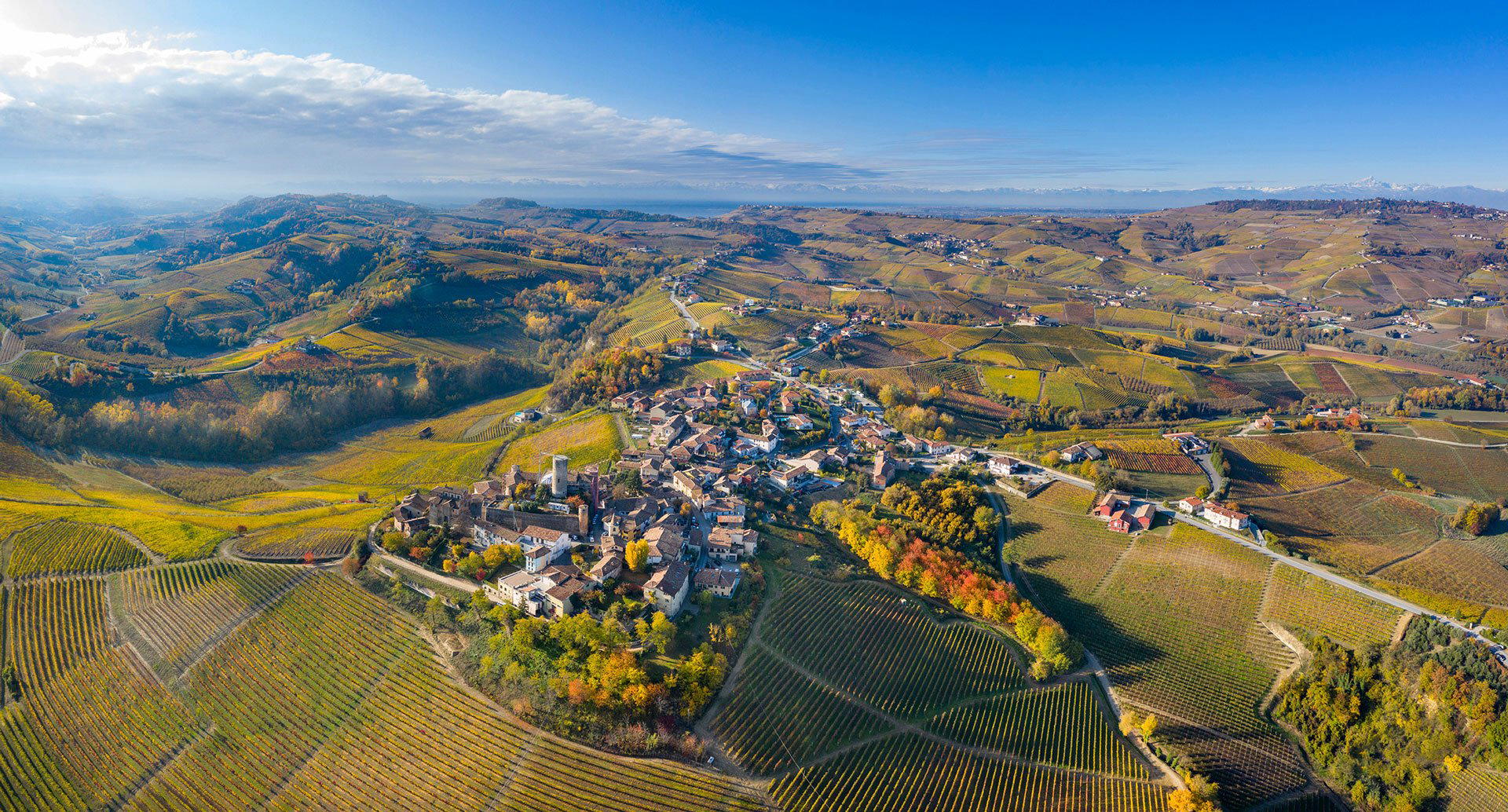
Arriving at the Arborina Relais on the ridge above La Morra, the visual logic is direct: vine rows in every direction, the Langhe hills folding into the distance, and the kind of stillness that makes you recalibrate your pace before you have even sat down. The modern, stylish dining rooms inside continue that register, composed, unhurried, designed to let the meal occupy the full centre of attention. This is not the type of room that competes with what is happening on the plate. It frames it.
Piedmont's dining culture has always placed ceremony above speed. Lunch stretches. Wine arrives in deliberate sequence. The dessert trolley is not a shortcut; it is a ritual in its own right. Osteria Arborina works within that tradition while adding a layer of culinary restlessness that distinguishes it from the more territory-locked restaurants in the same price tier. The neighbouring tables at Massimo Camia and Coltivare occupy the same €€€ bracket and share the same Piedmontese context, but they orient their menus differently, closer to the local canon. Arborina is more interested in what happens when culinary references cross.
The Structure of the Meal
The dining ritual here is built around thematic menus that take a specific era, region, or conceptual premise as their anchor. On the menu Michelin selected as representative, the reference point was the 1980s, a decade of bold flavour combinations and a certain theatrical confidence in fine dining that has since been largely edited out. A dish of mullet in vodka, noted specifically in the Michelin assessment, signals that the kitchen is willing to treat that period not with irony but with genuine interest, executing its codes rather than mocking them.
That approach to structure, choosing a governing idea and following it through the full sequence of dishes, requires a different kind of attention from the diner. You are not assembling a personal selection from a broad menu; you are entering a constructed argument. The pacing of courses, the sequencing of flavour intensity, and the logic of the dessert trolley all serve the same editorial premise. It is closer to the rhythm of Italian alta cucina as practised at places like Dal Pescatore in Runate or Enoteca Pinchiorri in Florence than it is to the shorter, sharper modern tasting formats gaining ground in cities like Milan or at international benchmarks like Frantzén in Stockholm.
The No-Waste Commitment
Across contemporary Italian fine dining, from Osteria Francescana in Modena to Uliassi in Senigallia, the conversation around ingredient integrity has shifted from a talking point to an operating principle. At Osteria Arborina, the no-waste focus is not presented as a constraint but as a compositional tool: using all parts of an ingredient introduces textural and flavour elements that conventional prep would discard, and that adds density to the thematic premise of each menu. Michelin's inspectors noted explicitly that the aim remains creating enjoyable dishes, which is a useful corrective to the risk such approaches sometimes carry of prioritising concept over pleasure.
The same principle operates in northern Italian kitchens with strict environmental mandates, most notably at Atelier Moessmer Norbert Niederkofler in Brunico, though the execution there is anchored to Alpine geography in a way that Arborina's cross-referencing approach is not. Both, however, treat waste reduction as a source of creative constraint rather than a marketing position, and that distinction shows in the food.
The Wine List and What It Signals
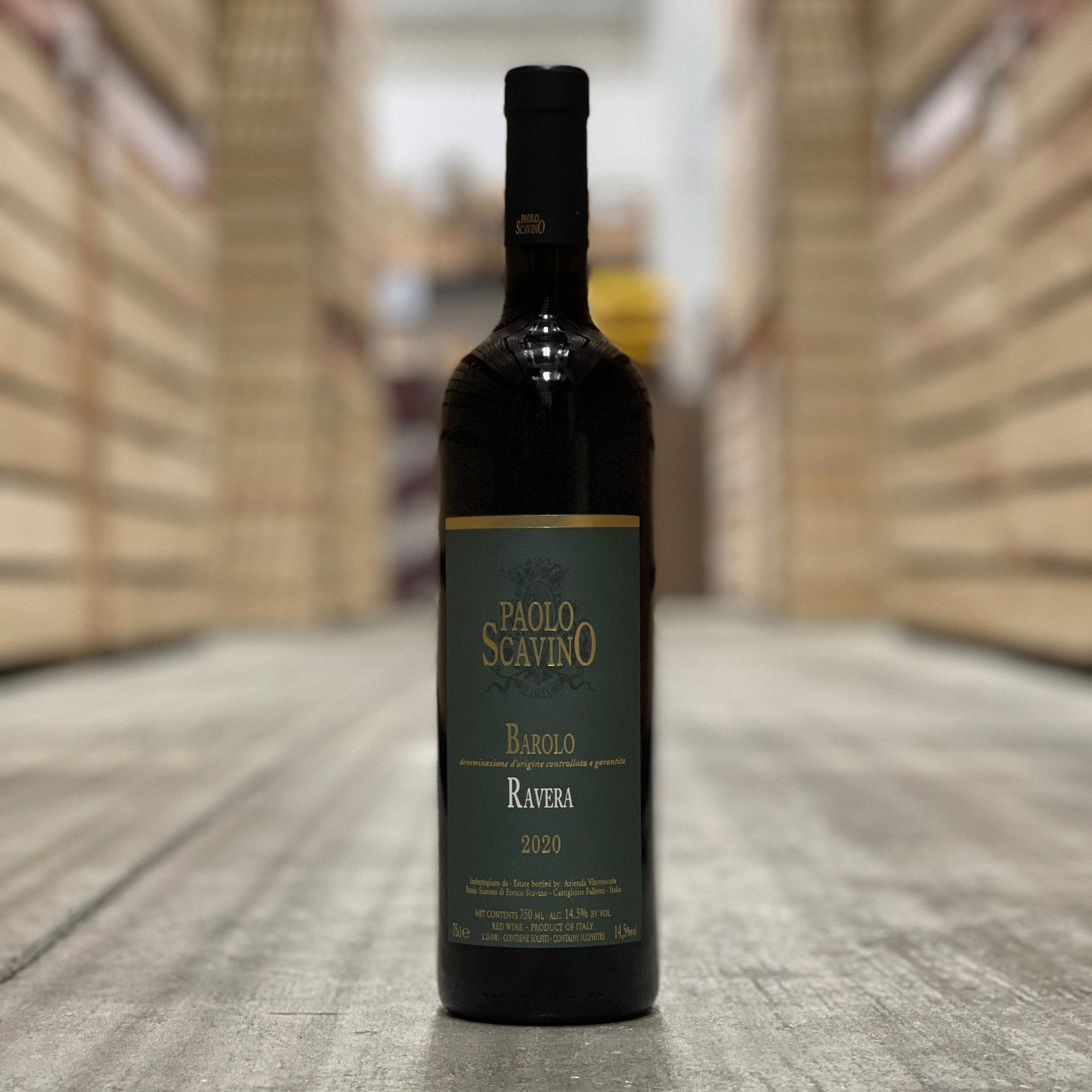
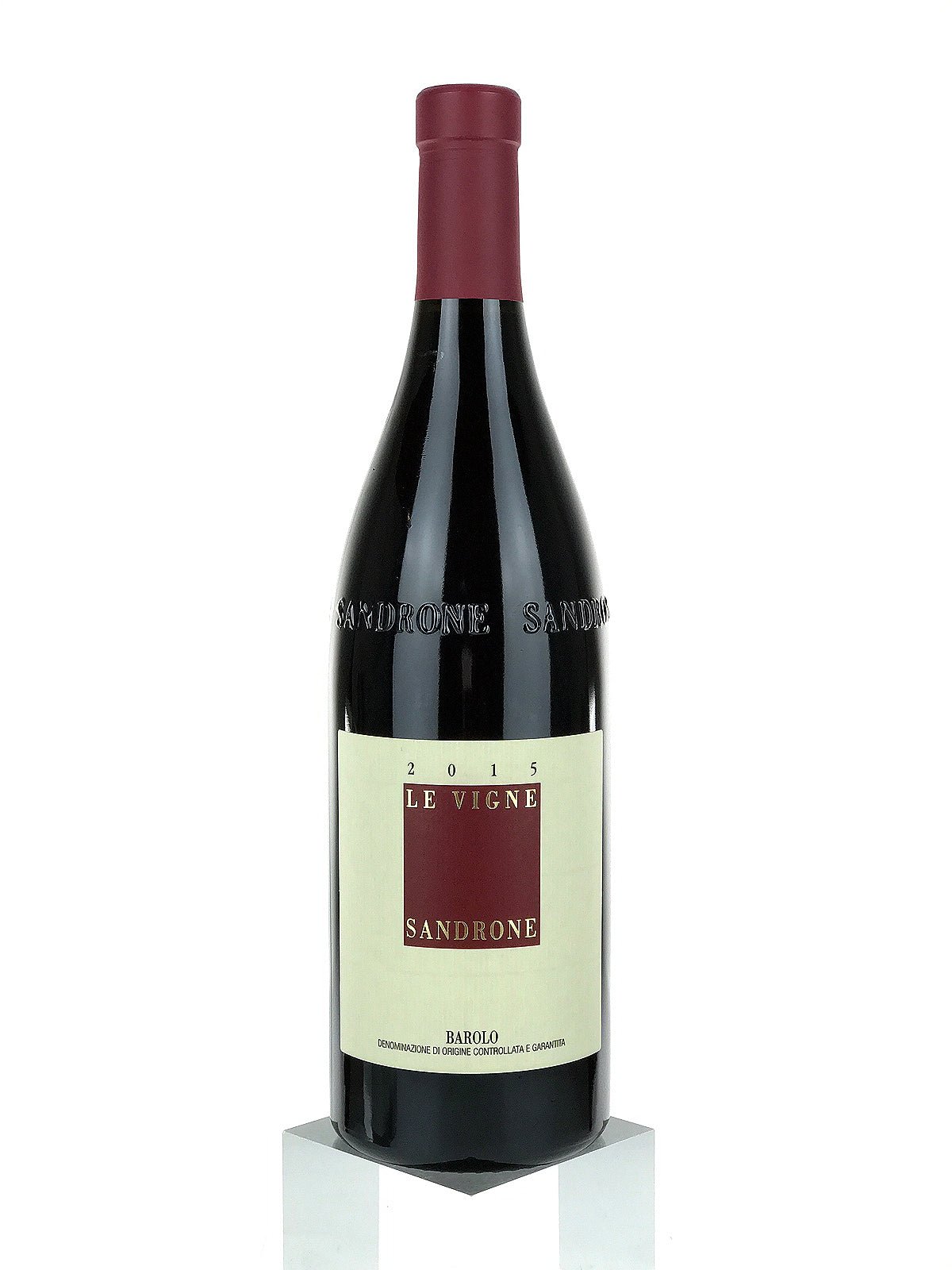
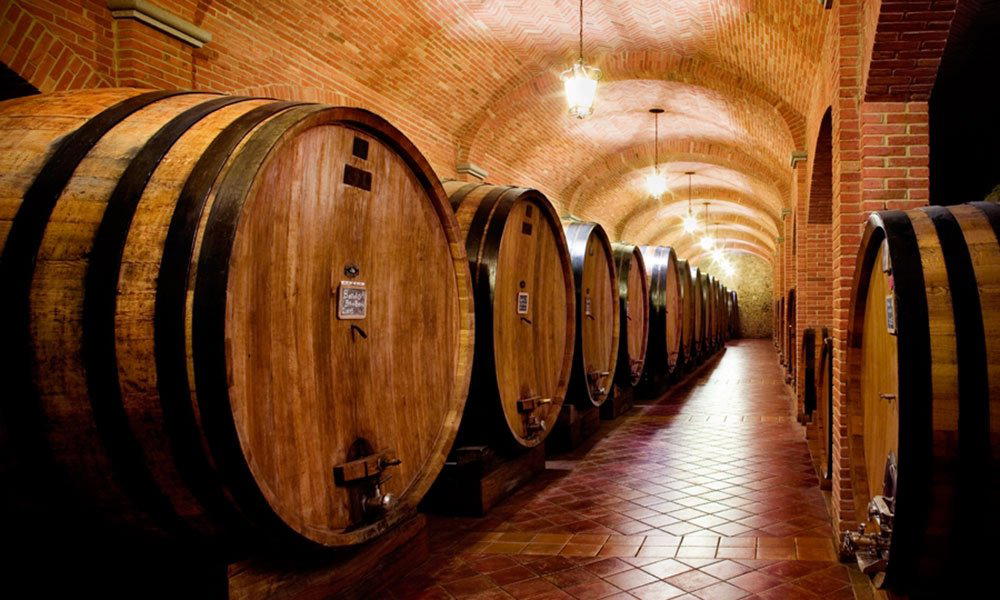
An extensive, classically organised wine list in La Morra is close to table stakes, the Langhe produces some of Italy's most cellared reds, and any serious restaurant in the zone is expected to represent the region's depth. What distinguishes Arborina's list, according to the Michelin assessment, is that it is both interesting and classically extensive, which suggests a selection that goes beyond the immediately local without abandoning it. For a menu that draws on multiple culinary traditions, that range matters: an 1980s-inspired dish that calls for something from further south needs a cellar that can meet it. The service, also noted as excellent, presumably knows how to navigate that list for guests who are not specialists.
Compared to the more casual pricing of Osteria Veglio in the same town, the wine programme here operates in a different register, oriented toward bottles that are purchased for a special evening rather than a neighbourhood meal. That is consistent with the broader hospitality context of the Arborina Relais, where the restaurant is not a standalone destination but part of a more extended stay proposition.
Where Arborina Sits in the Italian Modern Cuisine Conversation
Italy's modern cuisine category spans a wide range of ambitions. At one end, kitchens like Le Calandre in Rubano or Quattro Passi in Marina del Cantone operate with multiple Michelin stars and a clearly codified culinary identity. At the other, a Michelin Plate signals a kitchen that the guide considers worth eating in, technically sound, with a point of view, but not yet operating at the level of starred consistency. Osteria Arborina sits in that middle tier, which in the context of La Morra is a meaningful position: the town has serious competition, and a Plate in this geography implies a kitchen working with genuine rigour.
The more relevant editorial point is that southern Italian culinary training, applied in a Piedmontese setting, tends to produce a lighter hand with richness and a greater comfort with acid and marine flavours. That contrast is part of what makes the menu's reference-crossing feel earned rather than arbitrary. The mullet in vodka is not a Langhe dish. It doesn't pretend to be.
Planning Your Visit
Osteria Arborina sits within the Arborina Relais at Via Annunziata 27/B in La Morra, a short drive from the village centre and well-positioned for guests exploring the broader Langhe wine corridor. The price point at €€€ places it in the same tier as other serious dining options in the area; booking ahead is advisable given the relais context and limited dining room capacity. For guests staying in the hotel, the restaurant is the natural anchor for at least one full evening. For those visiting the area specifically to eat, the combination of the thematic menu format and the wine list makes it a considered choice for a longer, unhurried dinner rather than a quick lunch stop.
Among Piedmontese alternatives at the same price point in La Morra, Massimo Camia and Coltivare offer different editorial angles on the same terrain; Osteria Veglio is the entry-level counter-option for those who want local cooking without the formality.
Category Peers
Comparable venues nearby, for context on price, style, and recognition.
| Venue | Cuisine | Price | Awards | Notes |
|---|---|---|---|---|
| Osteria ArborinaThis venue — the venue you are viewing | Modern Italian Fine Dining | $$$$ | Michelin Plate | Not listed |
| Coltivare | Modern Piedmontese Fine Dining | $$$$ | Michelin Plate | borgata Brandini |
| Massimo Camia | Modern Piedmontese Fine Dining | $$$$ | Michelin 1 Star | La Morra |
| More e Macine | Traditional Piemontese Osteria | $$ | Not listed | La Morra historic centre |
| Osteria Veglio | Traditional Piedmontese Osteria | $$$ | Bib Gourmand | La Morra |
Recognition history
Dated appearances from independent guides and award organizations, with the underlying list record or original source where available.
Michelin Plate
Michelin
Michelin Plate
Michelin
Michelin Plate
Michelin
Continue exploring
More in La Morra
Restaurants in La Morra
Browse all →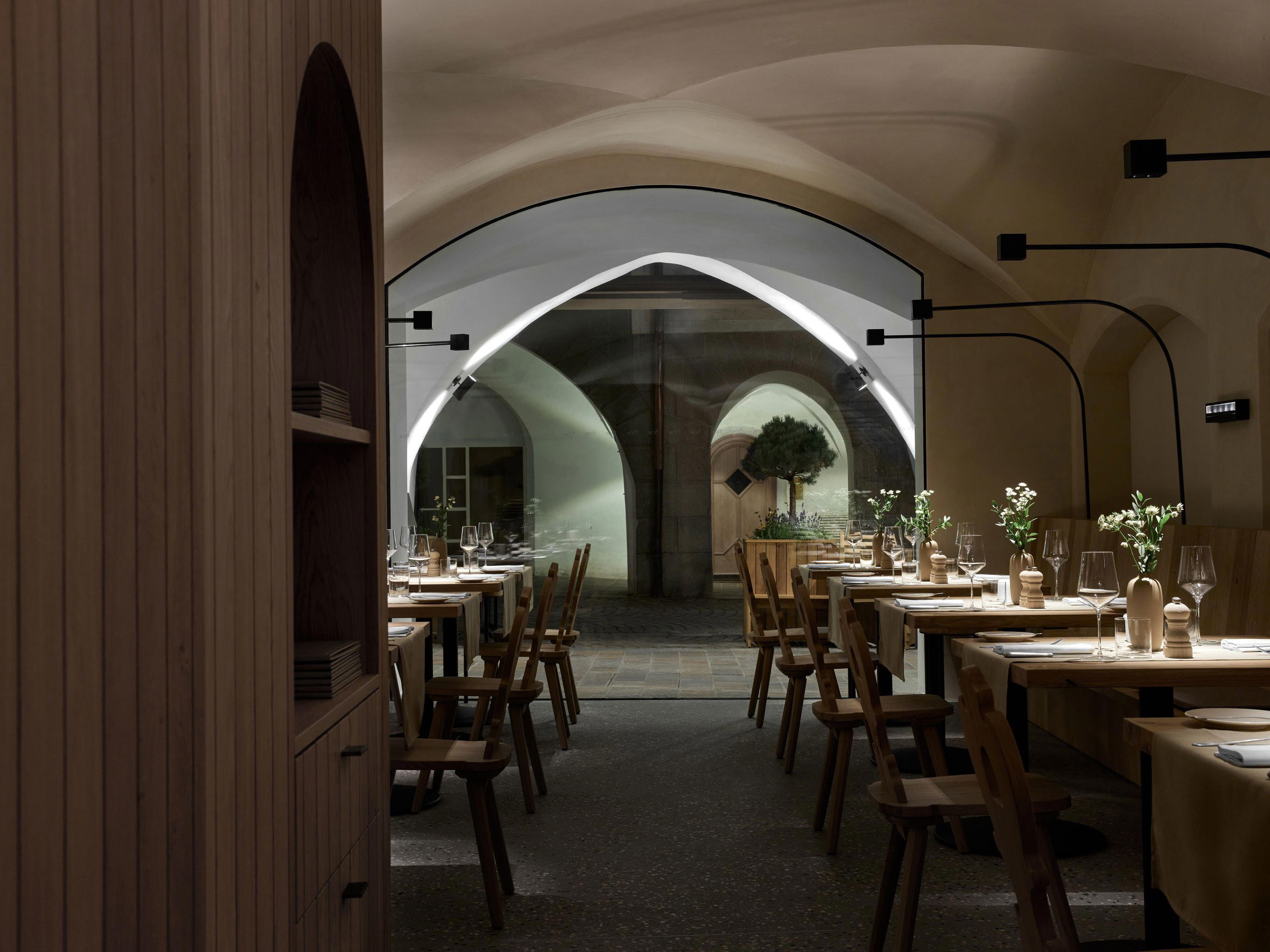
Bars in La Morra
Browse all →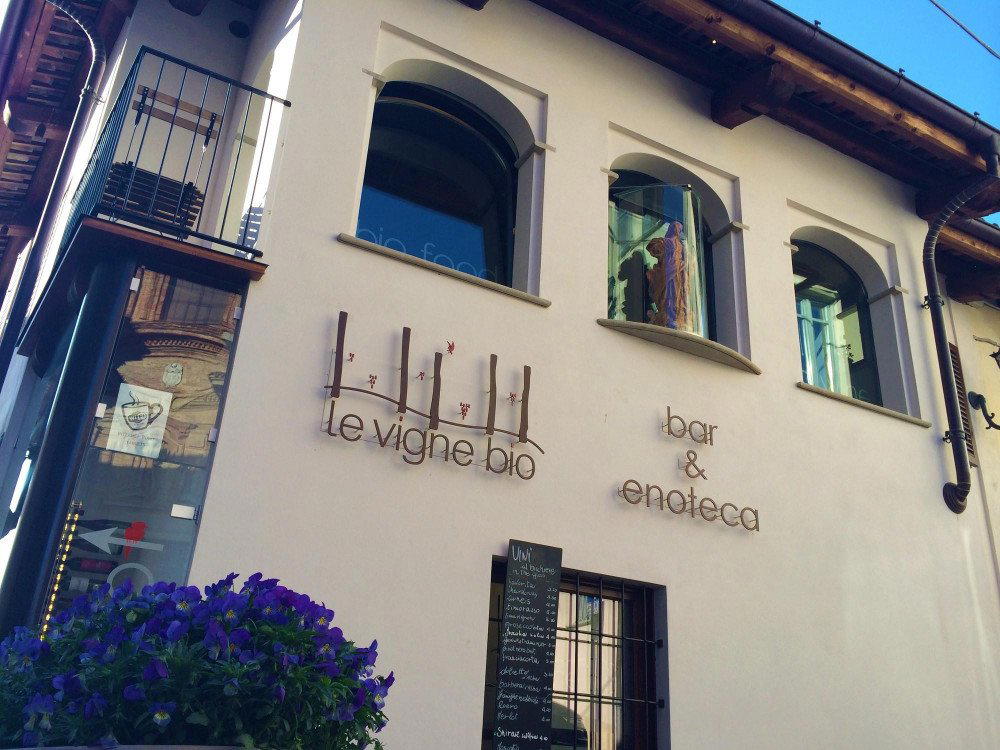
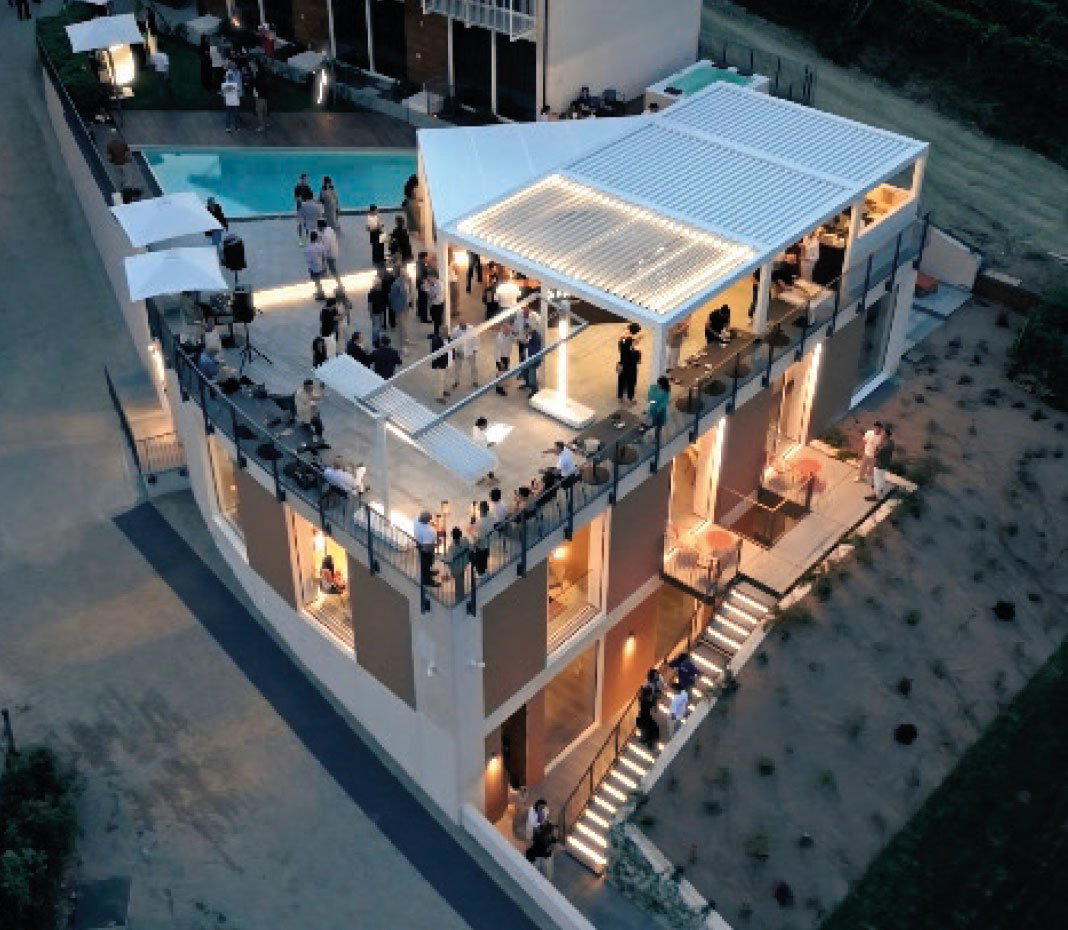
Hotels in La Morra
Browse all →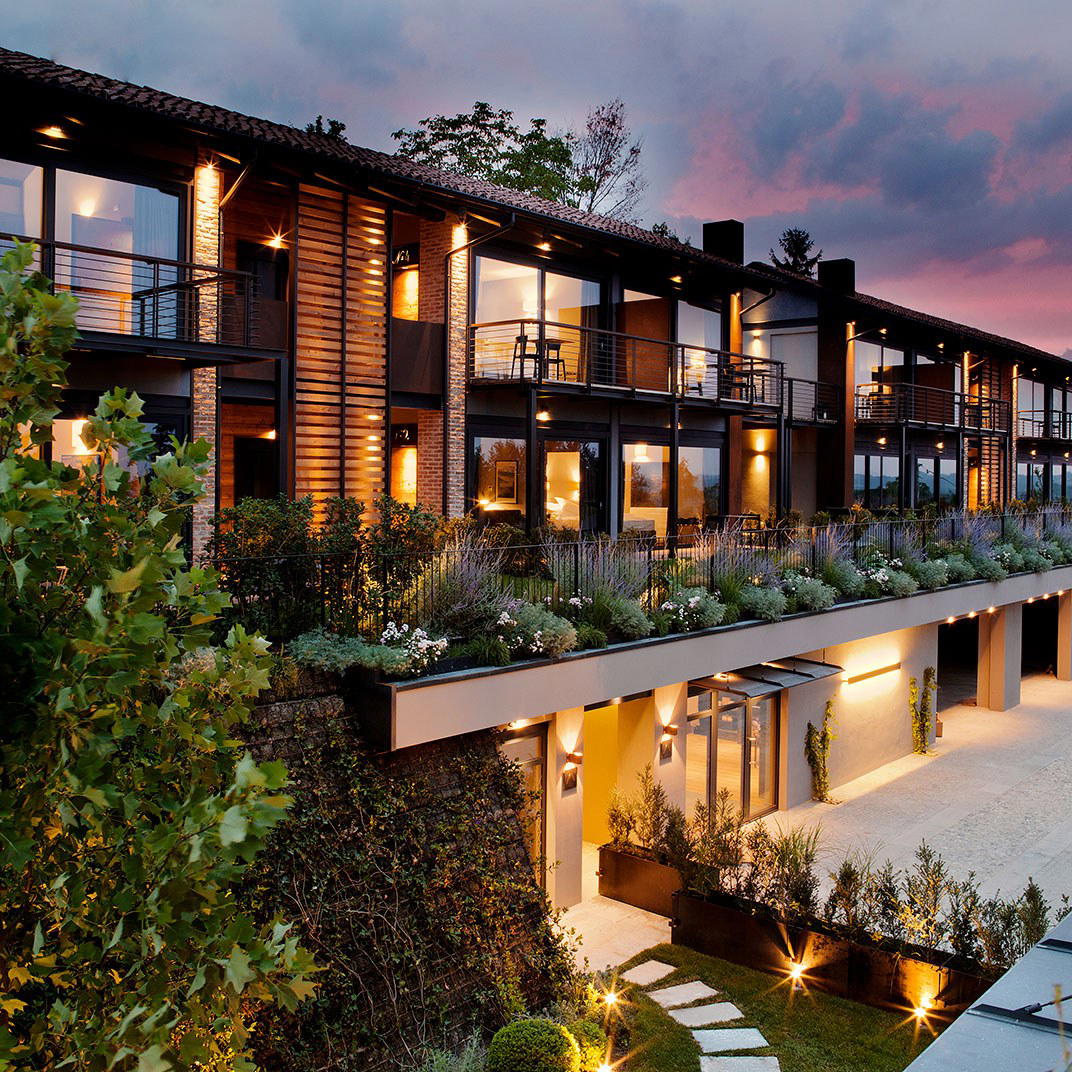
At a Glance
- Elegant
- Sophisticated
- Modern
- Scenic
- Date Night
- Special Occasion
- Celebration
- Open Kitchen
- Hotel Restaurant
- Panoramic View
- Wine Cellar
- Extensive Wine List
- Sommelier Led
- Local Sourcing
- Zero Waste
- Vineyard
Current opening hours
- Monday
- 7:30–9 PM
- Tuesday
- Closed
- Wednesday
- Closed
- Thursday
- 7:30–9 PM
- Friday
- 12:30–2 PM, 7:30–9 PM
- Saturday
- 9 AM–5 PM, 7:30–9 PM
- Sunday
- 12:30–2 PM, 7:30–9 PM
Hours can change for holidays and private events. Last verified .
Modern, stylish and elegant dining rooms with refined, contemporary design and meticulous attention to detail throughout.