Osawa

Our verdict
Osawa occupies a considered address on North Raymond Avenue in Pasadena's Old Town corridor, where Japanese culinary tradition meets Southern California's produce-driven ethos. The restaurant draws regulars from across the San Gabriel Valley and beyond, positioning itself within a small tier of Japanese-influenced dining rooms that take ingredient provenance as seriously as technique. For the area, it operates as a reliable reference point rather than a novelty.

Pearl is the En Primeur Club membership app — saves, bookings, and concierge access live there. Same editors, same standards.
- Address
- 77 N Raymond Ave, Pasadena, CA 91101
- Phone
- (626) 683-1150
- Hours
- Mon–Tue ClosedWed–Thu 11:30 AM–2:15 PM, 5–9 PMFri–Sat 11:30 AM–2:15 PM, 5–9:30 PMSun 11:30 AM–2:15 PM, 5–9 PM
- Website
- theosawa.com
- Directions
- Get directions
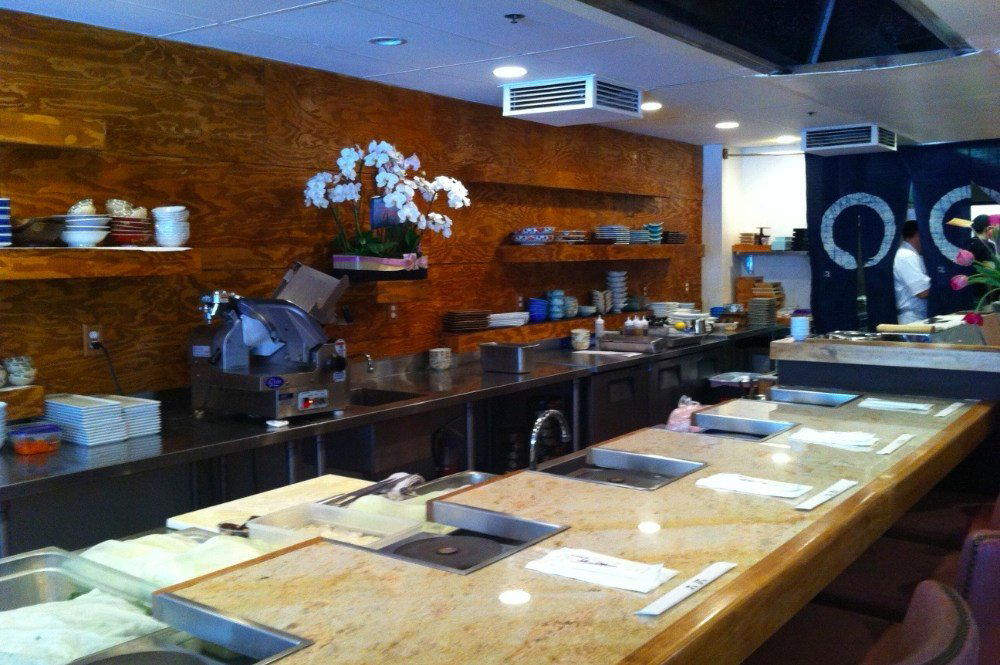
North Raymond Avenue and the Question of Provenance
Old Town Pasadena's restaurant row on North Raymond Avenue has, over the past decade, shifted from a strip defined by chain volume toward something more editorially interesting. The block now holds a handful of independently operated rooms where the sourcing conversation has become as central as the menu itself. Osawa, at 77 N Raymond Ave, sits within that shift. Its address places it in direct proximity to spots like Agnes Restaurant & Cheesery, which has built its identity around local dairy and fermentation, and Bone Kettle, which anchors Southeast Asian technique to California market availability. Together these rooms signal something broader about how Pasadena's dining character has evolved: the neighborhood now sustains venues that treat ingredient origin as a primary editorial statement rather than a footnote.
In Japanese culinary tradition, the concept of shun — eating ingredients at their seasonal peak — is not a contemporary marketing position. It is structural to how menus are built and how kitchens operate. What makes Osawa relevant to that tradition in a Southern California context is that the region's agricultural calendar is genuinely exceptional: coastal and inland growing zones within an hour of Pasadena produce citrus, stone fruit, brassicas, and alliums across windows that a kitchen sourcing with intention can exploit in ways that colder-climate restaurants cannot. The question worth asking of any Japanese-influenced room in the San Gabriel Valley is whether it is drawing on that proximity or simply importing from the same broadline distributors as everywhere else.
The Sourcing Argument in Southern California Japanese Dining
The San Gabriel Valley carries one of the highest concentrations of Japanese and Japanese-American food culture outside Japan itself. That density creates both opportunity and standard. Diners in the corridor between Pasadena and Monterey Park have access to ramen shops, izakayas, sushi counters, and kaiseki-adjacent rooms operating at varying price points and with varying commitments to sourcing quality. Within that competitive set, the restaurants that have sustained attention are those that use California's produce infrastructure rather than treating it as a secondary consideration to imported Japanese pantry staples.
Osawa's placement on North Raymond puts it in a peer conversation with rooms across the Valley and with the wider Los Angeles Japanese dining scene, where sourcing conversations are now standard. Across Los Angeles County, the better Japanese-influenced rooms have moved toward documented relationships with specific farms or fish suppliers, and toward seasonal rotations that reflect actual availability rather than a fixed menu built around year-round commodity sourcing. That directional shift is relevant context for what Osawa represents in Pasadena specifically, where the Japanese dining offering is thinner than in the SGV's eastern stretches but where the customer expectation around quality has risen alongside the neighborhood's overall dining maturity.
For the broader Pasadena scene, see our full Pasadena restaurants guide, which maps the neighborhood's current dining character across cuisine types and price tiers.
The Room and the Approach
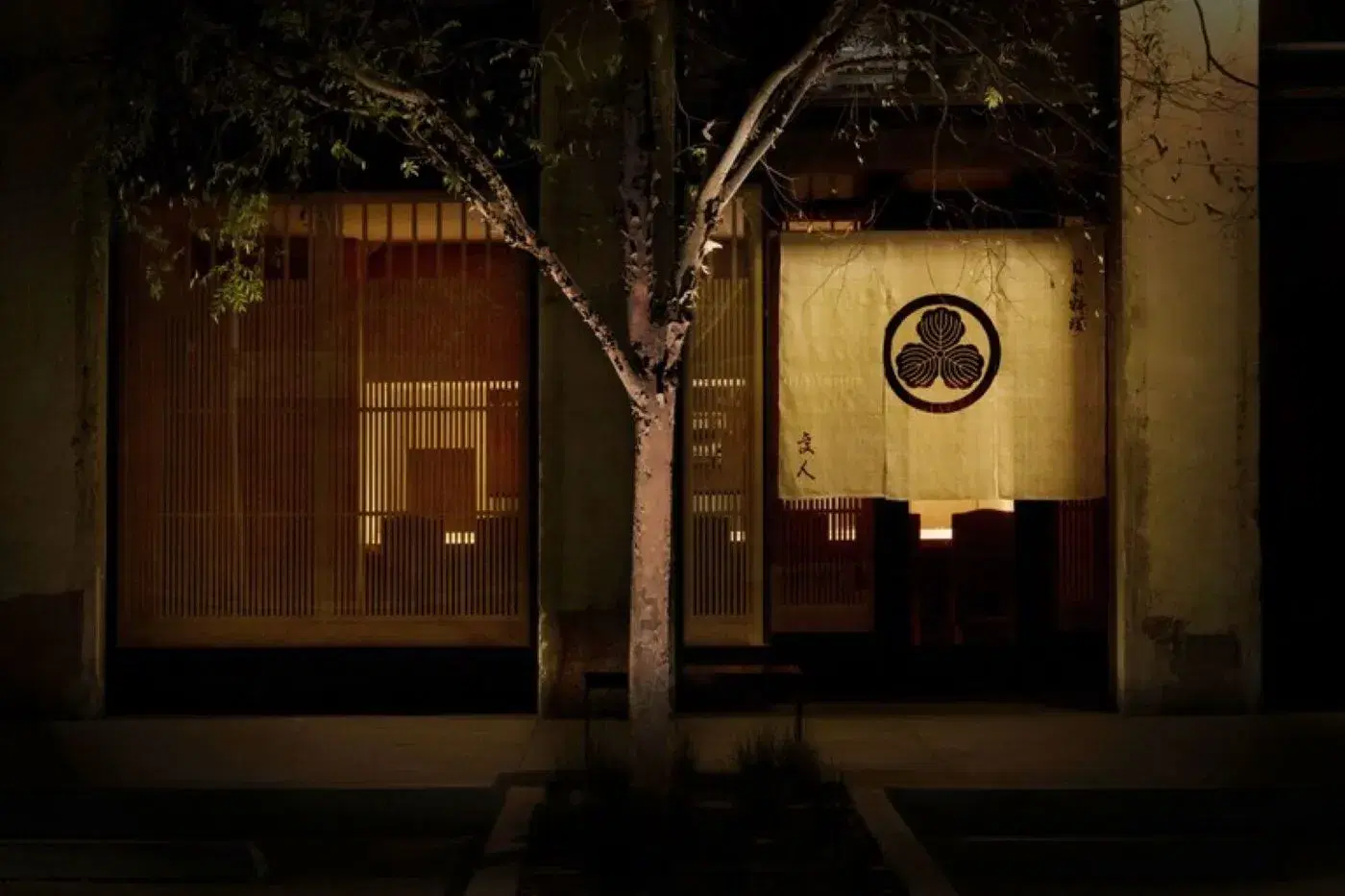
The physical experience of approaching Osawa on North Raymond is defined by the walkability that makes Old Town function as a dining destination at all. The street-level storefronts, the foot traffic from the nearby Metro Gold Line station, and the mix of independent operators and national tenants create a rhythm that is more urban than suburban Pasadena's reputation sometimes suggests. Walking toward the address, the scale is human: these are not hotel-lobby dining rooms or warehouse conversions, but commercial retail spaces adapted into considered restaurant environments.
Inside, Japanese-influenced dining rooms of this type in California have generally moved away from the minimalist-to-the-point-of-austere register that defined the category fifteen years ago, toward spaces that are warm in material and deliberate in detail without leaning into decorative excess. Whether through wood surfaces, restrained lighting, or a counter format that keeps kitchen activity visible, the better rooms in this category create an environment where the food remains the primary object of attention. That structural approach to atmosphere, where nothing competes with what arrives on the plate, is a design philosophy with deep roots in Japanese hospitality tradition.
Cocktails and the Drinks Question
Japanese-influenced bars and restaurants have contributed meaningfully to contemporary cocktail culture, particularly around the use of whisky, sake, and shochu as base spirits, and around techniques borrowed from Japanese bar culture: large-format ice, precise dilution, and a preference for restraint over layered sweetness. That influence is now visible across the American cocktail scene, from Kumiko in Chicago, which has built one of the most discussed Japanese-influenced drink programs in the country, to Bar Leather Apron in Honolulu, which applies similar precision in a Pacific context.
At Osawa, visitors consistently point to the cocktail program as a complement worth taking seriously rather than an afterthought. In the context of a Japanese-influenced room, that typically means drinks built around clean spirit expression, lower sugar profiles than California's cocktail norm, and an attentiveness to balance that aligns with the food's register. The specific cocktails guests recommend most frequently at Osawa reflect that orientation: drinks where technique is present but invisible, and where the ingredient does the communicating. Elsewhere in the national conversation on this format, venues like Jewel of the South in New Orleans, Julep in Houston, Superbueno in New York City, ABV in San Francisco, and The Parlour in Frankfurt each represent a different regional inflection of the same broader shift toward technical drink programs where provenance of spirit and ingredient matters as much as the recipe itself.
Why Diners Return to Osawa
Within the Pasadena dining set, the case for Osawa rests on a combination of factors that are relatively rare in a neighborhood where the dining options are good but not dense at the upper-middle tier. The Japanese-influenced format occupies a gap in the local market: Celestino Ristorante & Bar covers the Italian end of Old Town's more formal dining, and ANAYA'S Restaurant addresses a different culinary tradition entirely. Osawa is not competing with those rooms but occupying a separate position in the local dining week.
The repeat-visit dynamic in Japanese-influenced restaurants of this type tends to be driven by seasonal menu movement and by a kitchen discipline that rewards familiarity. Diners who understand the sourcing context get more from the experience than those who arrive without it, which is a mark of a room operating at a certain level of intentionality. That is the core reason guests return: the menu changes because the sources change, and the kitchen uses that variability as a feature rather than managing around it. In a city corridor where the San Gabriel Valley's agricultural output is right there to be used, that commitment is both logical and, among the full range of restaurants operating in Pasadena, relatively uncommon.
Planning Your Visit
Osawa is located at 77 N Raymond Ave in Old Town Pasadena, within walking distance of the Metro A Line (Gold) Del Mar station, making it accessible from downtown Los Angeles without a car. The North Raymond corridor has consistent parking in nearby structures for those driving from elsewhere in the San Gabriel Valley. As with the better-regarded rooms in this category across Los Angeles, booking ahead is advisable rather than optional, particularly for weekend dining. The address places Osawa among a cluster of independently operated restaurants that collectively make this stretch of Old Town the most editorially interesting part of Pasadena's current dining scene.
Frequently asked questions
Where is Osawa located?
Osawa is located at 77 N Raymond Ave, Pasadena, CA 91101, Pasadena.
Is Osawa in Pasadena good for a first visit if you're new to Japanese dining?
Old Town Pasadena's position at the western edge of the San Gabriel Valley places Osawa within one of the highest concentrations of Japanese and Japanese-American food culture outside Japan itself, which means the kitchen operates against a knowledgeable local standard. That context makes it a credible entry point for diners unfamiliar with Japanese cuisine, as the North Raymond Ave setting is approachable and walkable rather than intimidating. First-time visitors are generally well-served by asking staff for guidance on the menu's structure before ordering.
What cocktail do people recommend at Osawa?
Osawa sits within a broader Southern California Japanese dining scene that has drawn heavily from whisky, sake, and shochu traditions in its cocktail programs. Japanese-influenced bars in this category frequently highlight highballs and umami-forward builds.
Why do people go to Osawa?
Osawa draws diners from across the Pasadena area and greater Los Angeles because it occupies a specific gap on North Raymond Avenue: Japanese-influenced dining with a sourcing sensibility that the Old Town corridor does not otherwise cover at this level. The location is also genuinely walkable from the Metro A Line Del Mar station, which removes the parking calculus that shapes so many LA dining decisions. For the San Gabriel Valley's Japanese food community, that combination of accessibility and culinary focus carries weight.
Recognition history
Dated appearances from independent guides and award organizations, with the underlying list record or original source where available.
Opinionated About Dining Top Restaurants in North America Recommended
Opinionated About Dining
Continue exploring
More in Pasadena
Restaurants in Pasadena
Browse all →
Bars in Pasadena
Browse all →
Hotels in Pasadena
Browse all →

Wineries in Pasadena
Browse all →
Details
- Family
- Group Dining
- Casual Hangout
- Standalone
- A La Carte
Current opening hours
- Monday
- Closed
- Tuesday
- Closed
- Wednesday
- 11:30 AM–2:15 PM, 5–9 PM
- Thursday
- 11:30 AM–2:15 PM, 5–9 PM
- Friday
- 11:30 AM–2:15 PM, 5–9:30 PM
- Saturday
- 11:30 AM–2:15 PM, 5–9:30 PM
- Sunday
- 11:30 AM–2:15 PM, 5–9 PM
Hours can change for holidays and private events. Last verified .
Welcoming and homey, with a casual neighborhood Japanese restaurant feel.