Orsay

Michelin Plate
Our verdict
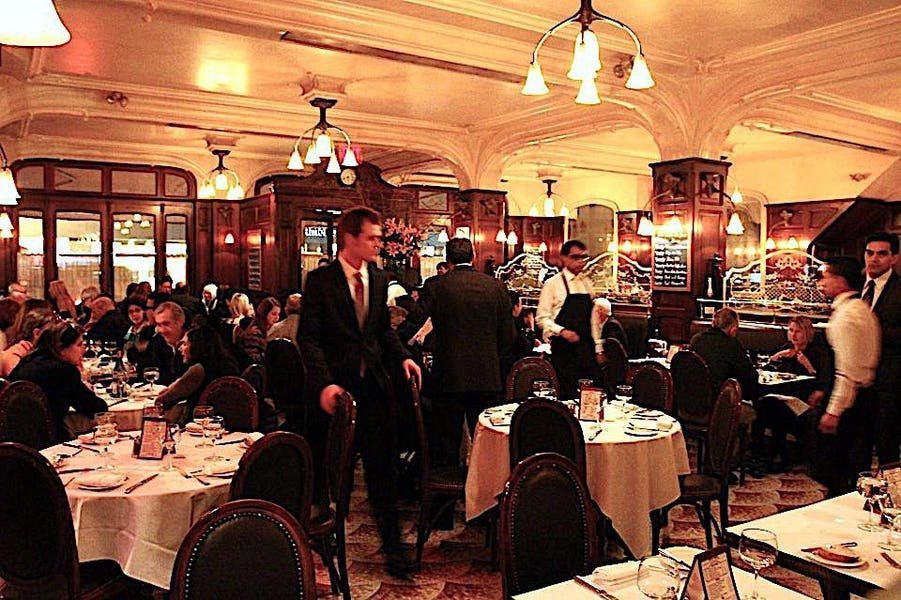
On Lexington Avenue in the Upper East Side, Orsay is among New York's more persuasive arguments for the French brasserie tradition — a $$$-range room with art nouveau styling, Michelin Plate recognition, and a menu anchored in the kind of classic preparations that rarely need reinvention. Chicken liver mousse, artichaut vinaigrette, and profiteroles arrive with the confidence of a kitchen that has no interest in updating what already works.

Pearl is the En Primeur Club membership app — saves, bookings, and concierge access live there. Same editors, same standards.
- Address
- 1057 Lexington Ave, New York, NY 10021, United States
- Phone
- (212) 517-6400
- Hours
- Mon–Fri 12–9:30 p.m.Sat–Sun 11:30 a.m.–9:30 p.m.
- Website
- orsayrestaurant.com
- Directions
- Get directions
- Booking
- Book on Resy
The menu
What to order
- Steak frites
- Escargots
- Ile flottante
- Steak au poivre
A Brasserie Tradition That Predates the Trend
The French brasserie format has had a complicated decade in New York. At the ambitious end, chefs at Le Coucou have reimagined classic French technique for a contemporary downtown audience. At the institutional end, Daniel and Café Boulud operate in the high-formal register that the Upper East Side has long supported. What sits between those poles — the confident, unhurried, classically French brasserie de luxe — is rarer than it should be.
The brasserie as a format carries specific obligations. It should feel neither hurried nor precious. The menu should be legible to someone arriving from Paris without a translation. The service should be efficient without reading as transactional. These are not low bars, and they explain why so many attempts at the format in New York, where real estate costs compress margins and novelty is rewarded, have drifted toward either pastiche or compromise. Orsay has avoided both, which puts it in a smaller category than the abundance of French signage on Manhattan streets might suggest.
The Room and What It Signals
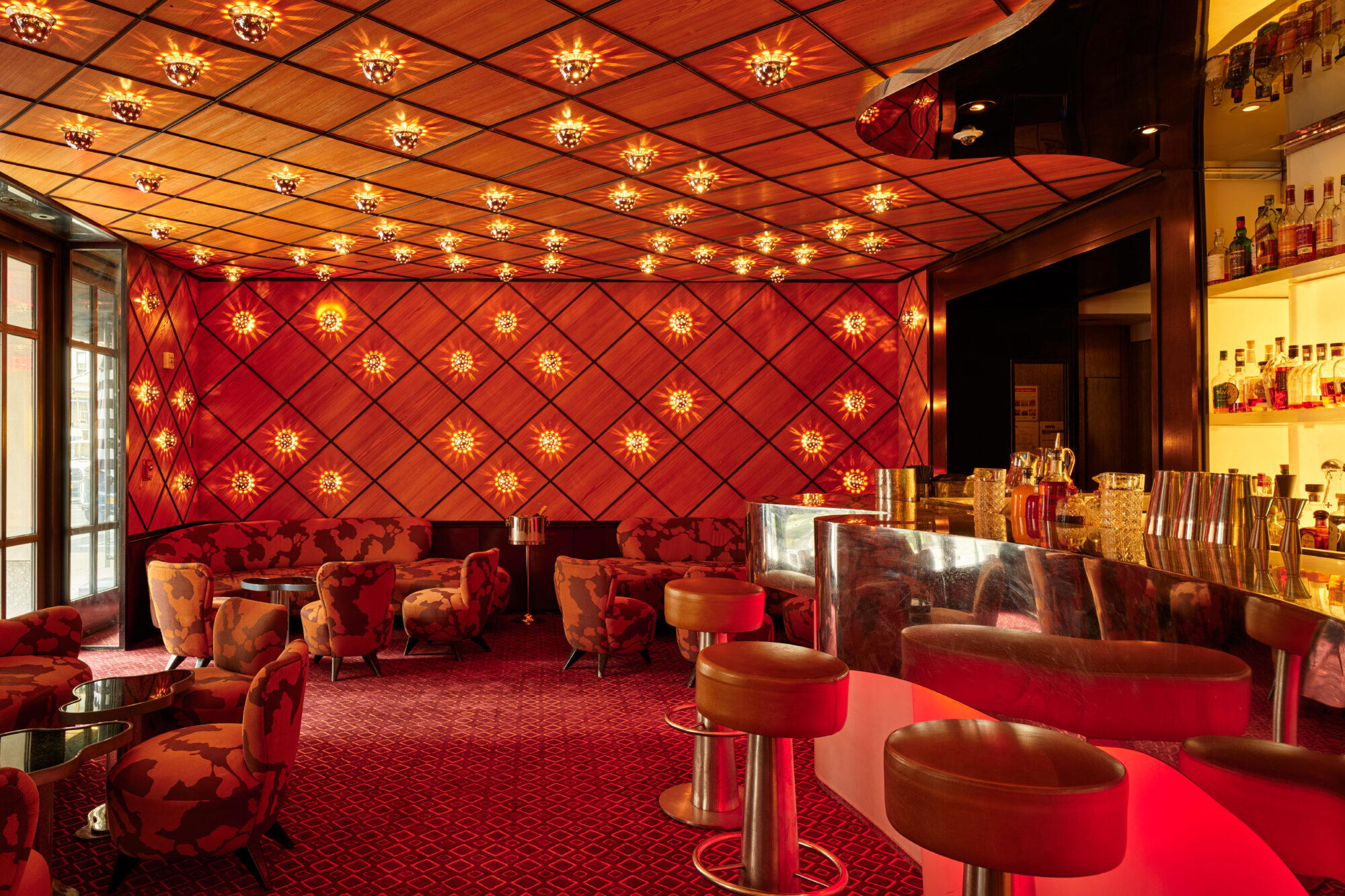
Art nouveau interiors in New York restaurants are nearly always imported aesthetics, design decisions made to create atmosphere rather than inherited from the building's history. What separates the persuasive examples from the decorative ones is whether the room actually disciplines the operation happening inside it. At Orsay, the styling, curved lines, period detail, the visual grammar of the 7th arrondissement, sets expectations that the kitchen and floor staff are then required to meet. The result is a coherence that the more aggressively contemporary French rooms in New York, places pushing ingredient-driven updates or tasting-menu formats, do not attempt. This is a room that asks to be taken seriously as a brasserie, not as an interpretation of one.
The comparison with Benoit, Alain Ducasse's brasserie transplant a few miles south in Midtown, is instructive. Both operate within the brasserie tradition and hold Michelin recognition. But where Benoit carries the weight of a named chef's brand identity, Orsay operates without that scaffolding, its identity comes from the room, the regulars, and the cooking itself.
Provenance on the Plate: What French Tradition Actually Means
The editorial angle on French brasserie cooking in New York often focuses on what has been updated or reinterpreted. The more interesting question, applied to a place like Orsay, is what the tradition actually demands when it is not being updated. The answer involves a specific relationship between ingredient and preparation that is less about sourcing theater and more about knowing when restraint is the skill.
Chicken liver mousse is a useful test case. Prepared correctly, it requires liver of consistent quality, proper seasoning, and the patience to achieve a texture that reads as silk rather than paste. There is no technique to hide behind, no garnish elaborate enough to compensate for a weak base ingredient. The same logic applies to artichaut vinaigrette, the artichoke either holds its structure and absorbs the dressing properly, or it does not. These are preparations that reward confident sourcing and penalize shortcuts. Orsay's menu makes them the point, which is itself a position.
Profiteroles close the meal on similar terms. The choux must be right, the filling cold, the chocolate sauce present in the correct proportion. This is the kind of dish that French kitchens have been executing for generations, and its continued presence on serious menus in New York reflects a conviction that the canon contains more to say than the trend toward deconstruction might suggest. The French kitchens taking the classical repertoire seriously, from Hotel de Ville Crissier in Switzerland to Sézanne in Tokyo, demonstrate that this commitment produces results that hold up against any more fashionable approach.
The Upper East Side Context
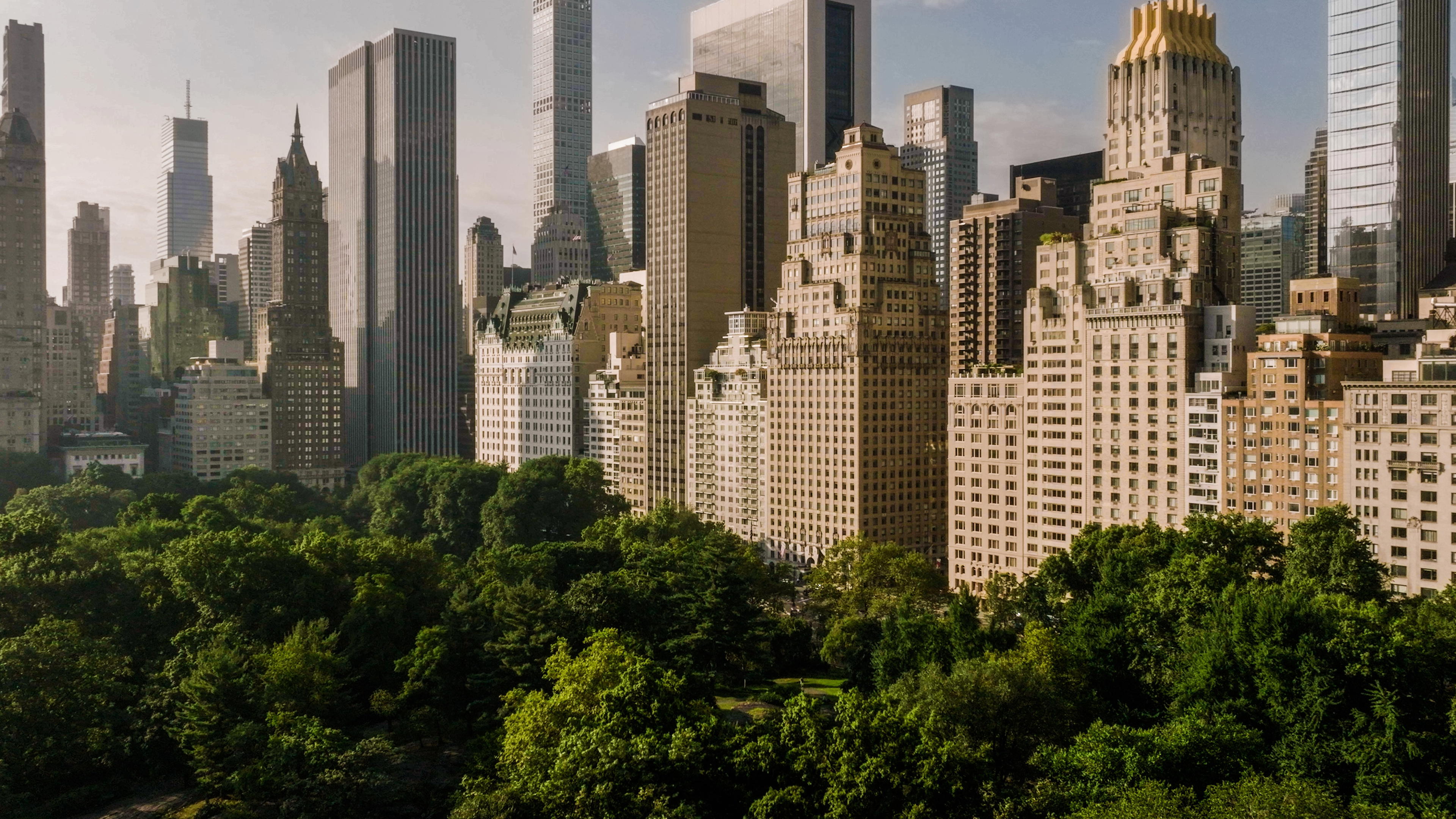
The Upper East Side supports a specific kind of restaurant patron: the repeat visitor who measures quality by consistency rather than novelty, who uses a room for real occasions rather than social content, and who responds to service that recognizes faces without requiring a reservation note to prompt it. Orsay's floor, managed with what observers consistently describe as graceful efficiency toward a sophisticated crowd, is calibrated for that patron.
This distinguishes it from the French restaurants operating in lower Manhattan or the tasting-menu tier. Le Coucou in SoHo draws from a different pool of regulars; Per Se and Eleven Madison Park operate in the $$$$-range register where the occasion itself is the product. Orsay at the $$$ price point sits in a tier where the food and room must justify repeat visits without the occasional-event framing that tasting menus provide.
The Upper East Side also places Orsay within walking distance of some of New York's more demanding French comparisons. Chez Fifi operates nearby in a lighter register. Café Boulud on East 76th Street commands a higher price point and a named-chef reputation.
Where Orsay Sits in the Wider French Conversation
New York's French restaurant tier spans more range than most cities can match. At the apex, Daniel and Le Bernardin represent decades of three-star-level ambition; at the neighbourhood end, casual bistros and wine bars handle the everyday French appetite. Orsay operates in the formal-but-accessible middle register, a category that American cities have historically underserved compared to Paris, where the grand brasserie is infrastructure rather than a niche.
That broader American pattern makes what Orsay does more meaningful than a simple venue assessment suggests. From Emeril's in New Orleans to The French Laundry in Napa to Alinea in Chicago, the restaurants that have defined American fine dining have mostly pushed the format forward rather than committed to holding a classical position. The brasserie tradition, its specific weight, its specific pleasures, requires a room willing to resist that pull. Orsay resists it.
For readers building a fuller picture of New York's dining options, see our full New York City restaurants guide, as well as guides covering hotels, bars, wineries, and experiences across the city. For those comparing high-end French cooking across American cities, Lazy Bear in San Francisco, Providence in Los Angeles, and Single Thread Farm in Healdsburg each offer a different angle on what serious cooking looks like outside New York.
Know Before You Go
- Address: 1057 Lexington Avenue, New York, NY 10021
- Cuisine: French brasserie
- Price range: $$$
- Recognition:
- Neighbourhood: Upper East Side, Manhattan
- Booking: Contact the restaurant directly or check availability via standard reservation platforms
Frequently asked questions
What's the overall feel of Orsay?
What do regulars order at Orsay?
Is Orsay child-friendly?
Reputation First
A small set of peers for context, based on recorded venue fields.
| Venue | Cuisine | Price | Awards | Notes |
|---|---|---|---|---|
| OrsayThis venue — the venue you are viewing | Classic French Brasserie | $50–100 | Michelin Plate | Not listed |
| Le Bernardin | French Seafood Fine Dining | $300–500 | 3 Michelin Stars · World's 50 Best #13 | French, Seafood |
| Atomix | Modern Korean Tasting Menu | $300–500 | 2 Michelin Stars · World's 50 Best #7 | Modern Korean, Korean |
| Masa | Seasonal Hokkaido Tempura Omakase | $150–200 | Tabelog 100 #34 | Sushi, Japanese |
| Per Se | French Fine Dining Tasting Menu | $300–500 | 3 Michelin Stars · World's 50 Best #40 | French, Contemporary |
| Eleven Madison Park | Contemporary Plant-Based Fine Dining | $300–500 | 3 Michelin Stars · World's 50 Best #4 | French, Vegan |
Recognition history
Dated appearances from independent guides and award organizations, with the underlying list record or original source where available.
Michelin Plate
Michelin
Full recognition history (2 entries)
Michelin Plate
Michelin
Continue exploring
More in New York City
Restaurants in New York City
Browse all →
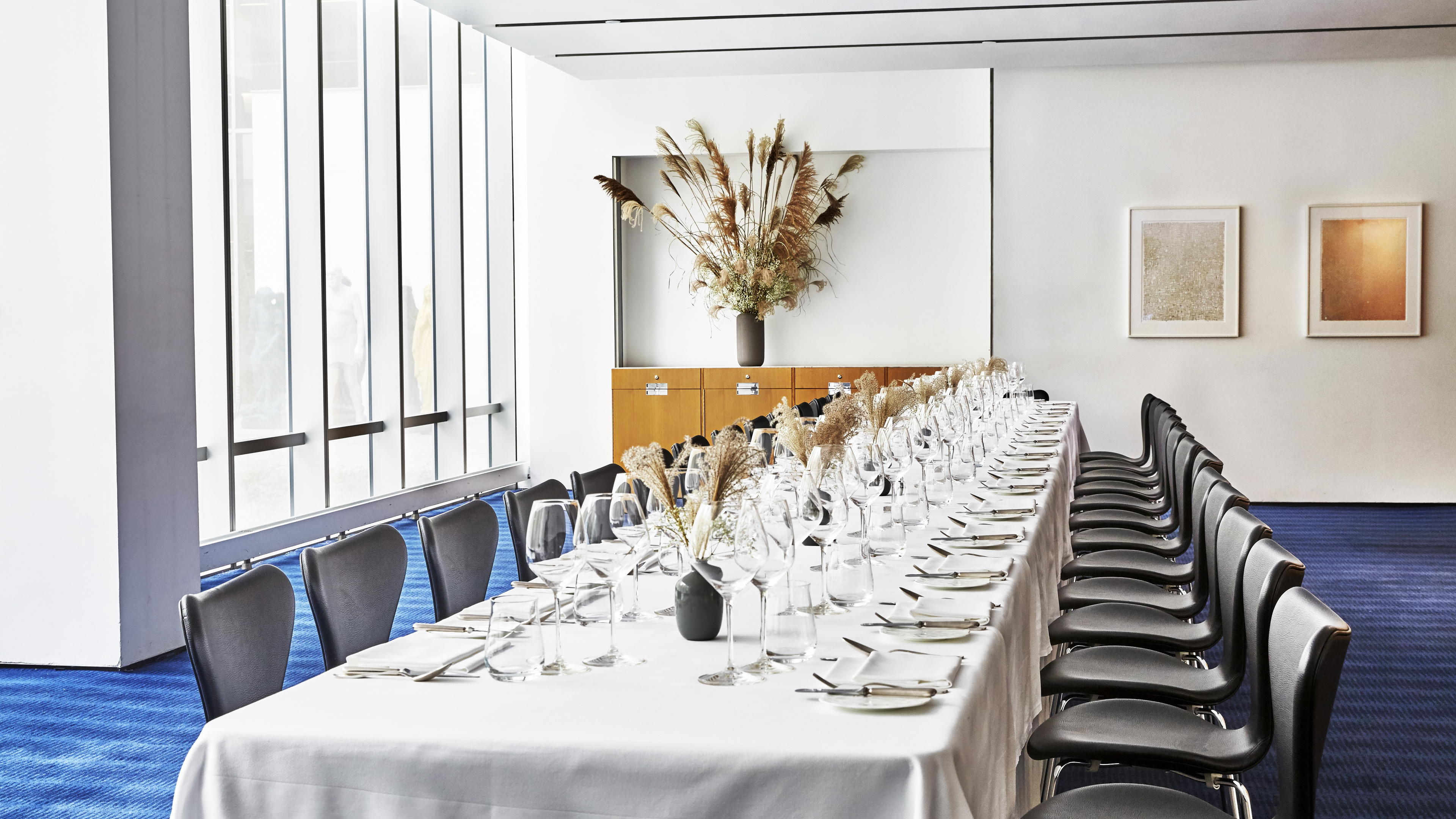
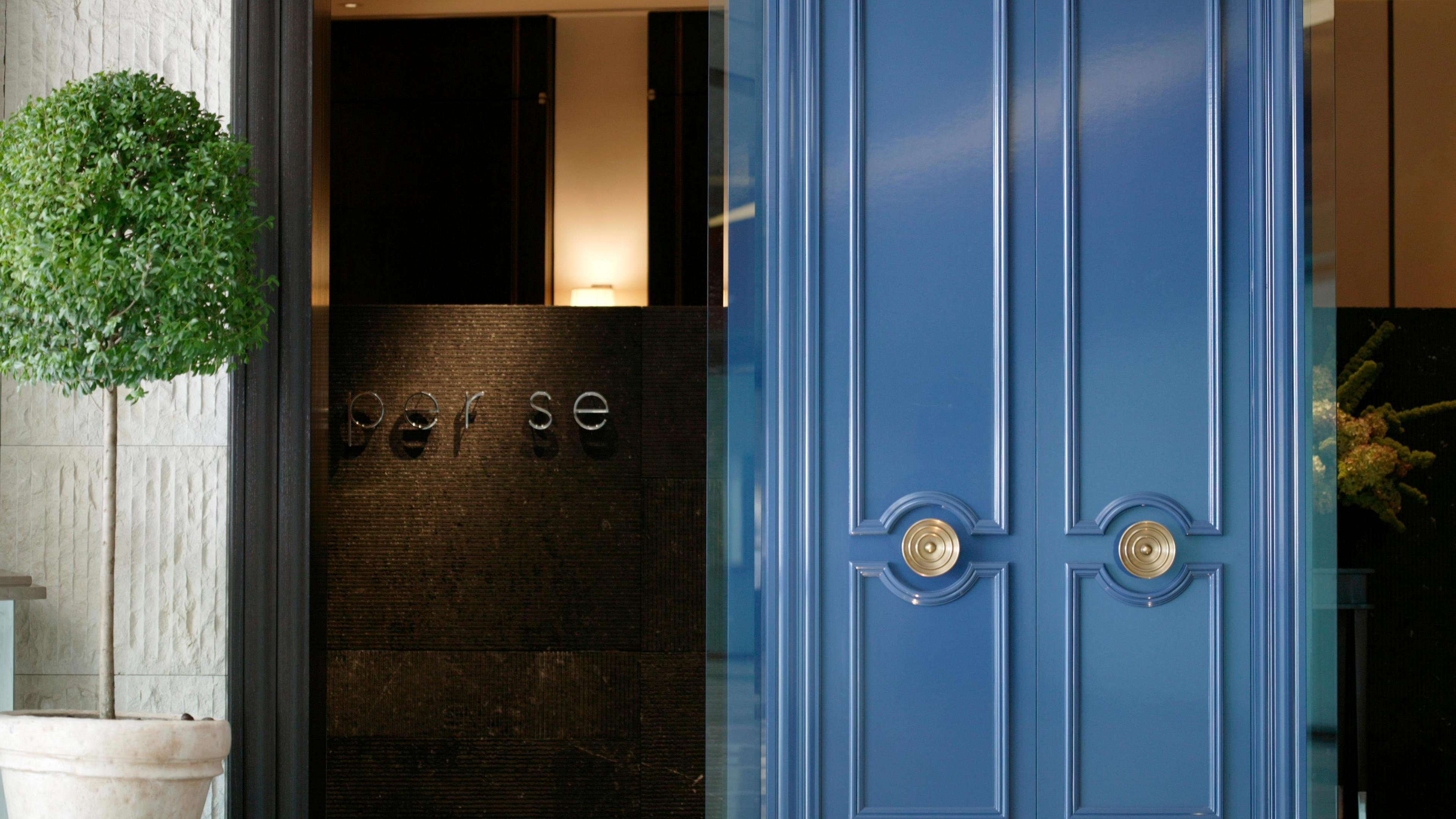
Bars in New York City
Browse all →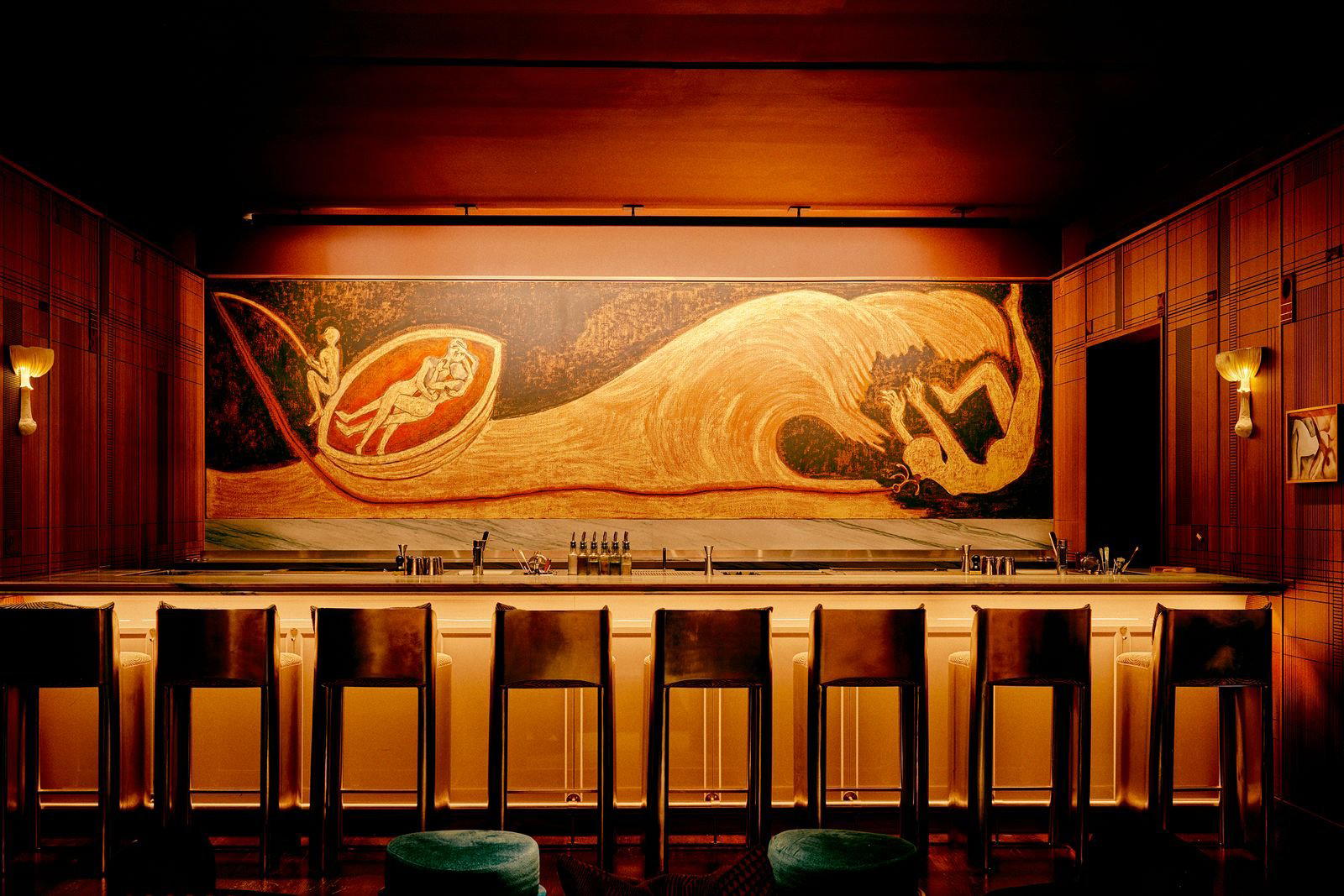
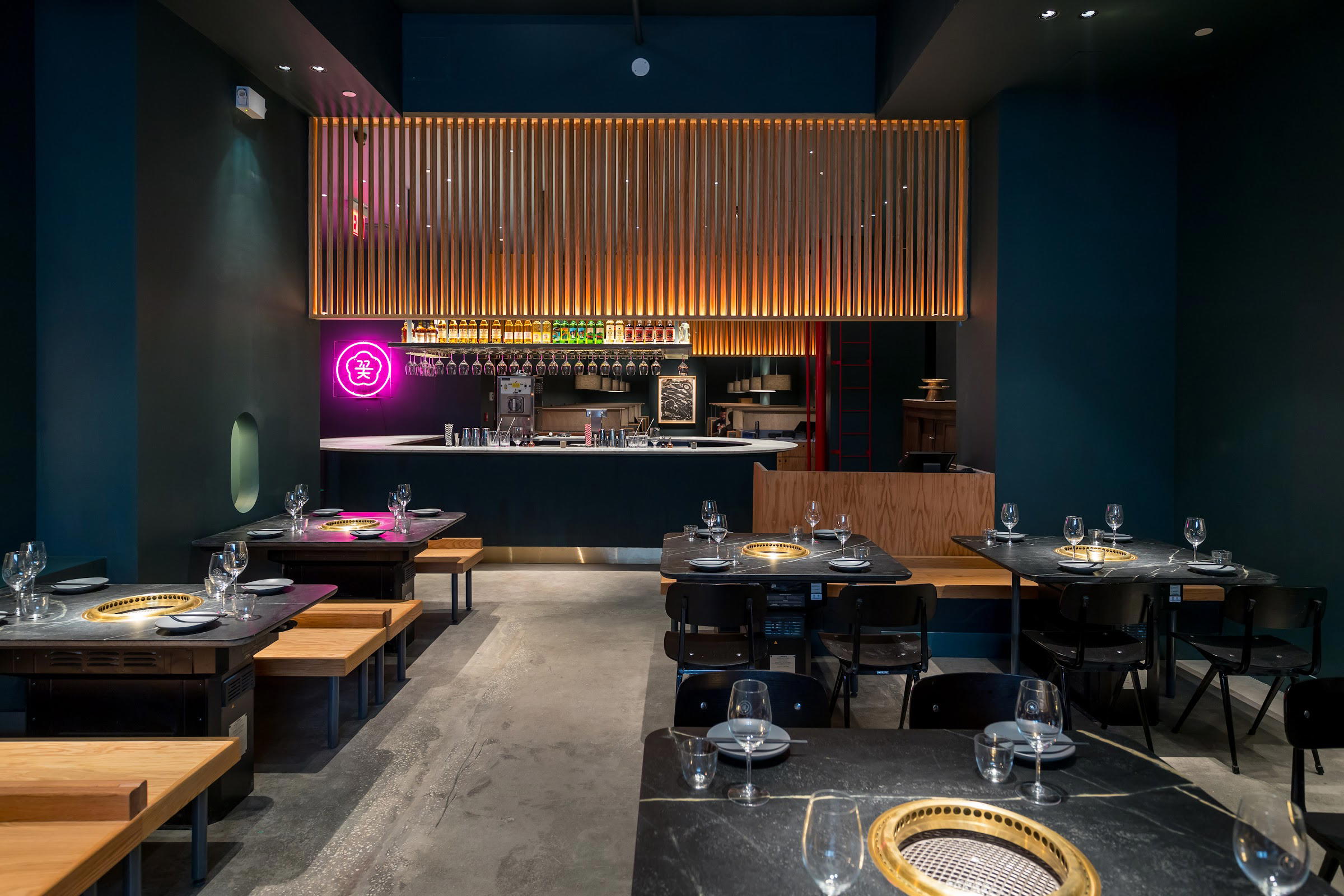
Hotels in New York City
Browse all →




Details
- Elegant
- Classic
- Sophisticated
- Intimate
- Date Night
- Business Dinner
- Family
- Special Occasion
- Brunch
- Open Kitchen
- Extensive Wine List
- A La Carte
- Prix Fixe
- Vegetarian Friendly
Current opening hours
- Monday
- 12–9:30 p.m.
- Tuesday
- 12–9:30 p.m.
- Wednesday
- 12–9:30 p.m.
- Thursday
- 12–9:30 p.m.
- Friday
- 12–9:30 p.m.
- Saturday
- 11:30 a.m.–9:30 p.m.
- Sunday
- 11:30 a.m.–9:30 p.m.
Hours can change for holidays and private events. Last verified .
Warm and elegant with beautiful woodwork, art nouveau styling, and a lively yet sophisticated atmosphere.