Oori Rice Triangles
Our verdict
On Solano Avenue in Albany, California, Oori Rice Triangles brings the Japanese onigiri tradition to a neighborhood better known for its eclectic mix of independent restaurants. Regulars return for a format that is simultaneously familiar and specific: rice shaped and filled with intention, suited to a quick lunch or a considered afternoon stop. It occupies a distinct lane on a street that spans everything from Italian trattorias to Korean bowls.

Pearl is the En Primeur Club membership app — saves, bookings, and concierge access live there. Same editors, same standards.
- Address
- 1247 Solano Ave, Albany, CA 94706
- Hours
- Daily 11 AM–9 PM
- Website
- ooritriangles.com
- Directions
- Get directions
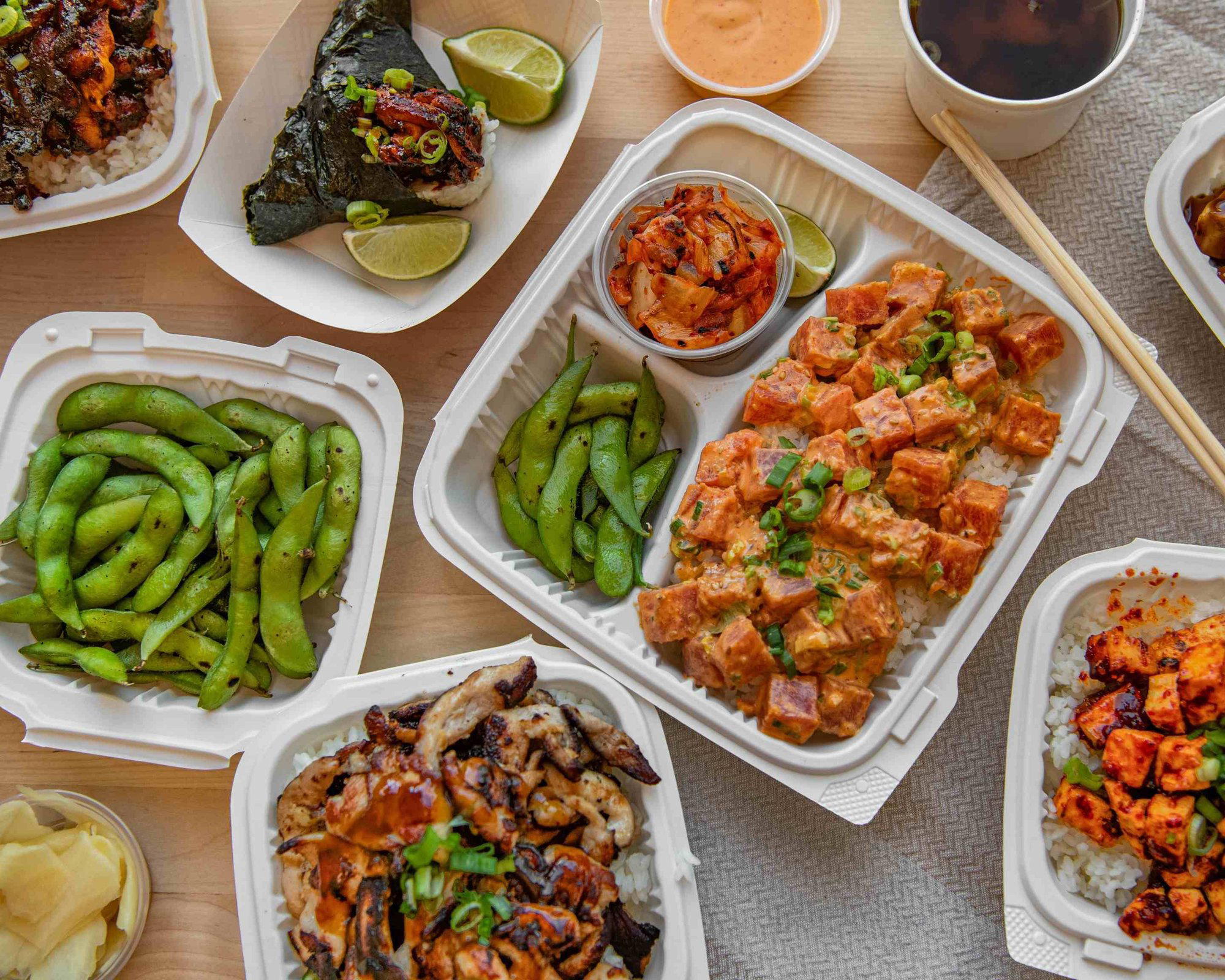
The menu
What to order
- Spicy Ahi Tuna Taco
- Short Rib Triangle
- Chicken Teriyaki Triangle
- Grilled Salmon Triangle
What Solano Avenue Tells You Before You Walk In
Solano Avenue runs through Albany like a digest of what independent dining in the East Bay actually looks like: Italian family restaurants that have held the same corner for decades, newer Korean concepts drawing younger crowds, and a handful of spots that resist easy categorization. Oori Rice Triangles, at 1247 Solano Ave, belongs to that last group. The onigiri format it works within is not new, but it remains genuinely underrepresented in the Albany and Berkeley corridor, where ramen and more elaborate Japanese dining formats have historically drawn more attention. The format is specific and the audience it builds is specific too.
In cities like New York, the onigiri revival has been well-documented, with dedicated counters appearing in neighborhoods with concentrated Japanese-American populations and food press interest running high. The Bay Area has been slower to formalize this particular tradition as a standalone dining proposition, which makes a dedicated onigiri address on Solano Avenue a more considered choice than it might appear. The rice triangle sits at the intersection of convenience and craft: the technique is exacting, the ingredients matter, and the result is meant to be eaten at close range and without ceremony. That tension between precision and casualness is what defines the format at its finest.
The Regulars and What They Know
Venues that build a loyal returning clientele around a compact format tend to do so because the format rewards repetition. With onigiri, that repetition has a logic: regulars learn which fillings hold leading, which rice-to-filling ratios satisfy at different times of day, and how the texture shifts depending on how recently the rice was pressed. These are not abstract considerations. Rice that has sat too long loses the slight resistance that makes a well-made onigiri worth the attention. Regulars at a dedicated shop understand this intuitively, and the leading shops operate with that knowledge as a given.
Oori's position on Solano places it within walking distance of a residential catchment that skews toward the kind of eater who tracks this sort of thing. Albany and the adjacent Berkeley neighborhoods have a population that has lived with Japanese grocery stores and Japanese-influenced restaurants long enough to have baseline literacy with the format. That context matters when thinking about who returns, and why. The unwritten menu at a place like this is essentially a map of the regulars' preferences: the fillings that sell out first, the time of day when the rice is freshest, the order combinations that regulars have worked out through trial.
For visitors arriving from outside the immediate neighborhood, the context is useful. Solano Avenue rewards on-foot exploration, and Oori sits within a stretch that also includes Caffe Italia Ristorante and Café Capriccio, both of which represent the longer-established Italian dining tradition that has defined parts of this avenue for years. The contrast between those anchor restaurants and a focused onigiri counter illustrates how Solano has diversified its dining identity without losing the neighborhood character that makes it worth visiting in the first place.
The Onigiri Format in Context
Japanese rice triangles occupy a different cultural register than most other portable formats. The convenience store onigiri that most Western travelers encounter in Tokyo's 7-Elevens is the mass-produced baseline; the artisanal version, shaped by hand with attention to rice variety, water quality, and nori freshness, is a different proposition. Dedicated onigiri counters in Japan's major cities have worked to formalize the gap between those two versions, and that sensibility is what informs the more serious American iterations.
Within the broader Bay Area dining conversation, which encompasses everything from the tasting-menu ambition of Lazy Bear in San Francisco to the farm-integration model of Single Thread Farm in Healdsburg, a focused rice-triangle counter represents the opposite end of the complexity spectrum. That is not a weakness. The onigiri format's discipline comes from compression: doing a small number of things with enough precision that the result justifies its own category. The Korean-American tasting-menu tradition explored at Atomix in New York City applies a similar logic at a completely different price point and register, but the underlying editorial principle is the same. Constraint, applied with intention, produces identity.
Albany's dining scene does include more elaborate options: 677 Prime and Black & Blue Steak and Crab occupy the upper end of the city's restaurant range, while Bowl'd works a Korean bowl format that shares some audience overlap with the lighter-format Japanese options on the avenue. Oori fits into a tier defined by specificity and accessibility rather than occasion dining, which is precisely the tier that daily regulars rely on.
Planning Your Visit
Solano Avenue is accessible by public transit from Berkeley and the wider East Bay, and street parking along the avenue is generally available outside peak lunch hours. For a format like onigiri, timing matters more than reservation access: the early-to-mid lunch window is typically when rice is freshest and selection is broadest, a pattern consistent with how dedicated onigiri shops operate in Japan. Oori is leading positioned as part of a Solano Avenue pass rather than a standalone destination journey, though for the specific audience it serves, that combination is entirely sufficient. For a broader map of what Albany offers, see our full Albany restaurants guide.
Visitors with dietary requirements should confirm current filling options directly with the venue.
Frequently asked questions
How do I find Oori Rice Triangles?
Oori Rice Triangles is located at 1247 Solano Ave, Albany, CA 94706, Albany.
Is Oori Rice Triangles a good option for a quick lunch near Berkeley?
Solano Avenue in Albany runs directly between Berkeley and El Cerrito, making 1247 Solano Ave accessible from central Berkeley without a car — the avenue is served by AC Transit routes connecting the two cities. Onigiri is by design a fast-format food, so the counter suits a short lunch window better than a sit-down meal would. It fills a gap in the East Bay for portable Japanese food that isn't a convenience store product.
What do regulars order at Oori Rice Triangles?
Returning customers at the Solano Avenue location tend to settle into onigiri combinations that reward repetition — the format is inherently personal, built around filling preferences that become habitual. Onigiri regulars across the format typically cycle through classic fillings before identifying one or two they return to each visit. The compact menu at a counter like Oori makes that pattern easy to sustain.
Do I need a reservation for Oori Rice Triangles?
Onigiri counters operating at this scale on Solano Avenue in Albany generally do not take reservations — the format is designed for walk-in ordering rather than seated dining. Oori Rice Triangles at 1247 Solano Ave fits within that grab-and-go tradition. Arriving during off-peak hours is the most reliable way to avoid any queue.
What's the standout thing about Oori Rice Triangles?
The focus is narrow and deliberate: onigiri as a primary offering rather than a side item or novelty addition to a broader Japanese menu. On Solano Avenue in Albany, that specificity places Oori in a distinct position within the East Bay's independent dining corridor, where most Japanese food takes the form of ramen, sushi, or izakaya formats. A single-format rice counter at this address is not common to the neighbourhood.
Can Oori Rice Triangles adjust for dietary needs?
Onigiri as a format has natural adaptability — rice is gluten-free by default, and fillings can range from vegetarian to fish to meat depending on what the menu offers.
Style and Standing
Comparable venues nearby, for context on price, style, and recognition.
| Venue | Cuisine | Price | Notes |
|---|---|---|---|
| Oori Rice TrianglesThis venue — the venue you are viewing | Korean Rice Triangles (Onigiri) | $10–20 | Not listed |
| Gordo Taqueria | Classic Mexican Taqueria | $10–20 | Solano Avenue |
| Everest Kitchen | Nepalese & Indian | $20–30 | Solano Ave |
| Jodie's Restaurant | American Greasy Spoon Breakfast | Not listed | Albany |
| Albany Bowl | Korean Rice Bowls | Not listed | Solano Avenue |
| Little Star Pizza | Chicago-Style Deep Dish Pizza | $20–30 | Solano Avenue |
Continue exploring
More in Albany
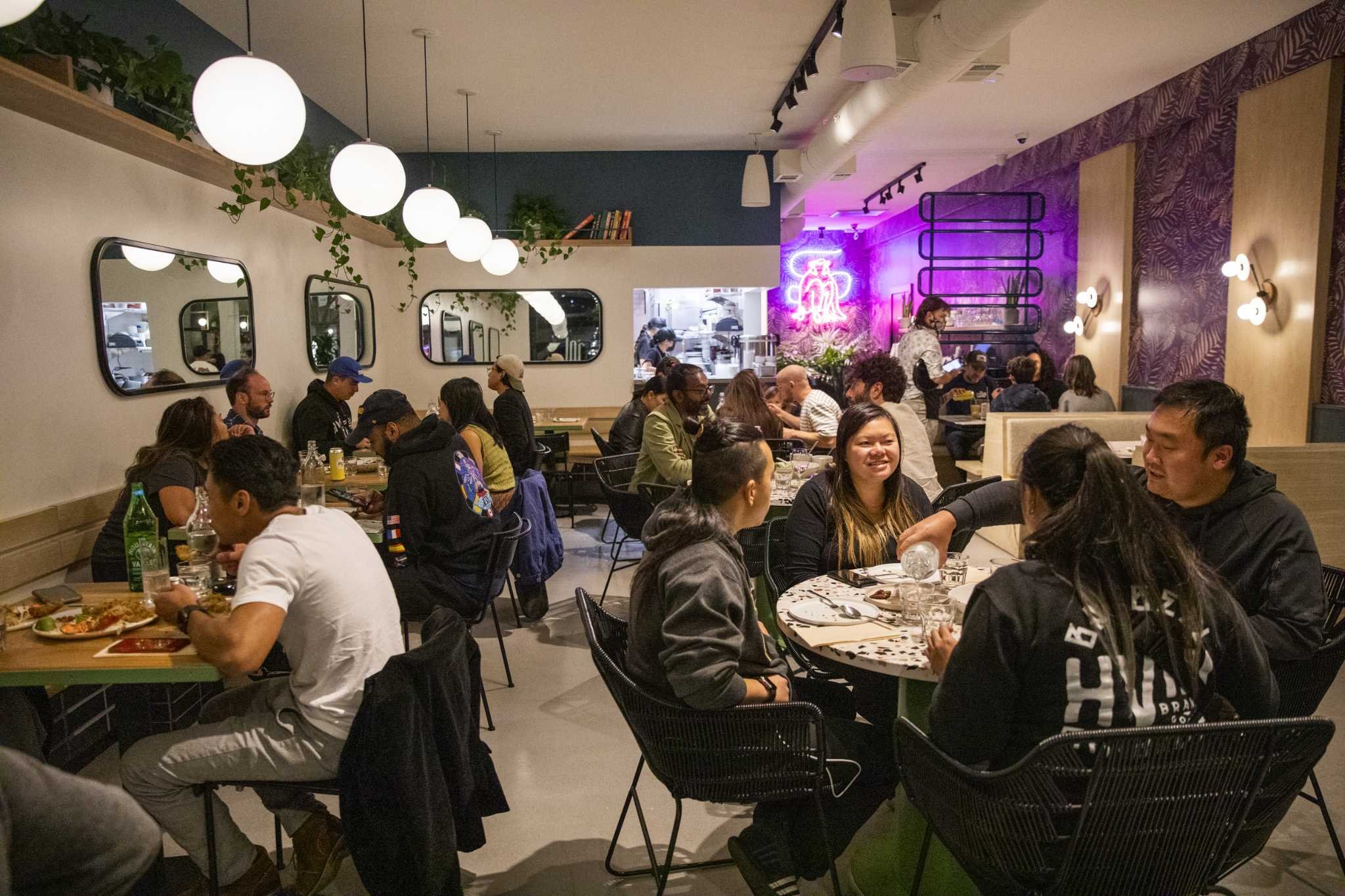
Restaurants in Albany
Browse all →
Bars in Albany
Browse all →
Hotels in Albany
Browse all →


Details
- Casual
- Trendy
- Modern
- Casual Hangout
- Solo
- Standalone
- Organic
- A La Carte
- Counter Dining
- Vegetarian Friendly
- Vegan Options
- Gluten Free Options
Current opening hours
- Monday
- 11 AM–9 PM
- Tuesday
- 11 AM–9 PM
- Wednesday
- 11 AM–9 PM
- Thursday
- 11 AM–9 PM
- Friday
- 11 AM–9 PM
- Saturday
- 11 AM–9 PM
- Sunday
- 11 AM–9 PM
Hours can change for holidays and private events. Last verified .
Casual fast-casual counter service environment with a focus on quick, fresh, healthy meals in a modern setting.