
Tabelog 100 #71
Our verdict
Omura Wan puts Sasebo’s hotel-dining formality into a teppanyaki frame, with steak, wine, counter seating, and bay-facing altitude shaping the experience. Its 2025 Tabelog 100 selection for Steak / Teppanyaki in WEST places it in a selective western Japan category rather than the city’s casual burger-and-yoshoku circuit.

Pearl is the En Primeur Club membership app — saves, bookings, and concierge access live there. Same editors, same standards.
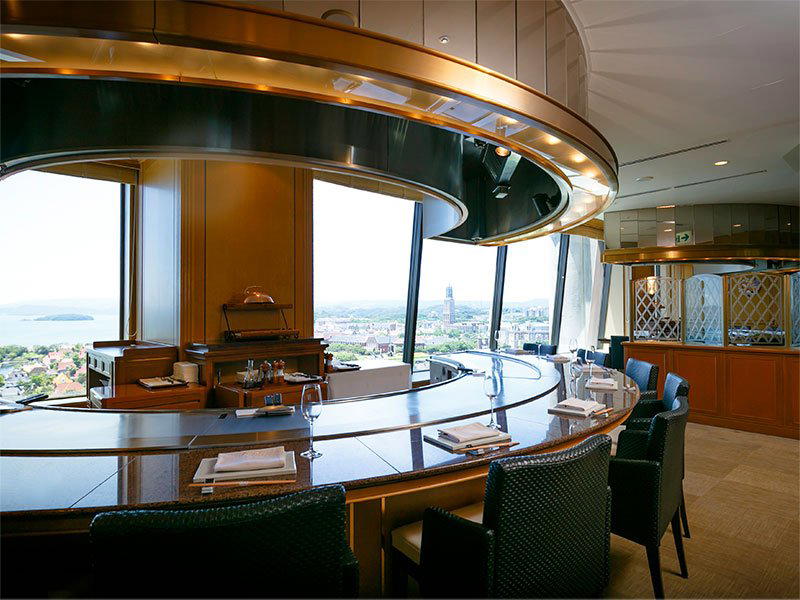
Within Sasebo, the dining room changes the usual tempo of Nagasaki eating. Teppanyaki here is not street-corner speed or izakaya looseness; it is a controlled, special-occasion format, built around counter heat, polished pacing, and the focus of a grill-led meal. That setting matters because Sasebo’s food identity is usually discussed through American-influenced postwar comfort food, port-town cafés, and casual Western-style plates. Omura Wan belongs to a different register: a compact, higher-spend steak and teppanyaki room in the city.
The 2025 Tabelog Hyakumeiten recognition for steak and teppanyaki gives the room a useful point of reference. This is not a Michelin-style tasting-menu signal, and it should not be read that way. It does, however, place the restaurant inside a regional steak-and-teppanyaki conversation where consistency, ingredient handling, grill technique, and service rhythm carry more weight than novelty. In a city where many rewarding meals sit at lower price points, that recognition explains why this address reads as destination dining rather than convenient everyday food.
Teppanyaki as sourcing theatre, not just steak service
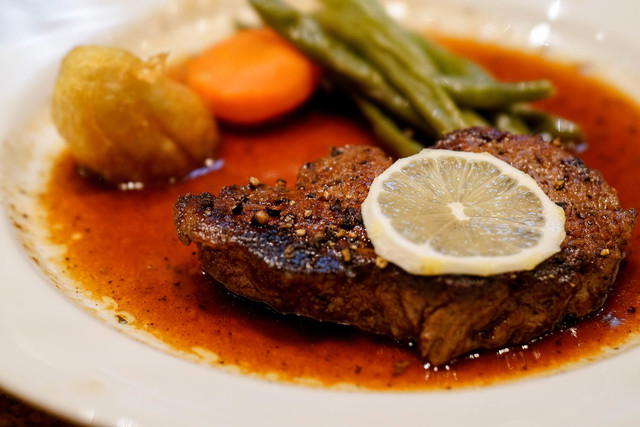
Teppanyaki is often misunderstood outside Japan as performance first and cooking second. In stronger rooms, the grill is closer to a sourcing lens: beef quality, vegetable selection, seafood freshness, and fat management are all exposed because there is nowhere for technique to hide. The format rewards restraint. Heat, timing, and seasoning have to make the ingredient legible without burying it under sauce or ceremony.
That makes Sasebo a more interesting setting than it first appears. Nagasaki Prefecture sits between agricultural inland districts, fishing ports, and travel demand, so premium restaurants can draw from both land and sea traditions without needing to mimic Tokyo’s luxury grammar. The point is not that every ingredient is local, because that level of sourcing detail is not publicly specified. The better reading is structural: teppanyaki in this tier depends on procurement discipline, careful pacing, and dining-room focus that casual counters rarely attempt.
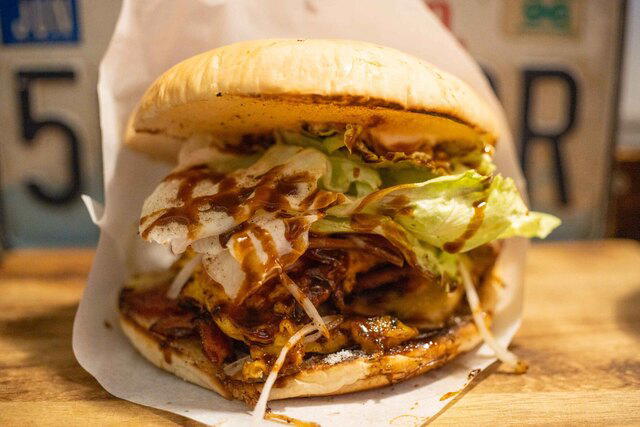
The price bracket also changes expectations. Sasebo has compelling everyday eating at far lower spends, from burger culture to yoshoku and café formats. Other Sasebo dining rooms speak to the city’s postwar casual identity; Asakura and Base Street sit closer to the approachable local circuit. Omura Wan occupies the opposite end of the decision: not where to eat quickly, but where to turn an evening in Sasebo into a formal dinner with a grill at the center.
Where Sasebo's casual food city meets resort formality
Sasebo is a city of layers: naval history, American influence, Nagasaki ingredients, and visitor-facing leisure. The restaurant’s position within that broader city is part of the editorial equation. Premium teppanyaki can feel anonymous when it is used as a luxury cliché; here, the Sasebo setting and the regional recognition signal give it sharper context. The experience is best read as composed dining for guests who want structure rather than a crowded local counter.
That distinction matters for travelers planning Sasebo by mood. A day built around town-center eating should point toward casual addresses and neighborhood pacing; a night kept within a more formal plan calls for fewer pivots and a steadier table. Kissuitei offers another Sasebo reference point, while unnamed casual rooms keep the city’s everyday side in frame. The choice is not only cuisine; it is how much structure the evening needs.
The premium-restaurant category also helps explain the planning note. A steak and teppanyaki room at this spend is not the same as a casual meal, even when the atmosphere is welcoming. It is better suited to diners who are comfortable with a slower, adult-paced dinner and the expectations that come with a higher budget.
How to place it in a Nagasaki itinerary
For travelers using Sasebo as more than a stopover, Omura Wan makes the strongest case when paired with a planned evening rather than forced into a downtown food crawl. Its Tabelog 3.52 score and listed dinner budget of JPY 20,000 - JPY 29,999 describe a restaurant built for considered dining, not impulse grazing. Treat it as a reservation-minded choice and confirm current details through official channels before building the night around it.
The broader itinerary should keep contrast in mind. Sasebo’s appeal comes from switching registers: burgers and yoshoku by day, a controlled teppanyaki room by night, then unnamed bars or hotel lounges depending on where the evening ends. For wider planning, use Our full Sasebo restaurants guide, Our full Sasebo hotels guide, Our full Sasebo bars guide, Our full Sasebo wineries guide, and Our full Sasebo experiences guide.
Readers mapping Japanese dining beyond Nagasaki can also compare how grill, beef, and casual-specialist formats shift by city through other dining in Japan and abroad, from formal counters to casual specialists and bar-led rooms. The useful comparison is not a list of unrelated names, but the way each city balances everyday eating with higher-spend, occasion-led meals.
The editorial read is clear: this is Sasebo dining at its formal end. Go for a measured teppanyaki dinner with award-backed regional credibility, not for the loose, everyday food culture that defines much of the city. The appeal lies in that separation.
Frequently asked questions
Is Omura Wan okay with children?
Check the venue's official channels for the latest details. Omura Wan is a steak and teppanyaki room in Sasebo.
What's the vibe at Omura Wan?
Expect a more formal steak and teppanyaki experience in Sasebo. Its Tabelog Hyakumeiten 2025 recognition gives it a clear special-occasion frame.
What's the pricing like at Omura Wan?
Pricing at Omura Wan is listed as JPY 20,000 - JPY 29,999 View spending breakdown.
What is Omura Wan known for?
Omura Wan is known for teppanyaki and steak in Sasebo, with a 2025 Tabelog Hyakumeiten recognition and a listed score of 3.52.
A Quick Peer Check
Comparable venues by cuisine and price in the same metro.
| Venue | Cuisine | Price | Awards | Notes |
|---|---|---|---|---|
| Omura WanThis venue (the venue you are viewing) | Teppanyaki Japanese Fine Dining | $150–200 | Tabelog 100 #71 | Not listed |
| Kissuitei | Japanese Kaiseki | $100–150 | Not listed | Huis Ten Bosch |
| Shitamachi no Yoshoku Jidaiya | Japanese Western (Yoshoku) | Not listed | Tabelog 100 #100 | Yoshifukucho |
| Stamina Honpo Kaya | Sasebo burger & hamburger shop | $1–10 | Tabelog 100 #78 | Yamatocho |
| Sasebo Burger BigMan Kyomachi honten | Sasebo‑style burger shop | $10–20 | Tabelog 100 #50 | Kamikyomachi |
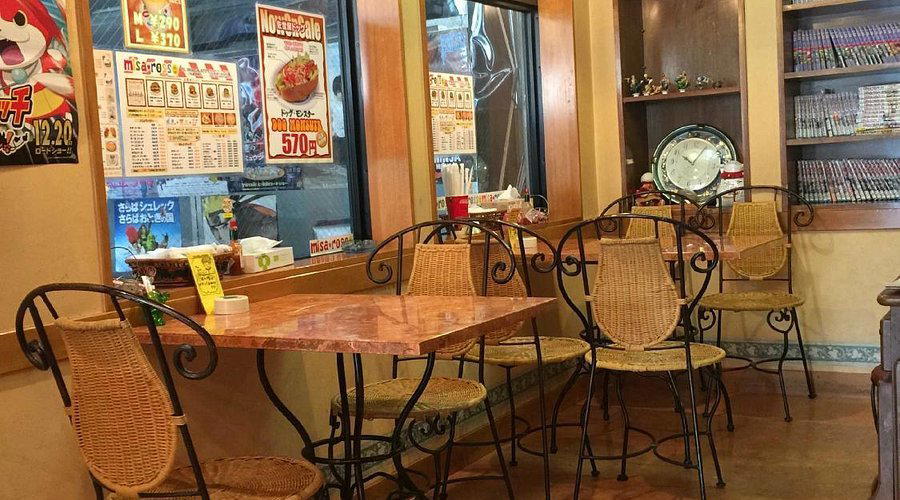
| misa*rosso | Sasebo burger & hot dog shop | $10–20 | Tabelog 100 #100 | Mantokucho |
Recognition history
Dated appearances from independent guides and award organizations, with the underlying list record or original source where available.
Tabelog 100 #71 · No. 71
Tabelog · Tabelog 100 - Steak / Teppanyaki - WEST - 2025
Continue exploring
More in Sasebo
Details
- Elegant
- Scenic
- Romantic
- Sophisticated
- Special Occasion
- Date Night
- Business Dinner
- Group Dining
- Family
- Waterfront
- Panoramic View
- Hotel Restaurant
- Waterfront
- Skyline
- A La Carte
- Set Menu
- Counter Dining
- Allergy Accommodating
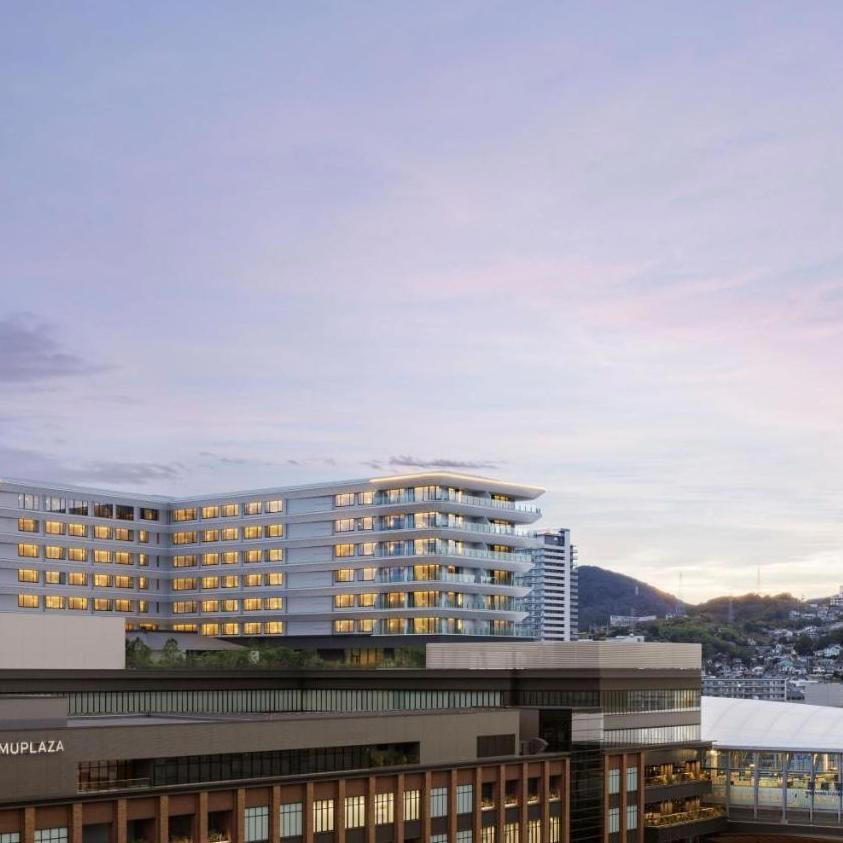
Refined hotel teppanyaki room with a small number of counter seats around the grill, calm lighting, and a quiet, special-occasion atmosphere enhanced by panoramic night views of the bay and theme-park lights.