Teppan cooking in Calgary occupies a narrow tier between casual hibachi chains and high-end omakase formats, and OMO Teppan and Kitchen on Macleod Trail SW sits in that middle ground where live-fire technique meets neighbourhood accessibility. The address places it in the city's south, away from the downtown core, giving it a more local, repeat-visit character than tourist-facing dining strips.
Pearl is the En Primeur Club membership app — saves, bookings, and concierge access live there. Same editors, same standards.
- Address
- 5222 Macleod Trl SW, Calgary, AB T2H 0J2, Canada
- Phone
- +14037643222
- Website
- omoyyc.com
- Directions
- Get directions
 Saves & bookings on Pearl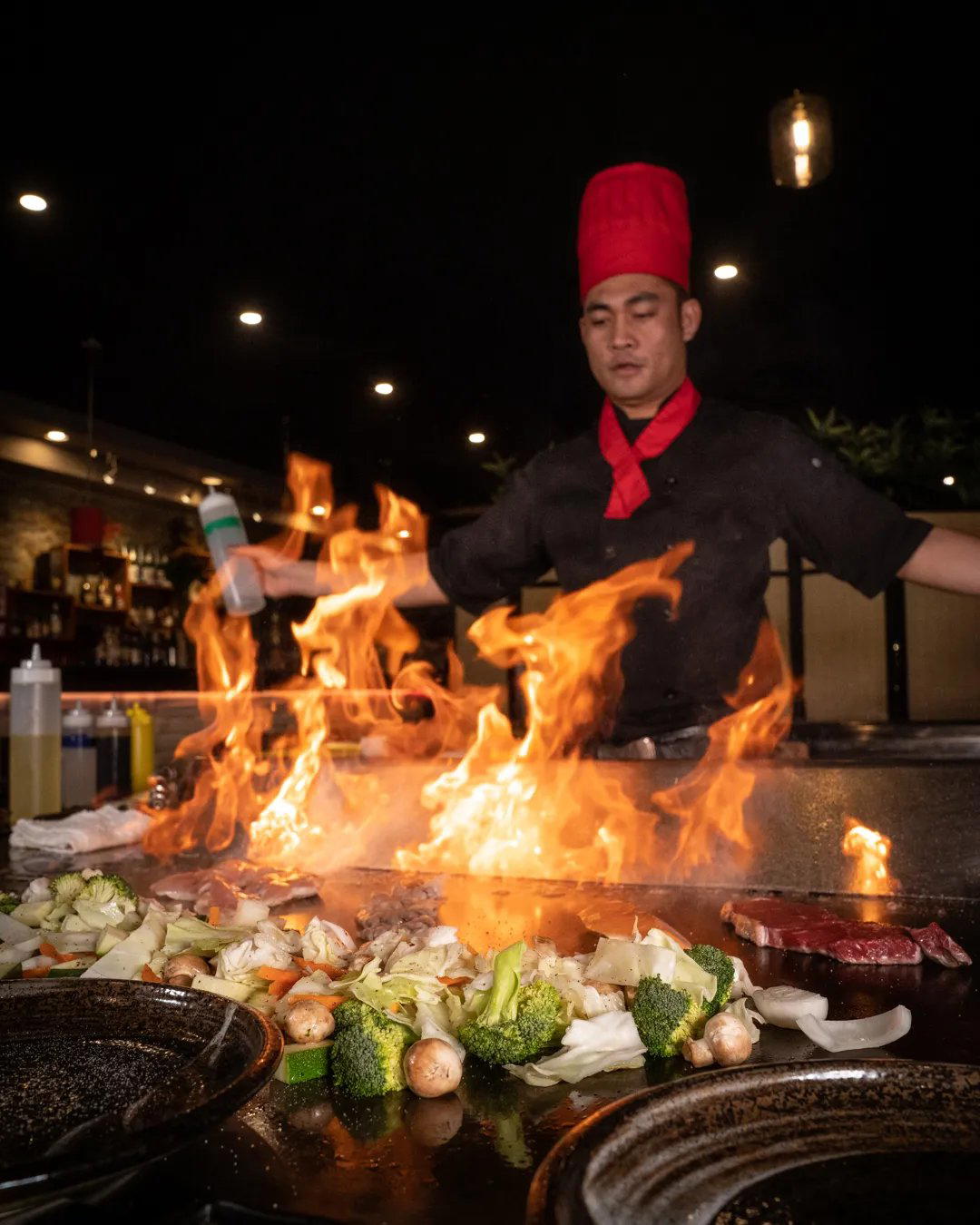
Live Fire on the South Side: Teppan Cooking in Calgary's Neighbourhood Dining Scene
Calgary's restaurant scene has spent the last decade pulling in two directions at once. Downtown and the Beltline attract the headline openings, the competitive prix-fixe formats, and the operators chasing recognition from national lists. Meanwhile, the city's south end, strung along Macleod Trail SW, has developed a quieter, more durable dining culture: neighbourhood restaurants built on repeat custom rather than destination traffic. OMO Teppan and Kitchen, at 5222 Macleod Trail SW, sits squarely in that southern corridor, where the audience tends to be local and the expectations run toward consistency over spectacle.
Teppan cooking as a format has always carried a theatrical charge, the iron griddle as centrepiece, the cook visible and proximate, the heat radiating outward from the cooking surface into the room. In its chain incarnations, that theatrics tips toward entertainment rather than craft. In more serious kitchens, the same format becomes a vehicle for precision temperature control and the kind of caramelisation you cannot replicate in a conventional pan. The question any teppan restaurant must answer is where it positions itself on that spectrum.
The Sourcing Question in Western Canadian Kitchens
Alberta's position as Canada's cattle country means that any serious teppan or iron-griddle kitchen in the province carries an implicit sourcing story whether it acknowledges one or not. The province produces some of the country's most documented beef, with producers operating under provincial quality programmes that track feed and finishing. A teppan format that relies on that supply chain and makes the connection legible to diners is doing something meaningfully different from one that sources commodity protein and applies the same live-fire technique.
Across Canada, the restaurants drawing considered attention on sustainability grounds tend to be explicit about this connection. Tanière³ in Quebec City has built an entire identity around hyperlocal Quebec sourcing. AnnaLena in Vancouver has positioned its kitchen around waste-reduction practice and relationships with specific producers. Restaurant Pearl Morissette in Lincoln integrates its wine estate with its kitchen sourcing in a way that makes the farm-to-table framing feel structurally true rather than cosmetic. The pressure on Calgary restaurants to articulate a similar position has grown steadily, and venues on the south end of the city, serving a primarily local clientele, feel that pressure more acutely than downtown operators whose audience turns over with convention and tourism traffic.
Within Calgary's own scene, comparison venues like The River Café have long anchored their identity to regional and seasonal sourcing, setting a bar that newer openings inherit as context. Operators like Alloy have demonstrated that a Calgary kitchen can hold both technical ambition and a considered sourcing posture simultaneously. The expectation, increasingly, is that this is the baseline rather than the differentiator.
Format and Setting: What the Teppan Counter Implies
The teppan counter format makes certain editorial demands on the kitchen that a conventional table-service model does not. Cooking is visible, which means the sourcing of raw ingredients is also partially visible, in the cut of the protein, the quality of the vegetables brought to the griddle, the oil or fat used for the initial sear. A kitchen that uses high-welfare or traceable proteins cannot hide behind plate presentation in the way a back-of-house brigade can. The counter format is, in this sense, a mild accountability mechanism.
Calgary diners who have eaten at the city's more established live-fire formats will arrive at OMO with calibrated expectations. The south Macleod corridor does not attract the same opening-night crowds as 17th Avenue or the East Village, which means the clientele skews toward people who have made a deliberate choice to be there rather than stumbling in on foot. That changes the room's energy and, typically, the staff's relationship with repeat guests.
Canadian Comparisons: Where Teppan Sits in the National Picture
Teppan as a format remains underdeveloped in Canada relative to Japan or even the United States. Most Canadian cities have one or two operators working seriously in the format; the rest of the category is dominated by all-you-can-eat chains or entertainment-first hibachi rooms. Alo in Toronto and Jérôme Ferrer - Europea in Montréal represent the ceiling of Canadian fine dining ambition, but neither operates in the teppan format, which means the competitive reference points for OMO are more local than national.
What the national scene does establish is an expectation of ethical sourcing as a credibility signal. Eigensinn Farm in Singhampton built its entire model around a farm-integrated kitchen. The Pine in Creemore and Narval in Rimouski both draw on hyperlocal supply as a structural feature rather than a marketing claim. Against that backdrop, a teppan kitchen in Alberta that can point to traceable beef, seasonal vegetable sourcing, and responsible waste practice is speaking a language that the country's most respected kitchens have already established as standard.
Other operators worth reading alongside OMO for regional context include A Certain Flair Catering at Lougheed House, which anchors its identity to a heritage Calgary setting, Barra Fion in Burlington for a comparable neighbourhood-focused approach in a different Canadian city, and Aux Anciens Canadiens in Quebec as a long-running example of how a restaurant can build durable identity around regional culinary tradition.
Know Before You Go
- Address: 5222 Macleod Trail SW, Calgary, AB T2H 0J2
- Neighbourhood: South Calgary, Macleod Trail corridor
- Format: Teppan and kitchen dining; counter and table service implied by format
- Price range: About US$60 per person
- Reservations: Recommended
Comparable Spots, Quickly
Comparable venues nearby, for context on price, style, and recognition.
| Venue | Cuisine | Price | Notes |
|---|---|---|---|
| OMO Teppan and KitchenThis venue — the venue you are viewing | Japanese Teppanyaki Steakhouse | $$$ | Not listed |
| SHOKUNIN | Modern Japanese Yakitori Izakaya | $$$ | 4th Street SW |
| Levilla Restaurant | Premium Steakhouse with European Influences | $$$ | Signal Hill |
| Lunch on 27 | Modern French Bistro | $$$ | Downtown Commercial Core |
| Wellingtons of Calgary | Traditional Steakhouse | $$$ | Willow Park |
| Vero Bistro Moderne | Modern Italian Fusion Bistro | $$$ | Hillhurst |
At a Glance
- Lively
- Energetic
- Group Dining
- Celebration
- Special Occasion
- Family
- Open Kitchen
- Chefs Counter
- Sake Program
- Beer Program
- Craft Cocktails
- Local Sourcing
Current opening hours
- Monday
- 5–9 PM
- Tuesday
- 5–9 PM
- Wednesday
- 5–9 PM
- Thursday
- 5–9 PM
- Friday
- 5–9 PM
- Saturday
- 2–9 PM
- Sunday
- 2–9 PM
Hours can change for holidays and private events. Last verified .
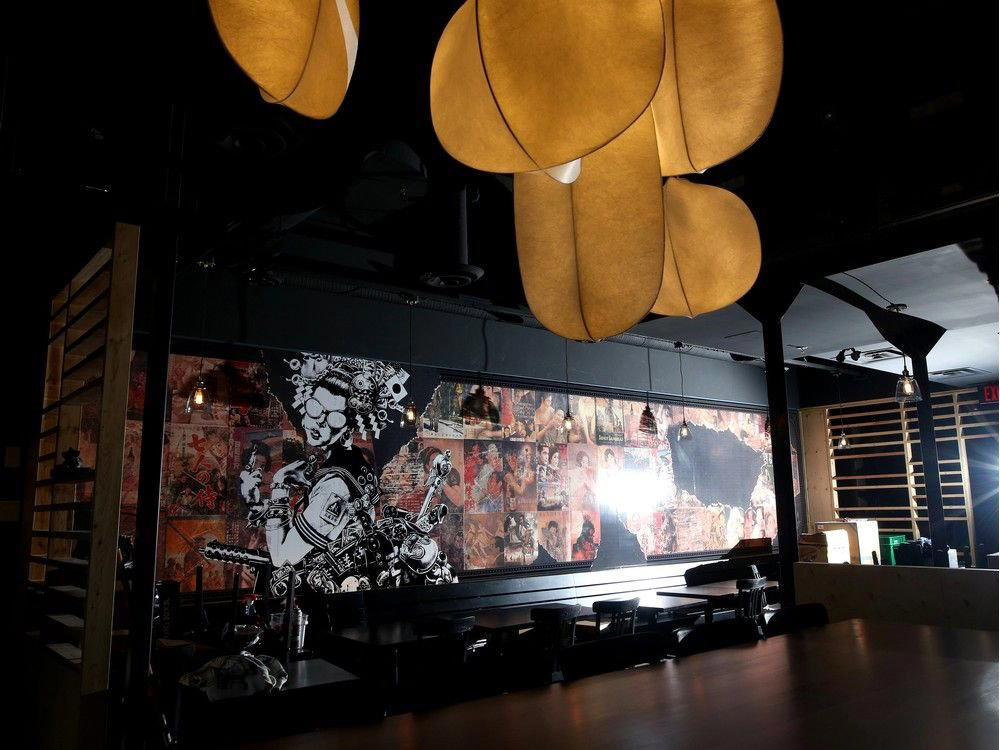
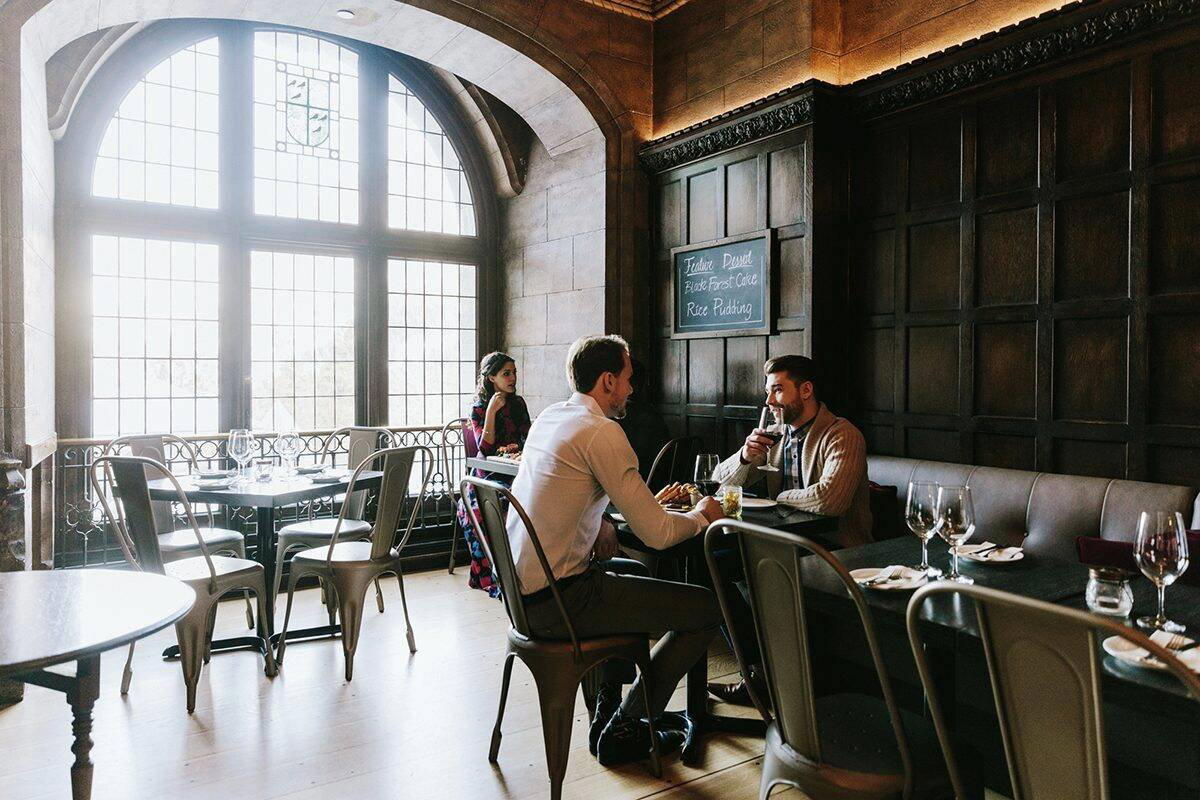
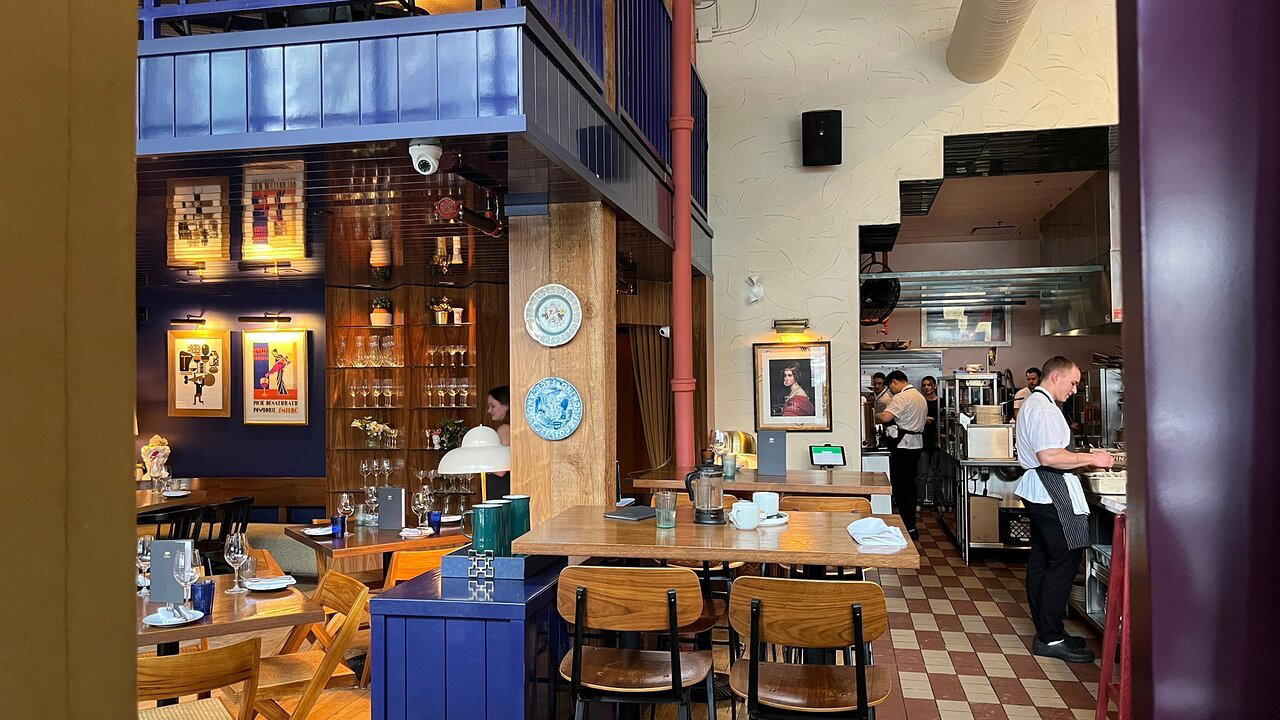
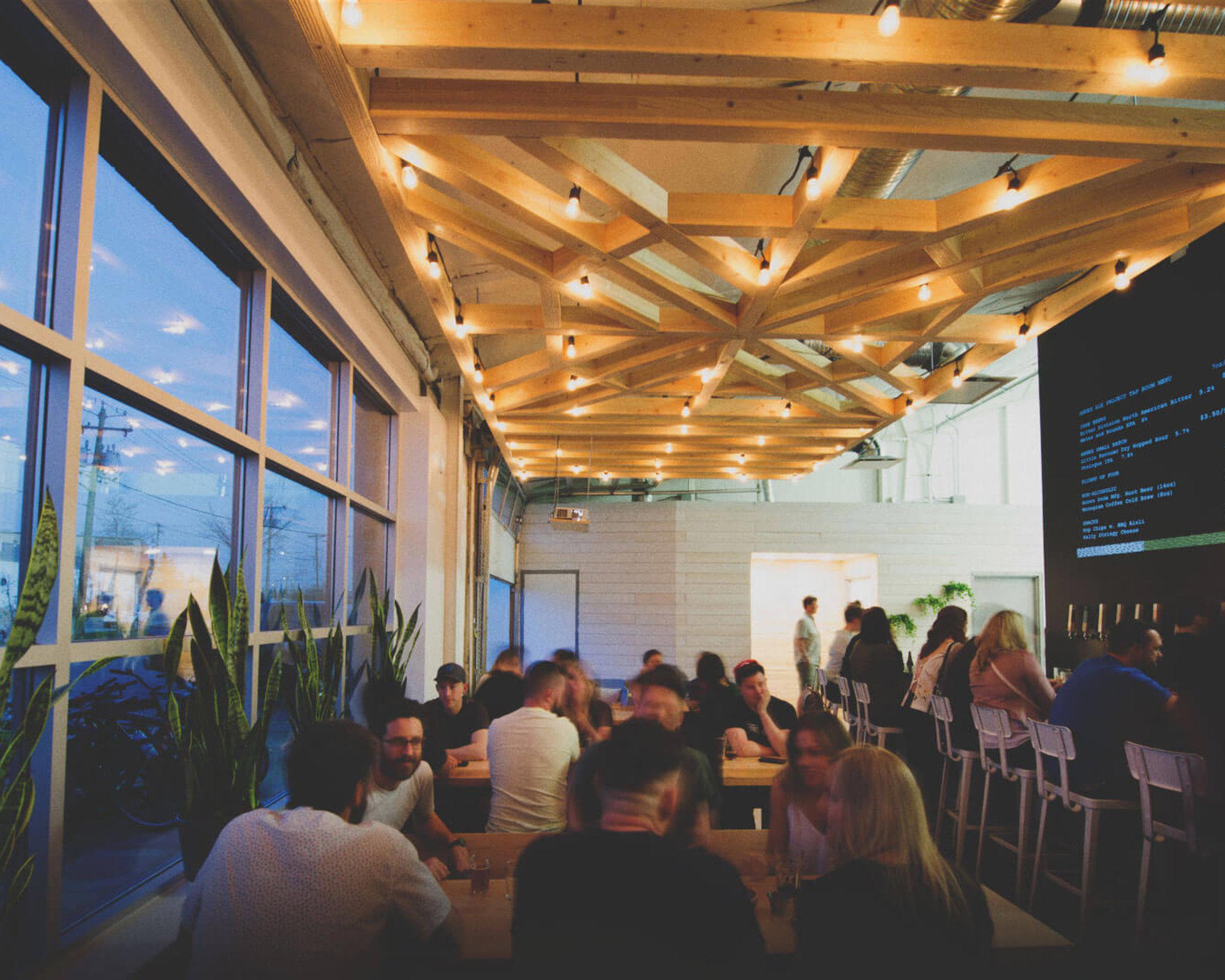
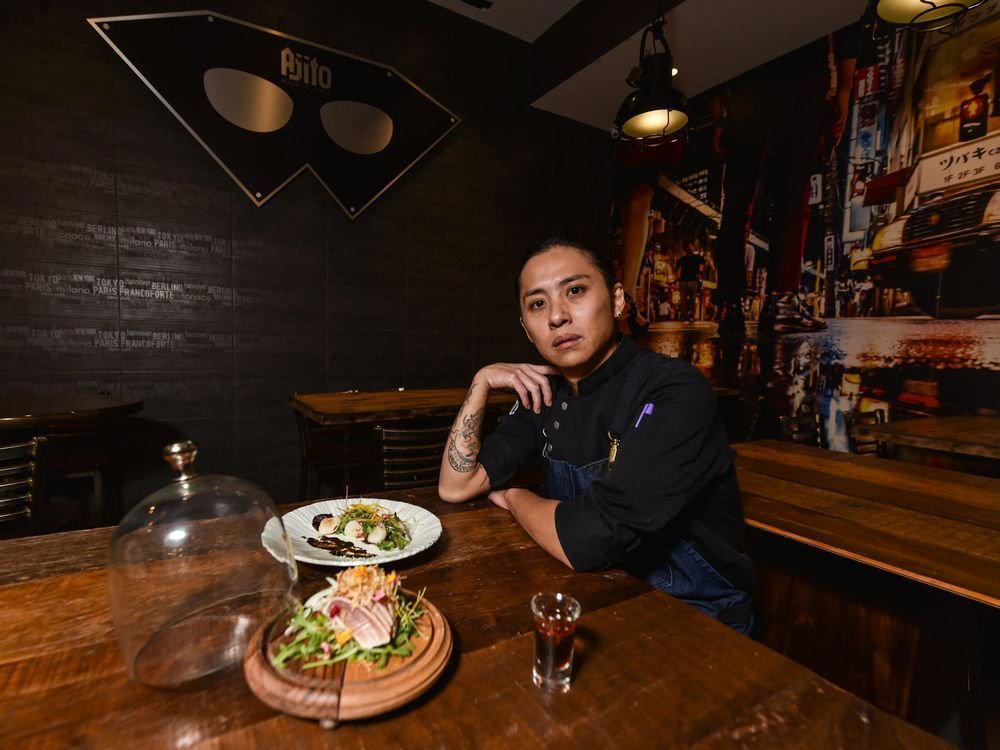
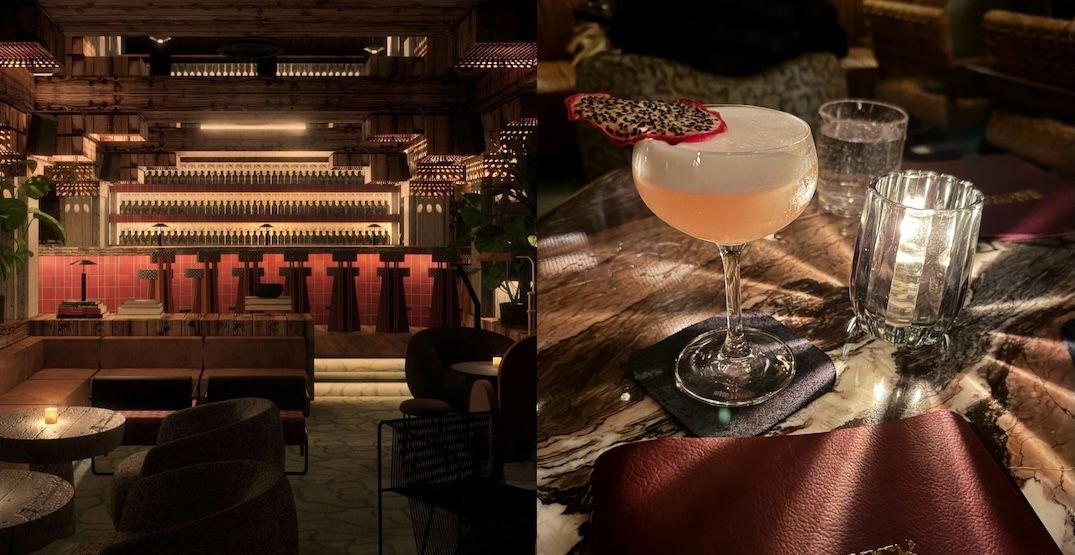
Lively and energetic with theatrical open-kitchen cooking displays, bright lighting from teppanyaki flames, and an exciting atmosphere filled with chef entertainment and audience engagement.