
Behind an unmarked appliance shop front on a quiet Ibiza Town street, Omakase by Walt earns its 2024 Michelin star through a single nightly omakase menu that respects classical Japanese structure — nigiris in two parts, cold and raw preparations, dishes in traditional bowls — delivered by a chef whose training runs through Tokyo and the Basque Culinary Center. Dinner is a fixed communal start time, no menu choices, and no sign outside.
 Discover on Pearl
Pearl is the En Primeur Club membership app — saves, bookings, and concierge access live there. Same editors, same standards.
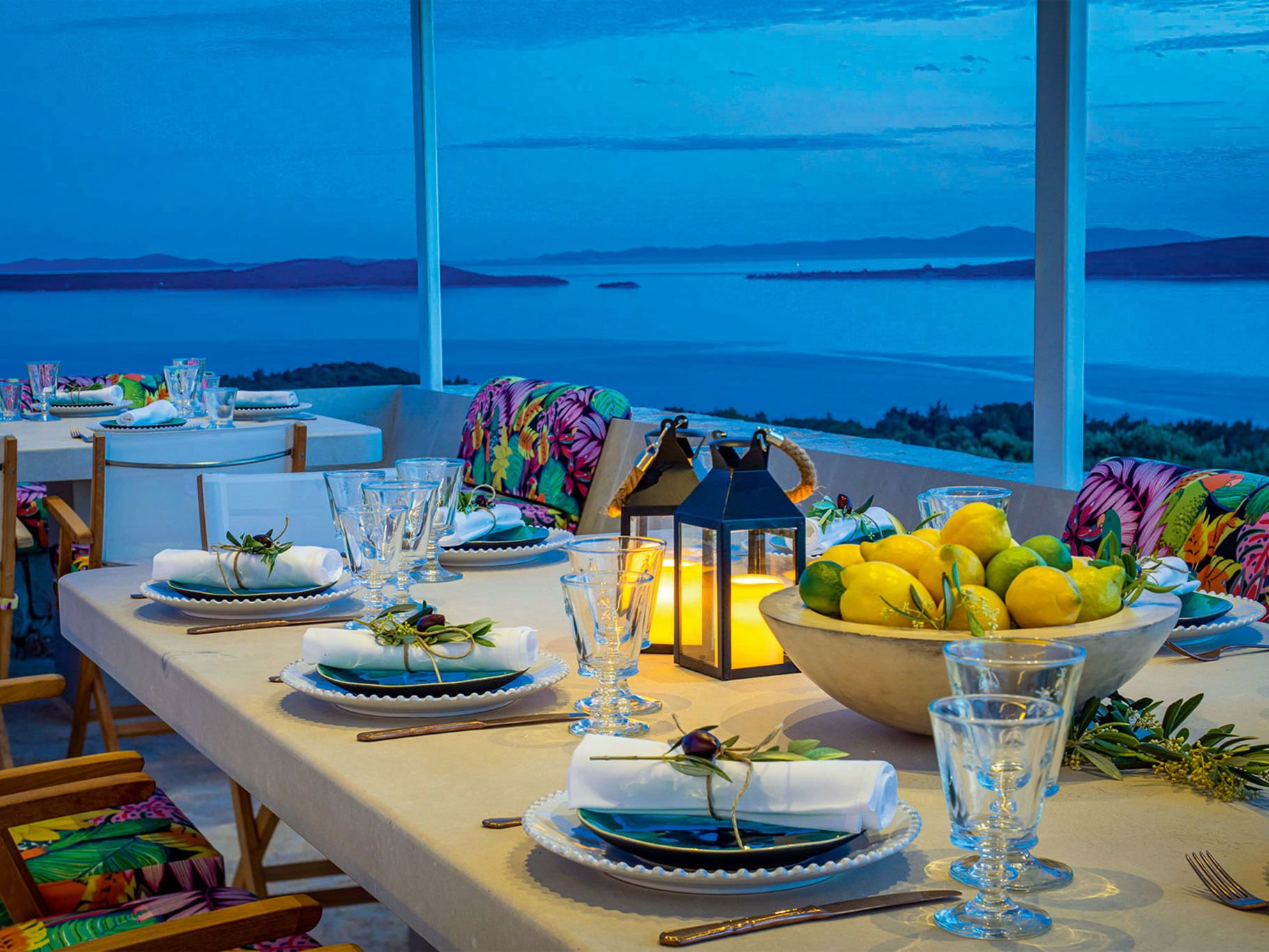
The Unmarked Door on Canonge Joan Planells
Ibiza's dining scene has long sorted itself into two broad registers: high-volume Mediterranean tables that trade on sunset views and fish pulled from the same local waters, and a smaller tier of format-driven restaurants where the constraint — a counter, a single menu, a fixed time — is the point. Omakase by Walt sits firmly in that second group, and it is the only omakase counter on the island to hold a Michelin star, awarded in 2024. What makes the address on Canonge Joan Planells 8 worth knowing is precisely that you won't find it by walking past. The entrance reads as a household appliance shop. There is no sign. First-timers typically pause at the door.
That concealment is not affectation for its own sake. The omakase format, transplanted from Japan's kappo and sushi traditions into a Spanish island context, has always depended on a kind of deliberate separation from ordinary street life. In Tokyo, many of the counters that practitioners trained on , venues like Myojaku and Azabu Kadowaki , sit in buildings that give little away from outside. The aesthetic logic carries: once inside, there is nothing to look at except the counter, the chef, and the sequence of dishes arriving in front of you.
Structure Before Substance: How the Format Works
The omakase model asks guests to surrender the menu entirely. At Omakase by Walt, that means one fixed progression: cold preparations and raw options lead into nigiri served in two parts, with dishes arriving in traditional bowls at various points in the sequence. The format is orthodox by design. What gets called "Japanese tradition" here is not vague cultural gesture but specific structural discipline , the temperature sequencing of courses, the two-piece nigiri service that allows the rice to hold its warmth without the fish overcooking, the bowl-service presentations that reference kaiseki more than contemporary fusion.
One condition applies to all guests: they are asked to arrive at the same time. This is standard practice at the tighter Tokyo counters, where simultaneous seating ensures the chef works through a single coordinated rhythm rather than staggering courses across a rolling reservation window. It also shapes the social register of the evening. Guests seated together, progressing through the same dishes at the same pace, tend to eat differently than diners at separate tables running separate timelines.
The Beverage Angle: Sake in a Spanish Setting
Omakase by Walt's editorial angle sharpens considerably when you consider what the drinks question means in this context. Classical omakase pairing in Japan runs on sake , junmai, ginjo, daiginjo , and sometimes shochu, with the beverage programme designed to track the temperature and flavour progression of the food. Transplanting that logic to Ibiza creates a specific challenge: Spanish wine culture is deeply embedded, the local clientele skews toward Mediterranean bottles, and yet the menu's architecture is built for the cleaner, umami-forward registers that sake navigates better than most European wines.
What serious sake pairing adds to an omakase sequence is not ceremony but calibration. A junmai ginjo, with its restrained acidity and rice-forward profile, does not compete with delicate raw fish the way a high-acid Albariño might. A lightly aged daiginjo can track cold preparations through to warmed nigiri without the flavour axis shifting under the food. Whether Omakase by Walt's current programme leans into sake pairings at that level of specificity is not confirmed in available data, but the format's Japanese structural integrity makes the question worth asking when booking. Guests arriving with an interest in sake should raise it in advance , the counter format, where the chef works in full view and service is direct, is exactly the setting where pairing conversations happen naturally.
It is also worth noting that Ibiza has no serious wine production infrastructure of its own, which removes the local-wine-pairing default that anchors so many Spanish fine dining menus. Restaurants at the €€€€ tier across the island, including La Gaia and 1742, typically import their bottles entirely. For a Japanese counter specifically, that absence of a local wine anchor may actually free the beverage programme to pursue sake more seriously than a mainland Spanish equivalent might.
A Michelin Star in Context
Spain's Michelin map is dense at the leading. The country hosts three-star operations like Arzak in San Sebastián, El Celler de Can Roca in Girona, DiverXO in Madrid, and Quique Dacosta in Dénia, alongside technically adventurous single-star work at places like Azurmendi in Larrabetzu and Aponiente in El Puerto de Santa María. A first star earned in 2024 on Ibiza, for a Japanese counter run by a chef whose training spans Tokyo and the Basque Culinary Center, signals something beyond the island's usual seasonal-tourism dining circuit.
The Basque Culinary Center credential matters here as comparative context rather than biography. That institution sits at the intersection of technical culinary training and research; its instructor roster tends toward practitioners who have worked at a level where replicating tradition accurately is more demanding than inventing variations on it. The chef's documented Tokyo training and subsequent BCC instructor role position Omakase by Walt in a peer group that has more in common with focused single-counter Japanese operations across Europe than with Ibiza's broader €€€€ tier, which is dominated by Mediterranean seafood and Mediterranean-leaning fusion.
For a reference point within the island, El Bigotes and Es Xarcu represent the local seafood tradition at its most direct , beach settings, bullit de peix, simplicity over technique. Can Font covers regional Ibizan cuisine. These are not competing formats; they occupy entirely different registers. A visitor building a serious Ibiza dining itinerary should treat Omakase by Walt as the island's precision-technique option and pair it with a traditional seafood lunch elsewhere in the same trip.
When to Book and What to Expect
The restaurant opens Tuesday through Saturday, from 6 PM to midnight, and is closed Sunday and Monday. Given the counter format and the single communal start time per service, available covers on any given evening are limited by the physical size of the room. A 4.7 Google rating across 61 reviews, for a venue this small, represents a narrow sample but a consistent one. Booking well ahead of the summer season is advisable; Ibiza's June-to-August influx compresses availability across the island's serious dining options.
Canonge Joan Planells 8 sits within Ibiza Town (Eivissa), accessible from the old town and the port area on foot. The price tier is €€€€ , in line with the island's leading table positioning , and the format offers no à la carte alternative. Guests who want a shorter or lighter experience will not find an accommodation here; the omakase structure is the only option.
For the full picture of where this counter sits within the island's broader scene, the full Ibiza restaurants guide maps the range. Those building a longer trip should also consult the Ibiza hotels guide, bars guide, wineries guide, and experiences guide for a complete picture of the island's premium offer.
In Context: Similar Options
Comparable venues for orientation, based on our database fields.
| Venue | Cuisine | Price | Awards | Notes |
|---|---|---|---|---|
| Omakase by Walt | Japanese | €€€€ | Michelin 1 Star | This venue |
| La Gaia | Fusion | €€€€ | Fusion, €€€€ | |
| El Bigotes | Seafood | Seafood | ||
| Es Xarcu | Spanish | Spanish | ||
| Sa Nansa | Seafood | Seafood | ||
| Sublimotion by Paco Roncero | Progressive | Progressive |

At a Glance
- Intimate
- Elegant
- Minimalist
- Sophisticated
- Hidden Gem
- Special Occasion
- Date Night
- Celebration
- Chefs Counter
- Open Kitchen
- Private Dining
- Sake Program
- Sommelier Led
- Local Sourcing
- Sustainable Seafood
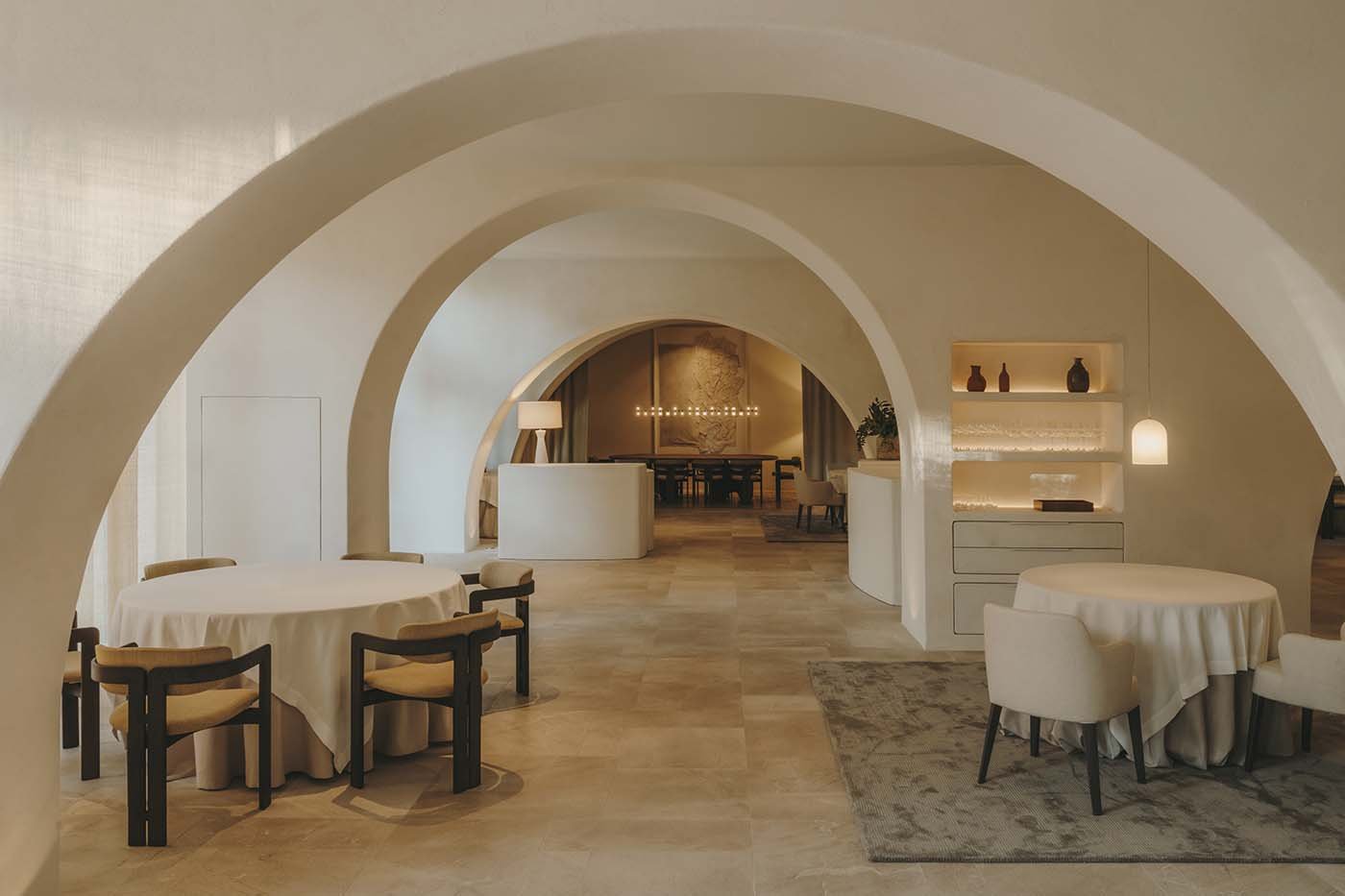
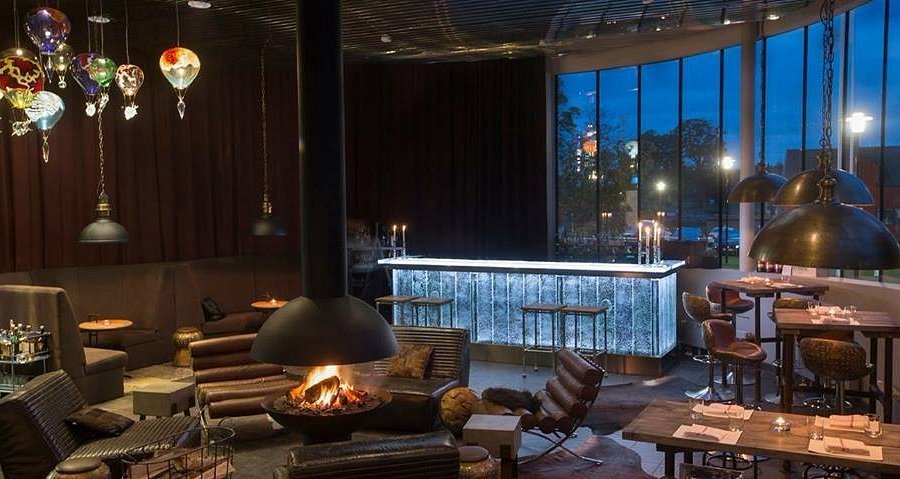
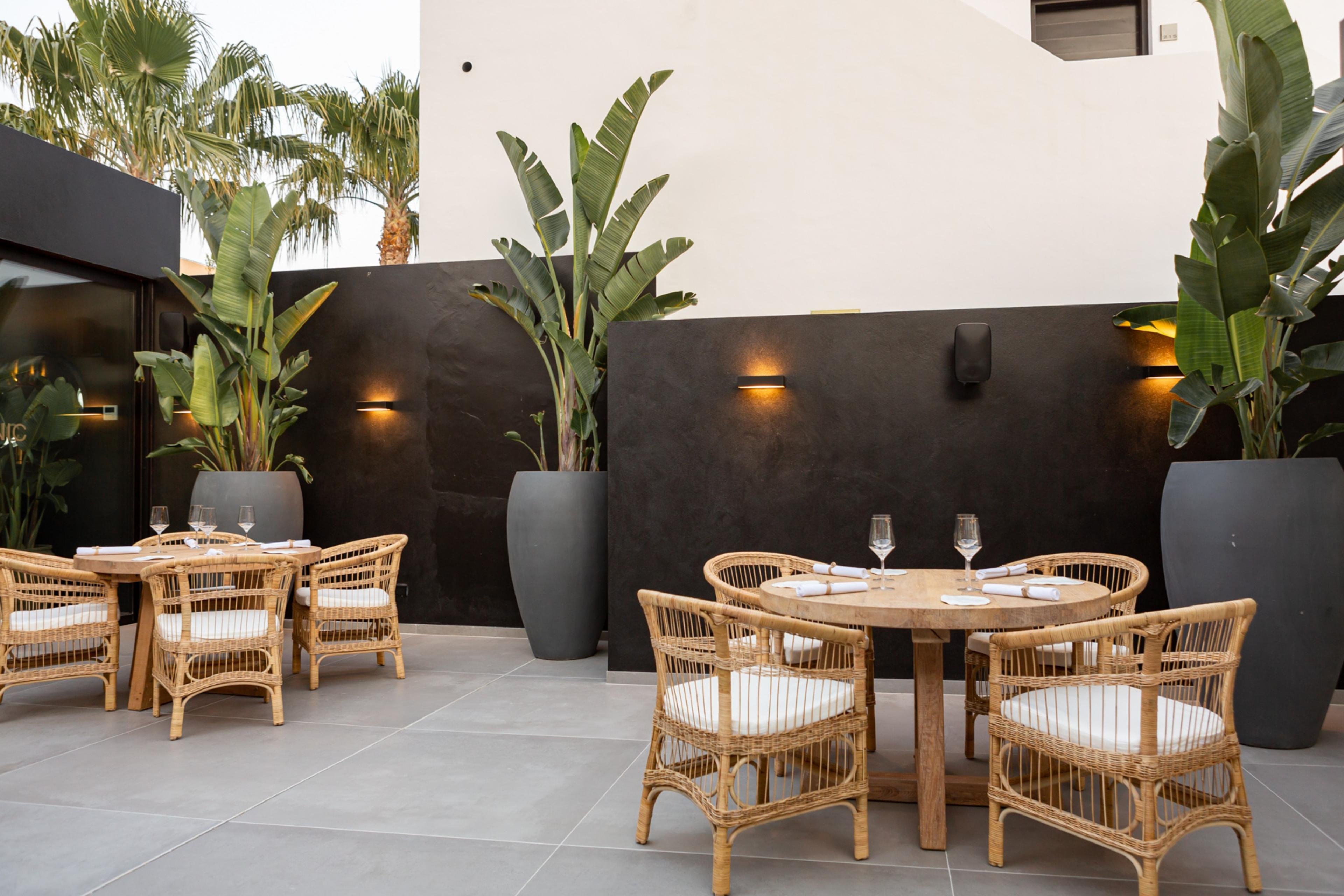
Minimalist Japanese aesthetic with soft traditional music, intimate wooden bar counter, discreetly lit, designed to isolate diners from Ibiza's bustling nightlife and create a meditative culinary ritual.